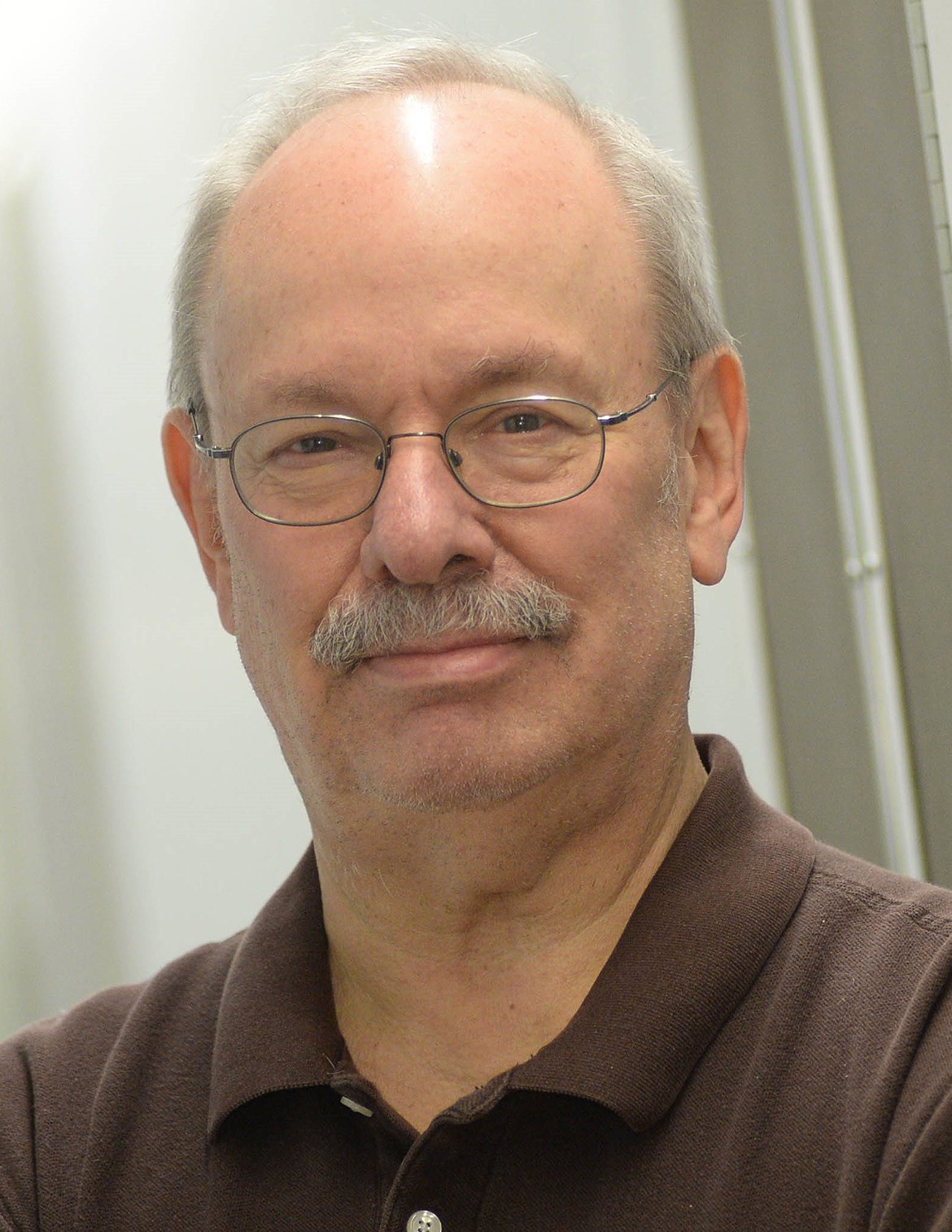
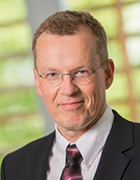
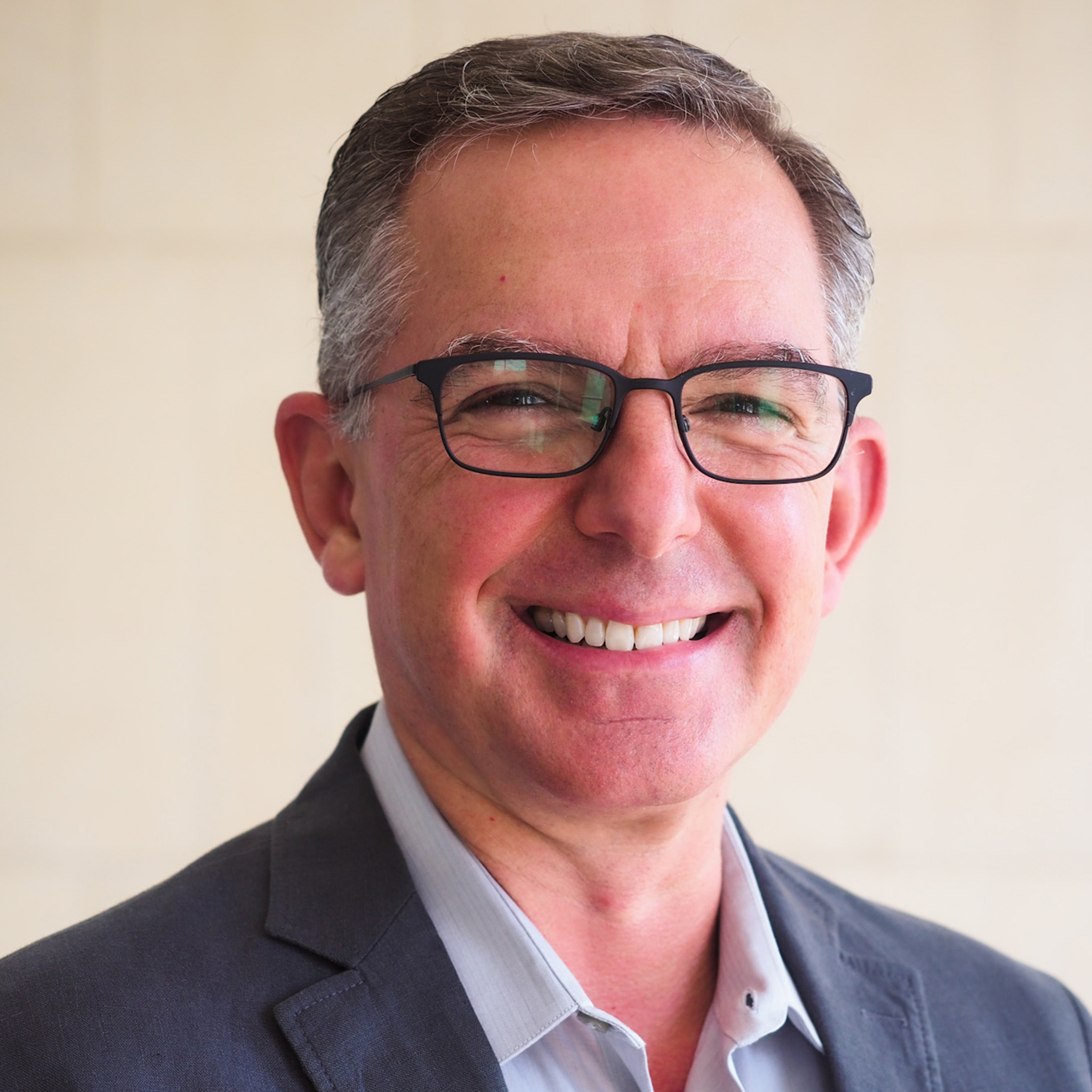
James Manley is the Julian Clarence Levi Professor of the Life Sciences at Columbia University, with extensive research in gene expression regulation. His work spans transcription, RNA splicing, and polyadenylation mechanisms in human cells, connecting these processes to neurodegenerative diseases (ALS/FTD) and cancers. Affiliation: Columbia University, Department of Biological Sciences Contact: jlm2@columbia.edu Research Interests: Dr. Manley's laboratory investigates nuclear processes including: Transcriptional control via RNA polymerase II CTD modifications Alternative splicing regulation by hnRNP and SR proteins Polyadenylation dynamics in cell cycle and differentiation Disease mechanisms in spliceosome mutations (SF3B1, SRSF2) RNA-protein interactions in stress responses Publication Trends: Recent work focuses on disease-associated mutations affecting RNA processing, non-canonical RNA functions, and immune regulation via polyadenylation. Articles span molecular oncology, neurodegeneration, and RNA surveillance mechanisms. Scientific Recognition: Member, American Academy of Arts & Sciences Member, National Academy of Sciences Key Collaborations: Studies involve interdisciplinary work with neurology, cancer biology, and immunology teams. His lab employs biochemical assays, structural analysis, and genetic models to dissect RNA processing pathways.
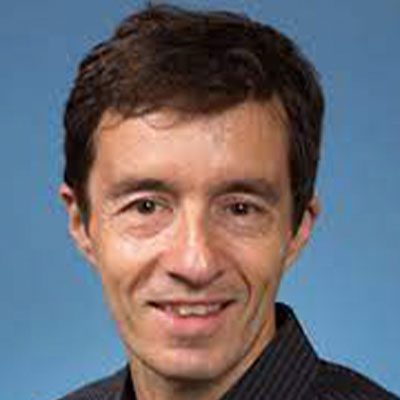
Guillaume Chanfreau is a Professor in the Department of Chemistry and Biochemistry within the College of Letters and Science at the University of California Los Angeles (UCLA). His research focuses on fundamental mechanisms of RNA metabolism, with particular emphasis on RNA splicing, decay pathways, and ribonuclease functions. His work spans molecular biology, biochemistry, and genetics, utilizing yeast as a primary model organism to investigate conserved RNA processing mechanisms. Professor Chanfreau's research interests center on understanding how RNA processing pathways regulate gene expression. His work examines transcription termination, RNA splicing fidelity, RNA decay mechanisms, and the role of ribonucleases in cellular RNA homeostasis. He investigates how these processes are interconnected and how they respond to cellular stress conditions. His laboratory has made significant contributions to understanding how RNA quality control mechanisms prevent the accumulation of aberrant transcripts and maintain cellular health. Analysis of Chanfreau's recent publications (2020-2025) reveals a strong focus on RNA splicing mechanisms, RNA decay pathways, and ribonuclease functions. His work frequently employs yeast genetics combined with advanced RNA sequencing techniques. A notable trend is the increasing use of long-read sequencing technologies to analyze RNA isoforms and decay intermediates. His research consistently bridges fundamental molecular mechanisms with potential implications for understanding human diseases related to RNA processing defects. Professor Chanfreau has been continuously funded by the National Institutes of Health, with his current grant R35GM130370 (2019-2023) titled 'The Control of Gene Expression by Eukaryotic Ribonucleases' and previous long-term funding through R01GM061518 (2000-2019). His research program has supported numerous graduate students and postdoctoral researchers who have contributed to his extensive publication record spanning over two decades.
Aaron Hoskins is a full-time Professor of Biochemistry and Chemistry at the University of Wisconsin–Madison, where he leads an active research program focused on pre-mRNA splicing, spliceosome assembly, and single-molecule biophysics. He is affiliated with the Department of Biochemistry and the Hoskins Group laboratory, located in the Biochemical Sciences Building. Education: B.S., 2000 – Purdue University Ph.D., 2006 – Massachusetts Institute of Technology Postdoctoral Fellow, 2006–2011 – Brandeis University and UMass Medical School His research centers on understanding the molecular mechanisms of pre-mRNA splicing and spliceosome assembly in eukaryotes. Using single-molecule fluorescence microscopy, his lab investigates how the spliceosome recognizes RNA targets, how ribonucleoproteins are assembled, and how splicing fidelity is maintained or disrupted in disease. His work integrates genetics, chemical biology, and biophysical approaches to dissect spliceosome dynamics and to develop new tools for studying RNA processing. Aaron Hoskins has published over 80 peer-reviewed articles since 2004, with recent work appearing in RNA , eLife , Structure , and Cell Chemical Biology . His research trends include the structural dynamics of spliceosomal snRNPs, cancer-associated mutations in splicing factors, and the development of splicing inhibitors as potential therapeutics. His lab also explores translational applications, including the use of humanized yeast strains for drug screening. He is supported by multiple NIH grants (R01 GM053007, R01 GM112735, R01 GM081648) and has collaborated extensively with UW-Madison colleagues David Brow and Samuel Butcher. His lab is equipped with custom-built fluorescence microscopes for single-molecule imaging and is actively training the next generation of scientists in RNA biology and biophysics.
Suyang Zhang is a Researcher at the University of Cambridge , affiliated with the MRC Laboratory of Molecular Biology (MRC-LMB). His research focuses on the molecular mechanisms underlying transcription-coupled alternative splicing, integrating structural biology and biochemical approaches to elucidate interactions between the transcription and splicing machineries. Primary institution: MRC-LMB, University of Cambridge Research group members: Jack Bowden, Yuliya Gordiyenko, Yunke Luo, Pei Wang, Helen Zhang Research Interests: Dr. Zhang investigates how RNA polymerase II (Pol II) transcription and pre-mRNA splicing are mechanistically coupled. His work aims to uncover the structural basis for splice site selection and the functional interplay between the transcription and splicing machineries, with implications for understanding gene regulation in eukaryotic systems. Recent Publications: His group has published high-impact structural studies on Pol II complexes with spliceosomal components (U1 snRNP) and regulatory factors (DSIF, SPT6), as well as mechanistic insights into APC/C activation and translation initiation complexes. These studies leverage cryo-EM, biochemical reconstitution, and RNA sequencing to bridge structural and functional gaps. 2025: Structural basis of RECQL5-induced Pol II transcription braking 2025: Pol II-DSIF-SPT6-U1 snRNP complex architecture 2021: Pol II-U1 snRNP interaction mechanisms 2019: Cyclin A2 degradation pathways 2016: APC/C activation dynamics 2014: Translation initiation complex structure Methodologies: The lab employs multidisciplinary approaches, including cryo-EM, biochemical assays, and in vivo RNA sequencing, to dissect molecular mechanisms at atomic resolution.
Zhipeng Lu is currently an Associate Professor of Pharmacology and Pharmaceutical Sciences at the University of Southern California (USC) School of Pharmacy. His research focuses on understanding RNA molecules and their structural complexity as a second layer of genetic instructions beyond protein encoding. He directs the Lu Lab at USC, which develops and applies novel technologies to investigate RNA structures, interactions, chemical modifications, and functions in cellular processes and animal development. Dr. Lu's research interests center on "RNA machines" in living cells, with particular emphasis on how RNA molecules fold into structures and form intermolecular interactions to execute genetic instructions. His work spans multiple dimensions of RNA biology, including RNA structure-function relationships, RNA-protein interactions, RNA modifications, and the role of RNA in human diseases such as genetic disorders and viral infections. The lab combines computational, chemical, and biological approaches to elucidate fundamental mechanisms of RNA machines, with the ultimate goal of developing new understanding and therapies targeting human diseases. Analysis of Dr. Lu's publication history reveals a strong trajectory in RNA structure and interaction mapping technologies. His work has evolved from foundational studies on RNA processing and modification to developing innovative high-throughput methods like PARIS and RISE for analyzing RNA interactomes. Recent publications focus on specific RNA systems like XIST and snoRNAs, demonstrating how his lab has moved from method development to applying these tools to solve longstanding biological questions in epigenetics and RNA therapeutics. Dr. Lu has received numerous prestigious awards recognizing his contributions to RNA research: NHGRI K99/R00 NIH Pathway to Independence Award (2017-2022) RNA Society Scaringe Award (2017) Stanford University Jump Start Award for Excellence in Research (2016-2017) Damon Runyon-Sohn Fellowship (2015-2017) His research is supported by multiple funding sources from organizations including the National Institutes of Health and other foundations. The Lu Lab is actively recruiting PhD students and postdoctoral researchers to work on several cutting-edge directions including RNA structures, interaction networks, RNA modification mechanisms, and their roles in development and disease. The lab integrates biological, chemical, and computational approaches to advance RNA biology and push forward RNA medicine. The Lu Lab at USC is a dynamic research environment focused on "RNA machines" with recent highlights including solving aspects of the orphan snoRNA problem and discovering snoRNAs that control eMet tRNA activity. The lab's vision emphasizes creative exploration of RNA biology, with researchers encouraged to pursue innovative ideas much like "wild animals running in the African savannah." Current research directions include analysis of RNA structures, interaction networks, RNA modification mechanisms, and their roles in development and disease, with applications to genetic disorders, cancers, and viral infections.
Patricia J. Hilleren is an Associate Professor of Biology and current Department Chair at Skidmore College , Saratoga Springs, NY. Her research focuses on nuclear mRNA quality control systems and gene expression accuracy in eukaryotic cells, using Saccharomyces cerevisiae as a model organism. She earned her PhD in Biochemistry, Molecular Biology, and Biophysics from the University of Minnesota (1997) and completed postdoctoral research at the Howard Hughes Medical Institute, University of Arizona (1997-2003). Education: B.S., Microbiology (1987), St. Cloud State University Ph.D., Biochemistry, Molecular Biology, and Biophysics (1997), University of Minnesota Postdoctoral Research (1997-2003), Howard Hughes Medical Institute, University of Arizona Courses Taught: Liberal Sciences I Molecular Cell Biology (BI 242) Chromatin Structure, Maintenance and Function (BI 360) mRNA Synthesis, Processing, and Turnover (BI 363) Research Interests: Hilleren investigates nuclear quality control systems that ensure accurate gene expression, focusing on how defective pre-mRNAs are recognized, retained at transcription sites, and removed in eukaryotic cells. Her work addresses fundamental cellular mechanisms through yeast genetics and molecular biology approaches. Publication Trends: Her research spans RNA biology, gene expression regulation, and mRNA surveillance systems. Key themes include nuclear RNA processing errors, cytoplasmic degradation pathways, and molecular mechanisms of mRNA quality control in Saccharomyces cerevisiae . Contact: Office: Biology Department - CIS 210A Phone: (518) 580-8301 Email: phillere@skidmore.edu Office Hours: Tuesdays 10:30am-12noon, Thursdays 2:15pm-3:30pm
Christian Freund is Professor of Protein Biochemistry at the Institute for Chemistry & Biochemistry, Freie Universität Berlin, holding this W2 professorship since 2011. He serves as Coordinator of the FU Berlin-UCSF Collaborative Initiative and Founding Member/Vice-chair of the DFG Collaborative Research Centre SFB/TRR 186 on Molecular Switches in Cellular Signal Transmission, leading interdisciplinary research across Berlin and Heidelberg institutions. His academic foundation includes Chemistry studies at Heinrich-Heine-Universität Düsseldorf (1983-1986) and Ludwig-Maximilians-Universität München (1986-1989), followed by a PhD in Structural Biology at the Max-Planck-Institute of Biochemistry (1994) and Habilitation in Biochemistry at Freie Universität Berlin (2005). Freund's research integrates structural biology, biophysics, and immunology to investigate molecular mechanisms of antigen presentation and cellular signaling. His work centers on MHC class II dynamics, protein conformational switches, and nanoscale organization of signaling complexes, employing NMR spectroscopy, quantitative proteomics, and molecular engineering to dissect immune recognition pathways and neuronal signaling mechanisms. Analysis of his 2010-2019 publications reveals consistent focus on MHC-mediated antigen presentation (60% of works), with significant contributions to understanding peptide exchange dynamics and HLA-DM editing functions. Secondary research streams explore synaptic protein networks (25%) and T cell signaling machinery (15%), demonstrating methodological breadth across structural biology, proteomics, and cell biological approaches. His scientific recognition includes: Biofuture award from the German Ministry of Education and Research (1999) Swiss National Funds Post-doctoral Scholarship (1997) Innovationswettbewerb Medizintechnik grant (2009) As research group leader at Leibniz-Institute of Molecular Pharmacology (2000-2011) and current FU Berlin professor, Freund has secured major collaborative funding through DFG SFB/TRR 186 and the UCSF partnership. His mentorship spans postdoctoral fellows at Harvard/Dana-Farber and Leibniz-Institute, with current supervision of graduate students in the Berlin biochemistry program. Freund directs a research group within FU Berlin's Institute for Chemistry & Biochemistry, operating as core component of SFB/TRR 186. His laboratory maintains active collaborations with UCSF's QBI (Nevan Krogan) and Heidelberg-based structural biology teams, utilizing advanced NMR, cryo-EM, and single-molecule imaging facilities across the Berlin-Heidelberg research alliance.
Melissa J. Moore, PhD, is Professor at the University of Massachusetts Chan Medical School, where she holds the Eleanor Eustis Farrington Chair of Cancer Research and serves in the RNA Therapeutics Institute. She also holds appointments in the T. H. Chan School of Medicine (Department of Chemical Biology) and the Morningside Graduate School of Biomedical Sciences (Departments of Biochemistry & Molecular Biotechnology, Interdisciplinary Graduate Program, and Translational Science). Additional affiliations include campus-wide programs in Bioinformatics & Integrative Biology and Chemical Biology. Education: BS in Chemistry/Biology, College of William and Mary PhD in Biological Chemistry, Massachusetts Institute of Technology Research Focus: Melissa Moore’s laboratory investigates post-transcriptional gene regulation in eukaryotes, with emphasis on three interconnected themes: (1) spliceosome structure and catalytic mechanism, (2) nuclear-to-cytoplasmic control of mRNA metabolism, and (3) quality control and clearance of defective ribosomal and messenger RNAs. The group combines biochemistry, single-molecule biophysics, RNA structural biology, and cell biology to dissect these processes at molecular and systems levels. Scientific Awards & Honors: Eleanor Eustis Farrington Chair of Cancer Research Funding & Collaborations: Work is supported by grants from the National Institutes of Health and involves ongoing collaborations with investigators at Brandeis University, MIT, University of Rochester, and other institutions. Rotation projects for graduate students are available in all active research areas. Laboratory & Team: The Moore laboratory is located in the RNA Therapeutics Institute at UMass Chan Medical School, 364 Plantation Street, Worcester, MA. The team employs state-of-the-art single-molecule imaging, mass spectrometry, and high-throughput sequencing to advance understanding of RNA biology and to translate insights into therapeutic RNA technologies.
Prof. Henning Urlaub is a Professor at the Faculty of Medicine at Georg August University Göttingen and Group Leader of the Bioanalytical Mass Spectrometry Group at the Max Planck Institute for Multidisciplinary Sciences (formerly Max Planck Institute for Biophysical Chemistry). His roles include leading a research group focusing on proteomics and clinical biochemistry at the University Medical Center Göttingen (UMG). He holds dual affiliations in both academic and clinical research sectors. He earned his Ph.D. in biochemistry from the Free University of Berlin (1993–1996) and conducted postdoctoral research at institutions including the Max Delbrück Center for Molecular Medicine (Berlin) and the Philipps University of Marburg. His career includes leadership roles since 2010 in both the Max Planck Institute and UMG. Research Interests : Dr. Urlaub’s work centers on modern mass spectrometry applications for analyzing proteins, post-translational modifications, and protein interactions. Key projects include: Quantitative analysis of synaptic proteins under stimulation Protein cross-linking studies in B cells and other systems Method development for protein-RNA/DNA interactions Structural elucidation of large complexes via CX-MS and cryo-EM His group operates as a core proteomics facility for the Max Planck Institute and collaborates with external institutions like the University Hospital Frankfurt. They also maintain a clinical proteomics branch at the UMG’s Institute for Clinical Chemistry. Collaborations & Infrastructure : The group provides proteomics services to researchers across disciplines, emphasizing translational and clinical applications. Their instrumentation includes advanced mass spectrometry platforms (e.g., ESI, MALDI) for high-throughput proteomic analysis.
Prof. Dr. Michael Sattler is a Full Professor of Biomolecular NMR at the Technical University of Munich (TUM) and Director of the Institute of Structural Biology at Helmholtz Zentrum München. He leads the Molecular Targets & Therapeutics Center and directs the Bavarian NMR Center. His research focuses on integrative structural biology, elucidating molecular mechanisms of biological pathways through advanced NMR techniques combined with cryo-EM, SAXS, and crystallography. Key areas include RNA regulation (alternative splicing, non-coding RNAs), disease mechanisms (e.g., spinal muscular atrophy), and structure-based drug discovery for cancer and infectious diseases. Education & Career PhD in Chemistry (1995) from Goethe University Frankfurt Postdoc at Abbott Laboratories (Chicago) and EMBL Heidelberg (Group Leader, 1997–2007) Full Professor at TUM since 2007 Director roles at Helmholtz Munich and Bavarian NMR Center since 2007 Research Highlights Prof. Sattler's work has revealed structural insights into RNA:protein interactions (e.g., SF1-RNA, U2AF), SMN Tudor domain recognition, and drug discovery strategies targeting Hsp90 and viral proteases. His lab pioneered integrative structural biology approaches and established high-end NMR facilities like the 1.2 GHz spectrometer. Awards & Recognition ERC Synergy Grant (2023) Leopoldina Membership (2017) EMBO Membership (2012) Erwin Schrödinger Prize (2020) Teaching & Leadership He teaches advanced courses in NMR spectroscopy, biochemistry, and structural biology at TUM. Leads EU Horizon-funded training networks (AEGIS, RNAct) and organizes international conferences on NMR and drug discovery.
Hani Goodarzi, PhD , is an Associate Professor in the Department of Biochemistry and Biophysics at the University of California, San Francisco (UCSF), with dual affiliation to the Arc Institute and Helen Diller Cancer Center. His laboratory employs a systems biological framework integrating computational and experimental approaches to investigate metastatic progression in cancer and neurodegenerative diseases. Princeton University PhD in Quantitative & Computational Biology Postdoctoral Fellow, Rockefeller University (Cancer Systems Biology) NIH R01 Grants (2016–2026) Research Themes : Machine learning for in silico functional genomics Evolutionary dynamics of oncRNA regulatory modules in cancer Post-transcriptional control via tiRNA fragments and RNA methylation RNA structural element discovery using pyPAGE algorithms Scientific Recognition : Vilcek Prize for Creative Promise (2022) NIH K99/R00 Award (2015) Tri-Institutional Breakout Prize (2014) Blavatnik Regional Award (2015) Laboratory Impact : Developed Deep Generative AI for early-stage lung cancer detection Identified ENPP1 as innate immune checkpoint in breast cancer Created pyPAGE framework for gene-set enrichment analysis
Kristen W. Lynch, PhD, is the Benjamin Rush Professor of Biochemistry and Chair of the Department of Biochemistry and Biophysics at the Perelman School of Medicine, University of Pennsylvania. She leads research at the Lynch Lab and co-directs the Institute for RNA Innovation , focusing on RNA processing mechanisms in human immune responses. Education: Harvard University (B.A. 1990, Ph.D. 1996) Postdoctoral Training: University of California, San Francisco (1997-2001) Her work bridges RNA splicing , alternative polyadenylation , and gene regulation in immune cells and cancer. She discovered kinase pathways controlling RNA-binding protein (RBP) activity and demonstrated how antigen stimulation and viral infections reprogram splicing networks to modulate immunity. Collaborative studies with oncologists revealed splicing defects phenocopying genetic mutations in leukemias and identified therapeutic vulnerabilities in RNA processing . Her recent publications highlight TREX-2 complex in mRNA export, hnRNP L repressing cryptic exons, and DDX39B structural analysis . Collaborations span RNA-Seq , splicing codes , and epithelial cell post-transcriptional programs . She explores spliceosomal assembly mechanisms and signal-responsive RBPs in T cells and influenza pathogenesis.
Scott W. Stevens is an Associate Professor and Associate Chair for Undergraduate Education in the Molecular Biosciences department at the University of Texas at Austin, College of Natural Sciences. His research focuses on understanding the structure and function of ribonucleoprotein (RNP) complexes, particularly the spliceosome. Dr. Stevens' research interests center on RNA processing and splicing mechanisms. His laboratory investigates how RNA and protein assemble into large RNP complexes, how these complexes function, and how they are rearranged during their action. His work has significant implications for understanding human diseases caused by RNP malfunction. His research methodology combines yeast genetics, biochemistry, cryo-electron microscopy, and X-ray crystallography. More recently, his lab has expanded into mammalian systems by designing human cells and mice to study splicing reactions in these model organisms. Dr. Stevens has published extensively on spliceosome structure and function, with research spanning from fundamental molecular mechanisms to potential therapeutic applications. His publication record shows consistent productivity from the early 2000s through 2023, demonstrating sustained research impact in the field of RNA biology. His collaborative work extends across disciplines, as evidenced by publications in medical physics and environmental science alongside his primary molecular biology research.
Julian Antonio Martinez-Agosto is an Associate Professor at the UCLA School of Medicine with appointments in the Department of Human Genetics, Pediatrics, and Psychiatry and Biobehavioral Sciences. Board-certified in Medical Genetics, he has served on the UCLA faculty since 2007 after completing his MD/PhD at Yale University and pediatric training at Mattel Children's Hospital UCLA. His research focuses on novel growth regulatory pathways in progenitor and stem cell maintenance, particularly studying human growth disorders with cancer predisposition. Yale University: MD/PhD in Medicine/Neuroscience (2000) UCLA: Pediatric Residency and Medical Genetics Training Postdoctoral Fellow: Laboratory of Utpal Banerjee at UCLA Dr. Martinez-Agosto's research spans genetics, developmental biology, and neurogenetics with specific emphasis on overgrowth disorders, cancer predisposition syndromes, and autism spectrum disorders. His laboratory investigates molecular pathways including PTEN, mTOR, and other growth regulatory mechanisms using both human clinical studies and Drosophila models. His clinical practice focuses on genetic syndromes leading to overgrowth, vascular malformations, and cancer predisposition. His recent publications reveal strong trends in autism genomics, PTEN-related disorders, neurodevelopmental conditions, and molecular mechanisms of growth regulation. The research demonstrates interdisciplinary collaboration across genetics, neurology, and pediatrics with emphasis on translational applications. Cell Press 2021 Faces of Cell Pediatric Department Outstanding Research Award David W. Smith Pediatric Trainee Research Award Dr. Martinez-Agosto serves as Principal or Co-Principal Investigator on multiple NIH-funded research projects including studies on PTEN-associated autism, undiagnosed disorders, and Drosophila hematopoietic stem cell niches. His laboratory has trained numerous researchers in the field of medical genetics and developmental biology. His research is conducted through the Martinez Lab, which maintains active collaborations with multiple research groups at UCLA and other institutions, focusing on translational approaches to understanding genetic growth disorders.
Andrey Damianov is an Assistant Adjunct Professor in the MIMG School of Medicine at UCLA. His research focuses on identifying novel splicing regulatory complexes, particularly investigating the molecular mechanisms underlying RNA splicing and its role in cancer, neurodegeneration, and genetic disorders. He leads an NIH/NIGMS-funded project (R01GM127473) exploring splicing regulatory complexes. Damianov's work has been published in high-impact journals such as Proc Natl Acad Sci U S A , Nat Struct Mol Biol , and Cell , with research emphasizing RNA splicing factors, spliceosome components, and their interactions with chromatin. Key research interests include the role of mutations in splicing factors (e.g., SF3B1), the regulation of synaptic transmission via Rbfox proteins, and the mechanism of Xist-mediated gene silencing. His collaborations with researchers like Black DL and Wohlschlegel highlight interdisciplinary efforts in molecular biology and cell biology. Publications span topics such as cancer biology, neurodegenerative diseases, and the structural biology of RNA-binding proteins. His work bridges basic molecular mechanisms with translational insights into genetic disorders and cancer.