- Male Reproductive Health
- Sperm Quality Assessment
- Artificial Intelligence in Laboratory Medicine
- +۳ مورد دیگر
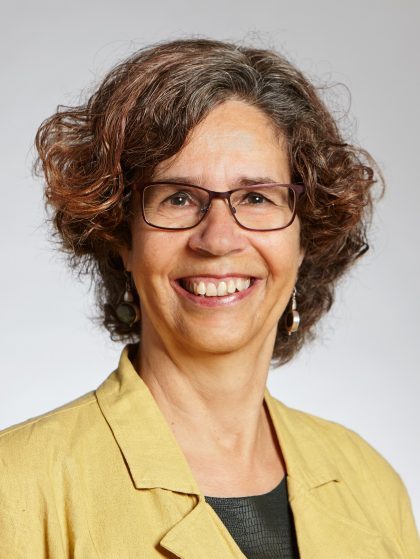
Jorunn Marie Andersen is an Associate Professor at Oslo Metropolitan University (OsloMet), Faculty of Health Sciences, Department of Life Sciences and Health, specializing in Biomedical Laboratory Sciences. She holds a PhD in biomedicine and serves as head of the Reproductive Health in Men research group in collaboration with Viola Lobert. As program coordinator for the Master's program in Health and Technology, she plays a key role in academic leadership while maintaining active teaching responsibilities across multiple programs. Dr. Andersen's research expertise centers on male reproductive health, with a particular focus on sperm quality assessment. Her doctoral work investigated the relationship between sperm quality, obesity, hormone levels, and fatty acid composition in sperm. In recent years, her research has expanded to include the development and application of artificial intelligence in laboratory analyses, particularly for improving methods of sperm and embryo selection in assisted reproduction technology. Analysis of her recent publications reveals a strong interdisciplinary approach combining reproductive medicine with cutting-edge artificial intelligence techniques. Her work consistently focuses on developing more accurate methods for assessing sperm motility and quality using deep learning and computer vision technologies. This research has significant implications for fertility clinics and assisted reproductive technologies, with multiple publications in high-impact journals like Scientific Reports and Human Reproduction. Dr. Andersen is deeply committed to education, teaching across both undergraduate and graduate programs. She coordinates the Master's program in Health and Technology and instructs courses in the Biomedical Laboratory Sciences bachelor's program, with emphasis on Medical Biochemistry. She also serves on the Advisory Committee for Medical Biochemistry, which is part of NITO and The Norwegian Institute of Biomedical Science. Her laboratory work centers around the Reproductive Health in Men research group, where she leads investigations into the intersection of traditional laboratory science and artificial intelligence applications. Current projects focus on using AI to improve sperm and embryo selection methods in assisted reproduction technology, with the goal of increasing pregnancy success rates and live birth outcomes.