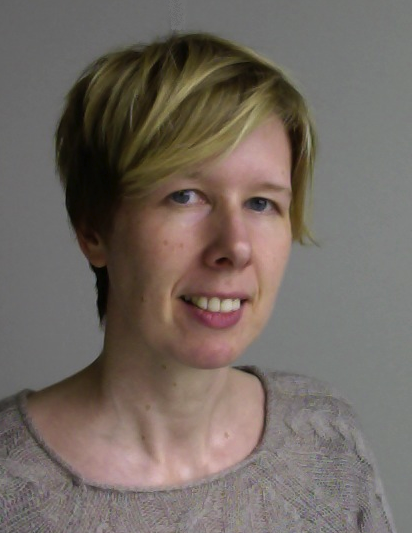
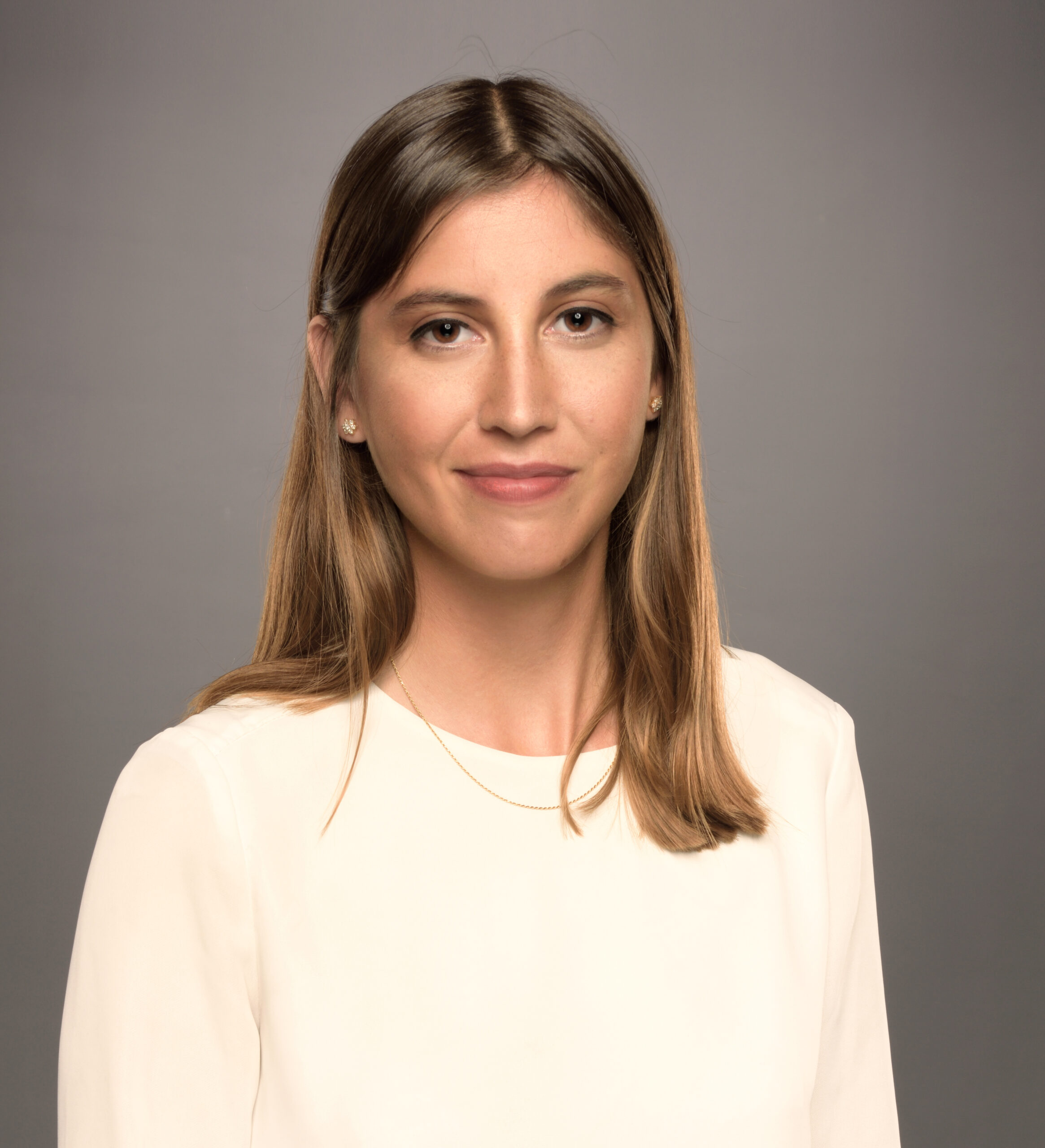
Leanne M. Currie is an Associate Professor at the UBC School of Nursing , part of the University of British Columbia's Faculty of Applied Science. Her work bridges nursing practice with health informatics, focusing on technology-mediated stigma reduction, usability design, and equity in digital health platforms. Nursing Informatics Health Information Technology Virtual Health Systems Stigma Reduction in Digital Platforms Equity, Diversity, and Inclusion (EDI) in Technology Community and Rural Health Equity Her recent research explores EHR compatibility, mHealth adoption, and the social determinants of critical illness recovery. She develops tailored digital tools for patient self-management and integrates Indigenous knowledge frameworks into health informatics curricula. Her work emphasizes human-centered design, safety in clinical technology, and cross-sectoral collaboration. Dr. Currie's publications highlight partnerships with healthcare providers to address technology-related safety events, co-design of person-centered apps, and the impact of digital tools on nurse emotional exhaustion. She actively contributes to defining anti-stigma design guidelines and advancing fair classification systems in health equity.
Dr. Silke Hamann is a researcher at the University of Amsterdam, Faculty of Humanities, Department of Linguistics. Her work bridges phonology and phonetics, focusing on the emergence of phonological features, perceptual cues in segmental contrasts, and the interaction of phonology with orthography and language acquisition. Current projects: diachronic loanword adaptation, congenital amusia's impact on speech perception, Bantu languages (with Nancy Kula and Laura Downing), Catalan studies (with Francesc Torres-Tamarit) Research interests span synchronic/diachronic phonology, phonetic perception, computational modeling of phonological acquisition, and cross-linguistic analysis of retroflex consonants. Her publications analyze phenomena in Korean, Japanese, Bantu languages, German, Portuguese, and Slavic languages, with recurring themes of cue weighting, phonological constraints, and orthographic influence. Recent articles highlight her focus on creaky voice diagnostics, loanword phonotactics, congenital amusia, and Bantu intonation systems. Collaborations with Nancy Kula (Bantu) and Francesc Torres-Tamarit (Catalan) underscore her international research network.
Jean Wagemans is a Professor at the University of Amsterdam's Faculty of Humanities, where he leads research in the Department of Speech Communication, Argumentation Theory and Rhetoric. His work specializes in the interdisciplinary study of argumentative discourse, bridging philosophy, linguistics, and computational analysis. He maintains an active research profile with recent publications exploring AI-generated argumentation, legal/medical discourse, and digital misinformation. Wagemans' research centers on argumentation theory, rhetoric, and debate, with emphasis on practical applications in AI ethics, healthcare communication, and public discourse. His recent investigations include: Developing computational models like Adpositional Argumentation (AdArg) for natural discourse analysis Examining ethical frameworks for AI-generated arguments Creating argument-checking methodologies to combat misinformation Analyzing normative structures in public deliberation His scholarly publications (2022-2024) demonstrate a distinct trajectory toward computational argumentation, with recurring themes of AI ethics, misinformation detection, and applied discourse analysis. Recent works systematically address: The intersection of argumentation theory with AI systems Methodologies for evaluating reasoning in natural language Cross-disciplinary applications in law, medicine, and digital humanities
Andrew Wilkie is the Nuffield Professor of Pathology at the University of Oxford and an Honorary Consultant in Clinical Genetics. He is based at the MRC Weatherall Institute of Molecular Medicine and leads the Wilkie Group focused on clinical genetics and craniofacial malformations. His work bridges fundamental research with clinical applications, particularly in the field of craniosynostosis and related conditions. He serves as Co-Theme Leader for Genomic Medicine at the NIHR Oxford Biomedical Research Centre and is an Associate Editor for PLoS Genetics. Wilkie's primary research interest lies in craniofacial malformations, especially craniosynostosis (premature fusion of cranial sutures). His groundbreaking 1995 discovery identified specific FGFR2 mutations as the cause of Apert syndrome, which led to two major research themes: discovering other genetic causes of craniosynostosis and investigating why certain mutations occur with unexpectedly high frequency. This work evolved into the recognition of 'selfish spermatogonial selection,' a novel process in testes that links germline and somatic mutation origins. Current research leverages next-generation sequencing to identify new genetic causes of craniosynostosis and explores the mechanisms by which stem cell populations maintain cranial sutures. His publication record demonstrates consistent contributions to understanding craniosynostosis genetics, with recent work focusing on novel gene discoveries (such as MEGF8, ERF, TCF12, ZIC1, CDC45, and SMO), regulatory element mapping, and the application of whole genome sequencing in clinical diagnostics. The research spans molecular genetics, developmental biology, and clinical applications, with increasing emphasis on understanding the complex pathways underlying craniofacial development and malformation. Fellow of the Academy of Medical Sciences (FMedSci) Fellow of the Royal Society (FRS) Wilkie leads a research team including Associate Professor Stephen Twigg, DPhil candidates, and postdoctoral researchers. His lab collaborates extensively with clinical units across the UK and internationally, including craniofacial teams at Oxford University Hospitals, Great Ormond Street Hospital, and institutions in the Netherlands and USA. Funding comes from major sources including the Wellcome Trust, NIHR Oxford Biomedical Research Centre, NIH, and Action Medical Research. His work has translated numerous genetic discoveries into NHS diagnostic testing, directly impacting patient care through improved genetic diagnoses. The Wilkie Lab maintains strong connections with clinical genetics services and focuses on both fundamental mechanisms of cranial suture development and direct clinical applications. The team uses mouse models (including CRISPR-Cas9 genome editing), single-cell analysis, and human genomic data to understand suture biology. They're part of the 100,000 Genomes Project and work closely with the NIHR Oxford BRC Genomic Medicine theme to implement genomic technologies in healthcare.
Professor Mike Le Pelley is a cognitive psychologist working in the School of Psychology at the University of New South Wales (UNSW). His research program spans multiple domains of cognitive science, focusing on the intersection of mind, brain and behavior. Professor Le Pelley's work aims to characterize the mental processes underlying human cognition and how these processes influence ongoing behavior in both healthy individuals and those with psychiatric conditions. His primary research focus is the relationship between attention and learning. Specifically, he investigates how attention changes as a result of learning about relationships between events. For example, as described in his profile, when driving, individuals prioritize the road ahead while trying to ignore distractions like squabbling children in the back seat. Professor Le Pelley's research examines the mechanisms that govern such attentional prioritization. While the core of his research focuses on fundamental processes in healthy cognition, he also studies how dysfunction in these processes contributes to conditions such as addiction and schizophrenia. His work has significant implications for understanding cognitive processes in both healthy individuals and those with psychiatric conditions. Professor Le Pelley has published extensively on topics including attentional capture by reward-related stimuli, associative learning, and the neural mechanisms underlying cognitive processes. His research frequently employs eye-tracking and neurophysiological methods to examine cognitive processes. His recent publications (2023-2025) demonstrate a clear research trajectory examining how reward systems influence attentional mechanisms. A significant portion of his work investigates how outcome variance, rather than just reward value, modulates attentional priority. His research on inner speech has provided important neurophysiological evidence regarding motor preparation and how this process is disrupted in schizophrenia. Professor Le Pelley's work consistently bridges basic cognitive mechanisms with clinical applications, particularly in understanding addiction and schizophrenia. Professor Le Pelley has made substantial contributions to theoretical frameworks in cognitive psychology, particularly in the areas of associative learning and attention. His 2010 book 'Attention and Associative Learning: From Brain to Behaviour' (co-edited with Chris Mitchell) is a significant contribution to the field. His collaborative work extends across multiple institutions and disciplines, reflecting the interdisciplinary nature of his research.
Jisun Rachel Oh is a Lecturer in the Department of Special Education within the College of Education at the University of Illinois. Her work focuses on enhancing teacher preparation practices through culturally responsive frameworks and evidence-based interventions in early childhood education. Research Interests: Special Education equity and inclusion Early Childhood Development and intervention Teacher training for diverse settings Behavioral and language development strategies Mixed methods research in education Recent Research Trends: Her publications highlight interdisciplinary approaches to early childhood special education (ECSE), emphasizing cultural competence in teacher preparation, bilingual language development for children with disabilities, and methodological rigor in journal reviewing practices. Collaborative work with scholars like Cheatham and McLeod demonstrates her focus on practical applications in field experiences and developmental theory. Academic Engagement: Active in peer-reviewed publishing and editorial work, she contributes to journals such as Early Childhood Education Journal and Young Exceptional Children , with a particular interest in bridging research and classroom practice.
Dr. Xing Fang is a Lecturer in Marketing at the School of Business and Management, Royal Holloway, University of London. Prior to joining RHUL, he held a Visiting Assistant Professor role at Tulane University. His research focuses on data-driven approaches in recommendation systems, customer journey analysis, online retailing, and influencer marketing, with a particular emphasis on leveraging quantitative methods to understand consumer behavior in digital environments. Key research areas include: Recommendation Systems Customer Journey Online Retailing Influencer Marketing Marketing Analytics Consumer Behavior Recent publications explore speech act strategies in influencer marketing, information cues in recommender systems, and data-driven approaches to targeted referral programs. His work spans both theoretical and applied studies, addressing critical aspects of digital marketing and consumer analytics. Collaborators include researchers such as Shangkun Shin, Xingyu Huang, Soo Kim, and Puneet Chintagunta. Dr. Fang teaches courses on Marketing Management, Strategic Marketing, and Marketing Analytics, integrating his research into practical applications.
Kazumi Matsumoto serves as Associate Professor of Japanese within the Department of Modern Languages and Classics at Ball State University's College of Sciences and Humanities. Her academic profile centers on empirical research in second language acquisition with specialized focus on Japanese language pedagogy and learner performance metrics. Her educational credentials include: Ph.D. in Applied Linguistics (Japanese), Purdue University (2010) Dr. Matsumoto's research program investigates fluency development , second language writing , and intercultural competence through rigorous quantitative methodologies. She pioneered the application of computational tools like the Fluency Calculator to objectively measure oral production characteristics, challenging traditional subjective fluency assessments. Her scholarly trajectory reveals evolving methodological sophistication—from early kanji recognition studies examining L1 transfer effects to current corpus-based analyses of oral dysfluency patterns across proficiency levels. This progression demonstrates consistent commitment to objective measurement in second language performance, particularly through computational analysis of learner corpora and tool development for fluency assessment. Dr. Matsumoto's advising activities and grant funding details are not specified in available institutional materials.
Anne Danielsen is a Professor and Deputy Head at the RITMO Center for Interdisciplinary Studies of Rhythm, Time, and Motion at the University of Oslo. Her research bridges musicology, cognitive science, and interdisciplinary studies, focusing on rhythm, music production, and the intersection of music, media, and technology. University: University of Oslo Role: Professor Projects: TIME (NFR TOP RESEARCH), RITMO (NFR Center of Excellence) Danielsen’s work explores microrhythm , groove , and temporal perception in music, with a particular emphasis on popular and African-American music . She investigates how music cognition interacts with sonic features and body posture in performance, integrating psychological and acoustic analysis . Her recent projects include MusicLab Copenhagen , a dataset for interdisciplinary concert research, and studies on beta oscillations and pupil responses in groove perception. Danielsen collaborates across disciplines, examining how personality traits and genetic factors influence musical sensibility through twin studies. In music production , she analyzes how digital audio workstations transform rhythmic structures and investigates acoustic chamber design for sound experiments. Her research also addresses gender patterns in music mediation and the cultural implications of rhythmic aesthetics.
Natalia Umansky serves as a Postdoctoral Research Fellow in Political Science at the University of Zurich's Faculty of Arts and Social Sciences, affiliated with the Institute of Political Science and the Digital Democracy Lab within the Digital Society Initiative (DSI). Her institutional profile highlights interdisciplinary engagement across DSI's Cybersecurity, Democracy, and Digital Humanities communities. Academic Background: PhD in Politics and International Relations (defence pending) from University College Dublin Iseult Honohan Scholar at University College Dublin's Connected_Politics Lab Her research pioneers Computational Social Science methodologies to analyze social media ecosystems, specializing in securitization theory applications to digital political communication. Current projects examine agenda-setting constellations in financial policy, hate speech detection frameworks, and TikTok's impact on youth political engagement. Methodologically, she integrates network analysis, natural language processing, and comparative case studies to investigate how security narratives propagate across digital platforms and influence democratic processes. Publication trends reveal a strategic evolution from foundational work on terrorism-migration linkages (2016) toward cutting-edge examinations of AI moderation systems (2024) and generative AI's role in security discourse (2025). Her scholarship consistently bridges political theory, data science, and platform governance with emphasis on empirical validation of computational models. Scientific Recognition: Iseult Honohan Scholar (University College Dublin) As a core member of Zurich's Digital Democracy Lab, Umansky contributes to high-impact collaborative projects analyzing digital threats to electoral integrity and developing transparency standards for algorithmic governance. Her work positions her at the forefront of computational political science, with emerging leadership in establishing methodological best practices for social media analysis in security contexts.
Suzanne C. Hopf is a Senior Lecturer and Course Director for the Master of Speech Pathology at Charles Sturt University, Australia, within the School of Allied Health, Exercise and Sports Sciences. Based in Nadi, Fiji as an Australian-Fijian citizen, she leads the blended online Master of Speech Pathology program and serves as Discipline Lead for Speech Pathology. Her work bridges academic leadership with on-ground clinical innovation in Pacific Islander communities. Her educational background includes: BAppSc (Speech Pathology) Hons Cert TESOL AdCert TEYL GradCertLTHE (Graduate Certificate in Learning and Teaching in Higher Education) PhD in 'Supporting Fijian children's communication' Dr. Hopf's research centers on equity in communication disability services, examining how individual, community, and societal factors create barriers and facilitators in underserved regions. She developed the Communication Capacity Research and Culturally Responsive Teamwork frameworks to guide evidence-informed, culturally responsive service development. Current projects focus on Fijian children's oral/written communication acquisition and culturally appropriate pre-school interventions, with strong emphasis on Pacific Islander contexts and multilingual populations. Her work directly contributes to UN Sustainable Development Goals for health equity and quality education. Analysis of her recent publications reveals consistent thematic focus on culturally responsive practice across 111 research outputs, with accelerating productivity (21 publications in 2024). Key trends include innovative arts-based methodologies for child voice research, decolonizing clinical frameworks, and virtual work-integrated learning models addressing global workforce shortages. The research demonstrates strong interdisciplinary connections across speech pathology, early childhood education, and Pacific Islander health equity. Scientific recognition includes: 2021 Charles Sturt Executive Dean’s Teaching Award for blended online Master of Speech Pathology 2021 Staff Excellence Award: Successful Graduates 2022 Research Excellence Through Partnership Award 2023 Excellence Awards: Research (Early Childhood Interdisciplinary Research group) 2023 Excellence Awards: Social Responsibility (Highly Commended) As an educator and supervisor, Dr. Hopf has guided PhD and Honours students to timely completion while fostering collaborative publication opportunities. Her student-centered approach maximizes engagement through innovative learning spaces, recognized through departmental teaching awards. Current grants support Fijian communication capacity building and virtual study abroad placements, with active partnerships including the Frank Hilton Organisation's Technical Governance Team. Dr. Hopf co-leads the Children's Voices Centre and Social Equality Intersectionality & Inclusion Research Group, while contributing to the Early Childhood Interdisciplinary Research group. Her Pacific-focused work involves community co-design through initiatives like the Fiji National Consultation on Assistive Technology, ensuring research directly addresses local needs while building sustainable service capacity.
Arianna Bisazza is an Associate Professor in the Computational Linguistics Group at the University of Groningen, where she leads the InClow research group focused on Interpretable, Cognitively inspired, Low-resource language models. Her work bridges computational linguistics, cognitive science, and language acquisition to develop more robust and interpretable language processing algorithms that can adapt to diverse linguistic phenomena worldwide. Dr. Bisazza's research interests span statistical modeling of human languages in multilingual contexts, with particular focus on improving language model performance for "challenging" or low-resource languages. Her work explores how insights from human language acquisition can inform better language modeling techniques, and she investigates methods to make state-of-the-art NLP systems more interpretable and transparent. As a cross-disciplinary researcher, she actively seeks to enhance our understanding of human language processing and evolution through computational modeling tools. Her recent publications reveal a strong emphasis on multilingual evaluation frameworks (like TurBLiMP and MultiBLiMP), interpretability of language models, and connections between human language acquisition and neural network learning. Her work consistently addresses the challenge of making language technology more robust across diverse linguistic structures and typological features. Outstanding Paper Award at the BabyLM Challenge (CoNLL'24 Shared Task) for "BabyLM Challenge: Exploring the Effect of Variation Sets on Language Model Training Efficiency" Dr. Bisazza currently leads a Vidi project funded by the Dutch Research Council (NWO) on improving low-resource language modeling through child language acquisition insights. She is also part of two national consortium projects funded by NWA-ORC initiatives: InDeep (Interpreting deep learning models for language, speech & music) and LESSEN (Low Resource Chat-based Conversational Intelligence). She supervises multiple PhD students, including two China Scholarship Council (CSC)-funded researchers working on simulating human patterns of language learning and change. Her earlier research was supported by a Veni grant (2017-2021) focused on understanding and improving the encoding of linguistic structure in Neural Machine Translation models. As head of the InClow research group, Dr. Bisazza oversees a team investigating interpretable, cognitively inspired approaches to low-resource language modeling. The group's work combines insights from cognitive science and linguistics with cutting-edge NLP techniques to develop language models that better reflect human language processing capabilities, particularly in resource-constrained settings.
Professor Kate Smith holds a Personal Chair at the University of Aberdeen within the School of Education , specifically leading the Department of Counselling, Well-being, and Educational Psychology. She actively supervises PhD students in Psychology and Education and maintains a clinical-practitioner role alongside her academic work. PhD Psychology (2016) - University of St Andrews PGCert Higher Education Teaching (2014) - Abertay University BSc Psychology (2010) - Open University PGDip Counselling (2009) - Abertay University PGCert Counselling Skills (2007) - Abertay University MA Natural Sciences (2003) - University of Cambridge Kate's research focuses on enhancing therapeutic effectiveness through pluralistic approaches, emphasizing client responsiveness, demographic influences on therapy outcomes, and digital mental health delivery. Her recent work examines pluralistic therapy's process and outcomes, training methodologies, and online therapy perceptions. Key trends in her 15 most recent publications include pluralistic practice development, digital therapy modalities (2024: BJGC review), and therapeutic process metrics like speech rhythm analysis (2022: AMCSS ). She contributes to training frameworks (2021: PCCS Books ) and social justice in research (2021: Frontiers in Psychology ). Professor Smith oversees the Bounds counselling clinic and collaborates with the TRACCS group on therapy process-outcome studies. Her funded projects include validating non-verbal emotion indicators (DASA £99,753), BACP diabetes counselling grants, and ATLEF digital learning environment assessments.
Prof. Dr. Leo van Waveren is a Professor and Head of the Technical Didactics Group at RheinMain University of Applied Sciences (RPTU/Koziel). His academic career includes postdoctoral research at the University of Stuttgart (2018-2022) and academic roles at Technische Universität Kaiserslautern. He holds a PhD (Dr. phil.) from the University of Stuttgart (2017) and a Diplom in Technikpädagogik (Dipl.-Gwl. Informatik/Chemie). His research focuses on vocational education, ICT integration in teaching, and the impact of artificial intelligence (AI) on education. Recent work emphasizes AI's role in curriculum design and teacher training. He actively participates in national and international conferences, delivering keynote speeches on topics like generative AI in classrooms and digital transformation in vocational training. Research interests include technical competency modeling, dual education systems, and educational technology. Notable contributions include studies on vocational competencies in automation technology and teacher job satisfaction across career pathways. His work bridges theoretical frameworks with practical applications, such as smartphone-based experiments in STEM education. Prof. van Waveren leads the RPTU's efforts in digital education initiatives, including the DIGILL@Praxis program. He collaborates with regional and international institutions to advance educational innovation. Despite no listed awards, his extensive publication record and active speaking engagements underscore his scholarly impact.
Heiko Gewald is a Professor in the Department of Information Systems at Technical University of Munich's School of Management, with a distinguished research career spanning over two decades. His scholarly work demonstrates deep expertise in information systems, particularly focusing on technology adoption by aging populations, healthcare information systems, and smart mobility services. Dr. Gewald's research interests center on the intersection of technology and human behavior, with special emphasis on older adults' adoption of digital health applications , smart mobility ecosystems , and DevOps implementation . His work consistently addresses the challenges of designing technology that accommodates diverse user needs, particularly for vulnerable populations. Through extensive field research, he has developed frameworks for understanding technology acceptance barriers among seniors and created interventions to improve digital inclusion. Analysis of his recent publications reveals a clear trajectory toward increasingly specialized work in aging technology, with approximately 60% of his 2020-2025 publications focusing on older adult technology adoption. His research employs diverse methodologies including qualitative case studies, cross-cultural surveys, and experimental designs, often with international collaborations spanning Germany, Australia, and Thailand. Principal investigator for multiple German research projects on digital health for elderly populations Co-organizer of the annual HICSS minitrack on 'Seniors' Use of Digital Resources' since 2018 Active contributor to the Association for Information Systems (AIS) special interest groups Dr. Gewald has mentored numerous doctoral students who have become active researchers in information systems, with several now holding faculty positions. His research has been supported by German research funding agencies and industry partnerships with healthcare technology companies. He maintains strong collaborative relationships with researchers across Europe and Australia, particularly in the healthcare IT domain.