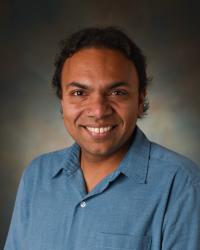
Navin Viswanathan serves as an Associate Professor in the Department of Communication Sciences and Disorders at the College of Health and Human Development, Pennsylvania State University, where he is an active graduate faculty member directing the Speech, Language and Cognition Lab. Education: Ph.D., University of Connecticut, 2009 Research Interests: His expertise centers on speech production and perception mechanisms, cognitive processing in communication, and language disorders. Affiliated with the Center for Language Science, his work bridges experimental linguistics and cognitive neuroscience to understand speech-language interactions. Laboratory: The Speech, Language and Cognition Lab investigates neural and behavioral aspects of speech production, auditory perception, and their cognitive underpinnings through experimental methodologies.
California State University, Dominguez HillsUnited States
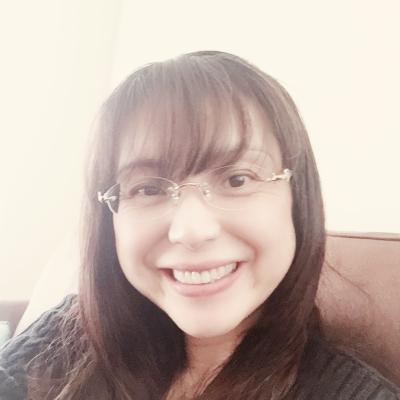
Marco A Carreon serves as a Lecturer in the Department of Theatre and Dance within the College of Arts & Humanities at California State University, Dominguez Hills, and holds the dual role of Artistic Director for the university's resident dance company MOSAIC. His educational background includes: AA in Visual & Performing Arts from San Diego City College BA in Theater Arts: Dance Option from CSUDH Moderate/Severe Special Education credential from CSUDH MA in Special Education from CSUDH His professional focus centers on dance education and performance, with specialized expertise in inclusive pedagogy through his special education credentials. He teaches core courses including Dance for Children, Dance Perceptions, Speech, choreography, and Dance Production for the Theatre & Dance Department, while also instructing Social Folk Dance for the Department of Kinesiology. His work integrates theatrical performance with educational methodologies, particularly for diverse learner populations. As Artistic Director of MOSAIC, he leads the university's resident dance company and has produced significant works including the 2009 site-specific campus performance "Campus Dances" and choreography for the 2015 American College Dance Association Conference. His external engagements include serving on the board of Ressl Dance! and annual performances at Minnesota's Dances at the Lake Walk. His professional dance career spans performances with José Costas Dance Company, Louise Reichlin and Dancers, and Ressl Dance, along with theatrical productions including Man of La Mancha, Westside Story, and Tommy. This practical experience directly informs his pedagogical approach in both studio and academic settings.
The University of Texas Health Science Center at HoustonUnited States
Nitin Tandon, MD, is a Professor in the Department of Neurosurgery at UTHealth Houston Medical School. He holds multiple leadership roles, including Vice President for Strategy and Development of UTHealth Houston Neurosciences, Director of the Epilepsy Surgery Program at Memorial Hermann–Texas Medical Center, and Co-Director of both the Texas Comprehensive Epilepsy Program and the Texas Institute for Restorative Neurotechnologies. His clinical interests encompass epilepsy surgery, brain tumor resection, awake craniotomies, and microvascular decompression. Research focuses on brain mapping (fMRI, diffusion tractography), intracranial electrophysiology, and neuro-oncology outcomes. He leads the Tandon Research Laboratory, investigating neural mechanisms of language, memory, and epilepsy. Recent publications (2021-2022) demonstrate trends in intracranial EEG for cognitive processes, minimally invasive epilepsy treatments, glioblastoma genomics, and neuroethics. Key areas include neural dynamics of speech, memory networks, and surgical innovation. Scientific awards: AANS/CNS Joint Section on Stereotactic and Functional Neurosurgery Resident Award CNS Resident Award for best paper
Dr. Aisha Powell serves as Assistant Professor in the Department of Strategic Communication at Morgan State University's School of Global Journalism and Communication. Her academic leadership extends to faculty advising for Morgan State's student-run newspaper The Spokesman , where she directs social media and advertising initiatives. She maintains significant professional service roles as Chair for the National Communication Association's Black Caucus, Award Coordinator for the Midwest Popular Culture Association, and Web Master for the New York State Communication Association. PhD in Communication, Culture and Media Studies from Howard University (2019-2022) MS in Journalism from Columbia University (2017-2018) BA in Print Journalism with Minor in Innovative Entrepreneurship from Penn State University (2013-2016) Dr. Powell's research program centers on the intersection of race, media, and health communication. Her groundbreaking work develops frameworks like the Black Fandom Identification Social-Psychological Model that address critical gaps in fan studies through critical race theory. She investigates health communication challenges within Black communities, particularly regarding vaccine hesitancy and pandemic response, while examining media representations through decolonial lenses. Her scholarship demonstrates consistent innovation in applying communication theories to contemporary social justice issues, with particular attention to digital media's role in community resilience and identity formation. Analysis of her recent publications reveals three dominant research trajectories: 1) Critical examinations of Black fandom and digital identity formation, 2) Health communication interventions addressing vaccine hesitancy in marginalized communities, and 3) Critical analyses of media representations through intersectional frameworks. Her work consistently bridges theoretical innovation with practical applications for community health and social justice. Fulbright Scholar Dr. Powell's professional trajectory bridges journalism and academia, having previously reported for Forbes Media, Miami Herald, Journal News, and Haitian Times on underrepresented communities. Her teaching portfolio includes strategic writing, event planning, and advertising courses. Current research projects include a manuscript on Harlem Renaissance women's experiences in 1932 Russia and ongoing studies of Black church communication during health crises. She actively mentors through conference service roles and campus newspaper leadership.
Mark Amengual is Professor and Chair of the Department of Languages and Applied Linguistics at the University of California, Santa Cruz, within the Division of Humanities. He directs the UCSC Bilingualism Research Lab and specializes in experimental approaches to bilingual speech systems. His research focuses on phonetic performance in multilingual populations, examining speech production, perception, and processing across diverse language combinations including Spanish-Catalan, Spanish-Galician, Spanish-English-Japanese trilinguals, and heritage speakers of Spanish/Tagalog. Key interests span experimental phonetics , bilingual cognition , heritage language acquisition , and cross-linguistic influence in simultaneous/sequential multilinguals. Amengual has edited major reference works including The Cambridge Handbook of Bilingual Phonetics and Phonology (2024) and Interdisciplinary Approaches to Romance Linguistics (2025), with publications appearing in top journals like Journal of Phonetics and Bilingualism: Language and Cognition . His scientific recognition includes: Hellman Fellows Fund William C. Powers Jr. Fellowship Research is supported by NSF, UC MEXUS, Alianza MX, and UC Santa Cruz Faculty Research Grants. Amengual actively mentors through his Bilingualism Research Lab and leads field-building initiatives, with upcoming workshops in Mexico and conference presentations through 2026 on trilingual elasticity and heritage language variation.
Mieko Sperbeck serves as an Adjunct Associate Professor in the Department of Modern Languages and Literatures at John Jay College of Criminal Justice, part of the City University of New York (CUNY) system. She has held this position since August 2013 and simultaneously teaches at Adelphi University's Department of Languages, Literatures, and Cultures since August 2010, demonstrating her commitment to language education across multiple institutions. Her educational background includes: Ph.D. in Linguistics from The Graduate Center, City University of New York (2010) M.Phil. in Linguistics from The Graduate Center, City University of New York (2007) B.A. in Asian Studies and Religion from Temple University, Philadelphia Dr. Sperbeck's research trajectory shows a clear evolution from foundational phonological studies to cutting-edge pedagogical applications. Her early work focused on cross-linguistic speech perception and production, particularly examining how Japanese learners of English acquire and process English consonant clusters, as evidenced by her 2011 publication. Her dissertation investigated "The acquisition of consonant clusters by Japanese learners of English," establishing her expertise in second language acquisition with a Japanese language focus. In recent years, her research has pivoted toward innovative language pedagogy, with a pronounced emphasis on technology integration. Her 2023-2025 publications reveal a strong interest in generative AI applications for language education, open educational resources like the "We Authors" project for second language writing, and task-based virtual exchange programs. She has published extensively on how AI narratives, CANVA collaboration, and the PACE model can transform language teaching practices, demonstrating her leadership in adapting to emerging educational technologies. Her notable achievements include: Research Foundation CUNY Travel Grant (2024) CUNY Adjunct Professional Development Grant (2023) Institute for Language Education in Transcultural Context Grant (2016-2017) The Sue Rosenberg Zalk Student Travel and Research Grant (awarded multiple years) As an educator, Dr. Sperbeck teaches Elementary and Intermediate Japanese levels (1-4) and Descriptive and Historical Linguistics. She serves on the project planning committee for the Boston X New York Study Group for Japanese Teachers (BNYSG), a professional learning community promoting inclusivity among Japanese language instructors. Her active participation in professional organizations including AATJ, ACTFL, NECTJ, and NYSAFLT underscores her commitment to advancing language education. Her current work focuses on text-based language instruction for late second language learners and exploring how generative AI can enhance language teaching practices to support diverse learners.
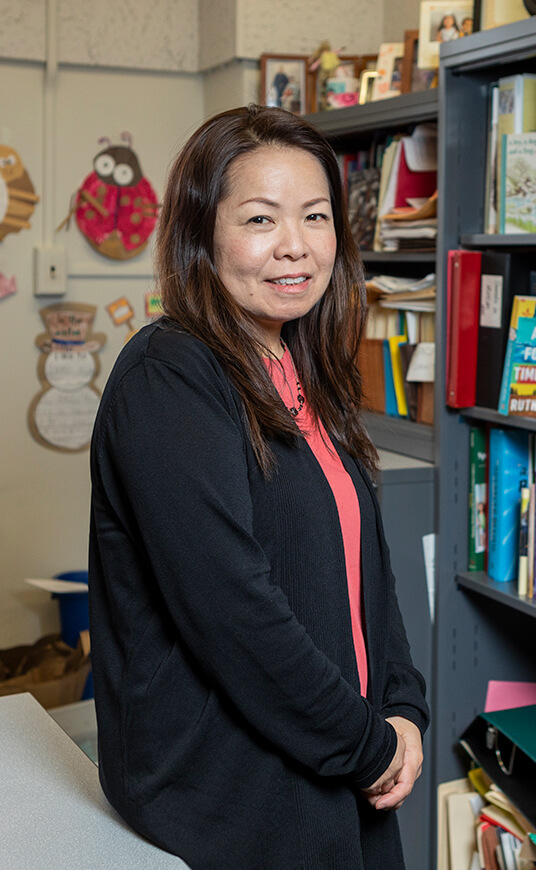
Akiko Fuse serves as Associate Professor in the Department of Communication Arts, Sciences, and Disorders at Brooklyn College, City University of New York, within the School of Humanities and Social Sciences. She co-directs the Advanced Certificate Program in Autism Spectrum Disorders and is a licensed certified speech-language pathologist. Her teaching portfolio includes undergraduate and graduate courses on speech and language development and disorders, assessment, and intervention. Her educational qualifications are: M.A. in Experimental Psychology, Brooklyn College (2003) M.Phil. in Psychology, Graduate Center, CUNY (2004) Ph.D. in Psychology/Cognition, Brain and Behavior, Graduate Center, CUNY (2006) M.S. in Speech and Language Pathology, Teachers College, Columbia University (2008) Dr. Fuse's research centers on Autism Spectrum Disorders , bilingual language acquisition , diversity in communication sciences education , and communication disorders . Her work addresses critical gaps in understanding sound sensitivity in autism, support systems for underrepresented students, and perception of accented speech. She utilizes interdisciplinary methods including systematic reviews, eye-tracking, and psychophysiological measures to inform clinical practice and policy. Analysis of her recent publications (2016-2021) reveals a strong trajectory toward interdisciplinary autism research, diversity initiatives in the field, and innovative approaches to communication disorders. Her work increasingly integrates community engagement and addresses systemic barriers for underrepresented populations in speech-language pathology. Her accolades include numerous awards and grants: Mellon Transfer Student Research Fund Tow Faculty Research Travel Fellowship William Stewart Travel Award Dean's Mini-Grant Award ASHA Award for Continuing Education CUNY Tuition Fellowship Brooklyn College Fellowships Sue Rosenberg Zalk Student Travel and Research Fund Award Award for Community Service and Academic Excellence Certificate of Recognition for Meritorious Poster Submission Dr. Fuse actively mentors students through the Tow Mentoring and Research Program and the CUNY Pipeline Program. Her grant portfolio spans PSC-CUNY awards, Diversity Projects Development Fund grants, and the Student Technology Fund, focusing on recruitment and retention of underrepresented students and contemporary practices in augmentative and alternative communication. She co-directs the Advanced Certificate Program in Autism Spectrum Disorders and leads Hanen Program certifications ("More Than Words", "ABC and Beyond", and "It Takes Two to Talk") for early language intervention. Community engagement includes volunteer work with the Japanese Weekend School of New York and cultural events in Eastchester, NY.
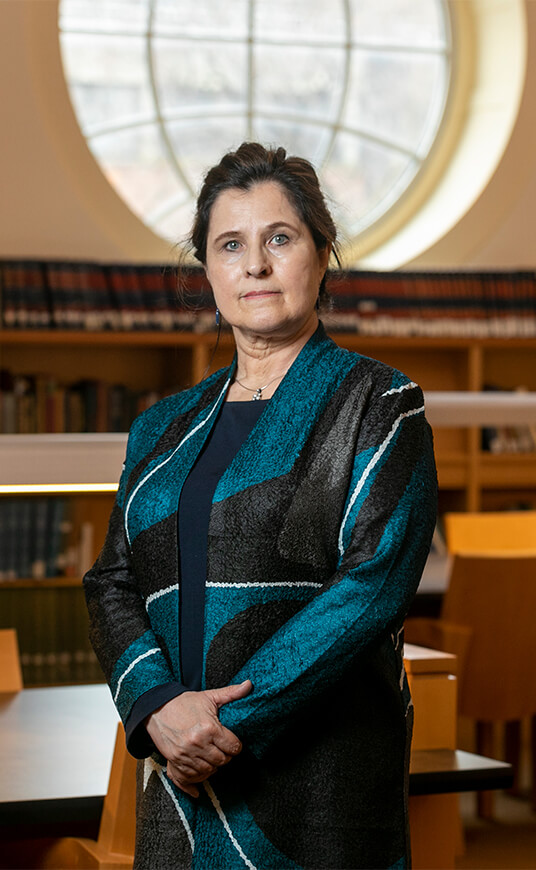
Klara Marton is a Professor and Chairperson of the Department of Communication Arts, Sciences, and Disorders at Brooklyn College, City University of New York, within the School of Humanities and Social Sciences. With a distinguished career spanning multiple decades, she has established herself as a leading researcher in the field of language-cognition interactions, particularly focusing on bilingual individuals and those with language impairments. Her educational background includes: B.A. in Special Education from Barczi Gusztav College of Special Education (1984) M.S. in Psychology from Eotvos Lorand University, Hungary (1991) Doctorate in Developmental Psychology from Eotvos Lorand University, Hungary (1992) Ph.D. in Speech and Hearing Sciences from the Graduate School and University Center (CUNY) (1998) As a neuropsychologist, Dr. Marton's primary research focuses on the interactions between language and cognition in both monolingual and bilingual individuals, with particular attention to those with and without language impairment. Her work bridges theoretical cognitive psychology with clinical applications in speech-language pathology. She has made significant contributions to understanding working memory, cognitive control mechanisms, and executive functions in children and adults with language disorders. Her research spans multiple populations including bilingual children, individuals with stuttering disorders, children with cochlear implants, and those with developmental language disorders. Dr. Marton's scientific contributions have been recognized with numerous awards including Fellowship of the American Speech, Language, and Hearing Association (ASHA fellow), the Szent-Gyorgyi Research Fellowship from the Hungarian Department of Education, and multiple "Salute to Scholars" certificates from the City University of New York recognizing her outstanding scholarly achievements. As an active researcher, Dr. Marton has secured substantial grant funding from prestigious organizations including the National Institutes of Health (NIH), National Science Foundation (NSF), and the European Union. Her current research includes projects funded by the Hungarian Academy of Sciences (2022-2026) and Brooklyn College grants supporting evidence-based practice training in Communication Sciences and Disorders. She has served as Principal Investigator on numerous grants totaling over $500,000 in funding, including NIH/NIDCD grants focusing on working memory and inhibition control in children with specific language impairment. Dr. Marton has also contributed significantly to academic leadership as Executive Officer of the Ph.D. Program in Speech-Language-Hearing Sciences at the CUNY Graduate Center (2009-2018) and serves on editorial boards for the Journal of Speech, Language, & Hearing Research and Hungarian journals related to disability and speech science.
John Nix is an Associate Professor of Music at the University of Texas at San Antonio (UTSA), where he serves as Director of the Vocal Arts Research Laboratory. His academic work bridges voice science, vocal pedagogy, and music education with a focus on evidence-based teaching practices. His educational background includes advanced training in voice science and music, though specific degrees aren't detailed in the provided text. His research interests span Vocal acoustics and physiology Vibrato perception and production Voice disorders and rehabilitation Cross-cultural vocal traditions Application of motor learning principles to voice training Nix's publication record demonstrates significant contributions to understanding vocal technique through scientific inquiry. His recent work has addressed pandemic-related singing concerns, vibrato perception, vocal fry register, and voice changes following hormone therapy. His research consistently connects laboratory findings with practical studio applications. Among his notable scientific contributions are studies on: Perception thresholds for vibrato and non-vibrato singing Objective methods for repertoire selection Interdisciplinary approaches to voice disorder treatment Cross-cultural vocal pedagogy systems Nix has investigated the intersection between speech pathology and singing voice rehabilitation, conducting surveys of vocal professionals regarding treatment approaches for singers with voice disorders. His work on establishing voice laboratories provides practical guidance for music institutions seeking to integrate voice science into their programs. His laboratory work includes establishing the Vocal Arts Research Laboratory at UTSA, which focuses on applying scientific methods to vocal pedagogy questions and developing objective tools for voice assessment and training.