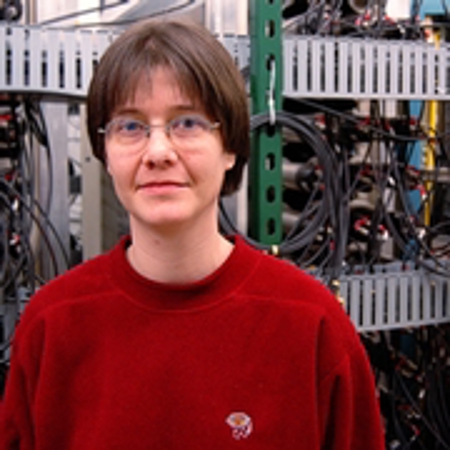
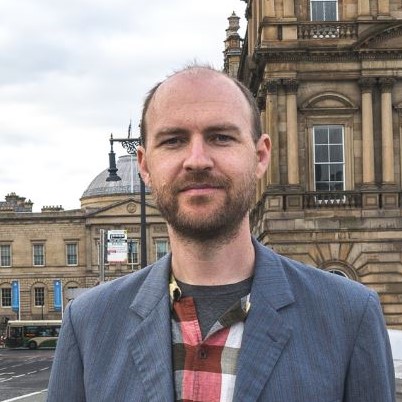
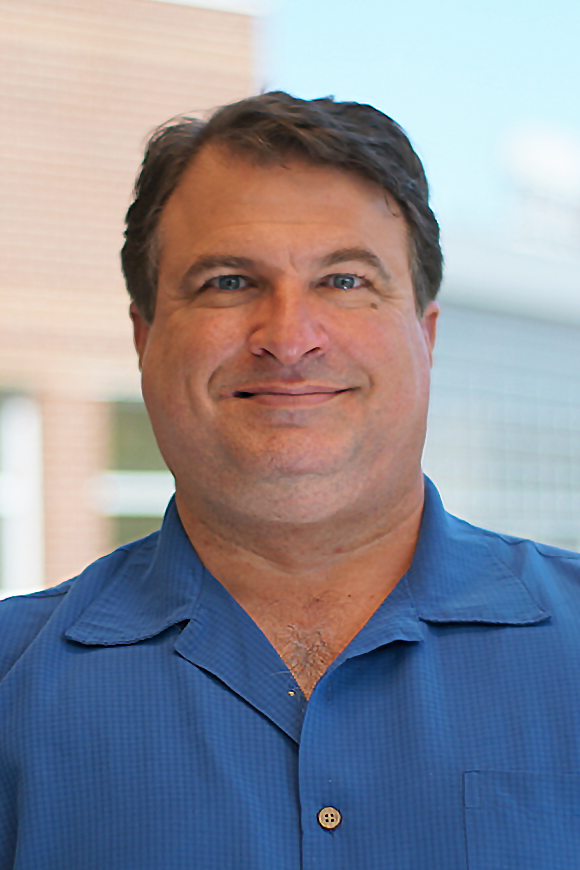
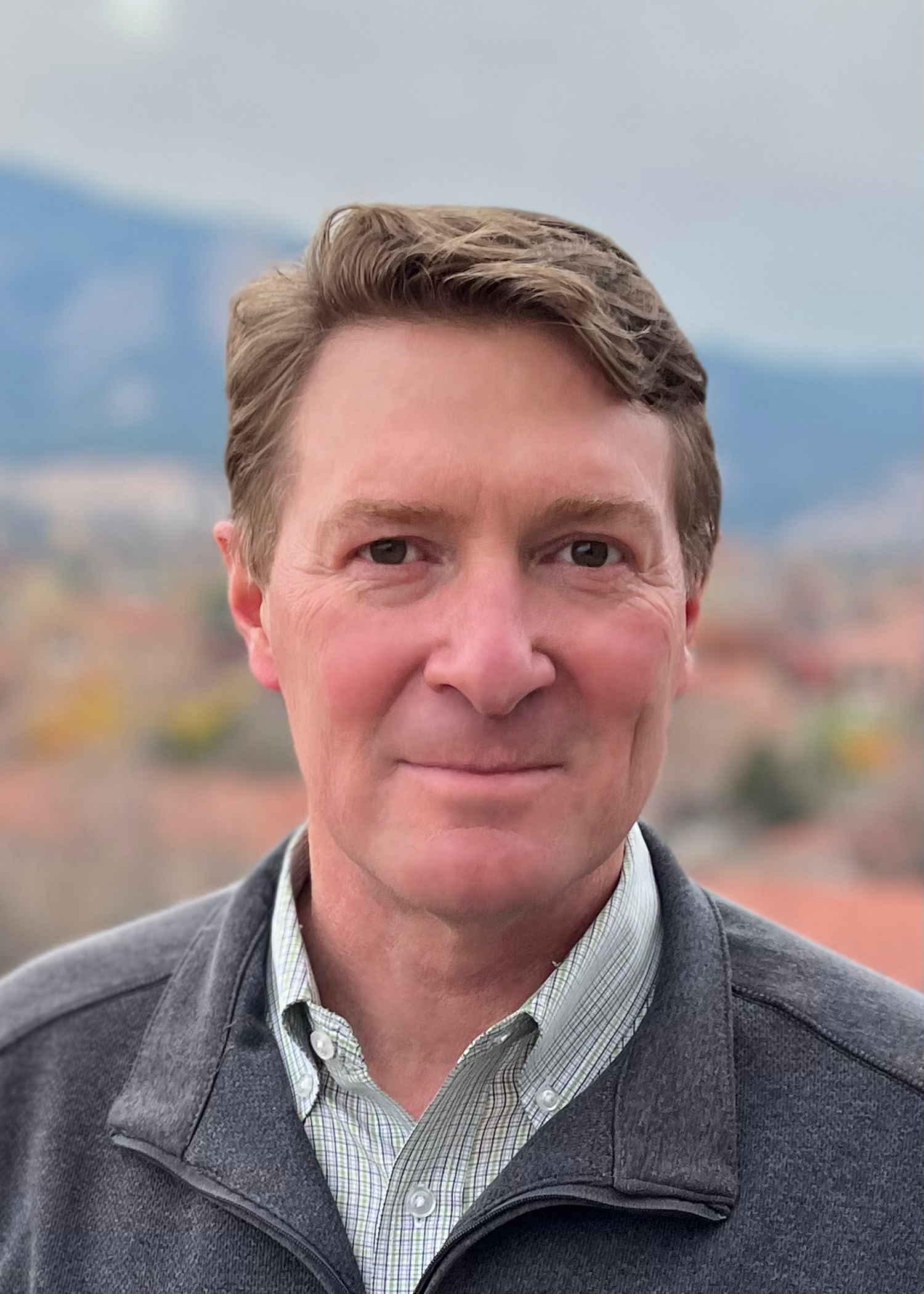
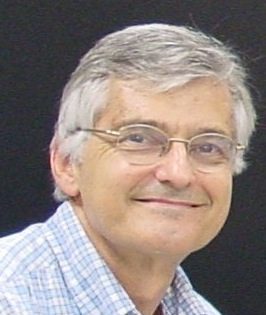
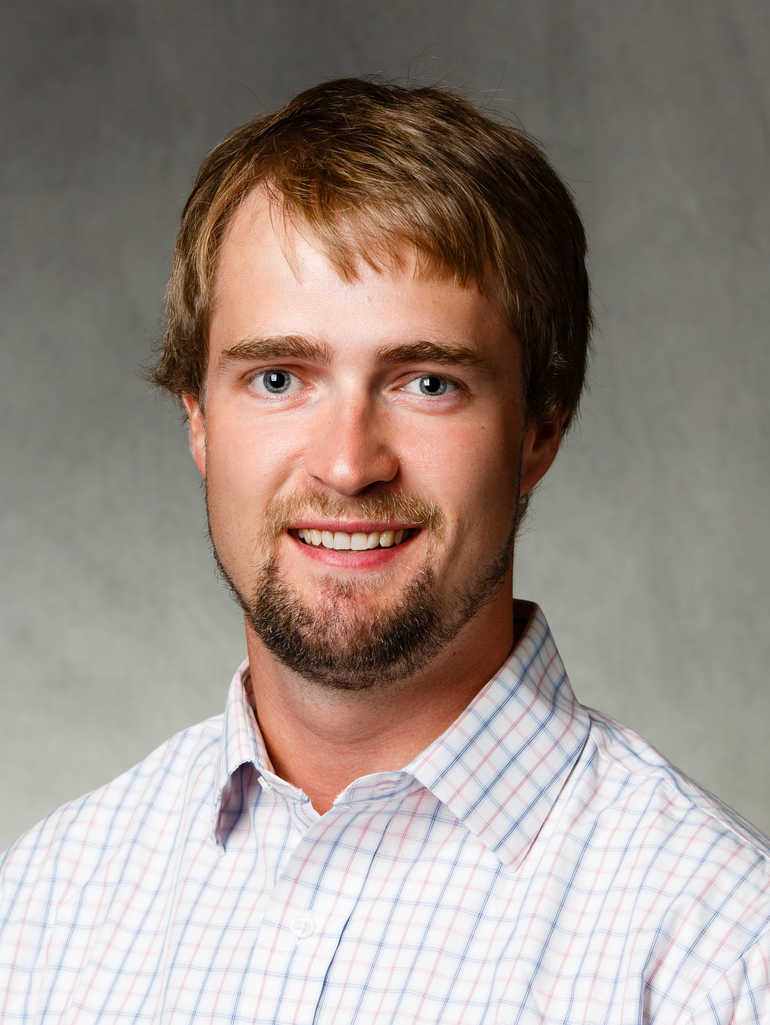
Dr A. I. Shihab is a Senior Lecturer at Kingston University's Faculty of Engineering, Computing and the Environment, Department of Networks and Digital Media. He teaches programming languages (C++/Java), data structures, web development, and AI/machine learning. His research focuses on affective computing and machine learning applications including: Acoustic event detection in sports environments Audio signal analysis for tennis match modeling Multi-camera visual surveillance systems Medical imaging analysis using fuzzy clustering techniques Publications demonstrate expertise in combining audio/video modalities for sports analytics (tennis rallies, court-shots) and developing Markov models for sound event sequence analysis. Contact: a.shihab@kingston.ac.uk
Alexandra Gade is a University Distinguished Professor at the Department of Physics and Astronomy in the College of Natural Science , Michigan State University (MSU). She serves as the FRIB Scientific Director and has held leadership roles at both the National Superconducting Cyclotron Laboratory (NSCL) and FRIB. Her research focuses on the structure of exotic nuclei using radioactive isotope beams , with expertise in Coulomb excitation and nucleon knockout reactions . Education: Ph.D. in Physics (Dr. rer. nat.), University of Köln (2002) Diploma thesis, University of Köln (1998) Vordiplom, University of Köln (1995) Her nuclear structure research investigates how neutron-proton asymmetry alters nuclear properties like deformation, excitation patterns, and shell closures. She employs advanced experimental techniques at NSCL/FRIB, including the S800 spectrograph and GRETINA/SeGA gamma-ray detectors , to study exotic nuclei across the nuclear chart. Key projects include proton/neutron removal reactions and intermediate-energy Coulomb excitation , providing insights into nuclear deformation , collective modes , and single-particle orbit modifications . Recent scientific contributions focus on high-profile FRIB experiments , triaxial nuclear shapes , and shell evolution near drip lines . Her work bridges experimental observations with nuclear theory , particularly in refining shell model calculations and reaction models for exotic systems. Scientific Awards: 2023-24 Research Leadership Award (MSU) 2020 AAAS Fellow 2018 William J. Beal Outstanding Faculty Award (MSU) 2017 NatSci Outstanding Faculty Award (MSU) 2015 Zdzislaw Szymanski Prize 2014 GENCO Membership Award (GSI) 2013 APS Fellow 2010 Thomas H. Osgood Excellence in Teaching Award (MSU) 2008 Alfred P. Sloan Fellow 2008 DOE Outstanding Junior Investigator Her research group has trained numerous PhD students and postdoctoral researchers , many of whom hold academic or national laboratory positions. Collaborations include nuclear theorists , instrumentation experts , and international facilities like CERN, Argonne, and Lawrence Livermore National Laboratory.
Mohamed Bouri is a Senior Lecturer and Researcher at École Polytechnique Fédérale de Lausanne (EPFL), where he is affiliated with the School of Engineering (STI) and specifically the Microengineering Department (SCI-STI-MB). He is part of the ReHAssist research group (http://rehassist.epfl.ch), which focuses on rehabilitation robotics and human-robot interaction. His office is located in the MED Building (MED 3 1016) at Station 9, 1015 Lausanne. Dr. Bouri's research spans several key areas in robotics and rehabilitation engineering. His primary focus is on the development and control of exoskeleton systems for mobility assistance and rehabilitation. He has made significant contributions to hip exoskeleton technology, adaptive control strategies, and human-robot interaction paradigms. His work bridges engineering principles with clinical applications, particularly for individuals with mobility impairments and neurological conditions. Additional research interests include sensory substitution techniques, balance control systems, and astronomical instrumentation involving robotic fiber positioners for multi-object spectrographs. Analysis of Dr. Bouri's recent publications reveals a strong emphasis on practical applications of robotics in rehabilitation settings. His work increasingly focuses on user-centered design, adaptive control systems that respond to individual user needs, and ecological validity in testing environments. There's a clear trend toward developing systems that can function effectively in real-world scenarios rather than controlled laboratory settings. His research also shows growing integration of physiological feedback mechanisms and multimodal sensing to enhance human-robot cooperation, with applications spanning from Parkinson's disease rehabilitation to astronomical instrumentation. Dr. Bouri has supervised numerous doctoral students whose theses reflect the breadth of his research interests, including work on lower-limb exoskeletons, robotic control systems, and rehabilitation technologies. His collaborative approach is evident in the extensive list of co-authored publications across multiple institutions and disciplines, demonstrating his ability to bridge engineering with clinical and astronomical applications. Based at EPFL's Microengineering Department, Dr. Bouri leads research activities within the ReHAssist laboratory, which specializes in rehabilitation assistance technologies. The lab focuses on developing innovative robotic solutions for mobility assistance, with particular expertise in exoskeleton design, control algorithms, and human-robot interaction paradigms. His work on projects like TWIICE One has demonstrated real-world impact in assistive technology development.
Luke Moore is a Research Assistant Professor of Astronomy at Boston University's Department of Astronomy, with office CAS 402. His research focuses on planetary atmospheres and their interactions with the space environment, particularly the upper atmospheres of giant planets. He is affiliated with the Center for Space Physics at Boston University. Moore earned his BS from the University of Arizona and completed his MA and Ph.D. at Boston University. His academic background has positioned him as a leading researcher in planetary atmospheric science, with expertise spanning observational techniques, computational modeling, and instrument development. Moore's primary research interests include: Modeling and observations of planetary atmospheres, with emphasis on giant planets Upper atmospheric processes and their coupling with the space environment Development and application of computer models for tenuous plasmas in planetary upper atmospheres Ground-based and space-based observational techniques for planetary science H3+ ionosphere studies across multiple planets Ring-planet interactions, particularly Saturn's ring rain phenomenon His extensive publication record demonstrates significant contributions to understanding planetary atmospheres throughout the solar system. Recent work shows a strong focus on Jupiter and Saturn using data from Juno and Cassini missions, with emerging research on Uranus and Neptune utilizing JWST observations. A key research trend involves the connection between ring systems and planetary atmospheres, as well as the role of auroral processes in heating upper atmospheres across the giant planets. Moore is actively involved in instrument development as a key contributor to the Rapid Imaging Planetary Spectrograph (RIPS). This innovative instrument enables high-quality simultaneous spectra and images of extended objects through 'lucky imaging' techniques. RIPS has been successfully deployed at multiple observatories including the Perkins telescope in Flagstaff, Arizona and the 3.67m AEOS telescope, where it has been used to study Mercury's exosphere, the Moon, and Jupiter's moons. His instrument work represents an important bridge between theoretical modeling and observational planetary science.
Prof. Dr. Angelika Braun is a full Professor of Phonetics at the University of Trier since October 2009, with a career spanning forensic phonetics, sociophonetics, and cross-cultural speech analysis. She previously held roles at the Bundeskriminalamt (Wiesbaden/Düsseldorf) and Philipps-Universität Marburg, where she habilitated in Phonetics and Speech Processing (2000). Her work bridges academic research with forensic practice. Research Focus: Her Sociophonetics (language and emotions, gender-specific speech) Forensic Phonetics (speaker identification, voice analysis) Contrastive and Hawaiian Phonetics Speech prosody and toxin effects (smoking, alcohol) Intercultural dubbing studies Academic Contributions: Over 15 recent articles explore voice quality, emotional speech, forensic age estimation, and cross-cultural dubbing effects. Key conferences include Interspeech, International Congress of Phonetic Sciences, and ISCA. Her work appears in journals like Forensic Linguistics and The Phonetician . Scientific Honors: Fellow of the American Academy of Forensic Sciences (AAFS) Founder Member and former Chairperson of the International Association for Forensic Phonetics (IAFP) Life-Member of the International Phonetic Association (IPA) Leadership roles in ISPhS and GAL Practical Impact: Developed the Almeida-Braun Transcription System for dialect analysis and contributed to forensic audio enhancement protocols (e.g., Rodney King case). Serves as reviewer for Language and Speech , Forensic Linguistics , and JIPA . Collaborates on longitudinal studies of vocal aging and speaker identification.
Diana Valencia is an Associate Professor in the Department of Physical and Environmental Sciences at the University of Toronto, with cross-appointments in the Department of Astronomy. She holds positions at both the University of Toronto Scarborough (UTSC) and the St. George campus, focusing her research on the characterization of low-mass exoplanets, particularly super-Earths and mini-Neptunes. Her work aims to determine whether planets with masses between 1-15 Earth masses are scaled-up versions of Earth or scaled-down versions of Neptune in terms of composition, evolution, and physical properties. Ph.D. from Harvard University, Department of Earth and Planetary Sciences (2008) M.Sc. from University of Toronto, Physics Department (2002) B.Sc. (Honours) from University of Toronto, Physics Department (2001) Dr. Valencia's research interests center on the chemical composition and interior structure of super-Earths and mini-Neptunes, formation processes and chemistry of rocky planets, thermal evolution and interior dynamics of rocky and icy planets, and planetary habitability. Her work combines theoretical modeling with observational constraints to understand how planets form, evolve, and develop the properties we observe. She particularly focuses on connecting stellar composition to planetary characteristics and using statistical approaches to infer interior structures from mass-radius relationships. Analysis of her recent publications shows a strong focus on connecting stellar composition to planetary characteristics, with increasing use of advanced statistical methods and machine learning techniques to infer interior structures. Her research spans theoretical modeling of planetary interiors, observational constraints from missions like JWST, and development of instrumentation for exoplanet characterization. The trend shows growing emphasis on understanding the diversity of rocky exoplanets and their formation pathways. Paolo Farinella 2021 Prize awarded by the European Planetary Society (shared with Lena Noack) Dr. Valencia actively mentors PhD students, currently supervising Nathan Winsor (Habitability of M-Dwarf Stars), Jen Scora (Compositional Outcome of Rocky Planet Formation), Bo Peng (Volatile Acquisition of Rocky Planetary Bodies), and Mykhaylo Plotnykov (Statistical Inferences of the Interior Structure and Composition of Exoplanets). Her research group spans a wide variety of topics related to planetary formation and evolution, with particular emphasis on understanding how planets develop their observed properties. She has secured significant research funding, including NASA Sagan Postdoctoral Fellowship and Henri Poincare Postdoctoral Fellowship. Dr. Valencia leads a research group focused on understanding planetary formation and evolution, with projects ranging from statistical inferences of interior structure to thermo-chemical evolution of planetesimals. She has also created the Astro4Kids initiative, providing free astronomy education to children worldwide, demonstrating her commitment to public outreach and science communication.
Stephen Eikenberry is a Professor of Optics & Photonics Physics at CREOL, The College of Optics and Photonics, University of Central Florida. His academic journey includes a Ph.D. in Astronomy from Harvard University (1997), a Sherman Fairchild Postdoctoral Prize Fellowship at Caltech, and prior tenured roles at Cornell University and the University of Florida. His research focuses on black holes, neutron stars, gravitational waves, and astronomical instrumentation, with applications in biomedical imaging and spectroscopy. Key professional milestones include the 2016 Breakthrough Prize in Fundamental Physics (as part of the LIGO Science Consortium), the NSF CAREER Award (2000), and multiple University of Florida Research Foundation Professorships. He has designed advanced optical instruments and contributed to LIGO's gravitational wave discoveries. Eikenberry's research group explores astrophotonics, dark energy, and extrasolar planets. His recent work includes analyzing gravitational wave data from LIGO/Virgo and developing lunar occultation missions. He advises multiple graduate students and collaborates on international projects like the PolyOculus Array (OPA!). Education: Ph.D. in Astronomy, Harvard University (1997) Postdoctoral Fellowship at Caltech (Sherman Fairchild Prize) Awards: Breakthrough Prize in Fundamental Physics (2016) Gruber Prize for Cosmology (2016) UK Royal Astronomical Society Team Achievement Award (2016) His publications emphasize gravitational wave astronomy, cosmology, and instrument design. He has pioneered methods to constrain cosmic expansion using gravitational wave 'standard sirens' and studies correlations between fast radio bursts and gravitational wave events.
Jens Hjorth is a Professor of Astrophysics at the University of Copenhagen's Niels Bohr Institute, where he leads research in the DARK center. With over 400 refereed publications, more than 35,000 citations, and an h-index of 96, he is a prominent figure in modern astrophysics. His work spans cosmology, dark matter research, and high-redshift galaxy studies, with approximately 33 papers published in Nature or Science journals. Professor Hjorth's primary research focuses on astrophysical transients, very high-redshift galaxies, cosmology, and the origin of universality in dark-matter halos. His work bridges theoretical modeling with observational data, particularly through his involvement with the Euclid space mission. His research often explores the intersection of astrophysics with art and science, demonstrating a commitment to interdisciplinary approaches. His recent publications reveal a strong emphasis on dark matter halo structure, galaxy evolution across cosmic time, and the development of sophisticated simulations for cosmological studies. His publication record shows consistent high-impact contributions, with recent work heavily focused on the Euclid mission's instrumentation and data analysis. These publications span theoretical cosmology, observational techniques, and the development of advanced simulation methods for understanding large-scale structure formation. The research demonstrates both depth in specialized areas like dark matter physics and breadth across related astrophysical disciplines. Villum Investigator: Time in Astrophysics Member of the boards of the Carlsberg Foundation Member of the boards of the Tuborg Foundation Approximately 33 scientific papers in Nature or Science journals Most cited lead-author paper: J. Hjorth et al. Nature 423, 847–850 (2003) with ~1300 citations As a Villum Investigator, Professor Hjorth leads significant research initiatives focused on time-domain astrophysics. He also serves as Co-lead of the UCPH Forward career development program, demonstrating his commitment to academic leadership and mentorship. His extensive publication record and high citation count reflect substantial research impact across multiple funding cycles and collaborative projects. Professor Hjorth is deeply involved with the DARK research center at the Niels Bohr Institute, which focuses on cosmology, dark matter, and dark energy research. His work with the Euclid mission places him at the forefront of international space-based cosmological surveys. The research teams he participates in combine observational astronomers, theoretical physicists, and computational scientists to tackle fundamental questions about the universe's structure and evolution.
Scott Diddams is the Robert H. Davis Endowed Chair and Professor of Electrical Engineering and Physics at the University of Colorado Boulder. He leads the Quantum Engineering Initiative in the College of Engineering and Applied Science. His research focuses on precision spectroscopy, quantum metrology, nonlinear optics, and ultrafast lasers, with pioneering contributions to optical frequency combs for applications in optical clocks, fundamental physics tests, and astronomy. He holds over 750 publications and has received prestigious awards including the Department of Commerce Gold Medal and PECASE. **Education**: PhD in Physics from the University of New Mexico (1996). Postdoctoral work at JILA, NIST, and CU Boulder. Former NIST Fellow and Group Leader. **Research Interests**: Frequency comb technology for astrophotonics and metrology Exoplanet detection via advanced spectroscopy Ultrafast laser systems and high-harmonic generation Quantum engineering and integrated photonics **Awards**: Distinguished Presidential Rank Award IEEE Rabi Award C.E.K. Mees Medal (OPTICA) **Grants & Labs**: Directs the Quantum Engineering Initiative and maintains active collaborations with NIST. His lab develops cutting-edge instrumentation for space science and precision measurement. **Current Projects**: Focuses on miniaturized Fabry-Pérot cavities, quantum-enhanced dual-comb spectroscopy, and exoplanet characterization via the GEMS survey.
Matthew Bershady is a Professor in the Department of Astronomy at the University of Wisconsin-Madison, currently serving as a temporary Rotator at the National Science Foundation in Alexandria, VA. His research focuses on galaxy structure & evolution and the development of advanced spectroscopic instrumentation for astronomical observations. Bershady is the Principal Investigator for HexPak and GradPak , two variable-pitch integral field units (IFUs) that enhance the WIYN Bench Spectrograph. These instruments enable studies of galactic dynamics with tailored spatial and spectral resolutions. HexPak uses a hexagonal fiber array to minimize beam-smearing in axisymmetric galaxies, while GradPak employs a rectangular array with gradient-sized fibers for vertical structure analysis in inclined spirals. His technical publications, including Wood et al. (2012) , Einigenbrot et al. (2012) , and Hopper et al. (2015) , detail these systems' design and performance. Ongoing work includes a forthcoming GradPak paper and contributions to data reduction methodologies like sky subtraction and dispersion correction . Bershady has established shared-use policies for HexPak/GradPak, requiring collaboration with instrument teams and adherence to documentation. His NSF grants (ATI-0804576, AST-100941) and institutional support have driven these innovations.
Dana Longcope is a Professor in the Department of Physics at Montana State University's College of Letters & Science, where he is a prominent member of the MSU Solar Physics Group, one of the world's most prominent producers of information about the Sun. His research focuses on solar physics, particularly the corona, solar flares, magnetic reconnection, and plasma physics. Longcope teaches advanced courses including PHSX 594 Sem: Heliophysics Journal Club, PHSX 565 Astrophysical Plasma Physics, and PHSX 520 Electromagnetic Theory. Ph.D. in Applied Physics from Cornell University (1993) B.S. in Applied and Engineering Physics from Cornell University (1986) Professor Longcope's research centers on the fundamental processes governing solar activity, with particular emphasis on magnetic reconnection in solar flares and coronal heating mechanisms. His work combines theoretical modeling with observational data to understand energy transport during solar eruptions, chromospheric condensation phenomena, and the three-dimensional structure of magnetic fields in active regions. He investigates how magnetic energy is converted to thermal and kinetic energy during solar flares, with implications for space weather prediction and fundamental plasma physics. His research has significant applications for understanding stellar atmospheres and plasma behavior under extreme conditions. The analysis of Longcope's recent publications reveals a consistent focus on magnetic reconnection as the fundamental driver of solar flare energy release. His work increasingly integrates multi-instrument observations with sophisticated theoretical models to examine the three-dimensional structure of flare-related phenomena. A notable trend is his growing involvement in major solar physics initiatives like the Daniel K. Inouye Solar Telescope (DKIST), reflecting his leadership role in shaping the future of solar observational capabilities. His research spans both theoretical developments in magnetic field modeling and practical applications for interpreting solar observations across multiple wavelengths. Arktowski Medal (2021) from the National Academy of Sciences Karen Harvey Prize (2003) from the AAS Solar Physics Division Presidential Early Career Award for Scientists and Engineers (PECASE) (2000) from the President of the United States Longcope has secured significant research funding from NASA and NSF for projects including Characterizing Dense Plasma Sheets Hosting Flare Reconnection, Using chromospheric and transition region signatures to measure properties of magnetic reconnection, and Underpinning the tempo-spatial structures of elementary bursts with high-resolution observations. He serves on numerous prestigious committees including the Astronomy and Astrophysics Advisory Committee (2025-2028), the External Advisory Board of the NSF EPSCoR consortium for Alabama, and the Solar and Space Physics Decadal Survey Steering Committee. His engagement extends to public outreach through guest speaking at venues including the Rotary Club, Gallatin Valley Friends of the Sciences, and Montana State University's public events. As a key member of the MSU Solar Physics Group, Longcope contributes to one of the world's leading solar research centers, which maintains extensive collaborations worldwide and operates cutting-edge facilities including the Space Science and Engineering Laboratory. The group's research spans from the solar surface through the chromosphere to solar wind and space weather, with significant contributions to missions like Yohkoh and the Interface Region Imaging Spectrograph (IRIS). Longcope's work is integral to the group's mission to understand solar variability and its impact on Earth's climate and technological systems.
Charles Telesco is a Professor in the Department of Astronomy at the University of Florida, where he established the Astronomical Instrumentation Program in 1995. He holds a PhD in Astronomy and Astrophysics from the University of Chicago (1977), with prior NASA affiliations at Ames and Marshall Space Flight Centers. His research focuses on cosmic magnetic fields and astrobiology, leveraging instruments like CanariCam (a GTC facility instrument developed by his team) and the IMPS polarimeter for exoplanet studies. Key scientific contributions include mid-IR polarimetry of magnetic fields in star-forming regions and the development of compact polarimeters for biosignature detection. His work is supported by the NSF and involves collaborations with SETI, NASA, and NIST. Telesco's technical expertise spans infrared instrumentation, interstellar dust dynamics, and high-resolution observational techniques. Recent publications emphasize ultra-late-time spectroscopy of Type Ia supernovae (e.g., SN 2021aefx) using JWST, alongside advancements in polarimetry for both astrophysical and astrobiological applications. Active projects include refining IMPS for extraterrestrial biosignature detection and mid-IR surveys of nearby stars with CanariCam.
Dr. Michael Wood is an Associate Professor of Physics at the University of St. Thomas, specializing in laboratory astrophysics research that bridges astronomy and atomic physics. His work investigates the cosmic origins of elements through spectroscopic analysis of atomic transitions, with applications in understanding nucleosynthesis and exoplanet composition. Wood's research involves measuring atomic transition probabilities using advanced spectroscopic techniques to improve astronomical data. His NIH-funded work has produced critical atomic data for thousands of transitions published in journals like Journal of Physics and Astrophysical Journal . Recent publications focus on transition probabilities for iron-group elements and their implications for stellar evolution models. He teaches undergraduate and graduate courses including Classical Physics II and Astrophysics, integrating laboratory experiences into upper-level coursework. His pedagogical work includes developing the "Integrated Laboratory in an Upper-Level Astrophysics Course" (2021).
Hironori Iwasaki is a Professor of Physics at Michigan State University's Department of Physics and Astronomy, with a joint appointment at the Facility for Rare Isotope Beams (FRIB). His research focuses on experimental nuclear physics, particularly the investigation of exotic nuclei with unusual proton-to-neutron ratios. He joined MSU in 2009 after working at various international institutions including the University of Tokyo, IPN Orsay in France, and the University of Cologne in Germany. Dr. Iwasaki received his MS in Physics from the University of Tokyo in 1998 and completed his PhD in Physics from the same institution in 2001. Dr. Iwasaki's research centers on spectroscopy of exotic nuclei far from stability. His work examines unstable nuclei with unusual proton-to-neutron ratios, which often exhibit surprising phenomena that challenge our understanding of atomic nuclei. He aims to establish a unified understanding of nuclear structure for both stable and exotic nuclei by exploring the isospin degree-of-freedom in shell structure and collective properties. His research provides critical tests for modern nuclear theories and addresses questions concerning neutron stars and the origin of elements in the universe. A key focus of his research is in-beam gamma and particle spectroscopy with rare isotope beams, with special emphasis on lifetime measurements for nuclear levels. These measurements serve as sensitive probes for anomalies in the structure of exotic nuclei, including shape coexistence, changes in magic numbers, and proton-neutron decoupling phenomena. His work spans an extraordinary range of timescales, from nanoseconds down to zeptoseconds, requiring advanced detection systems suitable for use with rare isotope beams. Dr. Iwasaki's publication record demonstrates a consistent focus on nuclear structure, particularly examining shell evolution and lifetime measurements in exotic nuclei. His work spans from early studies of carbon isotopes in 2008 to recent investigations of mirror nuclei in 2024. A recurring theme is the examination of shell closures and intruder states in neutron-rich and proton-rich nuclei. His research increasingly utilizes advanced facilities like FRIB and sophisticated detection systems such as GRETA and TRIPLEX to achieve precise measurements of nuclear properties. No specific awards were mentioned in the provided information. Dr. Iwasaki actively mentors graduate students in his research group, where they develop experimental setups and techniques for spectroscopy and lifetime measurements using rare isotope beams. Students work hands-on with the TRIPLEX device for Doppler-shift lifetime measurements and participate in detector development projects, including radiation-hard diamond detectors. He emphasizes collaboration with early-career scientists, believing that interactions with students provide fresh perspectives and ideas. His research is supported by MSU's Facility for Rare Isotope Beams, which operates as a user facility for the U.S. Department of Energy Office of Science. Dr. Iwasaki leads the Lifetime Group at FRIB, which specializes in precise lifetime measurements of nuclear states. His team utilizes state-of-the-art equipment including GRETA (Gamma-Ray Energy Tracking Array), TRIPLEX (a plunger device for lifetime measurements), and the S800 spectrograph. The TRIPLEX device allows for application of Doppler-shift techniques, including the recoil-distance method, enabling model-independent measurements of excited-state lifetimes. His group is also involved in developing new detector technologies to advance nuclear spectroscopy capabilities.
Cullen Blake is an Associate Professor in the Department of Physics and Astronomy at the University of Pennsylvania School of Arts & Sciences. His primary research focuses on exoplanet detection around low-mass stars and the astrophysics of low-mass stars and brown dwarfs. He is deeply involved in observational astronomy, developing techniques to detect Earth-like planets and improving stellar characterization through precision radial velocity measurements and synoptic surveys. Blake plays a key role in projects like the NEID Earth Twin Survey and the Brown Dwarf Kinematics Project, leveraging instrumentation such as the NEID spectrograph and robotic telescopes. Education: Ph.D. (Astronomy) Harvard University (2009), A.M. (Astronomy) Harvard University (2006), A.B. (Astrophysics) Princeton University (2003). Research Interests: Search for Earth-like planets around low-mass stars Stellar astrophysics of low-mass stars and brown dwarfs Instrumentation development for exoplanet surveys Robotic telescopes and synoptic survey strategies Stellar activity mitigation in radial velocity data He has contributed to major collaborations including the APOGEE survey, the MINERVA telescope array, and the design of the NEID spectrometer. His work emphasizes bridging observational techniques and theoretical models to advance our understanding of planetary systems and stellar evolution. Key projects include the NEID Sun-as-a-Star program and the development of algorithms to reduce noise from telluric and stellar variability. Blake's research also extends to brown dwarf kinematics and the analysis of transient phenomena in stellar systems.