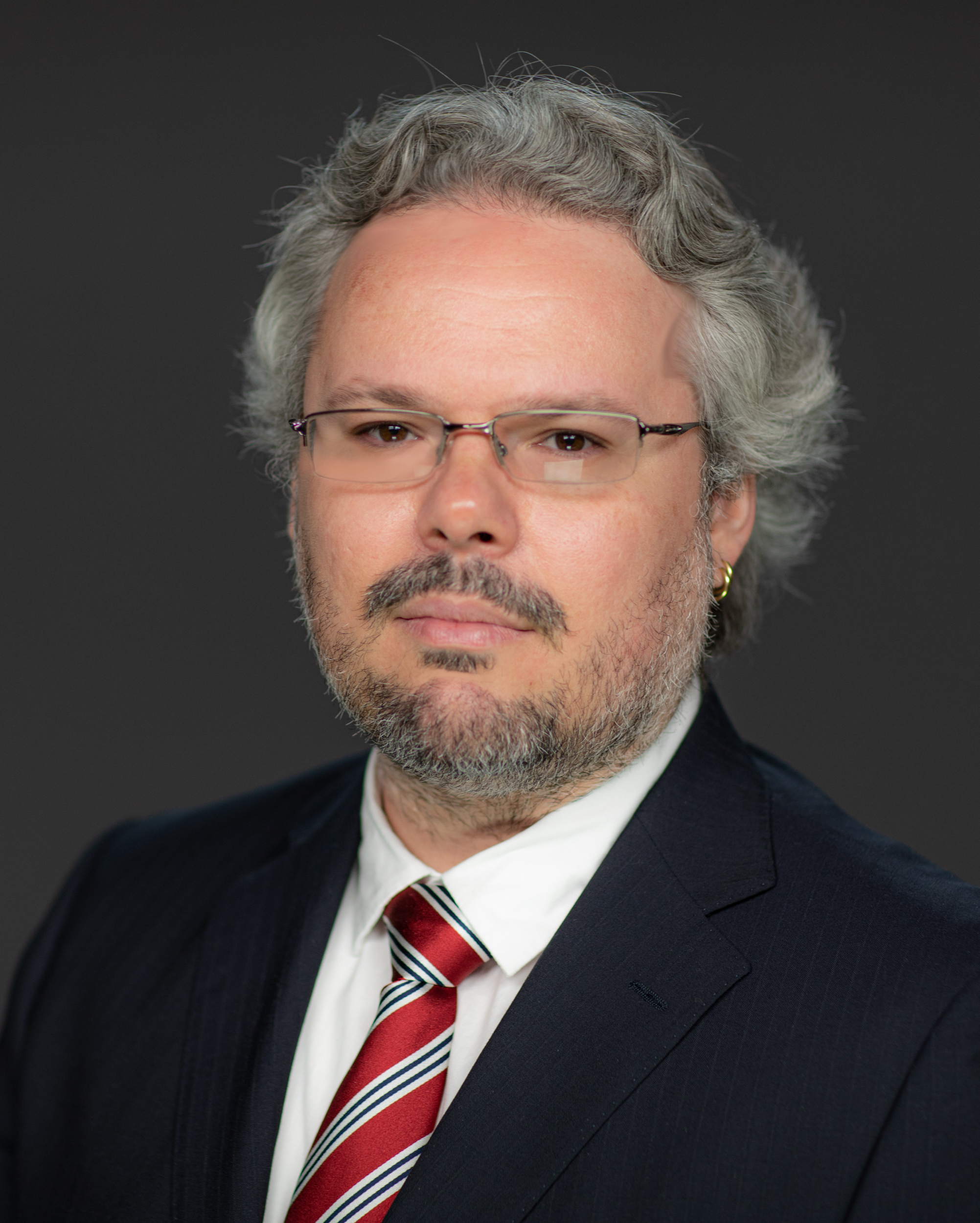
Wendy MacCaull is an Adjunct Professor in the Department of Computing and Software at McMaster University's Faculty of Engineering. Her scholarly activity focuses on formal methods for healthcare workflow verification, ontology reasoning, and temporal logic applications in process mining. Role: Adjunct Professor Institution: McMaster University Department: Computing and Software Research Interests: Workflow Verification, Ontology Reasoning, Healthcare Process Mining Her work bridges formal logic and healthcare IT , with publications on compensable workflows, timed BDI CTL logic verification, and ontology merging for clinical systems. She has contributed to Journal of Symbolic Logic , Lecture Notes in Computer Science , and IEEE Transactions on Knowledge and Data Engineering . Recent trends include contextual process mining (2024) and multi-context reasoning architectures (2023). Earlier works (2008-2012) explored non-classical logics, residuated logic models, and Kripke semantics.
Anand V. Bodapati is an Associate Professor of Marketing at the UCLA Anderson School of Management. His academic appointment places him within the Marketing Department, where he contributes to both research and teaching missions of the school. Dr. Bodapati received his Ph.D. in Business from Stanford University and an M.S. in Statistics from the same institution. His undergraduate education includes dual S.B. degrees from the Massachusetts Institute of Technology in Mathematics and Computer Science, and Management Science and Cognitive Psychology. Bodapati's research operates at the intersection of consumer psychology, decision making, statistics, marketing, and computer science. His scholarly work focuses on developing statistical models, methodologies, and decision support systems to address marketing challenges across value creation, value communication, customer acquisition, development, retention, and response assessment. His domain expertise spans advertising, retailing, direct marketing, digital marketing, and social marketing for health and public policy. His publication record demonstrates consistent impact across top marketing journals including the Journal of Marketing Research, Journal of Business and Economics Statistics, Marketing Letters, and Journal of Interactive Marketing. His work shows evolution from foundational statistical modeling approaches to increasingly sophisticated applications in digital marketing and social networks. American Marketing Association's Paul Green Award (twice) American Marketing Association's Lehmann Award Finalist for the O'Dell Award for work on recommendation systems Winner of the Paul Green 'Best Paper' Award for 'Determining influential users in internet social networks' (2011) Winner of the Paul Green 'Best Paper' Award for 'Recommendation systems with purchase data' (2009) Finalist for the Paul Green 'Best Paper' Award for 'A hybrid choice model that uses actual and ordered attribute value information' (2006) At UCLA Anderson, Bodapati teaches courses in Digital Marketing Analytics, Customer Analytics and Customer Insights, and Market Research. He has developed practical applications of his research through collaborations with marketing technology companies including Experian, Convertro, and Bliss Point Media. Bodapati serves on the editorial board of Marketing Science and was a founding member of the editorial board for the Journal of Interactive Marketing.
Mikael Hedeland is a full Professor at the Department of Medicinal Chemistry (Analytical Pharmaceutical Chemistry), Uppsala University , where he has worked since 1999. He holds a PharmD and was appointed Docent (associate professor) in 2007. Visiting Professor (2013) Adjunct Professor (2015) Full Professor (2018) His research focuses on bioanalysis of drugs and metabolites using chromatography-mass spectrometry , with applications in doping control , pharmacokinetics , and mass spectrometry methods for botulinum neurotoxin detection . He leads multidisciplinary collaborations with experts in biopharmaceutics , veterinary medicine , and environmental toxicology . Recent publications emphasize LC-MS/MS method development for PROTACs , lipidomics in cancer therapy , and metabolomics of arginine derivatives in pregnancy complications . His work includes environmental biodegradation studies using Trametes versicolor and chiral separations via supercritical fluid chromatography .
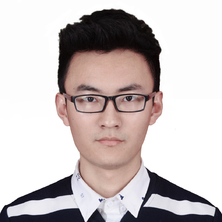
Dr. Bo Zhang serves as a Postdoctoral Research Fellow at the School of Mechanical & Mining Engineering, The University of Queensland, within the Faculty of Engineering, Architecture and Information Technology. His research focuses on computational modeling of hydraulic fracturing processes and proppant transport mechanics in unconventional energy reservoirs. His educational background includes: Masters (Research) in Mining Engineering from Chongqing University Doctor of Philosophy in Civil Geotechnical Engineering from Monash University Dr. Zhang's research spans petroleum engineering, geomechanics, and computational fluid dynamics with emphasis on hydraulic fracturing optimization. His work investigates proppant transport dynamics in shale and coalbed methane reservoirs using hybrid CFD-DEM modeling, stress-permeability relationships in fractured media, and fracture propagation mechanics. Key methodologies include stochastic fracture network modeling and supercritical CO 2 applications for enhanced recovery. Analysis of his 2019-2025 publications reveals a consistent research trajectory focused on improving hydrocarbon extraction efficiency through advanced fracture characterization. His work demonstrates increasing sophistication in multi-scale modeling, with recent studies addressing cross-scale proppant transport and secondary fracture dynamics. The research shows strong alignment with energy transition themes through CO 2 -based recovery techniques. No scientific awards were documented in the source materials. Dr. Zhang is explicitly available for research supervision, indicating active mentorship responsibilities. While specific grant details aren't provided, his publications suggest affiliation with UQ's Multiscale Energy Systems research theme. The absence of grant documentation prevents comprehensive assessment of funding sources. His work is contextually associated with UQ's Multiscale Energy Systems research group through thematic alignment with fracture network modeling and reservoir simulation, though explicit laboratory affiliations aren't specified in the source materials.
Diego Fregolent Mendes de Oliveira serves as an Assistant Professor at the University of North Dakota's School of Electrical Engineering & Computer Science. His academic career includes postdoctoral positions at the University of Maryland, Statistical and Applied Mathematical Sciences Institute (SAMSI), University of North Carolina, Northwestern University, and research scientist roles at Rensselaer Polytechnic Institute and the Army Research Lab. His research focuses on Complex Network Systems including data analysis, machine learning, agent-based modeling, and computational social science, with specific emphasis on information diffusion and trust in social computing systems. He also investigates Chaos and Dynamical Systems phenomena including nonlinear dynamics, chaotic attractors, and bifurcation theory. Another significant research strand examines Diversity, Equity, and Inclusion (DEI) in science, particularly gender disparities in academic publishing and career progression. Analysis of his publication trends reveals consistent contributions to understanding information propagation mechanisms, with recent work focusing on quality bias in information spread, hashtag dynamics on Twitter, and modeling virality of low-quality information. His research bridges theoretical network science with practical applications in social media analysis and computational social science. His collaborative work has involved prominent researchers including Prof. Peter Mucha, Prof. M. Gregory Forest, Prof. David Banks, Prof. Boleslaw K. Szymanski, Dr. Kevin S. Chan, Prof. Luís Amaral, and Prof. Brian Uzzi across multiple institutions. Dr. Oliveira maintains active research development through GitHub repositories focused on misinformation spread, quality bias analysis, and social network dynamics, demonstrating continued engagement with computational methods for understanding complex social-technical systems.
Chiara Vandoni is a PhD candidate in Management and Production Engineering at the Polytechnic University of Turin's Department of Management and Production Engineering (DIGEP) for the 39th cycle (2023-2026), concurrently serving as an external teacher and teaching assistant for the Master's Degree Course Challenge@PoliTo by Firms - Municipality of Turin in the 2024/25 academic year. Her academic foundation includes: Bachelor's degree in Management Engineering from Polytechnic University of Turin (2020) Master's degree in Management Engineering from Polytechnic University of Turin (2022) Her research centers on digital transformation across organizational and individual contexts, with specialized focus on innovation management and emerging technologies . Her doctoral work investigates how Web3 technologies can create sustainable business models for cultural heritage institutions, specifically aligning museum operations with visitor engagement through decentralized solutions. Additional interests encompass business model innovation, technology economics, and transformative applications in traditional sectors. Publication analysis reveals concentrated expertise in technology-culture intersections, particularly blockchain/NFT implementations in museums and BPMN-driven legal process optimization. Her work demonstrates consistent interdisciplinary methodology bridging computer science, cultural management, and legal frameworks, with recent emphasis on qualitative barriers to Web3 adoption and data-driven judicial improvements. No scientific awards or fellowships were documented in the source materials. Supervised by Guido Perboli and Maria Elena Bruni, she maintains an industry partnership with TIM SpA for market research under her doctoral project. Her funding derives from PhD enrollment and prior DIGEP research fellowship, though specific grants remain unspecified. She operates within DIGEP's research ecosystem at Polytechnic University of Turin, engaging cross-functional teams that merge technical engineering with managerial strategy, particularly through her TIM SpA collaboration on cultural heritage digitization initiatives.
Professor Zhixiong Guo is a distinguished faculty member in the Department of Mechanical and Aerospace Engineering at Rutgers, The State University of New Jersey. He serves as Editor-in-Chief for the Journal of Enhanced Heat Transfer and Heat Transfer Research, and has made significant contributions to thermal sciences and engineering. His research spans multiple domains including radiative heat transfer, ultrafast laser-tissue interactions, and nanoscale thermal phenomena. Professor Guo received his educational foundation at Tsinghua University in Beijing, China, where he earned a B.S., M.S., and Dr. Eng. in Engineering Physics. His academic excellence was evident as he graduated first in his class (1/28) for his B.S. and completed his M.S. one year ahead of schedule. He then pursued and completed his Ph.D. in Mechanical Engineering from Polytechnic University (now Polytechnic School of Engineering, New York University) in just two years. Professor Guo's research interests center on advanced heat transfer phenomena, with particular expertise in radiative transfer in participating media, ultrafast laser-tissue interactions, and nanoscale thermal transport. His work bridges theoretical modeling with practical applications in energy systems, biomedical engineering, and materials science. He has pioneered computational methods for solving complex radiation transfer problems and developed innovative optical sensing techniques using whispering-gallery mode resonators. Analysis of Professor Guo's recent publications reveals a strong focus on emerging thermal technologies, including machine learning applications in heat transfer prediction, nanofluid thermal properties, and advanced materials for thermal management. His work demonstrates a clear trajectory from fundamental radiative transfer research toward practical applications in energy efficiency, biomedical diagnostics, and advanced manufacturing. Professor Guo has received numerous prestigious honors including: Fellow of the American Society of Mechanical Engineers (ASME), 2011 Fellow of the American Society of Thermal and Fluids Engineers (ASTFE), 2021 Rutgers, The Board of Trustees Award for Excellence in Research, 2018 As Editor-in-Chief of two leading journals in the field, Professor Guo has significantly shaped the direction of thermal sciences research. His laboratory at Rutgers focuses on cutting-edge research in optical thermal sensing, ultrafast radiation phenomena, and advanced computational methods for heat transfer analysis. Current research directions include machine learning applications in thermal systems and novel approaches to energy conversion and storage.
Kathrin Busch is a biological oceanographer conducting systems-oriented and interdisciplinary environmental research focused on cold and deep marine environments. Her work integrates ecological perspectives with advanced methodological approaches to study microbial communities within "deep-sea forests" formed by sponges and coral reefs. Research Interests: Ecosystem dynamics across spatial-temporal scales Matter fluxes and nutrient cycling Biodiversity assessments of marine microbiomes Abiotic-biotic interactions in extreme environments Biological networks and feedback mechanisms Connectivity in deep-sea ecosystems Methodological Expertise: In situ observational and experimental approaches Molecular ecology techniques Big data management and bioinformatics pipelines Integrative modeling frameworks Advanced data visualization "Digital ocean" technologies
Dr. Sanda Andrada Maicaneanu is an Associate Professor in the Madia Department of Chemistry, Biochemistry, and Physics at Indiana University of Pennsylvania (IUP), within the John J. and Char Kopchick College of Natural Sciences and Mathematics. Her research focuses on developing eco-friendly materials for water and wastewater treatment, particularly through non-catalytic and catalytic processes. She teaches foundational chemistry courses such as CHEM 101 and CHEM 111. Dr. Maicaneanu holds a BS and MS from Babeș-Bolyai University, a PhD from Cranfield University, and completed a postdoctoral fellowship at the University of Connecticut. Her work integrates material science with environmental applications, emphasizing adsorption mechanisms for heavy metal removal, dye degradation, and sustainable nanomaterial synthesis. Recent studies include low-cost composites derived from agricultural waste and clays for wastewater remediation. Her publications span over two decades, with a focus on advancing adsorption technologies, catalyst development for phenol oxidation, and evaluating natural materials like zeolites and montmorillonite. Though no specific awards are listed, her contributions reflect innovative approaches to environmental challenges. She maintains an active research program, collaborating on projects related to mine drainage remediation and low-cost sensor technologies for environmental monitoring.
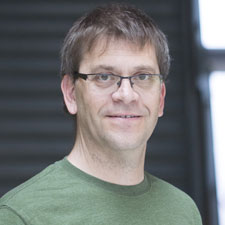
Dr. Mark Greenwood is a Research Associate at the School of Computer Science, University of Sheffield. His work focuses on Natural Language Processing (NLP), Information Extraction, and Semantic Technologies. He has contributed to projects like the GATE framework, developing tools for text processing and social media analysis. His research addresses real-time semantic annotation, online abuse detection in political discourse, and healthcare data mining. Notable collaborations include work with the National Archives and medical institutions to improve text analysis in clinical records. Greenwood has authored over 30 peer-reviewed publications, with recent focuses on social media analytics and genomic data integration. His expertise spans dependency parsing, temporal expression extraction, and cross-media knowledge systems. Education details are not explicitly stated, but his academic trajectory includes significant contributions to computational linguistics and NLP since the early 2000s. Research interests are anchored in practical NLP applications such as question-answering systems, genic interaction extraction, and media influence quantification. He has led teams on EU-funded projects and advised on large-scale semantic search initiatives like Khresmoi. Current work emphasizes partisanship analysis in digital spaces and automated text pattern recognition.
Mohammad Arshad Rahman is an Associate Professor in the Department of Economic Sciences at IIT Kanpur. His research spans Bayesian econometrics, quantile regression, machine learning, and applied econometrics. He has held positions at Zayed University and University of California, Irvine, and currently teaches econometrics and finance courses. Education: Ph.D. Economics, University of California, Irvine (2013) M.S. Statistics, UC Irvine (2011) M.A. Economics, UC Irvine (2009) M.A. Economics, Delhi School of Economics (2006) B.Sc. Economics Hons., St. Xavier's College, Kolkata (2004) Research focuses on developing Bayesian methods for econometric problems, with applications in energy economics, finance, and social policy. Research areas include: Bayesian inference techniques, quantile regression models, machine learning applications in economics, discrete choice modeling, and time series analysis. Awards and Honors: Social Science Merit Fellowship Multiple Summer Research Fellowships All India Post-Graduate Scholarship Analyst Accolade Award
Michael Gruninger is a Professor in the Department of Mechanical and Industrial Engineering at the University of Toronto, serving as Associate Chair of Undergraduate Studies. He holds a PhD and MSc in Computer Science from the University of Toronto and a BSc in Computer Science from the University of Alberta. His research focuses on semantic integration, process modeling, and mathematical logic applications in manufacturing and enterprise engineering. He contributed to the ISO 18629 standard for Process Specification Language. Research interests include ontologies, semantic web technologies, knowledge representation, and formal methods. He leads the Semantic Technologies Laboratory, advancing theories in mereotopology, spatiotemporal ontologies, and ontology engineering. Recent work emphasizes automated spatial reasoning in robotics and standards-based ontology development. Publications span ontology validation, mereological foundations, and applied semantic technologies. His work bridges theoretical computer science with practical enterprise systems and smart city applications. No awards are explicitly listed, though his contributions to ISO standards reflect industry impact. Advising and grants: No specific students/grants detailed here. His lab focuses on semantic technologies with applications in manufacturing and urban systems. Collaborations include NIST and the Industrial Ontologies Foundry.
Professor Nora El-Gohary is a faculty member in the Department of Civil and Environmental Engineering at the University of Illinois at Urbana-Champaign. She holds the title of CEE Excellence Faculty Fellow and has held academic positions including Assistant Professor (2009–2017), Associate Professor (2017–2023), and full Professor (2023–present). Her professional experience includes roles at the University of Manitoba and Hyundai Engineering & Construction Co. Ltd. Education: B.Sc. Construction Engineering, American University in Cairo (1999) M.Sc. Construction Engineering, American University in Cairo (2002) Ph.D. Civil Engineering, University of Toronto (2008) Research focuses on data analytics, AI, and BIM for sustainable infrastructure. Key areas include: Automated compliance checking using NLP Machine learning for energy consumption prediction Human-centered systems for construction management Awards include the NSF CAREER Award (2013), NCSA Fellow (2018), and 2025 ASCE Computing in Civil Engineering Award. She has led over 100 research projects funded by agencies like NSF and Illinois Department of Transportation. Editorial roles include Co-Editor-in-Chief of the ASCE Journal of Computing in Civil Engineering (2024–present) and Associate Editor (2012–2023). Active in professional societies such as TRB and ASCE.
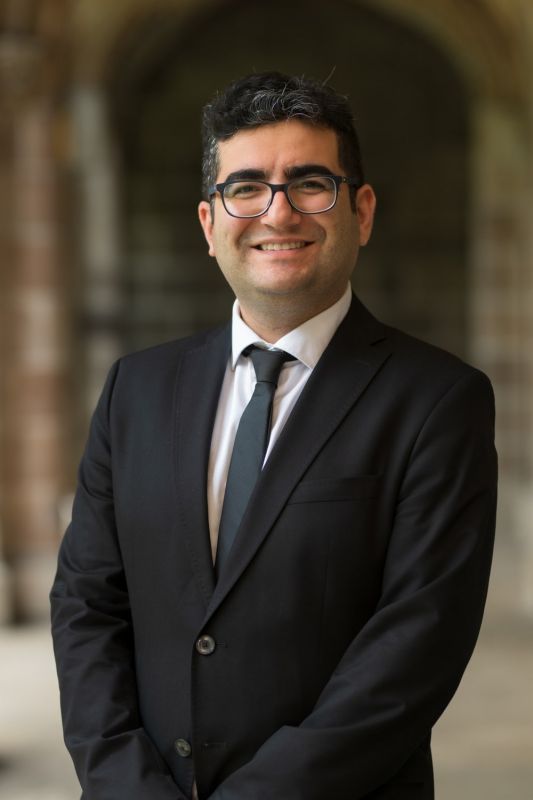
Dr. Hadi Khorshidi is a Senior Research Fellow at the Cancer Health Services Research Unit within the Melbourne School of Population and Global Health at the University of Melbourne. He joined the CHSR Group in September 2021. Previously, he held roles as a Senior Data Analyst at the Institute for Safety, Compensation and Recovery Research (ISCRR) and as a Research Fellow in the School of Computing and Information Systems. His research focuses on medical data mining, optimization, machine learning, and uncertainty quantification applied to healthcare challenges, particularly in cancer research and injury outcomes. Dr. Khorshidi earned his PhD in Applied and Computational Mathematics from Monash University in 2016, with a thesis titled “System Reliability Optimisation via Uncertainty Quantification.” He holds prior academic and professional qualifications in related fields, including a Master’s and Bachelor’s degrees (specific details not provided in the text). His research interests span interdisciplinary domains, including medical data mining , optimization techniques , machine learning applications , and uncertainty quantification , with a focus on healthcare systems and cancer research. He has contributed to projects involving agent-based modeling for disease diagnosis, system dynamics modeling for genomic sequencing implementation, and improving decision-making through AI and collaborative human-machine approaches. Dr. Khorshidi has secured notable grants and awards, including the O&G Innovation Grant and a joint research grant through the Manchester-Melbourne Research Fund. These support his work on integrating advanced technologies into healthcare decision-making and cancer management strategies. In addition to his research, he serves as a Chief Investigator in the Manchester-Melbourne Research Fund project. His collaborative efforts include editorial roles in journals such as the International Journal of System Assurance Engineering and Management , and contributions to program committees for IEEE conferences. He is affiliated with the Cancer Health Services Research Unit and collaborates with the CHSR Group, contributing to interdisciplinary teams focused on advancing healthcare solutions through data-driven methodologies.
Andreas Lehrmann is an Adjunct Professor in the Department of Computer Science at the University of British Columbia's Faculty of Science. His academic role involves teaching specialized courses in machine learning and artificial intelligence. Research interests include machine learning, data mining, and broader topics in artificial intelligence, as reflected by his course offerings such as CPSC 340 (Machine Learning and Data Mining) and CPSC 532M (Topics in Artificial Intelligence). No specific articles, awards, or grants are listed in the provided information. Advising and student supervision details are not available in the current dataset. He is affiliated with the Department of Computer Science at UBC's Vancouver campus, located at ICICS/CS Building 201-2366 Main Mall, Vancouver, BC V6T 1Z4.