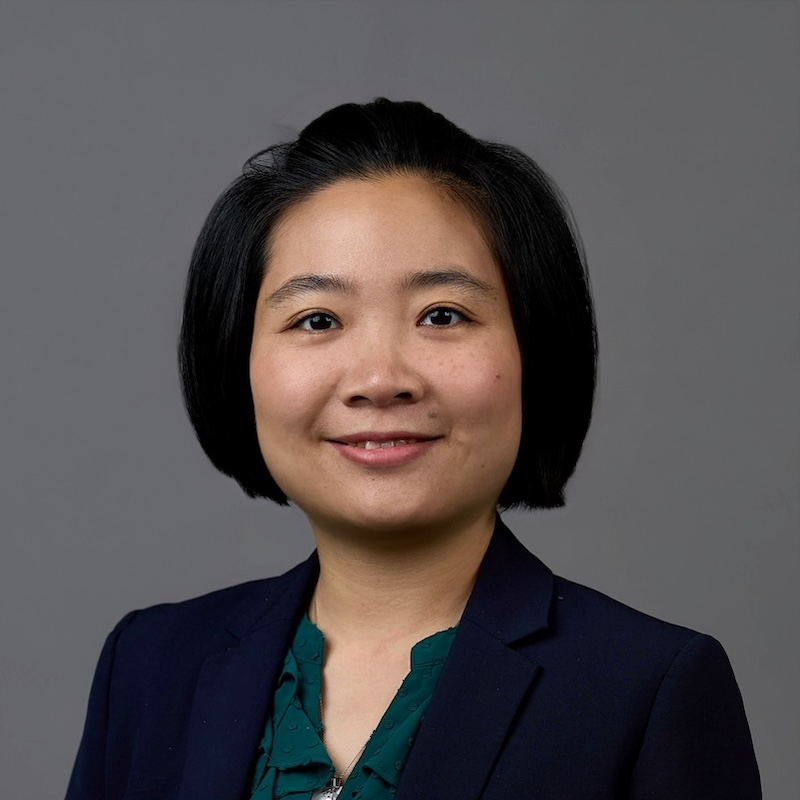
Jie Peng, Ph.D., is a Professor and Vice-Chair for Graduate Affairs in the Department of Statistics at the University of California, Davis. Her research focuses on statistical methodologies with applications in genomics, neuroimaging, and functional data analysis. She holds a Ph.D. from Stanford University and is actively involved in advancing statistical theory and its practical implementations in biomedical and computational sciences. Education Ph.D. in Statistics, Stanford University Research Interests Dr. Peng’s work spans several key areas including graphical models, high-dimensional inference, and neuroimaging analysis. She develops innovative statistical tools for analyzing complex biological data, such as tumor genomics and brain connectivity patterns derived from diffusion MRI. Her research emphasizes the interplay between theoretical statistics and real-world applications in healthcare and precision medicine. Professional Contributions She serves as an Associate Editor for the Journal of Computational and Graphical Statistics and has contributed to numerous high-impact publications. Her methods have been applied to identify biomarkers in ovarian cancer and to study brain lateralization using Human Connectome Project (HCP) data. Dr. Peng also leads efforts in developing computational frameworks for spatial transcriptomics and dynamic network modeling.
Kushal Dey, PhD, is an Assistant Professor in the Computational and Systems Biology Program at Memorial Sloan Kettering Cancer Center (MSKCC). His research develops machine learning models that integrate genetic, genomic, and epigenomic data (e.g., RNA-seq, ChIP-seq, Perturb-seq, spatial transcriptomics) to decode the causal functional architecture of heritable complex diseases, including immune-related disorders like Alzheimer’s and inflammatory bowel disease, as well as heritable cancers such as breast and prostate cancer.
Loic Binan is an Assistant Professor in the Department of Human Genetics at McGill University, with additional affiliations as an Associate Member in the Department of Biomedical Engineering and the Integrated Program in Neuroscience. His research focuses on developing cutting-edge technologies to investigate how gene networks control the self-organization of cells into complex 3D tissues during development and in disease conditions. Dr. Binan's research interests span multiple interdisciplinary fields, with particular emphasis on cancer metastasis , where he investigates the genetic mechanisms allowing cells to reversibly transition between epithelial and mesenchymal phenotypes. His work also explores isoforms and non-coding regions , developing technologies to understand alternative splicing in neurodegenerative diseases, and examining how past cell-cell interactions shape present transcriptional activity during development. His laboratory employs a diverse array of techniques including CRISPR gene editing, spatial transcriptomics, single-cell RNA sequencing, advanced microscopy, and computational methods for image analysis. The recent publications reveal a strong trend toward integrating high-throughput genetic screening with spatial transcriptomics to map gene regulatory networks across both cancer biology and neuroscience contexts. Dr. Binan leads the Binan Lab at the Lady Davis Institute for Medical Research, where his team develops precision gene editing tools such as Cas9 and Cas12 for high-throughput screens, creates novel imaging tools to collect spatial context data, and builds computational tools to analyze these complex new data types. His research primarily focuses on cancer and neurodegenerative diseases, with particular attention to brain development and tumor microenvironments.
Casmir Turnquist is a Research Fellow at the Nuffield Department of Clinical Neurosciences, University of Oxford, with concurrent roles as an NIHR Academic Clinical Fellow and Specialty Registrar in Histopathology at OUH NHS Foundation Trust. His work bridges clinical practice and research in pediatric brain/spine cancers and neurodegenerative pathologies. BA, MSc, BM BCh, DPhil His research investigates fusion-driven cancers in young patients using long-read sequencing and single-cell genomics, alongside studying neurotoxicity from cancer therapies through spatial transcriptomics and developmental neuroscience perspectives. Recent work includes characterizing CLIPPERS inflammatory disorders and SLONM myopathy. Publications demonstrate expertise in CNS tumors, inflammatory pathologies, and digital pathology implementation, with methodological focus on genomic heterogeneity and precision diagnostics. NIH Director's Innovation Award Supervises DPhil students Hannah Brooks and Claire Lewis, maintaining collaborations with Oxford Brain Bank and NIH institutions while advancing translational research in neuro-oncology and neuropathology.
Howard Sirotkin is an Associate Professor in the Department of Neurobiology & Behavior at Stony Brook University's Renaissance School of Medicine. His research focuses on neural development, utilizing zebrafish as a model organism to study processes like neural stem cell differentiation, neurodevelopmental disorders (e.g., autism, epilepsy), and the impact of environmental pollutants like PFAS. He holds a PhD from Albert Einstein College of Medicine and has been at Stony Brook since 2002. His lab employs cutting-edge genetic tools and behavioral assays to investigate molecular mechanisms underlying nervous system formation and dysfunction. Education: B.S. Microbiology (University of Florida, 1991); M.S./Ph.D. Molecular Genetics (Albert Einstein College of Medicine, 1993/1996). Research Themes: (1) Neural stem cell regulation, (2) Disease modeling in zebrafish, (3) Chromosome engineering, (4) Environmental toxicant effects Key Technologies: Zebrafish genetics, high-resolution live imaging, CRISPR-based genome editing Lab Members: Includes PhD students (Carly Gomes, Gina Rizzo), MS students, and undergraduate researchers Grants: NIH-funded projects on PFAS toxicity and neural stem cell signaling Facilities: State-of-the-art lab in Stony Brook's Life Sciences Building with dedicated microscopy and behavioral testing suites
Paul Carini is an Associate Professor in the Department of Environmental Science at the University of Arizona. His research focuses on microbial genomics, environmental microbiology, and microbial diversity in extreme environments. He is affiliated with the School of Animal and Comparative Biomedical Sciences through a joint Micro Graduate Program. His work emphasizes genomic sequencing of understudied microbes, particularly those from arid soils and subseafloor sediments. He explores microbial adaptation strategies to nutrient-poor and extreme conditions, including anaerobic respiration and toxic gas utilization. Recent studies highlight culturomics advancements, such as high-throughput cultivation and predictive modeling of microbial growth. Key contributions include genome-based taxonomic frameworks for uncultivated archaea and bacteria, and insights into microbial roles in climate change mitigation. His research bridges traditional cultivation methods with modern genomic tools, addressing challenges in capturing Earth's microbial biodiversity.
Dr. Athma A Pai is an Associate Professor at UMass Chan Medical School, holding primary appointments in the RNA Therapeutics Institute and the T.H. Chan School of Medicine. She maintains extensive secondary appointments across multiple departments including Genomics and Computational Biology, Systems Biology, and several graduate programs at the Morningside Graduate School of Biomedical Sciences, reflecting the highly interdisciplinary nature of her work. Education: BS in Biochemistry/Anthropology from University of Pennsylvania PhD in Human Genetics from University of Chicago Postdoctoral training in RNA Genomics from MIT Dr. Pai's research program centers on RNA biology with particular emphasis on RNA processing, splicing mechanisms, and the regulation of gene expression. Her work investigates how environmental factors influence RNA processing through biochemical, molecular, and genetic mechanisms. She employs cutting-edge genomic and transcriptomic approaches to study alternative polyadenylation, mRNA transcript initiation and termination, and the spatial organization of RNA processing events within cells. Her research has significant implications for understanding fundamental gene regulation mechanisms and their roles in disease processes. Analysis of Dr. Pai's recent publications reveals a strong focus on developing high-resolution profiling methods for understanding transcriptional and translational regulation. Her work increasingly integrates computational approaches with experimental biology to investigate how RNA processing events are coordinated across the transcriptome. A notable trend is her exploration of how RNA processing contributes to inflammatory responses and cellular defense mechanisms, with implications for therapeutic development. Dr. Pai actively mentors students through multiple graduate programs at UMass Chan Medical School, including Biochemistry and Molecular Biotechnology, Biophysical Chemical and Computational Biology, Interdisciplinary Graduate Program, MD/PhD Program, RNA Therapeutics and Biology Program, and Systems Computational and Quantitative Biology. She maintains an active laboratory (Pai Lab) that welcomes postdoctoral researchers interested in RNA biology. Her laboratory website provides additional information about ongoing research projects and opportunities for collaboration and training, and she maintains a professional presence through her Twitter account (@athmapai).
Robert M Prins is a Professor of Neurosurgery and Professor of Molecular and Medical Pharmacology at the University of California Los Angeles (UCLA). He leads the Robert Prins Lab at UCLA, which focuses on developing novel immunotherapies for brain tumors, particularly glioblastoma. Dr. Prins received his B.S. in Kinesiology (1992) and M.S. in Physiological Science (1996) from UCLA, followed by a Ph.D. in Anatomy & Immunology from the Medical College of Virginia/Virginia Commonwealth University (2001). He completed fellowships in Tumor Immunology at Cedars-Sinai Neurosurgical Institute (2002) and Brain Tumor Immunotherapy at the David Geffen School of Medicine at UCLA (2003). His research focuses on brain tumor immunology and immunotherapy, with particular emphasis on dendritic cell vaccination, immune checkpoint inhibitors, and adoptive T cell therapy for glioblastoma. Dr. Prins has secured multiple NIH grants as Principal Investigator, including current funding for neoadjuvant checkpoint blockade for recurrent glioblastoma (R01CA267726) and identification of neoantigen-specific T cells for GBM immunotherapy (R01CA222695). Dr. Prins' work has demonstrated the potential of neoadjuvant immunotherapy approaches for glioblastoma, showing that early administration of immune checkpoint inhibitors before surgery can induce significant immune responses within the tumor microenvironment. His research has also explored mechanisms of immunotherapy resistance in brain tumors and strategies to overcome these barriers. He has published extensively in high-impact journals including Nature Medicine, Nature Communications, and Neuro-Oncology, with his most recent work focusing on spatial immune profiling of glioblastoma, CAR-T cell therapies, and epigenetic approaches to enhance immunotherapy efficacy. Dr. Prins is actively involved in clinical translation of his research findings, with several clinical trials underway at UCLA to evaluate novel immunotherapeutic approaches for patients with malignant brain tumors.
Roy Wollman is a Professor at the University of California, Los Angeles (UCLA) in both the Department of Integrative Biology and Physiology and the Department of Chemistry and Biochemistry within the College of Letters and Science. His work bridges experimental and computational approaches to study dynamic signaling networks and their impact on cellular decisions. Research Focus: Computational and systems biology of signaling pathways Key Techniques: Single-cell analysis, spatial transcriptomics, quantitative modeling Major Themes: Information transmission in biochemical networks, cellular decision-making, epigenetic regulation Recent work has emphasized spatial transcriptomics mapping of brain regions, wound response signaling, and multi-scale analysis from cell biology to physiology. His lab has developed computational tools like scPNMF for gene selection and JSTA for cell segmentation and annotation. Key findings include mechanisms of TNF-induced cell death tradeoffs and laminin scarring effects in stem cell function. Roy Wollman has received continuous NIH funding since 2009, including grants for studying NFκB dynamics (R01GM117134), corneal wound signaling (R01EY024960), and single-cell technologies for traumatic brain injury (R01NS117148). His research combines high-throughput microscopy with computational modeling to understand how cells process dynamic signals.
Yun Claudia Wei, Ph.D., serves as Assistant Professor in Pediatrics Hematology and Oncology at the University of Texas Southwestern Medical Center with secondary affiliation at the Simmons Cancer Center. Her research focuses on pediatric solid tumors, cancer stem cell dynamics, and therapeutic resistance mechanisms. Dr. Wei's academic training includes: Ph.D. in Cancer Biology from Emory University, researching pediatric sonic-hedgehog medulloblastoma under Dr. Anna Kenney Postdoctoral fellowship at Mass General Brigham and Harvard Medical School with Dr. David Langenau, investigating rhabdomyosarcoma Her laboratory pioneers integrative approaches combining single-cell RNA sequencing, spatial transcriptomics, and novel cell-tracking methodologies to dissect tumor heterogeneity and regulatory networks in pediatric cancers. This work targets critical translational gaps in understanding therapy resistance, recurrence, and metastasis—the primary causes of mortality in young cancer patients. Dr. Wei's research bridges developmental biology with oncology to identify precision medicine targets. Dr. Wei leads the Wei Lab, described as a "humid" research environment dedicated to characterizing pediatric tumor evolution and developing innovative techniques for monitoring cellular state transitions in real-time.
Jeremy Edwards serves as a Professor in the Department of Chemistry at the University of New Mexico, where he maintains an active research program at the intersection of pharmaceutical chemistry, genomics, and computational biology. His work spans multiple disciplines with a particular focus on developing innovative technologies for DNA sequencing and analysis. Professor Edwards' research interests center around Pharmaceutical Chemistry, Quantitative Biology, and Genomic Technologies. His work has significantly contributed to the fields of metabolic engineering, genome sequencing, and systems biology. He has pioneered approaches in nanopore sequencing technology and developed computational frameworks for analyzing complex biological systems. His research group has made notable contributions to understanding metabolic networks through flux balance analysis and in silico modeling, with applications ranging from bacterial metabolism to mammalian systems. Analysis of Professor Edwards' publication record reveals a strong trend toward developing cutting-edge genomic technologies and computational approaches for biological analysis. His recent work focuses on spatial transcriptomics, nanopore sequencing innovations, viral genome surveillance, and target illumination for drug discovery. The publications demonstrate a consistent trajectory from foundational metabolic modeling work toward increasingly sophisticated genomic technologies and applications in drug target identification and validation. Professor Edwards has established himself as a leader in computational genomics with an extensive publication record including highly cited papers such as "In silico predictions of Escherichia coli metabolic capabilities are consistent with experimental data" (1297 citations) and "The Escherichia coli MG1655 in silico metabolic genotype: Its definition, characteristics, and capabilities" (1295 citations). His work on metabolic modeling has been particularly influential in systems biology. As an active researcher, Professor Edwards has mentored numerous students and collaborators, though specific student names aren't documented in the available materials. His research has attracted significant funding supporting the development of genomic technologies and computational approaches. His laboratory appears to focus on the intersection of bioinformatics, molecular biology, and engineering, with particular emphasis on next-generation sequencing technologies and their applications. Professor Edwards leads a research group that integrates computational modeling with experimental approaches to tackle challenges in genomic analysis and metabolic engineering. His team has developed innovative tools like the Sentieon Genomics Tools, described as "a fast and accurate solution to variant calling from next-generation sequence data." The group's work spans from fundamental research on DNA sequencing technologies to applied projects in viral surveillance and drug target identification.
Mario Dipoppa is an Assistant Professor in the Department of Neurobiology at the University of California, Los Angeles. His research focuses on computational neuroscience, cortical adaptation, and neural circuit dynamics. Position: Assistant Professor, Neurobiology Email: mdipoppa@g.ucla.edu Research Interests: Mario's work explores how neural populations in the visual cortex adapt to sensory input, with a particular emphasis on the interplay between neural oscillations, synchrony, and cognitive functions like working memory. His recent studies investigate optimal coding strategies in visual adaptation, contextual modulation mechanisms, and the role of transcriptomic diversity in cortical interneuron function. Publications Trends: His research spans computational modeling of cortical networks, visual neuroscience, and neurogenetic analyses of brain circuits. Early work (2013-2016) focused on working memory mechanisms and neural oscillations, while recent studies (2022-2025) emphasize visual cortex adaptation, population coding, and cross-species circuit comparisons.
Ramana V Davuluri serves as Professor in the Department of Biomedical Informatics at Stony Brook University's Renaissance School of Medicine. With over 20 years of experience in bioinformatics and computational genomics, he leads research at the intersection of machine learning and cancer genomics, focusing on translating high-dimensional -omic data into clinically actionable insights through statistically rigorous methodologies. Dr. Davuluri's research spans Machine Learning applications in Cancer Data Science , isoform-level gene regulation , and precision-medicine development. His lab pioneers bioinformatics solutions for genomic data interpretation, with emphasis on developing machine learning algorithms that convert NextGen sequencing outputs into experimentally testable discovery models. A core focus involves creating rapid biomarker identification systems from human tissue and blood samples through integrated computational-experimental approaches in systems biology. Analysis of his 2023-2025 publications reveals a dominant trend toward genomic foundation models (e.g., DNABERT variants), multi-omic cancer subtyping , and time-dependent therapeutic strategies for pediatric brain tumors and ovarian cancer. His work consistently bridges computational innovation with biological validation across diverse cancer types including glioma, lung adenocarcinoma, and high-grade serous carcinoma. As Principal Investigator for multiple multi-investigator and multi-site projects, Dr. Davuluri directs research integrating high-throughput experimental procedures with advanced data-mining techniques. His laboratory maintains strong collaborations across oncology, neuroscience, and immunology domains while developing genomics-based decision support systems for clinical translation. The Davuluri Lab employs a systems biology framework to develop novel informatics tools for precision oncology, with particular emphasis on translating genomic discoveries into clinical applications through biomarker discovery and therapeutic strategy optimization.
George M. Church is a Professor of Genetics at Harvard Medical School and affiliated with MIT, where he directs PersonalGenomes.org, providing open-access genomic, environmental and trait data. His laboratory focuses on transformative technologies for reading and writing 3D/4D biological structures with attention to ethics, safety, and equitable access. Church has co-initiated major scientific initiatives including the BRAIN Initiative (2011) and multiple Genome Projects (GP-Read-1984, GP-Write-2016, PGP-2005). Church's research spans multiple cutting-edge domains including genome engineering, synthetic biology, aging reversal, and space genetics. His lab pioneered foundational methods for direct genome sequencing, molecular multiplexing and barcoding in 1984, leading to the first genome sequence in 1994. His innovations contributed to nearly all next-generation DNA sequencing methods and companies. Current research directions include machine learning for protein engineering, tissue reprogramming, organoids, gene therapy, and in situ 3D DNA/RNA/protein imaging. His work bridges fundamental biology with therapeutic applications across diverse fields from Alzheimer's disease to de-extinction biology. Church's recent publications reveal a remarkable breadth of scientific inquiry, spanning from fundamental genome editing techniques to applications in aging research, neuroscience, and space biology. His work increasingly integrates artificial intelligence with biological systems, as seen in papers on machine-guided cell-fate engineering and automation of systematic reviews with large language models. His research maintains a strong translational focus, with numerous papers addressing therapeutic applications in cancer immunotherapy, gene therapy, and diagnostics. The consistent theme across his diverse publications is the development and application of transformative technologies to address fundamental biological questions and medical challenges. National Academy of Sciences (NAS) membership National Academy of Engineering (NAE) membership Franklin Bower Laureate for Achievement in Science Co-initiator of the BRAIN Initiative (2011) Director of multiple NIH Centers for Excellence in Genomic Science (2004-2020) Church directs numerous research centers including the NIH-CEGS, Personal Genome Project (PGP), Lipper Center for Computational Genetics, and Wyss Institute Synthetic Biology center. His laboratory has trained PhD students across multiple Harvard and MIT programs including Biophysics, BBS, Biomedical Informatics, ChemBio, Chemistry, SSQB, MCO, Virology, HST, EE/CS, Physics and Applied Math. His commercial impact is extensive through companies spanning medical diagnostics (Knome/PierianDx, Alacris, Nebula, Veritas) and synthetic biology/therapeutics (AbVitro/Juno, Gen9/enEvolv/Zymergen/Warpdrive/Gingko, Editas, Egenesis). Church also pioneered new privacy, biosafety, ELSI, environmental and biosecurity policies. The Church Lab operates across multiple research domains including molecular multiplexing, next-generation sequencing, nanopore technology, and genome engineering. The lab maintains strong connections with the Personal Genome Project, Wyss Institute, and multiple commercial ventures. Current research directions include the Spatial Atlas of Human Anatomy (SAHA), human skin rejuvenation via mRNA, and space genetics research through the Consortium for Space Genetics and BioAstra. The lab's mission focuses on transformative technologies for reading and writing 3D/4D structures at any scale, inspired by but not limited by biology.
Pabitra Sahoo is an Assistant Professor in the Department of Biological Sciences at Rutgers University, leading a research group focused on axonal mRNA dynamics and stress granule biology. His work bridges molecular neuroscience and regenerative medicine with direct implications for neural repair mechanisms. His educational background includes: B.S. from Utkal University, India (2005) M.S. from University of Hyderabad, India (2007) Ph.D. from National Centre for Cell Science, University of Pune (2013) Postdoctoral fellowship at Twiss Lab, University of South Carolina (2023) Dr. Sahoo's research centers on stress granules in axons and their dual role in physiological mRNA storage and pathological inhibition of nerve regeneration. His lab investigates how localized protein synthesis mechanisms govern neural repair, neurodevelopment, and neurodegenerative processes through cutting-edge approaches in spatial transcriptomics and axonal biology. Key discoveries include the identification of G3BP1 as a critical regulator of axonal mRNA translation and the demonstration that stress granules exist under normal physiological conditions in neurons. Analysis of his 2021-2025 publications reveals a dominant focus on stress granule disassembly mechanisms (particularly involving G3BP1), RNA-binding protein functions in axonal mRNA stability, and therapeutic targeting of these pathways for nerve regeneration. His work consistently connects fundamental molecular mechanisms to applications in spinal cord injury, peripheral nerve repair, and neurodegenerative conditions like ALS. The Sahoo Lab operates as a collaborative team of "curiosity driven, fun, and coffee loving scientists" investigating how mRNA storage granules respond to neuronal signals. Current projects specifically examine stress granule dynamics in neuronal development models and their dysfunction in neurodevelopmental disorders (e.g., Down syndrome) and neurodegenerative diseases, with therapeutic strategies emerging from multiple patent filings.