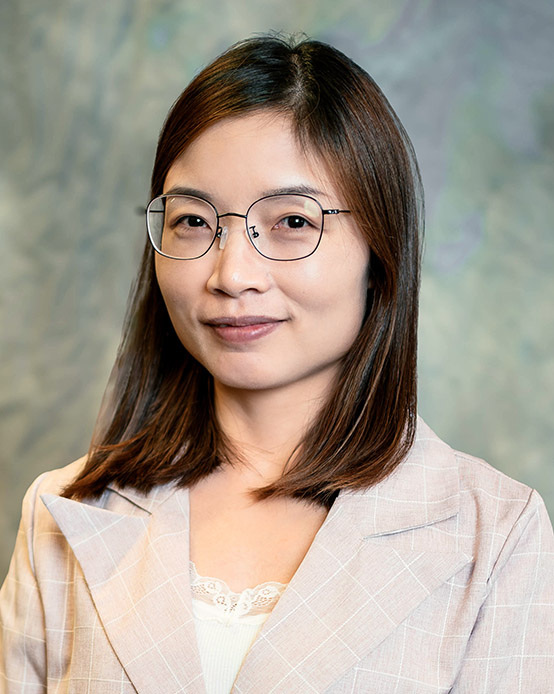
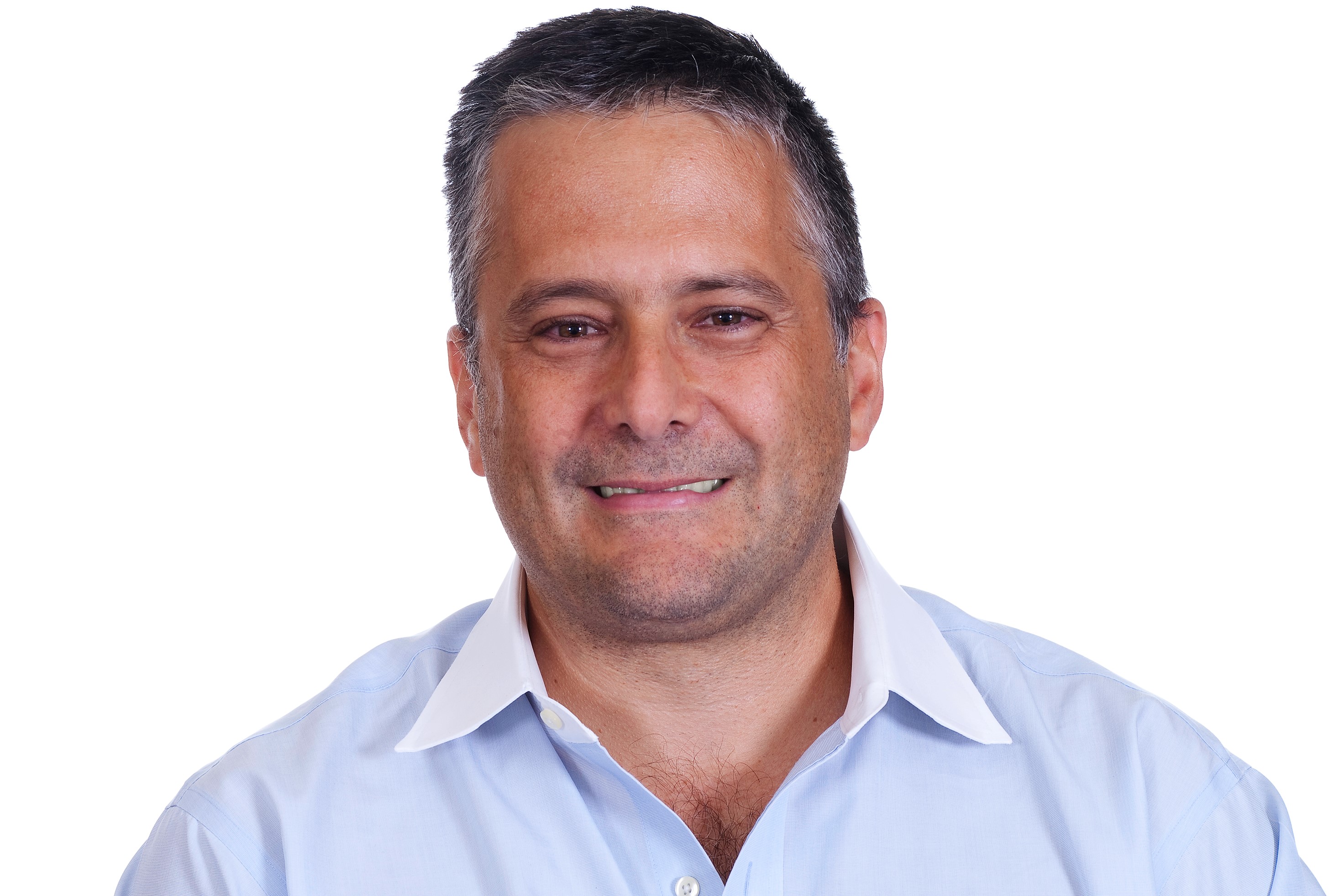
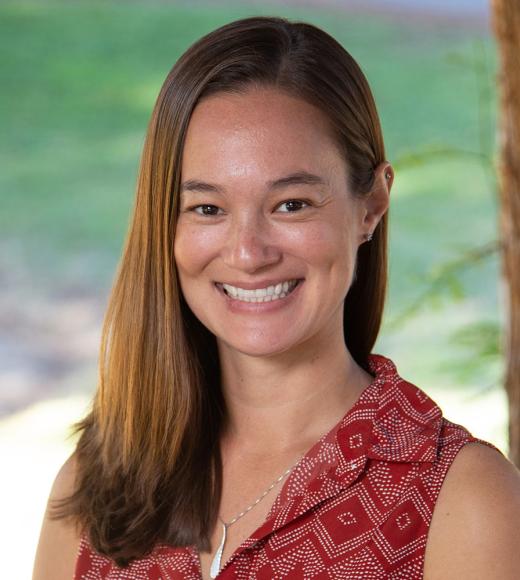
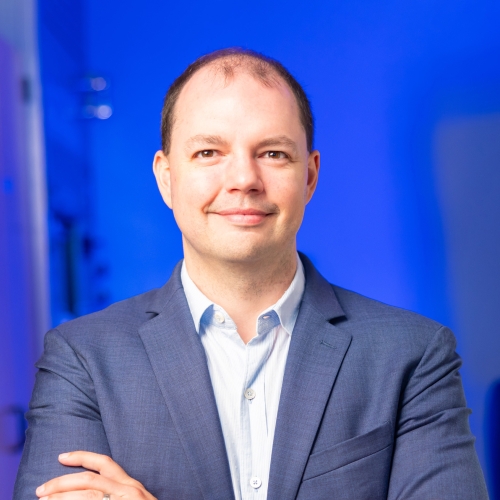
Guizhen Zhao is an Assistant Professor at the University of Houston College of Pharmacy , Department of Pharmacological and Pharmaceutical Sciences. Her research focuses on epigenetic and molecular mechanisms in cardiovascular diseases (CVD), particularly aortic aneurysm, dissection, and atherosclerosis, with a goal to drive drug discovery innovations. Major research areas: Metaboloepigenetic properties of vascular cells, chromatin remodeling, vascular cell crosstalk Methodologies: bulk RNA-seq, single-cell RNA-seq, ChIP-seq, ATAC-seq, spatial transcriptomics, metabolomics Ongoing projects include studying BAF60c-dependent epigenetic modifications in smooth muscle cell biology, BAF60c-mediated iPSC differentiation, BAF60a in endothelial dysfunction, and vascular cell interactions in CVD development. Scientific contributions include 15+ publications on abdominal aortic aneurysm, atherosclerosis, and chromatin remodeling mechanisms, with recent work on adenosine kinase inhibition and KLF11 as therapeutic targets. 2023-25: Career Development Award, American Heart Association 2021-22: Postdoctoral Fellowship, American Heart Association 2019: Young Investigator Award, American Heart Association
Ueli Grossniklaus is an Ordinary Professor at the University of Zurich within the Faculty of Mathematical and Natural Sciences , affiliated with the Department of Plant and Microbiology . His work focuses on plant developmental biology, particularly epigenetic and genetic mechanisms governing reproduction and adaptation. Key Courses: Epigenetics, Plant Biology Workshop, Group Seminars on Current Research Laboratory Techniques: Advanced methods in plant cell mechanics, transcriptomics, and genome editing Research Interests span plant epigenetics, reproductive biology, and the interplay between environmental stress and genetic regulation. He investigates: Mechanistic control of gametogenesis and fertilization Epigenetic contributions to plant adaptation Evolutionary implications of asexual reproduction Biophysical forces in plant cell growth Publication Trends (2025–2018) reveal expertise in: Arabidopsis and fern model systems Epigenetic regulation (DNA methylation, histone dynamics) Apomixis and hybrid seed failure mechanisms Biomechanics of pollen tubes and carnivorous plants Genome editing tools (CRISPR) and long-read sequencing Scientific Collaborations include interdisciplinary projects on: Microfluidic devices for plant cell analysis Gene drive ecology and ethics 3D imaging of plant reproductive structures Advising and Grants focus on mentoring through research internships in developmental biology, genetics, and systems biology. His lab engages in: Epigenetic response to environmental stress Cell wall mechanics in reproduction Computational modeling of plant growth Laboratory Teams integrate plant biologists, bioengineers, and computational scientists to study: Mechanistic gene regulation Evolutionary developmental biology Microrobotics for cellular force measurement
Facundo M. Fernandez is a Regents' Professor and Vasser-Woolley Chair in Bioanalytical Chemistry at the Georgia Institute of Technology, where he leads the Fernandez Research Group within the School of Chemistry and Biochemistry in the College of Sciences. His research spans multiple cutting-edge areas of analytical chemistry with significant applications in medicine, forensics, and basic science. Dr. Fernandez earned his M.Sc. in Chemistry (1996) and Ph.D. in Analytical Spectrometry/Metallomics (1999) from the Facultad de Ciencias Exactas y Naturales at Buenos Aires University, Argentina. His research program focuses on Bioanalytical Mass Spectrometry with particular emphasis on Ambient Sampling/Ionization & Molecular Imaging, Ion Mobility Spectrometry, Metabolomics, and Pharmaceutical Forensics. His work has pioneered new approaches in ambient ionization techniques that enable direct analysis of complex samples without extensive preparation. His recent publications reveal a strong trend toward spatial metabolomics, particularly in traumatic brain injury and ovarian cancer research, with increasing integration of machine learning approaches for data analysis. His work also extends to pharmaceutical quality control, exercise physiology through the MoTrPAC consortium, and prebiotic chemistry investigations. The interdisciplinary nature of his research is evident in collaborations across Georgia Tech's campus and with external institutions. NSF CAREER Award (2007) 3M Non-tenured Faculty Award (2008) CETL/BP Junior Faculty Teaching Excellence Award (2009) Ron A. Hites Award for Outstanding Research Publication (2010) Sigma Xi (GT Chapter) Best Faculty Paper Award (2010) Vasser-Wooley Faculty Fellow (2012) Dr. Fernandez has secured significant funding for his research, including NSF CAREER support, and leads projects related to metabolomics for ovarian cancer detection, pharmaceutical forensics through the CODFIN network, and participation in the large-scale Molecular Transducers of Physical Activity Consortium (MoTrPAC). His laboratory develops advanced instrumentation for mass spectrometry applications and maintains strong collaborations with the Integrated Cancer Research Center, the College of Computing, and the Center for Chemical Evolution at Georgia Tech.
Rachael Bay is an Associate Professor in the Department of Evolution and Ecology at the University of California, Davis. She investigates how human-induced environmental changes intersect with evolutionary processes, focusing on climate change impacts across diverse species. Education: B.S. in Marine Science/Biology, University of Miami (2008) M.Sc. in Biology, Dalhousie University (2010) Ph.D. in Biology, Stanford University (2015) Her research combines ecological experiments, physiological studies, and large-scale genomic analysis to explore evolutionary responses to anthropogenic stressors. Key areas include climate adaptation in migratory birds, coral resilience, and conservation genomics. Recent publications highlight genomic shifts linked to climate change, thermal tolerance mechanisms in corals, and migratory behavior dynamics. Her work emphasizes using evolutionary insights for proactive conservation strategies. Scientific Awards: Packard Fellowship (2021) Sloan Fellowship (2019) UC Davis Top Safety Award (2022) Bay is affiliated with the Center for Population Biology and graduate groups in Integrative Genetics & Genomics and Population Biology. She leads the Bay Lab, which focuses on eco-evolutionary dynamics in marine and avian systems.
Dr. Chad J. Brenner is an Associate Professor in the Department of Otolaryngology-Head and Neck Surgery and Pharmacology at the University of Michigan Medical School. He also directs the U-M Program in Cellular and Molecular Biology, the Otolaryngology Clinical Laboratory (CLIA), and the Head & Neck Oncology Program. His research focuses on developing liquid biopsy tools for cancer detection and precision therapy, particularly in HPV-driven head and neck cancers. Key roles include membership in the Rogel Cancer Center, Kresge Hearing Research Institute, and Center for Computational Medicine & Bioinformatics. Education: B.S. in Biomedical Engineering, M.S. in Bioelectrical Engineering, and Ph.D. in Cellular and Molecular Biology from the University of Michigan, with doctoral work on prostate cancer mechanisms. Research Interests: HPV integration and cancer heterogeneity Urine- and blood-based liquid biopsies for real-time cancer monitoring Combination immunotherapy strategies for improving checkpoint inhibitor responses Genetic engineering to identify cancer vulnerabilities Clinical trial innovation for adaptive therapies Recent Work Highlights: Development of the MyHPVscore blood test for HPV-related head and neck cancer detection, and exploration of tumor-immune interactions through PD-L1 and T-cell profiling. Ongoing projects include PET-guided radiotherapy optimization and multi-omics analyses of tumor heterogeneity. Labs & Teams: Leads the Michigan Otolaryngology and Translational Oncology (MiOTO) lab and collaborates with interdisciplinary teams across computational medicine, immunology, and clinical oncology.
Professor Karl Peter Giese holds the position of Professor of Neurobiology of Mental Health and Co-Head of the Basic & Clinical Neuroscience Department at King's College London's Institute of Psychiatry, Psychology & Neuroscience (IoPPN). His research focuses on memory mechanisms in health and disease, particularly Alzheimer's pathology, synaptic dysfunction, and aging effects. He leads projects funded by Alzheimer's Research UK and other institutions, investigating molecular and cellular bases of memory storage. His work bridges experimental models (e.g., mice) with translational insights for clinical applications. He has over 140 publications, including high-impact studies on CYFIP proteins in dementia and CaMKII in synaptic plasticity. Collaborations include researchers at King's College London and international partners. His lab explores mechanisms linking amyloid-beta, tau, and synaptic proteins to cognitive decline, with recent work applying computational methods to model aging brains. Education: PhD from ETH Zurich (1992), MSc Chemistry from Ruhr-University Bochum (1989). Current grants include Alzheimer's Research UK Network Centres and studies on MNK inhibition for Alzheimer's therapies. Projects span protein synthesis dysregulation, thalamic amyloid pathology, and intellectual disability genetics. His research has been featured in Nature Neuroscience , Brain , and Neuron . He advises on translational neuroscience initiatives and mentors early-career researchers.
Jonathan T. Butcher is a Professor in the Meinig School of Biomedical Engineering at Cornell University. His research focuses on cardiovascular developmental mechanobiology, postnatal valve disease, and heart valve tissue engineering. He holds positions in multiple graduate fields including Biomedical and Biological Sciences and Mechanical Engineering. Dr. Butcher earned his B.S./M.S. in Mechanical and Aerospace Engineering from the University of Virginia (2000), Ph.D. in Mechanical Engineering from Georgia Institute of Technology (2004), and completed a postdoctoral fellowship in Developmental Biology/Pediatric Cardiology at the Medical University of South Carolina (2007). His research integrates experimental, computational, and engineering approaches to study heart valve formation and disease. Key areas include embryonic heart biomechanics, pathological valve remodeling, and 3D-printed tissue constructs. He leads the Butcher Lab, which collaborates on NSF-funded projects like a $3 million initiative on bio-inspired architectural design. Notable awards include being an ASME Fellow (2021), AIMBE Fellow (2019), and recipient of the NSF CAREER Award (2010). He co-mentored doctoral student Alexander Cruz to a 2023 HHMI Gilliam Fellowship. Dr. Butcher’s work bridges biomechanics, genetics, and regenerative medicine. Current efforts aim to translate developmental principles into clinical solutions for valve diseases and engineer living tissues using advanced bioprinting techniques.
Xiaoning Qian is a Professor in the Department of Electrical and Computer Engineering at Texas A&M University, where he also serves on the Faculty Advisory Committee for the Texas A&M Institute of Data Science (TAMIDS) and the Executive Committee for the Texas A&M TRIPODS Research Institute for Foundations of Interdisciplinary Data Science (FIDS). He holds a joint appointment in the Applied Math group within the Computational Science Initiative at Brookhaven National Laboratory (BNL). Previously, he was an Associate Professor (2018-2022) and Assistant Professor (2013-2018) at Texas A&M, and an Assistant Professor in the Department of Computer Science and Engineering at the University of South Florida (2009-2013). Dr. Qian received his B.S.E. and M.S.E. degrees from Shanghai Jiaotong University, China, and his M.Ph. and Ph.D. degrees in Electrical Engineering from Yale University. Dr. Qian's research focuses on developing mathematical models and computational algorithms in signal processing, machine learning, and Bayesian methods, particularly in learning, uncertainty quantification, and experimental design. His work spans multiple disciplines, with applications in life sciences and materials science. His research group, the Biomedical Imaging, Sensing, and Genomic Signal Processing Group, actively applies probabilistic models and optimization algorithms to solve complex problems in interdisciplinary domains. His research has evolved from foundational work in bioinformatics and biomedical image processing to more recent applications in materials science and broader AI for science initiatives. Dr. Qian has received numerous scientific awards and recognitions including: National Science Foundation (NSF) CAREER Award Segers Family Dean's Excellence Professorship II in the College of Engineering TEES (Texas A&M Engineering Experiment Station) Senior Faculty Fellow Montague-Center for Teaching Excellence Scholar J. T. Oden Faculty Fellow at the University of Texas, Austin Finalist of the 2023 INFORMS QSR Best Paper Faculty Impact Fellow from the Department of Electrical & Computer Engineering As an advisor , Dr. Qian has mentored numerous graduate students through their PhD and MS programs, with many of his alumni securing positions at prestigious institutions and companies including NIH/NCBI, Microsoft, Baidu Research Lab, and Qualcomm. His research has been supported by multiple grants, including an NSF CAREER award and collaborative research funding from the Information Integration and Informatics program. He is actively recruiting postdoc and graduate student research assistants for projects in machine learning and optimization methods with applications in bioinformatics and materials science. Dr. Qian is involved with several research initiatives including the Objective-Based Uncertainty Quantification (ObjectiveUQ) project, which provides a mathematical framework for integrating prior knowledge and data while enabling effective operational and experimental design under uncertainty. He also co-organizes the Bio-Seminar series for the Biomedical Imaging, Sensing & Genomic Signal Processing group at Texas A&M.
Dr. Neashan Mathavan is a Lecturer in the Department of Health Sciences and Technology at ETH Zürich, affiliated with the Institut für Biomechanik . His research focuses on musculoskeletal biomechanics, aging-related bone deterioration, and spatial omics approaches to study fracture healing and mechanoregulation. He has pioneered work on mouse models of premature aging (e.g., PolgA mice) to investigate sex-specific mechanisms of bone regeneration and frailty. Key areas include spatial transcriptomics, osteocyte function, and the role of mechanical loading in musculoskeletal repair. Dr. Mathavan’s research integrates advanced imaging techniques (e.g., spatial μProBe, super-resolution spatial transcriptomics) with biomechanical testing to elucidate molecular and structural changes in aging bones. His recent studies emphasize the interplay between mechanical signals and molecular pathways in bone regeneration, particularly in contexts like osteoporosis and osteoarthritis. He has also developed novel osteochondral explant models to study cartilage-bone crosstalk in osteoarthritis. His publications span 2009–2025, with a focus on translational studies linking mechanobiology to clinical outcomes. Notable contributions include investigating the efficacy of BMP-7 and zoledronate therapies in bone regeneration, as well as the role of IL-1β in osteochondral tissues. His work has implications for personalized therapies targeting musculoskeletal aging and degenerative diseases. Dr. Mathavan supervises PhD students like Riyin Tay, who explored palliative care for advanced dementia patients. He collaborates on grants involving biomechanical modeling, spatial omics, and transgenic mouse models. His laboratory at ETH Zürich’s Institut für Biomechanik is equipped for advanced imaging, mechanical testing, and molecular biology.
Dr. Oluwabunmi (Bunmi) Olaloye is an Assistant Professor of Pediatrics in the Division of Neonatology at Yale School of Medicine. She holds appointments in Neonatal-Perinatal Medicine and is affiliated with the Janeway Society. Her academic background includes an MD from Rutgers New Jersey Medical School, pediatrics residency at University of Texas Medical Branch, and neonatology fellowship at University of Pittsburgh Medical Center. Dr. Olaloye's research focuses on immune dysfunction underlying neonatal intestinal diseases such as necrotizing enterocolitis (NEC) and spontaneous intestinal perforation (SIP). Using cutting-edge techniques like single-cell RNA sequencing and mass cytometry, her work identifies biomarkers and therapeutic targets to improve outcomes for premature infants. Key research areas include fetal immune system maturation, placental immune interactions, and gestational age-specific inflammatory responses. Her publication record spans 12 peer-reviewed articles between 2019-2025, emphasizing translational immunology and neonatal pathophysiology. Notable contributions include defining immune cell trajectories in preterm infants and developing gating guidelines for high-dimensional cytometry data. Current projects involve constructing immune cell atlases across human lifespans and investigating nutritional interventions for intestinal disorders. Laboratory affiliations include the Laboratory for Surgery, Obstetrics & Gynecology where she explores neonatal mucosal immunity. Her work integrates clinical observations with systems immunology approaches to address critical gaps in understanding prematurity-associated gastrointestinal pathologies.
David H Laidlaw is a Professor of Computer Science at Brown University, specializing in virtual reality, scientific visualization, and medical imaging. His work spans interdisciplinary applications in neuroscience, biomedical research, and educational tools. Brown University Affiliation Department of Computer Science His research focuses on: Immersive visualization for complex data analysis Diffusion MRI and neuroimaging techniques Human-computer interaction in virtual environments 3D interaction methods for scientific exploration Collaborative visualization tools for multidisciplinary teams Recent trends in his publications highlight advancements in: Graph neural networks for biomedical data Memory-efficient segmentation algorithms Perceptual studies in VR environments Annotation and analysis of placental vasculature Technological innovations in foot dynamics research He teaches courses in virtual reality design and scientific visualization, including: CSCI 1370 - Virtual Reality Design for Science CSCI 1951S - Virtual Reality Software Review CSCI 1951T - Surveying VR Data Visualization Software CSCI 2370 - Interdisciplinary Scientific Visualization
Ben Raphael is a Professor in the Department of Computer Science at Princeton University, with affiliations at the Lewis-Sigler Institute for Integrative Genomics, Omenn-Darling Bioengineering Institute, and Center for Statistics and Machine Learning. He is also an Affiliate Faculty member at the Rutgers Cancer Institute of New Jersey, Irving Institute for Cancer Dynamics at Columbia University, and New York Genome Center. His research focuses on computational methods for analyzing large-scale biological data, emphasizing cancer evolution, network/pathway analysis, and structural variation in genomes. Research Trends: His recent work spans cancer lineage trees, spatial transcriptomics, optimal transport for developmental models, and network analysis of mutations. Articles highlight applications in prostate cancer, pancreatic cancer, and single-cell genomics. Scientific Awards: 2024 ACM Fellow 2023 RECOMB Test of Time Award 2022 RECOMB Test of Time Runner-Up 2021 ISCB Innovator Award 2021 RECOMB Best Paper Runner-Up 2020 ISCB Fellow 2020 AACR Team Science Award 2011 NSF CAREER Award 2013 RECOMB Best Paper 2010-2012 Sloan Research Fellowship Advising: He has mentored numerous Ph.D. students and postdoctoral fellows, many of whom have transitioned to academic and industry roles. Current advisees include Uthsav Chitra, Gillian Chu, and Alexander Strzalkowski. Labs & Teams: Raphael leads the Raphael Lab at Princeton, developing tools like HotNet2, CHISEL, and HATCHet for cancer genomics and network analysis.
Nikolaus Rajewsky is a leading Professor at the Max Delbrück Center for Molecular Medicine (MDC) and Charité – Universitätsmedizin Berlin , where he founded and directs the Berlin Institute for Medical Systems Biology (BIMSB) . His lab integrates experimental (biochemistry, molecular biology) and computational (bioinformatics, physics) approaches to study RNA regulation in gene expression , with applications to developmental biology, regeneration, neurodegenerative diseases, and cancer . Using model systems like C. elegans , planaria, and human brain organoids, his team pioneers cutting-edge methods such as MirDeep , DistMap , and FLAM-seq for RNA analysis. His research focuses on single-cell transcriptomics , spatial RNA sequencing , and circular RNA (circRNA) regulation , revealing novel roles for circRNAs like CDR1as in neuropsychiatric disorders. Recent work includes 3D tumor microenvironment mapping and computational modeling of RNA metabolism in diseases. Scientific Awards : Gottfried Wilhelm Leibniz Prize (2012) EMBO Membership (2010) Honorary PhD, Sapienza University of Rome (2014) Berlin Science Award (2009) His team's recent articles highlight breakthroughs in 3D spatial transcriptomics , circRNA degradation mechanisms , and mitochondrial disease modeling using human brain organoids. The lab actively collaborates with clinical partners across Charité and European institutions, driving the LifeTime initiative for cell-based interceptive medicine.
Sampsa Hautaniemi is a Professor at the Department of Biochemistry and Developmental Biology within the Faculty of Medicine at the University of Helsinki. He serves as Principal Investigator of the Systems Biology of Drug Resistance in Cancer research group and holds docentship in the Faculty of Medicine. Professor Hautaniemi actively supervises doctoral students across multiple programs including the Doctoral Programme in Biomedicine, Doctoral Programme in Clinical Research, and Doctoral Programme in Integrative Life Science. His research focuses on systems biology approaches to understand drug resistance mechanisms in cancer, particularly ovarian cancer. His work integrates computational biology, genomics, epigenetics, and bioinformatics to develop precision medicine approaches for cancer treatment. His laboratory develops innovative computational methods and experimental models including patient-derived organoids to study tumor evolution, identify therapeutic targets, and predict treatment responses. Analysis of his recent publications reveals a strong emphasis on understanding tumor heterogeneity, clonal evolution during therapy, and the development of computational tools for cancer genomics. His work spans multiple disciplines including cancer biology, computational biology, immunology, and precision medicine, with a particular focus on high-grade serous ovarian cancer as a model system. Scientific Awards: The Anders Jahre Medical Prize to young medical scientists (2014) for outstanding research on systems biology and cancer The Finnish Medical Foundation 50-years jubileum award (2010) Professor Hautaniemi has supervised numerous doctoral students and early-career researchers, contributing significantly to cancer research education. His research is supported by multiple active projects including the DECIDER project (Clinical Decision via Integrating Multiple Data Levels to Overcome Chemotherapy Resistance in High-Grade Serous Ovarian Cancer) funded until 2026, as well as projects from the Academy of Finland, Cancer Foundation, and industry partners like Orion Corporation. His laboratory maintains a patient-derived organoid biobank for high-grade serous ovarian cancer and develops computational tools like Jellyfish for visualizing tumor evolution.
Nikolaus (Nik) Fortelny is a Group Leader in Computational Biology at the University of Salzburg, Austria, where he leads the Computational Systems Biology research group within the Department of Biological Sciences & Medical Biology. His research focuses on understanding biological systems at the molecular level through advanced computational approaches. Dr. Fortelny's research interests include: Computational Systems Biology Multi-omics data integration and analysis Single-cell and spatial biology Machine learning applications in biology Network science approaches to biological regulation Immune system modeling His recent publications demonstrate a strong focus on applying computational approaches to understand complex biological systems, particularly in immunology and cellular regulation. His work often involves collaboration with experimental biologists to generate and analyze large-scale datasets from multi-omics experiments collected at single-cell or spatial resolution. Dr. Fortelny is actively involved in research recruitment and is currently hiring for professor positions in Medical Systems Biology and Animal Physiology at the University of Salzburg, with an application deadline of April 19th, 2025. His group regularly seeks students, PhD candidates, postdocs, and staff scientists to join their team.