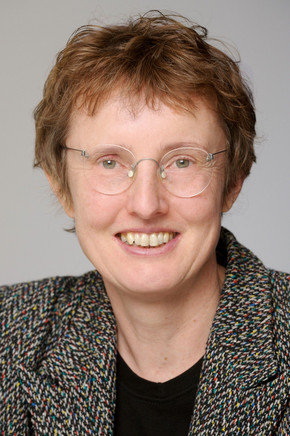
Karl Bittnerمشاهده پروفایل
پژوهشگر
- Computer Graphics
- Virtual Reality
- Visualization
- +۴ مورد دیگر
Karl Bittner MSc. is a researcher at the Institute of Landscape Development, Recreation and Conservation Planning within the Department of Landscape, Water and Infrastructure at the University of Natural Resources and Life Sciences, Vienna (BOKU). His work focuses on the intersection of computer science, landscape visualization, and renewable energy planning, with particular expertise in virtual reality, GIS, and serious game applications for participatory planning processes. Bittner's research interests center around computer graphics, virtual reality visualization, geoinformatics, and their application to landscape planning challenges. His work demonstrates a strong focus on developing innovative visualization tools to address complex environmental planning issues, particularly related to renewable energy integration in landscapes. His research bridges technical computing approaches with practical landscape planning applications, creating tools that help stakeholders visualize and understand potential landscape changes. His recent publications reveal a consistent research trajectory focused on applying advanced visualization techniques to renewable energy planning challenges, with particular emphasis on wind farms, agrivoltaics, and climate adaptation strategies. Bittner's work shows a strong trend toward developing interactive, user-centered visualization tools that facilitate public engagement in planning processes. Bittner has presented his research at numerous conferences including the Digital Landscape Architecture Conference, AgriVoltaics Conference, and various planning forums across Europe. His presentations often focus on practical applications of visualization technologies in real-world planning contexts, demonstrating the tangible impact of his research. His educational background includes a Master's degree in Game Engineering and Simulation (2020-2022) and a Bachelor's degree in Computer Science (2017-2020), both from UAS Technikum Vienna, providing him with a strong technical foundation for his current research in landscape visualization technologies.