Dr. James R Hinman is an Assistant Professor affiliated with the Department of Psychology and Beckman Institute for Advanced Science and Technology at the University of Illinois at Urbana-Champaign, operating within the College of Liberal Arts & Sciences. His research bridges cognitive neuroscience with computational approaches to understand spatial cognition and memory mechanisms. Research Focus: Spatial cognition and navigation Learning & memory systems Electrophysiology of hippocampal networks Autism-related neural representation of social landscapes Publication Trends: Recent work emphasizes egocentric boundary coding, retrosplenial cortex function, and hierarchical neural dynamics in spatial mapping. Collaborative studies with Michael E. Hasselmo explore cortical-subcortical interactions in freely behaving rats using advanced imaging and recording techniques. Laboratory Activities: The Hinman Lab employs high-density electrophysiology and calcium imaging to study neural coding in social contexts, including autism models. Current projects analyze population coding in hippocampus, entorhinal cortex, and striatum.
Dr. Thomas Stephan serves as a Researcher at the Department of Neurology, Ludwig Maximilian University of Munich (LMU), working as a Scientist at the German Center for Vertigo and Balance Disorders within Munich University Hospital. He is part of Prof. Dieterich's experimental neurology research group, focusing on advanced neuroimaging techniques and vestibular system analysis. His institutional affiliation places him within one of the world's top 20 neurology clinics as recognized by Newsweek's 2025 ranking. Stephan's research centers on functional neuroimaging, visual-vestibular and visual-auditory interactions, multisensory processing, and specialized statistical analysis of neuroimaging data. His work bridges clinical neuroscience and sensorimotor research, investigating how the brain integrates sensory inputs for spatial orientation and balance. Key areas include vestibular pathway mapping, neural plasticity in response to vestibular loss, and age-related changes in vestibular-cortical networks. His methodologies heavily utilize fMRI, DTI, and galvanic vestibular stimulation to explore fundamental neural mechanisms. Analysis of his publication record (2002-2016) reveals consistent focus on vestibular neuroscience with evolving technical sophistication. Early work established foundational understanding of cerebellar activation during eye movements and methodological artifacts in fMRI, while later research expanded into network-level analysis of vestibular processing, aging effects, and cross-modal sensory integration. His contributions demonstrate progression from basic vestibular physiology to complex systems neuroscience, with particular emphasis on the thalamocortical vestibular network and its interactions with visual and auditory systems. He operates within LMU's Neurological Clinic and Polyclinic, which integrates 350+ professionals across Großhadern and city center campuses. The department's research infrastructure supports his work through the German Center for Vertigo and Balance Disorders and experimental neurology facilities, enabling translational research from basic mechanisms to clinical applications in balance disorders.
Dr. Hans Westerbeek serves as an Assistant Professor in the Language and Communication group within the Department of Languages, Literature and Communication at Utrecht University's Faculty of Humanities. His academic work bridges cognitive psychology, communication studies, and visual design with a particular focus on data visualization and visual communication. Westerbeek completed his PhD at Tilburg University in 2016 with a dissertation titled 'Visual realism: Exploring effects on memory, language production, comprehension, and preference.' His research career demonstrates a consistent trajectory from cognitive aspects of visual perception toward practical applications in information design and data communication. His research interests encompass cognitive psychology, communication studies, visual perception, visual design, and information visualization. Westerbeek's work particularly examines how visual elements affect comprehension, memory, and decision-making processes. His current research includes a Netspar Topicality project on visual communication of expected pension benefits and supervision of a PhD project addressing challenges in communicating about changes in the Dutch pension system. Analysis of his publication history reveals a strong focus on the intersection of visual design principles and cognitive processing. His work spans from fundamental research on visual perception and language production to applied studies on data visualization in domains including sports statistics, urban tourism, and financial communication. The recent shift toward pension communication demonstrates his ability to apply visualization principles to complex real-world communication challenges. As an educator, Westerbeek teaches CIS bachelor-level courses including CIW-lab and Rhetorics of Data Visualization, as well as the master-level Data Analysis and Visualization course. He also supervises theses and internships, mentoring students in the practical application of visualization principles. His technical expertise includes quantitative and qualitative research methods, statistical analysis, and programming skills in Bash, JavaScript, HTML, and Python. These technical capabilities support his research in creating and evaluating visual communication solutions across various domains.
Steven Morad is a Lecturer and PhD student in the Department of Computer Science and Technology at the University of Cambridge. His research focuses on reinforcement learning, long-term memory models, and robotics applications, with an emphasis on partially observable environments and multi-agent systems. He has taught Deep Reinforcement Learning (Lent 2024) and served as a Teaching Assistant for Mobile Robot Systems (2021–2022). His work includes developing frameworks for embodied navigation, memory-augmented algorithms, and cooperative multi-robot systems. Notable contributions include the POPGym benchmark for POMDPs and the NASA-recognized Improving Visual Feature Extraction in Glacial Environments (2019). Research themes span robotics in extreme environments (e.g., lunar caves, low-gravity terrains) and graph-based methods for partial observability. His publications address challenges in decentralized control, topological priors, and language-conditioned navigation. Education : MSc Thesis on The Spinning Projectile Extreme Environment Robot (2019). Awards : NASA New Technology (NTR NPO 51401) for glacial robotics work. Collaborations : NASA/JPL, IEEE, and aerospace industry partnerships.
Yoav Artzi is an Associate Professor in the Department of Computer Science at Cornell University and a core faculty member at Cornell Tech in NYC. He serves as the Associate Faculty Director at arXiv.org and is a researcher at ASAPP. His work focuses on building systems that enable machines to interact with humans through natural language while continuously improving through dynamic interactions. Key roles include: Cornell University, Department of Computer Science Cornell Tech, NYC campus arXiv.org Associate Faculty Director ASAPP Research Scientist Education: B.Sc. from Tel Aviv University, Ph.D. from the University of Washington (advised by Luke Zettlemoyer). Research integrates NLP with robotics, computer vision, and cognitive science, emphasizing situated learning in multi-agent systems. Notable projects include the COLM conference, RecNet paper recommendation network, and LM-class educational resource. Awards include an NSF CAREER Award and paper recognitions at top venues. Research interests span automated language acquisition, situated systems, and interactive learning. Recent work explores tokenization challenges, heterogeneous cluster training, and the role of RAG systems in modern LLMs. Advises students in vision-language systems and robotics. Active in organizing workshops like InterNLP and SpLU-RoboNLP. Teaching includes advanced NLP courses (CS 5740, CS 6741). Labs focus on collaborative interaction platforms (CB2), visual reasoning benchmarks (lilGym), and multimodal learning tools. Current initiatives include launching COLM 2025 and advancing RecNet's paper discovery network.
Armin Alaghi serves as a Research Scientist at Oculus Research (Redmond, WA) and holds an Affiliate Assistant Professor position at the University of Washington. His dual affiliation enables valuable knowledge transfer between cutting-edge industrial research and academic pursuits in computer systems engineering. Dr. Alaghi's research spans the intersection of embedded systems, digital circuits, and mathematics. His primary focus involves building low-power augmented reality (AR) and virtual reality (VR) systems while developing novel computation methods for unreliable beyond-CMOS technologies. His previous research contributions include significant work in stochastic computing (where he developed the STRAUSS synthesis methodology), reliable Network on chip (NoC) design, FPGA testing methodologies, NoC testing techniques, artificial neural networks implementations, asynchronous circuit design, and multi-valued logic systems. He has made his spectral-transform-based synthesis tool publicly available on GitHub, demonstrating commitment to open research. Analysis of Dr. Alaghi's publication record reveals a clear research trajectory from foundational circuit-level work toward practical applications in AR/VR systems. His publications from 2020-2025 demonstrate expertise spanning computer architecture, security for immersive technologies, neural network compression techniques, and homomorphic encryption methods. A recurring theme throughout his work is the exploration of quality-energy tradeoffs and error-resilient computing approaches, with increasing focus on security aspects of AR/VR systems in his most recent work. Dr. Alaghi maintains active connections with the broader research community, as evidenced by his Erdős number of 3 (Armin Alaghi John P. Hayes Frank Harary Paul Erdős) and his ongoing contributions to open-source research tools. His GitHub repository for stochastic computing synthesis shows community engagement with multiple contributors. At Oculus Research, Dr. Alaghi applies his theoretical expertise to practical challenges in next-generation AR/VR system development. His work bridges academic research with real-world product development, particularly in addressing energy efficiency challenges for wearable computing platforms through innovative circuit design approaches.
Jai Yu serves as an Assistant Professor in the Department of Psychology at the University of Chicago, focusing on the neural mechanisms underlying spatial cognition and memory systems. Her work bridges experimental neuroscience with translational applications through collaborations within the university's neuroscience community. Dr. Yu's research centers on hippocampal-cortical interactions during spatial navigation and memory formation, utilizing rodent models to investigate how experiences during movement versus immobility shape neural representations. She employs electrophysiological recordings, behavioral analysis, and genetic engineering techniques to decode spatial learning processes, with particular emphasis on prefrontal-hippocampal dynamics and memory consolidation mechanisms. Her methodology integrates molecular tools like Cre recombinase rat lines with advanced neurostimulation systems for precise neural circuit interrogation. Analysis of her publication trajectory (2014-2025) reveals an evolution from foundational studies on hippocampal representations toward translational neurotechnology applications. Early work established principles of spatial memory coding, while recent publications demonstrate increasing focus on neuromodulation therapies and real-time neural signal processing. Key thematic threads include the impact of prior experience on learning trajectories, development of genetic tools for neural circuit manipulation, and clinical applications for movement disorders like essential tremor. Dr. Yu maintains active collaborations within the University of Chicago's Psychology Department, particularly with Edward Awh and Jean Decety, and her research networks extend to spatial navigation specialists and genetic engineering experts. Her work shows significant community engagement through social media dissemination (X, Reddit) and citations in PubMed Central, reflecting interdisciplinary impact across neuroscience, psychology, and biomedical engineering domains.
David M Bannerman is Professor of Behavioural Neuroscience in the Department of Experimental Psychology at the University of Oxford and Head of the Behavioural Neuroscience Unit. His research program centers on the neurobiological mechanisms of learning, memory, and emotion, with a strong translational focus on neuropsychiatric disorders including schizophrenia, anxiety, depression, and Alzheimer's Disease, as well as the critical relationship between sleep and behavior. His academic training includes a BSc (Hons) in Psychology from the University of Bristol and a PhD in Neuroscience from the University of Edinburgh. Professor Bannerman's group employs multidisciplinary approaches to investigate neurotransmitter systems, neural plasticity, and their disruptions in brain disorders. Current work integrates molecular, circuit, and behavioral analyses using rodent models to understand how impairments in these systems lead to cognitive and emotional dysfunction, with particular emphasis on synaptic mechanisms in Alzheimer's Disease and schizophrenia models. Analysis of his 2024-2025 publications reveals dominant themes in sleep neuroscience (spindle oscillations, torpor-sleep interactions), Alzheimer's pathology (tau, amyloid-β), and psychedelic neuropharmacology. The work consistently leverages advanced rodent models and techniques to bridge molecular mechanisms with behavioral outcomes in neuropsychiatric conditions. Scientific recognition includes: William R. Miller Fellowship in Neuroscience and Experimental Psychology Governing Body Fellowship at the University of Oxford As head of the Behavioural Neuroscience Unit, Professor Bannerman directs a research program that combines electrophysiology, molecular neuroscience, and behavioral analysis to uncover fundamental mechanisms of brain function and develop translational insights for treating neurological and psychiatric disorders.
Jim Heys serves as Assistant Professor of Neurobiology and Adjunct Assistant Professor of Biomedical Engineering at the University of Utah, where his laboratory investigates the synaptic, cellular, and circuit mechanisms underlying episodic memory formation and recall. His research specifically addresses how these processes are disrupted in neurodegenerative conditions like Alzheimer's Disease using innovative optical techniques in awake-behaving rodent models. Education: B.A. from University of Wisconsin Ph.D. from Boston University Dr. Heys' research program integrates cellular-resolution optical imaging with virtual reality behavioral paradigms to examine neural representations of space and time within hippocampal-entorhinal circuits. His work spans fundamental synaptic plasticity mechanisms to disease modeling, with particular emphasis on grid cell function, theta rhythm dynamics, and acetylcholine's neuromodulatory role. The lab develops cutting-edge methodologies for simultaneous monitoring and manipulation of neural activity from single spines to population-level recordings during complex behaviors. Analysis of his publication record reveals sustained focus on entorhinal cortex physiology across species (rats, bats), with progressive methodological sophistication from cellular electrophysiology to in vivo imaging. Key thematic threads include spatial navigation coding, temporal representation mechanisms, and Alzheimer's Disease pathophysiology, consistently bridging molecular/cellular phenomena with systems-level memory functions. No scientific awards are documented in available sources. Dr. Heys mentors graduate students through the University of Utah's Molecular Biology Program, though specific advisee names are not publicly listed. His laboratory operates at the intersection of neuroscience and biomedical engineering, utilizing custom-developed optical systems for neural interrogation. The Heys Lab maintains active research infrastructure for awake rodent imaging, virtual reality environments, and electrophysiological recording, with ongoing projects examining synaptic reorganization during learning and Alzheimer's disease progression. Current work emphasizes cellular-resolution analysis of memory encoding circuits using genetically encoded indicators and optogenetic manipulation.
Bruno Truchet is a Lecturer in the Department of Neuroscience at Aix-Marseille University, where he conducts research in the Laboratoire de Neurosciences Cognitives (Cognitive Neuroscience Laboratory) within the Faculty of Science. His academic career spans over two decades with consistent publication output in high-impact neuroscience journals. Dr. Truchet's research primarily focuses on the neural mechanisms underlying memory and spatial navigation. His work centers on hippocampal function, particularly the dentate gyrus, investigating how synaptic plasticity mechanisms support different forms of memory. His research interests include long-term potentiation (LTP), vestibular system contributions to spatial memory, neural correlates of navigation, and the molecular mechanisms of memory formation. He has developed expertise in in vivo electrophysiology in rodent models, particularly examining how vestibular information is integrated into hippocampal networks. Analysis of his publication record from 1999-2021 reveals a consistent focus on synaptic plasticity mechanisms in memory systems, with a notable evolution toward examining vestibular contributions to hippocampal function in more recent work. His research demonstrates strong interdisciplinary connections between systems neuroscience, cognitive neuroscience, and molecular mechanisms of plasticity. Dr. Truchet maintains active collaborations with researchers including Franck Chaillan, François S. Roman, Bernard Soumireu-Mourat, and others in the French neuroscience community. His work contributes to understanding fundamental neural mechanisms that could inform research on memory disorders and spatial navigation deficits.
Thomas D. Parsons is Professor of Swine Production Medicine and the Marie A. Moore Professor of Animal Welfare and Ethics at the University of Pennsylvania School of Veterinary Medicine's New Bolton Center. He serves as director of Penn Vet's Swine Teaching and Research Center and as faculty coordinator for Penn's master's program in animal welfare and behavior. Parsons is also head of mammalian field investigations for the Pennsylvania Diagnostic Laboratories at New Bolton Center and a charter member of the American College of Animal Welfare. Dr. Parsons received his BA in Biology & Neuroscience (Magna Cum Laude) from Amherst College in 1982, followed by his VMD (Veterinary Medicine) in 1986 and PhD in Neuroscience in 1989, both from the University of Pennsylvania. He completed postdoctoral training at Emory University and the Max Planck Institute for Biomedical Research in Heidelberg, Germany, where he worked with Wolfhard Almers & Bert Sakmann from 1993-1995. His research spans two primary domains: animal welfare science with a focus on swine production systems, and neuroscience with emphasis on synaptic mechanisms in the auditory system. In animal welfare, Parsons has pioneered sustainable models of agriculture through the study of animal behavior, health, and welfare applications of technology. His work has been globally recognized for re-envisioning swine housing and feeding systems to improve welfare. In neuroscience, he has investigated cellular and molecular mechanisms of neurotransmitter release, particularly in the inner hair cells of the cochlea. Analysis of his recent publications shows a strong trend toward applied animal welfare research, particularly in sow housing systems, behavioral assessment methods, and welfare indicators. His work bridges veterinary medicine, animal science, and neuroscience, with increasing emphasis on practical applications for improving swine production systems while maintaining high welfare standards. As an educator, Dr. Parsons has mentored numerous students through Penn's master's program in animal welfare and behavior and has contributed significantly to training the next generation of veterinary specialists in swine medicine and animal welfare science. He leads the Penn Vet Swine Group and Swine Teaching and Research Center, where his team conducts field and laboratory research on swine behavior, health, and welfare. Their work has direct applications for the swine industry and has influenced housing and management practices internationally.
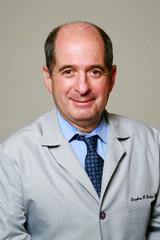
Stephen P Becker, MD is a Clinical Associate Professor in the Department of Otolaryngology - Head and Neck Surgery at Northwestern University's Feinberg School of Medicine, maintaining clinical practice at Northwestern Memorial Hospital in Chicago. His faculty profile indicates active institutional affiliation with disclosure requirements fulfilled through 2024. His academic credentials include: MD from University of Illinois, Chicago (1968) Internship at Cook County Hospital, Chicago (1968) Otolaryngology Residency at Northwestern University's McGaw Medical Center (1974) Specialized Fellowship at Northwestern University's McGaw Medical Center (1975) Certification by the American Board of Otolaryngology-Head and Neck Surgery Dr. Becker's research demonstrates dual expertise in surgical anatomy and molecular oncology. His anatomical studies provide foundational knowledge for endoscopic sinus procedures, emphasizing precise spatial relationships critical for surgical safety. Concurrently, his cancer research investigates protein kinase p68 as a potential biomarker for head and neck squamous cell carcinoma progression and differentiation, bridging basic science with clinical oncology. Publication analysis reveals consistent thematic focus across his 1990s work: anatomical precision for endoscopic sinus surgery and molecular characterization of head and neck cancers. The anatomical series established critical surgical landmarks, while the oncology papers explored p68's role in tumor biology, suggesting diagnostic and prognostic applications that remain relevant to contemporary head and neck cancer research. No scientific awards or honors were documented in the available profile information. The profile contains no disclosures regarding student mentorship, research grants, or external funding sources, though institutional disclosure requirements for 2024 were satisfied with no reported industry relationships. While hospital affiliations are specified, no dedicated research laboratories, specialized surgical teams, or collaborative research groups were described in the profile.
Boris Nieswand is a Professor of Sociology at the University of Tübingen, where he has been working since 2012, first as a Junior Professor and then as a full Professor since September 2017. He currently serves as Deputy Director of the Institute of Sociology. His academic journey includes positions at the Max Planck Institute for Social Anthropology and the Max Planck Institute for the Study of Religious and Ethnic Diversity. His educational background includes: Doctorate in Ethnology from Martin Luther University of Halle-Wittenberg (2008) Diploma in Sociology from Bielefeld University (2000) Nieswand's research focuses on migration and diversity, urban studies, cultural sociology, and the sociology of morals. He has conducted extensive ethnographic research projects in Europe, Africa, and Latin America, examining transnational migration, diversity in public administration, and moral dimensions of migration societies. His work often explores how societies navigate diversity and threat perceptions, particularly in urban contexts. His recent publications demonstrate a strong focus on moral dimensions of migration and diversity, with particular attention to how moral frameworks shape migration discourse and policy. He has been increasingly examining the intersection of migration, diversity, and moral reasoning, with several publications on 'moralization' processes in migration contexts. His work also addresses urban diversity, street naming conflicts, and the social dynamics of threat perception in diverse societies. Scientific awards: 2016 Thomas A. Herz Prize for Qualitative Social Research of the German Sociological Association Nieswand has led several significant research projects, including work within the SFB 923 'Threatened Orders' research program, where he examined diversity in urban contexts in the Global South. He has also directed projects on refugee accommodations in Baden-Württemberg and on urban diversity and public administration. His collaborative work with Ewald Frie on crisis research has resulted in notable publications including 'Krisen anders Denken' (Thinking about crises differently). He is actively involved in the Institute of Sociology at Tübingen, supervising research and teaching courses on migration research, morality and migration, and sociology of violence. His current research continues to explore the moral dimensions of migration societies and how moral frameworks shape social inclusion and exclusion processes.
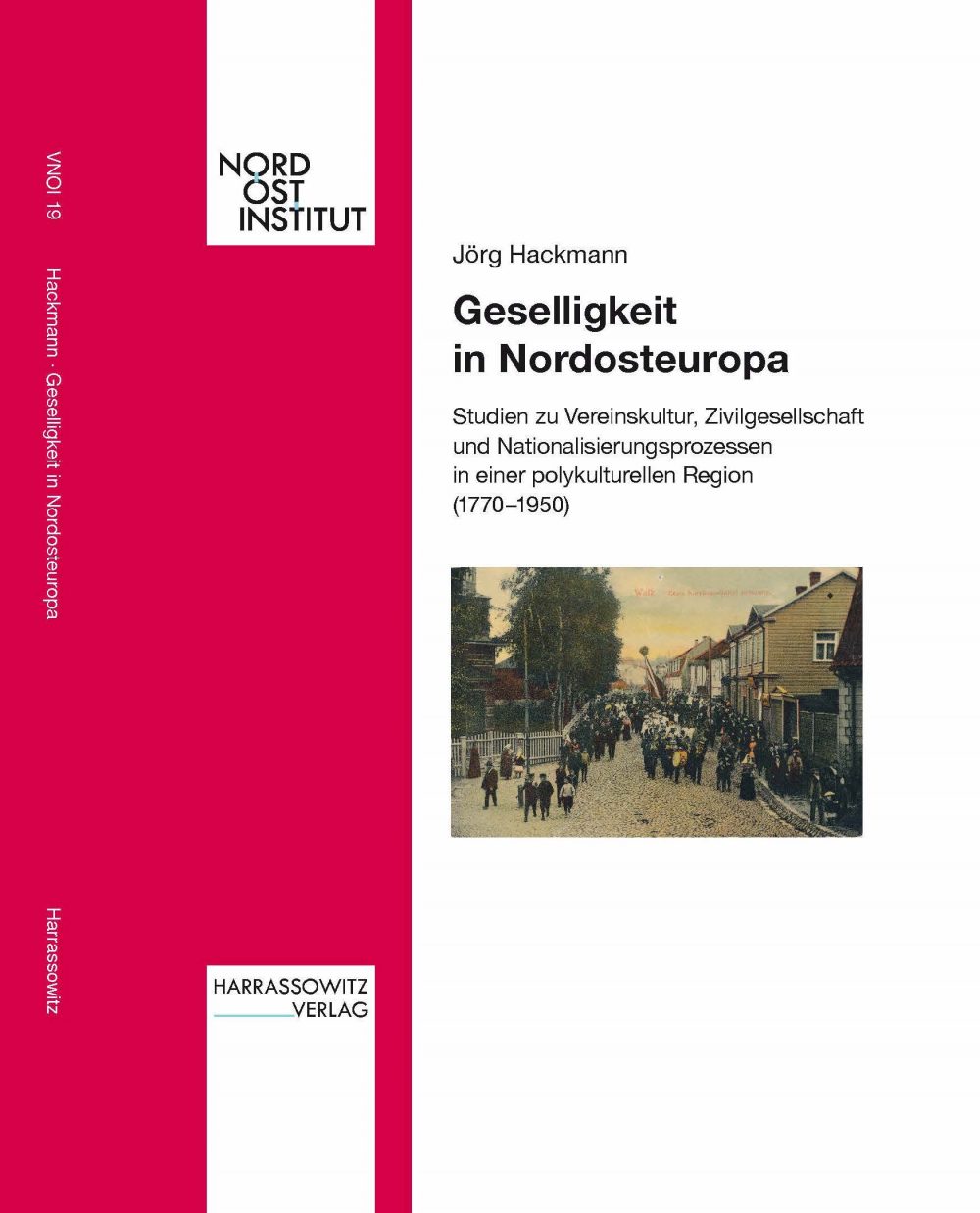
Professor Jörg Hackmann is a distinguished academic specializing in Baltic Sea history, border regions studies, and Northeastern European history at the University of Szczecin, where he holds the position of DAAD Alfred Döblin Professor of East European History in the Department of History and International Relations. His academic work spans multiple institutions including Universität Greifswald and Academia Baltica, and he serves as President-Elect (2022-2024) of the Association for the Advancement of Baltic Studies. Professor Hackmann's research focuses on the complex historical dynamics of border regions, particularly examining how memory, identity, and political narratives shape our understanding of contested spaces. His work explores the Baltic Sea region as a historical entity, Polish-German relations, civil society development in Northeastern Europe, and the cultural history of associations. He has pioneered interdisciplinary approaches that bridge historical, geographical, and cultural perspectives on regional identity formation. His extensive publication record demonstrates a consistent focus on the Baltic Sea region as a transnational historical space. Recent works analyze the evolving concept of 'Baltic' space across centuries, the politics of memory in border towns, and the historical topography of cities like Stettin/Szczecin. His scholarship reveals patterns of how historical narratives are constructed, contested, and repurposed across national boundaries, with particular attention to how border regions navigate multiple historical legacies. Professor Hackmann leads and coordinates multiple international research initiatives including the International Center for Interdisciplinary Studies in Kulice, the ERASMUS+ Baltic Sea History Project, and the 'Topography of Jewish Life in Stettin' project funded by the German Federal Government Commissioner for Culture and Media. He regularly organizes major international conferences on History and Culture in North Eastern Europe, fostering scholarly exchange across national boundaries.
Dr. Bruce McNaughton is a Professor at the University of Lethbridge affiliated with the Canadian Centre for Behavioural Neuroscience (CCBN), where he directs the Polaris Brain Dynamics research group. His work pioneers advanced neural recording technologies and computational approaches to decode cognitive processes. His academic credentials include: PhD (Cum Laude) in Psychology from Dalhousie University MSc in Biology from Carleton University BSc (Honours, First Class) in Biology from Carleton University McNaughton's research centers on the neural basis of cognition, with emphasis on memory systems, spatial navigation, and synaptic plasticity. He investigates hippocampal-cortical interactions during memory consolidation, neural mechanisms of spatial orientation (including grid/place/head-direction cells), and memory disorders in Alzheimer's disease and epilepsy. His lab pioneers high-density electrophysiology and optical imaging at cellular resolution to study network dynamics in behaving animals. Analysis of his 2005-2008 publications reveals three dominant themes: (1) memory trace reactivation during rest/sleep and its role in consolidation, (2) spatial coding mechanisms in hippocampal-entorhinal networks, and (3) methodological innovations in neural recording/data analysis. His work consistently bridges computational theory with experimental neuroscience to explain cognitive phenomena at the circuit level. Key recognitions include: Polaris Award ($20M/10 year) Personnel awards from Alberta Innovates – Health Solutions He actively mentors 14 trainees (6 postdocs, 8 graduate students) and has guided over 30 successful researchers throughout his career. Major funding sources include NSERC, the European Commission, and the $20M Polaris Award supporting his preclinical Alzheimer's research and neural technology development. The Polaris Brain Dynamics group within CCBN focuses on scaling advanced neural imaging techniques, developing animal models of sporadic Alzheimer's, and creating early seizure detection systems for temporal lobe epilepsy, aiming to expand collaborative neuroscience through open technology platforms.