معرفی
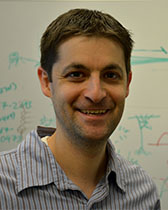
Jim Heys serves as Assistant Professor of Neurobiology and Adjunct Assistant Professor of Biomedical Engineering at the University of Utah, where his laboratory investigates the synaptic, cellular, and circuit mechanisms underlying episodic memory formation and recall. His research specifically addresses how these processes are disrupted in neurodegenerative conditions like Alzheimer's Disease using innovative optical techniques in awake-behaving rodent models.
Education:
- B.A. from University of Wisconsin
- Ph.D. from Boston University
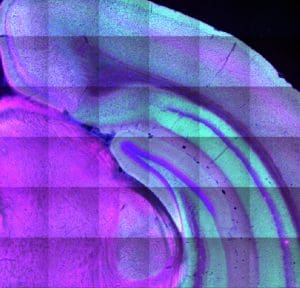
Dr. Heys' research program integrates cellular-resolution optical imaging with virtual reality behavioral paradigms to examine neural representations of space and time within hippocampal-entorhinal circuits. His work spans fundamental synaptic plasticity mechanisms to disease modeling, with particular emphasis on grid cell function, theta rhythm dynamics, and acetylcholine's neuromodulatory role. The lab develops cutting-edge methodologies for simultaneous monitoring and manipulation of neural activity from single spines to population-level recordings during complex behaviors.
Analysis of his publication record reveals sustained focus on entorhinal cortex physiology across species (rats, bats), with progressive methodological sophistication from cellular electrophysiology to in vivo imaging. Key thematic threads include spatial navigation coding, temporal representation mechanisms, and Alzheimer's Disease pathophysiology, consistently bridging molecular/cellular phenomena with systems-level memory functions.
No scientific awards are documented in available sources.
Dr. Heys mentors graduate students through the University of Utah's Molecular Biology Program, though specific advisee names are not publicly listed. His laboratory operates at the intersection of neuroscience and biomedical engineering, utilizing custom-developed optical systems for neural interrogation.
The Heys Lab maintains active research infrastructure for awake rodent imaging, virtual reality environments, and electrophysiological recording, with ongoing projects examining synaptic reorganization during learning and Alzheimer's disease progression. Current work emphasizes cellular-resolution analysis of memory encoding circuits using genetically encoded indicators and optogenetic manipulation.