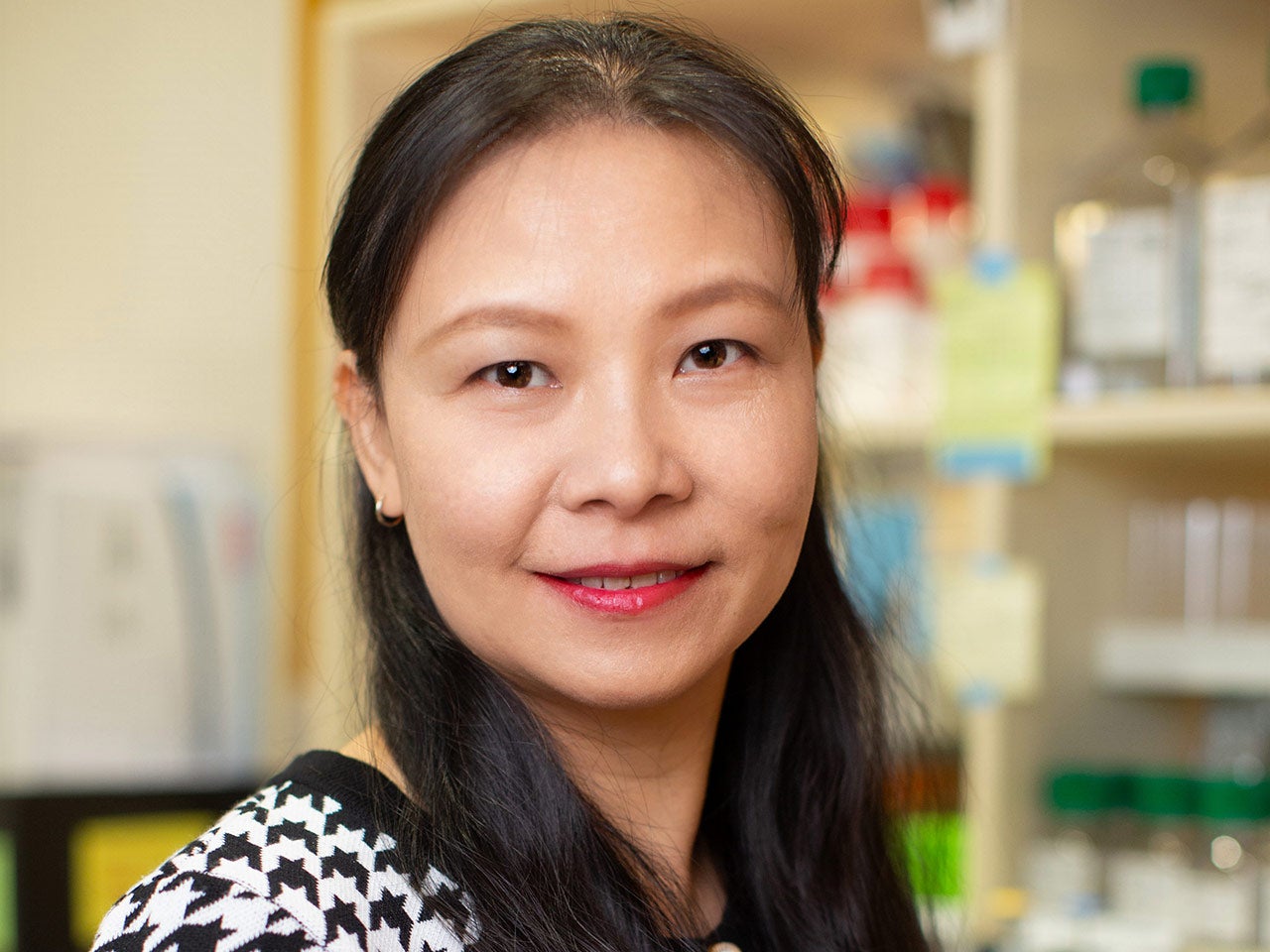
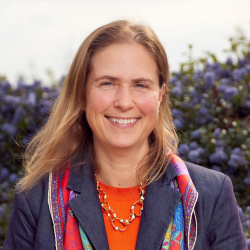
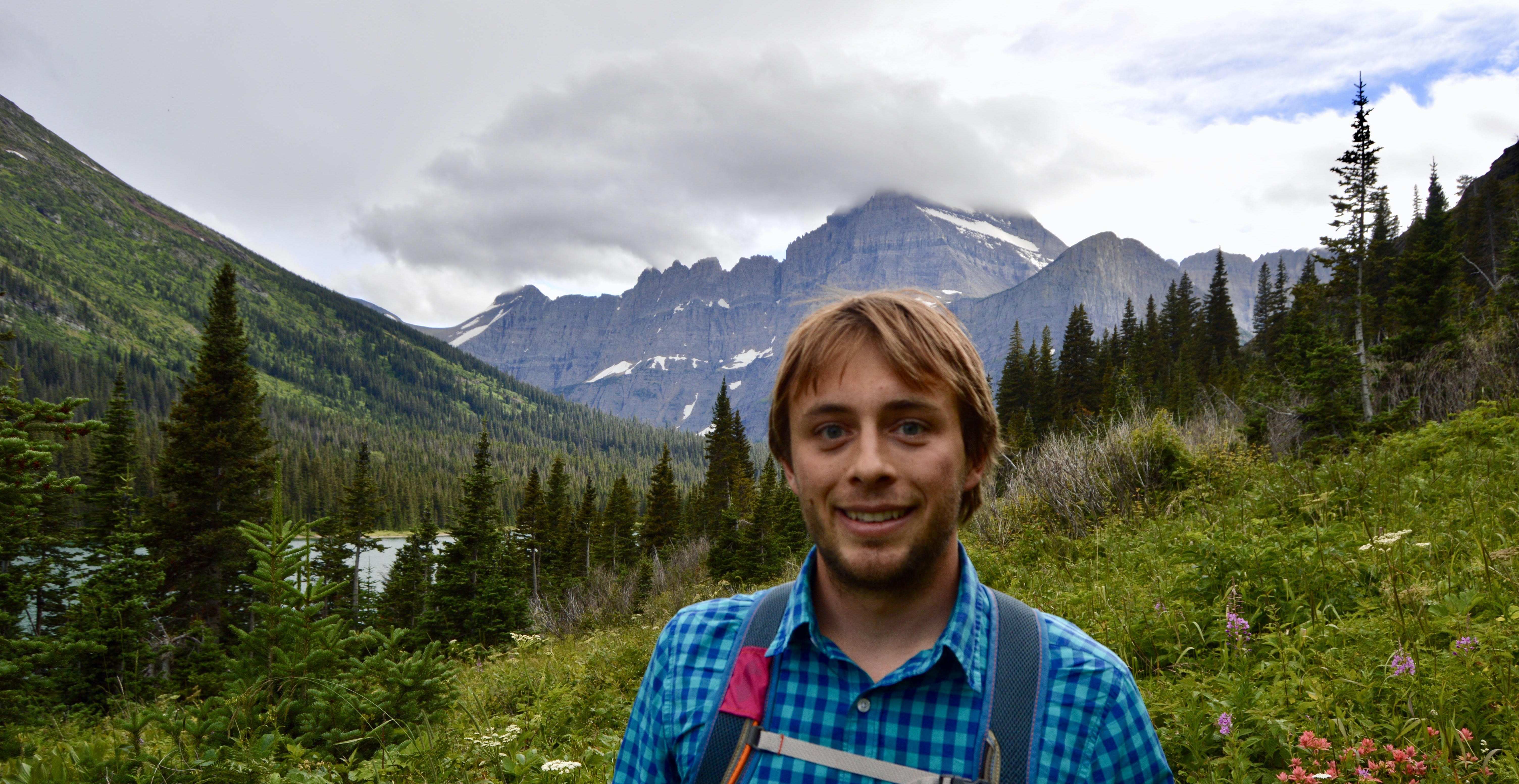
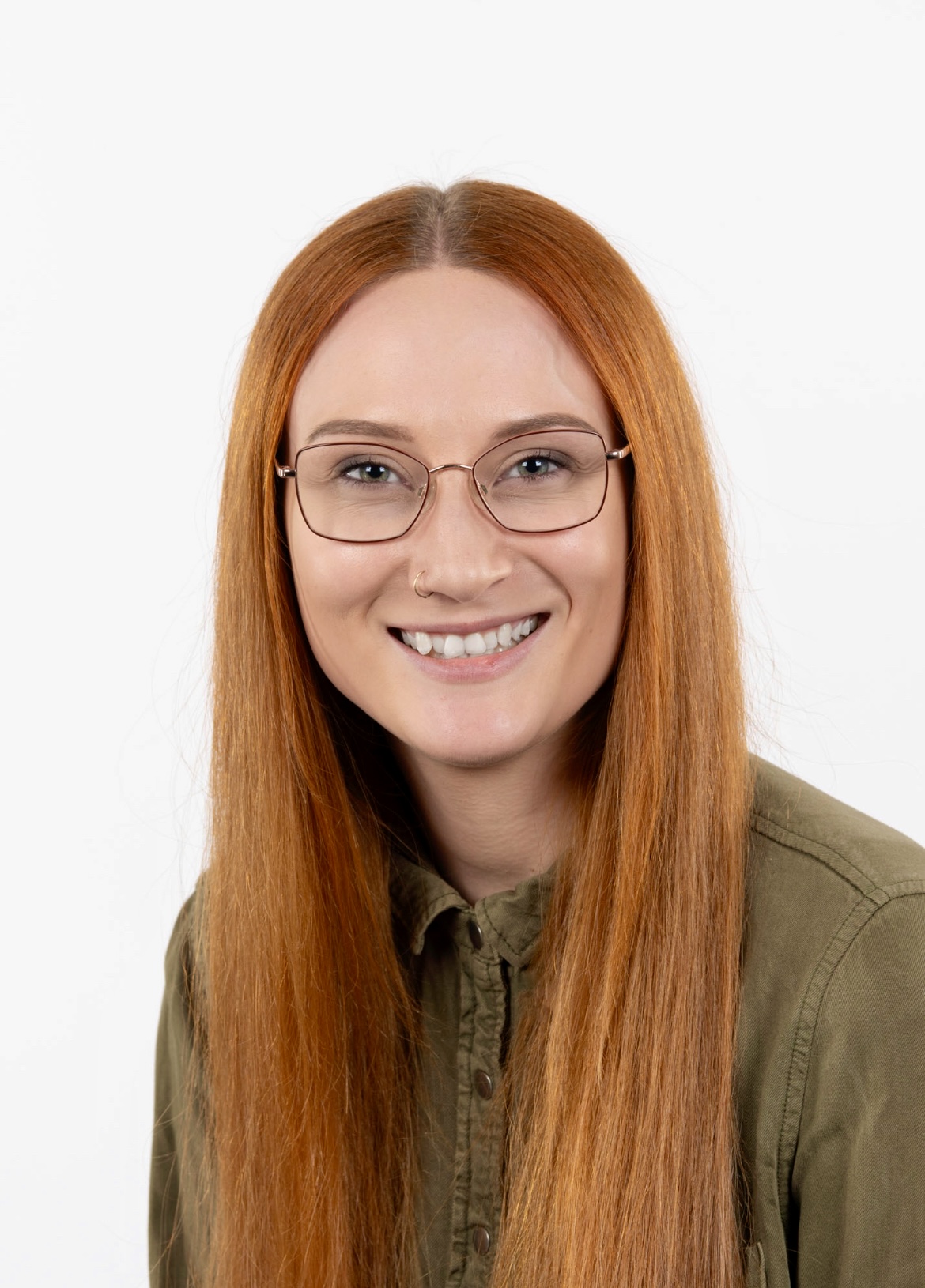
Dean R. Jerry is a Professor at James Cook University, specializing in aquaculture genetics, marine biology, and environmental DNA applications. His work focuses on improving aquaculture practices through genetic selection, disease resistance, and understanding fish physiology. He has contributed extensively to studies on barramundi (Lates calcarifer), shrimp species, and other marine organisms. Key research interests include genetic improvement of farmed species, molecular mechanisms of sex determination, and the application of eDNA for ecological monitoring. His publications span topics like genotype-environment interactions, viral pathogen detection in shrimp, and deep learning applications for fish tracking. Recent articles highlight advancements in gene editing strategies for aquaculture, allergen diversity in crustaceans, and the use of multiomics to study rare fish phenotypes. Dr. Jerry's research bridges molecular biology, computational methods, and practical aquaculture solutions, with global implications for sustainable seafood production.
Xia Yang is a Professor at the University of California Los Angeles (UCLA), with dual appointments in the Department of Integrative Biology and Physiology and the Department of Molecular and Medical Pharmacology under the College of Letters and Science. Her research focuses on integrative multiomics and systems biology approaches to dissect complex diseases, particularly cardiometabolic disorders (coronary artery disease, diabetes, obesity, non-alcoholic fatty liver disease) and brain disorders (traumatic brain injury, Alzheimer’s disease), investigating how genetic and environmental factors interact through perturbed gene networks to influence disease susceptibility and therapeutic responses. Developed tools: Mergeomics (multi-omics data integration), Pharmomics (drug repurposing), SCING (single-cell network modeling), JSTA (spatial transcriptomics analysis). Active grants include NIH R01NS117148 (TBI molecular substrates), NIH R01DK117850 (NASH systems genetics), and BreakthroughT1D funding. Recent publications highlight single-cell studies of diet-induced metabolic syndrome, neurodevelopmental gene networks, and immune-modulating therapies for diabetes. Her work bridges bioinformatics, toxicogenomics, and translational research, with a strong emphasis on sex-specific and tissue-specific pathways in diseases like NAFLD and pulmonary hypertension. She collaborates extensively with institutions such as City of Hope and UCLA’s Yang Lab. Scientific awards include the Suzanne Eaton Memorial Prize and Taylor M. Brown Memorial Award. Her lab’s tools and multi-tissue analyses have been widely disseminated, including presentations at the UCLA QCBio webinar.
Karsten Rippe is a Professor at the University of Heidelberg and Head of the Division of Chromatin Networks at the German Cancer Research Center (DKFZ) and BioQuant. His research focuses on chromatin networks, cancer mechanisms, and spatially resolved omics technologies. He integrates fluorescence microscopy and single-cell sequencing to study nuclear organization, epigenetic signaling, and telomere maintenance in cancers. His work bridges molecular biology and computational methods to address oncogenic processes. Research Interests: Chromatin structure-function relationships, spatial transcriptomics, cancer epigenomics, nuclear architecture in disease, and tumor microenvironment analysis. He explores how chromatin deregulation drives oncogenesis and leverages multi-modal imaging and sequencing for precision medicine. Key Collaborations: Partnerships with institutions like DKFZ, KiTZ Heidelberg, and Single Cell Open Lab. His team includes researchers such as Philipp Mallm, Anne Rademacher, and Alik Huseynov. Funded by DFG SPP2191 and MSPACE Alliance programs. Labs/Teams: Leads the Chromatin Networks division, advancing technologies like spatial transcriptomics and super-resolution microscopy. Active in interdisciplinary projects at BioQuant and DKFZ.
David Blei is a Professor of Computer Science and Statistics at Columbia University, holding dual appointments in Columbia Engineering and the Faculty of Arts and Sciences. He joined Columbia in 2014 after serving as an Associate Professor of Computer Science at Princeton University. His research focuses on probabilistic topic models, Bayesian nonparametric methods, and approximate posterior inference, with applications in text, images, social networks, and scientific data. Education: Bachelor’s in Computer Science and Mathematics, Brown University (1997) PhD in Computer Science, University of California, Berkeley (2004) Research Interests: Probabilistic modeling and Bayesian methods Machine learning applications in social and biological sciences Causal inference and fairness in AI Generative models and representation learning Awards: Sloan Fellowship (2010) Office of Naval Research Young Investigator Award (2011) Presidential Early Career Award for Scientists and Engineers (2011) Blavatnik Faculty Award (2013) Advising & Grants: Professor Blei has advised numerous students and led interdisciplinary research projects, though specific grant details are not explicitly listed. His work bridges theoretical foundations with practical applications in healthcare, economics, and social science. Labs & Affiliations: Affiliated with Columbia’s Foundations of Data Science, Computing Systems for Data-Driven Science, and Computational Social Science centers, advancing interdisciplinary data science initiatives.
Dr. Juan Quintana is an Affiliate Researcher at the School of Biodiversity, One Health & Veterinary Medicine at the University of Glasgow. His research focuses on host-pathogen interactions, particularly in African trypanosomes (Trypanosoma brucei), exploring immune responses, parasite-induced tissue dynamics, and drug resistance mechanisms. Quintana's work employs cutting-edge technologies like light-sheet mesoscopy and spatial transcriptomics to study in vivo pathogen behaviors. He has contributed to understanding cytokine signaling roles in adipose tissue remodeling during infections and the immunological consequences of Trypanosoma brucei in meningeal tissues. His research also addresses aquaglyceroporin functions in drug susceptibility and the evolutionary adaptations of trypanosomes. Key grants include funding from the Medical Research Council and Wellcome Trust for advancing microscopy capabilities and parasite street science initiatives. Research Themes: Parasitology, Immunology, Molecular Biology Key Techniques: Spatial transcriptomics, light-sheet microscopy, Raman spectroscopy Key Collaborations: University of Glasgow’s MRC Centre, Wellcome-funded projects Quintana’s recent publications highlight discoveries in γδ T cell roles in skin inflammation, meningeal lymphoid reprogramming during infections, and the molecular basis of drug resistance in trypanosomes.
Dr. Bruce Mickey is Vice Chairman of the Department of Neurosurgery and holds the William Kemp Clark Chair in Neurological Surgery at the University of Texas Southwestern Medical Center. He directs the Annette Straus Center for Neuro-Oncology and specializes in surgical management of intracranial tumors, epilepsy surgery, and radiosurgery. He completed neurosurgical residency at UT Southwestern and a fellowship at Rigshospitalet, Copenhagen. Dr. Mickey is an active member of the American Association of Neurological Surgeons and North American Skull Base Society. Research Interests: His work focuses on neuro-oncology, glioblastoma biology, molecular imaging techniques (e.g., MRI-based deep learning for tumor classification), and translational applications of spatial transcriptomics. He investigates immune landscapes in cancer, drug repurposing (e.g., arsenic trioxide), and animal models of brain tumors. Recent studies explore sex-based differences in glioblastoma gene expression and T-cell infiltration dynamics. Key Projects: Development of non-invasive biomarkers for brain tumor molecular classification, preclinical models of temozolomide-resistant glioblastoma, and optimization of radiosurgery outcomes for brain metastases. Labs/Teams: Leads the Annette Straus Center for Neuro-Oncology, collaborating on translational research bridging clinical neurosurgery and molecular oncology.
David Bernstein is an Assistant Professor in the Department of Electrical and Biomedical Engineering at the University of Vermont, with a secondary appointment in Microbiology and Molecular Genetics. He holds a BS in Mechanical Engineering from the University of Vermont and a PhD in Biomedical Engineering from Boston University. Prior to UVM, he conducted postdoctoral research at the University of California, Berkeley. His research focuses on systems biology, integrating bioinformatics, computational modeling, and machine learning to study microbial ecosystems. Key areas include genome-scale metabolic modeling, microbiome analysis, and environmental health applications. The Microbiome Metabolic Modeling (M-cubed) Lab develops computational tools to understand microbial interactions and design interventions for human diseases and environmental processes. Research highlights include advancing genome-scale model accuracy through experimental validation and dynamic modeling of the infant gut microbiome. He has published in leading journals and presented at international conferences, emphasizing applications in environmental and human health. Dr. Bernstein’s work spans computational biology, systems biology, and machine learning, with a focus on translating genomic data into actionable insights through multi-scale modeling. His lab’s COMETS platform exemplifies this approach, enabling spatiotemporal simulation of microbial ecosystems.
Huiqing Zhan is a Research Assistant Professor at Cold Spring Harbor Laboratory (CSHL), leading the Zhan Laboratory. She holds a Ph.D. in Neuroscience from the National University of Singapore (2009) and completed postdoctoral training at CSHL (2010–2014). Her research focuses on developing high-throughput neuroanatomical mapping techniques like MAPseq and BARseq, which leverage DNA sequencing to study neuronal connectivity and spatial transcriptomics. These methods enable large-scale analysis of single-neuron projections and their functional correlations with molecular profiles. Zhan's work bridges anatomical and transcriptomic data, advancing understanding of brain organization in species ranging from rodents to primates. Key contributions include studies on olfactory cortex spatial organization, motor cortex circuitry, and amygdala-frontal cortex connectivity in macaques. She has also contributed to transgenic zebrafish models for liver tumor research, highlighting conserved oncogenic pathways between species. As Director of the MAPseq Core Facility (2019–2023), Zhan has supported collaborative research efforts, providing technical expertise to the neuroscience community. Her lab emphasizes open science, developing tools for broad application in neuroanatomy and systems biology.
Jason Wong is Professor of Reconstructive Plastic Surgery and Regenerative Medicine at the University of Manchester, with additional roles as Deputy Director of the Masters in Tissue Engineering and Regenerative Medicine and Deputy Editor of the Journal of Plastic Reconstructive and Aesthetic Surgeons. He serves as Greater Manchester OrthoPlastics Lead and was awarded the prestigious King James IV Professorship by the Royal College of Surgeons of Edinburgh in 2020. Wong earned his MBChB from Aberdeen in 1998, became a Member of the Royal College of Surgeons (Edinburgh) in 2001, received his FHEA from Leeds in 2004, completed his PhD at Manchester in 2008, and achieved FRCS(Plast) from London in 2012. His career progression included positions as Renovo Lecturer (2003-2006), Research Registrar in Plastic and Reconstructive Surgery (2003-present), Clinical Research Associate (2006), NIHR Clinical Lecturer (2007-2011), and Consultant Plastic Surgeon and Honorary Senior Lecturer (2014-2018). Professor Wong's research focuses on surgical injuries to the musculoskeletal system, with special expertise in complex wounds, tendon biology, tissue engineering, tendon regeneration, and reconstructive microsurgery. His work spans from basic science investigations of injury biology to clinical translation, with particular emphasis on developing vascularized tissue and skin engineering platforms for chronic wound treatment. He has pioneered approaches taking discoveries from bench to bedside, including novel devices through Phase I/II clinical trials. His recent publications demonstrate a strong focus on wound healing mechanisms, AI applications in wound analysis, tendon repair techniques, and tissue engineering approaches. Wong's work increasingly integrates advanced technologies like spatial transcriptomics, machine learning, and 3D bioprinting with traditional surgical approaches to address complex clinical problems in reconstructive surgery. King James IV Professorship (2020) Academy of Medical Sciences/Wellcome Trust Starter Grant Current funding from Royal College of Surgeons, Federation of Societies for Surgery of the Hand Co-Investigator on MRC Grant for Novel Tendon Attachments Professor Wong actively supervises PhD students in Regenerative Medicine and Biomaterial Sciences, along with numerous MRes students. He serves as both Clinical and Educational supervisor for the postgraduate Plastic Surgery teaching syllabus at Wythenshawe Hospital and is committee member for two master's programs at the University of Manchester. His grant portfolio includes leadership roles in projects such as 'The role of high vascular flow and vascular patterning in tissue engineered renal genesis' and participation in collaborative research on tissue engineering and regenerative medicine. Wong leads a research group that collaborates extensively across the University of Manchester with experts in gene therapy, kidney tissue engineering, 3D bioprinting, complex wounds, and tendon devices. He co-leads the Trauma domain for Experimental Medicine and Discovery with the Manchester Academic Health Science Centre and is a founding member of the Innovations Group in BAPRAS. His team also leads the NHS@MIHP program for rehabilitation of Manchester Arena Bombing victims and conducts research on limb preservation after traumatic amputation.
Professor Sarah Teichmann holds the Chair in Stem Cell Medicine at the University of Cambridge's Cambridge Stem Cell Institute and Department of Medicine. Her research focuses on using genomics and bioinformatics to map cellular diversity, particularly in the immune system and human development. A co-founder of the Human Cell Atlas (HCA) consortium, she leads efforts to create comprehensive reference maps of all human cells. Her lab combines experimental and computational approaches, with expertise in single-cell and spatial genomics, and has pioneered methods like CellPhoneDB for cell-cell communication analysis. Education and Career Path: PhD from the MRC Laboratory of Molecular Biology (Cambridge). Former Head of Cellular Genetics at the Wellcome Sanger Institute (2016–2024). Moved to her current role in 2024. Research Interests: Deciphering tissue architecture through cell atlases, immune system development, computational method development, and translational applications of genomics. The lab's work spans immunology, developmental biology, and cancer, with a focus on integrating spatial and single-cell data. Key Achievements: Published major HCA papers in Nature (2024), including multi-omic embryonic skeletal and limb studies. Recognized with awards like the EMBO Gold Medal and FEBS|EMBO Women in Science Award. Serves as an EMBO Member and Royal Society Fellow. Awards: Includes prestigious honors such as the Genetics Society Mary Lyons Award and Biochemical Society GlaxoSmithKline Award. Co-leads the CIFAR MacMillan Multiscale Human Research Programme. Grants and Funding: Supported by EU Horizon 2020, Wellcome Trust, Chan-Zuckerberg Initiative, and UK Research and Innovation (UKRI). Labs and Teams: The Teichmann Lab is a global hub with members from diverse disciplines. Collaborates widely across institutions, including the Sanger Institute and EMBL-European Bioinformatics Institute.
Geoffrey Schiebinger is an Associate Professor of Mathematics at the University of British Columbia. His work bridges theoretical mathematics and experimental biology, focusing on optimal transport theory applied to high-dimensional gene expression data. He leads a research group developing mathematical tools for analyzing single-cell RNA sequencing and spatial omics data. Education: PhD in Statistics, UC Berkeley (2016), advised by Benjamin Recht M.S. in Electrical Engineering, Stanford University (2011) B.S. in Mathematics (minor in Physics), Stanford University Research interests center on understanding cellular differentiation processes, such as how stem cells transform into specialized cell types. His group applies optimal transport theory to model transcriptional landscapes and lineage trajectories, with applications in immunology, developmental biology, and cancer research. Key projects include the Waddington-OT framework for trajectory inference and DNA-GPS spatial genomics methodology. Notable awards include the 2022 Michael Smith Health Research BC Scholar Award and 2021 Maud Menten Prize. His grants include top rankings in Canadian genomics funding (CIHR Project Grant 1st place, 2021) and support from the Chan Zuckerberg Initiative. Advising: Supervises postdocs (Matthieu Heitz, Andrew Warren) and graduate students (e.g., Cole Boyle). Alumni include faculty at Wake Forest and Chinese University of Hong Kong. Active hiring: Postdoctoral and graduate positions available in mathematical biology and statistical genomics. Labs/Teams: Leads the Schiebinger Lab at UBC, collaborating with Philippe Rigollet (MIT) on Human Cell Atlas projects. Active in developing open-source tools for single-cell analysis.
Ned S. Wingreen is the Howard A. Prior Professor in the Life Sciences and Professor of Molecular Biology at Princeton University. He serves as Associate Director of the Lewis-Sigler Institute for Integrative Genomics and Director of the Quantitative and Computational Biology Graduate Program. His research focuses on biological modeling, intracellular networks, and molecular biophysics, with major projects on bacterial signaling, biofilm dynamics, and biomolecular condensates. He collaborates extensively with experimental groups such as Bonnie Bassler’s and Zemer Gitai’s labs on topics like quorum sensing and phage-bacteria interactions. Key research interests include microbial communities, phase separation in cells, and systems immunology. Recent work explores how bacterial morphology influences collective behavior and how phage predation shapes microbial ecosystems. His lab develops computational models to analyze phenomena like chemotaxis and cell division accuracy in E. coli and Caulobacter crescentus. Wingreen has pioneered agent-based and continuum models for biofilm lifecycle stages and studies the physics of microbial pattern formation. Publications highlight contributions to understanding bacterial colonization under fluid flow, protein turnover under nitrogen limitation, and phage infection dynamics via M3-Seq sequencing. He has advised over a dozen graduate students in quantitative biology and systems immunology. The Wingreen Lab is affiliated with the Lewis-Sigler Institute and collaborates across disciplines in biophysics, microbiology, and computational biology.
Kefei Chen is a Research Fellow at Curtin University's School of Molecular and Life Sciences (MLS), affiliated with the Centre for Crop Disease Management (CCDM). His work focuses on integrating statistical methodologies with plant genomics to address challenges in crop improvement. Key areas include quantitative trait locus (QTL) mapping for abiotic and biotic stress tolerance, genomic prediction models for yield traits, and systems-based approaches to crop breeding. He has extensive experience in analyzing large-scale genomic datasets and experimental designs for agricultural applications. Research interests span bioinformatics, computational statistics, and agricultural data science, with applications to wheat, barley, and legume genetics. Notable contributions include studies on frost tolerance mechanisms in wheat, Sclerotinia stem rot resistance in chickpea, and genomic signatures of breeding in barley cultivars. His statistical expertise extends to spatial analysis of on-farm trials and environmental health studies on air pollution impacts. Publications highlight methodological innovations in QTL clustering, structural equation modeling for systems genetics, and generalised additive models for yield prediction. Collaborative projects involve multidisciplinary teams addressing crop disease management, nitrogen use efficiency, and climate-resilient crop development.
Hugh Nimmo is an Honorary Senior Research Fellow in the School of Molecular Biosciences at the University of Glasgow. He obtained his BA and PhD in Biochemistry from the University of Cambridge and began his career in 1973 as a postdoctoral researcher at the University of Dundee, contributing to foundational work on protein phosphorylation. After a lectureship at Dundee, he joined the University of Glasgow in 1977 as Lecturer in Biochemistry and was appointed Professor of Plant Biochemistry in 1992. His administrative leadership includes roles as Assistant Director of IBLS (1999-2001), Head of Biochemistry & Molecular Biology (2002-2008), and Head of Biomolecular Sciences (2009-2014). Since 2015, he has worked part-time (3 days/week), maintaining active research and teaching. His research explores molecular control mechanisms across biological systems (plants, bacteria, fungi, mammals), with current focus on: Organ-specific communication in plant circadian clocks Mechanisms of time/temperature sensing in plants Thermosensitive RNA splicing in environmental adaptation Funded by MRC, BBSRC, NERC, Leverhulme Trust, and others. Nimmo's recent publications (2012-2024) demonstrate strong focus on Arabidopsis circadian biology, with recurring themes: Temperature-dependent alternative splicing in clock genes Organ-specific light/temperature responses Transcriptome dynamics under cold stress Evolution of thermosensitive regulatory mechanisms He supervises student projects and teaches through lectures and tutorials. Lab affiliations are not specified, but collaborations include researchers from multiple institutions.
Beth Strellis is a Research Fellow in Molecular Biosciences at the University of Glasgow. She completed her PhD in Molecular Pharmacology in 2024 under Dr. Brian Hudson, focusing on receptor phosphorylation and mGlu5 metabotropic glutamate receptor signal transduction. Currently, she works under Professors Andrew Tobin and Graeme Milligan to explore the physiology of the free fatty acid receptor 4 (FFA4) in asthma and COPD. Her research spans receptor biology, neurodegenerative diseases, and respiratory pathophysiology. Education: BSc in Pharmacology at the University of Bristol. Her research integrates molecular pharmacology and signal transduction to elucidate receptor roles in neurodegenerative and respiratory diseases. A 2021 article in Proceedings of the National Academy of Sciences examined M1 muscarinic receptor mutants in prion neurodegeneration, highlighting her interest in receptor signaling mechanisms. Beth has presented at multiple conferences since 2021, including the British Pharmacological Society's meetings, World Congress of Basic & Clinical Pharmacology, and the School of Molecular Biosciences Conference. She served on the organisational committee for the Life Sciences ECR Symposium in 2023. Grants: Monitoring the Impact of FFA4 Activation on Inflammatory Lung Disease using Spatial Transcriptomic Analysis (NHS Greater Glasgow and Clyde Endowment Funds, 2025-2026). She has supervised Honours and Masters students since 2021 and served as Demonstrator and Tutor for L1 Biology courses (2023-2024). Her lab is located at Lab 441, Advanced Research Centre, University of Glasgow.