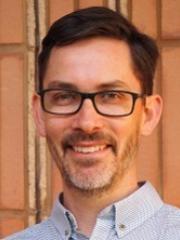
Dr Arutha Kulasinghe is a Research Fellow at Queensland University of Technology (QUT) within the School of Medicine, Faculty of Health. His research focuses on spatial profiling of tumor microenvironments, liquid biopsy technologies, and immunotherapy biomarkers for head and neck cancers and lung cancer. He holds a PhD from QUT (2017) and an Honours degree in Medical Microbiology from the University of Pretoria. Supported by NHMRC, Cure Cancer, and GPRWMF grants, his work bridges clinical and translational research. Key achievements include developing PD-L1 biomarkers for head and neck cancers, spatial mapping of tumor-immune interactions, and identifying SARS-CoV-2 placental dysfunction signatures. He leads the Clinical-oMx Lab at Frazer Institute, University of Queensland, and collaborates with national/international institutions. Awards include the Peter Doherty NHMRC Early Career Fellowship and the AusBiotech Dual COVID-19 Award for biomarker triage systems. Education: PhD (QUT, 2017), BSc (Honours) Medical Microbiology (Pretoria, South Africa) Research Themes: Spatial biology, liquid biopsies, tumor microenvironment dynamics, immunotherapy response prediction Funding Agencies: NHMRC, Cure Cancer Australia, Garnett Passe & Rodney Williams Memorial Foundation Dr Kulasinghe's lab focuses on translating spatial multi-omics data into clinical tools for personalized cancer therapy. Current projects include digital spatial profiling of head and neck tumors and predictive biomarker development for immunotherapy.
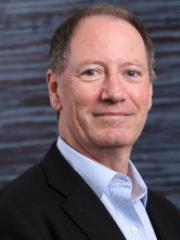
Patrick Tam is Professor and NHMRC Senior Principal Research Fellow at the University of Sydney's School of Medical Sciences, and Deputy Director/Head of the Embryology Research Unit at the Children's Medical Research Institute. He also holds the Mok Hing-Yiu Distinguished Visiting Professorship at the University of Hong Kong. His research integrates embryology, stem cell biology, and genomics to decode gene regulatory networks in mouse development, with a focus on body patterning, craniofacial morphogenesis, and endoderm organogenesis. Research interests center on: Developmental fate mapping and lineage differentiation during embryogenesis Transcriptional regulation in head and craniofacial development RNA-binding proteins in endoderm differentiation Pluripotent stem cell biology and induced pluripotency His recent publications emphasize spatial transcriptomics, stem cell-based embryo models, and single-cell analyses of gastrulation, reflecting a trend toward high-resolution developmental systems biology. Awards include Fellowships of the Royal Society (FRS), Australian Academy of Science (FAA), and over 20 honors for research excellence. He mentors PhD and Master's students in developmental biology projects and leads teams at CMRI focusing on embryonic gene networks. His lab employs cutting-edge techniques like ATAC-seq, CRISPR editing, and whole-embryo imaging.
Dr Yuliangzi Sun serves as a Postdoctoral Research Fellow at the Institute for Molecular Bioscience within The University of Queensland, where she also completed her Doctor of Philosophy. Her research bridges molecular bioscience and genomic regulation with direct applications in disease pathology. Education: Doctor of Philosophy, The University of Queensland Dr Sun's research program investigates how metabolic reprogramming and cellular senescence drive fibrosis progression in metabolic liver disease (MASLD), utilizing spatial transcriptomics to map genomic signatures at tissue level. Her work on "Building tools to predict how the genome controls cells" develops computational frameworks for deciphering regulatory networks in cellular processes, with implications for therapeutic targeting in fibrotic diseases. Current efforts integrate multi-omics approaches to understand disease mechanisms at single-cell resolution. Analysis of her 2025 publication reveals a methodological shift toward spatially resolved transcriptomics in human disease models, moving beyond bulk sequencing to capture microenvironmental heterogeneity in fibrosis progression. This approach connects genomic regulation with tissue-level pathology across metabolic disorders. Dr Sun actively participates in the Institute for Molecular Bioscience's collaborative ecosystem and is available for research supervision in molecular bioscience and genomics, contributing to training the next generation of researchers in advanced genomic techniques.
Dr Brett McKinnon is a Senior Research Fellow at the Institute for Molecular Bioscience, University of Queensland. His research focuses on understanding the cellular and genetic mechanisms underlying endometriosis and related reproductive disorders. He completed his PhD in 2008 at UQ and pursued postdoctoral training at the University of Bern, Switzerland, investigating endometriosis, ovarian cancer, and inflammatory pathways. Since returning to Australia in 2016, he has led projects such as the Endometriosis Research Queensland Study (ERQS), integrating genetic and clinical data to improve diagnostics and treatments. His work includes developing patient-derived organoid models and spatial transcriptomics to study disease mechanisms. Dr McKinnon collaborates with the Royal Brisbane and Women’s Hospital and is actively involved in translational research, aiming to translate findings into clinical applications. Education: Doctor of Philosophy (PhD), University of Queensland (2008) Bachelor (Honours) of Physiology, University of Queensland Research Interests: Dr McKinnon’s research emphasizes the role of individual cells and genetic architecture in disease initiation, particularly in endometriosis. He investigates inflammatory and metabolic components of reproductive tissues, develops in vitro models for disease modeling, and explores the interaction between genetics and environment. His work highlights the importance of cellular differentiation, microenvironmental changes, and hormonal influences in disease progression. Grants & Funding: Current grants include projects on organoid-based precision medicine (Endometriosis Australia), hormonal influences on inflammation (NIH), and stem cell maturation mapping (NHMRC). Past funding supported projects on environmental risk factors and organoid sphere generation. Labs & Collaborations: He leads studies within the Genomics of Reproductive Disorders laboratory and collaborates with the Royal Brisbane and Women’s Hospital. His lab focuses on spatial transcriptomics, histopathological analysis, and computational modeling to advance endometriosis research.
Dr. Marina Oliva is a Research Fellow at the School of Molecular Sciences, The University of Western Australia, and is affiliated with the ARC Centre for Plant Energy Biology. Her research focuses on plant molecular biology with particular emphasis on gene expression, plant development, and single-cell analysis in Arabidopsis. Dr. Oliva's research interests center around understanding plant development at the molecular level, particularly in Arabidopsis. Her work explores gene expression patterns, promoter regions, and transcriptional regulation during key developmental processes including seed germination and root development. She has pioneered approaches in single-cell analysis to investigate spatiotemporal dynamics of plant cell identities and has developed innovative techniques like PHYTOMap for 3D spatial gene expression analysis in plant tissues. Her recent publications demonstrate a strong trend toward integrating advanced genomic technologies with plant biology, particularly in the areas of single-cell transcriptomics, spatial gene expression mapping, and CRISPR-based genetic circuits for controlling plant gene expression. Her work bridges molecular biology, computational approaches, and plant physiology to understand fundamental mechanisms of plant development. Dr. Oliva is an active researcher within the ARC Centre for Plant Energy Biology, collaborating with leading scientists including Professor Ryan Lister. Her work has gained significant attention in the scientific community, with multiple publications in high-impact journals such as Nature Biotechnology, Nature Plants, and The New Phytologist. She has contributed to several important datasets related to CRISPRi-based circuits for genetic computation in plants, which have been widely shared through Zenodo and have received substantial attention across social media and news outlets.
Jodie L. Rummer is an Associate Professor at James Cook University (JCU), specializing in Conservation Physiology with a focus on marine organisms' physiological responses to environmental stressors. Her research emphasizes the impacts of climate change on coral reef ecosystems, particularly thermal tolerance, ocean acidification, and habitat degradation effects on fish and elasmobranch species. She holds a PhD in Zoology from the University of British Columbia and completed postdoctoral work at the City University of Hong Kong. Her work integrates physiology, ecology, and conservation, addressing topics such as metabolic performance under stress, behavioral thermoregulation, and the physiological mechanisms enabling species survival in changing environments. Key areas include studying sharks and rays' biophysics, coral reef fish resilience, and the effects of anthropogenic activities like aquaculture and ocean acidification. Rummer collaborates internationally, contributing to projects in French Polynesia, the Great Barrier Reef, and the Pacific. She has pioneered methods for non-lethal physiological assessments in elasmobranchs and applied machine learning for species identification. Her research informs conservation strategies, such as identifying critical habitats and evaluating the efficacy of marine protected areas. Education: PhD (Zoology), University of British Columbia; Postdoc, City University of Hong Kong Grants/Projects: Multiple ARC and international grants on climate change impacts and conservation physiology Labs/Teams: Leads the Conservation Physiology Lab at JCU, part of the ARC Centre of Excellence for Coral Reef Studies
Dean R. Jerry is a Professor at James Cook University, specializing in aquaculture genetics, marine biology, and environmental DNA applications. His work focuses on improving aquaculture practices through genetic selection, disease resistance, and understanding fish physiology. He has contributed extensively to studies on barramundi (Lates calcarifer), shrimp species, and other marine organisms. Key research interests include genetic improvement of farmed species, molecular mechanisms of sex determination, and the application of eDNA for ecological monitoring. His publications span topics like genotype-environment interactions, viral pathogen detection in shrimp, and deep learning applications for fish tracking. Recent articles highlight advancements in gene editing strategies for aquaculture, allergen diversity in crustaceans, and the use of multiomics to study rare fish phenotypes. Dr. Jerry's research bridges molecular biology, computational methods, and practical aquaculture solutions, with global implications for sustainable seafood production.
Kefei Chen is a Research Fellow at Curtin University's School of Molecular and Life Sciences (MLS), affiliated with the Centre for Crop Disease Management (CCDM). His work focuses on integrating statistical methodologies with plant genomics to address challenges in crop improvement. Key areas include quantitative trait locus (QTL) mapping for abiotic and biotic stress tolerance, genomic prediction models for yield traits, and systems-based approaches to crop breeding. He has extensive experience in analyzing large-scale genomic datasets and experimental designs for agricultural applications. Research interests span bioinformatics, computational statistics, and agricultural data science, with applications to wheat, barley, and legume genetics. Notable contributions include studies on frost tolerance mechanisms in wheat, Sclerotinia stem rot resistance in chickpea, and genomic signatures of breeding in barley cultivars. His statistical expertise extends to spatial analysis of on-farm trials and environmental health studies on air pollution impacts. Publications highlight methodological innovations in QTL clustering, structural equation modeling for systems genetics, and generalised additive models for yield prediction. Collaborative projects involve multidisciplinary teams addressing crop disease management, nitrogen use efficiency, and climate-resilient crop development.
Dr. John George Lock is a Senior Lecturer and Head of the Cancer Systems Microscopy lab within the Department of Pharmacology at the School of Biomedical Sciences, University of New South Wales (UNSW). He also serves as Associate Director of Research for the School of Biomedical Sciences, Deputy Chair of the School's Research Strategy Committee, and Chair of the HDR review panel. Dr. Lock is affiliated with multiple research networks including the UNSW Artificial Intelligence Institute, Data Science Hub, and AI & Data Science Network, as well as the Garvan Institute of Medical Research Imaging Platform Strategic Advisory Committee. Dr. Lock earned his PhD from the Institute for Molecular Bioscience at the University of Queensland (2001-2006), preceded by First Class Honours in Biochemistry (2000-2001) and a BSc in Biochemistry (1997-2000). His postdoctoral research began at the Karolinska Institute in Stockholm with fellowships from the Wenner-Gren Foundation and Swedish Cancer Foundation. He was accelerated to Assistant Professor for pioneering Systems Microscopy and leading a 9-person multidisciplinary team before returning to Australia to work with Professor Katharina Gaus at UNSW. Dr. Lock's research centers on Systems Microscopy, an innovative approach that integrates imaging-based methods with computational analysis to advance cancer treatment outcomes. His Cancer Systems Microscopy (CSM) lab focuses on three main areas: Precision Diagnostics using automated multiplexed quantitative imaging of circulating tumor cells; Targeted Therapies through novel high-content strategies for drug discovery; and Fundamental Insights into cancer progression mechanisms. The CSM lab has established collaborations with fundamental and translational cancer researchers, clinicians, commercial technology developers, and data science experts, creating a truly multidisciplinary ecosystem. Analysis of Dr. Lock's extensive publication record reveals a strong focus on advancing cancer diagnostics and treatment through the integration of imaging technologies and artificial intelligence. His work consistently bridges fundamental cell biology with clinical applications, particularly in prostate cancer and metastasis research. A significant trend across his recent publications involves developing computational methods to analyze cell state plasticity, tumor heterogeneity, and signaling pathways using advanced imaging techniques. Eva & Alex Wallestroms Foundation Award (2008) Karolinska Institute Young Researcher Award (2010) Ramaciotti Biomedical Research Award (2017) Finalist in Shenzhen Innovation & Entrepreneurship International Competition (Australasia), 3rd place (2021) UNSW Scientia Fellow (2023) Dr. Lock actively supervises research students as Primary supervisor of 4 HDR students and Joint Supervisor of 1 HDR student. His grant portfolio demonstrates substantial funding success, with recent awards including NHMRC Ideas grants (2024), an NHMRC Equipment Grant (2024), a UNSW Scientia Fellowship (2023-2027), and multiple NHMRC and ARC grants spanning from 2016 to present. These grants support his work on liquid biopsy for personalized medicine, AI-driven image analysis, and drug discovery platforms. Dr. Lock co-founded the Systems Microscopy Australia Network and co-organizes the Functional High Throughput Technologies Australia meeting, demonstrating leadership in building national research capacity. The Cancer Systems Microscopy lab operates as a cutting-edge facility that has grown significantly since its initiation in 2018. Dr. Lock helped conceive and fund Australia's first dedicated Systems Microscopy facility with $2.5M funding from the Australian Research Council and the Ramaciotti Biomedical Research Award. The lab's multidisciplinary team integrates expertise in cell biology, microscopy, statistics, machine learning, and data visualization to tackle complex cancer research questions. The CSM lab has established strategic partnerships with the Ingham Institute for Applied Medical Research, PeterMacCallum Cancer Centre, and various commercial technology developers, creating a robust ecosystem for translating basic research into clinical applications.
Associate Professor Amy McCart Reed is a Principal Research Fellow and Director for Higher Degree Research at the University of Queensland's Centre for Clinical Research, with affiliate status at the Centre for Extracellular Vesicle Nanomedicine. She holds an Honours degree and PhD in Molecular Biology from UQ, and is a Fellow of the Royal College of Pathologists Australasia. Her research focuses on: Genomic characterization of rare breast cancer subtypes (metaplastic and lobular carcinomas) Clinical implementation of whole-genome sequencing through the MRFF-funded Q-IMPROvE program Development of prognostic biomarkers using spatial transcriptomics and molecular pathology Biobanking initiatives as Steering Committee member of the Brisbane Breast Bank Her publications demonstrate consistent focus on translational oncology, with recent work emphasizing: Biomarker discovery for targeted therapies and metastasis prediction Integration of machine learning in cancer diagnostics Molecular mechanisms of treatment resistance in rare breast cancers Honors include the distinction as Fellow of the Faculty of Science, Royal College of Pathologists Australasia. As Director for Higher Degree Research, she oversees research training programs while leading multidisciplinary teams in precision oncology initiatives that bridge molecular pathology with clinical applications.
Professor Michael Furlong is a faculty member in the School of the Environment at The University of Queensland, specializing in biological control and integrated pest management. His research focuses on ecological interactions between insects and their natural enemies, with an emphasis on sustainable pest management strategies in developing countries. Key research areas include the biological control of diamondback moth (Plutella xylostella) and cabbage cluster caterpillar (Crocidolomia pavonana), as well as the development of insecticide resistance management plans in collaboration with UN-FAO. His work spans ecological and molecular approaches, including studies on fungal entomopathogens, predator-prey dynamics, and climate change impacts on host-parasitoid interactions. Externally funded projects include investigations into pest management in Indonesia, Samoa, and Fiji, addressing both agricultural and ecological challenges. Professor Furlong has authored over 150 peer-reviewed articles, with recent work focusing on viral communities in pest insects, spatial dynamics of organic crop pests, and the integration of molecular tools to assess biological control efficacy. His contributions to plant health clinics in the Pacific region highlight a commitment to applied research and community engagement, ensuring practical solutions for smallholder farmers. Despite no explicitly listed awards, his extensive publication record and collaborative projects reflect significant recognition in his field. Current research emphasizes leveraging natural enemies and landscape management to enhance pest control while minimizing chemical inputs.
Dr. Melanie Wilkinson is a Research Fellow at The University of Queensland's Queensland Alliance for Agriculture and Food Innovation (QAAFI), affiliated with the Faculty of Science and the ARC Centre of Excellence for Plant Success in Nature and Agriculture. Her work bridges plant genomics, evolutionary biology, and crop breeding with a focus on adaptive mechanisms in Australian flora and horticultural crops. Education: PhD in Biological Sciences, The University of Queensland (2019) Her research integrates genomic prediction, adaptive evolution, and crop improvement, with particular expertise in mango genetics and Australian wildflower speciation. Key projects examine chromosomal inversions in mango breeding traits, gravitropic adaptation mechanisms, and ensemble-based genomic prediction models for plant breeding. Her work frequently employs GWAS, transcriptome analysis, and hybrid zone studies to unravel genetic architectures of parallel evolution. Article analysis reveals a strong focus on plant adaptation mechanisms (70% of publications), with mango genomics and Senecio speciation as dominant model systems. Recent work (2023-2025) emphasizes genomic prediction methodologies and structural variant impacts on breeding traits, showing a clear shift toward translational agricultural applications while maintaining evolutionary biology foundations. Supervision: Principal Advisor: APSIM-WGP for soybean yield stability Associate Advisor: Machine learning for gene networks, Evolution of genetic networks Completed: Polygenic architecture of Senecio adaptation (2024) Dr. Wilkinson operates within QAAFI's genomic prediction research group and collaborates extensively with the ARC Centre of Excellence for Plant Success, focusing on translating evolutionary insights into crop improvement strategies through interdisciplinary teams spanning genomics, bioinformatics, and horticulture.
Associate Professor Mitchell Stark leads the Skin Cancer Genomics group at University of Queensland's Frazer Institute and Dermatology Research Centre. With 25+ years in melanoma research, his work focuses on genomic signatures in pre-malignant lesions and microRNA biomarkers for cancer progression. His NHMRC-funded program developed a Genomics Atlas of pre-skin cancer lesions using spatial transcriptomics and whole-exome sequencing. Current projects investigate mitochondrial DNA alterations in peritumoral skin and molecular determinants of sentinel node metastasis. Research has identified mutation signatures in melanocytic nevi and characterized the genomic landscape of giant congenital nevi. The team also validated circulating miRNA panels for uveal melanoma detection.
Professor Brandon Wainwright AM is Co-Director of the Children's Brain Cancer Centre at the Frazer Institute, University of Queensland, with a joint appointment at the Institute for Molecular Bioscience. His research focuses on genetic pathways in pediatric brain tumors, particularly medulloblastoma, where he discovered the role of the Hedgehog pathway in human cancer. His laboratory employs molecular genetics approaches to identify disease-causing genes. Research interests span cancer genetics, molecular oncology, and therapeutic target discovery. Recent work investigates neurodevelopmental gene mutations (ELP1/ELP2), tumor microenvironment interactions, and pharmacogenomics for brain cancer treatment. His group utilizes spatial transcriptomics, liquid biopsies, and patient-derived xenograft models to advance translational research. Publications demonstrate consistent focus on molecular mechanisms of brain tumors, with recent emphasis on neurodevelopmental aspects of medulloblastoma, therapeutic resistance mechanisms, and clinical translation. Collaborative work includes multinational studies on pediatric cancer clinical trials.
Alka Saxena is an Adjunct Associate Professor at the UWA Medical School and Director of the Genomics WA Facility at the UWA Centre for Medical Research (affiliated with the Harry Perkins Institute of Medical Research). She holds a PhD in Medicine from the University of Melbourne (2005). Her research focuses on genomics, bioinformatics, and next-generation sequencing technologies, with applications in oncology, immunology, and medical genetics. Key roles include Director of Genomics WA and Senior Research Fellow at the Telethon Kids Institute. She leads major initiatives such as the Genomics WA facility and participates in the ARC Training Centre for Next-Gen Biomedical Technologies. Her work addresses clinical severity in Rett Syndrome and contributes to sustainable development goals related to health and innovation. Research Expertise: Genomics, transcriptomics, single-cell sequencing, tumor biology, immunology, and crop genomics. Grants: Secured funding from WA Health, JTSI, NHMRC, and ARC, totaling millions for projects like Genomics WA operational support and biomedical technology training. Her recent publications span tumor-reactive lymphocyte subtypes in melanoma, 3D oral cancer models, barley environmental adaptation genomics, and immune development studies. She was awarded the 2024 Vice-Chancellor's Award for Research Technical Support Excellence.