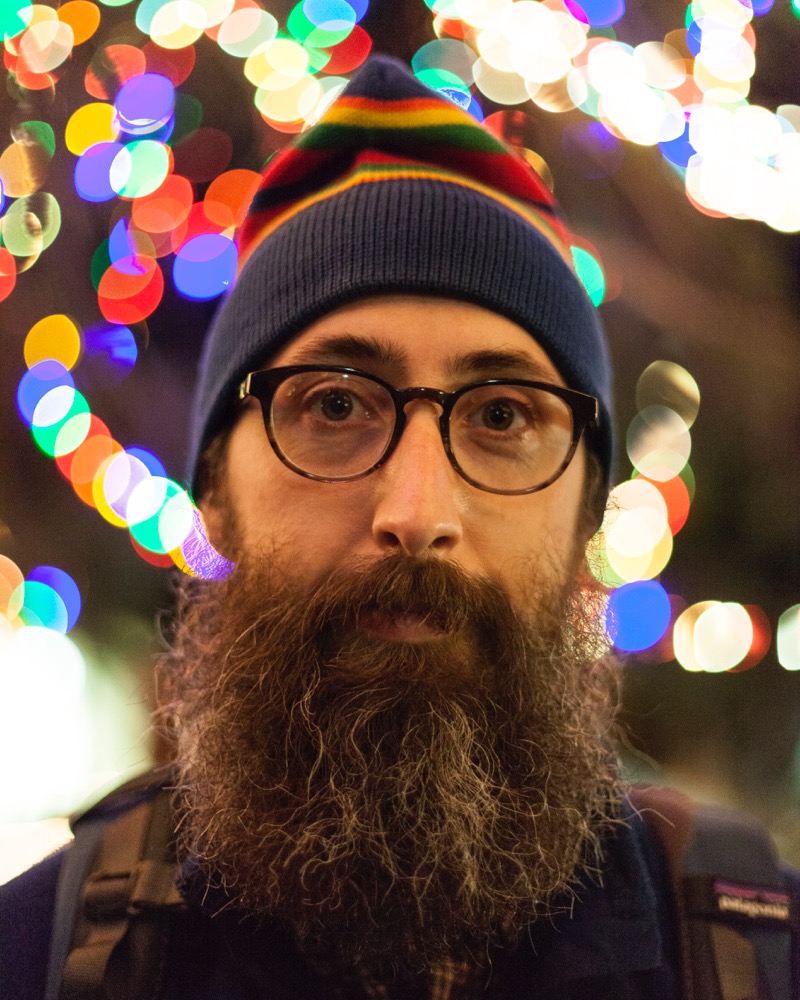
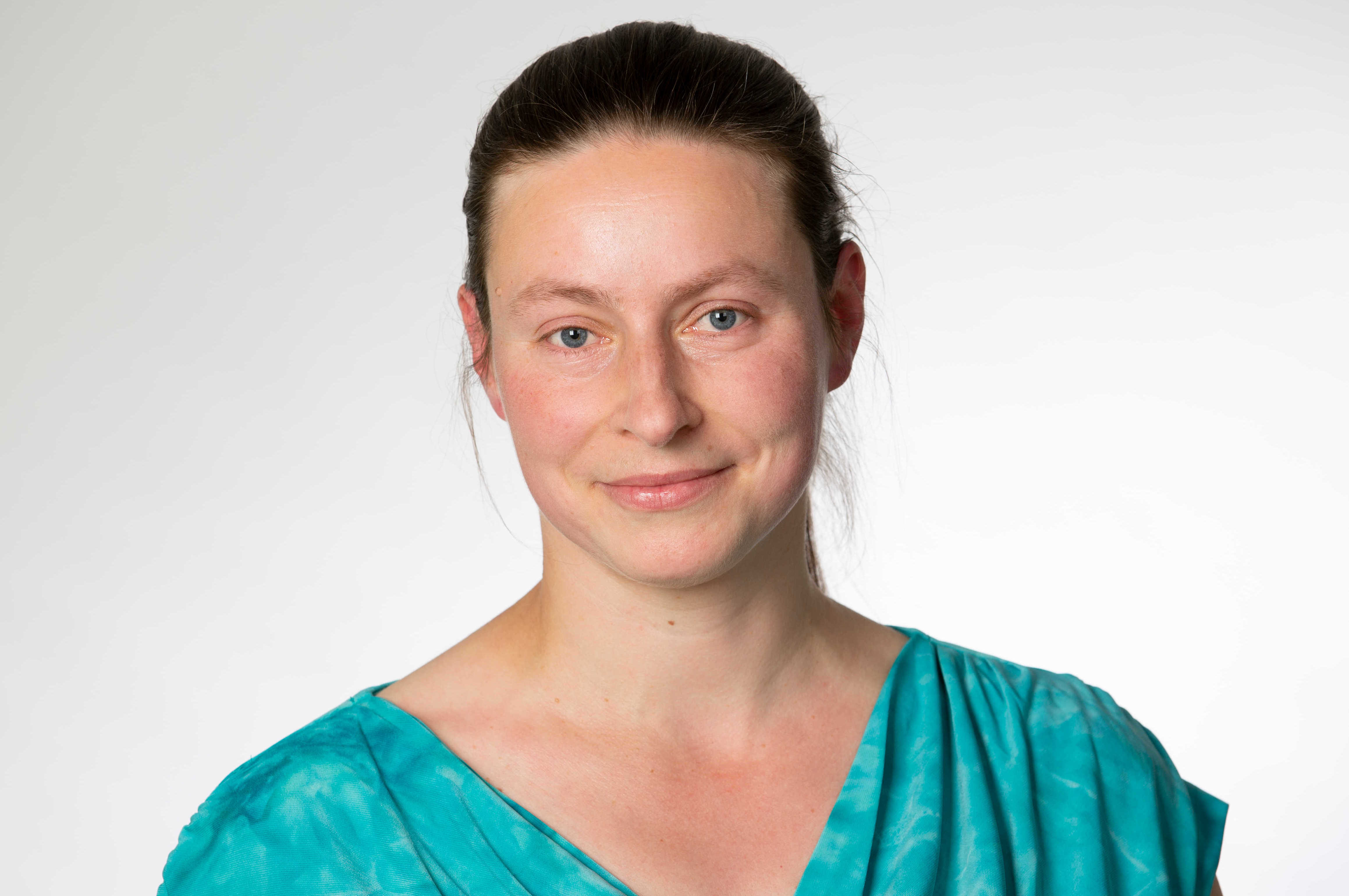
Theresa Wodehouse is a Principal Scientist at Barts Health NHS Trust and an academic affiliate of the William Harvey Research Institute within the Faculty of Medicine and Dentistry at Queen Mary University of London. She holds a PhD in Respiratory Physiology from Imperial College London, preceded by a BSc (Hons) in Biology and RGN qualification. Her research focuses on inflammation mechanisms, genomics-driven stratified medicine, and translational pain studies involving neuromodulation and biomarker development. She actively supervises PhD candidates and collaborates with the Pain and Anaesthesia Research Centre (led by Prof Richard Langford) and industry partners like Boston Scientific. Research activities include interventional pain treatment evaluation, quantitative sensory testing, and regulatory protocol design. Professional contributions span clinical trials in chronic pain management and gene expression analysis in respiratory systems.
Thomas McDougall is a Researcher (Contractor/Visitor) at the School of Psychological Science, The University of Western Australia, specializing in visual perception research. His work investigates motion perception, spatial summation, and neurological impacts of migraine and ageing through psychophysical methods and brain stimulation. He earned a PhD in Visual Perception from The University of Western Australia, with doctoral research titled "Spatial summation of motion: Considering the effects of psychophysical method and healthy ageing". McDougall's research spans Visual Perception, Motion Perception, Spatial Summation, and Brain Stimulation in Vision, with emphasis on how migraine and ageing alter visual processing. His studies frequently employ drifting gratings and Battenberg stimuli to examine contrast summation mechanisms and receptive field properties under varying chromatic conditions. Publications from 2016-2021 reveal consistent focus on motion direction tuning, centre-surround suppression, and spatial summation in older adults and migraineurs. His work demonstrates methodological innovation in assessing visual processing through suprathreshold contrast experiments and brain stimulation protocols.
Professor Christopher Tyler is a visual neuroscientist specializing in visual and oculomotor function and disorders at City St George's, University of London. He joined the institution in 2013 after working at several universities in the United States and maintaining a long-standing affiliation with the Smith-Kettlewell Eye Research Institute in San Francisco, where he established its Brain Imaging Center. His research spans multiple disciplines including neuroscience, psychology, and vision science, with active international collaborations across France, Germany, United States, Taiwan, Israel and Australia. Professor Tyler received his training in Experimental Psychology at the Universities of Leicester, Aston and Keele before taking postdoctoral fellowships at Northeastern University, Boston, University of Bristol and Bell Laboratories. His educational background provides a strong foundation for his interdisciplinary research that bridges visual neuroscience, psychophysics, and computational modeling. His research interests focus on the neural processing of visual information, with particular emphasis on form, symmetry, flicker, motion, color, and stereoscopic depth perception. Professor Tyler has developed effective psychophysical and electrophysiological tests for diagnosing retinal, optic nerve, visual cortical and oculomotor disorders. His current work investigates the effects of traumatic brain damage on eye movements and their brainstem control mechanisms, with significant implications for understanding and treating traumatic brain injury. Professor Tyler's extensive publication record demonstrates consistent contributions to understanding visual perception across multiple dimensions. His recent work shows a strong focus on traumatic brain injury effects on vision, advanced computational modeling of visual processes, symmetry processing, and the intersection of visual science with art history. His research bridges fundamental neuroscience with clinical applications, particularly in understanding how brain trauma affects visual function. Smith-Kettlewell Eye Research Institute (1996) Kettlewell Chair Smith-Kettlewell Eye Research Institute (1985) Kettlewell Chair American Academy of Optometry (1982) Garland-Clay Award Professor Tyler has taught courses at numerous prestigious institutions including Northeastern, UCLA, UC Santa Barbara, UC Berkeley and the University of Paris. His research has been supported by significant grants from CDMRP (US) for studying human oculomotor functions in traumatic brain injury, AFOSR (US) for encoding 3D structure in visual scenes, and NSF (US) for investigating neural dynamics of conceptual learning. He maintains an active research laboratory focused on visual neuroscience and has collaborated with numerous researchers worldwide. His research center is focused on Optometry and Visual Neuroscience, where he leads investigations into visual perception mechanisms and their applications to clinical problems. Professor Tyler's work bridges fundamental neuroscience with practical applications in vision science and clinical optometry.
Marta Shocket serves as a Lecturer in Ecology within the Lancaster Environment Centre at Lancaster University, with additional affiliations at the Data Science Institute and Centre of Excellence in Environmental Data Science. Her research program investigates environmental drivers of infectious disease transmission, specializing in temperature effects on pathogen dynamics in invertebrate host systems through integrated field, laboratory, and mathematical approaches. Dr. Shocket's work centers on ecological epidemiology with emphasis on vector-borne diseases including malaria, dengue, and West Nile virus. She examines thermal constraints on transmission, host-pathogen coevolution under climate change, and cross-scale mechanisms linking organism physiology to epidemic patterns. Current projects include fungal pathogen research in insect hosts, for which she is recruiting a PhD student starting autumn 2024. Analysis of her publication record (2015-2025) reveals consistent contributions to climate-disease modeling, particularly demonstrating how mean daily temperatures better predict malaria transmission limits than hourly summation, and how thermal acclimation influences host-pathogen interactions. Her research increasingly incorporates fluctuating temperature regimes and ecological complexity to refine transmission forecasts. Dr. Shocket actively seeks PhD candidates for fungal pathogen research while contributing to the Centre of Excellence in Environmental Data Science's Ecology and Conservation group. Her work bridges ecological theory, data science, and public health applications through interdisciplinary collaboration at Lancaster University.
Lucas C. Wilcox is a Professor in the Department of Applied Mathematics at the Naval Postgraduate School. His research focuses on scientific computation, particularly in the numerical solution of partial differential equations with emphasis on wave propagation and uncertainty quantification using high-order methods. He is active in developing scalable algorithms for adaptive mesh refinement and parallel computing.
Silvia Lo Vecchio is an Associate Professor in the Department of Health Science and Technology at Aalborg University, affiliated with The Faculty of Medicine. Her research focuses on translational pain neuroscience, particularly mechanisms of pruritus (itch) and neurogenic inflammation. She leads studies on experimental models of histaminergic and non-histaminergic itch, evaluating pharmacological interventions and neurophysiological responses. Key areas include opioid-induced pruritus, sleep-itch interactions, and the role of TRPA1/TRPV1 receptors in itch modulation. She collaborates with the Translational Pain Neuroscience and Precision Health Center and the Center for Neuroplasticity and Pain, contributing to precision medicine approaches in chronic pain and itch management. Education details are not explicitly stated, but her academic trajectory suggests advanced training in clinical pharmacology and biomedical engineering. Her work integrates neuroimaging techniques (TMS-EEG) with clinical trials, emphasizing translational outcomes. Recent studies explore topical ketamine's antipruritic effects and the impact of physical activity on pain modulation in aging populations. She supervises one PhD student (name unspecified in provided texts) and has authored/co-authored 65+ peer-reviewed publications since 2011. Research highlights include validating histamine/heat-induced flare responses in diabetes patients and investigating corticospinal excitability changes post-pain/itch stimuli. Her multi-disciplinary approach bridges basic science and clinical applications, aiming to improve therapies for chronic itch and pain conditions.
PD Dr. Sigrun Ortleb is an Associate Professor at the Institute of Mathematics, University of Kassel , Germany. Her academic affiliation spans over two decades at the same institution. Current Position: Associate Professor (Privatdozentin) since 2021 Academic Background: Habilitation (2021), PhD (2011), Diplom (2006) from TU Braunschweig Research Focus: Sigrun Ortleb specializes in advanced numerical methods for partial differential equations, with particular emphasis on: Discontinuous Galerkin (DG) methods for conservation/balance equations (Euler, Navier-Stokes, shallow water) Positivity-preserving time integration techniques Summation-by-parts operators for high-order accuracy IMEX and multi-rate time integration Efficient shock filters for DG processes Image processing methods for numerical solution post-processing Publication Trends: Her work primarily addresses computational fluid dynamics challenges through: Development of stable, high-order DG schemes IMEX time integration for stiff systems Geometric conservation laws in FSI Adaptive filtering techniques Positivity preservation in shallow water equations Summation-by-parts operators for conservation Teaching Contributions: Dr. Ortleb has taught advanced mathematics courses for mechanical engineers since 2007, including: Higher Mathematics I & II Numerics of Stiff Problems Fluid-Structure Interaction Numerical Analysis of ODEs/PDEs Mathematical Modeling Discontinuous Galerkin Methods Key Collaborations: She has collaborated with experts in: Computational mechanics (J. Boungard, J. Wackerfuß) Exponential integrators (V. Straub, P. Birken, A. Meister) Geometric conservation laws (S. Bremicker-Trübelhorn)
Gunnar Schmidtmann is an Associate Professor of Optometry and Vision Science at the School of Health Professions, University of Plymouth, where he has been employed since 2017, first as a Lecturer and promoted to Associate Professor in 2021. He holds a PhD in Vision Science from Glasgow Caledonian University and completed postdoctoral research at McGill University in Montreal, Canada. He is actively involved in teaching, research, and supervision, with a focus on visual perception and clinical vision science. Education: PhD in Vision Science, Glasgow Caledonian University, UK (2008–2013) BSc in Optometry, University of Applied Sciences, Lübeck, Germany (2005–2008) Medical School, University of Lübeck, Germany (2001–2005) Research Interests: His research spans visual neuroscience, shape perception, object recognition, visual psychophysics, and face perception. He investigates contour and curvature encoding, spatial and probability summation, peripheral vision, visual illusions, and the visual functions of patients with traumatic brain injury, stroke, and glaucoma. His work combines computational modeling with experimental psychophysics. Publication Trends: His recent articles (2023–2025) focus on sensorimotor aging, tablet-based vision testing, letter identification biases, and visual illusions such as the 'Pint Glass Illusion'. These reflect a strong trend toward developing accessible, quantitative tools for clinical and research use, while maintaining a deep theoretical interest in visual perception mechanisms. Scientific Engagement: Active member and elected committee member of the Applied Vision Association (AVA) Principal contributor to the McGill Face Database for complex mental state recognition Regular presenter at AVA and ECVP conferences Supervision and Grants: He supervises PhD students and is a Co-Investigator on an active NHS-funded project Portable Low-Cost Haptic Interfaces for Motor Injury Assessment (2025–2026). His teaching includes module leadership in Visual Perception, Human Anatomy, and Applied Quantitative Research Methods at both undergraduate and postgraduate levels. Labs and Teams: He leads research within the Eye and Vision Research Group at the University of Plymouth and collaborates with the Centre for Cognitive Neuroscience at Brunel University London. His lab focuses on psychophysical experiments and computational modeling of visual perception.
Kristina DeRoy Milvae is an Assistant Professor in the Department of Communicative Disorders and Sciences at the University at Buffalo. Her research examines auditory perception challenges in clinical populations, with focus areas including speech-in-noise perception, listening effort quantification, and binaural processing in cochlear implant users. Research investigates how signal degradation and interaural asymmetries impact listening effort using physiological measures like pupillometry. Current projects develop clinical assessment tools for listening effort and optimize intervention approaches for older adults with hearing loss. Recent publications analyze the impact of cochlear implant signal processing on binaural benefits and the effects of age-related changes on auditory-cognitive interactions. This work integrates psychoacoustic methods with clinical translation objectives.
Qian Sun, PhD, is an Assistant Professor in the Department of Neurosciences at Case Western Reserve University School of Medicine. Her lab focuses on understanding the hippocampal circuit’s role in memory formation and its implications for neuropsychiatric disorders such as PTSD, schizophrenia, and Alzheimer’s disease. Using electrophysiology, optogenetics, and mouse behavior models, her research explores cellular and circuit mechanisms underlying hippocampal information processing. Education: PhD in Neuroscience, Brandeis University (2011) Lab Website: www.qiansunlab.org Research Interests: Long-term goals include elucidating CA3 circuit mechanisms in memory storage and pattern completion, and identifying strategies to address hippocampus-related behavioral deficits. Current studies emphasize CA3’s understudied role in memory processing and its dysfunction in neuropsychiatric disorders. Publications highlight her work on hippocampal synaptic dynamics, CA3 pyramidal neuron properties, and serotonin’s role in memory formation. Recruitment for postdocs, graduate students, and technicians is ongoing.
Hillel Adesnik serves as Associate Professor in the Department of Molecular and Cell Biology at the University of California, Berkeley, with additional affiliation in Neuroscience. His research program centers on deciphering how cortical microcircuits transform sensory input into perceptions and behaviors, utilizing cutting-edge approaches in awake behaving mice to bridge cellular mechanisms with cognitive functions. Adesnik's research investigates the neural basis of perception through three integrated pillars: (1) dissecting horizontal and vertical connections in cortical layers for sensory feature extraction, (2) developing high-resolution optical tools like 3D-SHOT for single-neuron manipulation in intact brains, and (3) analyzing cross-cortical communication for percept synthesis. His lab combines two-photon imaging, optogenetics, electrophysiology, and computational modeling to study tactile processing in barrel cortex and visual perception, revealing how specific neuron types and synaptic mechanisms generate perceptual codes. Key discoveries include layer-specific inhibitory control, supra-linear feature summation, and gamma-band synchronization mechanisms. Analysis of Adesnik's publication record shows consistent focus on cortical microcircuit dynamics across sensory modalities, with increasing emphasis on tool development since 2017. His work demonstrates how precise neural manipulations can establish causal links between circuit activity and perception, particularly through innovations in holographic optogenetics. Recurring themes include the role of somatostatin interneurons in layer-specific processing, cross-laminar interactions in feature coding, and the development of quantitative frameworks for neural population decoding. Scientific recognition includes: Chan Zuckerberg Biohub Investigator (2022 cohort) Adesnik mentors a robust research team comprising postdoctoral fellows (Lamiae Abdeladim, Janine Beyer, Conor Dorian, Will Hendricks, Uday Jagadisan, Mora Ogando, Masato Sadahiro, Kevin Sit, Savitha Sridharan, Andrea Zazzi) and graduate students (Genesis Ferrer Imbert, Courtney Kim, Madi McCloud, Ravi Srinivasan). His lab operates through structured collaboration with engineering groups for optical tool development and maintains active partnerships for disease-model applications. Funding sources include the Chan Zuckerberg Biohub and NIH grants supporting neurotechnology innovation. The Adesnik Lab maintains three core research thrusts through an integrated experimental pipeline: in vivo circuit interrogation in behaving animals, in vitro synaptic analysis, and novel optical instrument development. Current work emphasizes translating high-resolution manipulation techniques to disease models including autism and epilepsy, while expanding into multi-area cortical dynamics during complex behavioral tasks.
Maryam Bijanzadeh is an Adjunct Professor at the University of San Francisco and currently serves as an Assistant Professional Researcher at UCSF’s Neuroscape Center. Her interdisciplinary work bridges computational neuroscience and affective behavior, focusing on decoding emotional states from neurophysiological data through advanced signal processing and machine learning techniques. Education: PhD in Neuroscience, University of Utah, 2016 MSc in Automatic Systems and Control Engineering, University of Sheffield, 2010 BSc in Electrical Engineering, University of Tehran, 2008 Dr. Bijanzadeh’s research centers on affective neuroscience , neurophysiology , and multi-modal biosensing , with emphasis on intracranial EEG analysis to understand brain-body encoding of emotions. Her methodology integrates computational modeling with clinical applications for mental health diagnostics, particularly in depression screening and mood modulation. Her publication record reveals a trajectory from visual cortex processing (2018) toward naturalistic affective behavior decoding (2022), demonstrating consistent innovation in neurophysiological signal analysis. Key thematic evolution includes transitioning from basic sensory processing to clinical applications of brain stimulation for mood disorders, with increasing focus on wearable biomarker systems for objective mental health assessment. Scientific Awards: Weill-Catalyst Award (2025) for "Towards Objective Depression Screening: Developing a Multimodal Brain Body Wearable Biomarker System" Neuroscience Achievement fellowship, University of Utah (2013-2014) While formal advisee relationships aren’t documented in current materials, her extensive teaching portfolio across UCSF, University of Utah, and San Francisco institutions demonstrates strong mentorship capacity. Her Weill-Catalyst Award represents significant grant success in translating neuroscience research into clinical tools, with future funding likely targeting wearable biomarker validation studies. As a core member of UCSF’s Neuroscape Center, she collaborates within a multidisciplinary team of neuroscientists, engineers, and clinicians developing next-generation brain assessment technologies. Current projects focus on integrating iEEG with peripheral biosensors to create objective depression screening protocols, positioning her at the forefront of computational psychiatry innovation.
Donald Sheehy is an Associate Professor in the Department of Computer Science at North Carolina State University's College of Engineering, where he conducts research at the intersection of computational geometry and topological data analysis. His work focuses on developing efficient algorithms for analyzing geometric and topological structures in data. B.S.E. in Computer Science from Princeton University (2005) Ph.D. in Computer Science from Carnegie Mellon University (2011) Postdoctoral researcher at Inria Saclay, France Former faculty member at University of Connecticut Sheehy's research spans computational geometry, topological data analysis, and algorithm design. He develops mathematical frameworks for understanding shape, structure, and complexity in data, with particular expertise in persistence diagrams, Voronoi diagrams, Delaunay triangulations, and metric space analysis. His work bridges theoretical computer science with practical applications in data analysis, often developing sparse representations of complex geometric structures. He has made significant contributions to the understanding of approximation algorithms in geometric settings and has applied his techniques to problems in scientific computing and simulation analysis. Analysis of his recent publications reveals a consistent focus on developing efficient algorithms for topological data analysis, particularly in creating sparse representations of complex structures like persistence diagrams and Delaunay filtrations. His work demonstrates a progression from fundamental geometric algorithms toward more sophisticated applications in data analysis, with increasing attention to practical computational efficiency while maintaining theoretical guarantees. A notable pattern is his development of approximation techniques that dramatically reduce computational complexity while preserving essential topological features. 2022 Fall Workshop on Computational Geometry ($14,700 NSF grant) CAREER: Algorithmic Challenges and Opportunities in Spatial Data Analysis ($277,465 NSF grant) Sheehy has secured significant research funding from the National Science Foundation, including a CAREER award focused on developing new data structures and algorithms for spatial data analysis. His work on the Fall Workshop on Computational Geometry demonstrates leadership in the computational geometry community. While specific student advising information isn't provided in the source material, his research program appears to involve substantial collaboration with graduate students and postdoctoral researchers, as evidenced by his numerous co-authored publications.
Michele Vicovaro is an Assistant Professor at the University of Padova's Department of Psychology. His research focuses on intuitive physics, psychophysics, visual perception, causal cognition, and multisensory processes. He maintains an active research page on ResearchGate and is listed on Google Scholar. His work explores cross-cultural studies on spatial associations (e.g., face age mapping, economic value perception), SNARC-effect variations, and perceptual biases in causal judgments. He uses Bayesian methods to analyze decision thresholds in healthcare and sports refereeing contexts. Research interests include: - Spatial-numerical associations (SNARC-like effects) - Perception of physical events (bouncing, collisions) - Social perception (self-face recognition, gaze processing) - Statistical methodologies in psychology - Autism spectrum disorder's perceptual atypicalities Publications span experimental psychology, neuroscience, and methodological innovations. Office hours are conducted via Zoom upon request due to pandemic measures.
Marie Dacke is a Professor in Sensory Biology at Lund University, affiliated with the Lund Vision Group and the LU Profile Area: Natural and Artificial Cognition. She returned to Lund in 2007 after a postdoctoral fellowship at the Australian National University. Her research focuses on visual navigation mechanisms in diverse organisms, particularly dung beetles, exploring how they use celestial cues like polarized light for orientation despite their tiny brain size. She leads projects such as UltimateCOMPASS (EU Horizon 2020) and collaborates internationally. Dacke is also engaged in public science communication, appearing on nature shows and organizing events like the Lund University Biology Show. Her educational background includes postdoctoral training in Canberra, complementing her current roles. Research interests span comparative approaches to navigation systems across species, with recent studies on nocturnal compass systems and cooperative transport in beetles. She supervises doctoral students (e.g., Shaverdian S., Dirlik E.) and has secured grants from the Knut and Alice Wallenberg Foundation and others. Public engagement includes science slams and workshops on natural cognition. Key projects include analyzing cue integration in insect brains and the impact of surface topography on ball-rolling behavior. Her work contributes to UN Sustainable Development Goals related to environmental protection and innovation.