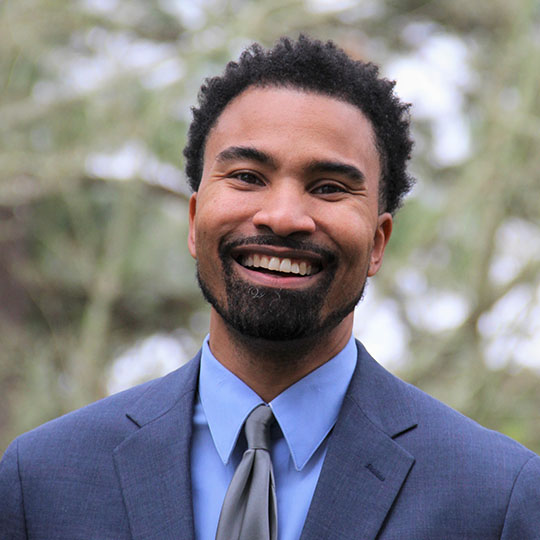
Associate Professor Sam Kirshner is a faculty member at the University of New South Wales within the School of Information Systems and Technology Management . His research focuses on behavioral decision making , algorithmic impact on operations , and artificial intelligence applications in business contexts. PhD in Management Science from Queen’s University, Canada Teaching expertise in data visualization, predictive analytics, and AI ethics Co-author of Business Analytics: A Management Approach Member of the Ethical AI Advisory His research explores how psychological distance and construal level theory influence decisions in supply chains, technology management, and consumer behavior. Recent work examines ChatGPT's decision biases , algorithm aversion , and sustainable operations under financial constraints. Key publication trends show focus areas: AI ethics and human-AI collaboration Behavioral supply chain analysis Temporal/spatial psychological distance effects CO2 forecasting with sparse data Consumer behavior in digital platforms Virtual reality and cognitive processing Supervision roles include mentoring 2 PhD students and 6 honors students, contributing to the next generation of scholars in business analytics and technology management.
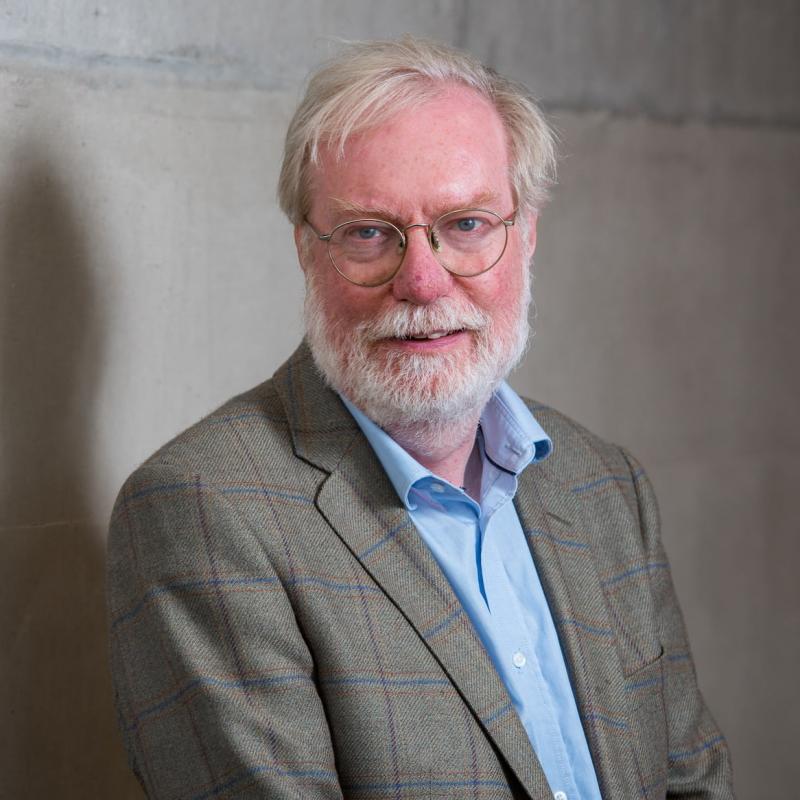
Sir Paul Collier is Professor of Economics and Public Policy at the Blavatnik School of Government, University of Oxford, and serves as the Oxford Academic Director of the International Growth Centre, a collaboration between the LSE and Oxford Universities. He is also a member of the Natural Resource Governance Institute Board. His academic work spans decades of research focused on economic development challenges in the world's poorest regions, bridging theoretical economics with practical policy solutions, particularly in contexts of conflict, natural resource management, and regional economic decline. Professor Collier's research interests center on economic development, with specific focus areas including: Mitigating the challenges of migration and the refugee crisis Understanding urbanization processes in low-income countries Addressing the political economy of resource-rich but economically poor nations Exploring how cultural factors influence economic outcomes Developing frameworks for regional renewal in neglected places Analyzing the relationship between democracy and economic development in fragile states His recent publications reveal a consistent focus on the intersection of economic policy, social cohesion, and cultural dimensions in development contexts. Collier's work increasingly emphasizes the importance of collective learning, social capital, and local agency in reversing economic decline, moving beyond traditional market-centric approaches. Among his notable scientific contributions are: Handesblatt Prize for The Future of Capitalism Arthur Ross Prize for The Bottom Billion Adam Smith Prize by Glasgow's Philosophical Society (2023) Global Citizenship Award by Belgium's cooperative movement (2018) 2025 Axiom Business Book Award for Left Behind Professor Collier actively advises governments and international organizations on development policy, with particular emphasis on practical approaches to regional renewal. His current research project "Establishing state legitimacy and effectiveness in fragile and conflict-affected societies," funded by a British Academy Grant, examines how conflict-affected states can build functional governance capacity. He has also contributed to Oxford University's first MOOC "From poverty to prosperity: understanding economic development," making his expertise accessible globally.
Nico Trocmé is the Philip Fisher Chair in Social Work and Director of the School of Social Work at McGill University. He holds a PhD and MSW from the University of Toronto and has over 30 years of leadership in child welfare research, policy, and practice. His work focuses on child abuse/neglect, First Nations service collaboration, and systemic inequities in child protection systems. Education: PhD, University of Toronto (1992) MSW, University of Toronto (1983) Bachelor of Arts (Philosophy), University of Toronto (1981) Affiliations: Director, School of Social Work (2014–2023) Adjunct Professor, Factor-Inwentash Faculty of Social Work, University of Toronto (2005–2020) Scientific Director, Centre of Excellence for Child Welfare (2000–2008) His research spans national child maltreatment studies (e.g., Canadian Incidence Studies), First Nations partnership initiatives, and policy development. Key areas include socioeconomic disparities in child protection, trauma-informed care, and culturally responsive services for Indigenous communities. He has authored over 230 peer-reviewed publications and led grants totaling $14.3 million. Recent work emphasizes reducing overrepresentation of Indigenous children in systems and addressing mental health inequities. Awards include Fellow of the Royal Society of Canada (2017) and the SSHRC Impact Award (2014). Grants & Projects: Co-developing evaluation mechanisms for Indigenous child welfare (2024–2030) Pan-Canadian Child Welfare Administrative Data Project (2020–2025) Ontario Incidence Study of Child Abuse (2023–2025) Labs/Teams: Canadian Child Welfare Research Portal (cwrp.ca) Centre for Research on Children and Families (McGill) International Society for the Prevention of Child Abuse and Neglect (ISPCAN)
Sir Paul Collier is a distinguished Professor of Economics and Public Policy at the Blavatnik School of Government, University of Oxford, where he also directs the Centre for the Study of African Economies. He serves as the Oxford Academic Director of the International Growth Centre, a collaboration between the London School of Economics and Oxford University. Professor Collier has established himself as a leading authority on development economics, particularly focusing on African economies, poverty reduction, and the political economy of development. His academic journey includes significant public service, having served as Director of the World Bank Research Development Department from 1998 to 2003. He currently advises the International Monetary Fund Strategy and Policy Department and writes regularly for major publications including The Independent and The New York Times. His extensive contributions to economic thought have been recognized with numerous prestigious awards. Professor Collier's research interests span a wide range of critical development issues. He has made significant contributions to understanding the "bottom billion" - the poorest populations in the world - and has developed innovative approaches to addressing regional inequality, natural resource management, and the political barriers to development. His work consistently bridges academic rigor with practical policy applications, making complex economic theories accessible to policymakers and the general public alike. His publications reveal a consistent focus on practical solutions to development challenges. Recent works have examined urbanization in developing countries, the relationship between elections and economic performance, infrastructure investment in Africa, and the cultural foundations of economic success or failure. His research demonstrates how institutional design, cultural factors, and appropriate policy frameworks can enable neglected regions to "spiral up" toward prosperity. A.SK Social Science Award (2013) Arthur Ross Prize (for The Bottom Billion) Handesblatt Prize (for The Future of Capitalism) Adam Smith Prize by Glasgow's Philosophical Society (2023) Global Citizenship Award by Belgium's cooperative movement (2018) Professor Collier is actively engaged in advising governments on practical approaches to regional renewal. His recent work emphasizes the importance of local agency, collective learning, and moral leadership in addressing the challenges faced by neglected communities in both developed and developing countries. He challenges conventional economic orthodoxies that prioritize market forces alone and advocates for more nuanced, context-specific policy approaches that recognize the complex interplay of economic, social, and political factors in development processes.
Xin Lu is the John M. and Mary Jo Boler Collegiate Associate Professor in the Department of Biological Sciences at the University of Notre Dame. She is a full member of the Harper Cancer Research Institute (HCRI), the Boler-Parseghian Center for Rare and Neglected Diseases (CRND), and the Tumor Microenvironment and Metastasis Program at the Indiana University Simon Comprehensive Cancer Center. Her research spans tumor immunology, immunotherapy, metastasis, and multi-omics, with a focus on prostate, breast, and rare cancers. Ph.D. in Molecular Biology, Princeton University (2004–2010) B.S. in Biological Sciences, Tsinghua University, China (2000–2004) Postdoctoral Fellow, Dana-Farber Cancer Institute and M.D. Anderson Cancer Center (2010–2016) Assistant to Associate Professor, University of Notre Dame (2017–Present) Dr. Lu's research investigates the molecular and cellular mechanisms of tumor-immune crosstalk, particularly the role of myeloid-derived suppressor cells (MDSCs) and neutrophils in promoting immunotherapy resistance. Her lab uses genetically engineered mouse models, functional genomics, single-cell and spatial transcriptomics, and high-throughput screening to uncover novel therapeutic targets. A major focus is on how cancer-cell-intrinsic oncogenic signaling shapes the immunosuppressive tumor microenvironment. Her recent publications reveal mechanisms such as Acod1-mediated ferroptosis resistance in neutrophils, Pygo2-driven immunosuppression in prostate cancer, and the efficacy of ketogenic diets in overcoming checkpoint blockade resistance. These studies span multiple disciplines including cancer biology, immunology, metabolism, epigenetics, and bioengineering, reflecting a highly integrative approach to immuno-oncology. Jane Coffin Childs Postdoctoral Fellow John M. and Mary Jo Boler Faculty Appointment Cluster Chair, Cellular & Molecular Biology, IBMS PhD Program Junior Chair, Boler-Parseghian Center for Rare and Neglected Diseases Dr. Lu mentors a diverse team of graduate students, postdoctoral fellows, and undergraduates. Her lab is actively recruiting and has secured funding from federal agencies and private foundations. She collaborates with chemists, bioengineers, and bioinformaticians to develop novel therapeutics, including antibody-drug conjugates, CAR-NK cells, and small-molecule inhibitors. Her lab also develops innovative platforms like mini-tumor chips for immunotherapy evaluation. Her lab maintains affiliations with multiple interdisciplinary centers including the Warren Family Center for Drug Discovery, Eck Institute for Global Health, and Berthiaume Institute for Precision Health, underscoring her collaborative and translational research vision.
Dr. Gaël Kermarrec is a researcher at the Boundary Layer Meteorology Group , part of the Institute of Meteorology and Climatology within the Faculty of Mathematics and Physics at Leibniz University Hannover . His work focuses on atmospheric turbulence, GNSS applications, and remote sensing for environmental monitoring. Boundary layer meteorology Turbulence theory GNSS signal processing Terrestrial laser scanning Climate change impacts Geodetic time series analysis His research integrates advanced mathematical models like LR B-splines and Matérn covariance with large eddy simulations to study: Atmospheric turbulence effects on optical/GNSS signals Hydrospheric mass loading Deformation analysis of terrain/port infrastructure Climatic sea-level changes Machine learning for remote sensing The 15 most recent articles (2025-2023) demonstrate his focus on: GNSS-based turbulence detection AI-enhanced climate mapping Advanced surface approximation techniques Multi-sensor data fusion Stochastic modeling of geodetic observations Environmental impacts on optical measurements He has developed tools like the Klimascanner QGIS plugin for urban climate resilience and contributes to: Understanding atmospheric scale lengths Improving TLS/GNSS deformation monitoring Analyzing hydrospheric changes Wavefront modeling Ionospheric corrections
Dr Olatunji Johnson is a Lecturer in Statistics at The University of Manchester's Department of Mathematics. His research focuses on spatial and spatio-temporal statistics applied to global public health challenges, including tropical diseases like malaria and neglected tropical diseases (NTDs). He holds a PhD in Statistics and Epidemiology and has developed influential geostatistical methods and R packages (SDALGCP and MBGapp) for disease mapping and surveillance. Education: PhD in Statistics and Epidemiology (supervised by Prof. Peter Diggle). Research interests include model-based geostatistics, real-time health surveillance, and hybrid machine learning approaches for spatial data analysis. He is actively seeking PhD students interested in spatial statistics applications. Key Collaborations: Worked on projects in Kenya, Cameroon, Uganda, and Ethiopia, focusing on helminth control, air pollution impacts, and disease burden analyses. Part of the Statistical Advisory Unit and contributes to the UN Sustainable Development Goals through his work on health equity and disease elimination. Notable Projects: Developed methodologies for efficient survey design in NTD programs, air quality studies in African cities, and spatiotemporal modelling of pandemic risks. His work bridges statistical innovation with actionable public health policy.
Yi-Chen Wang is an Associate Professor and Vice-Dean in the Department of Geography at the National University of Singapore, with a visiting position at Taipei Medical University. She holds a PhD in Geography from the University at Buffalo and researches spatial health, neglected tropical diseases, and land use change. Research integrates geospatial technologies to examine relationships between environmental factors and infectious diseases. Current projects investigate liver fluke transmission dynamics in Thailand's Mekong Region and COVID-19 vulnerability in urban Singapore. Work emphasizes human-environment interactions, landscape ecology, and socio-ecological determinants of disease risk. Publications focus on spatial epidemiology, urban health vulnerabilities, and cultural-environmental interactions. Research employs network analysis, GIS mapping, and field surveys to address public health challenges in Southeast Asia. Teaches courses in cartography, geovisualization, environmental modeling, and research methods. Developed GIS minor and master's programs at NUS. Conducts workshops on health GIS applications internationally.
Matthew Joseph Pettway is an Assistant Professor in the Department of Modern and Classical Languages and Literature at the University of South Alabama. He holds a Ph.D. in Hispanic Cultural Studies (2010) and M.A. (2001) from Michigan State University, and a B.A. (1999) from Eastern Michigan University in Business Spanish and Media Production. Education: Ph.D. in Hispanic Cultural Studies, Michigan State University (2010) M.A. in Spanish and Latin American Literatures, Michigan State University (2001) B.A. in Business Spanish and Media Production, Eastern Michigan University (1999) His research focuses on African-Cuban Studies , Afro-Caribbean Spirituality in Literature , and Critical Race Studies . He has published extensively in peer-reviewed journals like PALARA , Zora Neale Hurston Forum , and Afro-Hispanic Review , with recent work on Afro-Brazilian kinship and Cuban ethnographic interviews. Key publications include studies on Juan Francisco Manzano's poetry, Afro-Cuban ritual poetics, and comparative analyses of Caribbean literature. His forthcoming work explores Third-Gender Identity in Medieval Portugal and Afro-Cuban spirituality in Latinx literatures. Scientific Awards: Langston Hughes Visiting Professorship Pettway has taught at multiple institutions including College of Charleston and University of Kansas, offering courses on racial politics, African-based spirituality, and advanced Spanish literature. His teaching spans from 2007 to present, including team-taught courses on Cuban culture.
Brooke Coley is an Assistant Professor in Engineering at The Polytechnic School of Arizona State University . She is also affiliated with the Engineering Education Systems and Design department and serves as an Affiliate Faculty Member in the Mary Lou Fulton College for Teaching and Learning Innovation . Ph.D., Bioengineering, University of Pittsburgh B.S., Chemical Engineering, University of Maryland Research Interests include Engineering Education , Social Justice in STEM , Educational Technology , and Biomechanics . Her work focuses on virtual reality for empathy development, hidden populations in engineering, and inclusive pedagogies . She co-leads NSF-funded studies on diversity in makerspaces and identity formation for underrepresented students. Recent Publications highlight themes of anti-Blackness in STEM , equity in engineering education , and inclusive pedagogical tools . Her 2025 articles explore collaborative innovation , advisor support systems , and intersectional leadership in STEM. Scientific Awards include the Apprentice Faculty Grant from ASEE and the AAAS Science and Technology Policy Fellowship . She advocates for inclusion in research, teaching, and service and mentors the National Society of Black Engineers at ASU. Lab and Teams include NSF-funded studies on makerspaces and community college pathways . She co-facilitates international workshops on inclusive maker pedagogies and collaborates with global institutions to redefine engineering cultures .
Christine Reynier is a distinguished Professor at University Paul-Valéry-Montpellier , holding the prestigious Exceptional Class Professorship since 2011. Her academic career spans over three decades, with previous positions at Universities of Bordeaux3 and Pau. Education : Doctorate in English Studies (Paris 7, 1988); Agrégation in English literature (1981); École Normale Supérieure (1977-1981) Specializing in Modernist literature , she explores connections with Victorian studies and Aestheticism , focusing on the intermedial nature of texts through word/image relationships. Her research encompasses canonical and neglected figures, particularly in short story and essay forms. She has supervised numerous PhD students and leads the EMMA research center at Montpellier. Her editorial work includes editing Cahiers victoriens et édouardiens and co-editing series on Anglophone horizons and art studies. Scientific Awards : European Science Foundation award (2013); multiple national administrative leadership roles
Dr. Chris Brown is a Senior Lecturer in Psychology at Bournemouth University . His research bridges cognitive psychology, neuroscience, and health psychology to investigate attentional mechanisms, emotion regulation, and mental health. Research Focus : Attention processing, interoceptive awareness, affective neuroscience, and pandemic-related stress impacts. Key Themes : Cognitive control, threat processing, ADHD, smoking cessation, and health communication. His recent work explores how interoceptive attention interacts with automatic thought processes and how goal relevance shapes visual search templates. Publications span journals like Emotion , Cortex , and Drug and Alcohol Dependence . Awards & Grants : Leverhulme Trust grant (2024) for "Mapping the distortion of visual search templates". Collaborations with neuroscientists and clinicians focus on attentional traits in interpersonal distancing and addiction neuroscience.
Jorell Meléndez-Badillo is an Assistant Professor of History at the University of Wisconsin–Madison, specializing in Puerto Rican, Caribbean, and Latin American history with a focus on radical ideas and working-class intellectual communities. He holds a Ph.D. in Latin American History from the University of Connecticut and previously taught at Dartmouth College. His research examines how marginalized groups produce and negotiate knowledge, resist colonialism, and imagine futures amid political and economic crises. Education: Ph.D., University of Connecticut; M.A. and B.A., Universidad Interamericana de Puerto Rico Leadership Roles: Vice-President (2025–2026) and President (2026–2028) of the Puerto Rican Studies Association His work includes the 2024 book Puerto Rico: A National History , which reframes Puerto Rico’s colonial history as a nation without a state, and The Lettered Barriada (2021), analyzing working-class intellectual production in early 20th-century Puerto Rico. Current projects explore transnational anarchist networks and Puerto Rican Studies’ future directions. His scholarship spans peer-reviewed articles, edited volumes, and public-facing works in outlets like The Washington Post . Meléndez-Badillo’s research intersects labor history, colonialism, gender studies, and radical movements. He critiques archival silencing, examines anti-colonial resistance, and highlights marginalized voices in Puerto Rico’s political and cultural landscapes. His courses address Caribbean diasporas, transnational utopias, and postcolonial Latin America.
Halvard Buhaug is a Professor II in Political Science at the Norwegian University of Science and Technology (NTNU) and a Researcher I at the Peace Research Institute Oslo (PRIO). His work focuses on the security implications of climate change, including food security, economic shocks, forced migration, and natural disasters. Affiliations: NTNU (Political Science), PRIO (Researcher I) Research Areas: Climate-conflict nexus, environmental security, migration dynamics, peace research Expertise: Quantitative conflict analysis, climate risk modeling, policy-relevant research Buhaug's recent publications analyze climate-induced displacement, conflict risk projections, and the limitations of climate migration models. His interdisciplinary work bridges climate science, political geography, and security studies. Methodologically, Buhaug employs statistical modeling, geospatial analysis, and comparative case studies. He contributes to policy debates through accessible publications in outlets like The Conversation and Political Violence @ A Glance .
Professor Melanie Wilke is a leading figure in cognitive neurology at the University Medical Center Göttingen, where she serves as Director of the Department of Cognitive Neurology and Head of the MR Research Unit. She is also a Co-Investigator in the 'Decision and Awareness' group at the German Primate Center. Her work bridges human and non-human primate neuroscience to investigate the neural basis of perception, awareness, and movement planning. Her research focuses on understanding how distributed neural activity supports spatial awareness and decision-making. Key areas include thalamocortical interactions, neural mechanisms of spatial neglect, and translational models of cognitive disorders. She employs multimodal methods such as fMRI, electrophysiology, brain stimulation (tACS, tDCS, TMS), and inactivation techniques in both human and monkey models. Analysis of her recent publications reveals a strong emphasis on visual consciousness, neural connectivity, and sensorimotor integration. Her work frequently explores the role of the pulvinar and parietal cortex in attention and awareness, using innovative paradigms including no-report tasks and microstimulation. There is a clear translational trajectory from basic mechanisms to clinical applications in stroke and Parkinson’s disease. Fellows Award for Excellence in Biomedical Research, National Institutes of Health, USA (2008) Prof. Wilke leads a dynamic research group and mentors students within several graduate programs, including Systems Neuroscience and the International Max Planck Research School (IMPRS). Her team conducts cutting-edge research using advanced imaging and stimulation techniques. She has secured long-term support through the Herman and Lilly Schilling Foundation Professorship (2011–2022) and continues to lead major projects in cognitive neurology and brain network dynamics. Her laboratory, embedded in the Heart & Brain Center Göttingen, fosters interdisciplinary collaboration and focuses on developing novel therapeutic interventions for cognitive deficits following brain injury. The MR Research Unit under her leadership is central to advancing non-invasive brain imaging and stimulation in both research and clinical contexts.