
Rolf Anker Ims is a Professor of Ecology at the Department of Arctic and Marine Biology, UiT The Arctic University of Norway. He serves as Head of the Climate-ecological Observatory for Arctic Tundra (COAT) , focusing on population, community, and ecosystem dynamics in boreal and Arctic environments. His work emphasizes climate change impacts, adaptive monitoring systems, and food web interactions. Current Research : Arctic-alpine small mammal population dynamics Camera trap methodology for ecological monitoring Predator-prey interactions in cyclic systems Climate change effects on tundra ecosystems Adaptive ecosystem management frameworks Recent Trends : Developing semi-automated image analysis workflows Studying interspecific competition in Arctic foxes Examining parasite dynamics in Svalbard Modeling multi-scale predator-prey systems Collaborations : Leads the COAT program while collaborating with international researchers across institutions like Norwegian Scientific Committee for Food and Environment, and participating in multidisciplinary projects including ECOGEN research group and Arctic Future Pathfinders educational initiatives.
جستجوی استاد راهنمای دانشگاهی
برای مسیر پژوهشیتان، استاد راهنما، استاد دانشگاه و پژوهشگر مناسب را پیدا کنید و با آنها ارتباط بگیرید.
نمایش ۵۷۱-۵۸۵ از ۵۸۸ استاد راهنما
اطلاعات پروفایلها از صفحات عمومی دانشگاهها گرفته شده و ممکن است بهروز نباشد.
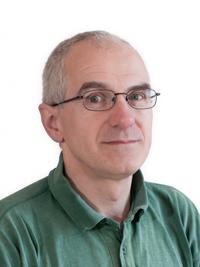
Professor Anthony Paul Doulgeris at the UiT The Arctic University of Norway leads research in Earth Observation within the Department of Physics and Technology . His work focuses on Interpreting satellite radar images for Arctic sea ice studies Developing automated algorithms for large-scale environmental data Advancing SAR (Synthetic Aperture Radar) methodologies His research interests span Remote Sensing , Sea Ice Dynamics , Machine Learning Applications , and Algorithm Optimization for polar environments. Current projects include Boosting Space Business and membership in the Earth Observation research group. Recent publications analyze High-resolution sea ice concentration using Sentinel-1 deep learning models Icberg detection via multiscale CFAR algorithms in L-band SAR Multidecadal SAR sea ice type analysis in the Atlantic Arctic Incidence angle compensation techniques for cross-platform consistency with keywords spanning Arctic Climate , Microwave Remote Sensing , Operational Ice Monitoring , and Data Processing Frameworks . Collaborations include international teams from Norway, China, and Canada, with fieldwork integration in expeditions like MOSAiC and N-ICE2015. His work bridges Satellite Data and Environmental Modeling to improve Arctic navigation and climate predictions.
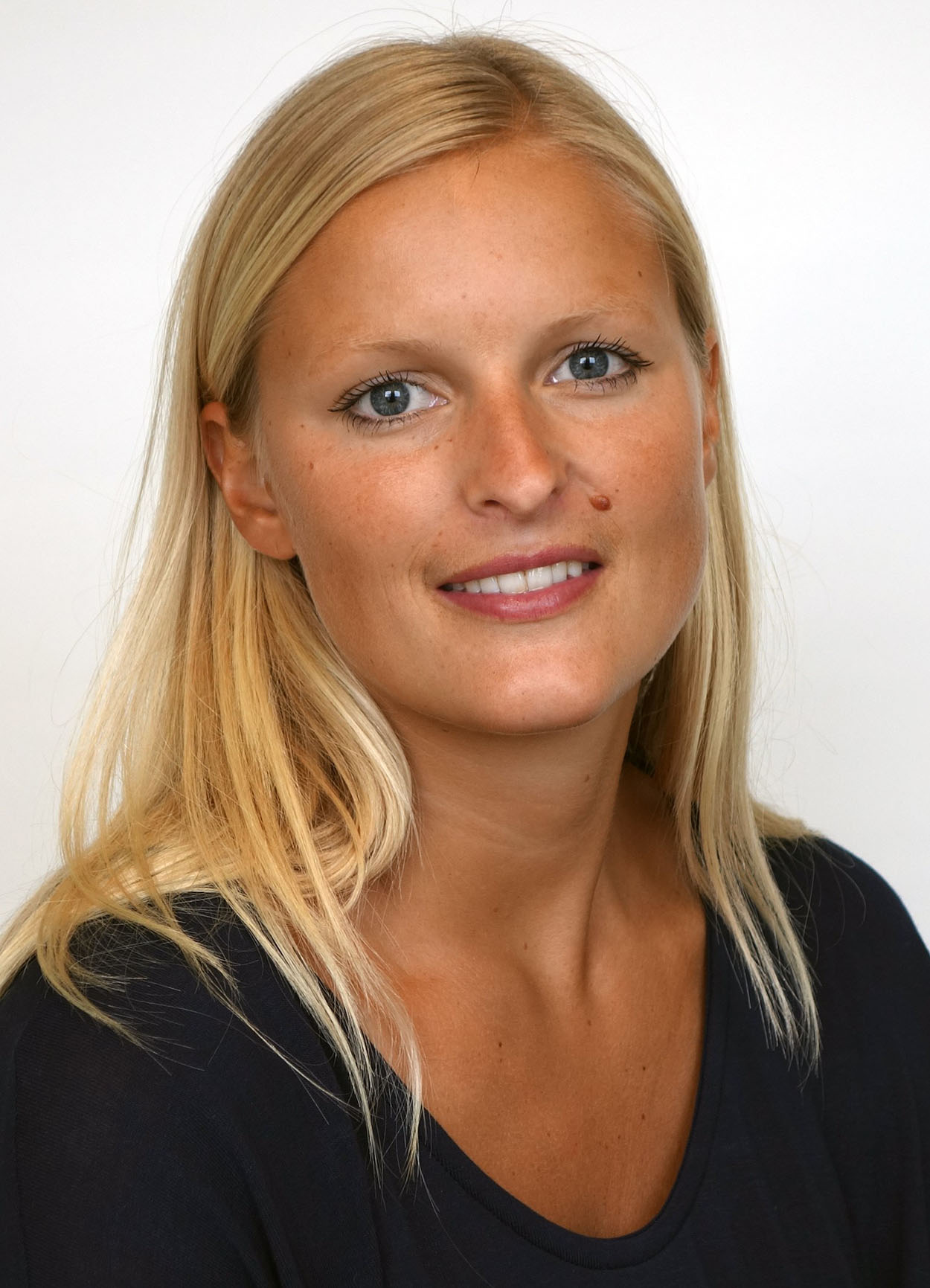
Ida Gjervold Lundeمشاهده پروفایل
استاد مدعو
Ida Gjervold Lunde is an Adjunct Professor at the Department of Cardiology, University of Oslo. Her research focuses on molecular mechanisms underlying cardiac fibrosis, extracellular matrix remodeling, and heart failure. She collaborates with the Cardiovascular Research Group (CRG) and Oslo-CCHR Lab, investigating therapeutic targets for cardiomyopathy and myocardial dysfunction. Her work explores proteoglycans (e.g., syndecan-4, lumican), signaling pathways (TGFβ, calcineurin-NFAT), and mechanical stress responses in cardiac tissue. Key interests include genetic models of heart disease, exercise-induced cardioprotection, and extracellular enzyme inhibition to prevent fibrosis. Recent publications (2022-2024) emphasize reverse myocardial remodeling, t-tubule dynamics in cardiomyocytes, and genetic variants in dilated cardiomyopathy. Her studies utilize preclinical models to bridge molecular discoveries with clinical applications in heart failure management. She mentors through collaborative projects but no formal student advisees are listed. No awards or grants are detailed in the provided text.
Emilio Ruiz Morenoمشاهده پروفایل
پژوهشگر ارشد
Emilio Ruiz Moreno is a Postdoctoral Fellow at Simula Metropolitan's Department of Signal and Information Processing for Intelligent Systems. His work focuses on signal processing, machine learning, and real-time data analysis. Current Affiliation: Simula Metropolitan Center, Oslo, Norway Academic Role: Research Fellow (Signal Processing & Machine Learning) Research Interests: Emilio specializes in trajectory prediction, kernel regression, and zero-delay signal reconstruction. His work addresses challenges in motion-capture sensor data analysis, quantized signal tracking, and multivariate time-series processing for intelligent systems. Key applications include human-computer interaction and biomedical signal modeling. Publications (2021-2025): His research spans statistical signal processing (vector autoregressive models, kriging), adaptive kernel regression, and parallelizable learning frameworks. Technical reports and journal papers emphasize real-time performance and mathematical rigor. Laboratory Affiliation: Works within Simula Metropolitan's Signal and Information Processing for Intelligent Systems department, collaborating on interdisciplinary projects involving artificial intelligence and sensor technology.
Aslak Tveito is a Professor and Simula Fellow at Simula Research Laboratory, working within the Department of Computational Physiology. His research spans computational physiology, biophysics, and scientific computing with a strong focus on cardiac electrophysiology and mathematical modeling. Dr. Tveito's research interests center on computational physiology, particularly in the domain of cardiac electrophysiology. His work integrates mathematical modeling, numerical analysis, and computational techniques to understand cardiac function at multiple scales - from cellular to tissue level. He has made significant contributions to developing computational frameworks for modeling excitable tissues, with particular emphasis on the heart. His research bridges the gap between theoretical mathematics and practical physiological applications, creating models that can predict cardiac behavior under normal and pathological conditions. The publication record reveals a strong trend toward increasingly detailed cellular-level modeling of cardiac electrophysiology. Recent work focuses on nano-scale phenomena, stem cell-derived cardiomyocyte modeling, and the development of efficient computational frameworks that maintain physiological accuracy. His research demonstrates a consistent trajectory from macroscopic cardiac models toward cellular and subcellular resolution, with growing integration of experimental data from microphysiological systems. There's also a clear emphasis on practical applications, particularly in drug testing and arrhythmia mechanisms. Dr. Tveito has established himself as a leading researcher in computational cardiac electrophysiology through his extensive publication record spanning multiple decades. His work has been published in high-impact journals across computational biology, physiology, and applied mathematics. His research program demonstrates strong continuity in mathematical modeling of cardiac systems, with evolving focus toward higher-resolution cellular models and integration with experimental cardiac microphysiological systems. The collaborative nature of his work is evident through numerous co-authorships with both computational scientists and experimental biologists.
Samuel Wallمشاهده پروفایل
استاد پژوهش
- Computational Cardiac Physiology
- Cardiac Electromechanics
- Stem Cell-Derived Cardiomyocyte Modeling
- +۴ مورد دیگر
Samuel Wall serves as Chief Research Scientist and Research Professor in the Department of Computational Physiology at Simula Research Laboratory. His work focuses on developing computational models to understand cardiac electromechanics, with particular emphasis on stem cell-derived cardiomyocytes and personalized heart modeling approaches. His research interests span computational cardiac physiology, mechano-electric feedback mechanisms, stem cell-derived cardiomyocyte modeling, and drug response prediction. Wall's work integrates advanced computational methods with experimental cardiac physiology to create in-silico tools for evaluating cardiac function, tissue engineering applications, and drug effects. His research has significant implications for understanding arrhythmia mechanisms, cardiac remodeling, and developing more accurate preclinical drug testing platforms. Analysis of Wall's recent publications reveals a strong trend toward integrating computational modeling with microphysiological systems, particularly using human-induced pluripotent stem cell-derived cardiomyocytes. His work increasingly focuses on creating in-silico augmented platforms that combine experimental measurements with computational analysis to improve drug response prediction and understand fundamental cardiac mechanisms. The research spans multiple scales from sub-cellular mechanics to whole-organ function. Wall maintains active collaborations with leading institutions in cardiac modeling and biomedical engineering. His work frequently appears in high-impact journals spanning computational science, physiology, and biomedical engineering fields.

Vilde Olsson Lalunمشاهده پروفایل
پژوهشگر ارشد
Vilde Olsson Lalun is a postdoctoral fellow at the Centre for Ecological and Evolutionary Synthesis (CEES), University of Oslo. She obtained her BSc and MSc in Molecular Biology at UiO in 2013 and 2015, respectively, and completed her PhD in Genetics in 2020 under the supervision of Prof. Melinka Alonso Butenko. Her current research integrates experimental biology and bioinformatics within the interdisciplinary REPEAT project, focusing on how short tandem repeat (STR) variation influences adaptation and gene expression in Arabidopsis thaliana and Atlantic cod. Education 2013 – BSc in Molecular Biology, University of Oslo 2015 – MSc in Molecular Biology (Plant Genetics), University of Oslo 2020 – PhD in Genetics, Department of Biosciences, University of Oslo Thesis: "Molecular investigation of receptor kinase signaling specificity in Arabidopsis thaliana" Research Interests Dr Lalun’s work sits at the intersection of molecular plant biology , evolutionary genomics , and functional genetics . During her PhD she dissected peptide ligand–receptor kinase specificity using the IDA–HAE/HSL2 signalling module as a model. Presently, she investigates how STR length polymorphisms modulate gene expression and organismal fitness under environmental stress, leveraging both Arabidopsis and Atlantic cod as complementary model systems. Core methodological strengths include generation of transgenic lines, advanced live-cell imaging, quantitative microscopy, and integrative bioinformatic analyses. She actively contributes to the REPEAT consortium, an interdisciplinary team that addresses fundamental questions of genome plasticity and climate adaptation. By coupling large-scale comparative genomics with targeted experiments, the project aims to clarify how repetitive DNA elements shape regulatory networks controlling development and immunity. Publication Profile Across 11 peer-reviewed papers (2017-2025) in high-impact journals such as Nature Communications , PNAS , eLife , and Plant Cell , her research spans three major themes: Functional dissection of peptide signalling pathways in plant development and immunity. Comparative genomics of short tandem repeats and their impact on gene regulation. Mechanistic studies of receptor kinase activation and signalling specificity. The 2024-2025 outputs include a lead-author review on plant peptide ligands and multi-omics studies that link STR variation to gene body architecture in eukaryotes. Teaching & Outreach Dr Lalun is a committed educator and science communicator. She instructs two undergraduate courses: BIOS1120 – Physiology BIOS3610 – Molecular Plant Science Beyond the classroom she co-hosts the Norwegian-language podcast BioPodden , produces popular-science YouTube lectures, and gives interviews that demystify plant genetics for the public. Collaborations & Networks She is an active member of the Butenko Group at UiO and collaborates extensively within the CEES and the national REPEAT project network. The lab provides cutting-edge facilities for molecular biology, microscopy and bioinformatics, ensuring a vibrant environment for integrative research.
- ABC transporters
- Alzheimer's disease
- Neurodegeneration
- +۱۲ مورد دیگر
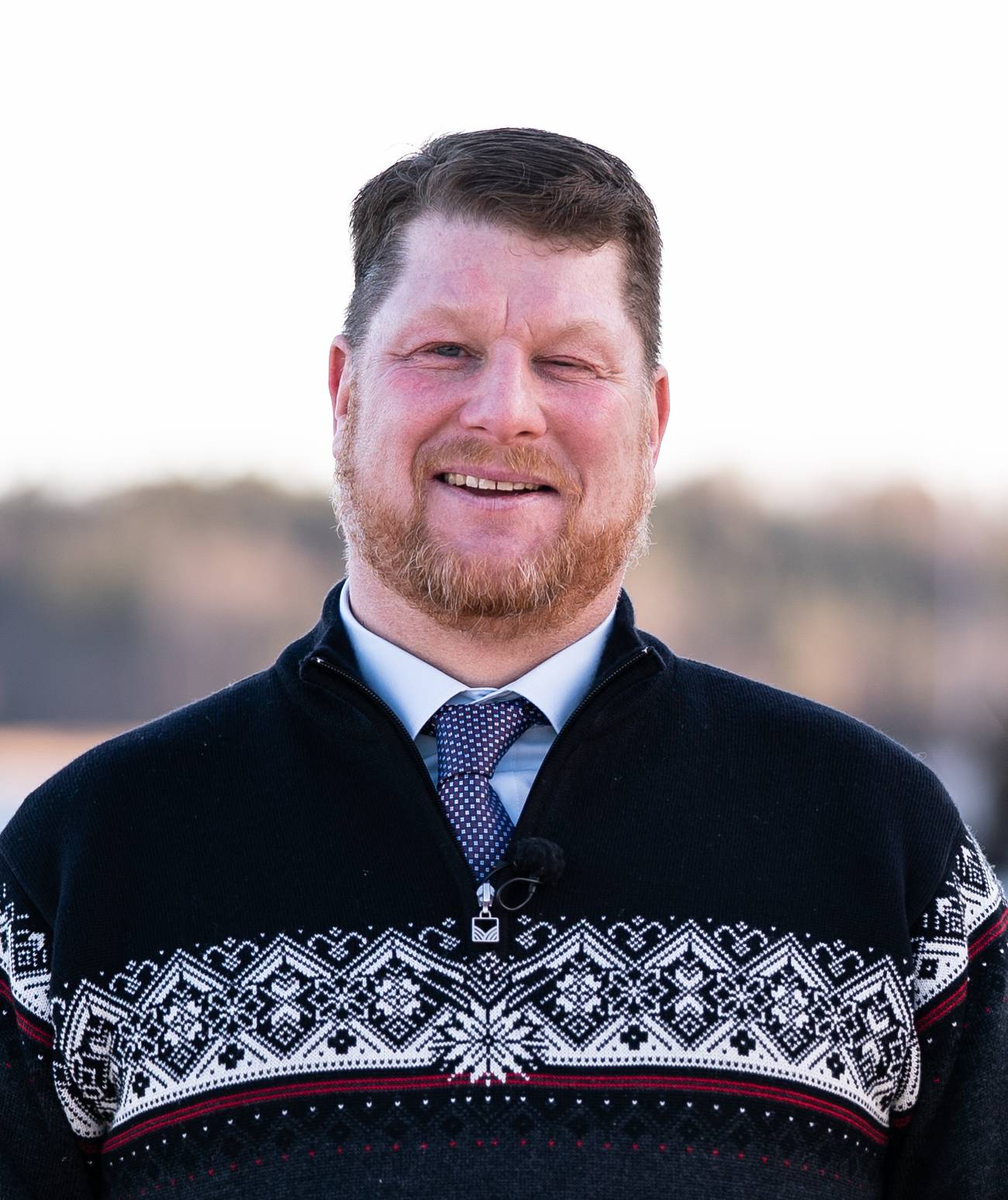
Jens Pahnke is a Professor at the University of Oslo, Department of Pathology (PAT) at the National Hospital. He leads the Pahnke Lab in Dementia Research, focusing on molecular mechanisms and treatment options for neurodegenerative diseases with special emphasis on Alzheimer's disease. His laboratory investigates clearance mechanisms of toxic peptides via the blood-brain barrier, new imaging techniques, mitochondrial function, and neuroimmunological mechanisms. Dr. Pahnke's primary research interests include ABC transporters, Alzheimer's disease, Parkinson's disease, Huntington's disease, blood-brain barrier function, and mouse models of neurodegeneration. His work particularly emphasizes the role of ABC transporters in neurodegenerative processes, with significant contributions to understanding how these transporters affect disease progression and potential treatment avenues. His lab utilizes advanced techniques including mass spectrometry imaging (MSI), AI/ML-assisted data analysis, and comprehensive OMICS approaches (metabolomics, lipidomics, proteomics). Analysis of his 15 most recent publications reveals a strong focus on ABC transporter function in neurodegenerative diseases, particularly ABCA7 in Alzheimer's and Huntington's disease. His research demonstrates sex-dependent treatment responses, connections between lipid metabolism and neurodegeneration, and promising repurposing of existing drugs like FTY720 for Huntington's disease. His work bridges basic science with translational applications, including the development of imaging techniques to assess transporter function and the investigation of natural compounds like St. John's Wort for therapeutic potential. Dr. Pahnke is actively involved in several major research initiatives including the HDFTY study investigating FTY720 for Huntington's disease treatment (planned start 2025) and the A7HD project examining ABCA7 dysregulation in Huntington's disease (2025-2028). His laboratory has established collaborations with researchers across Norway, Latvia, Israel, Germany, Czech Republic, France, and Sweden, creating a strong international network focused on neurodegenerative disease research. His lab employs cutting-edge methodologies including mass spectrometry imaging with 20µm resolution, AI/ML-assisted segmentation of MS spectra, and sophisticated mouse models of neurodegenerative diseases. They have demonstrated that ABCA7 functional modulation significantly affects disease onset and severity in Huntington's disease, with female mice showing complete rescue until 57 weeks of age when ABCA7 is knocked out, while male mice exhibit a significant delay in disease progression of more than 10 weeks.
- Climate Modeling
- Oceanography
- Arctic Climate
- +۳ مورد دیگر
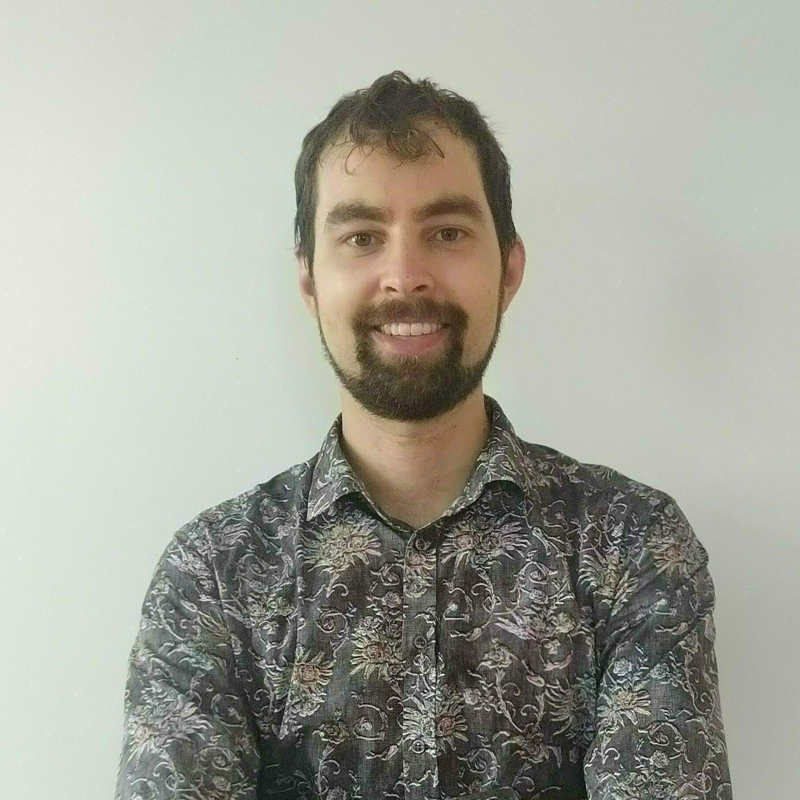
Aleksi Nummelin serves as Senior Researcher at NORCE Norwegian Research Centre in Bergen, Norway, within the Division of Climate & Environment and Earth Systems Research Group. He is a principal contributor to the Norwegian Earth System Model (NorESM) development team, applying this framework to investigate climate dynamics across geological timescales. His institutional affiliation includes multiple funded projects examining polar ocean processes, Arctic climate transformation, and deep-time paleoclimate systems. Nummelin's research centers on Earth system modeling with specialization in Arctic climate dynamics, ocean circulation mechanics, and paleoclimate transitions. He investigates critical phenomena including Arctic amplification feedbacks, Southern Ocean convection shutdown mechanisms, and bathymetric influences on climate evolution. His methodological expertise spans high-resolution coupled modeling, mesoscale eddy parameterization development, and model-data integration for paleoclimate validation. Recent publication trends (2023-2025) reveal concentrated focus on Arctic system transformation, with significant contributions to understanding Atlantification divergence across models, winter amplification sensitivity, and sea-level rise impacts on global circulation. His paleoclimate work examines Eocene-Oligocene transitions and Dansgaard-Oeschger events through the lens of ocean gateway evolution and deep-ocean temperature reconstruction, demonstrating consistent integration of geological insights with modern modeling frameworks. Nummelin leads or contributes to multiple funded initiatives including MAPARC (Mechanism and prediction of the new Arctic climate system) and DOTpaleo (Deep Ocean Temperatures in the Paleogene Greenhouse), which support international collaborations and advanced model development. While student supervision details aren't specified, his projects provide substantial research opportunities in climate modeling and polar oceanography. As core member of NORCE's Earth Systems Research Group, Nummelin operates within the NorESM development team that contributes to international modeling efforts including CMIP6. This group maintains leadership in polar climate modeling, with particular expertise in Arctic ocean-sea ice interactions, paleoclimate applications, and high-resolution process studies that inform both contemporary climate understanding and future projections.
Professor Mark C. Price is a faculty member in the Department of Social Psychology at the University of Bergen, Norway. He is affiliated with several research groups including the Research Group for Teaching and Learning in Higher Education and the Research Group on Decision Making, Intuition, Consciousness and Emotions (DICE Group). His research focuses on: Synesthesia (particularly "tickertape experience" and "sequence-space synesthesia") Visual imagery Intuition and awareness in implicit learning Consciousness research and "The Hard Problem of consciousness" (explaining subjective experiences scientifically) Professor Price teaches various subjects within perception, attention and consciousness, and serves as course leader for the cognitive psychology module PROPSY305, an international course taught in English. His research spans multiple disciplines within cognitive psychology and consciousness studies, with a particular emphasis on understanding how subjective experiences can be scientifically investigated through empirical methods. His publication record shows consistent output from 2000 to 2021, with recent work focusing on synesthesia frameworks, visual imagery measurement, and the relationship between strategic control and conscious knowledge. The research demonstrates interdisciplinary connections between cognitive psychology, neuroscience, and philosophy of mind, particularly in addressing how subjective experiences can be measured and understood within scientific frameworks. Professor Price is affiliated with the Bergen Laboratory for the Study of Decision, Intuition, Consciousness, and Emotion (DICE), where he conducts empirical research on consciousness phenomena. His work contributes significantly to our understanding of the boundaries between conscious and unconscious cognitive processes, with implications for both theoretical understanding and potential clinical applications.

Bjørn Sætrevik is a Professor at the Department of Social Psychology, University of Bergen. His work bridges cognitive and social psychology with applied human factors, emphasizing real-world problem-solving in high-stakes environments. Research Focus: He investigates cognitive processes (attention, decision biases, mental models) and social dynamics (team communication, situational awareness). Key themes include pandemic behavior (e.g., compliance drivers), maritime safety, and technology-enhanced collaboration. His studies often employ field experiments and large-scale surveys to capture nuanced human behavior. Publication Trends: Recent articles (2022–2025) show a strong emphasis on crisis response—particularly COVID-19 risk perception and containment—alongside innovations in augmented reality for teamwork. Replication studies and cross-cultural validations are recurring motifs, reflecting his commitment to robust psychological science. Projects and Impact: He leads projects on police decision-making simulations, clinical bias reduction, and maritime human factors. His dissemination efforts include accessible science writing on cognitive myths and AI ethics, extending academic insights to public discourse.

Hannah Snyderمشاهده پروفایل
دانشیار
Hannah Snyder is an Associate Professor at the Department of Marketing, BI Norwegian School of Business. She holds a PhD from Linköping University (2016) and has held academic positions internationally, including at University of Queensland and Karlstad University. Her professional affiliations include: Associate Professor at BI Norwegian School of Business (2020-Present) Researcher at Karlstad University (2020-2022) Assistant Professor at BI Norwegian Business School (2016-2020) Lecturer at University of Queensland (2016-2017) Her research focuses on service marketing with specialization in review methodology, service innovation, customer creativity, and co-creation. She investigates emerging areas including consumer deception in service encounters, sustainable business models, and AI's role in service ecosystems. Her work combines theoretical rigor with practical insights for service organizations. Analyses of her recent publications (2019-2025) reveal strong emphasis on service innovation frameworks, methodological advancements in literature reviews, consumer behavior psychology, and sustainable service design. Key thematic evolutions include increased focus on AI ethics in service contexts and critical examinations of innovation sustainability. She maintains active knowledge translation through practitioner-oriented publications and lectures addressing consumer lying behavior and business model innovation. No information about laboratory leadership, student advising, or scientific awards is available in the provided materials.
- Ecology
- Biodiversity
- Population biology
- +۳ مورد دیگر
Olav Skarpaas is a Professor at the Natural History Museum, University of Oslo, where he leads the Geo-ecological research group (GEco) since 2019. With a Dr. scient. from the University of Oslo in 2003, his career includes postdoctoral work at Penn State University and CEES, UiO, followed by research positions at the Norwegian Institute for Nature Research (NINA) before joining UiO as Professor in 2017. Professor Skarpaas' research focuses on ecological processes controlling biodiversity distribution and dynamics, with particular expertise in spatial modeling, climatic ecology, and experimental approaches to understanding species-environment relationships. His work spans theoretical ecology and applied conservation, addressing pressing issues like climate change impacts, land use effects, and invasive species management. His extensive publication record shows a consistent focus on biodiversity assessment methods, species distribution modeling, and ecosystem dynamics. Recent work increasingly incorporates machine learning techniques and addresses climate-biodiversity interactions at multiple scales, from local vegetation studies to global climate threshold analyses. Professor Skarpaas actively contributes to environmental policy through projects like the Nature Index for Norway and scientific opinions for the Norwegian Scientific Committee for Food and Environment. His collaborative approach is evident in numerous national and international research projects including SeedClim, INCLINE, LATICE, and NiN. As an educator, he teaches specialized courses in distribution modeling, Norwegian natural variation, botanical diversity, and ecological climatology, training the next generation of ecologists in both theoretical frameworks and practical analytical skills. The Geo-ecological Research Group under his leadership serves as a hub for innovative ecological research that bridges theoretical understanding with practical conservation applications, making significant contributions to both scientific knowledge and environmental management in Norway and beyond.

Matthew David Dalzielمشاهده پروفایل
پژوهشگر ارشد
- Architecture
- Urban Studies
- Posthumanism
- +۳ مورد دیگر
Matthew David Dalziel is a PhD Fellow at the Institute of Architecture, Oslo School of Architecture and Design (AHO), actively contributing to architectural discourse through research and publication. His institutional affiliation positions him within Norway's premier architecture academy, focusing on critical theoretical interventions in contemporary design practice. Dalziel's research interrogates architecture's relationship with ecological crisis and post-anthropocentric futures. Key interests include posthuman design ethics that challenge human exceptionalism, degrowth frameworks for sustainable resource use, and landscape overgrowth as political spatial practice. His work synthesizes philosophy, environmental science, and architectural theory to propose alternatives to extractive design paradigms, emphasizing non-human agency and multispecies cohabitation in the built environment. Analysis of his 2019-2022 publications reveals consistent engagement with political ecology and critical urban theory. Articles traverse speculative design, curatorial practice, and degrowth economics, demonstrating interdisciplinary reach while maintaining architectural core concerns. His writing appears in respected venues including Nordic Journal of Urban Studies and e-flux Architecture, indicating international scholarly recognition. As an emerging researcher, Dalziel participates in AHO's academic ecosystem through doctoral work and Triennale contributions. While no awards or lab affiliations are documented, his publication trajectory suggests growing influence in critical architecture circles. Prospective collaborators should note his focus on philosophical rigor combined with practical design implications, particularly regarding climate-responsive and equity-centered spatial practices.
Hege Hofstadمشاهده پروفایل
استاد پژوهش
- Governance
- Co-creation
- Public Leadership
- +۵ مورد دیگر
Hege Hofstad serves as a Research Professor at Oslo Metropolitan University's Centre for Welfare and Labour Research, specifically within the Norwegian Institute for Urban and Regional Research. Her work focuses on the Welfare, Democracy and Governance research group. Her research centers on governance and co-creation processes between public authorities, civil society, business actors, and knowledge institutions. Key interests include public health, climate change, sustainability transitions, and leadership dynamics in local community development and spatial planning. Her work examines how multi-stakeholder collaborations implement long-term societal goals at municipal levels across Scandinavian cities. Her recent publications demonstrate consistent engagement with urban climate governance, circular economy transitions, and social sustainability frameworks. Key themes include democratic limitations in climate policy, leadership tensions in co-creation, and evolving citizen roles in public service design. Her methodological approach combines comparative case studies across Oslo, Bergen, Stockholm, Gothenburg, and Cape Town with theoretical innovation in hybrid governance systems. Hofstad actively contributes to policy-oriented research through projects like CIRCULAR (circular economy innovation), DEMOCLIM (climate protest responses), and GreenGov (comparative green transition governance). Her work bridges academic research and practical implementation through guides for city leaders and community development frameworks.