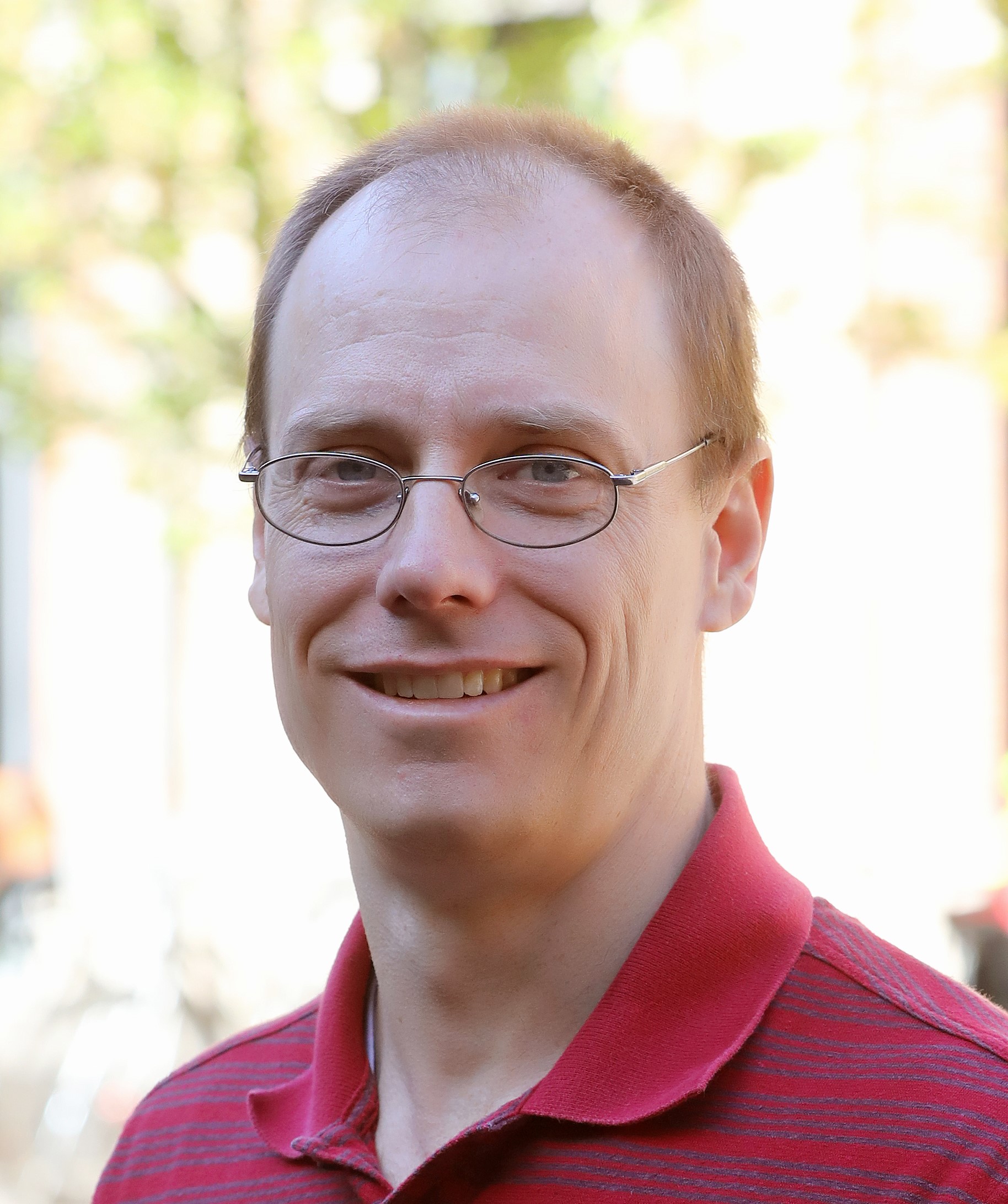
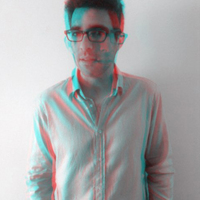
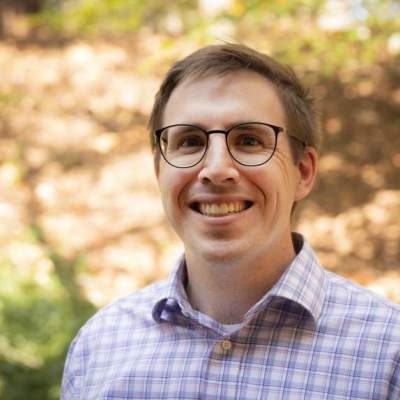
Dr. David Carter is an Assistant Professor of Applied Forest Ecology and Silviculture at the Department of Forestry , Michigan State University (MSU). He holds a Ph.D. in Forest Resources (2018) from the University of Minnesota, an M.S. in Forest Resources (2015) from the University of Maine, and a B.S. in Forest Science (2010) from the University of Wisconsin. His research focuses on manipulating forest structure and composition to address climate change adaptation, forest restoration, and high-yield forestry. He has co-directed the Forest Productivity Cooperative at Virginia Tech and teaches courses like the National Advanced Silviculture Program and Applied Forest Ecology 406L. Awards: Fralin Life Sciences Junior Scholar Award (2022) Carolyn Crosby Grant (2016) Outstanding Master’s Student Award (2015) Dr. Carter’s work includes over 40 peer-reviewed publications on topics like forest productivity optimization, soil nutrient dynamics, and remote sensing applications. He is affiliated with the Hanover Forest Science Seminar Series and contributes to initiatives like the Forest Carbon & Climate Program at MSU.
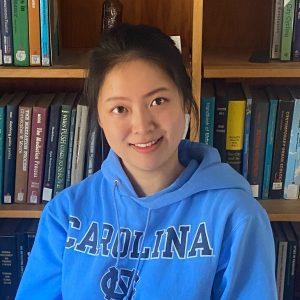
Xinlin Ma is a Research Professor in the Department of City and Regional Planning at the University of North Carolina at Chapel Hill. Her research focuses on urban land use, sustainability, and equity, leveraging big data and thick data to analyze urbanization impacts and policy implications. She holds a Ph.D. in Human Geography from Peking University, China, where she pioneered space-time behavior research linking environmental exposure and neighborhood integration. Dr. Ma leads a National Natural Science Foundation of China (NSFC) grant investigating urban spatial justice through space-time behavior and mobility. Her work addresses urban redevelopment policies’ environmental and equity dimensions. She is affiliated with the Program on Chinese Cities, contributing to interdisciplinary urban studies. Her recent publications explore urban retrofitting frameworks, migrant health in aging populations, and environmental inequity in heat mitigation. Key themes include mobility’s role in social isolation, technology-mediated socialization, and climate adaptation strategies. Current projects emphasize policy evaluation and data-driven urban solutions. Awards: None explicitly listed. Grant activity includes NSFC funding for spatial justice research. Advising: Currently not accepting PhD students. Lab affiliations include the Program on Chinese Cities focusing on urbanization and policy analysis.
Nathan Miller is a Professor of Economics at Georgetown University, holding dual affiliations with the McDonough School of Business and the Department of Economics. He serves as Chief Economist of the U.S. Department of Justice Antitrust Division under the Biden administration. His research focuses on industrial organization, antitrust economics, and market power dynamics, with notable contributions to merger analysis and procurement markets. Education: PhD in Economics from University of California, Berkeley (2000s) and BA in Economics from University of Virginia (1990s). He is a Research Associate at the National Bureau of Economic Research (NBER) and editorial board member of the Journal of Law and Economics and International Journal of Industrial Organization . Research Interests: Mergers & Competition Policy, Market Power Measurement, Procurement Market Analysis, Cement Industry Studies, and Climate Policy Impacts on market structures. His work often combines structural econometric models with policy analysis. Key Recent Work: Analyzing buyer power in beef packing industries, modeling price leadership in oligopolistic markets (e.g., U.S. beer industry), and evaluating welfare effects of forward contracts. He co-authored influential papers on merger policy critiques and rising market power trends. Professional Roles: Served as Chief Economist at DOJ Antitrust Division (2021–present), advising on antitrust enforcement strategies. Active in policy debates on rising market power and merger guidelines reform. Labs/Teams: Collaborates with interdisciplinary teams at NBER and DOJ, focusing on applied industrial organization and policy-relevant research.
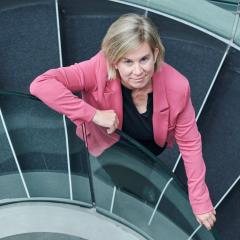
Susanna Cramb is an Associate Professor and Principal Research Fellow at Queensland University of Technology's School of Public Health and Social Work. As an epidemiologist and biostatistician, she investigates spatial disparities in chronic disease outcomes with particular expertise in Bayesian spatio-temporal modeling of cancer survival inequalities. Her work has directly influenced government policy on health equity. Her research interests focus on: Developing advanced statistical methods for disease mapping Analyzing geographic variations in cancer incidence and survival Examining health inequalities related to residential location Applying Bayesian approaches to public health challenges Her publications demonstrate consistent focus on spatial epidemiology methodologies applied to cancer, diabetes, and injury outcomes. Recent work shows increasing application of machine learning techniques alongside traditional Bayesian approaches for health risk prediction. Awards recognizing her contributions include: Queensland Women in STEM Judges' Award (2024) Queensland Young Tall Poppy Science Award (2020) Superstar of STEM (2019/2020 cohort) JK Barrie Award for Overall Excellence for the Australian Cancer Atlas She leads several major projects including the PLACE for Change initiative examining health inequalities, and novel modeling approaches for neighborhood design impacts on chronic disease risk, collaborating with institutions like Cancer Council Queensland.
Catherine Kim is a Postdoctoral Research Fellow at the School of Earth & Atmospheric Sciences. She focuses on marine science, particularly coral reef restoration and adaptation, leading projects like the Reef Restoration and Adaptation Program (Rubble and Decision Science sub-programs) alongside Professors Scott Bryan and Michael Bode. Her work includes predicting coral rubble dynamics on the Great Barrier Reef and developing a flood vulnerability index for Brisbane City with Dr Kate Saunders and Associate Professor Kate Helmstedt. She earned her PhD in marine science from the University of Queensland, where her research explored coral health and biodiversity in Timor-Leste. Dr. Kim’s research interests span coral reef ecology, geospatial analysis, and disaster risk assessment. She actively promotes STEM diversity through initiatives like R Ladies Brisbane and the Wonder of Science program. Notable achievements include a 2022 Queensland Women in STEM Awards Finalist recognition and grants totaling over AUD 100,000, including the Society for Conservation Biology Small Grant and the Elodie Sandford Explorer Award. Education: PhD (University of Queensland). Affiliations: Centre for Data Science, Coral Reef Ecosystems Laboratory, Brisbane Floods Hackathon leadership. Outreach: Co-organizer of Geospatial Community and R Ladies Brisbane, Young Science Ambassador (Wonder of Science). Her scientific contributions include advancing AI-driven coral reef monitoring and advocating for linguistically inclusive academic publishing. Current projects emphasize bridging geospatial science with environmental conservation to address climate change impacts.
Md. Abu Bakar Siddique serves as a Senior Scientific Officer at the Institute of National Analytical Research and Service (INARS), Bangladesh Council of Scientific and Industrial Research (BCSIR), currently on study leave while pursuing his Ph.D. in Chemistry at Howard University. With over a decade of research experience, he has established himself as a leading environmental chemist in Bangladesh specializing in water quality analysis, heavy metal contamination, and sustainable remediation technologies. His educational credentials include a B.Sc. (Honors) in Chemistry (2009), M.S. in Inorganic Chemistry (2011) from the University of Chittagong, and an M.Phil. in Physical and Inorganic Chemistry (2018) from Bangladesh University of Engineering and Technology (BUET). He received the Chittagong University Dean's Scholarship based on his undergraduate academic performance and maintains life memberships in the Bangladesh Chemical Society and Network of Instrument Technical Personnel and User Scientists of Bangladesh. Dr. Siddique's research spans analytical, environmental, and materials chemistry with particular focus on pressing environmental challenges in Bangladesh. His laboratory work combines traditional analytical techniques with computational approaches and machine learning to address water treatment, microplastics pollution, phytoremediation, and waste management issues. He has pioneered studies on heavy metal contamination in Bangladesh's coastal regions, river systems, and urban centers, with strong emphasis on human health implications. His extensive publication record reveals a clear trend toward interdisciplinary research that bridges environmental chemistry with data science and public health. Recent work increasingly incorporates machine learning models for pollution source identification and health risk assessment, reflecting his growing expertise in computational environmental analysis. Chittagong University Dean's Scholarship based on B.Sc. (Honors) result As a research supervisor, Dr. Siddique has jointly mentored over 30 M.S. thesis students from multiple Bangladeshi public universities. His laboratory at INARS maintains ISO/IEC 17025:2017 accreditation for water quality testing and conducts research using advanced instrumentation including Atomic Absorption Spectrometry. His current Ph.D. research at Howard University with Dr. Mirza Galib continues his focus on environmental analytical chemistry while expanding into new methodological approaches. The Inorganic Analytical Research Laboratory under his contribution has been instrumental in developing analytical protocols for environmental monitoring across Bangladesh. His work with the Bangladesh Accreditation Board as a technical assessor demonstrates his leadership in establishing national standards for analytical laboratories, further extending his impact beyond direct research contributions.
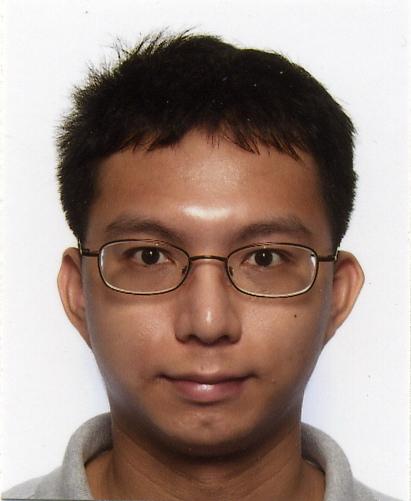
Ken M. L. Yiu is a Professor in the Department of Computing at Hong Kong Polytechnic University , Faculty of Engineering. He received his PhD and Bachelor's degree from the University of Hong Kong in 2006 and 2002, respectively, and was previously affiliated with Aalborg University (2006–2009). He is a leading researcher in databases, with a focus on spatiotemporal data, query processing, and multidimensional data management. PhD, University of Hong Kong (2006) Bachelor of Computer Engineering, University of Hong Kong (2002) His research interests lie at the intersection of database systems and spatial analytics. He investigates efficient indexing, query optimization, and privacy-preserving techniques for large-scale spatial and temporal datasets. His recent work explores learned index structures, GPU-accelerated query processing, and high-dimensional data retrieval. He has made significant contributions to spatial query processing, trajectory analytics, and location-based services. The trends in his recent publications (2021–2025) reflect a strong focus on high-performance database systems, including GPU acceleration (GHive), perfect hashing on GPUs (GPH), and learned cardinality estimation. His work increasingly integrates machine learning with traditional database techniques, as seen in AlayaDB for LLM inference and learning-based query optimization. He also continues to advance core database problems such as spatial indexing, trajectory analysis, and similarity search. SSTD 2025 10-Year Impact Award Ken Yiu has successfully led multiple competitive research projects funded by the Hong Kong GRF, including grants on learned index structures (2024–2026), smart memory for vector data mining (2021–2023), and efficient spatial data management (2017–2019). He has supervised numerous PhD and MPhil students, many of whom now hold academic positions (e.g., Bo Tang at SUSTech, Yu Li at HDU) or work in top tech companies (e.g., Huawei, Alibaba). His professional service is extensive, including roles as PI for major grants, area chair (ICDE 2024), and program committee member for top conferences like SIGMOD, VLDB, and ICDE. He is actively involved in research groups and projects related to database systems, particularly in spatiotemporal data management and efficient query processing. His lab collaborates closely with students and co-supervisors like Bo Tang on topics such as trajectory mining, spatial indexing, and learned databases. The research group maintains strong ties with international institutions and contributes to major open problems in database performance and scalability.
Professor Jennifer Roberts is a Professor of Economics at the University of Sheffield's School of Economics. She holds a PhD in Economics from the University of Leeds (1993) and has held academic roles since 1990. Her research focuses on applied microeconometrics, health-labour market interactions, health valuation (notably the SF-6D index), and well-being economics. She collaborates widely on projects like the Health Foundation's health-and-work initiative and Nuffield Foundation's disability employment gap analysis. Education: BSc Social Sciences (Economics) – Bristol Polytechnic, 1987 MSc Economics – University of Leeds, 1988 PhD Economics – University of Leeds, 1993 Research Interests: Health economics and valuation metrics (e.g., SF-6D) Labour market outcomes tied to health conditions Disability employment disparities Commuting behaviour and health impacts Behavioural economics and decision-making Notable Awards: 2002 International Society for Quality of Life Prize for SF-6D article Collaborations and Grants: Health Foundation project on health and work Nuffield Foundation disability employment gap study ESRC-funded research on microeconometric health data analysis Labs/Teams: Active in ScHARR (School for Health and Related Research) collaborations and the Sheffield Economic Research Group.
Francisco Javier Escribano Aparicio is an Associate Professor at the University of Alcalá, affiliated with the Department of Signal Theory and Communications. His research focuses on advanced communication systems, including chaos-based modulation, massive MIMO, optical wireless communications, and signal processing for IoT networks. He earned his Doctorate from Universidad Rey Juan Carlos with a thesis titled 'Communications Systems Based on Chaos' (2007), supervised by Dr. Miguel Ángel Fernández Sanjuán and Dr. Luis López Fernández. His work emphasizes practical applications of theoretical concepts in wireless communication systems, particularly in mitigating signal degradation issues like phase noise and intersymbol interference. He has contributed to protocols such as Slotted Aloha with Capture for Optical Wireless IoT systems and developed denoising techniques for space instrumentation data. Recent publications highlight trends in massive MIMO phase noise compensation, chaos-based reliable communications, and optical wireless system design. His research bridges chaos theory with real-world communication challenges, aiming to enhance system reliability and performance in fading channels and turbulent environments.
Francisco Antonio García Triviño is an Assistant Professor of Architecture at the University of Alcalá and Universidad Camilo José Cela. He holds a doctorate from the Universidad Politécnica de Madrid (2014) with a thesis on error as a productive system in architecture. His research focuses on the intersection of architecture with animals, urban ecology, and citizen participation in science. He co-directs the indexed journal HipoTesis and the architecture studio Kune Office, advocating for co-production and multispecies urbanism. He has directed projects like 'Architecture and Urban Fauna' and co-led the 'Relatos en la Espera' citizen innovation project. Awards include the FAD Prize (2016) and SEK Educational Innovation Prize (2018). His work bridges architectural theory with practical interventions, emphasizing ethical and ecological considerations in urban design.
Janelle Gifford is a Senior Lecturer in the Discipline of Exercise and Sport Science at the University of Sydney's Faculty of Health Sciences. She teaches nutrition to exercise science and dietetics students and holds clinical expertise in sports dietetics and metabolic syndrome. Her research focuses on masters athletes' health, nutrition literacy, and sports nutrition. Janelle has over 65 publications in peer-reviewed journals, book chapters, and conference proceedings. She is an Advanced Accredited Practising Dietitian (APD) and Advanced Sports Dietitian, with 20 years of APD experience and 15 years in private practice. She contributes to the Exercise Physiology and Nutrition research team. Education: BBus (Computing & Management Information Systems), Charles Sturt University BSc (Human Movement Science & Nutrition), University of Wollongong MSc (Nutrition & Dietetics), University of Wollongong PhD (Biomedical Sciences), University of Wollongong Grad Cert Educ Studies (Higher Education), University of Sydney Research Interests: Janelle's work explores nutrition strategies for masters athletes, barriers to healthy eating, and nutrition education for athletes. Her recent studies include analyzing chronic conditions in older athletes and spatial clusters of preventable hospitalizations linked to healthcare access. Publications Trends: Her articles address nutrition knowledge assessment tools, dietary interventions for military populations, and the role of medications/supplements in athlete health. Key themes include bridging gaps between research and clinical practice in sports nutrition. Awards & Affiliations: Member of the Dietitians Association of Australia (DAA), Nutrition & Dietetics Editorial Board, and Charles Perkins Centre. Her certifications reflect her leadership in sports nutrition and dietetic practice. Teaching & Students: Co-supervises 4 HDR students on nutrition literacy and research translation. Her work emphasizes practical applications of nutrition science in real-world settings. Labs/Teams: Part of the Exercise Physiology and Nutrition research team at Sydney University, focusing on translational research in athlete health and chronic disease prevention.
Stephen Kinane is an Assistant Professor of Silviculture at the University of Georgia's Warnell School of Forestry and Natural Resources. He specializes in Forest Management, Biometrics, Silviculture, and Remote Sensing. His research focuses on optimizing forest growth through environmental variable analysis, remote sensing applications, and strategic modeling for carbon management. Education: Ph.D., Forestry and Natural Resources, University of Georgia (2020) M.S., Forest Resources, University of Georgia (2014) B.S., Forest Management, North Carolina State University (2012) Research Interests: Development of predictive models linking environmental factors to forest productivity. Integration of satellite and ground-based data for accurate forest monitoring. Evaluating pest-predator dynamics under climate change scenarios. Key Research Contributions: Recent work emphasizes forest carbon decision frameworks and long-term plantation management strategies (e.g., CAPPS consortium). Labs/Teams: Active in the Plantation Management Research Cooperative (PMRC) and Harley Langdale Jr. Center for Forest Business.
Amy McGovern is a Lloyd G. and Joyce Austin Presidential Professor at the University of Oklahoma, holding dual professorships in the School of Computer Science and School of Meteorology . She directs the NSF-funded AI Institute for Research on Trustworthy AI in Weather, Climate, and Coastal Oceanography (AI2ES), a multi-institutional initiative advancing AI for environmental decision-making. Education: Ph.D. in Computer Science, University of Massachusetts Amherst (2002) M.S. in Computer Science, University of Massachusetts Amherst (1998) B.S. (Honors) in Computer Science, Carnegie Mellon University (1996) Research Interests: Machine learning for severe weather prediction (tornadoes, hail, lightning) Trustworthy AI in environmental science Deep learning for weather data analysis and visualization Broadening participation in STEM through AI education Funding & Leadership: NSF AI Institute (AI2ES): $20M+ directorship NOAA-funded projects on tornado prediction (2020-2025) NASA grants for severe storm detection (2020-2023) Awards: American Meteorological Society Fellow (2020) NSF CAREER Award (2008-2015) OU Vice President for Research Award (2019) Outreach & Education: Developing AI curricula for HSI/MSI institutions K-12 STEM outreach programs IDEA Lab (Interaction, Discovery, Exploration, and Adaptation)
Joëlle NOAILLY is a Senior Lecturer in the Department of International Economics at the Geneva Graduate Institute and a part-time Associate Professor in Environmental Economics at Vrije Universiteit Amsterdam. She is also a Research Fellow at the Tinbergen Institute and Co-Editor of Environmental and Resource Economics . Her research focuses on environmental policy design, energy economics, green technologies, and the clean energy transition. She holds a PhD from Vrije Universiteit Amsterdam and has received prestigious awards such as the Marie Skłodowska-Curie Fellowship and the EAERE Best Paper Award (2021 and 2022). Her academic career includes roles as Head of Research at the Geneva Graduate Institute’s Centre for International Environmental Studies and as a research economist at the Netherlands Bureau for Economic Policy Analysis (CPB). She advises international organizations like the OECD, WIPO, and the European Investment Bank on green growth and climate policy. Current research projects include critical minerals for the clean energy transition (SNF-funded, 2023–2027). Her work integrates econometric methods and machine learning for text analytics, addressing topics like green innovation incentives, environmental policy uncertainty, and climate transition risks. Education: PhD in Economics from Vrije Universiteit Amsterdam Grants: Swiss Science Foundation, Swiss Network of International Studies, Swiss Federal Office of Energy Affiliations: Tinbergen Institute, Geneva Graduate Institute, VU Amsterdam
David Valentín Conesa Guillén is a Full Professor in the Department of Statistics and Operations Research within the Faculty of Mathematics at the University of Valencia. He is an active researcher and a key member of the Valencia Bayesian Research Group (VABAR), focusing on advanced statistical methodologies and their applications. His primary research interests encompass Bayesian Statistics , Statistical Modeling , Operations Research , Epidemiological Modeling , Spatial Statistics , and Ecological Statistics . His work bridges theoretical development with practical applications in public health, environmental science, and financial systems. The trends in his recent publications reveal a strong emphasis on developing and applying Bayesian hierarchical models to complex real-world problems. Key areas include dynamic forecasting of influenza outbreaks, modeling spatial distributions of ecological and bioclimatic data, correcting biases in ecological survival estimates, and analyzing efficiency in sectors like banking and higher education. His methodology frequently involves advanced computational techniques like the Integrated Nested Laplace Approximation (INLA). PhD in Statistics, University of Valencia (2000) Thesis: "Inferencia y predicción en colas con ingresos o servicios en grupos" Supervised by Dr. Carmen Armero Cervera David Conesa has supervised academic work, as indicated by his role as a thesis advisor. His research has been supported by collaborative projects, leading to publications in top-tier journals such as Bayesian Analysis , European Journal of Operational Research , and Journal of Agricultural, Biological, and Environmental Statistics . He has extensive collaborations with researchers across Spain and internationally. His research is conducted within the VABAR (Valencia Bayesian Research Group) , a collaborative team dedicated to Bayesian methodology and its applications. This group provides a platform for interdisciplinary projects and the training of future statisticians.