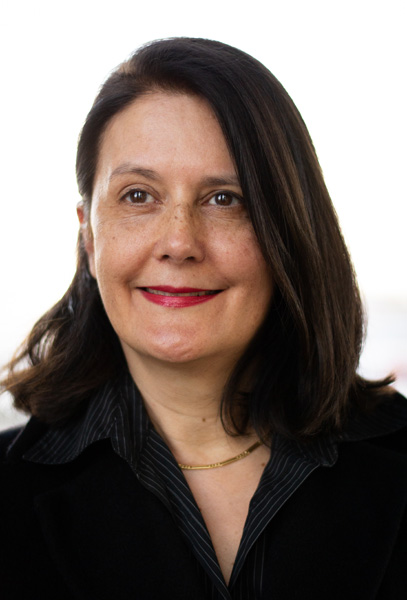
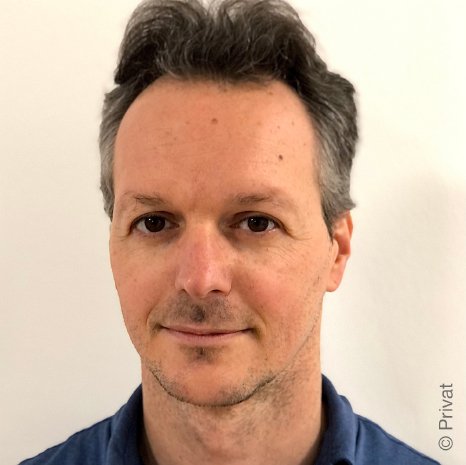
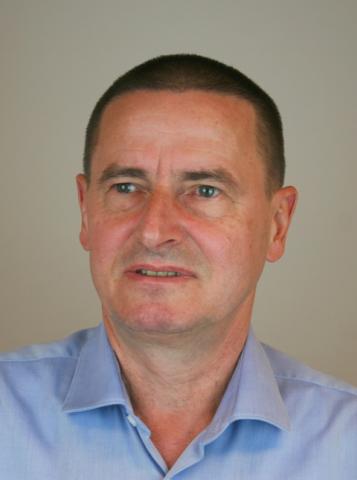
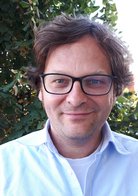
Mathilde Maurel is a Senior Research Fellow at the Centre for Economics of the Sorbonne (CNRS-Université Paris 1 Panthéon Sorbonne) and a Senior Fellow at FERDI . Her research spans migration economics, EU enlargement, climate-development linkages, and institutional dynamics in transition economies. Specializes in EU policy impacts on candidate countries Focuses on climate-induced migration in Africa/Asia Explores cultural economics and media's role in political culture Recent publications examine demographic drivers of global migration , climate adaptation in Bangladesh/Tanzania , and soft budget constraints in Chinese environmental policy . Her work combines remote sensing data with economic modeling to assess development challenges. Collaborations include studies on internet's impact on African democracies and post-revolution labor market shifts in Egypt . Key methodological approaches employ gravity models and instrumental variables for policy analysis.
University of Natural Resources and Life Sciences ViennaAustria
Dorian Arthur Shire-Peterlechner is a researcher at the University of Natural Resources and Life Sciences, Vienna , affiliated with the Institute of Hydraulic Engineering and River Research under the Department of Landscape, Water and Infrastructure. His work focuses on sediment transport dynamics in alpine environments, with particular emphasis on bedload monitoring, climate change impacts, and innovative methodologies like RFID tracers. Education: Dipl.-Ing. (BOKU), B.Sc. (BOKU) His research explores long-term bedload transport patterns, spatial variability in sediment movement, and climate change adaptation strategies for river systems. Recent projects include Sediment management concept Gail , a multi-year study funded by Austrian federal states. In the last seven publications, he has contributed to understanding bedload transport equations, alpine catchment processes, and RFID-based monitoring systems. Collaborative work with institutions like Lomonosov Moscow State University and INTERPRAEVENT further highlights his interdisciplinary approach. Supervised thesis work includes Abrasionsmonitoring im Labor und unter natürlichen Abflussbedingungen an der Urslau (Felix Konstantin Petscharnig, 2023). Despite active participation in research and presentations at international forums (IAHR World Congress, INTERPRAEVENT), no formal scientific awards are documented in the provided materials.
University of Natural Resources and Life Sciences ViennaAustria
Florian Reinwald is a Researcher at the Institute of Landscape Planning within the Department for Landscape, Water and Infrastructure at BOKU - University of Natural Resources and Life Sciences Vienna . His work focuses on climate change adaptation and gender-responsive urban planning , integrating green infrastructure into spatial development to create resilient cities . Projects : He leads initiatives like Climate-Sensitive Adaptive Planning and Objectification of Urban Climate Analyses , funded by federal institutions (FFG), municipalities, and national bodies. Publications : Over 78 works, including articles on urban climate mapping , policy integration , and gender-sensitive public spaces , with recent contributions in Urban Climate and Urban Forestry & Urban Greening . Media & Outreach : Featured in Austrian media (e.g., Salzburger Nachrichten , Der Standard ) discussing climate-resilient urban design and green infrastructure . Conferences : Delivered keynotes at events like the International Symposium: Designing Green and Resilient Cities and European Climate Change Adaptation Conference , emphasizing cross-disciplinary collaboration and data-driven planning .
University of Natural Resources and Life Sciences ViennaAustria
Juliane Stark is an Associate Professor at the Institute of Transport Studies, Department of Landscape, Water and Infrastructure at the University for Natural Resources and Life Sciences Vienna (BOKU). She has been with BOKU since 2004, progressing from research assistant to her current position as Associate Professor since 2020. Her academic journey includes completing her PhD in 2010 on regional economic impacts of public transport investments and earning her habilitation in transport planning in 2019. Dr. Stark's research focuses on child and youth mobility, particularly examining how children move through urban environments via walking, cycling, and other active transportation modes. Her work investigates the relationship between active mobility, physical activity, and wellbeing, with special attention to children's perspectives on urban spaces. She leads the TRA:WELL research project which explores transport and wellbeing through participatory methods involving young people as both researchers and research subjects. Her recent publications demonstrate a clear trend toward interdisciplinary research connecting transportation, public health, and urban planning. The work increasingly emphasizes participatory approaches, with children and youth actively involved in the research process. Her studies often employ mixed methods including surveys, physiological measurements, virtual reality, and qualitative approaches to understand mobility behavior and its impacts on wellbeing. Top 5 Projekt in the category 'Generationengerechte, sozial inklusive, barrierefreie Mobilität' of VCÖ-Preises 2022 BOKU Nachhaltigkeitspreis in the category 'Bildung für Nachhaltige Entwicklung' Best Paper, 11th International Conference on Transport Survey Methods, 2017 Österreichischer Staatspreis Mobilität des Bundesministeriums für Verkehr, Innovation und Technologie FSV-Preis für Dissertationen der Forschungsgemeinschaft Straße und Verkehr Dr. Stark has been instrumental in developing educational programs that bridge academic research and practical applications, particularly through her leadership of the TRA:WELL project which engages students directly in research. Her work has received significant funding through Sparkling Science projects and other research initiatives focused on sustainable mobility. She collaborates extensively with public health professionals, urban planners, and educational institutions to advance research on child-friendly mobility. Her research group utilizes innovative methods including virtual reality mobility simulations, physiological response measurements, and participatory approaches where young people serve as co-researchers. This work is conducted in close collaboration with schools across Vienna and Lower Austria, creating a strong connection between academic research and community impact.
Simon Ganahl is a Researcher and Lecturer at the Institute of Creative Media Technologies (ICMT), Department of Media and Digital Technologies, St. Pölten University of Applied Sciences. He directs the research agenda InSituEx and founded the digital research lab Campus Medius with its project Mapping Austrofascism. Ganahl co-founded and serves as editor-in-chief of the scholarly journal Genealogy+Critique in the Open Library of Humanities. Education includes PhDs in Communication Science and German Philology from Universities of Vienna, Hamburg and Zurich, completed with distinction. Research stays include the New School (New York) and UCLA's Center for Digital Humanities. Research Focus: Integrates digital humanities with cultural/media studies through: Digital mapping methodologies Media archaeology and genealogy Actor-network theory applications Austrofascism historical analysis Foucaultian critical frameworks Publication Trends: Recent works demonstrate strong focus on digital methodologies in humanities, particularly spatial analysis of historical phenomena, critical media theory, and interdisciplinary approaches bridging literary studies with digital visualization techniques. Earlier publications established foundations in Austrian modernism studies. Awards & Recognition: DOC and APART Fellowship - Austrian Academy of Sciences Schrödinger Fellowship - Austrian Science Fund (FWF) Projects & Leadership: Directs InSituEx research agenda; founded Campus Medius digital lab; leads Mapping Austrofascism project; co-founded open-access journal Genealogy+Critique ; lectures internationally at universities in Vienna, Zurich, Liechtenstein, and Innsbruck.
Nives Doneus is a researcher at the Vienna Institute for Archaeological Science , University of Vienna, specializing in archaeological prospection and Roman landscape studies . Her work focuses on remote sensing, geoarchaeology, and 3D documentation of Mediterranean and Central European sites. Expert in airborne laser scanning (LiDAR) for submerged/coastal sites Key contributor to LBI ArchPro Research Initiative (2010-2015) Specializes in Roman-era field systems and dry stone wall analysis Her research integrates geophysical prospection with historical GIS to reconstruct Roman urban and rural landscapes. She has pioneered applications of airborne laser bathymetry for documenting submerged archaeological sites in Croatia's archipelagos. Recent publications emphasize interdisciplinary approaches to Mediterranean coastal archaeology, Roman surveying practices, and paleoenvironmental reconstructions. Key methodological themes include non-destructive excavation techniques and digital heritage modeling . Collaborates with teams at the Vienna Institute for Archaeological Science and contributes to the development of systemic archaeological prospection frameworks. Her work spans case studies in Austria, Croatia, and Bulgaria.
Eduard Gröller is a Full Professor of Visualization at the Vienna University of Technology (TU Wien), leading the Research Unit of Computer Graphics and the Visualization Group within the Institute of Visual Computing & Human-Centered Technology (VC&HCT). He holds adjunct professorships at the University of Bergen, Norway, and chairs several academic committees. His academic journey began with a PhD in 1993 from TU Wien, followed by extensive contributions to visualization research. His research focuses on visual computing, scientific visualization, and medical imaging, with applications in energy modeling, climate analysis, and molecular biology. Gröller has pioneered methods like BEMTrace for BIM-based energy models and HORA 3D for flood risk visualization. He co-authored over 300 publications, including foundational work in IEEE Transactions on Visualization and Computer Graphics and Computer Graphics Forum . Gröller's awards include the IEEE VGTC Technical Achievement Award (2019), Eurographics 2015 Outstanding Technical Contributions Award, and Fellow of the Eurographics Association (2009). He actively contributes to conferences like EuroVis and IEEE Visualization as program chair and reviewer. His educational efforts span courses in visual computing, graphics, and data analysis, with a focus on immersive tools like ImNDT for material data exploration. Current projects include Climate-Sensitive Adaptive Planning for Resilient Cities, Visual Analytics in Radiation Therapy, and scalable web-based visualization techniques. He leads teams in VRVis, a research center for applied visualization, and collaborates internationally on medical imaging and environmental data challenges.
Chiara Zuanni is an Associate Professor at the University of Graz, based in the Institute for Digital Humanities. Her work bridges digital humanities, cultural heritage, and public archaeology, focusing on museum practices, digital documentation, and social media analysis. She holds a teaching authorization in Digital Humanities and is affiliated with the University of Graz’s research initiatives. Zuanni’s research explores digital methodologies applied to cultural heritage, including object biographies, pandemic documentation, and museum digital transformation. Her recent work analyzes how museums adapt during crises like the COVID-19 pandemic, leveraging digital tools for connectivity and sustainability. She also investigates the intersection of material culture and digital frameworks, such as geographies of art and video game narratives. Her publications reflect a focus on contemporary challenges in heritage management, including born-digital objects, algorithmic impact, and postcolonial exhibition critiques. While no specific awards are listed, her contributions address pressing issues in cultural sustainability and institutional adaptation. She supervises research in digital humanities and public archaeology, though specific advisee names are not mentioned.
Dr. Martin Loidl is a researcher in Geoinformatics at the University of Salzburg's Department of Geoinformatics - Z_GIS, part of the Faculty of Digital and Analytical Sciences. His work focuses on GIS applications in mobility, urban planning, and cartography. Key projects include developing tools like NetAScore for assessing bikeability and walkability, and frameworks for analyzing transportation networks. He has authored over 75 publications, with recent work emphasizing spatial analysis for sustainable urban mobility. His research integrates agent-based modeling, spatial data science, and real-world transportation challenges. Education: Dr., MSc in Geoinformatics. Key Projects: GISMO Study on active commuting, Bike Sharing System Planning, Digital Twins for Urban Sustainability. Research Interests: GIS and mobility optimization, cartography, agent-based simulations, and spatial data science for urban planning. His contributions include software tools like NetAScore and frameworks for bicycle infrastructure analysis. Grants & Awards: Secured funding from various research initiatives; part of interdisciplinary teams addressing urban mobility challenges. Labs/Teams: Mobility Lab | UNIGIS, collaborating on projects like the Bicycle Observatory and spatial network analysis.
University of Natural Resources and Life Sciences ViennaAustria
Dr. Barbara Demeterova M.Sc. is a researcher at the Institute of Spatial Planning, Environmental Planning and Land Management within the Department of Agricultural Sciences at the University of Natural Resources and Life Sciences, Vienna (BOKU). She contributes to projects focusing on accessible tourism infrastructure and land management in Central Europe. Project: Accessible Spaces for All (2023–2026), funded by the European Union, addresses tourism accessibility for persons with disabilities. Her work intersects spatial analysis, environmental planning, and inclusive design, utilizing geospatial tools to improve accessibility frameworks. While no publications are listed in the provided data, her role emphasizes practical applications of land management strategies.
University of Natural Resources and Life Sciences ViennaAustria
Univ.Prof. Helmut Habersack is a Professor in Hydraulic Engineering at the University of Natural Resources and Life Sciences, Vienna. His research focuses on sediment transport dynamics, river restoration, flood management, and hydropower impacts in large river systems. He leads the Hydraulic Engineering, Hydraulics and River Research department, specializing in fluvial processes and their environmental implications. His work integrates field measurements, laboratory experiments, and computational modeling to address challenges in sustainable water resource management. Key areas include bedload dynamics in glacial catchments, floodplain evaluation, and sediment management strategies for hydropower systems. He collaborates internationally on projects such as DanubeSediment and EFRE initiatives, emphasizing transboundary river management and climate change adaptation. His contributions span over 150 peer-reviewed articles, advancing methodologies in tracer-based sediment tracking and floodplain resilience assessment. Education and qualifications include Dipl.-Ing. (FH), Dr.nat.techn., and Dr.hc honoris causa. Consultation hours are available by appointment. Research highlights include innovative approaches to river restoration in the Thaya border section, critical flood flow analysis during extreme events like the 2024 Wien River flood, and development of the Floodplain Evaluation Matrix (FEM) for multi-criteria river assessments. He also investigates microplastic transport in large rivers and hydraulic infrastructure impacts on aquatic ecosystems. His laboratory facilities support advanced experimental studies on sediment-particle interactions and ecohydraulic modeling.
Udo Bachhiesl is an Associate Professor and Deputy Head of the Institute of Electricity Economics and Energy Innovation at Graz University of Technology. With a background in energy economics, he has established himself as an expert in energy and electricity economics, renewable energies, and energy innovation. His research focuses on energy transition modeling, power system economics, and renewable energy integration. Bachhiesl has contributed significantly to understanding the challenges of integrating renewables into electricity markets and developing modeling frameworks for energy system optimization. His work spans regional (particularly Styrian and Austrian), European, and international contexts including Africa and the Indian subcontinent. Bachhiesl's recent publications reveal a strong focus on hydrogen integration, energy system optimization models (including LEGO and ATLANTIS), and regional energy transition pathways. His work combines technical power system analysis with economic modeling to provide comprehensive insights into energy transitions. Klimaschutzpreis 2003 der Österreichischen Bundesregierung Young Scientist Best Paper Award 2003 As Deputy Head of the Institute, Bachhiesl oversees numerous research projects including UrbanHP (heat pump integration), iKlimET (climate and energy system models), and the Styria Energy Report series. His work connects academic research with practical energy policy implementation, particularly in the Styrian region of Austria. He has also contributed to the Energy Innovation Symposium series at TU Graz and maintains the ATLANTIS simulation model for European electricity systems.
Nikolas Popper is a Senior Scientist and Research Fellow at the Technische Universität Wien (TU Wien), affiliated with the Department of Data Science (E194-04). He leads the DEXHELPP initiative (Decision Support for Health Policy and Planning) as its director and chairs the COMET Initiative. His primary research focuses on modeling and simulation of dynamic systems, particularly in healthcare, logistics, and biomedical engineering. Key areas include hybrid simulation, comparative modeling, and the integration of data-driven methods into policy decision-making. Popper's academic roles include teaching courses on modeling and simulation, health technology assessment, and advanced simulation techniques. He has pioneered the use of agent-based models to address public health challenges, notably during the COVID-19 pandemic, where his work supported Austrian policy decisions. His interdisciplinary projects span railway optimization, vaccine strategy modeling, and patient-centric health technologies. He holds leadership positions in multiple academic societies, including ISPOR (Austrian Chapter President), EUROSIM, and ASIM. Notable awards include the 'Österreicher des Jahres' (Research Category, 2021) and the Gerhart-Bruckmann-Preis (2021). His research has been funded by grants from the Austrian government, FFG, and FWF, addressing topics like vaccination prioritization and pandemic response systems. Popper’s contributions extend to founding initiatives like the 'drahtwarenhandlung' science production studio and the dwh GmbH spin-off from TU Wien. He actively engages in public discourse on data-driven decision-making and pandemic modeling through media and conferences.
Prof. Dr. Tilo Felgenhauer is a Professor of Human Geography at the Upper Austria University of Teacher Education . His research focuses on spatial constructions, technology use, qualitative methodologies, and regional studies in Central Germany and Patagonia. He holds a Habilitation in Geography from Friedrich-Schiller-Universität Jena (2011) and a PhD from the same institution (2006). His work bridges social theory and geography, examining how technology interacts with spatial practices. Key contributions include Geographies of Digital Culture (2018) and analyses of spatial metaphors in crises. He emphasizes critical engagement with digital tools in education and regional development. Publications span over 20 years, addressing topics like VGI ethics (2017), regional identity in media (2007), and geopolitics of digital infrastructure. His recent work explores hybrid geographies in Patagonia and the socio-spatial impacts of digital transformation. Education: Habilitation in Geography (2011), Friedrich-Schiller-Universität Jena PhD in Geography (2006), Friedrich-Schiller-Universität Jena Geography Diplom (2001), Friedrich-Schiller-Universität Jena He advises on spatial citizenship frameworks and collaborates internationally, co-editing volumes on digital culture and regional studies. His research integrates empirical fieldwork with theoretical discourse analysis.
University of Natural Resources and Life Sciences ViennaAustria
Karl Stampfer is a Professor of Forest Engineering at the Institute of Forest Engineering within the Department of Ecosystem Management, Climate and Biodiversity at the University of Natural Resources and Life Sciences, Vienna (BOKU). Appointed in 2012, he leads research on digital transformation in forestry operations with emphasis on work safety, steep-terrain harvesting, and climate-resilient infrastructure. His work bridges engineering practice and academic innovation through the Forest Demonstration Centre. His academic credentials include a Diploma (1991), Doctoral degree (1996), and Habilitation (2002), all from BOKU. Career progression shows continuous engagement: University assistant at the Institute of Forest Engineering from 1993, culminating in his full professorship. Stampfer's research focuses on Forest Engineering with three core pillars: (1) Timber harvesting system optimization for steep terrain using winch-assisted and cable yarding technologies, (2) Work safety through UWB sensors and causal accident modeling, and (3) Digitalization via laser scanning (TLS/ALS) for forest inventory, road monitoring, and digital twin development. His work integrates sustainable resource management with practical industry applications. Analysis of his 78 publications reveals a strong 2022-2024 trend: digital tools dominate 65% of outputs, particularly LiDAR for danger zone monitoring and climate adaptation. Safety research comprises 25%, with accident counterfactuals and ergonomic analysis. The remaining 10% addresses biomass logistics and road engineering, reflecting his multidisciplinary approach to European mountain forestry challenges. Scientific recognition includes: Promotion Award of the Foundation '120 Years of University of Natural Resources and Life Sciences, Vienna' (2002) Schrödinger Fellowship at ETH Zurich's Professorship for Forest Engineering (1997) Promotion Award of the Austrian Society for Occupational Medicine (1996) He has supervised numerous theses with no publicly listed advisees. Grant activity centers on externally funded research reports (e.g., SafeForests, LaDiWaldi) despite zero ongoing projects shown. Collaborations with AUVA, Land Kärnten, and international consortia like IUFRO drive his practical knowledge transfer to forest associations and policymakers. Stampfer operates within BOKU's Forest Demonstration Centre and co-leads the HCAI-Lab with Andreas Holzinger. His team specializes in field validation of digital tools, including the Seilgerätesimulator (VR training) and UWB danger zone monitors. Current work targets autonomous harvesting systems and AI explainability for accident prevention, as evidenced by 2025 presentations at FORMEC and Woodmaster events.