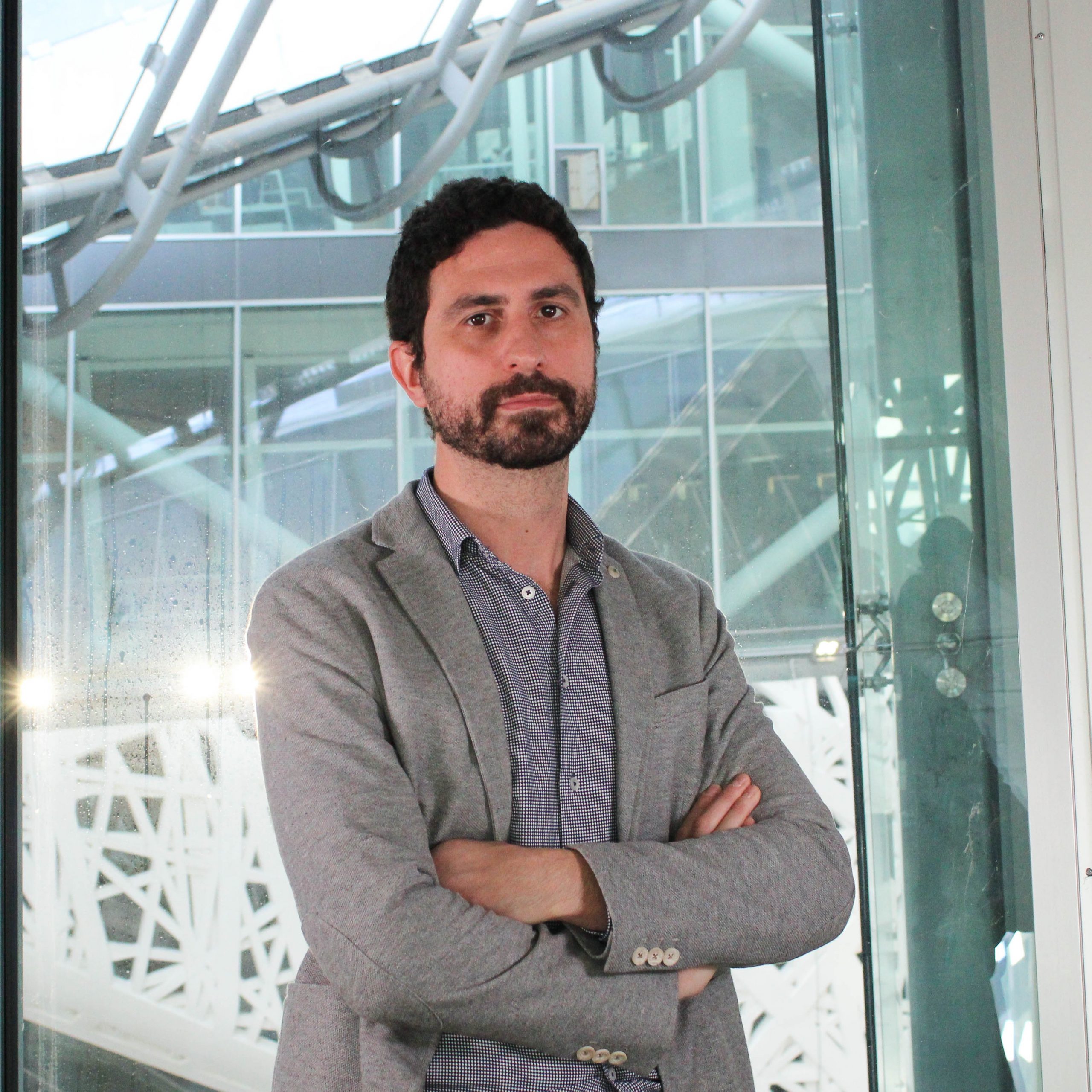
Andrea Longhi is a Full Professor at the Interuniversity Department of Regional and Urban Studies and Planning (DIST) at Politecnico di Torino, where he also serves as the Rector's representative for the strategic management and conservation planning of Valentino Castle. He is a member of the Interdepartmental Center R3C (Responsible Risk Resilience Centre) and actively contributes to national and international research on cultural and religious heritage. His research interests include medieval architecture, cultural and ecclesiastical heritage, landscape history, urban history, and the historical development of settlements. He focuses on the interplay between liturgical reform and architectural practice, the resilience of religious complexes, and the adaptive reuse of decommissioned churches. His work integrates historical research with contemporary heritage policy and conservation strategies. His recent publications reflect a strong focus on civic and religious architecture, territorial history, and heritage valorization. Themes include post-conciliar religious architecture, the transformation of urban religious heritage, and the historical significance of medieval civic and defensive structures. He often collaborates on interdisciplinary projects and contributes to digital platforms for heritage mapping and resilience. Scientific Committee member - Leon Battista Alberti Study Center Foundation, Mantua, Italy (2023-) National Consultation for Liturgical Pastoral Care of the National Liturgical Office of the Italian Episcopal Conference, Italy (2022-2027) Steering Committee member - Future for Religious Heritage, Belgium (2020-) Scientific Committee member - ICOMOS Italia - PRERICO and ICORP (2020-) Effective member - ICOMOS Italia (2020-) Scientific Committee member - Observatorio de Arquitectura Religiosa Contemporánea, Spain (2019-) Founding partner - Associazione Piemontese per l'Arte Cristiana "Guarino Guarini", Italy (1999-) Andrea Longhi supervises PhD students, including Giulia Assalve, and teaches in doctoral and master's programs at Politecnico di Torino. He has been involved in evaluating cultural heritage funding programs for institutions such as Fondazione Cassa di Risparmio di Cuneo and Compagnia di San Paolo. He also leads significant research projects, including PRIN grants on civic palaces and the architectural heritage of small Italian municipalities. He is involved in multiple research collaborations and has contributed to the development of digital tools for heritage resilience, such as the Mnemonic atlas. His editorial roles include directing the journal Atti e Rassegna Tecnica and serving on the scientific committees of several academic publications.