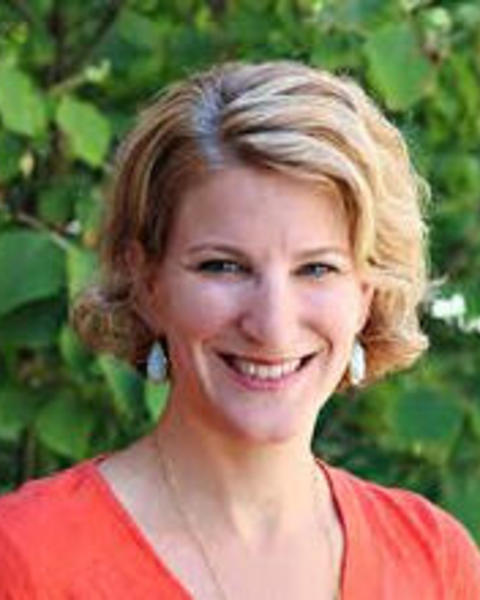
Ernesto Calogero Sferrazza Papa is a faculty member at Sapienza University of Rome, where he serves as an Assistant Professor (Ricercatore a Tempo Determinato di Tipo B) in Political Philosophy within the Department of Political Science. He teaches both undergraduate and graduate courses in political philosophy and political anthropology, and actively supervises bachelor’s and master’s theses. He is also a member of the doctoral faculty in Political Studies and a Junior Fellow at the Scuola Superiore di Studi Avanzati at Sapienza. University: Sapienza University of Rome School/Department: Department of Political Science Academic Rank: Assistant Professor Email: ernesto.sferrazzapapa@uniroma1.it Office Hours: Tuesdays 14:00–16:00 by appointment His research focuses on modern and contemporary political philosophy, particularly the works of Carl Schmitt, Kafka, and debates on sovereignty, borders, walls, space, and power. His scholarship explores the materiality of political artifacts, biopolitics, political violence, and the intersections between philosophy, literature, and technology. He investigates how spatial configurations—such as walls, cities, and borders—function as expressions of power and exclusion. The analysis of his recent publications reveals a consistent engagement with themes of political boundaries, material critique, and the philosophical implications of spatial and technological infrastructures. His work often bridges continental philosophy with contemporary political issues, including migration, climate change, pandemic governance, and democratic vulnerability. A significant portion of his output centers on Kafka as a philosophical figure, interpreting legal and existential themes through literary analysis. Scientific Awards Awarded national scientific qualification (Abilitazione Scientifica Nazionale) as Full Professor in Political Philosophy in 2024, unanimously recognized. Sferrazza Papa advises students on undergraduate and graduate theses in political philosophy and political anthropology, encouraging proposals aligned with students’ interests. He has no formal grants mentioned, but his international research collaborations—spanning institutions in Croatia, France, Lithuania, Chile, and Italy—indicate strong scholarly networking and collaborative research activity. He has co-edited academic volumes, such as the 2021 distance issue of Quaderni di Filosofia , and contributes regularly to international peer-reviewed journals. His work is associated with interdisciplinary research teams focusing on political theory, border studies, and philosophical anthropology. Future research directions appear to include further exploration of global paranoia, immune democracy, and the philosophical dimensions of technological modernity.