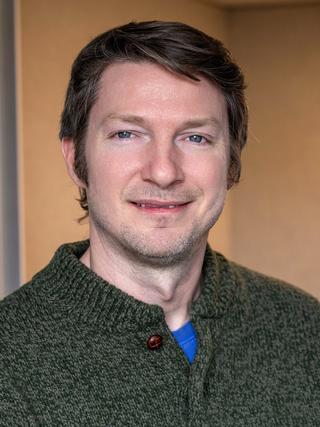
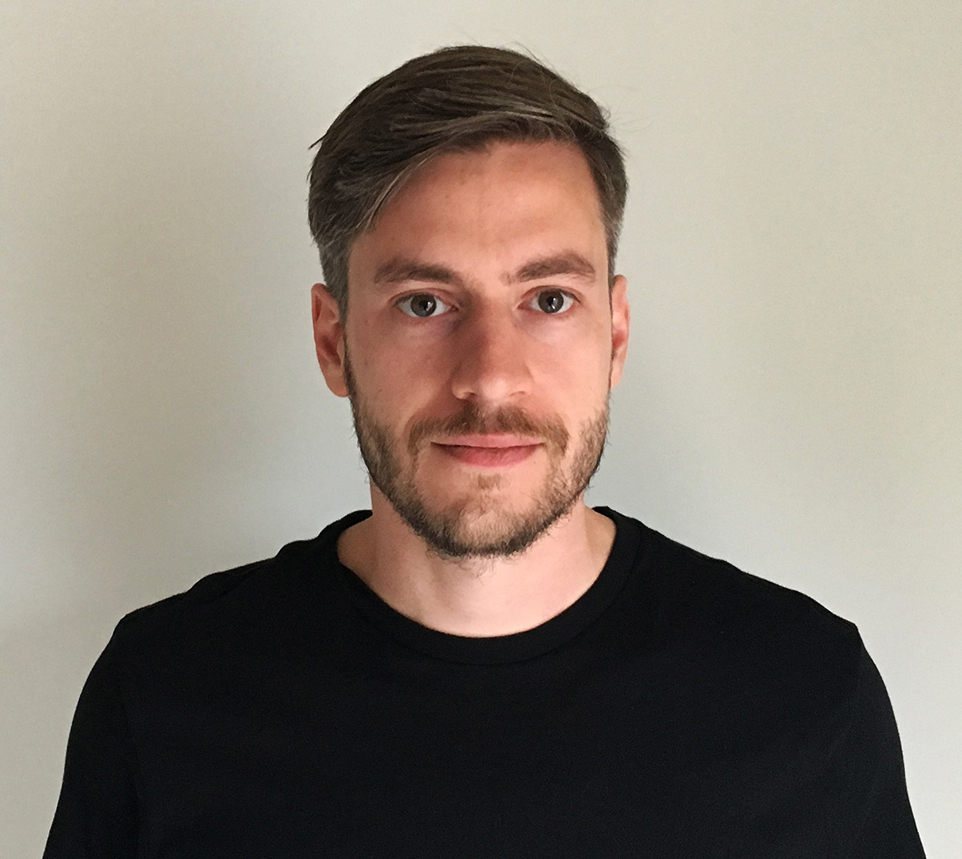
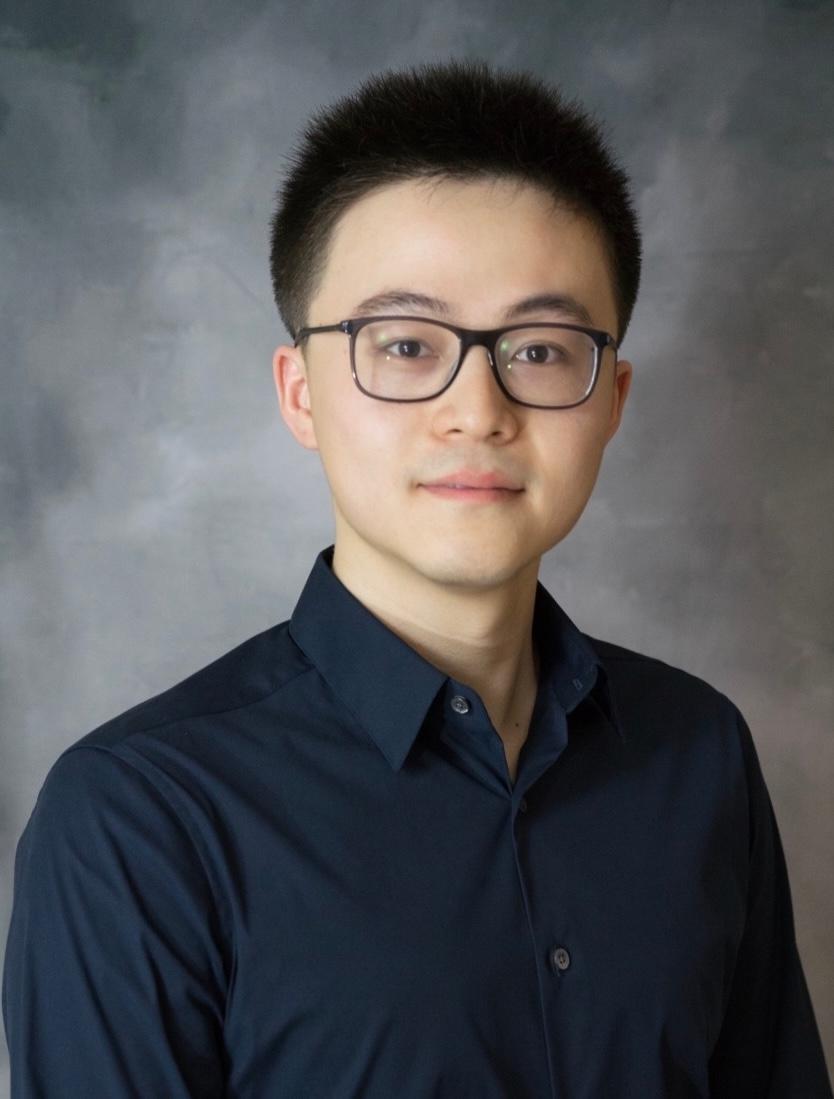
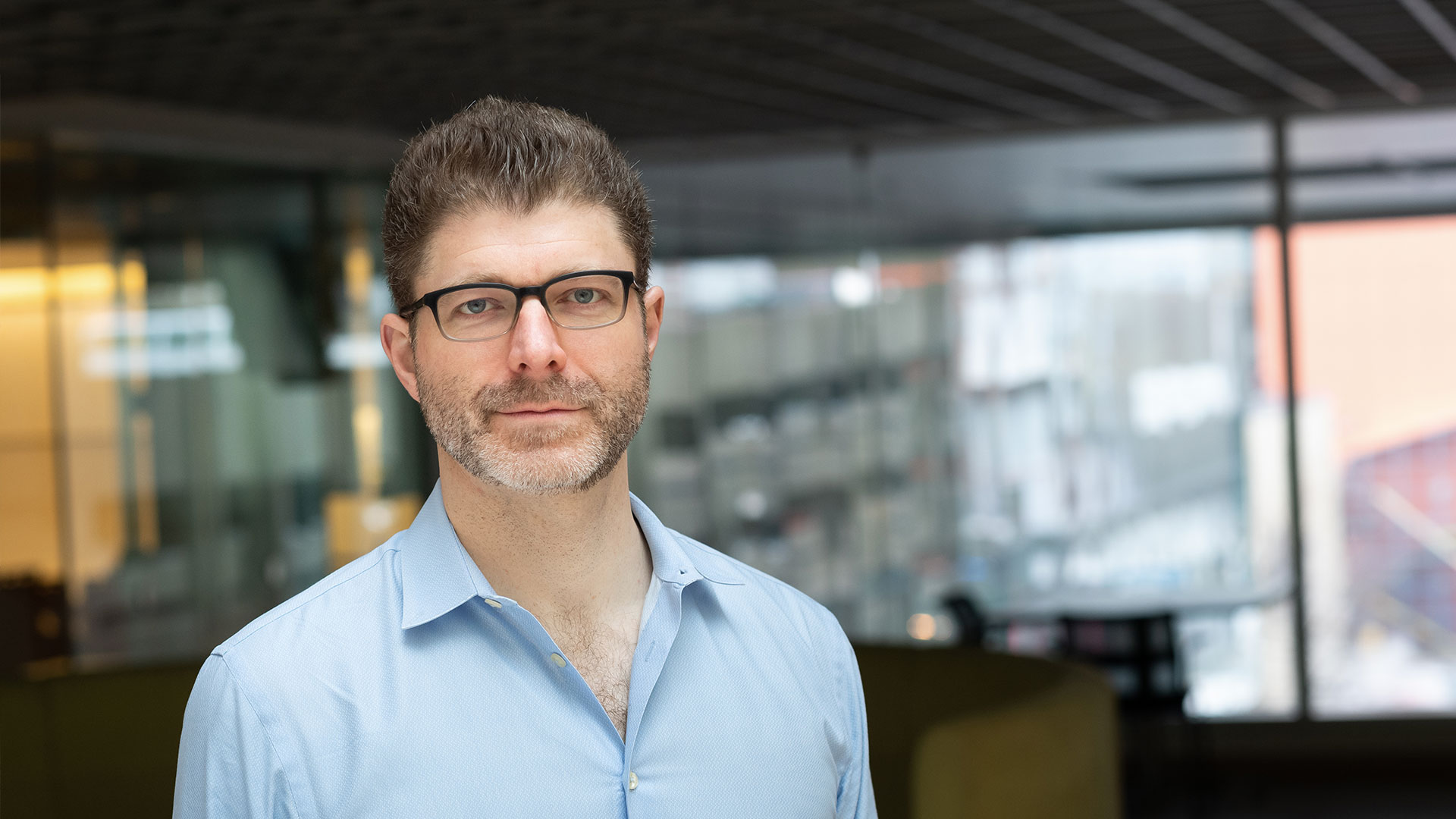
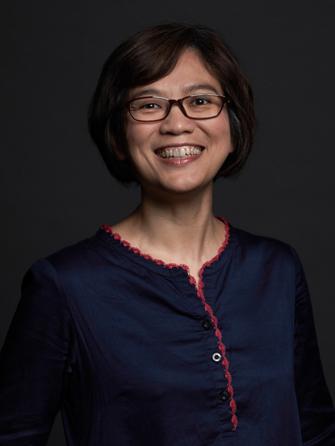
Dr. Kenneth S. Henry is an Associate Professor at the University of Rochester Medical Center (SMD) with joint appointments in the Departments of Otolaryngology, Biomedical Engineering, and Neuroscience. His research focuses on auditory neuroscience, cochlear synaptopathy, and neural mechanisms of hearing, using behavioral, neurophysiological, and histological approaches. Department of Otolaryngology Department of Biomedical Engineering Department of Neuroscience Research Interests: His lab investigates auditory nerve loss, hidden hearing loss, and neural bases of masked amplitude-modulation perception. Using avian and mammalian models, his work explores how cochlear neurodegeneration impacts behavioral and neural sensitivity to complex sounds in noise. Publications Trends: Recent research examines auditory nerve encoding, envelope processing in hearing loss, cochlear fluid dynamics, and neural mechanisms of speech-in-noise perception using avian models. Lab Members: Current researchers include graduate students Leslie Gonzales (Neuroscience) and Yingxuan Wang (Biomedical Engineering). Alumni include John Wilson (PhD student) and Steph Wong (ENT resident). Contact: Email kenneth_henry@urmc.rochester.edu or call (585) 275-4851 for collaboration/postdoc opportunities.
Monica DeHart is a Professor of Sociology and Anthropology and Director of the Global Development Studies program at the University of Puget Sound. Her work focuses on the cultural politics of economic development in Central America, particularly exploring how gender, class, race, and ethnic differences shape development projects and their outcomes. She has conducted ethnographic research in Costa Rica, Nicaragua, and Guatemala for over two decades, with recent emphasis on China-Central America relations. Her forthcoming book Transpacific Developments: The Politics of China and Chineseness in Central America examines the multifaceted roles of China, Taiwan, and local diaspora communities in the region. Education: B.A., University of California, Davis (1994) M.A., Stanford University (1997) Ph.D., Stanford University (2001) Research Interests: DeHart’s work critiques neoliberal development paradigms and explores how transnational actors and institutions redefine development. Her studies often highlight contradictions in policies that reframe ethnic identity as a tool for economic growth. Recent projects analyze China’s growing influence in Central America, including infrastructure investments, cultural diplomacy, and anti-corruption policies. She emphasizes the intersection of local and global dynamics in shaping development outcomes. Key Themes in Publications: Her articles and books address topics such as China’s transpacific political economy, the role of diaspora communities, and the historical legacies of anti-Chinese sentiment. She also examines how language institutes and infrastructure projects serve as geopolitical tools. Her work bridges anthropological theory with critical analyses of global development trends. Professional Activities: DeHart teaches courses on global development, anthropological theory, and cultural studies. She is currently on leave for Spring 2026. Her office is located in McIntyre 213P, and she can be reached at mdehart@pugetsound.edu.
David Lindlbauer is an Assistant Professor at the Human-Computer Interaction Institute (HCII) within Carnegie Mellon University's School of Computer Science. He leads the Augmented Perception Lab and co-directs the CMU Extended Reality Technology Center (XRTC) . His research bridges Human-Computer Interaction, Computer Graphics, and Computer Vision to create adaptive interfaces that enhance human-digital interaction. Education : PhD (summa cum laude) from Technische Universität Berlin , MSc and BSc from University of Applied Sciences Upper Austria Previous Affiliation : Postdoctoral Researcher at ETH Zurich (2018-2020) David's research focuses on understanding human perception of digital information and developing computational approaches to optimize AR/VR interface usability. Key areas include: Context-aware adaptive interfaces Visual saliency and attention modeling Spatial audio-haptic systems Optimal placement algorithms Object manipulation in Remixed Reality Diminished/ambient MR interfaces His 15 most recent publications (2024-2025) span topics in adaptive XR interfaces, multimodal notifications, haptic systems, and spatial cognition. These works appear at venues like ACM CHI, ACM UIST, IEEE VR, and Frontiers in VR. Common themes include: Machine learning for interface adaptation Human factors in XR design Real-time environment analysis Privacy-aware display systems Collaborative MR interfaces Accessibility enhancements Scientific Recognition : Best Paper Honorable Mention Award (ACM CHI 2024) Best Paper Award (ACM ISS 2023) ETH Zurich Postdoctoral Fellowship Multiple best paper recognitions at CHI, UIST, and IEEE VR Teaching & Leadership : Course developer for CMU's "Interactive Extended Reality" Mentor for NASA SUITS Challenge team Co-chair roles at CHI and UIST Overseeing PhD students and research interns
David Lindlbauer is an Assistant Professor at Carnegie Mellon University's Human-Computer Interaction Institute (HCII), where he leads the Augmented Perception Lab and co-directs the CMU Extended Reality Technology Center. His research focuses on advancing Mixed Reality (MR) and Extended Reality (XR) interfaces through computational interaction methods that optimize spatial, temporal, and multimodal feedback.
Catherine Guastavino is a Professor at McGill University's School of Information Studies (within the Faculty of Arts) and an Associate Member at the Schulich School of Music. She also contributes to the Centre for Interdisciplinary Research in Music Media and Technology (CIRMMT). Her roles include leading research projects and supervising graduate students in music technology and related fields. She holds a PhD in Psychoacoustics from Université Pierre et Marie Curie (Paris VI), an MSc from IRCAM (France), and a BSc in Mathematics from McGill University. Her research focuses on auditory perception, soundscape analysis, human-computer interaction, and urban acoustics. Notable projects include the 'Sounds in the City' partnership addressing urban noise policy and the development of immersive soundscape simulation tools. She leads or co-leads grants from SSHRC, NSERC, and MITACS, emphasizing interdisciplinary approaches to sound in urban environments. Guastavino's work bridges academic research with practical applications, such as designing sound installations for public spaces and improving acoustic environments in transportation and performance venues. She collaborates with city planners, musicians, and engineers, reflecting her commitment to making cities sound better through evidence-based strategies. Key Projects: SSHRC Partnership Grant for urban soundscape management (2018-2023) NSERC Discovery Grant on auditory localization (2019-2024) MITACS projects on Montreal festival soundscapes and noise policy Labs & Partnerships: Multimodal Interaction Laboratory (MIL) Collaborations with Ville de Montréal and Quartier des Spectacles Education: PhD: Psychoacoustics (Paris VI) MSc: Computer Science & Music Technology (IRCAM) BSc: Mathematics (McGill) Her teaching includes courses like Music Information Retrieval, integrating computational methods with artistic and scientific applications.
Mischa Billing is a Senior Lecturer at Örebro University specializing in Culinary Arts and Meal Science. She is actively involved in research on sensory experiences, wine studies, and food pairing. Her work spans across multiple disciplines including haptics, olfaction, and culinary traditions. Her research interests focus on the intersection of sensory perception and culinary practices. Billing explores how sound affects taste perception, develops haptic attribute models for food design, and investigates improved sensory experiences for the elderly. Her work in sommelier training and critical attribute techniques bridges traditional culinary knowledge with scientific approaches to sensory evaluation. Analysis of her publications reveals a strong focus on practical applications of sensory science in culinary contexts. Her work spans from theoretical explorations of wine tasting as embodied knowledge to practical guides for food and beverage pairing. The recurring themes include sensory integration, cultural contexts of food consumption, and innovative methods for enhancing meal experiences. Gastronomic Academy's Silver Medal Wine Profile of the Year Nose of the Year Honorary Truffle of the Year Billing has served as general secretary of the International Sommelier Association (ASI) and is a member of the Wine Academy in Sweden. She has extensive experience in evaluating diverse products including Swedish tap water and apple juice. Her media presence includes serving as a jury member on TV4's Sweden's Master Chef and delivering radio talks for Sveriges Radio. She leads several research initiatives including the Sense Lab, which focuses on future sensory experiences, and participates in research groups examining meals from social and cultural perspectives. Her projects like 'Rewine The World' demonstrate interdisciplinary approaches to reducing food waste through innovative culinary methods.
Ruohan Gao is an Assistant Professor in the Department of Computer Science at the University of Maryland, College Park , with affiliate appointments at the University of Maryland Institute for Advanced Computer Studies (UMIACS) , Maryland Robotics Center (MRC) , and Artificial Intelligence Interdisciplinary Institute at Maryland (AIM) . His research focuses on Computer Vision and Machine Learning , emphasizing Multisensory Machine Intelligence that integrates sight, sound, and touch . He aims to enable machines to perceive, understand, and interact with the world as humans do, with applications in robotic manipulation , audio-visual localization , and differentiable rendering . Article Trends : Span 2018–2025 , centering on audio-visual perception , multisensory datasets , and robotics . Recurring themes include object-centric learning , sound synthesis , and cross-modal consistency . Scientific Awards : Michael H. Granof Award (UT Austin’s Top 1 Doctoral Dissertation, 2021) Best Paper Award Runner-Up (BMVC 2021) Best Paper Award Finalist (CVPR 2019) Highlight Paper (CVPR 2023) He leads the UMD Multisensory Machine Intelligence Lab and collaborates with institutions like Stanford and The University of Texas at Austin . Contact: rhgao@umd.edu .
Prof. Dr.-Ing. Gerhard Müller is a Full Professor at the Chair of Structural Mechanics within the TUM School of Engineering and Design at Technical University of Munich (TUM). Since 2004, he has held this distinguished position, and since 2014, he has served as Executive Vice President for Academic and Student Affairs at TUM. His research focuses on structural dynamics and vibroacoustics, with specific expertise in dynamic soil-structure interaction, sound radiation analysis, and seismic risk assessment. Professorship: Structural Mechanics University: Technical University of Munich School: TUM School of Engineering and Design Department: Chair of Structural Mechanics in Civil Engineering Prof. Müller's research spans multiple domains, including: Structural Dynamics : Examining building and vehicle vibrations, seismic soil-structure interaction, and advanced model order reduction techniques Vibroacoustics : Investigating sound radiation from vibrating structures and developing acoustic metamaterials for noise control Computational Methods : Pioneering hybrid deterministic-statistical approaches, Wave Based Methods (WBM) for saturated elastodynamic structures, and parametric model order reduction His recent publications demonstrate expertise in: Wave propagation analysis in poroelastic media Bayesian parameter updating for structural models Acoustic metamaterials for vibration control Advanced numerical methods for seismic risk assessment Hybrid ITM-FEM approaches for soil-structure interaction Energy flow analysis in timber structures Awarded the Spindler Prize in 1984 , Prof. Müller also holds significant academic leadership roles: President of European Association for Structural Dynamics (EASD) Chairman of Bavarian-French University Center (BayFrance) Active member of ASIIN accreditation agency and Bavarian Chamber of Engineers Previously served as Dean of Civil Engineering and Surveying at TUM (2010-2014) He leads the Structural Dynamic Lab (formerly Vibroacoustics Lab) and has developed interactive web apps for engineering education. His work bridges theoretical advancements with practical applications in construction acoustics, transportation noise control, and geothermal energy infrastructure analysis.
Roberto Togneri is a Professor and Senior Honorary Research Fellow at the University of Western Australia's School of Electrical, Electronic and Computer Engineering. He has been affiliated with the university since 1988, following his PhD in 1989. His research focuses on signal processing, speech recognition, machine learning, and biometrics, with notable contributions to audio-visual recognition systems and fraud detection. Education: PhD in Electrical Engineering (University of Western Australia, 1989). Research interests include feature extraction for audio signals, neural network models for speech and speaker recognition, and applications of machine learning to fraud prevention. His work has been recognized with awards such as the Education Innovation Award (ICASSP 2019) and grants from the Australian Research Council (e.g., DP110103336 for a 3D Audio-Visual Speech Recognition System). Key projects include developing robust speech recognition systems in adverse environments and advancing graph-based fraudster group detection using spatio-temporal data. He has also contributed to editorial roles in IEEE Signal Processing Magazine and authored over 214 research outputs. Funding highlights include $279,000 for a 3D audio-visual speech recognition system (2011–2013) and $230,000 for robust speech recognition in hostile environments (2010–2012). His research aligns with UN SDGs related to innovation and infrastructure.
Jesper Rindom Jensen is an Associate Professor in the Department of Electronic Systems at Aalborg University, Denmark, under the Technical Faculty of IT and Design. He is the Head of the Audio Analysis Lab, a leading research group in audio signal processing, since 2023. His work bridges theoretical signal processing and practical applications in artificial intelligence and audio systems. Full Name: Jesper Rindom Jensen Institution: Aalborg University School: The Technical Faculty of IT and Design Department: Department of Electronic Systems Research Lab: Audio Analysis Lab Email: jrj@es.aau.dk Office: Fredrik Bajers Vej 7B, B5-206, 9220 Aalborg Øst, Denmark Education: M.Sc. in Electronic Systems, Aalborg University (cum laude, 2009) Ph.D. in Signal Processing, Aalborg University (2012) Research Interests: Jesper Rindom Jensen's research centers on audio signal processing, with a strong emphasis on artificial intelligence, speech enhancement, noise reduction, beamforming, and multichannel systems. His work applies to diverse domains including robot and drone audition, spatial audio, and active noise control. He develops novel filtering techniques, including variable span linear filters and harmonic beamformers, to improve speech quality and intelligibility in noisy and reverberant environments. Publication Trends: His recent publications (2023–2025) show a strong trend toward integrating deep learning with classical signal processing, particularly in direction-of-arrival estimation, underwater acoustics, and robust multichannel systems. There is a clear focus on real-world applications, including sound zone control, active noise control, and limited-data scenarios using knowledge distillation. His work consistently emphasizes robustness, efficiency, and practical deployment. Scientific Awards and Recognition: AAU Talent for emerging research leaders Recipient of a competitive postdoc grant from the Danish Independent Research Council Advising and Grants: Jesper has supervised multiple PhD and master’s students, including Nørholm, Karimian-Azari, Zhang, and Wang. He has led significant research projects such as 'Sound Processing for Robots and Drones' (2018–2020) and participated in others related to joint audio-visual tracking and speech enhancement. His research has been supported by national funding bodies, reflecting its innovation and impact. Labs and Teams: He is a founding and core member of the Audio Analysis Lab at Aalborg University, which focuses on cutting-edge audio signal processing and AI-driven solutions. The lab fosters interdisciplinary collaboration and has produced numerous publications, datasets, and real-world applications. Jensen’s leadership since 2023 underscores his pivotal role in shaping the lab’s research direction.
Brian Roberts is a Professor at Aston University's School of Psychology within the College of Health and Life Sciences. His primary research focuses on auditory perception, particularly auditory scene analysis and speech perception. He holds a PhD in Experimental Psychology (Auditory Perception) from the University of Cambridge (1989) and has held academic positions at the University of Birmingham (1993-2001) and Aston University since 2005. His work explores perceptual grouping mechanisms, cochlear implant listening, and the neural bases of auditory phenomena. Affiliations: Cognition & Neuroscience Research Group (CNRG), Centre for Vision and Hearing Research Employment History: Reader at University of Birmingham (2001), Senior Lecturer (1999), Lecturer (1993) Research interests include auditory stream segregation, formant analysis, and the effects of stimulus properties on perceptual organization. He has collaborated internationally, including visiting appointments at Macquarie University (2019) and the University of British Columbia (2011). Notable achievements include being elected a Fellow of the Acoustical Society of America (2009). Recent publications investigate factors influencing stream segregation (2024), asymmetric timbre effects (2023), and lexical bias in consonant identification (2022). Current projects explore sudden changes in auditory stimuli and their impact on perceptual grouping. Grants & Funding: Extensive research grants supporting auditory perception studies (details not explicitly listed) Supervised Work: 4 documented supervisees, though names not provided Labs/Teams: Active in the Auditory Perception Laboratory at Aston University, focusing on psychophysical and computational modeling approaches.
Josh McDermott is a Professor in the Department of Brain and Cognitive Sciences at MIT and an Associate Investigator at the McGovern Institute. He holds roles as Associate Department Head and Principal Investigator of the Laboratory for Computational Audition. His work bridges psychology, neuroscience, and engineering to study auditory perception, with a focus on sound interpretation, hearing impairment treatments, and machine hearing systems. Education includes a B.A. from Harvard (summa cum laude), an MPhil from University College London, and a PhD from MIT. Postdoctoral training included NYU and the University of Minnesota. Research interests encompass computational principles of sound perception, natural sound statistics, music cognition, and machine hearing. Key areas include sound localization, auditory scene analysis, and the role of generative models in perception. Recent publications highlight advancements in auditory neural networks, cross-cultural music perception, and noise schema processing. Awards include the Troland Research Award, BCS Excellence in Advising, and NSF CAREER Award. Advising includes over 20 graduate students and postdocs, with notable contributions to auditory neuroscience and machine learning. Major grants support projects on auditory models and sensory systems. The lab develops tools like cochleagram generation and headphone screening software. The Laboratory for Computational Audition operates at MIT, focusing on biological and computational approaches to hearing. Collaborations span engineering, psychology, and neuroscience to advance understanding of auditory processing.
YING-TSONG LIN is an Acting Professor at the Scripps Institution of Oceanography (SIO), UC San Diego. His research focuses on applied ocean sciences, autonomous ocean platforms, internal waves, ocean acoustics, and instrumentation. He leads projects like the New England Shelf Break Acoustics (NESBA) experiment, emphasizing real-time acoustic modeling and environmental interactions. Research interests include 3D acoustic propagation modeling, ocean mixing dynamics, and seabed characterization. His work integrates high-performance computing and distributed sensor networks for oceanographic studies. Recent studies address underwater explosions, renewable energy impacts, and vessel localization using acoustic coherence. Publications emphasize advancements in hydroacoustic modeling, seabed inversion techniques, and environmental asymmetry effects. His contributions span interdisciplinary areas like bioacoustics and seismic-to-acoustic wave conversions. Labs/Teams: Involved with SIO's Acoustics and Oceanography research groups, focusing on autonomous platforms and global observing systems.
Prof. Bernhard U. Seeber is an Extraordinary Professor at the Technical University of Munich (TUM), leading the Chair of Audio Signal Processing within the TUM School of Computation, Information and Technology. His work bridges auditory neuroscience and engineering, focusing on improving hearing aids, cochlear implants, and virtual acoustic systems. He holds affiliations with the Bernstein Center for Computational Neuroscience, Munich Institute of Biomedical Engineering, and others. Education: Studied and earned his PhD (2003) in Electrical Engineering and Information Technology at TUM. Postdoctoral research included time at UC Berkeley and the MRC Institute of Hearing Research (UK), where he pioneered studies on binaural hearing and cochlear implant optimization. Research Interests: Combines experimental and theoretical approaches to explore auditory scene analysis, binaural unmasking, and spatial hearing. Key areas include signal coding for cochlear implants, virtual acoustics, and non-destructive acoustic monitoring. His work emphasizes interdisciplinary collaboration with industry and academia. Awards: Lothar Cremer Award (2010), Emmy Noether Fellowship (2007), and recognition from the German Acoustical Society. Teaching: Offers courses on audio communication, computational neuroscience, and technical acoustics. Projects: Leads initiatives like HAPPAA and Auralization, advancing sound field synthesis and hearing aid algorithms. Current Roles: Head of Chair of Audio Signal Processing, Board Member of DEGA, and spokesperson for the ITG Technical Committee on Hearing Acoustics.
Dr. Gan Sheuo Hui serves as Lecturer in Animation at LASALLE College of the Arts, Singapore, with extensive international engagement through visiting positions at National University of Singapore (NUS), Kyoto Seika University, and the Sainsbury Institute for the Study of Japanese Arts and Cultures. Her academic profile bridges Japanese animation scholarship with Southeast Asian cultural contexts through fieldwork-driven research. Her educational qualifications include: PhD in Human and Environmental Studies from Kyoto University, Japan Master of Communication (Screen Studies) from University of Science Malaysia Bachelor of Communication (Film Studies) from University of Science Malaysia Dr. Gan's research examines Japanese anime, manga, and popular culture through lenses of authorship, censorship, and cultural hybridity, with particular focus on transnational adaptations in Southeast Asia. She integrates theoretical frameworks with empirical fieldwork involving creators, curators, and fans across Asia and the West, emphasizing practical production aspects alongside critical analysis. Her interdisciplinary approach connects film studies, media theory, and cultural anthropology. Her scholarly trajectory reveals consistent exploration of animation aesthetics (especially limited/selective animation), historical evolution of Japanese animation, and hybrid cultural forms in Southeast Asia. Key thematic threads include re-evaluating animation techniques beyond Western paradigms, analyzing global anime circulation, and documenting local adaptations of manga in Malaysia. This body of work demonstrates strong methodological integration of archival research, industry analysis, and ethnographic observation. Scientific recognition includes: Two-year Japan Society for the Promotion of Science (JSPS) Grant for postdoctoral research on Japanese anime history Sainsbury Institute for the Study of Japanese Arts and Cultures Fellowship Dr. Gan has secured competitive research funding including the JSPS grant, and maintains active international collaboration through invited lectures at institutions like Sorbonne, Tokyo University, and Keio University across 20+ countries. Her teaching innovations include NUS modules incorporating Japan-based field studies, reflecting her commitment to experiential learning in Japanese visual culture. While specific student advising isn't detailed, her pedagogy emphasizes creator-fan industry ecosystems. Her research network spans the Archive Center for Anime Studies (Niigata University), Kyoto Seika University's Manga Department, and global symposia, facilitating cross-institutional knowledge exchange on animation history and contemporary media practices.