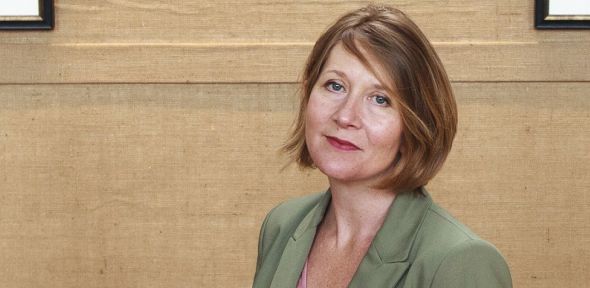
Professor Emma Widdis is a leading scholar at the Faculty of Modern and Medieval Languages and Linguistics at the University of Cambridge, specializing in the intersection of Soviet cinema, ideology, and cultural geography. Her work explores the reeducation of sensory perception through film, early Soviet urban spaces, and the construction of subjectivity via cinematic techniques. Teaches 20th-century Russian/Soviet literature, cinema, and film theory Focuses on sensory engagement, political avant-garde, and urban spatial representation Supervisor for MPhil and PhD students in Slavonic Studies Her recent book Socialist Senses (2017) examines how cinema shaped Soviet perceptions of reality. Her publications span topics like silence in sound film, set design materiality, and costume symbolism in early Soviet cinema. While no formal scientific awards are listed, her research has been supported through institutional grants and collaborations with centers like CRASSH and Cambridge Language Sciences.
Swiss Federal Institute of Technology in LausanneSwitzerland
Didier Trono is a Full Professor at École Polytechnique Fédérale de Lausanne (EPFL), where he leads the Laboratory of Virology and Genetics (LVG) within the School of Life Sciences. Formerly, from 2004 to 2012, he served as the founding dean of EPFL's Faculty of Life Sciences, orchestrating its development and growth during this formative period. Trono received his medical education at the University of Geneva, followed by clinical training in pathology, internal medicine, and infectious diseases in Geneva and at Massachusetts General Hospital in Boston. His scientific career began at the Whitehead Institute of MIT, and in 1990 he was recruited by the Salk Institute of San Diego to launch an AIDS research center. After seven years in the United States, he returned to Europe and eventually joined EPFL. Dr. Trono's research has evolved significantly over his career. Initially focusing on virus-host interactions, he studied pathogens like HIV and Hepatitis B virus, creating HIV-derived genetic transfer tools that are now successfully used in gene therapy. For approximately the last fifteen years, his research has centered on epigenetics, particularly exploring the impact of retroelements and their control mechanisms on development and physiology of higher organisms, including humans. His laboratory investigates how transposable elements and KRAB zinc finger proteins regulate gene expression, with important implications for understanding cancer biology and developing new diagnostic and therapeutic approaches. Analysis of his recent publications (2022-2024) reveals a strong focus on transposable elements, KRAB zinc finger proteins, and their roles in gene regulation and cancer. His work combines molecular biology, genomics, and bioinformatics approaches to understand how these ancient viral remnants have been co-opted by the host genome to regulate development and cellular functions. The research spans basic molecular mechanisms to potential clinical applications in cancer diagnosis and therapy, with some recent work also addressing SARS-CoV-2 and immune responses. Throughout his career, Professor Trono has mentored numerous PhD students, including Bojkowska Karolina, Brandão Sanches Vong Martins Filipe Amândio, Bulliard Yannick, Coluccio Andrea, Corsinotti Andrea, Coudray Alexandre, De Tribolet-Hardy Jonas Caspar, and Dorschel Iris Arianna. His laboratory has received significant funding to support research at the intersection of virology, genetics, and epigenetics, contributing to EPFL's reputation as a leading institution in life sciences research. The Trono Laboratory continues to be at the forefront of research on retroelements and their regulatory mechanisms, maintaining a vibrant research environment that bridges fundamental biological questions with potential medical applications, particularly in cancer research and precision medicine.
Alexis Battle is an Associate Professor at Johns Hopkins University with appointments in Biomedical Engineering , Computer Science , and Genetic Medicine (secondary). She directs the Malone Center for Engineering in Healthcare and serves as Deputy Director of the Data Science and AI Institute . Educated at Stanford University (PhD in Computer Science, 2013), Battle transitioned to academia after leadership roles at Google. Research Focus: Battle’s work bridges genomics and machine learning , emphasizing the impact of genetic variation on human health. Her lab develops tools like Watershed to predict functional effects of rare variants, aiming to enhance rare disease diagnosis. Key themes include non-coding DNA analysis , personalized genomics , and systems biology , with applications in cardiovascular disease and neurodegenerative disorders . Publications & Awards: Over 60 peer-reviewed articles in journals like Nature , Science , and Genome Biology , with recent emphasis on single-cell transcriptomics , multiomics integration , and telomere biology . Recipient of the President’s Frontier Award (2022), Microsoft Investigator Fellowship (2019), and Searle Scholar (2016). Scientific Awards: 2022 President’s Frontier Award 2019 Microsoft Investigator Fellowship 2019 Johns Hopkins Discovery Award 2017 Johns Hopkins Catalyst Award 2016 Searle Scholar Advising & Funding: Mentors 11 PhD students, 3 undergraduates, and postdoctoral fellows. Her research is funded by NIH, Searle Scholars, and institutional grants. The Battle Lab collaborates on projects like the GTEx Consortium , focusing on gene regulation and clinical genomics .
Dr. Rebecca Pratt is a tenured Professor in the Department of Foundational Medical Studies at Oakland University William Beaumont School of Medicine (OUWB), where she has been a faculty member since January 2018. She previously held professorial roles at Michigan State University College of Osteopathic Medicine (MSUCOM), where she taught anatomy, embryology, neuroanatomy, physiology, and histology, and served as Associate Professor and Director of Histology at the West Virginia School of Osteopathic Medicine. She also held appointments at Grand Valley State University and completed postdoctoral training at Purdue University. Ph.D., Cell Biology and Oncology, Purdue University B.S., Zoology and Botany/Plant Pathology, Michigan State University Dr. Pratt's research focuses on the fascial system and its role in whole-body health, including fascial continuity, muscle attachment, somatic pain transmission, and biochemical communication. She integrates radiology into anatomy education and advocates for evidence-based medical curricula. Her work bridges clinical anatomy, histology, embryology, and physiology with modern educational practices. Her recent publications reflect a strong emphasis on fascial anatomy, medical education innovation, and the integration of imaging in teaching. Themes include plastination, generational learning trends, and fascia’s role in women's health and athletic performance, published in journals like Clinical Anatomy and Anatomical Sciences Education , as well as in Women and Men’s Health and NIKE magazines. Scientific awards and honors include: Basmajian Award (American Association of Anatomy) Keith and Marion Moore Award (AAA) Five consecutive Golden Apple Teaching Awards at MSUCOM Golden Apple Award at OUWB Dr. Pratt has served in major leadership roles, including President of the International Fascia Research Society, Board Member of the American Association of Anatomy (AAA) and the American Association of Clinical Anatomy (AACA), and Chair of multiple AAA committees. She is a Visiting Anatomy Professor at Weill Cornell and St. George’s University School of Medicine, and faculty advisor for the Docapellas at OUWB. She has been an invited speaker internationally and contributed to high-impact projects like the BodyWorlds Fascial Net Plastination Project. She actively serves on OUWB’s Admissions and Student Promotion and Retention Committees. Dr. Pratt leads and organizes major international initiatives, including the Women's Clinical Health Summit in Rio de Janeiro (2024) and the Fascia Research Congress in New Orleans (2025), fostering global collaboration in fascial science. Her lab and research team focus on fascial anatomy and medical education, working closely with institutions in Italy (University of Padova) and Germany (BodyWorlds project).
Dr. Giulia Biancon is an Assistant Professor Adjunct in the Department of Medical Oncology and Hematology at Yale School of Medicine. She holds a PhD from the University of Milan (2019) and is a member of the Halene Lab, focusing on RNA biology and hematologic malignancies. Her research combines high-throughput methodologies to study RNA mechanisms in diseases like myeloid leukemias and splicing factor mutations. Education: PhD in Molecular Biology from the University of Milan (2019). Research Interests: RNA splicing, stress granules in cancer, epitranscriptomics, clonal hematopoiesis, and the interplay between genetic mutations and cellular pathways in blood cancers. Awards: 2024 Eclipse Award, 2022 ASH Abstract Achievement Award, and 2022 RNA Society Best Poster Award. Her work has been published in journals like Cell Reports , Blood , and Molecular Cell . Labs/Teams: Principal member of the Halene Lab and coordinator at the Yale Center for RNA Science and Medicine. Collaborates with institutions like the SeroNet network for immunology studies.
Svetlana Evdokimova is a Professor of Slavic Studies and Comparative Literature at Brown University, where she has been a faculty member since 1991. She previously taught at Yale University and holds a PhD in Slavic Languages and Literatures from Yale University and an MA in French Language and Literature from St. Petersburg University. She is a leading scholar in Russian literature of the 19th and 20th centuries, with a focus on Pushkin, Dostoevsky, Tolstoy, and especially Chekhov. Her research explores the intersections between literature, philosophy, history, and aesthetics. She has published extensively on Russian Romanticism, the Russian intelligentsia, and the cultural significance of St. Petersburg. Her major works include Pushkin's Historical Imagination (1999) and Staging Existence: Chekhov's Tetralogy (2023), with a forthcoming monograph A Genius of Culture: The Chekhov Phenomenon . The recent publications reflect a deep engagement with Chekhov’s aesthetics, corporeality, and cultural philosophy, as well as Dostoevsky’s dialogues with Nietzsche and postmodern thought. Her work frequently examines the ethical dimensions of literature and the interplay between fiction and historical consciousness. Choice Outstanding Academic Title (2004) for Alexander Pushkin's Little Tragedies: The Poetics of Brevity NEH Research Fellowship (1995–1996) IREX Research Fellowship (1995) The Bogliasco Foundation Residency Fellowship (2018) Paul C. Gignilliat Fellowship, Yale University (1988–1989) Council on Russian and East European Studies Summer Fellowship, Yale University (1985) She has advised numerous graduate students and has secured competitive research grants from the National Endowment for the Humanities, IREX, and Brown University. She is actively involved in scholarly communities, including the Modern Language Association, AATSEEL, and author-specific societies such as the North American Chekhov Society and the North American Dostoevsky Society. She teaches courses on Russian Romanticism, major novelists, theater, and cultural history.
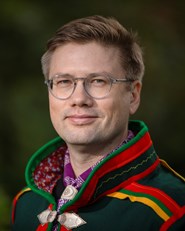
Petter Stoor is an Assistant Professor at Umeå University's Department of Epidemiology and Global Health, specializing in Sámi health research. He holds a PhD from the Arctic University of Norway (UiT) and is Coordinator of Lávvuo, a research group focused on Sámi health education. His work emphasizes Indigenous health equity, suicide prevention, and addressing systemic discrimination. He teaches courses on Sámi and Indigenous health at Umeå University, including Sweden's first dedicated program in this field. PhD: “Suicide among Sámi – Cultural meanings of suicide and interventions for suicide prevention in Nordic parts of Sápmi” (2020, UiT) Current roles: Researcher, educator, and advisor to Sámi parliaments and NGOs Research interests include mental health disparities, cultural determinants of health, and ethical research practices with Indigenous communities. Awards include recognition for studies on sexual violence against Sámi women (2024) and broader Sámi health contributions (2024). He leads projects such as the SámiHET study on health inequities and collaborates internationally via the Lancet Commissions on Suicide and Arctic Health. Teaching focuses on integrating Indigenous perspectives into medical and public health curricula. He supervises master’s and doctoral students, emphasizing participatory methods and community-driven research.
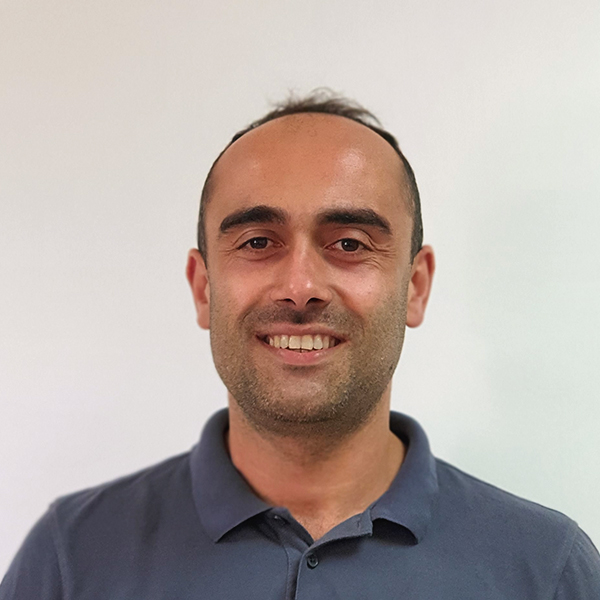
Dr. Ahmet Acar is an Associate Professor at the Department of Biological Sciences, Middle East Technical University (METU), Ankara, Turkey. He leads the Cancer Precision Medicine and Drug Resistance Laboratory, focusing on understanding mechanisms of drug resistance in cancer. His research integrates experimental models, next-generation sequencing, and deep learning to address clinical challenges in cancer therapy. Dr. Acar holds a B.Sc. from METU's Biological Sciences department and a Ph.D. from the Cancer Research UK Manchester Institute. He completed postdoctoral training at the Institute of Cancer Research, London, and the University of Manchester. Research Interests: Drug resistance mechanisms, precision oncology, tumor microenvironment modeling, patient-derived organoids, computational pathology, and evolutionary cancer biology. His lab develops 2D/3D co-culture systems, PDO biobanks, and AI-driven histopathology tools to improve treatment strategies. Recent Work Trends: Recent publications emphasize tumor evolution modeling, matrix mechanics in drug resistance, and AI applications in histopathology. Collaborations with hospitals in Turkey and Europe support PDO biobank initiatives. His team explores evolutionary steering strategies to exploit collateral drug sensitivities. Labs/Teams: Precision Medicine and Drug Resistance Lab at METU focuses on interdisciplinary approaches combining wet-lab experiments with computational methods. Current projects include ex vivo tumor modeling and AI-driven diagnostic tools for oncology.
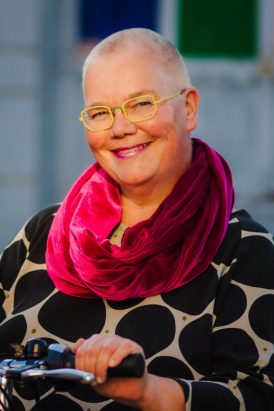
Petra Kuppers is a Professor at the University of Michigan, specializing in disability culture, performance art, and ecocriticism. She holds a PhD from Falmouth College of Art/Plymouth University (1999) and is affiliated with multiple departments, including English, Drama, and Gender Studies. Her work bridges academic research with community-based performance, emphasizing socially just futures through art. Key roles include Artistic Director of The Olimpias, co-founder of Turtle Disco, and a Just Tech Fellow (2024–2026) for 'Planting Disabled Futures,' a VR project blending disability culture and environmental ethics. She teaches graduate courses on disability studies and creative writing, advising students through a monthly 'Research Coven.' Kuppers has authored influential books like *Disability and Contemporary Performance* (2003) and *Eco Soma* (2022), recognized with awards such as the Guggenheim Fellowship and ATHE Book Prize. Her poetry collections, including *Gut Botany* (2020) and *Diver Beneath the Street* (2024), explore intersections of disability, ecology, and true crime. Her research spans crip ecologies, archival activism, and somatic methods, with recent projects including *Crip/Mad Archive Dances* and participatory events like 'Crip Drifts.' She emphasizes accessibility in performance, digital art, and public engagement, often collaborating with Indigenous communities and global disability collectives.
David Mwambari serves as Associate Professor at KU Leuven's Faculty of Social Sciences within the Unit Leuven International and European Studies (LINES). He leads the ERC-funded TMSS project on Life Narratives of Violence Among Refugees from Africa's Great Lakes Region and holds affiliations with the Oxford Consortium on Human Rights and the Centre for Mediation in Africa at the University of Pretoria. His educational background includes BA/MA in International Relations from United States International University-Africa, MA in Pan-African Studies from Syracuse University, and PhD in History from La Trobe University. He previously held academic positions at King's College London, Ghent University, and United States International University-Africa. Mwambari's research centers on memory studies with emphases on post-genocide Rwanda, colonial durabilities, and refugee narratives. His work examines how cultural memory shapes state formation, peacebuilding, and identity politics through interdisciplinary methodologies blending historical analysis, ethnography, and critical theory. Recent projects investigate vernacular memory practices during crises and the spatial dimensions of post-conflict reconstruction. His scientific contributions include the monograph Navigating Cultural Memory (Oxford University Press, 2023), co-edited volume Beyond History (Rowman & Littlefield, 2020), and editorial roles for Qualitative Research journal and Brill's 'Mobilizing Memory' series. His publications demonstrate evolving focus from leadership studies toward memory politics and decolonial research methodologies. European Research Council (ERC) Grant for TMSS Project Fellow at Churchill College, University of Cambridge African Academic Diaspora Fellow at CODESRIA FWO Postdoctoral Research Fellowship Mwambari actively mentors early-career scholars across Africa, Latin America, and East Asia while contributing to public discourse through Al Jazeera and community projects training history teachers in East Africa. His consultancy work addresses cross-disciplinary challenges in healthcare, education, and security, reflecting his commitment to applied scholarship beyond traditional academic boundaries.
Krishnendu Ray is a Professor of Food Studies and Director of the Food Studies PhD Program at New York University's Steinhardt School of Culture, Education, and Human Development. He holds a Ph.D. in Sociology from SUNY Binghamton (2001) and a master’s in Political Science from Delhi University, India. Prior to NYU, he served as faculty and Acting Associate Dean for Curriculum Development at The Culinary Institute of America. Roles: Professor, Director of Food Studies PhD Program, Chair of the Department of Nutrition, Food Studies, and Public Health (per external sources). Research Focus: Immigrant culinary practices, globalization of food, ethnic restaurants, urban food cultures, and the sociocultural dimensions of taste. His work bridges sociology, anthropology, and public health, examining how food shapes identity, migration, and urban spaces. Notable publications include The Ethnic Restaurateur (2016) and The Migrant’s Table (2004). He co-edits special issues on topics like street vending and global cities, highlighting food’s role in cultural exchange and urban transformation. Recent articles (2020–2025) explore global Asias, resilient immigrant cooking, and the intersection of food studies with contemporary crises. His research frequently engages interdisciplinary methods, including ethnography and historical analysis.
Stephanie Creary is an Assistant Professor of Management at The Wharton School , University of Pennsylvania. She serves as the Faculty Director of the Relationships Across Differences (RADs) Roundtable , a collaborative initiative with Harvard Business School, INSEAD, and NYU Stern. Research Focus: Identity, diversity and inclusion, emotional dynamics, and leadership in diverse organizations. Teaching: Offers courses on leading across cultural and relational differences (MGMT2240, MGMT6240) and advanced organizational effectiveness (MGMT8920). Key Contributions: Conceptualizes DEI work through emotional ambivalence transformation and workplace allyship frameworks (LEAP). Her work appears in top journals like Academy of Management Review , Organization Science , and Harvard Business Review . Scientific Awards: Thinkers50 Radar Class of 2023 NACD Directorship 100 Award Dorothy Harlow/McGraw Hill Best Paper Award (2023) Phillips and Nadkarni Outstanding Paper Award (2022) Multiple Best Reviewer Awards Additional Roles: Visiting Faculty Fellow at Harvard Business School (2022-2024) Host of Knowledge at Wharton Leading Diversity at Work Podcast (4 years)
Jennifer Lewis is the Hansjorg Wyss Professor of Biologically Inspired Engineering and Jianming Yu Professor of Arts and Sciences at Harvard University's Harvard John A. Paulson School of Engineering and Applied Sciences (SEAS). Her research focuses on bioengineering, materials science, and advanced manufacturing, with emphasis on 3D-printed functional materials, organoids, and soft robotics. She leads the Lewis Research Group, which develops biomimetic technologies for regenerative medicine, energy systems, and robotics. Lewis holds appointments in SEAS, the Department of Chemistry and Chemical Biology, and the Wyss Institute for Biologically Inspired Engineering. Her research areas include applied mathematics, fluid mechanics, soft matter physics, and bioengineering applications such as kidney organoid models, vascularized tissues, and programmable materials. Notable innovations include kidney organoid-on-chip systems for drug testing, 3D-printed liquid crystal elastomers, and bioprinted cardiac tissues. Lewis was awarded the 2025 James Prize in Science and Technology Integration for pioneering interdisciplinary research. Her lab's projects span organ building blocks, immune-response modeling in transplanted tissues, and acoustophoretic printing techniques for high-resolution bioprinting. Collaborations include the NIH Somatic Cell Genome Editing Program and industry partnerships for bioprosthetic valve research. She advises on grants totaling over $20M and mentors a multidisciplinary team of postdocs and graduate students in materials science, biomedical engineering, and mechanical engineering. Lewis' lab facilities include the Pierce Hall lab (Cambridge) and Allston SEAS campus, with state-of-the-art 3D printing systems, microfluidics platforms, and bioreactors for organoid culture. Current projects aim to engineer functional human tissues for therapeutic applications and develop smart materials with programmable mechanical/chemical responses.
Kenneth Ross is a Professor in the Computer Science Department at Columbia University in New York City. His primary appointment is within the Department of Computer Science, with affiliations including the Foundations of Data Science Committee. His work bridges theoretical database research and practical system implementation. His research focuses on database systems with particular expertise in query processing, query language design, data warehousing, and architecture-sensitive database system design. Additional research spans computational biology, especially analysis of large genomic data sets. Current projects include Linear Algebra Operators in Databases for machine learning workloads and Repeats and Somatic Mutation analysis in genomics. His work consistently addresses the intersection of hardware capabilities and database system design. Ross leads the Database Research Lab at Columbia, which has produced significant work on query optimization, GPU database processing, and hardware-conscious database systems. His recent publications demonstrate strong focus on adapting database systems to modern hardware including GPUs, SIMD processors, and persistent memory. His scientific recognition includes: Packard Foundation Fellowship Sloan Foundation Fellowship NSF Young Investigator Award Distinguished Faculty Teaching Award (2008) Ross actively advises undergraduate engineering students (juniors with last names P-Z) and has taught foundational courses including Introduction to Databases and Programming and Problem Solving for over two decades. His teaching portfolio shows consistent engagement with both theoretical concepts and practical implementation challenges in computer science education.
Montserrat Anguera, Ph.D. is an Associate Professor in the Department of Biomedical Sciences at the University of Pennsylvania's School of Veterinary Medicine. Her research focuses on epigenetic mechanisms of gene regulation underlying sex differences in development and disease, with particular emphasis on X-chromosome inactivation (XCI) and its implications for female-biased autoimmune disorders. Dr. Anguera investigates how gene expression from the X-chromosome is regulated to ensure dosage compensation between males and females, and how these mechanisms become altered in diseases exhibiting sex-bias. Her laboratory has established novel epigenetic pathways involving the X-chromosome that impact human development, immune responses, and lymphocyte function. She employs advanced techniques including RNA/DNA fluorescence in situ hybridization, immunofluorescence, and allele-specific RNA sequencing to achieve single-cell resolution of epigenetic characteristics of the inactive X chromosome. Her research reveals a consistent focus on the intersection of X-chromosome biology and immunology, particularly regarding sex-biased autoimmune diseases like systemic lupus erythematosus. Key findings include the discovery that lymphocytes maintain X-chromosome inactivation differently than other somatic cells, with the inactive X exhibiting euchromatic features in female lymphocytes that may underlie female bias in autoimmune disorders. She coined the term 'dynamic XCI maintenance' to describe how T and B cells relocalize Xist RNA and heterochromatic marks to the inactive X chromosome following antigen-mediated stimulation. Dr. Anguera's laboratory includes postdocs Katherine Forsyth and Nikhil Jiwrajka, research specialist Zowie Searcy, graduate students Isabel Sierra and Natalie Toothacre, postdoctoral researcher Nuriban Valero-Pacheco, and PhD student Emma Welter. Together, they investigate epigenetic regulation of X-linked genes in development and disease contexts. She is an active member of multiple prestigious research institutes at Penn, including the Epigenetics Institute, Institute for Immunology, Center for Research on Reproduction & Women's Health, and Institute for Regenerative Medicine. Her work bridges epigenetics, immunology, and developmental biology, providing novel insights into mechanisms underlying female-biased autoimmune disorders.