Betar Gallantمشاهده پروفایل
دانشیار
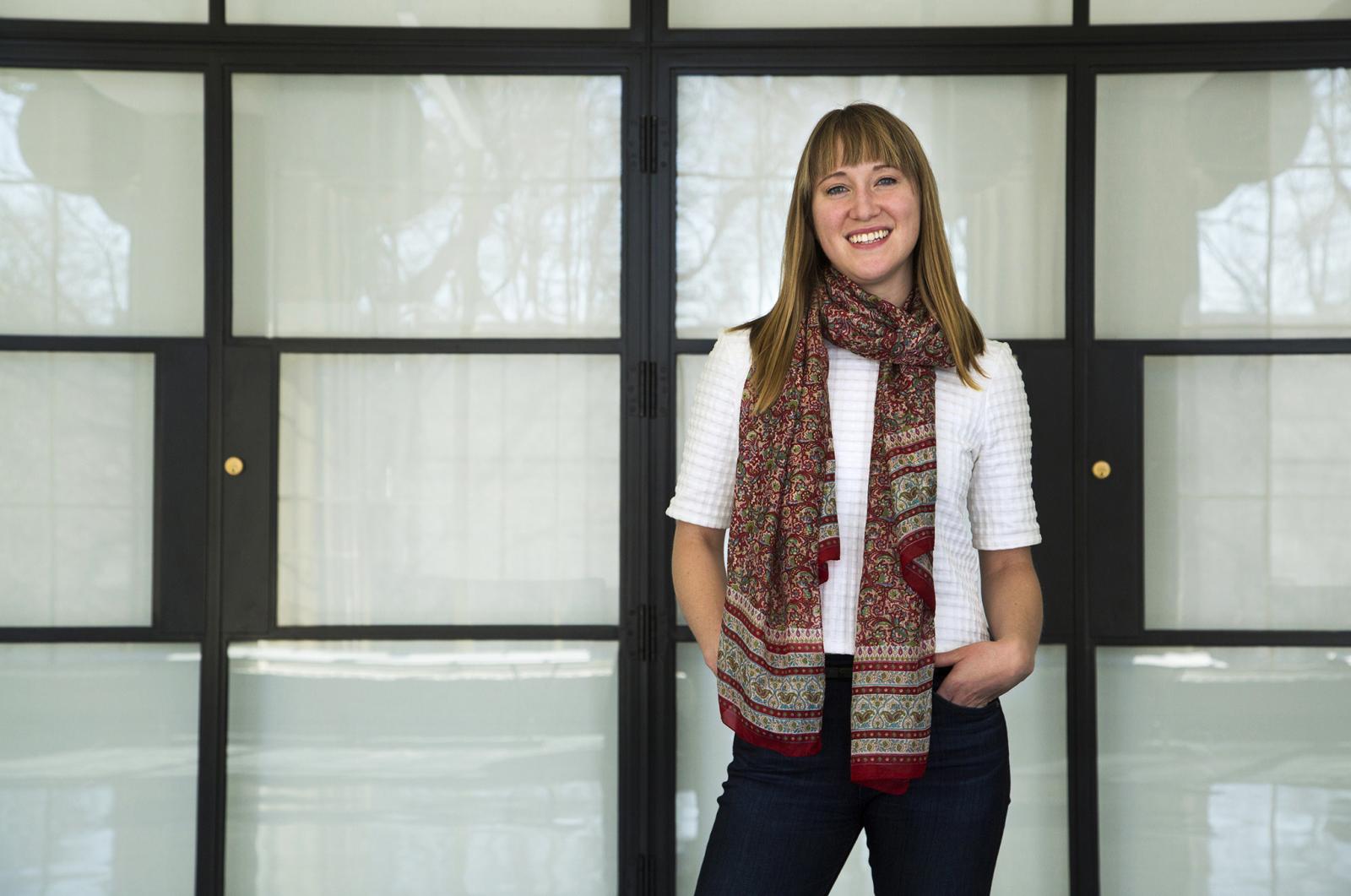
Betar Gallant is an Associate Professor and the American Bureau of Shipping Career Development Professor in the Department of Mechanical Engineering at the Massachusetts Institute of Technology (MIT). She leads the Energy and Gas Conversion Laboratory, pioneering research in advanced battery chemistries and electrochemical CO2 mitigation technologies to address critical energy and climate challenges. Education: 2008: S.B., Massachusetts Institute of Technology 2010: S.M., Massachusetts Institute of Technology 2013: Ph.D., Massachusetts Institute of Technology Her research program centers on fundamental electrochemical science with dual focuses: high-energy battery systems (lithium/calcium metal anodes, solid electrolyte interphases, and fluorinated cathode conversion reactions) and electrochemical CO2 management. She has pioneered frameworks for integrating amine-based CO2 capture with direct electrochemical conversion, potentially replacing energy-intensive thermal regeneration processes in carbon capture systems. Her interdisciplinary approach bridges chemistry, thermodynamics, and materials science to develop novel electrochemical transformations. Dr. Gallant has received extensive recognition including: Charles W. Tobias Young Investigator Award - The Electrochemical Society (2024) National Science Foundation CAREER Award (2021) ECS Battery Division Early Career Award (2021) Ruth and Joel Spira Award for Distinguished Teaching at MIT (2019) Army Research Office Young Investigator Award (2019) Scialog Fellowships in both Negative Emissions Science and Advanced Energy Storage MIT Bose Research Fellowship Multiple graduate fellowships including NSF GRFP She has secured significant research funding from the National Science Foundation and Army Research Office, directing a laboratory that mentors graduate researchers in developing sustainable energy technologies. Her teaching includes core thermal fluids courses (2.005/2.006) and nanoengineering (2.37), complemented by service on the MechE Graduate Committee and as Faculty Ambassador to Graduate Students. The Energy and Gas Conversion Laboratory operates at the chemistry-thermodynamics-materials interface, with current projects spanning lithium/calcium anode stabilization, nonaqueous electrolyte design, and electrochemical pathways for CO2 capture and conversion into stable storage phases.