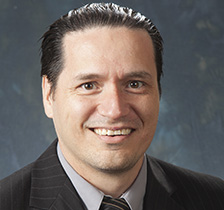
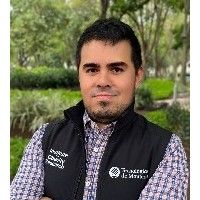
Kirsi S. Mikkonen is a Professor in the Department of Food and Nutrition at the University of Helsinki, leading the Food Materials Science Research Group . She serves as a supervisor for multiple doctoral programs including Drug Research and Clinical Research. Professor since 2023 Docent (Adjunct Professor) in Food Materials Science Active in HELSUS Helsinki Institute of Sustainability Science Her research focuses on: Valorization of biomass streams Functionalization of hemicelluloses from wood/agricultural residues Interfacial behavior of biopolymers Development of biodegradable alternatives to petroleum plastics Applications in food, cosmetics, pharmaceuticals Recent research outputs show strong emphasis on sustainable materials, fungal biotechnology, and food-grade polymer applications. Notable projects include: PARTIFACE (ERC Consolidator Grant) REPLY (Academy of Finland) GOOD (Jane and Aatos Erkko Foundation) ENVISION (Academy of Finland) FreshPack (Business Finland)
Prof. Dr. Elif Esin HAMEŞ is a leading academic at Ege University's Department of Bioengineering within the Faculty of Engineering. Her research focuses on microbial biotechnology, bacteriology, and biomaterials engineering with emphasis on sustainable applications. She has pioneered studies on bacterial cellulose composites for biomedical and environmental uses, including bone scaffolds, UV-protective materials, and green building solutions. Over 200 publications and 9 notable recognitions reflect her impactful contributions to bioengineering and microbiology. HAMEŞ collaborates extensively on interdisciplinary projects, such as mycelium-based biocomposites and enzyme engineering for industrial applications. Her work bridges foundational science with practical innovations, addressing global challenges in healthcare and sustainability. Education: Details not explicitly provided in available texts. Research Interests: Integrates microbiology with material science to develop novel biocomposites. Key areas include: Enzyme production from marine-derived microbes Tissue engineering scaffolds Bio-inspired functional materials Sustainable green technologies Antimicrobial nanomaterials Publications: Recent work highlights include advanced biomaterials for bone regeneration, immunomodulatory adjuvants, and microbial-based nanoparticle synthesis. Her articles demonstrate growing focus on interdisciplinary applications such as vaccine development and urban sustainability. Awards: 9 recognitions noted, though specific awards remain unspecified. Likely includes academic accolades for her contributions to bioengineering and microbiology. Grants & Advising: Active in securing research grants for bioprocess optimization and biocomposite development. Supervises projects on enzyme engineering, nanomaterials, and sustainable building materials. No specific student names listed in provided texts. Labs/Teams: Leads bioengineering labs focused on microbial production systems and material characterization. Collaborates with international teams on EU-funded sustainability initiatives and biotech innovations.
James Harbertson is an Associate Scientist/Extension Enologist at Washington State University's Department of Viticulture & Enology. He holds a Ph.D. in Agricultural and Environmental Chemistry (UC Davis, 2003) and a B.S. in Biochemistry (UC Davis, 1996). His research focuses on grape/wine phenolic compounds, winemaking processes, and their impact on wine sensory properties, preservation, and health aspects. He leads collaborative projects at the WSU Wine Science Center in Richland, WA, addressing industry challenges like ethanol management, maceration techniques, and irrigation effects. His work spans analytical methods (e.g., HPLC-MS), vineyard trials, and commercial winemaking innovations. Harbertson advises on graduate student applications and has authored/co-authored over 60 peer-reviewed articles since 2002. His research emphasizes anthocyanins, proanthocyanidins, and tannin interactions, with recent studies on deficit irrigation, exogenous tannins, and frost impacts. He collaborates with industry on practical solutions for vineyard and winery operations, including rootstock effects and wine haze prevention. His lab facilities support preparative and analytical chemistry for phenolic analysis. Key research areas include: phenolic evolution during winemaking, sensory impact of maceration/ethanol levels, disease effects on grape chemistry (e.g., grapevine leafroll disease), and novel drying methods for fruit preservation. His work bridges fundamental chemistry with applied winemaking practices, contributing to both academic and industry advancements in enology.
James M. Gossett is a Professor in the School of Civil & Environmental Engineering at Cornell University, where he has served since joining the faculty in 1976. He previously directed the School from 2003 to 2008. His research focuses on applied microbiology, particularly bioremediation of chlorinated solvents and biofuel production from lignocellulosic biomass. Gossett has held roles as a NATO fellow (1987–92), Pacific Northwest National Laboratory Affiliate Scientist (1996–99), and visiting professor at the U.S. Air Force Research Laboratory. Education: B.S., M.S., and Ph.D. in Chemical and Civil Engineering from Stanford University (1973–1977). His teaching includes graduate courses on biological and physical/chemical environmental engineering processes. Research emphasizes anaerobic bioremediation of chlorinated solvents, microbial community dynamics, and lignocellulosic biomass pretreatment for biofuel production. Notable projects include bark-mulch barrier walls for contaminated plumes and predictive modeling of dechlorination processes. Key awards include the 2010 SERDP Environmental Restoration Project of the Year, 2008 AEESP Outstanding Publication Award, and the 2008 Barger Teaching Award. His work has been featured in Science , Environmental Science & Technology , and media such as CNN and BBC. Service includes advisory roles for PNNL, DoE, DoD, and NATO. Collaborative efforts span bioaugmentation strategies, microbial kinetics, and anaerobic process optimization.
Dr. Sonja Diercks-Horn is a Lecturer in Biochemistry and Cell Biology at the School of Science, Constructor University Bremen gGmbH. Her research focuses on enzymology, biosensor development for marine phytoplankton monitoring, and biotechnological applications of microorganisms. She specializes in optimizing enzyme production from agricultural residues and developing semi-automated devices for detecting toxic algae. Her work integrates biochemistry with environmental science, addressing challenges in food technology (e.g., milk-clotting enzymes) and ecological monitoring through rRNA-based biosensors like the ALGADEC device. She has contributed to advancing solid-state fermentation techniques and molecular probe technologies for marine biology. Teaching Lab: Teaching Lab BCCB Office: Research II, Room 112
Dr. Maria Sotenko is a Senior Lecturer at the University of Chester’s Faculty of Science, Business and Enterprise. She holds a PhD in Chemical Engineering from the University of Warwick (2010) and prior academic positions at Loughborough University (2016–2019). Her research focuses on transforming waste into valuable products using biotechnology, with expertise in phytoremediation, CO2 capture, and life cycle assessment. She co-founded Novatica Technologies Ltd to commercialize sustainable processes. Education: BSc in Ecology (Novosibirsk State University, 2004), MSc in Catalysis (2006), and PhD in Chemical Engineering (Warwick, 2010). Postdoctoral work included projects at Bath University (Pd nanoparticle synthesis) and Warwick Manufacturing Group (Cleaning Land for Wealth initiative). Teaching includes modules on materials processing, fluid mechanics, and biotechnology. Active in funded projects such as Innovate UK’s BioPro initiative for low-emission protein production and the Scaling Sustainable Single Cell Proteins project. Over 10 peer-reviewed publications address topics like biodegradable composites, CO2 capture systems, and fungal-mediated catalysis.
Yang Zhu serves as an Associate Professor in the Department of Bio Process Engineering at Wageningen University & Research, specializing in food microbiome dynamics and traditional fermentation systems. Active in both academic supervision and collaborative research, Zhu contributes significantly to understanding microbial ecosystems in food production. Research focuses on food fermentation microbiology , particularly Chinese liquor (Baijiu) production, solid-state fermentation processes, and microbiome stability. Key interests include quantitative profiling of food microbiomes , antibacterial activity in fermented foods , and statistical modeling of traditional fermentation variables . Work bridges food safety, security, and traditional production methods through advanced microbiological analysis. Research output trends show increasing focus on microbial community interactions in indigenous fermentations, with recent publications emphasizing metabolic stability control and quantitative profiling challenges. The 2023-2025 publications reveal strong specialization in Chinese liquor fermentation ecosystems and statistical modeling of traditional food processes. Supervision includes co-promoting PhD research on Dynamics of microbial succession in Chinese liquor fermentation (2021-2024), with two supervised works documented. Current projects investigate microbial functionality in spontaneous solid-state fermentation ecosystems, securing collaborative funding with international partners including Xu, Wijffels, and Martins dos Santos. Laboratory work centers on the food microbiome ecosystem, particularly studying Lactobacillus plantarum , Escherichia coli interactions, and bacteriocin production in traditional liquor fermentation. The research group employs multi-omics approaches to map microbial succession during fermentation stages.
Dan Cristian Vodnar is a Professor and currently serves as Vice-rector for Research at the University of Agricultural Sciences and Veterinary Medicine Cluj-Napoca (UASVM), Romania. He also holds multiple leadership positions including Member of the faculty council, Member of the University Senate, and Manager of the Technology Transfer Centre-Biotech. Additionally, he serves as a Bio-economy Expert for the European Commission in Brussels and Scientific Manager at BIOZOON GMBH, Germany. Professor Vodnar's research focuses on bacterial, fungal and microalga fermentative bioconversions in aerobic and anaerobic systems, food science, bioeconomy and food biotechnologies, molecular gastronomy, immobilization of enzymes and microorganisms, determination of bioactivity of natural extracts and chemically synthesized compounds, microencapsulated bioactive powders, in vitro gastrointestinal digestions, and developing innovative functional foods. His work bridges the gap between fundamental biochemical research and practical food applications, with emphasis on waste valorization and sustainable production methods. His publication record shows a strong focus on food biotechnology, bioactive compounds, and sustainable production methods. The articles demonstrate expertise in microencapsulation techniques, fermentation processes, and analysis of bioactive compounds in food systems. His research shows consistent progression from fundamental biochemical studies toward applied food technology solutions with commercial potential, particularly in the areas of functional foods and food waste valorization. Top 2% of scientists worldwide in Food Science (2020 and 2021) GOLD Medal at International Exhibition of Invention, Geneva, Switzerland (2017) JCI Ten Outstanding Young Persons (TOYP) award in Scientific category (2018) Multiple GOLD Medals at PRO INVENT International Exhibition (2016-2020) Young Scientist Award from Vira International Foundation, India (2016) Danubius Young Scientist Award, Vienna, Austria (2014) Professor Vodnar has successfully led 19 major research projects totaling approximately 5.5 million EUR, including 5 international and 14 national grants. He has supervised 5 Postdocs, 9 Ph.D. students, and 22 Master's students, demonstrating strong commitment to academic mentoring. As Editor-in-Chief of the Bulletin of University of Agricultural Sciences and Veterinary Medicine, Cluj-Napoca, he contributes significantly to scholarly communication in his field. His work with the Technology Transfer Centre-Biotech demonstrates practical application of research findings to industry needs. Professor Vodnar leads the Technology Transfer Centre-Biotech at USAMV Cluj-Napoca and coordinates CDS 7 at the Life Sciences Institute. His research team focuses on translating laboratory findings into practical food technology applications, particularly in the areas of functional food development and food waste valorization. The team maintains strong connections with industry partners through the Technology Transfer Centre, ensuring research has real-world impact.
Raquel Barrena Gomez is a Professor in the Department of Chemical, Biological and Environmental Engineering at Universitat Autònoma de Barcelona, where she leads significant research in solid-state fermentation, composting, and biowaste valorization. As a member of the BRAVE research group (Grup de recerca en tecnologies de (Bio) Remediació Ambiental i Valorització d'Efluents residuals), she has established herself as a leading expert in sustainable waste management solutions. Her research spans multiple applications including biopesticides, biostimulants, and circular bioeconomy approaches. Her research interests focus on solid-state fermentation techniques for converting biowaste into valuable products, composting process optimization with emphasis on respiration index monitoring, and organic waste valorization for sustainable agriculture applications. She has pioneered approaches for producing biopesticides from biowaste digestate and developing biostimulants from green waste to enhance crop resilience under water stress conditions. Her work bridges environmental engineering with practical agricultural applications, creating closed-loop systems for organic waste management. Analysis of her recent publications reveals a strong trend toward community-scale sustainable solutions for biowaste management, with increasing focus on Mediterranean regional applications. Her research integrates multiple disciplines including environmental engineering, agricultural science, and biotechnology to address critical challenges in waste management and resource recovery. The work demonstrates consistent advancement from fundamental process understanding to demonstration-scale applications. Dr. Barrena Gomez has successfully supervised numerous research projects and mentored students through her extensive research program. She currently leads multiple significant research initiatives including the RETROFIT project (funded by European Regional Development Fund) focused on portable energy sources, and the CirBioWaste project addressing sustainable bio-waste management in the Mediterranean region. Her laboratory work centers on the BRAVE research group, which specializes in environmental bioremediation technologies and waste stream valorization. The team employs advanced analytical techniques for monitoring biological processes in waste treatment systems, with particular expertise in respirometric methods for assessing composting efficiency and biological activity.
Dr. James Martinez is a Professor at the Department of Teacher Education within Valdosta State University's College of Education . As a Chicano scholar, his work bridges critical race theory, Latinx educational equity, and the intersection of cultural identity with pedagogical practice. Doctorate in Education and Sociology, University of Missouri–Kansas City His research focuses on urban and rural schooling , immigration reform , and youth gang risk factors , with a specialization in middle grades education . He has explored equity literacy, culturally responsive teaching, and the socio-political dimensions of education through both empirical and theoretical frameworks. Dr. Martinez's publication record spans 2014-2025, with recent work on hybrid classroom strategies , Latinx family engagement in school choice , and microbial hydrogen production (2025). Earlier contributions examine teacher preparation , language preservation , and multicultural policy . As Editor-in-Chief of The Urban Review , he leads discourse on urban education. His career includes a decade of secondary teaching (ELA/SCI) and coaching in diverse school settings before transitioning to higher education.
Iván Andres Luzardo-Ocampo is a Research Professor (tenure-track) at Tecnológico de Monterrey, holding dual appointments in the Institute for Obesity Research and the Department of Bioengineering at Campus Querétaro. His academic journey spans institutions across Colombia, Mexico, Spain, and the United States, reflecting a truly international research perspective in food science and nutrition. Education: PhD in Food Sciences, Universidad Autónoma de Querétaro (2016-2020), Summa Cum Laude Master in Food Technology, Universidad Autónoma de Querétaro (2014-2016), Magna Cum Laude Food Engineering, Universidad del Quindío, Colombia (2007-2013) Academic visit at Autonomous University of Barcelona and University of Barcelona, Spain (2010-2011) PhD Research Scholar, University of Illinois at Urbana-Champaign, USA (2018-2019) Dr. Luzardo-Ocampo's research focuses on the impact of food prototypes and metabolites in metabolic disease models (obesity, inflammation, diabetes), utilization of food by-products as sources of biologically active compounds, and in vitro/ex vivo simulation of gastrointestinal digestion. His interdisciplinary work bridges food science, nutrition, and biomedical engineering to develop functional foods that address global health challenges including obesity and metabolic disorders. He is particularly interested in phenolic compounds from plant sources and their health implications. Analysis of Dr. Luzardo-Ocampo's recent publications (2023-2025) reveals a strong emphasis on food by-products valorization, phenolic compounds analysis, and their impact on metabolic health. His research spans multiple disciplines including food chemistry, nutrition science, and biomedical applications. Key trends include the investigation of underutilized plant materials (mango bagasse, corn by-products, avocado), development of plant-based functional foods, and examination of food processing effects on bioaccessibility and biological activity. His work frequently employs in vitro digestion models to assess these properties. Scientific Awards and Honors: US National Academies of Sciences delegate (2024) Mars Corporation Fellow (2022) Mexican Representative at the Lindau's Nobel Conferences (Germany, 2022) American Society for Nutrition's Global Nutrition Early Research Scholar Award (2021) 2nd Place at the Alejandrina Research Award (Mexico, 2020) PhD Summa Cum Laude (2020) and MSc Magna Cum Laude (2016) Mexican Researcher Certification - Level 1 Dr. Luzardo-Ocampo serves as an editorial board member for multiple prestigious journals including the Journal of Functional Foods (Elsevier), Journal of Food Quality (Wiley), Journal of Food Processing and Preservation (Wiley), and International Journal of Food Science (Wiley). He has reviewed for over 60 journals in food science, nutrition, biochemistry, biotechnology, and microbiology fields. His research has attracted significant attention, as evidenced by numerous citations and social media mentions across platforms. He actively engages in community-focused education initiatives, as demonstrated by his work on unconventional laboratory concepts for bioengineering student development. As part of the Institute for Obesity Research at Tecnológico de Monterrey, Dr. Luzardo-Ocampo contributes to a multidisciplinary team addressing global nutrition challenges. His work aligns with several UN Sustainable Development Goals including Zero Hunger, Good Health and Well-being, and Climate Action. The Healthy Foods Unit where he works focuses on developing innovative food solutions to combat obesity and related metabolic disorders through scientific research and technological innovation.
Dr. David Bryant is a Senior Research Fellow at the Institute of Biological, Environmental & Rural Sciences (IBERS) at Aberystwyth University. His work spans biorefining, bioconversion, and sustainable biotechnology , focusing on lignocellulosic biomass valorization and microbial fermentation for food and energy applications. Research Interests: He investigates steam explosion pretreatment , solid-state fermentation , and hemicellulose extraction to produce xylose , xylitol , and biochar . His projects integrate circular economy principles by upcycling agricultural by-products like surplus bread and miscanthus into high-value food and industrial materials. Recent Articles Trends: His 15 most recent publications emphasize biorefinery scale-up (e.g., pilot plants for xylose and xylitol), food waste valorization (e.g., bread crust fermentation), and low-carbon industrial integration (e.g., biochar in steel manufacturing). These works highlight advancements in Taguchi optimization , ionic liquid pretreatment , and genomic tools for xylose-utilizing fungi. Projects: Engineering Biology Hub for Microbial Foods (BBSRC, 2024–2029) International Centre of Excellence for Alternative Proteins (Good Food Institute, 2024–2026) Strengthening UK-Vietnam Food Safety (British Council, 2025–2026) EcoXyl Scale-Up (Innovate UK, 2019–2020)
Dr. Ariane Perez Gavilan van Marweijk is a Lecturer in the Department of Applied Sciences at South East Technological University (SETU), affiliated with the enviroCORE research group. Her research focuses on synthetic inorganic chemistry, particularly at the interface of organometallic and boron chemistry, with recent work emphasizing sustainable transformation of agroindustrial waste into functional ingredients and drug delivery systems. She holds a PhD in Inorganic Chemistry from the University of Pennsylvania (2012) and a B.Sc. in Chemistry from the University of Notre Dame (2006). Her current projects include developing nutraceuticals from brewing industry by-products and optimizing solid-state fermentation conditions for protein recovery. Key collaborations involve work with researchers like Dr. Ana Cunha Neves and Mr. Jun Zhang, focusing on valorizing brewers’ spent grain through enzymatic hydrolysis and bioprocessing. Recent publications highlight innovations in functional food development, protein functionality assessment, and environmental sustainability. Dr. van Marweijk’s research aligns with UN Sustainable Development Goals related to responsible consumption and production (SDG 12). She actively supervises PhD students and contributes to interdisciplinary projects at SETU’s enviroCORE facility.
Yan Ping Qian is an Associate Professor in the Department of Crop and Soil Science at Oregon State University's College of Agricultural Sciences. Their research focuses on post-harvest crop chemistry, aroma/flavor compound analysis, and soil chemistry. Key areas include chemical characterization of agricultural products, development of analytical methods for quality assessment, and soil nutrient dynamics. Dr. Qian's work bridges food science, environmental chemistry, and agricultural technology. They are affiliated with the Crop Science Building in Corvallis, Oregon. Research emphasizes nondestructive detection techniques like Raman spectroscopy for wine quality, sulfur-based biostimulants for crop disease control, and multidisciplinary evaluations of soil microbiome impacts. They contribute to understanding volatile phenol biomarkers in smoke-exposed wines and polysaccharide composition in Pinot Noir wines. Publications span wine chemistry, soil phosphorus cycling, and berry volatile profiling. Their studies address agricultural sustainability through innovative chemical analysis methods and crop protection strategies. No awards or student advisees are explicitly listed in the provided materials.
Dr. James House was Professor and Manitoba Strategic Research Chair in Sustainable Protein in the Department of Food and Human Nutritional Sciences at the University of Manitoba until his passing in September 2024. His pioneering research advanced understanding of plant and animal protein utilization in human diets. Education: PhD in Amino Acid Nutrition and Metabolism, University of Guelph BSc (Agr), University of Guelph Research Legacy: His program focused on protein quality evaluation methods, sulfur amino acid metabolism regulation, and sustainable egg production systems. He developed novel assessment frameworks for plant protein bioavailability that informed global nutritional standards. Honors: Earl Willard McHenry Award - Canadian Nutrition Society's highest honor Fellow of Canadian Nutrition Society Merit Award for Administrative Service, University of Manitoba Young Investigator Award, Canadian Nutrition Society Academic Leadership: As Department Head (2009-2020), he guided the merger of Food Science and Human Nutritional Sciences after the Duff Roblin Building fire. He trained over 40 graduate students and 16 postdoctoral researchers, establishing Manitoba as a protein science hub. Recent Research: Final publications (2023-2025) demonstrate enduring focus on pulse crop utilization, alternative protein sources, and methodological innovations in protein quality assessment.