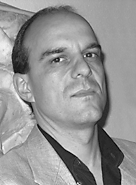
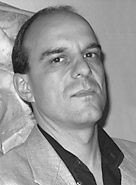
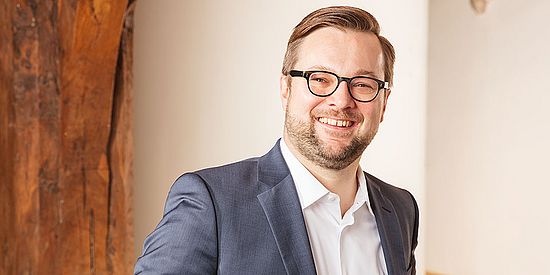
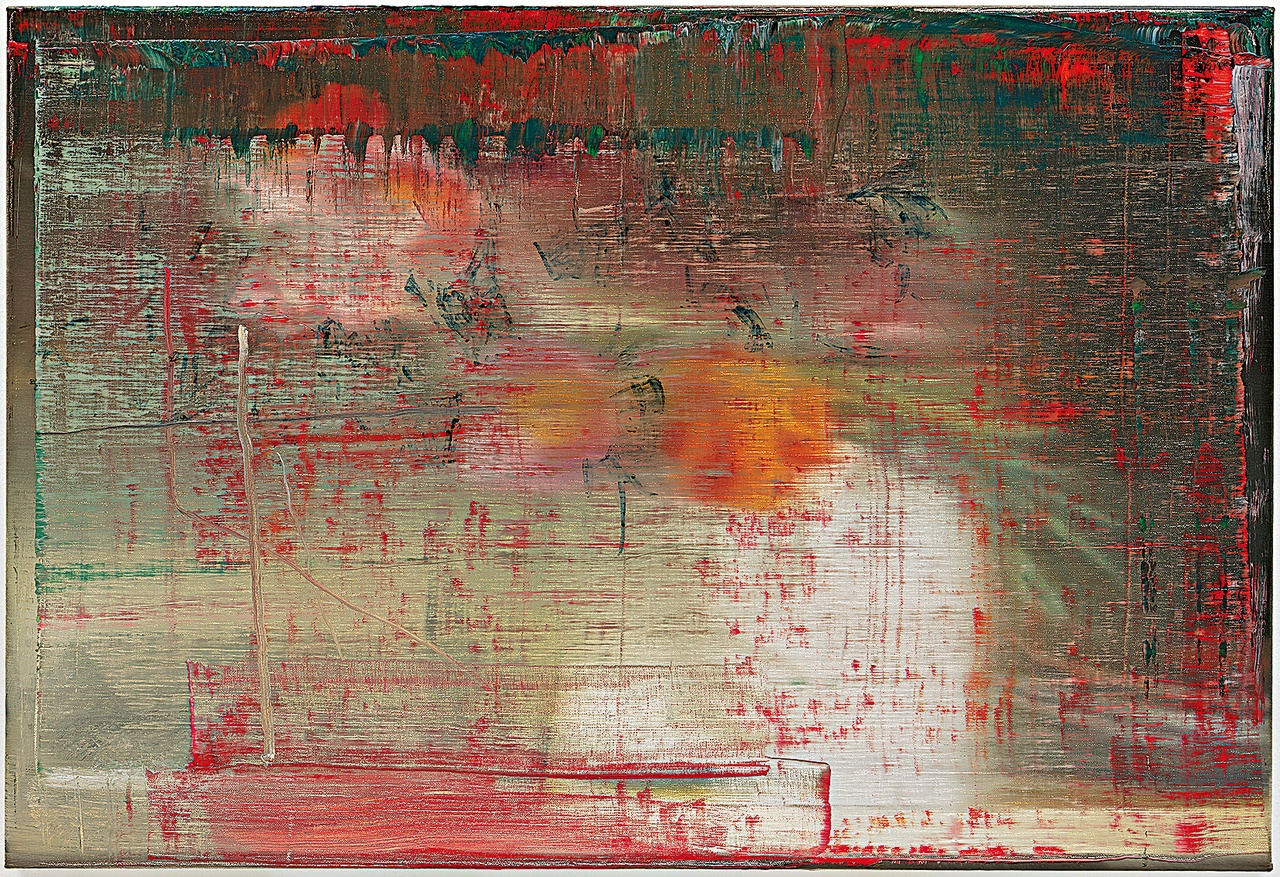
Roger Boltshauser is a Full Professor and Deputy Head at the Department of Architecture, ETH Zurich. His practice and academic work emphasize tectonic building culture, proportion, and material experimentation, diverging from mainstream German-Swiss architectural trends. He combines teaching with active architectural practice, influencing younger generations at ETH and TU Wien. Key themes: Tectonic structures, grid-based order, social responsibility in architecture, critique of modernist canons Notable projects: Hochhaus H1 Zwhatt-Areal (2025), Masterplan Zoo Basel (2025), Centre for Dental Medicine Zurich (2025) His buildings prioritize mass and permanence , evident in projects like the Kopfholz School and Rauch House . Recent works at the EPFL Solar Biennale (2025) and Architecture of Memory exhibition (2025) explore sustainable design and cultural narratives. Boltshauser’s studio on Dubsstrasse exemplifies research into load-bearing structures and urban spatial relationships.
Peter Seele is a Full Professor at the Faculty of Communication, Culture and Society at Università della Svizzera italiana (USI). He is affiliated with the Center for Climate Finance and Sustainability (CCFS), Ethics and Communication Law Center (ECLC), and the Luxury Observatory Lugano (LOLugano). His research focuses on Corporate Social Responsibility (CSR), Business Ethics, Digital Ethics, Greenwashing, and Machinewashing. Dr. Seele holds dual PhDs in Economics (University of Witten/Herdecke, Germany) and Philosophy (University of Düsseldorf, Germany). He previously served as an Assistant Professor at the University of Basel and conducted post-doctoral research at the Institute for Advanced Studies in the Humanities (KWI) in Essen. His educational background includes studies at the University of Oldenburg and Delhi School of Economics, followed by two years as a business consultant in Frankfurt. His research explores ethical challenges in digitalization, sustainability, and technology. Notable themes include AI ethics governance, ethicswashing in corporate communication, and the interplay between blockchain and business ethics. Recent work addresses greenwashing trends, the ethical implications of algorithmic systems, and sustainable practices in luxury industries. Publications highlight critical analyses of digital ethics frameworks, sustainability backlashes, and the societal impact of emerging technologies. His interdisciplinary approach bridges philosophy, business studies, and environmental science, with a focus on practical solutions for ethical dilemmas in modern organizations. Peter Seele collaborates across academic and industrial sectors, emphasizing real-world applications of ethical theories. He advises on CSR strategies, digital transparency, and regulatory frameworks for sustainable business practices.
Swiss Federal Institute of Technology in LausanneSwitzerland
Dominique Foray is a Professor at Ecole Polytechnique Fédérale de Lausanne (EPFL) and holds the Chair of Economics and Management of Innovation (CEMI). He is a member of the Swiss Council for Science, chairman of the KOF Swiss Economic Research Institute's Advisory Board, and a foreign member of Columbia University's Center of Capitalism and Society. His career includes extensive advisory roles, such as with the European Commission's 'Knowledge for Growth' group and Germany's Expert Commission for Research and Innovation. Education: Ph.D. in Economics, University Lumière of Lyon (1984) Habilitation à diriger des recherches, University Lumière of Lyon (1992) Foray's research focuses on the economics of innovation, knowledge-based economy dynamics, technology policy, smart specialization strategies, and institutional frameworks for innovation. He has authored seminal works including The Economics of Knowledge (MIT Press, 2004) and Smart Specialisation (Routledge, 2015). His recent publications explore mission-oriented innovation policies, smart specialization in EU contexts, and knowledge diffusion mechanisms. Foray's work bridges academic theory with practical policy design, influencing regional and national innovation strategies globally. Advising: Past EPFL PhD students: Aouinait Camille Marguerite, Ayoubi Charles Chadi, Baruffaldi Stefano Horst, Bednyagin Denis, Bogers Marcellus, Coffano Monica, Conti Annamaria, Cristelli Gabriele, Gaulé Patrick, Hamdan Livramento Intan Maizurah, Marino Marianna, Muñoz Tellez de Kieffer Viviana Carolina, Pellegrin Claudia, Simeth Markus Foray's institutional roles include leadership in European policy initiatives and contributions to the World Bank's studies on innovation's role in economic growth. His interdisciplinary approach integrates economics, policy analysis, and technology management to address grand societal challenges through innovation.
Sandro Zanetti, Full Professor of General and Comparative Literature at the University of Zurich's Faculty of Arts and Humanities, specializes in avant-garde research, artistic production processes, and poetics of (im)probability. He studied German, History, and Philosophy at Basel, Freiburg, and Tübingen (1993-1999), earned his PhD in 2005 at Basel's SNSF project, and held positions including Junior Professor at Hildesheim (2008-2011) and DFG network head (2010-2014). Since 2011 at UZH, he progressed from Assistant to Full Professor (2022) and serves as Co-Dean of Studies since 2021. Current affiliations: Department of General and Comparative Literature (UZH), Center for Arts and Cultural Theory (ZKK), Literary Radio Zurich Former roles: ZGW Center (2010-2022), SNF project leader (2015-2019), Co-editor of History of the Present (2016-present) His research explores: Avant-garde genealogies and postwar literary modernity Time perception and aesthetic temporality Writing as cultural technique Interdisciplinary intersections with philosophy, media studies, and art Publications reveal trends in: 2022-2024: Dada historiography, AI-generated literature, Paul Celan's late works 2019-2021: Aesthetic theory, transactuality, Barthesian concepts 2014-2017: Improvisation networks, multilingualism, collaborative writing He co-founded interdisciplinary platforms and maintains editorial roles across 15 anthologies since 2004.
Prof. Dr. Ewa Machotka is Full Professor and Chair of East Asian Art History at the University of Zurich's Institute of Art History since 2023. She leads Switzerland's only academic chair dedicated to East Asian art history, covering China, Japan, and Korea across historical periods through contemporary practices. Her educational background includes a PhD in Japanese art history from Gakushuin University, Tokyo (2008), funded by the Japanese Ministry of Education. Previous positions encompass Professor of Japanese Language and Culture at Stockholm University (2017-2023), Assistant Professor at Leiden University (2011-2017), and Curator of Japanese Art at Kraków's National Museum (1999-2008). Machotka's research centers on Japanese visual culture with dual emphasis on Edo-to-modern print traditions and contemporary socially engaged/eco-art. Methodologically, she integrates global art history, postcolonial theory, ecocriticism, gender/queer frameworks, and digital analysis to examine transnational interactions, canon formation, and socio-ecological dimensions of East Asian visual artifacts. Her work critically engages with Orientalism, collection histories, and multimodal text-image relationships. Under her leadership, the department organizes the Zurich Lectures series featuring international scholars, collaborates with Museum Rietberg on projects like the 2025 'Korean Wave(s)' symposium, and offers object-based pedagogy through seminars, museum excursions, and courses such as 'Curating Surimono'. Current initiatives include Dr. Uli Sigg's visiting professorship on Chinese cultural diplomacy and hands-on workshops exploring Hokusai's legacy.
Martin Volk is a Full Professor of Computational Linguistics at the University of Zurich, with a dual affiliation to the Department of Informatics since 2019. He holds a PhD from the University of Koblenz and has held academic positions at institutions including Stockholm University (part-time from 2008-2011), Zurich University of Applied Sciences, and the University of Georgia. His research focuses on grammar engineering, machine translation evaluation, multilingual text analysis, and cross-language information retrieval. Education : Born in Cochem, Germany Studied Computer Science and Computational Linguistics at EWH University, Koblenz Master's in Artificial Intelligence at the University of Georgia (Fulbright Scholar) PhD in Computational Linguistics from the University of Koblenz Research Interests : His work emphasizes data-driven NLP methods, including corpus-based approaches, parsing technologies, and the application of machine learning to historical and multilingual texts. Key focuses include: Machine translation systems and evaluation frameworks Grammar testing environments (e.g., GTU) OCR and digitization of historical documents (e.g., Gothic script) Development of parallel corpora for linguistic research Projects : SMULTRON: Multilingual parallel treebank project Bullinger Digital: Historical document digitization initiative Text+Berg: Digital Humanities project for alpine textual heritage EU-funded MuchMore (cross-language medical IR) Grants & Collaborations : Recipient of grants from the Swiss National Science Foundation, EU projects, and industry partnerships (e.g., Siemens, Xerox). His work integrates academic and industrial perspectives in NLP tool development. Labs & Teams : Leads research teams in the Institute of Computational Linguistics at UZH, focusing on projects like the Zurich Parallel Corpus Collection and MODERN (modeling discourse for MT).
Divyaraj Amiya serves as a Lecturer in Hindi at the Department of Indology within the Faculty of Humanities at the University of Tübingen, a position he has held since April 2004. He is the curator of the Karmendu Shishir Literary Archive (KSS), a unique collection of South Asian literary journals dating from the 1880s primarily in Hindi and Urdu. Education: Studied History, Political Science, and Geography in Patna and Delhi M.Phil. in German Studies from Jawaharlal Nehru University (New Delhi) Research Focus: Dr. Amiya investigates South Asian Literatures (Hindi, Urdu, Bengali, Punjabi), History of South Asia, Modern South Asia, and contemporary identity debates. His work critically examines time culture transformations in India, linguistic politics surrounding Hindi-Sanskrit-Urdu-English dynamics, and the relevance of South Asian studies amid artificial intelligence advancements and ecological crises. He connects local South Asian contexts to global sustainability challenges through interdisciplinary cultural analysis. Publication Trends: His scholarly output centers on the commodification of daily activities and time poverty in modern India, revealing how traditional human activities become industrialized labor. These works bridge cultural studies, sociology, and sustainability science, consistently challenging neoliberal narratives about work-life balance while documenting South Asia's sociocultural evolution. Scientific Awards: No awards documented in source materials. Academic Guidance: No information available regarding student supervision or grant-funded research projects. Research Infrastructure: Dr. Amiya maintains the Karmendu Shishir Literary Archive (KSS), which preserves rare South Asian literary periodicals spanning 140+ years. This resource supports critical scholarship on linguistic evolution, colonial/postcolonial identity formation, and literary movements across Hindi, Urdu, Bengali, and Punjabi traditions.
Swiss Federal Institute of Technology in LausanneSwitzerland
Inès Lamunière is an Honorary Professor at École Polytechnique Fédérale de Lausanne (EPFL), where she previously held roles including Full Professor and Chair of the Department of Architecture (2008–2011). She is also a renowned architect, leading the firm dl-a, designlab-architecture SA in Geneva. Her academic career includes positions as Adjunct Professor at ETH Zurich (1991) and Visiting Professor at Harvard University’s Graduate School of Design (1996, 1999, 2008). She directed the LAMU-EPFL Laboratory (2001–2018), focusing on urban architecture and mobility. Education: Architect degree from EPF Lausanne (1980), followed by studies at the Swiss Institute in Rome and assistant lectureship under Werner Oechslin at ETH Zurich. Research Interests: Urban planning, sustainability, architectural history, and the integration of infrastructure into urban environments. Notable projects include the revitalization of Bellerive-Plage and the LAMU Laboratory’s studies on risky urban objects. Awards: 2011 Meret Oppenheim Prize (Swiss Art Award) and 2017 Chevalier des Arts et Lettres (France). Her work emphasizes context-sensitive design and sustainable urban development. She has supervised numerous theses and contributed to publications on architectural pedagogy, urban theory, and historical analyses of Le Corbusier’s work. Active in academic governance, she served as Vice President of the EPFL WISH Foundation (2006–2016) and on the Fondation pour le Développement des Arts et de la Culture board since 2016.
Filippo Carlo Wezel is a Full Professor of Organization and Management at the Faculty of Economics of Università della Svizzera italiana (USI), where he also serves as Director of the Institute of Management and Organisation. He holds additional research affiliations as a Visiting Research Professor at emlyon Business School (France) and a Research Fellow at Judge Business School, University of Cambridge. He plays a significant editorial role as Senior Editor at Organization Studies and serves on the editorial review boards of Organization Science , Strategic Entrepreneurship Journal , Strategic Organization , and the Advisory Board of Research in the Sociology of Organizations . His educational background includes a PhD in Management from the University of Bologna. Prior to joining USI in 2009, he held academic positions at the University of Groningen (post-doctoral researcher) and Tilburg University (Assistant and Associate Professor). He has also been a visiting scholar at leading institutions including Wharton, MIT, Columbia, Duke, London Business School, LSE, and Hong Kong University. His research centers on organizational identity, managerial and inter-firm mobility, entrepreneurship, and institutional theory. His recent publications explore identity hybridization in political parties, category dynamics in creative industries, historical organizational practices in colonial firms, and stigma in emerging markets. He frequently employs longitudinal, historical, and experimental methodologies, often bridging sociology and management. The most recent articles (2020–2025) reflect a strong trajectory in the sociology of organizations, with recurring themes of identity, categorization, legitimacy, and mobility. He investigates how social evaluations, historical constraints, and institutional environments shape organizational behavior and strategic positioning. His work spans diverse contexts—from 18th-century Lyon silk traders to modern ICT firms and medical marijuana markets—demonstrating a broad empirical and theoretical reach. Scientific Honors and Editorial Roles: Senior Editor, Organization Studies Editorial Review Board, Organization Science Editorial Review Board, Strategic Entrepreneurship Journal Editorial Review Board, Strategic Organization Advisory Board, Research in the Sociology of Organizations He has extensive experience in teaching organizational theory and behavior at undergraduate, master’s, PhD, and executive levels. His research has been published in top-tier journals such as Administrative Science Quarterly , American Sociological Review , Academy of Management Journal , and Strategic Management Journal . He leads a vibrant research agenda at USI, supported by a broad international network, though specific grants and funded projects are not detailed in the provided text. He is also involved in mentoring students and shaping the next generation of organizational scholars, though a list of advisees is not available. Filippo Carlo Wezel is a key figure in the European organizational studies community, leading the Institute of Management and Organisation at USI and fostering interdisciplinary dialogue between organization theory and strategy. His work combines deep historical insight with contemporary theoretical innovation, contributing significantly to our understanding of how organizations and careers evolve under institutional and social pressures.
Andreas B. Kilcher is a Full Professor of Literature and Cultural Studies at the Department of Humanities, Social and Political Sciences (D-GESS) at ETH Zurich since June 2008. He serves as Deputy Head of the Department and holds multiple leadership positions including Head of the Doctoral Committee of the D-GESS and Director of Studies at MAGPW since 2018. Born in Basel in 1963, Kilcher studied German, history, and philosophy in Basel and Munich. He completed his doctorate at the University of Basel after fellowships at the Hebrew University in Jerusalem. He habilitated at the University of Münster and served as a professor at the University of Tübingen before joining ETH Zurich. His academic credentials include visiting professorships at Hebrew University (2009), Princeton University (2011), and Stanford University (2014). Professor Kilcher's research focuses on Literary and Cultural Studies , with specialized expertise in Jewish literary and cultural history , Kabbalah and esoteric research , and the history of knowledge . His work bridges literary analysis with cultural, religious, and intellectual history, exploring intersections between Jewish thought and broader European intellectual traditions. His recent publications demonstrate consistent focus on German-Jewish intellectual history, examining figures like Thomas Mann, Walter Benjamin, Joseph Roth, and Sigmund Freud through literary criticism, religious philosophy, and cultural analysis. His work often explores relationships between science and literature, religious thought and modernity, and textual criticism and intellectual resistance. President of the Board of Trustees of the Thomas Mann Archive (ETH) President of the European Society for the Study of Western Esotericism (ESSWE) Representative on the Board of Trustees of the Language Center (ETH/UZH) Director of the Center for the History of Knowledge 2014-2016 (ETH/UZH) Member of the Society for European-Jewish Literary Research He teaches courses including 'Science and Fiction,' 'Theories of Wit: From Rhetoric to Psychoanalysis,' and advanced colloquia in literary studies, reflecting his interdisciplinary approach connecting literature with philosophy, psychology, and cultural history.
Prof. Dr. Johannes Liebrecht holds the Chair of Legal History at the University of Zurich . His work spans legal history, comparative law, and normative frameworks across medieval and modern European contexts. He has contributed extensively to the Max-Planck Encyclopedia of European Private Law and other major legal history publications. Current Position: Professor of Legal History (since 2019) Previous Roles: Senior Research Fellow at Max-Planck-Institute (2013-2019), Research Associate at Max-Planck-Institute (2007-2013) Research Interests focus on: Medieval Legal Institutions: Feudal norms, canon law, and German-Spanish legal comparisons Modern Legal Developments: Liberal law post-French Revolution, consumer rights, and legal sociology Academic Methodology: Historical realism, normative comparison, and categorial shifts in legal scholarship Publication Trends reveal a focus on: 2024: Eugen Ehrlich's sociology of law and German-Spanish medieval comparative studies 2022-2024: European consumer law, legal emancipation, and historical realism 2015-2018: Heinrich Brunner's historiography and German legal education structures Scientific Awards : Hermann Conring Award (2014) Gerda Henkel Foundation PhD Scholarship (2004-2006) German National Academic Foundation Scholarship (1994-2000) Guest Lectureship at Tokyo University (2019) Centre for Advanced Study Oslo Fellow (2021/22)
Prof. Dr. Andreas Kilcher is a Full Professor of Literature and Cultural Studies at ETH Zurich’s Department of Humanities, Social and Political Sciences. He serves as Deputy Head of the Department and holds leadership roles in academic initiatives such as Director of the Center for History and Knowledge (2014–2016), President of the Thomas Mann Archive, and President of the European Society for the Study of Western Esotericism (ESSWE). His research focuses on German-Jewish literature, Kabbalah, and esoteric studies, with a particular interest in modern German authors like Kafka, Thomas Mann, and Walter Benjamin. Education: Kilcher studied German Literature, History, and Philosophy in Basel and Munich, earned his PhD at the Hebrew University of Jerusalem (1993), and habilitated at the University of Münster (2002). He held academic positions at the Universities of Basel, Münster, and Tübingen before joining ETH Zurich in 2008. Research Interests: His work bridges literary analysis with cultural and religious studies, examining themes such as esotericism in modern German literature, Jewish philosophical traditions, and the intersection of politics and narrative. Recent publications explore Thomas Mann’s engagement with Einstein’s theories, Kafka’s creative process, and Joseph Roth’s religious perspectives. Professional Activities: Kilcher actively contributes to academic governance, including roles in ETH’s Doctoral Committee (D-GESS) and the Language Center board. He also publishes in prominent journals like Frankfurter Allgemeine Zeitung and collaborates internationally, evidenced by his edited volumes on Jewish religious philosophy and Kafka’s drawings. Labs/Teams: Leads the ETH’s interdisciplinary research initiatives, particularly in German-Jewish cultural history and literary esotericism, supported by his directorship of historical archives and scholarly societies.
Ueli Grossniklaus is an Ordinary Professor at the University of Zurich within the Faculty of Mathematical and Natural Sciences , affiliated with the Department of Plant and Microbiology . His work focuses on plant developmental biology, particularly epigenetic and genetic mechanisms governing reproduction and adaptation. Key Courses: Epigenetics, Plant Biology Workshop, Group Seminars on Current Research Laboratory Techniques: Advanced methods in plant cell mechanics, transcriptomics, and genome editing Research Interests span plant epigenetics, reproductive biology, and the interplay between environmental stress and genetic regulation. He investigates: Mechanistic control of gametogenesis and fertilization Epigenetic contributions to plant adaptation Evolutionary implications of asexual reproduction Biophysical forces in plant cell growth Publication Trends (2025–2018) reveal expertise in: Arabidopsis and fern model systems Epigenetic regulation (DNA methylation, histone dynamics) Apomixis and hybrid seed failure mechanisms Biomechanics of pollen tubes and carnivorous plants Genome editing tools (CRISPR) and long-read sequencing Scientific Collaborations include interdisciplinary projects on: Microfluidic devices for plant cell analysis Gene drive ecology and ethics 3D imaging of plant reproductive structures Advising and Grants focus on mentoring through research internships in developmental biology, genetics, and systems biology. His lab engages in: Epigenetic response to environmental stress Cell wall mechanics in reproduction Computational modeling of plant growth Laboratory Teams integrate plant biologists, bioengineers, and computational scientists to study: Mechanistic gene regulation Evolutionary developmental biology Microrobotics for cellular force measurement
Prof. Dr. Oliver Nachtwey is a Professor at the Department of Social Sciences , University of Basel, specializing in processes of social modernization, individualization, and the transformation of digital capitalism. His research spans political sociology, social conflict, authoritarianism, and the societal impacts of digitalization. University: University of Basel Department: Department of Social Sciences Academic Rank: Professor Nachtwey’s work focuses on the social effects of digitalization , including labor alienation, platform economies, and the political sociology of Corona protests . He explores how libertarian authoritarianism and regressive modernity shape contemporary social crises. His recent publications analyze digital labor alienation , gift exchange on platforms , and the spirit of digital capitalism . Articles emphasize keywords like algorithmic labor, surveillance capitalism, and techno-religion. Scientific Awards: Shortlisted for Leipzig Book Fair Prize (non-fiction) for Gekränkte Freiheit Recipient of multiple academic awards for Die Abstiegsgesellschaft Oliver Nachtwey’s research has been featured in The New York Times , The Guardian , and El Pais , with collaborations at institutions like the Hamburg Institute for Social Research and Institute for Social Research Frankfurt.
Julia Gelshorn is a full professor of modern and contemporary art history at the University of Fribourg , Switzerland, since 2013. She specializes in strategies of appropriation, repetition, and translation in art, with a focus on 21st-century practices and 18th-century French art theory. Her research explores artistic subjectivity, realism, and the intersection of art, politics, and economy. Education: Art History, Theater Science, and Italian Literature at the Universities of Cologne and Bern. Key Roles: Post-doctoral fellow at the German Center for Art History (2006-2008); visiting professor at HfG Karlsruhe (2008-2010); professor at Universities of Vienna (2010-2011) and Hamburg (2011-2013). Research Interests center on: (1) artistic appropriation as a critical and affective tool; (2) realisms across historical contexts; (3) artist interviews as legible texts; (4) art’s engagement with political and economic systems; (5) theoretical frameworks for visual culture. Her current Real Abstractions project (2023-2027) rethinks realism through social abstractions like financialization and digital networks. Scientific Contributions include the Lazarus Prize from the University of Bern’s Faculty of Humanities (2003) for her dissertation on Richter and Polke. Her publications span books like Aneignung und Wiederholung (2012) and edited volumes on artists such as Jean Tinguely (2016), while her recent articles address Martin Kippenberger, Rosemarie Trockel, and Benjamin Buchloh’s historiography. Notable Projects include the completed SNSF-funded Cinema in Art and Literature (2016) and the ongoing Real Abstractions initiative, which also involves a traveling exhibition and interdisciplinary workshops.