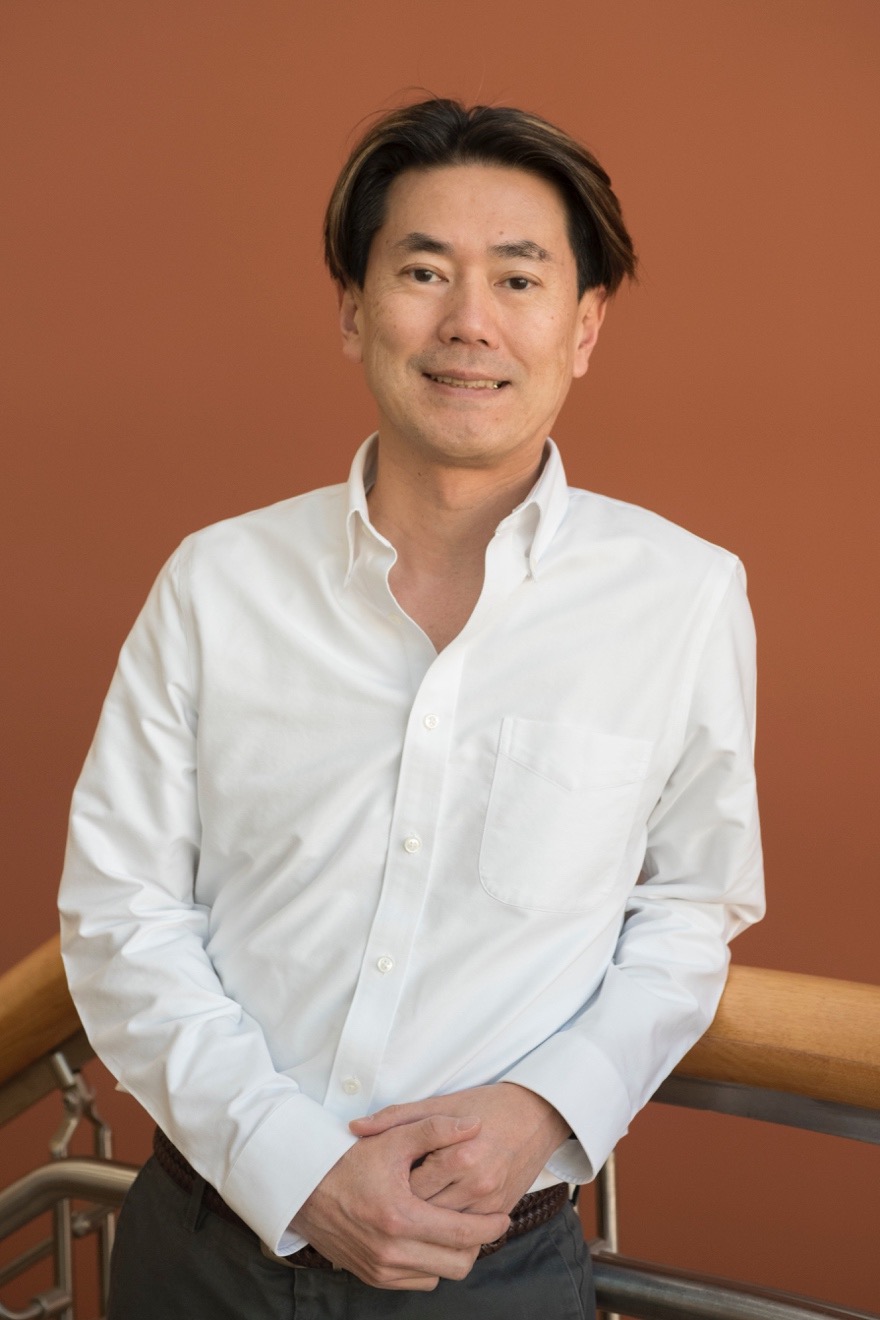
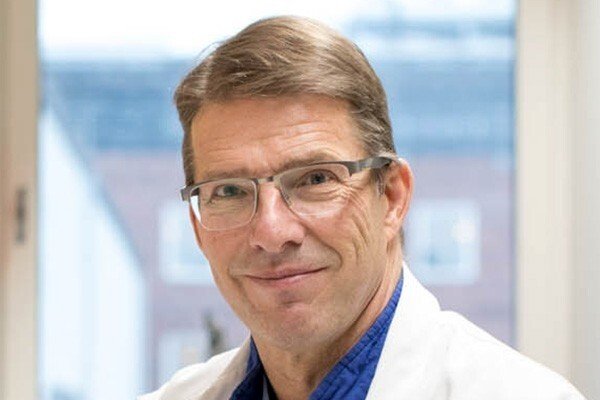
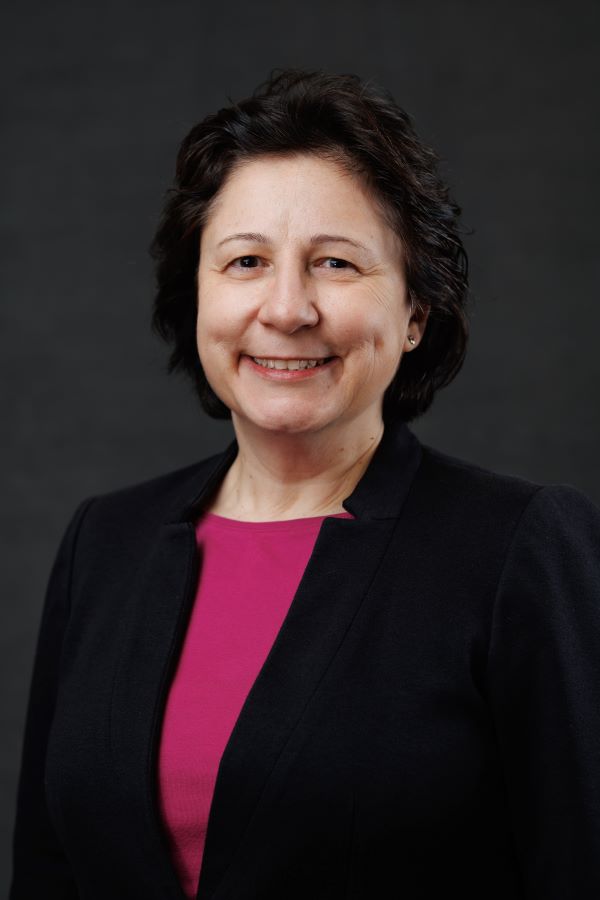
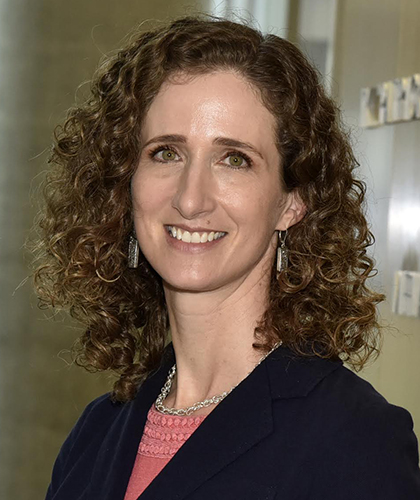
Piotr Dobrowolski is an Associate Professor at the Department of Functional Anatomy and Cytobiology, Faculty of Biology and Biotechnology, Maria Curie-Skłodowska University in Lublin, Poland. His research focuses on histology, skeletal biology, and gastrointestinal system development in animal models. Specializes in prenatal nutritional programming Investigates effects of amino/ketoacids on bone and cartilage Studies mycotoxin impacts on developmental biology Examines gut-bone axis interactions His recent publications analyze high-fat diets in obesity modeling, strontium formulations for osteoporosis, and neurochemical consequences of prenatal toxin exposure. Key techniques include histomorphometry, immunohistochemistry, and FTIR microspectroscopy. Major collaborative networks involve Ewa Tomaszewska, Siemowit Muszyński, and Andrzej Wróbel across multiple comparative studies in rodents, poultry, and swine models.
Jiro Nagatomi is a Professor of Bioengineering at Clemson University 's College of Engineering, Computing and Applied Sciences. As Director of the Cell Mechanics and Mechanobiology Laboratory , his research bridges engineering and medical sciences through three main initiatives: mechanotransduction studies, tissue engineering of intervertebral discs, and hydrogel-based surgical materials development. Ph.D. in Biomedical Engineering (Cellular Bioengineering) from Rensselaer Polytechnic Institute (2002) Office: 401-4 Rhodes Engineering Research Center Contact: jnagato@clemson.edu | 864-656-5193 Research focuses on cellular mechanotransduction under hydrostatic pressure, particularly in bladder urothelial cells and bone-marrow stem cells . His lab develops multi-functional hydrogel tissue adhesives with thermal crosslinking properties, and employs mechanical bioreactors for intervertebral disc regeneration, collaborating with Dr. Jeremy Mercuri. Key methodologies include microfluidic systems and 3D hydrogel droplet printing . Article trends show sustained focus on pressure biology (2016-2024), hydrogel development (2014-2023), and urological applications (2007-2024). Subfields span bladder compliance mechanisms , inflammasome activation , TRP ion channels , and viscoelastic tissue modeling .
Alison Gurney is a Professor of Pharmacology at the University of Manchester. Her research focuses on ion channels regulating pulmonary vascular tone, particularly in the context of pulmonary hypertension. She investigates mechanisms controlling pulmonary artery smooth muscle cell function using interdisciplinary techniques like electrophysiology, calcium imaging, and molecular biology. Her work contributes to understanding ion channel roles in diseases such as pulmonary hypertension and has identified novel drug targets. She has co-led projects on congenital bladder diseases and collaborated on studies involving gene therapy and neurovascular coupling. Research interests include KATP channels, KCNQ potassium channels, mitochondrial calcium signaling, and store-operated Ca2+ channels. Her findings have advanced knowledge of oxygen-sensing mechanisms and pharmacological interventions for vascular diseases. Prominent collaborations involve studies on bladder pathophysiology in mutant mouse models and the role of LRIG2 in urinary tract disorders. She has published extensively on ion channel function and vascular biology, with recent work exploring neurovascular coupling techniques and TRPV4-mediated vasodilation. Alison has supervised 11 research projects and contributed to grants investigating congenital bladder diseases. Her lab integrates pharmacology, physiology, and molecular biology to address cardiovascular and pulmonary health challenges aligned with UN Sustainable Development Goals.
Professor Ulf Hedin is a distinguished vascular surgery researcher and clinician at Karolinska Institutet, where he serves as Professor and Chief Physician in the Department of Molecular Medicine and Surgery. He leads the Vascular Surgery research group at Karolinska University Hospital's Department of Vascular Surgery and maintains extensive collaborations with cardiovascular research groups at CMM, clinical physiology, cardiology, neurology, nuclear medicine, clinical chemistry, and clinical pharmacology departments. His research spans vascular biology, atherosclerosis, carotid stenosis, stroke prevention, and peripheral vascular disease. The research group has built a comprehensive platform integrating advanced cell and molecular biology, animal models, and patient-centered studies to investigate central processes in vascular disease including thromboembolism in carotid stenosis and stroke, aortic aneurysm development, and vascular wall repair processes following surgical interventions. The group also includes translational research in traumatology with multiple specialized teams focusing on specific aspects of vascular disease. Professor Hedin's publication record demonstrates consistent contributions to understanding atherosclerotic plaque instability, vascular wall biology, and innovative approaches to vascular disease diagnosis and treatment. His work combines molecular approaches with clinical applications, particularly in developing biomarkers for unstable atherosclerosis and targeted therapies to prevent stroke and other vascular complications. Alexander W. Clowes Distinguished Lecturer 2025 Professor Hedin actively supervises doctoral students including Marko Bogdanovic, Antti Siika, Maria Talvitie, and Ulrika Hahn-Lundström. His research is supported by significant funding including a 22.5 million SEK grant from MedTechLabs for research on peripheral vascular disease, which he leads jointly with Christian Gasser from KTH. His research group consists of specialized teams including the Carotid Stenosis and Stroke team and the Translational Vascular Medicine team, which apply integrative analyses combining bioinformatic and clinical data studies with murine models of vascular injury. The research group maintains a world-unique Biobank of Karolinska Endarterectomies (BiKE) containing over 1,400 tissue and blood samples from patients who have undergone carotid artery surgery, which serves as a foundation for many of their molecular investigations. They also develop innovative imaging diagnostics using software like vascuCAP to visualize plaque components associated with unstable atherosclerosis.
Michael S. Parmacek, MD serves as Chair of the Department of Medicine and holds the Frank Wister Thomas Professorship at the University of Pennsylvania's Perelman School of Medicine. His clinical practice is affiliated with the Hospital of the University of Pennsylvania. Dr. Parmacek completed his medical education at Northwestern University Feinberg School of Medicine, followed by residency at University of Michigan Medical Center and multiple fellowships at Northwestern Medical Center, Howard Hughes Medical Institute, and University of Michigan Medical Center. His extensive training established foundations in cardiovascular medicine and molecular research. Medical School: Northwestern University Feinberg School of Medicine Residency: University of Michigan Medical Center Fellowships: Northwestern Medical Center, Howard Hughes Medical Institute, University of Michigan Medical Center His research focuses on transcriptional regulation in cardiovascular development, particularly the role of myocardin family proteins in smooth muscle biology and heart development. Current investigations explore BMP signaling pathways, stem cell differentiation mechanisms, and vascular disease pathogenesis. His work bridges basic molecular mechanisms with clinical applications in congenital heart defects and vascular remodeling disorders. Analysis of his publication record reveals consistent contributions to understanding cardiac development and vascular biology, with recent emphasis on pulmonary cyst formation, airway remodeling in asthma, and epigenetic regulation of cardiomyocyte differentiation. His research demonstrates integration of genetic, molecular, and physiological approaches to address fundamental questions in cardiovascular medicine. Dr. Parmacek maintains active research collaborations across multiple institutions, with publications appearing in high-impact journals including Nature Cell Biology, Journal of Clinical Investigation, and Circulation Research. His leadership extends to editorial roles and participation in national research initiatives. He mentors junior faculty and researchers while directing departmental research strategy. His laboratory employs cutting-edge techniques in molecular biology, genetic engineering, and physiological assessment to investigate cardiovascular development and disease mechanisms. Current projects include studies of transcriptional networks in vascular smooth muscle and their implications for therapeutic interventions.
Manuel Campos Toimil is a Professor at the University of Santiago de Compostela, affiliated with the Faculty of Pharmacy and the Department of Pharmacology, Pharmacy and Pharmaceutical Technology. He leads the research group FIFAEC (Physiology and Pharmacology of Chronic Diseases) within the Center for Research in Molecular Medicine and Chronic Diseases (CIMUS). A Doctor of Pharmacy from USC since 1995, his thesis explored hydralazine’s cardiovascular effects under Dr. Francisco Orallo Cambeiro. Research Interests : His work focuses on pharmacological mechanisms of chronic diseases, particularly cardiovascular pathophysiology, drug-induced effects on endothelial function, nitric oxide signaling, and metabolic disorders. He investigates novel therapies for hypertension, diabetes, and inflammatory conditions using in vivo models and molecular techniques. Key areas include SGLT2 inhibitors, probiotics (kefir), and natural compounds like resveratrol and curcumin. Publications : Recent studies highlight vascular aging mechanisms, lipid metabolism in heart failure, and anti-inflammatory actions of sodium nitroprusside. His work bridges pharmacology and clinical practice, addressing drug interactions (e.g., voriconazole-PPI effects) and optimizing therapies for Crohn’s disease and heart failure. Awards & Grants : No explicit awards noted, but his research is supported by collaborations with CIMUS and multidisciplinary teams. His lab focuses on translational research linking molecular mechanisms to clinical outcomes in chronic diseases. Labs & Teams : Principal investigator at CIMUS, collaborating across disciplines in pharmacology, cardiology, and microbiome research. Active in mentoring early-career researchers through thesis supervision and grant proposals.
AURORA GOMEZ DURAN is a Ramón y Cajal contract researcher at the University of Santiago de Compostela (USC), affiliated with the Department of Biochemistry and Molecular Biology and the Center for Research in Molecular Medicine and Chronic Diseases (CIMUS). She leads the MeMoEn research group focusing on molecular mechanisms of disease, particularly mitochondrial genetics and its role in neurodegeneration and late-onset disorders. Her work bridges population genetics, pharmacogenomics, and clinical applications, emphasizing mitochondrial DNA (mtDNA) variants' impact on disease risk and pathophysiology. Dr. Gomez Duran holds a PhD from the University of Zaragoza (2012), where her thesis explored genetic variants of mtDNA from population genetics to pharmaceutical genomics under the supervision of Dr. Eduardo Ruiz-Pesini. Her research integrates single-cell analysis, genomic sequencing (including Oxford Nanopore), and in vivo models to study mitochondrial dysfunction in aging, neurodegenerative diseases, and metabolic disorders. Key contributions include identifying mtDNA heteroplasmy's role in aging biomarkers and developing protocols for CpG methylation detection in mtDNA. Her publications highlight studies on cryptic mtDNA mutations in mid-to-late life, mitophagy's anti-inflammatory role, and genotype-phenotype associations in large cohorts like the UK Biobank. She has also explored therapeutic strategies such as cysteine supplementation for mitochondrial translation deficiencies and read-through therapy for mtDNA nonsense mutations. While no specific awards are listed, her work has advanced mitochondrial pharmacogenomics and personalized medicine approaches. Dr. Gomez Duran collaborates on projects investigating mitochondrial dysfunction in liver failure, antibiotic therapy optimization via mtDNA profiling, and mitochondrial-nuclear interactions in disease. Her interdisciplinary approach spans biochemistry, genetics, and clinical research, positioning her at the forefront of mitochondrial medicine.
Derek Warren is an Associate Professor in Pharmacology at the School of Chemistry, Pharmacy and Pharmacology , University of East Anglia . His academic journey began with a BSc (Hons) in Molecular Biology and Biochemistry from the University of Dundee , followed by a PhD from the University of Glasgow studying actin dynamics in Saccharomyces cerevisiae . Postdoctoral training included roles at the University of Cambridge (Division of Cardiovascular Medicine) and King’s College London (Cardiovascular Division). His research focuses on cell mechanotransduction , particularly how vascular smooth muscle cells sense and adapt to extracellular matrix stiffness using biophysical techniques , cell biology , and imaging . Key projects include investigating Piezo1 and aquaporin-1 in matrix-driven hypertrophy (funded by the British Heart Foundation ), Dupuytren’s Disease mechanisms with Action Arthritis , and tumor microenvironment stiffness effects with The Big C Appeal . Scientific awards include a BHF Career Development Award (2010) and a BHF Intermediate Fellowship (2011). His work spans collaborations with institutions across the UK and Europe, with recent publications in ChemBioChem , Current Research in Physiology , and Journal of Cell Science , covering topics like nuclear envelope integrity , calcium signaling , and microtubule dynamics .
Maunick Lefin Koloko Ngassie is a researcher at the University of Groningen's Faculty of Medical Sciences within the Department of Pathology and Medical Biology. Their work focuses on molecular mechanisms of lung disease, particularly examining fibroblast biology, endoplasmic reticulum stress responses, and extracellular matrix dynamics in chronic respiratory conditions like COPD and age-related lung pathologies. Research centers on cellular senescence pathways in lung fibroblasts, stress-induced premature aging mechanisms, and regenerative processes involving epithelial repair. Key investigations include proteomic and transcriptomic analyses of extracellular matrix alterations across disease severities and aging trajectories, with significant contributions to understanding osteoglycin-mediated tissue regeneration and STIM1-dependent mechanotransduction in airway smooth muscle. Recent publications reveal a cohesive research trajectory exploring molecular drivers of lung disease progression, integrating cellular stress responses with tissue remodeling processes. The work demonstrates strong translational potential in regenerative medicine applications for chronic respiratory disorders while establishing critical links between endoplasmic reticulum dysfunction and cellular aging phenotypes in pulmonary pathology. Dr. Koloko Ngassie operates within a robust collaborative network at the University Medical Center Groningen, partnering with leading pulmonary researchers including Wim Timens, Corry-Ann Brandsma, and Janette Burgess. Their team employs advanced omics methodologies to investigate lung pathobiology, maintaining active contributions to both fundamental mechanistic studies and clinically oriented investigations of respiratory disease mechanisms.
Dr. Andreea Trache is an Associate Professor in the Department of Medical Physiology and Biomedical Engineering at Texas A&M University. She holds affiliations within the School of Medicine and the Department of Biomedical Engineering. Her research focuses on cellular responses to mechano-chemical stresses, integrating physics, engineering, and biology to study live cell dynamics, intracellular signaling, and mechanotransduction. Her lab develops advanced microscopy techniques, including atomic force microscopy and total internal reflection fluorescence (TIRF) microscopy, to observe real-time cellular behavior in response to mechanical forces. Dr. Trache's education includes a B.S. in Physics from the University of Bucharest (1989) and a Ph.D. in Physics from the Institute of Atomic Physics, Romania (1996). She has been recognized with the National Science Foundation CAREER Award for her innovative work. Her research interests span experimental biophysics, biomechanics, and vascular physiology, particularly emphasizing live vascular cells as models to study mechanosensing and adhesion dynamics. Key research themes include understanding how mechanical forces influence cell behavior, such as contraction, migration, and adhesion. Her lab investigates the molecular mechanisms behind cytoskeletal force balance and the role of integrins in mechanotransduction. Techniques like single-cell imaging under mechanical stimulation are central to her work, revealing transient biological events masked in macroscopic studies. Lab members include Malea Murphy (PhD, Research Specialist) and Samuel V. Padgham (Technician III). Dr. Trache’s publications span vascular aging, atherosclerosis mechanisms, and the development of microscopy tools for mechanobiology. Her work bridges fundamental biophysical principles with translational applications in cardiovascular health and disease.
Dr. Alisa Morss Clyne is a Professor in the Fischell Department of Bioengineering at the University of Maryland, affiliated with the Brain and Behavior Institute and Robert E. Fischell Institute for Biomedical Devices. She directs the Vascular Kinetics Laboratory, focusing on vascular disease mechanisms linking altered blood flow/metabolites to conditions like atherosclerosis, Alzheimer's, and Niemann Pick. Her work integrates 3D in vitro systems, computational models, and clinical studies to develop therapeutic strategies. Ranks/Titles: Fischell Fellow, ADVANCE Professor Affiliations: Brain and Behavior Institute, Robert E. Fischell Institute for Biomedical Devices Research emphasizes mechanobiology and metabolism interactions, particularly how mechanical forces (e.g., shear stress) and glucose metabolism influence endothelial cell behavior. Current projects include investigating APOE4 gene effects on Alzheimer's vascular mechanisms and translating findings into human studies through UMD collaborations. Publications highlight advancements in blood-brain barrier modeling, metabolic flux analysis, and endothelial dysfunction in pulmonary hypertension. Key awards include the NSF CAREER Award (2008), AHA Scientist Development Grant (2010), and BMES-CMBE Rising Star (2011). She is a fellow of ASME, BMES, AHA, and AIMBE. Committed to diversity in STEM, Dr. Clyne received the Elizabeth Bingham Mentoring Award for initiatives promoting female and underrepresented minority participation. Her educational innovations include course-based research experiences in biofluid mechanics and co-op programs enhancing student retention.
Richard C Austin is a Professor of Medicine in the Faculty of Health Sciences at McMaster University, where he conducts groundbreaking research at the intersection of cardiovascular disease, endoplasmic reticulum (ER) stress, and metabolic disorders. His laboratory investigates molecular mechanisms linking ER stress to atherosclerosis, kidney disease, and cancer progression. Dr. Austin's research focuses on ER stress pathways, particularly the roles of GRP78, TDAG51, and PCSK9 in disease pathogenesis. His work demonstrates how ER stress sensors regulate lipid metabolism, vascular calcification, and coagulation pathways. Recent studies reveal novel mechanisms where anti-GRP78 autoantibodies accelerate atherosclerosis and prostate cancer progression through tissue factor activation. His publication record shows consistent output in high-impact journals including Nature Communications , Circulation , and Journal of Biological Chemistry , with recent work emphasizing therapeutic interventions targeting ER stress. The 15 most recent articles demonstrate strong focus on PCSK9 regulation, chemical chaperones (4-phenylbutyrate), and novel biomarkers like GDF10 across cardiovascular, metabolic, and oncological contexts. Scientific Recognition: Elected Fellow of the Canadian Academy of Health Sciences (CAHS) Dr. Austin actively mentors through teaching Clinical Topics in Nephrology and Renal Disease (MEDSCI 768) and supervises research on ER stress mechanisms. His lab utilizes advanced mouse models including SR-B1/ApoE double knockouts and SR-B1-deficient mice to study diet-induced atherosclerosis. Current research explores caffeine derivatives for hyperlipidemia treatment and AI-driven drug discovery approaches. His laboratory maintains strong translational focus with work on chemical chaperones for atherosclerosis (4-phenylbutyrate), GRP78-targeting therapies for cancer, and PCSK9 inhibitors for lipid disorders. Recent collaborations examine ER stress in neurodegenerative conditions and childhood obesity.
Raj Wadgaonkar, PhD , is an Associate Professor at SUNY Downstate Health Sciences University, affiliated with the Department of Medicine and Cell Biology . His research focuses on signaling mechanisms in endothelial cell activation and vascular injury, integrating molecular studies with mouse models. Investigates endothelial sphingolipid signaling, apoptosis, and NFkB pathways in vascular injury. Develops vascular injury models (pulmonary artery ligation, sepsis-induced lung injury). Trains clinical fellows in translational research for sickle cell disease and pulmonary hypertension. His lab employs biochemical, cell biological, and genomic approaches (Affymetrix SNP analysis) to study endothelial dysfunction and inflammation. Recent publications highlight roles in pulmonary hypertension, sepsis models, and kinase pathways (MLCK, PKA, SphK-1).
Sandra T Davidge is a Professor in the Department of Obstetrics & Gynaecology and an Adjunct Professor in the Department of Physiology at the University of Alberta, Faculty of Medicine & Dentistry. She serves as the Executive Director of the Women and Children’s Health Research Institute (WCHRI), where she leads a multidisciplinary team focused on maternal and perinatal cardiovascular health. Her work bridges basic science and clinical translation, aiming to improve outcomes for women and children affected by pregnancy complications. Her research is centered on understanding the pathophysiology of pregnancy complications such as preeclampsia and intrauterine growth restriction. She investigates how these conditions lead to long-term cardiovascular risks in both mothers and offspring, exploring mechanisms like oxidative stress, endothelial dysfunction, and fetal programming. Her lab uses advanced techniques including vascular myography, cell culture, and molecular analysis in animal models to uncover novel therapeutic targets. Dr. Davidge's recent publications highlight a strong focus on vascular dysfunction in preeclampsia, intergenerational cardiovascular effects, and interventions targeting oxidative stress and the renin-angiotensin system. Her work spans both preclinical models and human translational studies, emphasizing prevention and treatment strategies for at-risk populations. She has been recognized with numerous honors, including: Fellow of the Royal Society of Canada (FRSC) Fellow of the Canadian Academy of Health Sciences (FCAHS) Fellow of the International Union of Physiological Sciences (IUPS) Former Canada Research Chair Tier 1 in Maternal and Perinatal Cardiovascular Health (2007–2021) Dr. Davidge actively mentors undergraduate and graduate students and postdoctoral fellows, maintaining a vibrant training environment. Her research is supported by major funding agencies including the Canadian Institutes of Health Research (CIHR), Heart and Stroke Foundation of Canada, Alberta Innovates, Canada Foundation for Innovation, and partner foundations through WCHRI. She leads collaborative projects across Canada and internationally, including the EINSTEIN/HeLTI initiative in India. Her laboratory is embedded within the Women and Children’s Health Research Institute, a hub for interdisciplinary research dedicated to improving maternal and child health outcomes through innovation, collaboration, and knowledge translation.
Xiang Li is a Research Associate Professor in the Department of Pharmacological and Pharmaceutical Sciences at the University of Houston College of Pharmacy. Their research focuses on vascular pathobiology, particularly the cellular and molecular mechanisms underlying atherosclerosis, hypertension, and arterial stiffness associated with obesity, aging, and chronic kidney disease. M.D. in Clinical Medicine, Peking University M.S. in Pharmacology & Toxicology, Medical College of Wisconsin Ph.D. in Molecular Biology, University of Duisburg-Essen Research interests include epigenetic regulation, lipid biology, redox signaling, vascular inflammation, cell senescence, and progenitor cell dynamics. Their work utilizes gene knockout models, surgical interventions, and adenoviral gene delivery techniques to investigate disease mechanisms. Recent publications highlight trends in lysosome biogenesis, inflammasome activation, TFEB signaling, and acid sphingomyelinase roles in vascular dysfunction. Key themes span atherosclerosis, diabetes-related vascular complications, and inflammatory pathways. National Heart Lung Blood Institute Early Stage Investigator (2021) DFG Predoctoral Fellowship (2008-2010) Forschungstag Posterpreis (2008) Contact: xli59@uh.edu