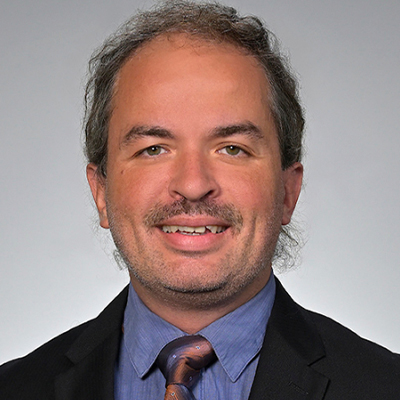
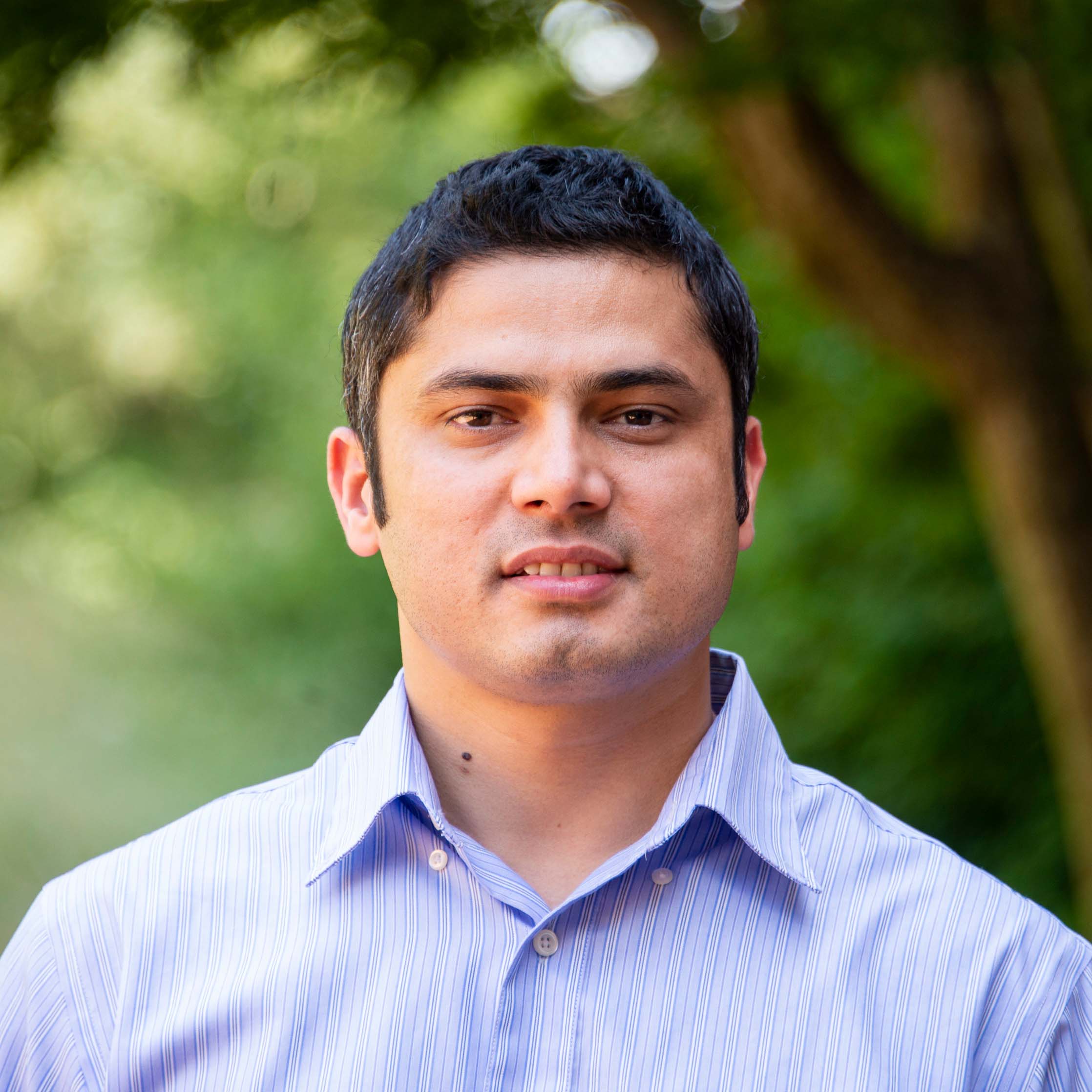
Pavel P. Kuksa is a Research Assistant Professor in the Department of Pathology and Laboratory Medicine, specializing in bioinformatics, computer science, and functional genomics. His work focuses on high-throughput sequencing analysis, chromatin interaction data, and developing scalable software platforms for genomics research.
Professor Stuart Phinn is a distinguished academic at the University of Queensland, serving as Professor in the School of the Environment and Centre Director of the Remote Sensing Research Centre (Earth Observation Research Centre). He also maintains affiliations with the Centre for Marine Science. With a career spanning over two decades, Professor Phinn has established himself as a leading expert in earth observation and environmental monitoring, with over 559 publications including 295 journal articles. His educational background includes a Bachelor (Honours) of Science (Advanced) from The University of Queensland and a Doctor of Philosophy from San Diego State University. Professor Phinn's leadership extends to founding directorships of Australia's national earth observation coordination body (www.eoa.org.au) and collaborative research infrastructure (www.tern.org.au), as well as a world-leading research-to-operational program supporting government environmental monitoring (www.jrsrp.org.au). He also leads the Earth Observation for Government Network. Professor Phinn's research focuses on monitoring environmental change using earth observation and field data. His work primarily involves using images collected from satellites and aircraft, combined with field measurements, to map and monitor Earth's environments and how they change over time. This research is conducted in collaboration with environmental scientists, government agencies, NGOs, and private companies. A growing aspect of his work focuses on national coordination of earth observation activities and the collection, publishing, and sharing of ecosystem data. His work provides solutions to support sustainable development and resource use for governments, industries, and communities. His recent publications demonstrate a consistent focus on applying earth observation technologies to solve environmental challenges across multiple domains. The 15 most recent articles reveal strong themes in coral reef mapping and monitoring, land cover change detection, fire resilience analysis, and advanced remote sensing techniques including multi-sensor fusion and machine learning applications. His work spans terrestrial, coastal, and marine environments, with significant contributions to understanding environmental change in Australia and internationally, particularly in Indonesia. Professor Phinn has secured substantial research funding from diverse sources including government agencies (Queensland Government, Great Barrier Reef Marine Park Authority), industry partners (SmartSat CRC, Blue Economy CRC), and international organizations (Google Inc, Vulcan Inc). Current projects include evaluating impacts of threats to endangered reptiles, automating tree-scale vegetation structure monitoring, and continuing the Joint Remote Sensing Research Program. As an academic supervisor, Professor Phinn has mentored numerous PhD and Master's students, with current supervision spanning topics from forest disturbance analysis to kelp forest mapping and fire resilience of mine site rehabilitation. His extensive supervision history demonstrates his commitment to training the next generation of earth observation scientists. The Earth Observation Research Centre he directs fosters a collaborative research environment focused on transforming satellite and airborne images with field survey data into meaningful environmental information for decision-making.
Yintong Huo is a tenure-track Assistant Professor in the Department of Computer Science at Singapore Management University (SMU), School of Computing and Information Systems. He joined SMU in early 2024 after completing his PhD at The Chinese University of Hong Kong (CUHK) under Prof. Michael R. Lyu. His academic journey includes a Bachelor's degree from the University of Electronic Science and Technology of China. Education: PhD in Computer Science and Engineering, The Chinese University of Hong Kong (2024) Bachelor's degree, University of Electronic Science and Technology of China Huo's research focuses on intelligent software engineering , particularly empowering AI models (especially LLMs) for software development, testing, and operations. His work spans AI4SE, LLM4SE, AIOps, code intelligence, and multimodal software engineering . Two flagship projects define his current research: LogPAI - an open-source AI platform for automated log analysis adopted by leading tech companies, and WebPAI - a multimodal intelligence project for automatic webpage development. His research addresses critical challenges in software reliability, log analysis, and UI code generation through innovative applications of AI. His recent publications reveal a strong trend toward multimodal approaches in software engineering , combining vision and language models for UI code generation, and increasingly sophisticated applications of LLMs for log analysis and software reliability. Huo's work demonstrates exceptional impact, with multiple papers accepted at top-tier venues including ASE, ICSE, and FSE with high acceptance rates (e.g., 9.5% for ASE'25). Scientific Awards: ICSE Distinguished Reviewer Award (2025) ISSRE Distinguished Reviewer Award (2024) IEEE Open Software Services Award (2022, for LogPAI with 3k+ GitHub stars and 70k+ downloads) ACM SIGSOFT CAPS Travel Grants (ASE'23, ICSE'24, FSE'24) Nomination for Best Teaching Assistant Award (2022) National Scholarship (2019) Huo actively mentors students at multiple levels, currently supervising PhD students Shi Ying Chang and Dan Huang (co-supervised with Prof. David Lo), research engineer Minxing Wang, and visiting students including Shiwen Shan. His undergraduate mentee Truong Hai Dang will intern at Apple Inc. He maintains strong industry connections, with his LogPAI project adopted by world-leading tech companies. Huo serves on program committees for major conferences including ASE'25, ICSE'26, and FSE'26, and is recruiting fully-funded PhD students and research assistants for projects in AI4SE and multimodal software engineering. Huo leads the LogPAI and WebPAI research initiatives, which have evolved into substantial open-source projects with significant industry adoption. His team focuses on practical applications of AI in software engineering, with particular emphasis on reliability and usability in real-world systems. The research environment benefits from SMU's strong position in software engineering research, where the university ranks No. 2 globally in Software Engineering according to CSRankings (2020-2025).
Haoyi Xiong is an active academic researcher in artificial intelligence, machine learning, and data science, with extensive publications in top-tier journals and conferences including IEEE TPAMI, NeurIPS, ICML, KDD, and AAAI. His work spans explainable AI, graph neural networks, diffusion models, remote sensing, and large language models. Research Interests: Explainable AI (XAI) and model interpretability Graph Neural Networks and contrastive learning Diffusion models and generative AI Medical and remote sensing image analysis Large language models and autonomous agents Learning to rank and web search His recent publications (2023–2025) show a strong trend toward self-supervised learning , model robustness , and integration of LLMs with structured data and knowledge graphs . He frequently collaborates with researchers from major tech and academic institutions. Scientific Awards: No explicit awards mentioned in the provided text. Advising and Grants: While no direct mention of students or grants, his role as a senior author on numerous papers suggests he advises graduate students and likely leads funded research projects in machine learning and AI. His work on frameworks like COLTR , GS2P , and MUSCLE indicates leadership in developing scalable AI systems. Labs and Teams: Though not explicitly stated, his frequent collaboration with Jiang Bian, Dejing Dou, and Dawei Yin suggests affiliation with a well-established AI research lab or industry-academia partnership focused on data mining, intelligent systems, and large-scale learning.
Michael Skinnider serves as Assistant Professor at Princeton University's Lewis-Sigler Institute for Integrative Genomics and Assistant Member of the Ludwig Princeton Branch. His research develops AI-driven computational methods to identify unknown small molecules in mass spectrometry data, with applications in cancer biology and forensic drug detection. His educational background includes: BArtsSc from McMaster University (2015) PhD from University of British Columbia (2021) MD from University of British Columbia (2023) Skinnider's work centers on illuminating the "metabolomic dark matter" —unidentified chemical entities in mass spectrometry data. His lab pioneers machine learning approaches for metabolite identification, focusing on connections between unknown metabolites, cancer risk, and the microbiome. Recent innovations include chemical language models that transform mass spectrometry outputs into chemical structures, with applications spanning cancer diagnostics to forensic analysis of designer drugs. His research bridges computational biology, chemistry, and clinical medicine through low-data learning techniques. Publication trends reveal three dominant themes: (1) AI-driven metabolite identification (25% of recent work), (2) single-cell/spatial data analysis (40%), and (3) molecular interaction networks (35%). His 2024 Nature Machine Intelligence paper demonstrated that invalid SMILES strings enhance chemical language models , overturning previous assumptions. Articles consistently apply computational methods to biological discovery, with growing emphasis on cancer metabolism and translational applications. Major recognitions include: Forbes 30 Under 30 (2022) International Birnstiel Award (2022) Dan David Prize Borealis AI Fellowship NIH Award C&EN's Talented Twelve (2023) Young Explorer Award Grand Prize Skinnider leads the Skinnider Research Lab at Princeton's Carl Icahn Laboratory, which collaborates with forensic laboratories and Ludwig cancer researchers. The lab specializes in transforming mass spectrometry data into biological insights through innovative algorithms. During his undergraduate studies, he co-founded Adapsyn Bioscience to translate natural product discovery research into commercial applications. Current projects include developing metabolome-wide identification tools and exploring diet-derived metabolites that modulate cancer progression.
Dr. Chenhao Ma is an Assistant Professor at the School of Data Science , The Chinese University of Hong Kong, Shenzhen , where he works on large-scale data management and data mining. Previously, he was a Postdoctoral Fellow at the University of Hong Kong (2021–2022) and earned his PhD in Computer Science from the University of Hong Kong (2021) and B.Eng. from Shandong University (2017). Current research focuses on graph computing (dense subgraph discovery, motif analysis, graph learning), AI+DB (Text-to-SQL, vector search), and traffic data mining (trajectory analysis, outlier detection). He has published over 40 papers in top venues including SIGMOD, PVLDB, KDD and received the ACM SIGMOD Research Highlight Award 2021 and Best of SIGMOD 2020 (4/458). Scientific Awards : ACM SIGMOD Research Highlight Award 2021 Best of SIGMOD 2020 (4/458) Presidential Young Fellow at CUHK-Shenzhen (2023) Hong Kong and China Gas Scholarship (2019-2020) Reaching Out Award (2019) HKU Postgraduate Scholarship (2017-2021) ACM-ICPC Gold Medal (2015) National Scholarship (2014, 2015) Advising and Research Team : He leads a team including Postdoc Dr. Yuanyuan Zeng, PhD students Lujie Ban, Yuwei Xu, and MPhil students Yi Yang, Yuyang Liang. Former mentees like Yichen Xu (PhD at Berkeley) and Jiayang Pang (Master at UC San Diego) have achieved academic placements. Professional Service : He has served as PC member/reviewer for VLDB, KDD, ICDE, WWW, NeurIPS, TKDE , and guest editor for Applied Sciences and Frontiers in Big Data . He chairs sessions at ICDE and VLDB.
George Hripcsak is the Vivian Beaumont Allen Professor of Biomedical Informatics and Director of Medical Informatics Services at New York-Presbyterian Hospital, Columbia University. He holds affiliations with the Vagelos College of Physicians and Surgeons and the Data Science Institute (DSI). His expertise spans clinical informatics, electronic health records (EHRs), and medical knowledge representation standards. Hripcsak earned degrees in chemistry, medicine, and biostatistics, and is a board-certified internist. Research focuses on leveraging EHR data for clinical research and patient safety through data mining and causal inference techniques. Notable contributions include the Arden Syntax (a national standard for medical knowledge representation) and leadership in the Observational Health Data Sciences and Informatics (OHDSI) network. He chairs the AMIA Standards Committee and has advised federal health informatics policies under HIPAA. His academic awards include Fellowships in the American College of Medical Informatics (1995) and New York Academy of Medicine. Current projects emphasize federated learning, genomic risk prediction, and large-scale real-world evidence analysis through initiatives like LEGEND-T2DM and All of Us Research Program. Educations: MD, Biostatistics, Chemistry Labs/Teams: OHDSI, DSI, Medical Informatics Services Grants & Funding: Not explicitly listed in provided texts
Dale Edward Squires is an economist affiliated with the Southwest Fisheries Science Center under the US NOAA Fisheries in La Jolla, California, and serves as an Adjunct Professor of Economics at the University of California San Diego . His work bridges economic analysis with marine conservation and fisheries policy. Research interests include: Marine economics and fisheries management Bycatch mitigation strategies Conservation agreements and policy frameworks Data-limited fisheries analysis Stakeholder-driven resource governance Deep sea mining regulations Recent publications focus on multidisciplinary approaches to bycatch reduction, sustainable tuna management, shark conservation frameworks, and stakeholder participation in deep-sea mining policies. His collaborations span institutions in the US, UK, Sweden, and international foundations.
Dr. Dominique Claveau-Mallet is an Associate Professor in the Department of Civil, Geological and Mining Engineering at Polytechnique Montréal. She holds a Tier 2 Canada Research Chair in Water Treatment in Decentralized or Small-Scale Facilities and serves as Co-Director of the Environmental Engineering Laboratory. Her affiliations include membership in the Center for Research, Development and Validation of Water Treatment Technologies and Processes (CREDEAU) and the Geothermal and Hydrogeology Research Group. Her research focuses on innovative solutions for water treatment challenges, with emphasis on: Decentralized wastewater systems and small-scale treatment facilities Microplastics capture and pollution mitigation strategies Phosphorus removal technologies using reactive filters Membrane filtration processes and hydraulic performance optimization Hydrogeology of contaminants in groundwater systems Analysis of her recent publications reveals strong research trends in microplastics characterization (capture methods, environmental fate, citizen science approaches), advanced filtration systems (reactive filters, membrane technologies), and sustainable wastewater treatment solutions for decentralized applications. Her work frequently combines experimental research with practical implementation studies. Awards & Recognition: Tier 2 Canada Research Chair (2020-present) Recipient of federal/provincial research grants including NSERC Discovery Grants She actively supervises graduate students, having recently directed 2 doctoral theses and 5 master's theses on topics spanning membrane filtration, phosphorus removal, and microplastics mitigation. Her research receives significant media coverage for its environmental impact, particularly regarding microplastics capture technologies and septic system management. Dr. Claveau-Mallet leads interdisciplinary teams at the Environmental Engineering Laboratory and collaborates extensively with municipal partners and citizen science initiatives. Current investigations focus on developing next-generation filtration systems and optimizing existing water treatment infrastructure for climate resilience.
Sarra DAHMANI is an Assistant Professor in Project Management at SKEMA Business School since 2017. She is also a Part-Time Lecturer in Management Sciences at École Centrale de Lyon. Her research focuses on Agile Transformation , Organizational Maturity , and Risk Management in servitization processes. Doctorate (2015) - École des Mines de Saint-Étienne, France Master in Enterprise Administration (2011) - University of Strasbourg, France National Master in Management Sciences (2010) - Institute of Advanced Commercial Studies of Carthage, Tunisia Her work explores Agile Management in uncertain environments, Product-Service Systems (PSS) , and Resilient Project Scheduling . Publications highlight trends in Organizational Agility , Institutional Theory , and Digital Transformation . Notable certifications include PRINCE2 (2017), PMP (2017), and P3O (2016). She is affiliated with the SKEMA Center for Analytics and Management Science and has contributed to journals like Supply Chain Forum and Business Process Management Journal .
Timothy Menzies is a full Professor in the Department of Computer Science at North Carolina State University's College of Engineering. He serves as the director of the Irrational Research lab (mad scientists r'us) and holds editorial positions as editor-in-chief of the Automated Software Engineering journal and associate editor for IEEE Transactions on Software Engineering. With over 300 publications and more than 24,000 citations, Menzies is a globally recognized leader in software engineering research. Menzies' research focuses on developing computer systems that make optimal decisions with minimal data, specializing in artificial intelligence, intelligent agents, data sciences, analytics, and software engineering. His pioneering work in data-driven, explainable, and minimal AI for software systems has redefined defect prediction, effort estimation, and multi-objective optimization. He is particularly known for his contributions to empirical software engineering, emphasizing transparency and reproducibility. As the co-creator of the PROMISE repository, he helped establish modern empirical software engineering by demonstrating that small, interpretable AI models can outperform larger, more complex ones. Menzies' recent publications reveal several key trends in his research: a growing emphasis on ethical considerations in AI deployment, particularly in sensitive domains like legal systems; continued innovation in software analytics with a focus on hyperparameter optimization tailored specifically for software engineering tasks; exploration of causal relationships in software analytics; and development of techniques that work effectively with limited data, including landscape analysis, surrogate learning, and active learning approaches. Mining Software Repositories Foundational Contribution Award (2017) Carol Miller Graduate Lecturer Award (2016) IBM Faculty Award (2016, 2017) ACM Fellow (2025) ASE Fellow (2024) IEEE Fellow Professor Menzies has advised 24 Ph.D. students throughout his career, with recent completions including Andre Motta (April 2025) and Xueqi Yang (October 2024). His research has secured over $19 million in funding from prestigious agencies including NSF, DARPA, and NASA, as well as industry partners like Meta, Microsoft, and IBM. Current grants focus on improving machine learning model efficiency, adapting empirical software engineering methods to computational science, vulnerability detection, and software analytics at scale using transfer learning across 10,000+ GitHub projects. Menzies has developed innovative approaches to help developers navigate the challenges of AI implementation while maintaining ethical standards and practical effectiveness. As director of the Irrational Research lab, Menzies leads a team focused on creating AI tools that are not only intelligent but also fair, transparent, and trustworthy. The lab's work emphasizes practical applications of AI in software engineering while addressing the human factors involved in developer-AI collaboration. Current projects include developing methods for better fuzzing with L3harris, improving vulnerability detection through smart pruning techniques, and creating AI platforms for workforce empowerment through credential gap diagnostics.
Dr. Krishna P. Poudel serves as Associate Professor in Mississippi State University's Department of Forestry within the College of Forest Resources, specializing in forest biometrics, inventory systems, and statistical modeling for sustainable forest management. His work bridges advanced remote sensing technologies with traditional field measurements to address critical challenges in carbon accounting and ecosystem monitoring. His educational foundation includes: Ph.D. in Forestry, Oregon State University M.S. in Statistics, Oregon State University M.S. in Forestry, Louisiana State University B.S. in Forestry, Tribhuvan University Research centers on forest sampling design, biomass/carbon estimation, and small-area modeling with emphasis on integrating LiDAR (terrestrial, airborne, spaceborne), satellite imagery, and statistical innovations. Current projects span temperate forests in the Lower Mississippi Alluvial Valley and tropical ecosystems in Southeast Asia, focusing on species-specific allometry, short-rotation woody crops, and uncertainty quantification in forest attribute prediction. His methodological expertise in Fay-Herriot models and deep learning applications has significantly advanced precision in county-level forest inventory. Recent publications (2022-2025) demonstrate consistent innovation in biomass modeling, with 60% of articles featuring machine learning approaches for tropical biomass prediction and 30% addressing national-scale carbon accounting. Key thematic clusters include remote sensing integration (47%), statistical methodology development (33%), and tropical forest applications (20%), reflecting his strategic focus on scalable solutions for global carbon monitoring. Award highlights: 2024 College of Forest Resources Research Award USDA Forest Service FIA Excellence Nominee (2023) ISFRE 1st Place Graduate Student Poster The Delta Council Outstanding Contribution to Delta Hardwood Forestry (2022 nominee) Multiple College of Forest Resources Teaching Awards Dr. Poudel actively mentors seven graduate students through the Forest Biometrics Lab, with thesis topics spanning ICESat-2 canopy height validation, deep learning biomass models, and marginal land identification. His lab maintains strong partnerships with USDA Forest Service programs including Forest Inventory and Analysis (FIA) and the Center for Bottomland Hardwoods Research, securing collaborative funding for projects on carbon dynamics in Conservation Reserve Program lands and shortleaf pine restoration. Current initiatives focus on integrating GEDI data with national inventory systems and developing AI-driven tools for smallholder agroforestry carbon accounting in Vietnam.
Sir Harshad Bhadeshia is a renowned Indian-British metallurgist and Professor of Metallurgy at Queen Mary University of London since 2022. Previously, he held the Emeritus Tata Steel Professorship at the University of Cambridge, where he worked from 1980 until his move to Queen Mary. His research focuses on the theory of solid-state transformations in multicomponent steels , aiming to create novel alloys and processes with minimal resource use. Education: BSc from City of London Polytechnic, PhD from University of Cambridge (1980) under David V. Edmonds Research Areas: Phase transformations in steel, computational modeling, neural networks, Bainite, welding technology, hydrogen embrittlement resistance, nanostructured materials Scientific Awards: Bessemer Gold Medal (2006), Hume Rothery Prize (1992), Rosenhain Medal (1994), Knight Bachelor (2015), Adolf Martens Medal (2017), William Menelaus Medal (2025) Editorial Roles: Editor for Materials Science and Engineering: A , Materials Science and Technology , and Science and Technology of Welding and Joining Students: Roger Reed, Rachel Thomson His Google Scholar publications (over 650) cover topics in metallurgy, phase transformations, computational modeling, hydrogen resistance, and AI in materials science, with a significant emphasis on Bainite, welds, and nanostructured steels. The SKF University Technology Centre (2009-2019) and Computational Metallurgy Laboratory (2005-18) highlight his leadership in industrial collaborations and international research. His scientific awards and fellowships (Royal Society, Royal Academy of Engineering, Institute of Materials, Minerals and Mining) underscore his global recognition.
Markus Lazar is a researcher affiliated with the Technische Universität Darmstadt , where he serves as a Principal Investigator. His work focuses on mathematical modeling in the mechanics of advanced materials. Research Interests: Lazar’s research involves the application of gradient-enhanced continuum field theories to model nonsingular defects in elastic and electro-elastic materials at small scales. This work bridges theoretical mechanics and multiscale material science, aiming to advance understanding of complex material behaviors. Education: He holds a doctorate ( Dr. rer. nat. ) and diplomas in both physics ( Dipl.-Phys. ) and mining engineering ( Dipl.-Min. ). Contact: His office is located at Franziska-Braun-Straße 7, Darmstadt, Germany, with the email address markus.lazar1@tu-darmstadt.de .
Yoram Cohen is a Professor in the Department of Chemical and Biomolecular Engineering at the University of California, Los Angeles (UCLA). He leads the Polymer and Separations (PolySep) Research Laboratory, focusing on advanced water treatment technologies. Ph.D. in Environment and Sustainability D.Env. in Environmental Science and Engineering B.S. in Environmental Science His research spans membrane technology , surface nano-structuring , and environmental impact analysis . Key areas include: Reverse osmosis and ultrafiltration membrane design Surface crystallization and fouling mitigation Electroactive polymers for contaminant removal Nanoinformatics for environmental health Mathematical modeling of contaminant transport Recent publications emphasize machine learning integration in desalination systems, high-recovery water treatment , and sustainable membrane technologies . His work addresses challenges in decentralized water systems for disadvantaged communities. Pritzker Emerging Environmental Genius Award The PolySep Lab has pioneered innovations in: Surface-modified membranes with polymer brush layers Real-time scaling detection methods Self-adaptive control systems for water treatment