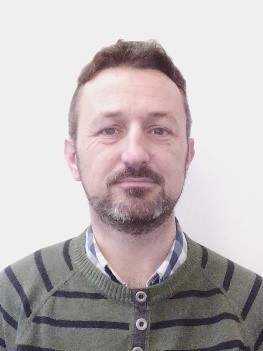
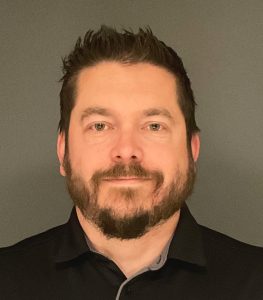
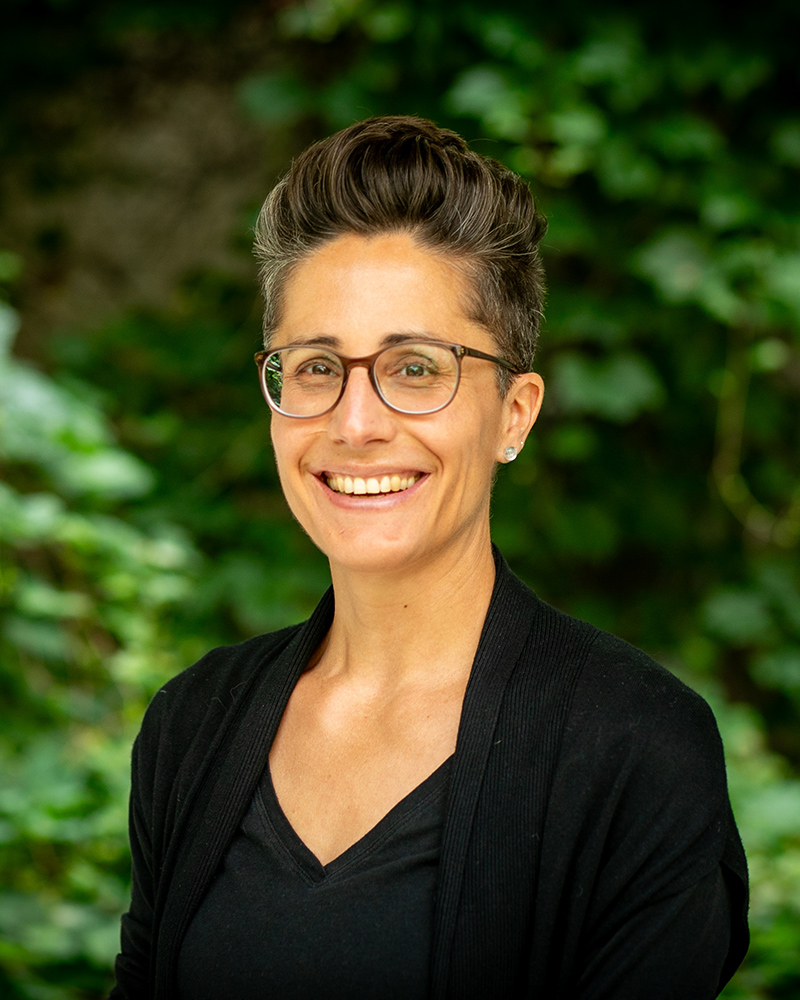
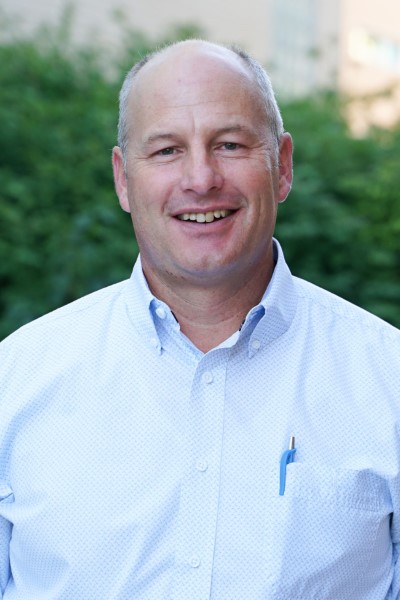
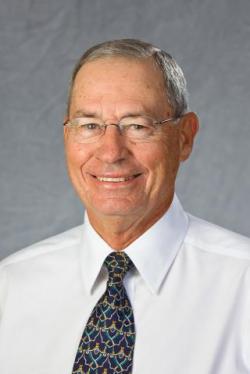
Professor Eric Morgan at Queen's University Belfast leads parasitology research in the School of Biological Sciences , focusing on climate-driven epidemiology of parasitic infections in animals. His work integrates predictive modeling, parasite transmission dynamics at the wild-domestic interface, and sustainable livestock health solutions. Veterinary parasitology and climate change impact Anthelmintic resistance mitigation strategies AI-enhanced diagnostic systems for animal health Current research students include Anthony George, who investigates Combining alternative approaches for helminth control in grazing livestock . Public engagement initiatives like the BUG Consortium and Poo Patrol translate findings into practical parasite management. His recent publications in 2025 address topics like flood reactors, zoonotic toxocariasis, and precision agriculture tools for parasite risk assessment.
Prof. Miranda Meuwissen is a Professor of Risk Management and Resilience in Agri-Food Systems at Wageningen University, Netherlands. She specializes in financial management, agricultural insurance, and resilience frameworks for farming systems. Her work focuses on sustainable transitions, climate resilience, and policy design for agricultural systems across Europe and beyond. Education: PhD in 'Insurance as a risk management tool for European Agriculture' (1995-2000). Previous roles include Associate/Assistant Professor positions at Wageningen (2005-2017), and senior researcher roles in agricultural risk management. She coordinates major initiatives such as the EU-funded SURE-Farm project (2017-2021), exploring sustainable and resilient farming systems, and the 4TU-Redesign initiative designing future food systems. Research Interests: Development of resilience assessment frameworks, risk management strategies in agriculture, financing sustainable transitions, and exploring synergies between production efficiency, environmental sustainability, and socio-economic resilience. Notable contributions include frameworks for resilience measurement in farming systems and analysis of pandemic impacts on agricultural resilience. Grants & Leadership: Coordinator of H2020 SURE-Farm (€6.5M+), 4TU-Redesign (2023-2028), and WUR-SSG system transition team (2022-2024). Organizes international seminars on sustainable transitions and annually coordinates the PhD Summer School on Risk Management in Agriculture. Key Projects: Participatory impact assessments of farming systems resilience, analysis of soil quality economic value, and innovative financing models for aquaculture. Her work bridges academic research with policy through collaborations with institutions like IAMO and 4TU Alliance.
Associate Professor Angus Campbell is an academic veterinarian and epidemiologist affiliated with the University of Melbourne's Melbourne School of Population and Global Health, where he leads the One Health initiative. His expertise spans One Health frameworks, zoonotic disease control, and sustainable livestock production. With over 20 years of experience, he focuses on integrating veterinary, agricultural, and public health approaches to address global challenges such as zoonoses, food security, and rural livelihoods. His research emphasizes systems-based solutions for livestock health and management, particularly in Asia and the Pacific. Key areas include improving smallholder livestock productivity, mitigating disease risks between humans and animals, and promoting sustainable agricultural practices. Campbell collaborates with farmers, agribusinesses, and international organizations to design context-specific interventions. Recent work includes studies on rabies control in Indonesia, brucellosis in Pakistan, and zoonotic disease perceptions among livestock workers in Myanmar. His contributions highlight the interplay between livestock health, environmental sustainability, and human well-being, advocating for holistic approaches that transcend disciplinary boundaries. While no specific awards or grants are listed, his extensive consultancy and teaching roles reflect his commitment to practical, evidence-based solutions. Campbell’s research often involves field-based analyses of livestock systems, emphasizing farmer participation and adaptive management strategies.
Juan Solomon serves as an Associate Professor in the Department of Agriculture, Veterinary and Rangeland Sciences at the University of Nevada, Reno. His research lab operates from Building FA, Room 226d (Mail Stop 202), with direct contact via (775) 784-6888 or juansolomon@unr.edu. Education: B.S. in Agriculture, University of Guyana (2000) Graduate Diploma in Education-Science, University of Guyana (2005) M.S. in Agriculture, Mississippi State University (2010) Ph.D. in Agriculture, Mississippi State University (2013) Research Focus: Dr. Solomon's work centers on grassland ecology and sustainable pastoral systems for ruminant livestock, with emphasis on grazing management, forage quality evaluation, and drought-tolerant crop development. His research program investigates water use efficiency in semiarid forage systems, nutrient cycling dynamics, and climate-resilient crop screening—particularly for native and improved forages in arid western environments. Field studies often integrate ecosystem service valuation with practical livestock production metrics. Publication Trends: Recent work (2023-2025) demonstrates concentrated expertise in alternative forage systems, with 15 high-impact studies examining teff double-cropping, industrial hemp varietals, and cover crop nutrient cycling in Nevada's semiarid landscapes. Key methodological approaches include deficit irrigation analysis, nitrogen optimization trials, and biomass decomposition modeling—all targeting resource-efficient agricultural solutions for water-limited regions.
Dr. Derek Brake is an Assistant Professor in the Division of Animal Sciences within the College of Agriculture, Food and Natural Resources at the University of Missouri. He holds a Ph.D. and M.S. in Ruminant Nutrition from Kansas State University. Dr. Brake teaches courses in Ruminant Nutrition (AnSci 4332/7332) and Beef Production (AnSci 4975/4975W/7975). His research program focuses on fundamental and applied aspects of ruminant nutrition with particular emphasis on: Nutrient utilization efficiency in beef and dairy cattle Small intestinal starch digestion mechanisms Application of computer vision and AI for precision livestock management Metabolic adaptations to different feed sources Sustainable forage and crop utilization systems Analysis of his recent publications reveals strong research focus on: Innovative feed evaluation methods Metabolic interventions for improving cattle productivity Sustainable grazing and forage management systems Advanced technologies for livestock monitoring Mycotoxin mitigation strategies Dr. Brake maintains active collaborations with the beef and dairy industries with research aimed at simultaneously improving livestock productivity, economic returns for producers, and environmental sustainability of cattle production systems.
Prof. Peter Groot Koerkamp is a Professor and Managing Chairholder at the Agricultural Biosystems Engineering group at Wageningen University. His expertise spans agricultural engineering, environmental systems, and sustainable livestock production. He holds an MSc (1990) and PhD (1998) from Wageningen University, with a focus on ammonia emissions from poultry systems. He has held roles as a researcher, project manager, and senior scientist across multiple institutes before joining Wageningen University in 2005. His research emphasizes sustainable agricultural systems, including manure/nutrient management, gaseous emissions, and animal welfare. He leads projects on methane monitoring in dairy cows, climate control in livestock housing, and bioenergy from segregated excreta. He supervises over 50 PhD students and collaborates on initiatives like the National Growth Fund’s regenerative agriculture projects. Notable projects include Synergia (optimizing dairy systems) and collaborations with the European Society of Agricultural Engineers (EurAgEng). His work integrates environmental engineering with technological innovation, addressing challenges like particulate matter reduction in poultry houses and precision livestock farming.
Dr. Thomas L. Marsh is a Distinguished Professor at Washington State University (WSU), affiliated with the School of Economic Sciences and the Paul G. Allen School for Global Health. He holds a PhD in Agricultural Economics from WSU (1998) and has extensive expertise in quantitative economic assessments of disease events, trade, and cost-benefit analyses. His research focuses on livestock health economics, global burden of animal diseases (GBADs), and policy implications of disease outbreaks. Marsh has led over 45 projects totaling $50 million and is a Fellow of the AAAS and Western Agricultural Economics Association (WAEA). Marsh’s academic career includes roles as past president of WAEA, founding member of the GBADs program, and guest editor for journals like PNAS and Frontiers in Veterinary Science. His honors include the WSU Faculty Excellence in Research Award (2019) and the AAAS Fellowship (2015). He has advised numerous policy initiatives, including the Washington State Academy of Sciences’ review of genetically modified food labeling (2013). His research spans global health economics, agricultural sustainability, and environmental policy, with a focus on integrating human and livestock health outcomes. Key contributions include frameworks for assessing disease impacts, biodegradable mulch adoption, and economic consequences of zoonotic diseases. Marsh’s work bridges academic research with practical policy solutions, emphasizing evidence-based decision-making in agriculture and public health.
Dr. Karl M. Rich serves as Director of the Master of International Agriculture Program (MIAP) in the Ferguson College of Agriculture and Professor of Agricultural Economics at Oklahoma State University, holding the Humphreys Chair in Global Studies. Previously, he worked for 16 years overseas, most recently at the International Livestock Research Institute's West Africa Regional Office in Dakar, Senegal, where he led multidisciplinary teams conducting applied research to inform livestock sector strategy in developing countries. Ph.D. and M.S. in Agricultural Economics, University of Illinois at Urbana-Champaign B.A. in Economics, University of California, Berkeley Dr. Rich's research cuts across disciplinary boundaries, integrating agricultural and livestock policy analysis, global agribusiness issues, animal and aquatic health, and methods development. He has pioneered specialized participatory tools to develop systems models and impact assessments with stakeholders to co-conceptualize problems and co-create solutions. His work spans urban agriculture planning in New Zealand, socio-economic drivers of animal disease in multiple developing countries, nutritionally-sensitive marketing channels in South Asia, livestock value chain development in Nicaragua, Myanmar, and Ghana, and climate-smart agriculture in Senegal. His recent publications demonstrate a consistent focus on agricultural economics, livestock disease modeling, food safety practices, and value chain analysis in developing countries, with particular emphasis on participatory approaches and system dynamics modeling. These works often examine the intersection of economic, social, and environmental dimensions in agricultural development contexts. Dr. Rich has successfully advised 14 M.S. and Ph.D. students during his career and has raised over $20 million in external grants in the past ten years through collaboration with multidisciplinary research teams. His current grant portfolio includes projects like the West Africa Aquaculture Program Fund and initiatives focused on climate change and local sovereignty. He has traveled to 87 countries with applied research and teaching experience in over 30 countries and long-term residence in nine. His work consistently involves collaboration with veterinarians, epidemiologists, animal scientists, and crop experts on applied research topics around the world, providing contextual guidance on socio-economic drivers of behavior and empirical evidence of benefits and tradeoffs across economic, social, and environmental dimensions.
Fabienne Uehlinger is an Associate Professor at the Department of Large Animal Clinical Sciences within the Western College of Veterinary Medicine (WCVM) at the University of Saskatchewan. Her academic credentials include a PhD in Veterinary Sciences (2008) and a Med. Vet. degree from the University of Bern, Switzerland (2002). She is also a Diplomate of the American College of Veterinary Internal Medicine (Large Animal Internal Medicine) and holds National Board Certification from the Canadian Veterinary Medical Association. Dr. Uehlinger specializes in large animal internal medicine, with a focus on food and production animals. Her research integrates veterinary epidemiology, food security, and socio-economic impacts of animal health in resource-constrained regions like Kenya, Laos, and Haiti. Key areas include calf health management, zoonotic protozoa in livestock, and sustainable livestock production intensification. She collaborates globally on projects enhancing livestock management in context-specific settings. Her publications (2016–2020) address gastrointestinal nematode control, outbreak investigations, nutritional interventions in dairy farming, and One Health leadership frameworks. While no explicit awards are listed, her work reflects significant contributions to applied veterinary research and global health. Dr. Uehlinger’s advising and grants involve collaborative projects on livestock health economics and disease management. She is affiliated with WCVM’s clinical and research teams focused on production animal medicine and global veterinary challenges.
Rusty Stott serves as a Clinical Assistant Professor in the Department of Animal, Dairy, and Veterinary Sciences at Utah State University's College of Agriculture and Applied Sciences. His teaching portfolio includes core courses in animal handling, large animal theriogenology, and veterinary parasitology, reflecting his expertise in clinical veterinary education and livestock reproduction. His educational background comprises a Doctor of Veterinary Medicine from Kansas State University (2001), a Bachelor of Science in Animal Science with Pre-Veterinary emphasis from Brigham Young University (1997), and board certification in Theriogenology from the American College of Theriogenologists (2024). He maintains active licensure as a Utah veterinarian and controlled substance provider since 2005. Dr. Stott's research centers on assisted reproductive technologies, particularly somatic cell nuclear transfer in cattle, sheep, and goats, with significant contributions to embryo development, cloning efficiency, and transgenic animal models. His work extends to applied areas including dairy nutrition, parasite management, and orthopedic biomechanics in ruminants, demonstrating translational impact across veterinary medicine and animal production systems. His publication record shows consistent output in high-impact journals like Theriogenology and Reproduction, Fertility and Development , with recent emphasis on cytokine-mediated embryo development (2023-2024) and long-term collaborations in transgenic livestock models. The research portfolio bridges fundamental reproductive biology with practical agricultural applications. He has received exceptional recognition for teaching excellence, including ten major awards such as CAAS Faculty Mentor of the Year (2019), multiple WIMU Regional Program Teaching Awards (2015-2018), and repeated honors as Undergraduate Faculty Advisor of the Year (2010, 2014). As a dedicated mentor, Dr. Stott has guided numerous undergraduate students in animal science, evidenced by his departmental and college-level advising awards. His extension work as a Clinical Veterinarian supports ongoing practical applications of his research. Collaborative projects with Dr. Irina Polejaeva's laboratory and the WIMU Veterinary Program highlight his integration within regional research networks focused on advancing veterinary education and biotechnology.
Don Ely is a Professor and Instruction Coordinator at the Martin-Gatton College of Agriculture, Food and Environment , University of Kentucky. His work focuses on sheep production systems and livestock management. Research Interests include: Sheep breeding and reproductive management Livestock nutrition optimization Toxin mitigation in forage systems Economic viability of feeding strategies Body condition scoring methodologies Recent Publications analyze practical challenges in sheep husbandry, grazing systems, and feed efficiency across various breeds and environments.
Tami Brown-Brandl is Professor and holder of the Dr. William E. and Eleanor L. Splinter Chair in Biological Systems Engineering at the University of Nebraska-Lincoln, where she conducts pioneering research at the intersection of agricultural engineering and animal science. Her research program focuses on: Computer vision systems for animal behavior monitoring Vibration-based vital signs detection in livestock Digital twin development for agricultural buildings RFID and sensor fusion for precision livestock farming Swine and beef cattle production optimization Individual animal identification using deep learning Recent publications (2023-2025) demonstrate a clear trajectory toward real-time, non-invasive monitoring systems using multi-modal sensor fusion. Her work integrates computer vision with ambient vibration analysis for piglet nursing behavior assessment, develops depth-image-based posture classifiers for sows, and creates digital twin frameworks that harness real-time data for precision livestock management. These innovations address critical challenges in animal welfare assessment and production efficiency through advanced engineering solutions. Dr. Brown-Brandl's leadership in precision livestock farming is evidenced by her extensive publication record on sensor systems development, with particular emphasis on practical applications for swine production systems including shoulder lesion detection, feeding behavior monitoring, and farrowing pen optimization.
Professor Sarah Cleaveland is a Professor of Comparative Epidemiology (Infectious Disease Ecology) at the University of Glasgow, based at the Institute of Biodiversity, Animal Health and Comparative Medicine within the College of Medical, Veterinary and Life Sciences. As a veterinary epidemiologist, she conducts interdisciplinary research focused on livestock and zoonotic diseases primarily in Africa, with particular attention to wildlife-protected areas and diverse agro-ecological systems. Her research interests span veterinary epidemiology, zoonotic disease ecology, and infectious disease dynamics in tropical settings, with a strong emphasis on practical disease control strategies. Professor Cleaveland employs interdisciplinary One Health approaches that integrate human, animal, and ecosystem health perspectives to address complex disease challenges. Her work includes extensive field research in Tanzania and other African countries, investigating diseases such as rabies, Rift Valley fever, brucellosis, and other zoonotic pathogens. Analysis of her recent publications (2022-2025) reveals a strong focus on disease dynamics, transmission modeling, vaccine implementation, and surveillance systems for zoonotic diseases in African settings. Her work often bridges veterinary science, public health, and ecological approaches, with particular attention to practical disease control interventions that can be implemented in resource-limited settings. Among her notable scientific achievements is being elected as a Fellow of the Royal Society, recognizing her significant contributions to veterinary epidemiology and zoonotic disease research. Professor Cleaveland is actively involved in graduate training initiatives with African partner institutions, contributing to capacity building in disease surveillance and control across the continent. Her research demonstrates a strong commitment to translating scientific findings into practical disease control measures that improve both animal and human health outcomes in tropical regions.
Professor Steve Walkden-Brown is a Professor in Animal Health and Veterinary Sciences at the University of New England (UNE), affiliated with the School of Environmental and Rural Science within the Faculty of Science, Agriculture, Business and Law. His career spans academic and fieldwork, including prior government veterinary roles in Fiji and major international projects in India, Laos, and Vietnam. He specializes in disease control in livestock systems, with a focus on integrated parasite management in small ruminants and molecular diagnostics for poultry diseases like Marek’s disease. Qualifications include a BVSc (Hons 1) and PhD from Queensland. His teaching encompasses veterinary epidemiology, parasitology, microbiology, and small ruminant production, emphasizing practical applications such as seasonal reproduction strategies and livestock productivity improvements. Research interests include: Evolution of Marek’s disease virus virulence and control strategies Sustainable management of gastrointestinal parasites in sheep Poultry dust as a diagnostic tool for infectious diseases Booroola fecundity gene application in Indian sheep breeds With over 400 publications and 140+ peer-reviewed papers, he leads an active research group and has supervised 33 PhD, 11 MSc, and 23 honours students. External profiles include Google Scholar, ResearchGate, and LinkedIn.
Ermias Kebreab is a Professor and Sesnon Endowed Chair in the Department of Animal Science, University of California, Davis (UC Davis). He serves as Associate Dean for Global Engagement in the College of Agricultural and Environmental Sciences and Director of the World Food Center. His roles involve advancing the college’s international goals through partnerships and addressing global food systems challenges. Kebreab holds a B.S. in Biology (University of Asmara), M.S. in Integrative Biology, and Ph.D. in Ecological Modeling (University of Reading, UK). His research focuses on developing feed additives to reduce livestock methane emissions, with over 200 peer-reviewed publications. He chairs the UN FAO Technical Working Group on Feed Additives and serves on NAS committees for methane emissions and dairy cattle nutrition. His work contributes to IPCC guidelines and climate policy. Kebreab has held leadership roles including Associate Vice Provost for Academic Programs in Global Affairs and Deputy Director of UC Davis’ Agricultural Sustainability Institute. His expertise spans sustainable agriculture, livestock environmental impacts, and climate-smart technologies. His global engagement includes collaborations in Egypt and beyond through USAID-funded projects. Key areas of focus include methane mitigation strategies, feed additive efficacy, and modeling livestock emissions. He emphasizes interdisciplinary approaches to sustainable food systems, combining nutrition science, environmental modeling, and policy advocacy.