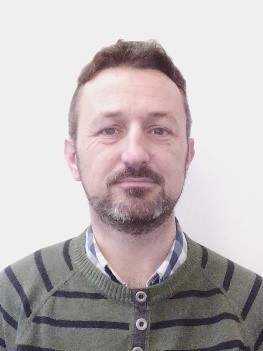
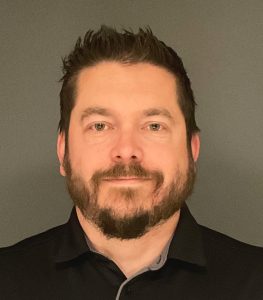
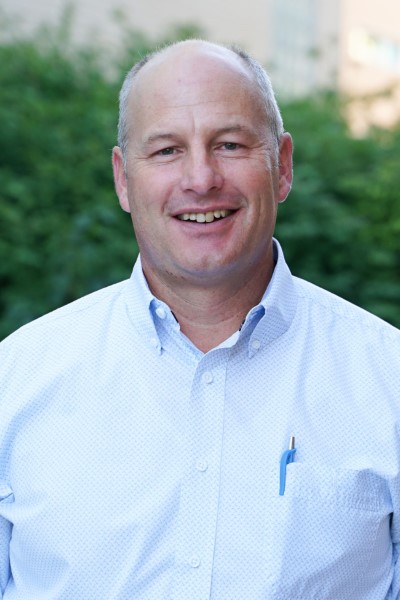
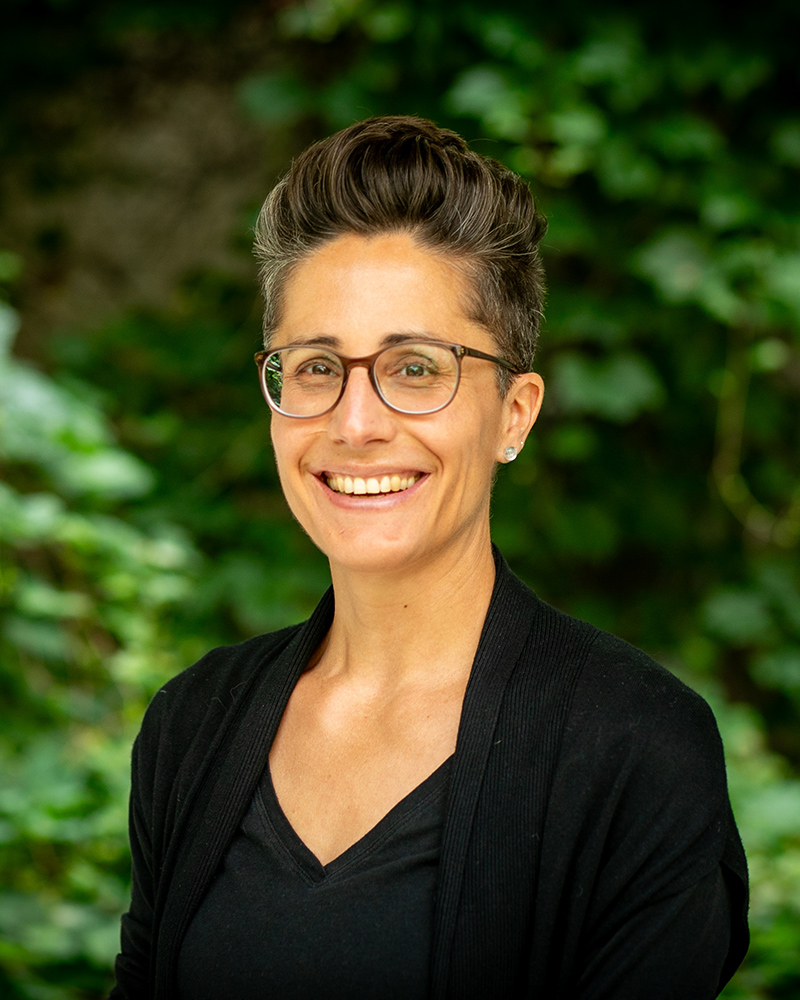
Professor Eric Morgan at Queen's University Belfast leads parasitology research in the School of Biological Sciences , focusing on climate-driven epidemiology of parasitic infections in animals. His work integrates predictive modeling, parasite transmission dynamics at the wild-domestic interface, and sustainable livestock health solutions. Veterinary parasitology and climate change impact Anthelmintic resistance mitigation strategies AI-enhanced diagnostic systems for animal health Current research students include Anthony George, who investigates Combining alternative approaches for helminth control in grazing livestock . Public engagement initiatives like the BUG Consortium and Poo Patrol translate findings into practical parasite management. His recent publications in 2025 address topics like flood reactors, zoonotic toxocariasis, and precision agriculture tools for parasite risk assessment.
Juan Solomon serves as an Associate Professor in the Department of Agriculture, Veterinary and Rangeland Sciences at the University of Nevada, Reno. His research lab operates from Building FA, Room 226d (Mail Stop 202), with direct contact via (775) 784-6888 or juansolomon@unr.edu. Education: B.S. in Agriculture, University of Guyana (2000) Graduate Diploma in Education-Science, University of Guyana (2005) M.S. in Agriculture, Mississippi State University (2010) Ph.D. in Agriculture, Mississippi State University (2013) Research Focus: Dr. Solomon's work centers on grassland ecology and sustainable pastoral systems for ruminant livestock, with emphasis on grazing management, forage quality evaluation, and drought-tolerant crop development. His research program investigates water use efficiency in semiarid forage systems, nutrient cycling dynamics, and climate-resilient crop screening—particularly for native and improved forages in arid western environments. Field studies often integrate ecosystem service valuation with practical livestock production metrics. Publication Trends: Recent work (2023-2025) demonstrates concentrated expertise in alternative forage systems, with 15 high-impact studies examining teff double-cropping, industrial hemp varietals, and cover crop nutrient cycling in Nevada's semiarid landscapes. Key methodological approaches include deficit irrigation analysis, nitrogen optimization trials, and biomass decomposition modeling—all targeting resource-efficient agricultural solutions for water-limited regions.
Associate Professor Angus Campbell is an academic veterinarian and epidemiologist affiliated with the University of Melbourne's Melbourne School of Population and Global Health, where he leads the One Health initiative. His expertise spans One Health frameworks, zoonotic disease control, and sustainable livestock production. With over 20 years of experience, he focuses on integrating veterinary, agricultural, and public health approaches to address global challenges such as zoonoses, food security, and rural livelihoods. His research emphasizes systems-based solutions for livestock health and management, particularly in Asia and the Pacific. Key areas include improving smallholder livestock productivity, mitigating disease risks between humans and animals, and promoting sustainable agricultural practices. Campbell collaborates with farmers, agribusinesses, and international organizations to design context-specific interventions. Recent work includes studies on rabies control in Indonesia, brucellosis in Pakistan, and zoonotic disease perceptions among livestock workers in Myanmar. His contributions highlight the interplay between livestock health, environmental sustainability, and human well-being, advocating for holistic approaches that transcend disciplinary boundaries. While no specific awards or grants are listed, his extensive consultancy and teaching roles reflect his commitment to practical, evidence-based solutions. Campbell’s research often involves field-based analyses of livestock systems, emphasizing farmer participation and adaptive management strategies.
Assoc. Prof. Dr. Koray KIRIKCI is a faculty member at Kırşehir Ahi Evran University, Faculty of Agriculture, Department of Animal Science, where he currently serves as Associate Professor since 2024. Previously, he held positions as Doctoral Faculty Member (2020-2024) and Research Assistant (2011-2020) at the same institution. He also holds administrative positions including Department Vice Chair (since 2022), Education Coordinator (since 2021), and Education and Teaching Committee Member. Dr. KIRIKCI earned his BSc in Agricultural Engineering from Gaziosmanpaşa University (2005-2009), followed by an MSc in Animal Science from Ondokuz Mayıs University (2010-2012), and completed his PhD in Animal Science at the same institution (2012-2017). He also received a YÖKDİL certificate with 85 points in 2021. His research focuses on animal breeding and genetics, particularly in small ruminants. His primary interests include sheep and goat breeding, biometrics, genetics, gene polymorphisms related to reproductive traits, meat quality, and molecular markers for selection. He has made significant contributions to understanding the genetic basis of litter size, multiple births, and meat production traits in Turkish native sheep breeds. Analysis of his recent publications reveals a strong emphasis on reproductive genetics in sheep, particularly investigating BMP15 and GDF9 genes and their relationship with litter size. His work spans multiple Turkish native sheep breeds including Akkaraman, Karayaka, Çepni, and Of, as well as international collaborations with Kazakh researchers on Saryarka sheep. His research combines molecular techniques like PCR-RFLP with quantitative genetic analysis to identify markers for selective breeding. Dr. KIRIKCI has supervised at least one Master's student, Melike Kavuzkoz, whose thesis focused on FSHR, LHβ, and GPR54 gene mutations in Sakız sheep. He has taught numerous graduate and undergraduate courses including Genetic Analysis, Population Genetics, and Animal Breeding Methods. He has been principal investigator for 20 research projects, including studies on indel and major gene mutations related to multiple births in Ankara goats (2025-2027), polymorphism and phylogenetic relationships of BMP15 and GDF9 genes in native sheep breeds from Kazakhstan and Türkiye (2024-2025), and investigation of FSHR, LHβ, and GPR54 gene mutations in Sakız sheep (2023-2024). His work demonstrates strong international collaboration, particularly with Kazakh National Agrarian Research University.
Nicole Tillquist is a Postdoctoral Research Associate at the University of Connecticut in the Department of Animal Sciences. She earned her BS (2018), MS (2020), and PhD (2023) in Animal Sciences from Colorado State University and the University of Connecticut, respectively. She works in Dr. Kristen Govoni’s lab, focusing on the impacts of maternal nutrition on fetal development and offspring health in ruminant species. Education: PhD in Animal Sciences, University of Connecticut (2023) MS in Animal Sciences, Colorado State University (2020) BS in Animal Sciences, Colorado State University (2018) Her research spans nutrient restriction effects on fetal small intestine development, mineral metabolism in ruminants, and how poor maternal diet impacts offspring growth, feed efficiency, and organ function. She investigates these mechanisms using sheep models to identify pathways like hormonal dysregulation, oxidative stress, and epigenetic modifications. Her recent work includes multigenerational studies on mitochondrial function and transgenerational effects of maternal nutrition on offspring immune status, glucose tolerance, and microbiome dynamics. She has presented award-winning talks on metabolic programming in sheep and antioxidant interventions in equine health. Scientific Awards: Awardee Talk: Poor Maternal Nutrition Impacts Metabolic Factors and Glucose Tolerance in Sheep Offspring (2022) Awardee Talk: Astaxanthin Supplementation Reduces Oxidative Stress in Polo Ponies (2022) Her work in Dr. Govoni’s lab integrates ruminant nutrition with developmental biology to address how maternal dietary choices program lifelong health in livestock species.
Prof. Dr. Annette Liesegang serves as a Professor at the Institute of Animal Nutrition and Dietetics within the Vetsuisse Faculty of the University of Zurich. Her research focuses on bone and cartilage physiology, obesity, and clinical nutrition impacts across multiple animal species including ruminants, dogs, reptiles, pigs, and birds. Her primary research interests encompass bone metabolism, mineral nutrition, comparative physiology, and veterinary diagnostics. She specializes in bone marker analysis, bone mineral density measurement via quantitative peripheral computed tomography, and calcium absorption mechanisms using immunohistochemical methods. Her work investigates physiological and nutritional influences on bone resorption/formation dynamics during critical periods like gestation and lactation, with extensive species-specific expertise. Analysis of her 2024-2025 publications reveals dominant research themes in calcium metabolism (particularly in sheep/goats), urolithiasis pathogenesis across species, vitamin D optimization, and clinical dietary interventions for conditions like intestinal malabsorption. Methodological innovations include in-vitro digestion models and UVB-irradiated feed development, reflecting her translational approach from basic bone physiology to practical animal nutrition solutions. Scientific awards: No scientific awards were documented in the provided materials. Prof. Liesegang mentors thesis students and leads collaborative research projects, notably with Prof. Brigitte von Rechenberg on growth plate physiology in foals and lambs. Her work leverages institutional facilities including specialized CT equipment and laboratory infrastructure for biochemical analysis, though specific grant details remain unreported in the source text. The Institute of Animal Nutrition and Dietetics operates dedicated animal research facilities with stables for multiple species and managed sheep/goat herds under veterinary supervision. These resources enable controlled studies on bone metabolism, dietary interventions, and species-specific nutrition, supporting her extensive publication record in veterinary and comparative nutrition science.
Dr. Derek Brake is an Assistant Professor in the Division of Animal Sciences within the College of Agriculture, Food and Natural Resources at the University of Missouri. He holds a Ph.D. and M.S. in Ruminant Nutrition from Kansas State University. Dr. Brake teaches courses in Ruminant Nutrition (AnSci 4332/7332) and Beef Production (AnSci 4975/4975W/7975). His research program focuses on fundamental and applied aspects of ruminant nutrition with particular emphasis on: Nutrient utilization efficiency in beef and dairy cattle Small intestinal starch digestion mechanisms Application of computer vision and AI for precision livestock management Metabolic adaptations to different feed sources Sustainable forage and crop utilization systems Analysis of his recent publications reveals strong research focus on: Innovative feed evaluation methods Metabolic interventions for improving cattle productivity Sustainable grazing and forage management systems Advanced technologies for livestock monitoring Mycotoxin mitigation strategies Dr. Brake maintains active collaborations with the beef and dairy industries with research aimed at simultaneously improving livestock productivity, economic returns for producers, and environmental sustainability of cattle production systems.
Rusty Stott serves as a Clinical Assistant Professor in the Department of Animal, Dairy, and Veterinary Sciences at Utah State University's College of Agriculture and Applied Sciences. His teaching portfolio includes core courses in animal handling, large animal theriogenology, and veterinary parasitology, reflecting his expertise in clinical veterinary education and livestock reproduction. His educational background comprises a Doctor of Veterinary Medicine from Kansas State University (2001), a Bachelor of Science in Animal Science with Pre-Veterinary emphasis from Brigham Young University (1997), and board certification in Theriogenology from the American College of Theriogenologists (2024). He maintains active licensure as a Utah veterinarian and controlled substance provider since 2005. Dr. Stott's research centers on assisted reproductive technologies, particularly somatic cell nuclear transfer in cattle, sheep, and goats, with significant contributions to embryo development, cloning efficiency, and transgenic animal models. His work extends to applied areas including dairy nutrition, parasite management, and orthopedic biomechanics in ruminants, demonstrating translational impact across veterinary medicine and animal production systems. His publication record shows consistent output in high-impact journals like Theriogenology and Reproduction, Fertility and Development , with recent emphasis on cytokine-mediated embryo development (2023-2024) and long-term collaborations in transgenic livestock models. The research portfolio bridges fundamental reproductive biology with practical agricultural applications. He has received exceptional recognition for teaching excellence, including ten major awards such as CAAS Faculty Mentor of the Year (2019), multiple WIMU Regional Program Teaching Awards (2015-2018), and repeated honors as Undergraduate Faculty Advisor of the Year (2010, 2014). As a dedicated mentor, Dr. Stott has guided numerous undergraduate students in animal science, evidenced by his departmental and college-level advising awards. His extension work as a Clinical Veterinarian supports ongoing practical applications of his research. Collaborative projects with Dr. Irina Polejaeva's laboratory and the WIMU Veterinary Program highlight his integration within regional research networks focused on advancing veterinary education and biotechnology.
Dr. Karl M. Rich serves as Director of the Master of International Agriculture Program (MIAP) in the Ferguson College of Agriculture and Professor of Agricultural Economics at Oklahoma State University, holding the Humphreys Chair in Global Studies. Previously, he worked for 16 years overseas, most recently at the International Livestock Research Institute's West Africa Regional Office in Dakar, Senegal, where he led multidisciplinary teams conducting applied research to inform livestock sector strategy in developing countries. Ph.D. and M.S. in Agricultural Economics, University of Illinois at Urbana-Champaign B.A. in Economics, University of California, Berkeley Dr. Rich's research cuts across disciplinary boundaries, integrating agricultural and livestock policy analysis, global agribusiness issues, animal and aquatic health, and methods development. He has pioneered specialized participatory tools to develop systems models and impact assessments with stakeholders to co-conceptualize problems and co-create solutions. His work spans urban agriculture planning in New Zealand, socio-economic drivers of animal disease in multiple developing countries, nutritionally-sensitive marketing channels in South Asia, livestock value chain development in Nicaragua, Myanmar, and Ghana, and climate-smart agriculture in Senegal. His recent publications demonstrate a consistent focus on agricultural economics, livestock disease modeling, food safety practices, and value chain analysis in developing countries, with particular emphasis on participatory approaches and system dynamics modeling. These works often examine the intersection of economic, social, and environmental dimensions in agricultural development contexts. Dr. Rich has successfully advised 14 M.S. and Ph.D. students during his career and has raised over $20 million in external grants in the past ten years through collaboration with multidisciplinary research teams. His current grant portfolio includes projects like the West Africa Aquaculture Program Fund and initiatives focused on climate change and local sovereignty. He has traveled to 87 countries with applied research and teaching experience in over 30 countries and long-term residence in nine. His work consistently involves collaboration with veterinarians, epidemiologists, animal scientists, and crop experts on applied research topics around the world, providing contextual guidance on socio-economic drivers of behavior and empirical evidence of benefits and tradeoffs across economic, social, and environmental dimensions.
Fabienne Uehlinger is an Associate Professor at the Department of Large Animal Clinical Sciences within the Western College of Veterinary Medicine (WCVM) at the University of Saskatchewan. Her academic credentials include a PhD in Veterinary Sciences (2008) and a Med. Vet. degree from the University of Bern, Switzerland (2002). She is also a Diplomate of the American College of Veterinary Internal Medicine (Large Animal Internal Medicine) and holds National Board Certification from the Canadian Veterinary Medical Association. Dr. Uehlinger specializes in large animal internal medicine, with a focus on food and production animals. Her research integrates veterinary epidemiology, food security, and socio-economic impacts of animal health in resource-constrained regions like Kenya, Laos, and Haiti. Key areas include calf health management, zoonotic protozoa in livestock, and sustainable livestock production intensification. She collaborates globally on projects enhancing livestock management in context-specific settings. Her publications (2016–2020) address gastrointestinal nematode control, outbreak investigations, nutritional interventions in dairy farming, and One Health leadership frameworks. While no explicit awards are listed, her work reflects significant contributions to applied veterinary research and global health. Dr. Uehlinger’s advising and grants involve collaborative projects on livestock health economics and disease management. She is affiliated with WCVM’s clinical and research teams focused on production animal medicine and global veterinary challenges.
Don Ely is a Professor and Instruction Coordinator at the Martin-Gatton College of Agriculture, Food and Environment , University of Kentucky. His work focuses on sheep production systems and livestock management. Research Interests include: Sheep breeding and reproductive management Livestock nutrition optimization Toxin mitigation in forage systems Economic viability of feeding strategies Body condition scoring methodologies Recent Publications analyze practical challenges in sheep husbandry, grazing systems, and feed efficiency across various breeds and environments.
Tami Brown-Brandl is Professor and holder of the Dr. William E. and Eleanor L. Splinter Chair in Biological Systems Engineering at the University of Nebraska-Lincoln, where she conducts pioneering research at the intersection of agricultural engineering and animal science. Her research program focuses on: Computer vision systems for animal behavior monitoring Vibration-based vital signs detection in livestock Digital twin development for agricultural buildings RFID and sensor fusion for precision livestock farming Swine and beef cattle production optimization Individual animal identification using deep learning Recent publications (2023-2025) demonstrate a clear trajectory toward real-time, non-invasive monitoring systems using multi-modal sensor fusion. Her work integrates computer vision with ambient vibration analysis for piglet nursing behavior assessment, develops depth-image-based posture classifiers for sows, and creates digital twin frameworks that harness real-time data for precision livestock management. These innovations address critical challenges in animal welfare assessment and production efficiency through advanced engineering solutions. Dr. Brown-Brandl's leadership in precision livestock farming is evidenced by her extensive publication record on sensor systems development, with particular emphasis on practical applications for swine production systems including shoulder lesion detection, feeding behavior monitoring, and farrowing pen optimization.
Jane Kelly is a Clinical Professor at Utah State University School of Veterinary Medicine . She serves as a Veterinary Diagnostician at the Utah Veterinary Diagnostic Laboratory (UVDL) in Spanish Fork, Utah, focusing on zoonotic diseases, wildlife pathology, and clinical diagnostics. Dr. Kelly has held this position since 2009 and maintains active roles in teaching and extension activities. Email: jane.kelly@usu.edu Phone: 801-798-5435 Educational Background: MPH in Veterinary Medicine, University of Iowa (2014) MS in Bioveterinary Science, Utah State University (1992) DVM, North Carolina State University (1989) BS in Animal Science, North Carolina State University (1985) Science Certificate, Wayne Community College (1983) Research Focus: Dr. Kelly's work spans zoonotic disease surveillance , wildlife pathology , and veterinary diagnostic investigation . Her research emphasizes environmental health intersections with animal and human well-being, reflected in her course Ecology and Health: Case Studies (ADVS 6000). Key areas include virology, nutritional deficiencies, and infectious disease epidemiology in domestic and wild species. Publication Trends: Recent articles analyze mesothelioma in black bears , cardiomyopathy in wild turkeys , and zoonotic pathogens like Echinococcus granulosus . Peer-reviewed works focus on bovine viral diarrhea epidemiology and bacterial infections in livestock, while extension publications address botulism and rickets in agricultural settings. Scientific Distinctions: Diplomat of the American College of Veterinary Microbiologists (2017) Diplomat of the American College of Veterinary Preventative Medicine (2014) Teaching & Extension: Dr. Kelly teaches Ecology and Health (ADVS 6000) and Veterinary Medicine and Human Health (VM 7543) at Utah State University. She contributes to extension programs through the Central Utah Veterinary Diagnostic Lab, providing practical diagnostic solutions and educational outreach since 2009.
Ermias Kebreab is a Professor and Sesnon Endowed Chair in the Department of Animal Science, University of California, Davis (UC Davis). He serves as Associate Dean for Global Engagement in the College of Agricultural and Environmental Sciences and Director of the World Food Center. His roles involve advancing the college’s international goals through partnerships and addressing global food systems challenges. Kebreab holds a B.S. in Biology (University of Asmara), M.S. in Integrative Biology, and Ph.D. in Ecological Modeling (University of Reading, UK). His research focuses on developing feed additives to reduce livestock methane emissions, with over 200 peer-reviewed publications. He chairs the UN FAO Technical Working Group on Feed Additives and serves on NAS committees for methane emissions and dairy cattle nutrition. His work contributes to IPCC guidelines and climate policy. Kebreab has held leadership roles including Associate Vice Provost for Academic Programs in Global Affairs and Deputy Director of UC Davis’ Agricultural Sustainability Institute. His expertise spans sustainable agriculture, livestock environmental impacts, and climate-smart technologies. His global engagement includes collaborations in Egypt and beyond through USAID-funded projects. Key areas of focus include methane mitigation strategies, feed additive efficacy, and modeling livestock emissions. He emphasizes interdisciplinary approaches to sustainable food systems, combining nutrition science, environmental modeling, and policy advocacy.
John Milton is an Associate Professor Honorary Research Fellow at the Institute of Agriculture, The University of Western Australia, where he has been actively engaged since 1991. With expertise spanning ruminant nutrition and reproductive physiology, his work focuses on developing sustainable Clean, Green and Ethical (CGE) animal production systems. His academic journey began with honors in Agricultural Science from the University of Queensland in 1974, followed by a PhD in ruminant nutrition in 1984. His research interests center on nutritional and reproductive management in farm animals, with particular emphasis on meat and wool sheep production, beef and dairy cattle systems, and small ruminant management. Milton's work integrates fundamental understanding of ruminant physiology with practical applications to enhance sustainable production. His fingerprint analysis shows strong expertise in Merino sheep (100%), lamb production (81%), breed comparisons (70%), colostrum management (50%), lupin utilization (45%), Dorper sheep (42%), Australian livestock systems (36%), and supplementation strategies (34%). Over his career, Milton has secured five major research grants, including projects on beef production systems, nitrate-rich shrubs to reduce methane, cashmere production, focus feeding techniques, and wool improvement. His work contributes significantly to Sustainable Development Goals related to zero hunger, responsible consumption and production, and climate action. Milton currently co-supervises two PhD students and teaches Animal Science & Technology 3306. His extension work connects academic research with practical farming applications, helping producers implement evidence-based practices. His research extends beyond traditional livestock to include goats for fiber and meat production and alpacas for fiber development.