Charalambia Michael K. is a Lecturer in Small Ruminant Health at the School of Veterinary Medicine, University of Thessaly. He holds a PhD in Veterinary Medicine (2020), an MSc in Geotechnical Sciences and Environmental Management (2022), and a Degree in Veterinary Medicine (2019), all from the University of Thessaly and Cyprus University of Technology. His professional roles include Clinical Veterinarian positions and teaching assistantships at the University of Thessaly and Cyprus University of Technology. His research focuses on mastitis detection, antibiotic resistance in small ruminants, and one-health approaches to dairy farming. He investigates bacterial contamination in milking equipment, biofilm-forming pathogens, and risk factors affecting milk quality. His work bridges veterinary science, environmental management, and public health. Publications highlight advancements in biomarker detection (e.g., cathelicidin-1), longitudinal studies of staphylococci resistance, and teatcup contamination analysis. No awards or grants are listed, but his advisory roles include teaching and tutorial assistance in veterinary and geotechnical fields.
Dr. Charlotte Schröder serves as a Laboratory Head and Attending Veterinarian at the Department of Experimental Animal Facilities and Biorisk Management (ATB) . Her expertise spans veterinary care for small ruminants, swine, and laboratory animals. Specializations: Recognised Specialist for Small Ruminants Recognised Specialist for Swine Recognised Specialist for Laboratory Animal Science Her research focuses on Veterinary Medicine , Animal Science , and Biorisk Management , emphasizing animal health and welfare in experimental settings.
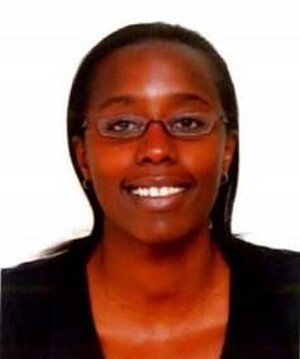
Dr. Juliet Kariuki is a researcher at the University of Hohenheim, specializing in the social dimensions of livestock management in sub-Saharan Africa with a focus on gender and equity. She is affiliated with the Department of Social and Institutional Change in Agricultural Development and has been involved in significant research projects including the Program of Accompanying Research for Agricultural Innovation (PARI) and Payments for Ecosystem Services, Gender and Governance. Dr. Kariuki has an impressive educational background: Ph.D. in Agricultural Sciences Master of Arts degree in Environment, Culture, and Society Bachelor of Arts degree in Sociology Her research focuses on understanding the social dimensions of livestock management in sub-Saharan Africa, with particular attention to gender and equity considerations. She has conducted extensive work on gendered dimensions in livestock breeding, marketing, risk management, and natural resource management. Dr. Kariuki employs both qualitative and quantitative research methods to examine intra- and interhousehold dynamics between men and women in livestock-dependent households across Africa. Dr. Kariuki's publication record demonstrates a consistent focus on gender equity in agricultural systems, with recent work expanding to examine digital tools for livestock management, pandemic responses in food systems, and sustainable transitions in African agriculture. Her research spans multiple countries including Kenya, Zambia, and Burkina Faso, reflecting a commitment to comparative analysis across diverse African contexts. Dr. Kariuki has received recognition through: DAAD scholarship during her doctoral studies Research Fellowship position at the International Livestock Research Institute (ILRI) Throughout her career, Dr. Kariuki has been actively involved in research projects funded by significant initiatives like the German government's One World, No Hunger Initiative. Her work on the PARI project (2014-2022) focused on sustainable agricultural growth and food security in Africa and India. She has collaborated extensively with Professor Regina Birner and other international researchers, demonstrating strong partnership-building capabilities across institutions and countries. Dr. Kariuki has contributed to multiple research teams examining agricultural innovation systems, with particular emphasis on how gender dynamics influence technology adoption, policy implementation, and sustainable development outcomes. Her work often bridges academic research with practical applications for development practitioners and policymakers.
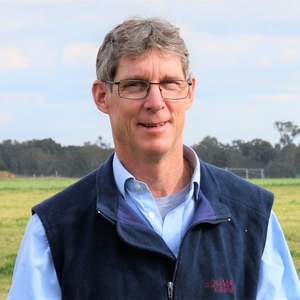
Allan Gunn is an Associate Professor in Large Animal Theriogenology and Production Animal Medicine at Charles Sturt University, affiliated with the School of Agricultural, Environmental and Veterinary Sciences and based in the Department of Pathobiology. He is a registered specialist in Theriogenology with the Royal College of Veterinary Surgeons (RCVS) and in Australasia, and holds multiple advanced qualifications including MANZCVS and DACT. His academic and clinical work is centered at the Wagga Wagga campus, where he actively teaches and mentors veterinary students. Education: BSc.Agric BVM&S (Veterinary Degree, University of Edinburgh) MANZCVS in Horse Medicine, Animal Reproduction, and Dairy Cattle Medicine Diplomate, American College of Theriogenology (DACT) Fellow, Higher Education Academy (FHEA) Fellow, Royal College of Veterinary Surgeons (FRCVS) Allan Gunn's research focuses on animal reproduction, particularly in dairy and production animals. His work spans reproductive physiology, semen biology, herd health, and clinical theriogenology. He applies experiential learning theories, such as Kolbe’s model, to veterinary education, emphasizing reflective practice and student agency. His publications and presentations at conferences like ANZCVS and the Society for Theriogenology reflect a consistent and impactful research trajectory. The 15 most recent articles demonstrate a strong emphasis on reproductive health in livestock, including bull semen evaluation, dystocia in goats, compost barn management, and the neuroendocrine regulation of reproduction. These works span both clinical case studies and applied research, often in collaboration with institutions like the University of Newcastle and the University of Melbourne. The keywords and sub-fields reflect deep engagement with theriogenology, dairy science, and veterinary andrology. Scientific Awards: Fellowship of the Royal College of Veterinary Surgeons (FRCVS), conferred in 2020 for meritorious contributions to clinical practice. Fellowship of the Higher Education Academy (FHEA), awarded in 2021 for excellence in teaching and educational scholarship. Allan Gunn is actively involved in mentoring and advising a wide range of students, including DACT, DVStud, Honours, Masters, and PhD candidates. He collaborates internationally and supervises research across institutions. He has secured research outputs and engagement through grants and industry partnerships, particularly in dairy herd management and reproductive technologies. His activities include invited lectures, conference participation, and public research showcases, indicating sustained academic and industry engagement. He is associated with the Gulbali Research Institute at Charles Sturt University, where his research in animal reproduction and sustainable herd management is conducted. His work involves interdisciplinary collaboration and field-based research, contributing to both academic knowledge and practical veterinary applications.
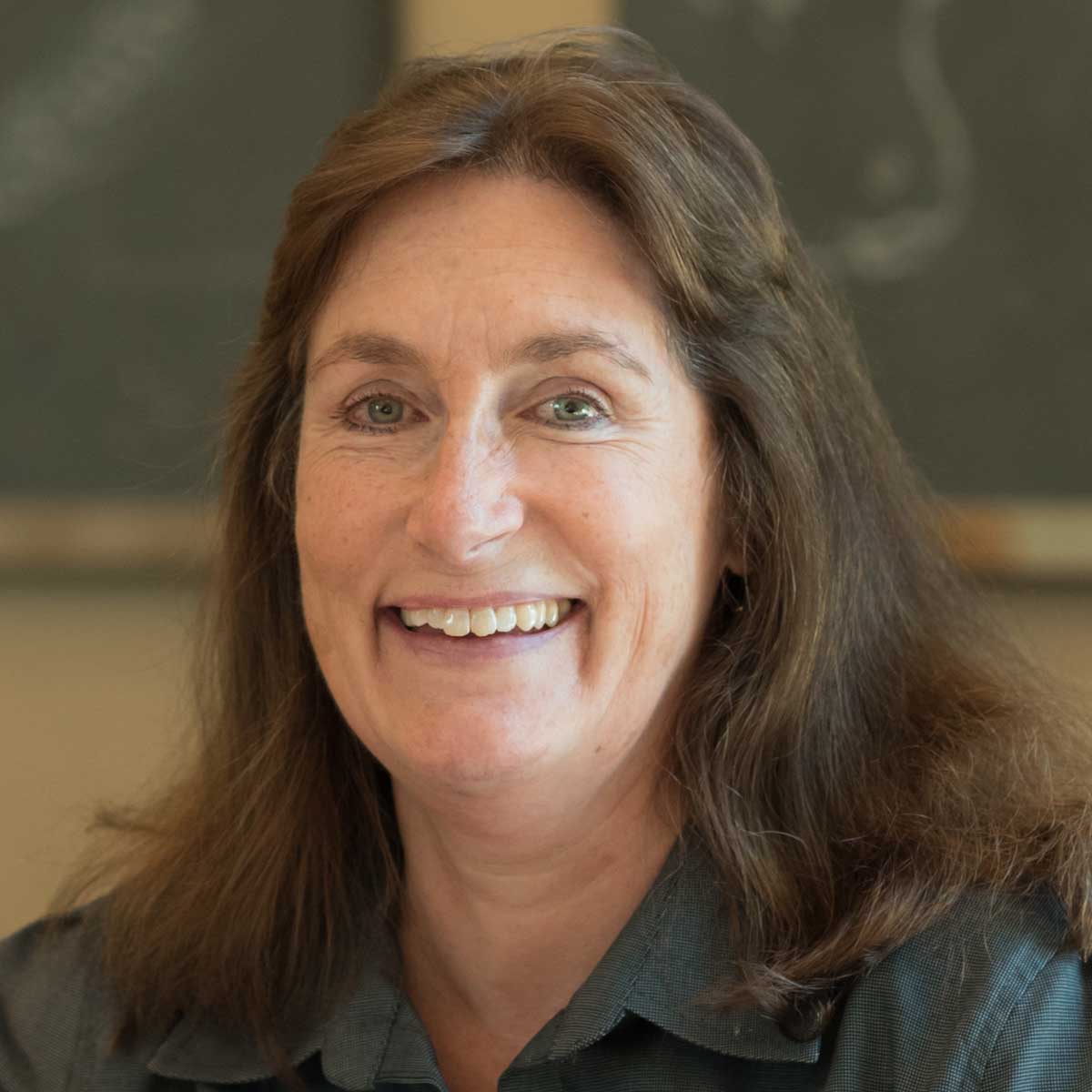
Randi Rotne is a Senior Lecturer in Small Animal Surgery at Charles Sturt University, affiliated with the School of Agricultural, Environmental and Veterinary Sciences. She holds a BVSc and PhD, and has over 20 years of clinical experience in veterinary practice, including running her own clinic in the Hawkesbury region. Her academic work spans teaching, research, and clinical supervision, with a focus on surgical education and small animal orthopedics. BVSc, University of Sydney PhD, University of Sydney (2017) – Biomechanical study on locking plates and bone blood supply Her research interests center on small animal surgery , clinical skills training , orthopedic biomechanics , and perioperative complications . She has developed innovative surgical teaching models and investigated outcomes in desexing and fracture repair. Her work bridges clinical practice and academic rigor, emphasizing evidence-based veterinary medicine. The recent articles show a strong focus on small animal surgical outcomes , diagnostic imaging , and educational tools . Key themes include ultrasound-guided procedures, bone healing assessment via CT and histopathology, and neonatal immunity in camelids. Her research integrates clinical data with educational innovation, particularly in surgical training models and pain management strategies. Canine interdigital grass seed foreign body retrieval using ultrasonography (Grant, 2021) Determining the incidence of perioperative acute kidney injury in dogs undergoing routine surgery (External Award, 2017) Investigations into locking plates and bone blood supply (Internal Award, 2016) Winner of early stage HDR presentation, The University of Sydney (2010) Winner of mid stage HDR presentation, The University of Sydney (2012) Randi Rotne actively supervises HDR students and contributes to research grants focused on surgical outcomes and educational tools. She is involved in peer review for journals such as the Journal of Veterinary Medical Education and collaborates with national initiatives like VetCompass Australia. Her work extends to community engagement through public events and media interviews on veterinary health topics. She is actively involved in developing teaching models for ultrasonography and clinical skills training. Her research team collaborates on projects related to surgical innovation, diagnostic validation, and veterinary education. She participates in professional networks such as VetEd Down Under and contributes to curriculum development in veterinary surgical training.
Pangkaj Dhar is an active researcher at Charles Sturt University specializing in veterinary microbiology and biosecurity, with dual qualifications in Veterinary Medicine and Microbiology. His work bridges laboratory research and field applications in animal disease management. His academic credentials include: Master of Science in Microbiology from Chattogram Veterinary and Animal Sciences University (2016-2018), thesis: "Validation of Real time RT-PCR to detect virus titre in Newcastle Disease vaccine" Doctor of Veterinary Medicine from Chattogram Veterinary and Animal Sciences University (2009-2015) Dr. Dhar's research centers on infectious disease diagnostics and pathogen characterization in livestock and avian species. He employs advanced techniques including genomic sequencing, chemometrics, and vaccine formulation to address critical challenges in antimicrobial resistance , viral thermostability , and zoonotic disease surveillance . His fingerprint analysis reveals dominant expertise in thermostability, hemagglutination, and Escherichia coli pathogenesis with strong Bangladesh-focused field applications. Recent publications (2024-2025) demonstrate a clear trajectory toward combatting transboundary animal diseases through integrated approaches: developing thermostable vaccines for avian pathogens, optimizing diagnostic protocols amid antimicrobial resistance challenges, and characterizing viral evolution in wildlife reservoirs. This work combines molecular biology with practical field solutions for resource-limited settings.
Monica K VanKlompenberg is a Senior Lecturer and Internship Coordinator in the Department of Animal and Avian Sciences at the University of Maryland, College Park, where she has held this position since 2022. Prior to this, she served as Lecturer and Internship Coordinator from 2016 to 2022. Her academic journey includes a Ph.D. in Animal Biology from UC Davis (2013) and a B.S. in Animal Science from Michigan State University (2008). She also completed a postdoctoral fellowship at Indiana University School of Medicine (2013–2016). Her research focuses on mammary gland biology, breast cancer therapeutics, and animal physiology, with notable contributions in understanding APC gene regulation in cancer resistance and lactation physiology. Teaching specialties include anatomy, physiology, and goat management. Recipient of multiple prestigious awards, including the 2025 Provost's Excellence Award and 2023 Paul R. Poffenberger Teaching Excellence Award. Active in educational technology, developing digital tools like escape rooms for student engagement. Her grants include $12K+ from AGNR Student Technology Grants for lab upgrades and career development initiatives. She co-leads projects such as the Beef Industry Tour and Career Experience program with over $9K in funding. A dedicated educator, she coordinates internships and advises student clubs, emphasizing hands-on learning and career readiness.
Denise Konetchy is an Associate Professor in the Department of Animal, Veterinary and Food Sciences at the University of Idaho, within the College of Agricultural and Life Sciences. She specializes in Small Ruminant Medicine and contributes to clinical instruction for veterinary students. Her work bridges academic teaching and hands-on veterinary practice, emphasizing preventive care and herd health management. Her educational background includes a DVM (1986) and two B.S. degrees (1983, 1984) from Washington State University, and an MPH (2017) from the University of Iowa, reflecting a strong foundation in both veterinary science and public health. Dr. Konetchy's research and teaching interests center on veterinary preventive medicine, small ruminant health, reproductive physiology, and client education. Her expertise in herd health strategies and disease management is integrated into her courses such as AVS 452 (Physiology of Reproduction), AVS 471 (Animal Disease Management), and AVS 476 (Sheep Science). Her clinical experience enhances her role as a Small Ruminant Medicine Clinical Instructor for senior veterinary students from Washington State University. Although no recent publications are listed in the provided text, her professional focus suggests ongoing engagement in applied veterinary science, particularly in rural and agricultural contexts. She has received notable recognition including being named to the University Honors Program at Washington State University and achieving Diplomate status with the American College of Veterinary Preventive Medicine (DACVPM). Dr. Konetchy has served as a temporary instructor at the University of Idaho and maintains active clinical practice as the owner of a rural mixed-animal veterinary practice. Her work emphasizes preventative medicine, herd health programs, and client education, aligning closely with her academic mission. There is no mention of research grants or formal advising roles in the available information. She is actively involved in veterinary education and clinical practice, contributing to both academic and field-based aspects of animal health.
Aleksander Butkiewicz serves as an Assistant Professor in the Department of Fundamental and Preclinical Sciences at Nicolaus Copernicus University's Institute of Veterinary Medicine, Faculty of Biological and Veterinary Sciences in Toruń, Poland. His academic career integrates teaching with extensive research in veterinary anatomical sciences and reproductive biology across diverse animal species. His primary research domains include: Veterinary Anatomy and Physiological Systems Bovine and Livestock Reproductive Biology Cross-species Comparative Anatomy Studies Specialized Vascular Biology Investigations Livestock Pathology and Clinical Applications Dr. Butkiewicz's work demonstrates particular expertise in neurovascular structures, gastrointestinal morphology, and reproductive physiology across cattle, birds, deer, and exotic species. His research methodology combines detailed anatomical dissection with clinical diagnostics to address practical veterinary challenges. Analysis of his 2022-2025 publications reveals dominant research trajectories: Comprehensive vascular mapping of cerebral and gastrointestinal systems across ungulates, birds, and carnivores Advanced reproductive studies focusing on bovine oocyte quality, pregnancy outcomes, and gynecological techniques Comparative digestive anatomy analyses between ruminants and camelids Documentation of rare congenital disorders in production animals He actively contributes to interdisciplinary initiatives through membership in the NCU Emerging Field 'One Health – antimicrobial stewardship in human and veterinary medicine,' which develops integrated strategies for antimicrobial resistance mitigation across human-animal-environment interfaces.
Tarmo Niine is an Associate Professor of Population Medicine (tenure-track) at the Estonian University of Life Sciences, affiliated with the Institute of Veterinary Medicine and Animal Sciences and the Chair of Veterinary Biomedicine and Food Hygiene. His career at the university includes progressive roles: Senior Lecturer in Veterinary Immunology (2023-2024), Lecturer in Veterinary Immunology (2020-2022), and Teaching Assistant in Veterinary Immunology and Physiology (2017-2019). He holds a Doctor's Degree (2019) and Master's Degree (2010) from the same institution, with research focusing on neonatal ruminant immunology. Dr. Niine's research spans veterinary immunology, epidemiology, biosecurity, and population medicine. He leads projects on automatic health monitoring in livestock, disease prevalence modeling, and biosecurity training frameworks. His work emphasizes practical applications in dairy herd management, zoonotic disease control, and animal welfare assessment using digital technologies. Publication analysis reveals consistent focus on gastrointestinal pathogens, neonatal immunity, and biosecurity systems. Recent works increasingly incorporate advanced statistical modeling (multiblock analysis) and microbiota research. Awards include recognition in the 2020 National Contest for University Students for his doctoral research on protozoan infections in ruminants. He coordinates multiple grants including EU-funded projects like 'Biosecurity Enhanced Through Training Evaluation and Raising Awareness' (COST Action CA20103). As co-leader of the COST Action working group, he develops international biosecurity standards. Dr. Niine teaches Veterinary Immunology and Animal Physiology, and serves on curriculum and academic ethics committees.
Professor Dorina Timofte is a distinguished academic and researcher serving as Professor in Veterinary Clinical Microbiology at the University of Liverpool School of Veterinary Science. She leads the Veterinary Microbiology Diagnostic Laboratory (VMDL), which provides essential diagnostic services for referral hospitals (Equine, Small animals and Farm animals) at Leahurst & Liverpool, as well as for external veterinary practices. Her leadership extends to multiple prestigious roles including Vice President of the European College of Veterinary Microbiology (2024-2027), Chair of the Education Committee of the European College of Veterinary Microbiology Executive Committee, and Director of the ECVM Training Centre at the University of Liverpool. Professor Timofte's research focuses on the surveillance and molecular epidemiology of multidrug-resistant bacteria, particularly healthcare-associated infections in human and veterinary hospitals. She has pioneered work in characterizing antimicrobial resistance mechanisms in companion and farm animals, with a particular emphasis on Enterobacteriaceae. Her research bridges veterinary and human health through a One Health approach, examining the genomic epidemiology of interspecies transmission of multidrug-resistant bacteria. She has led significant efforts to standardize laboratory procedures across veterinary microbiology laboratories in Europe through her leadership in ENOVAT (European Network for Optimization of Veterinary Antimicrobial Treatment). Professor Timofte's recent publication record demonstrates consistent high-impact contributions to the field, with numerous articles in leading journals covering topics from antimicrobial stewardship to rapid diagnostic technologies. Her work on ESKAPE pathogens in veterinary hospitals, molecular characterization of resistance mechanisms, and application of FT-IR spectroscopy for pathogen identification represents the cutting edge of veterinary clinical microbiology. Fellowship of the Royal College of Pathologists (FRCPath) by Published Works (2023) Fellow of the Royal College of Veterinary Surgeons (FRCVS) for Meritorious Contributions to the Profession (2023) PRECISI2016 from the Romanian Ministry of Education and Scientific Research (2016) Visiting Professor at Faculty of Veterinary Science Iasi (2011) Best Young Researcher award from the Romanian Ministry of Education and Scientific Research (2002) As an educator, Professor Timofte provides substantial teaching for veterinary students through clinical rotations in diagnostic pathology and bacteriology, with 288 hours of small group teaching annually. She integrates the diagnostic laboratory experience directly into student learning, providing practical aspects of clinical microbiology as required by the Royal College of Veterinary Surgeons. Her teaching receives consistently positive feedback from students. She also supervises honors projects and has guided research on topics including neonatal infectious arthritis in lambs and antimicrobial resistance in horses. Professor Timofte leads the Veterinary Microbiology Diagnostic Laboratory, which utilizes modern technologies such as proteomics and genomics for rapid identification of infectious agents and antimicrobial resistance genes. She chairs the Biosecurity and Infection Control Committee in the School of Veterinary Science and coordinates the Environmental Surveillance Programme, which is critical for detecting nosocomial pathogens in the hospital setting. Her leadership has been instrumental in establishing the first European College of Veterinary Microbiology residency standard training programme at Liverpool.
Adriano Vatta serves as Associate Professor of Parasitology in the Department of Pathobiological Sciences at Louisiana State University's School of Veterinary Medicine. His work integrates clinical parasitology, anthelmintic resistance research, and veterinary education across livestock and companion animal systems. Dr. Vatta's educational background includes: PhD, University of KwaZulu-Natal (South Africa), 2008 MSc, University of Pretoria (South Africa), 2001 BVSc (DVM equivalent), University of Pretoria (South Africa), 1998 His research program tackles anthelmintic resistance in gastrointestinal nematodes through laboratory validation and on-farm implementation for small ruminants, cattle, and horses. Concurrently, he investigates novel parasiticide formulations for companion animals, particularly cats, addressing tick, flea, and internal parasite control. This dual focus bridges agricultural sustainability with clinical veterinary practice. Recent publications (2019-2024) reveal strong emphasis on selamectin-sarolaner combination efficacy against ectoparasites and endoparasites in cats, alongside innovative approaches to reverse anthelmintic resistance in sheep through worm replacement and genetic monitoring. His work spans clinical trials, epidemiological studies, and translational field applications. Dr. Vatta's teaching excellence has been recognized through: Zoetis Distinguished Veterinary Teacher Award (2023) LSU Vet Med Year II Faculty Teaching Award (2023) He mentors veterinary and graduate students through active USDA-funded projects including NAHMS Sheep surveillance (2024), fungal-based worm control (SARE 2022-2024), and anthelmintic resistance reversal (USDA Capacity Building 2021-2024). These collaborations with agricultural producers and pharmaceutical partners provide students with real-world research experience in parasite management. While his laboratory lacks a formal name, Dr. Vatta's team operates across LSU's veterinary hospital, research farms, and field sites, conducting both controlled efficacy studies and on-farm parasite management evaluations. This integrated approach connects diagnostic parasitology with practical agricultural solutions.
Rose Baker serves as Associate Professor of Equine Medicine in the Department of Veterinary Clinical Sciences at Louisiana State University School of Veterinary Medicine, where she has been faculty since September 2017. Board-certified as a Diplomate of the American College of Veterinary Internal Medicine (Large Animal), she maintains active clinical practice in equine critical care, neurology, and neonatology while leading research in veterinary medical education and clinical diagnostics. Her educational background includes: MS in Veterinary Science, Oregon State University (2017) BVMS (Veterinary Medicine), University of Glasgow (2012) BA in Biological Sciences, Johns Hopkins University (2005) Dr. Baker's research program bridges clinical innovation and educational advancement. She investigates practical applications of lactate measurements for equine critical care diagnostics while developing and validating simulation tools that transform veterinary medical education. Her work in large animal pain management has established new protocols adopted in clinical practice, and her infectious disease research on bovine herpesvirus provides crucial antiviral treatment evidence. Analysis of her nine publications (2016-2021) reveals dual expertise: 60% focus on veterinary education methodology (particularly ocular examination simulators) and 40% on clinical equine/cattle medicine. Her work consistently appears in high-impact journals like Veterinary Surgery and Viruses , demonstrating translational research from bench to classroom to clinic. Her scientific recognition includes: Dean's Teacher Merit Honor Roll (2019, 2020, 2021) Innovation in Teaching Award (2020) Dr. Baker directs multiple active research projects funded by USDA, LSU, and regional consortia totaling over $18,000. Her educational grants investigate cognitive load theory in clinical skills training, while her infectious disease research develops antiviral treatments for bovine ocular disease. Though no formal lab name is specified, her interdisciplinary team includes collaborators across veterinary clinical sciences, basic science departments, and educational technology units.
Dr. Christine Navarre serves as Adjunct Professor in the Department of Veterinary Clinical Sciences at LSU School of Veterinary Medicine and Professor in LSU School of Animal Sciences, while also functioning as Extension Veterinarian for LSU AgCenter. Her career integrates academic instruction, clinical practice, and extension services focused exclusively on food animal systems, particularly beef cattle health and management. Her educational foundation includes: DVM from LSU School of Veterinary Medicine (1990) MS from Texas A&M University (1994) Dr. Navarre's research centers on applied ruminant parasitology in southern climates, with significant contributions to gastrointestinal nematode control and disaster response for livestock operations. Her clinical expertise drives innovations in beef cattle preventive medicine, while her extension work translates research into practical herd health management strategies. Recent publications address emerging challenges like hurricane-related livestock fatalities and antimicrobial stewardship. Her publication record demonstrates consistent impact across parasitology, disaster medicine, and food animal production, with notable emphasis on practical applications for beef producers. The 2022 study on mosquito-borne livestock mortality after Hurricane Laura exemplifies her focus on climate-related production challenges, while her ongoing work with the Council for Agricultural Science and Technology addresses systemic veterinary workforce issues. Dr. Navarre's exceptional recognition includes: Triple 2023 awards: Food Animal Speaker of the Year, LA Veterinarian of the Year, Beef Quality Assurance Educator American Association of Bovine Practitioners Distinguished Service Award (2019) El Toro Award for Food Animal Medicine Excellence (2010) Norden Distinguished Teaching Award (1997) As an educator, she lectures across veterinary and animal sciences programs on food animal medicine, leveraging her Diplomate status with the American College of Veterinary Internal Medicine. Her leadership extends to presidential roles in major veterinary organizations, where she shapes national discourse on bovine practice and veterinary community development. Though no dedicated research lab is documented, her work through LSU AgCenter creates direct pathways for research translation to producers.
Dr. Clare Scully is an Associate Professor of Food Animal Health Maintenance in the Department of Veterinary Clinical Sciences at LSU School of Veterinary Medicine, Louisiana State University. Her academic credentials include an MS from Oregon State University (2015), DVM from the University of Tennessee (2011), MA from Hunter College (2002), and BA from SUNY Old Westbury (1998). She holds Diplomate status with the American College of Theriogenologists. Research Focus Dr. Scully's research integrates reproductive technology, pain physiology, and preventive medicine for food animals. Current projects examine pharmacokinetics of analgesics in goats, bovine ocular microbiomes, and small ruminant parasite resistance. Her work spans sterilization techniques for wildlife, androgen exposure impacts on sheep, and optimization of semen collection methods. Awards & Honors Dean's Teacher Merit Honor Roll (2017, 2018, 2019, 2020 ×2) Emerging Leader Scholarship (2014) Food Animal Incentive Awards (2013, 2014) Bascom Cooksey Jr. Endowed Scholarship (2011) Dr. Keith D. Sidorsky Memorial Award (2011) President’s Medal for Scholarship (1998) Grant Leadership USDA: Bovine Ocular Microbiome Assessment ($200,000) Caprine Blood Preservation Study ($4,985) Porcine Blood Typing Research ($4,000) Morphine Pharmacokinetics in Goats ($4,952) Teaching & Clinical Practice She instructs courses in ruminant health, theriogenology, and nutrition. Clinically, she specializes in small ruminant obstetrics, preventive care protocols, and multimodal pain management strategies for livestock.