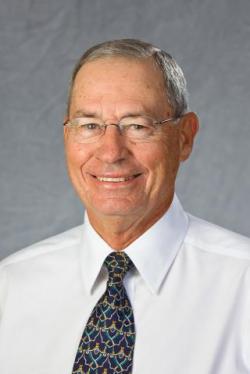
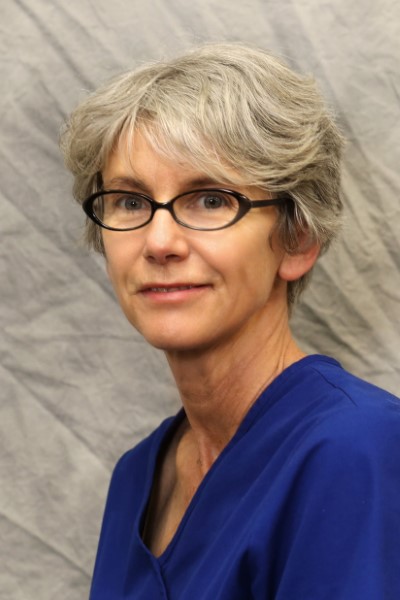
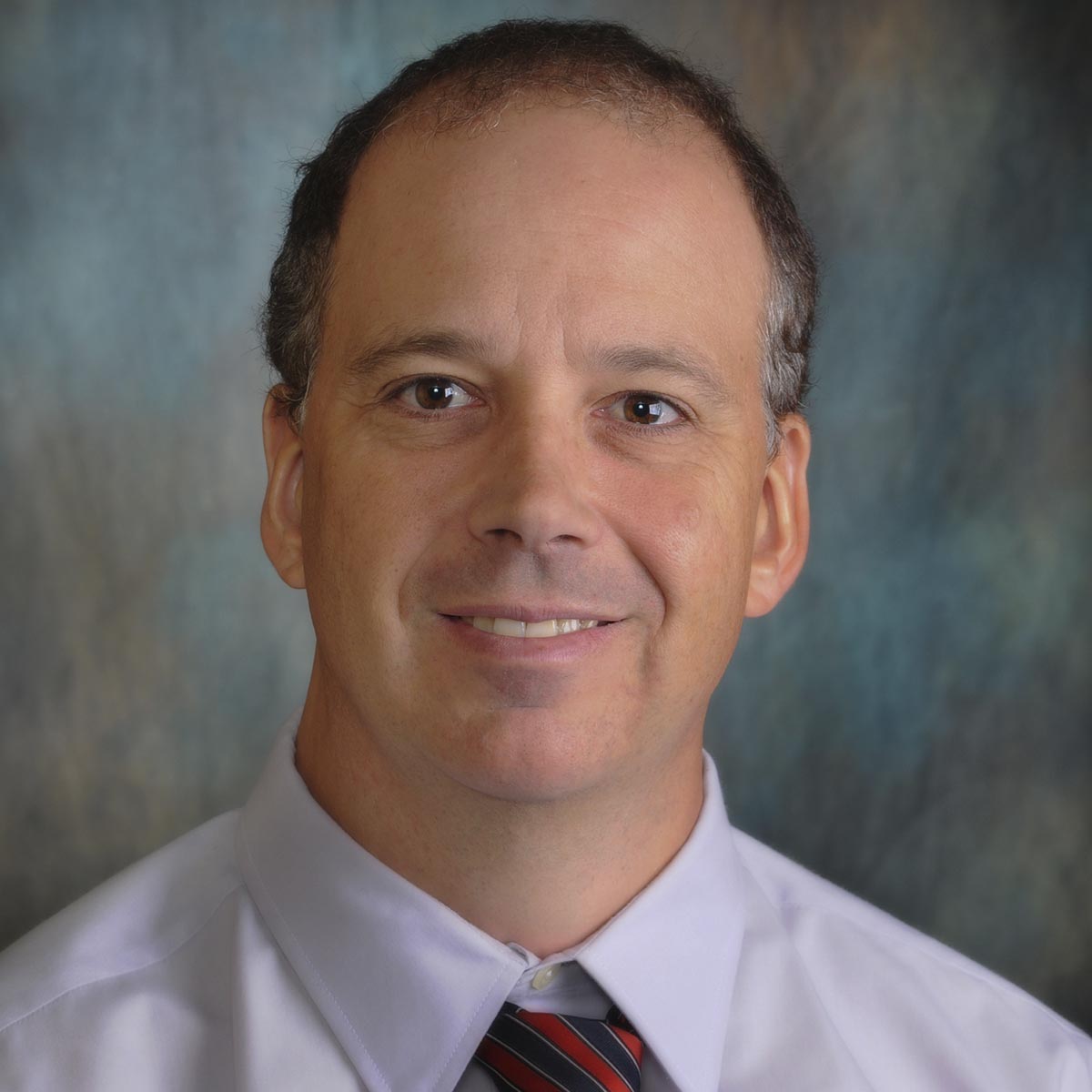
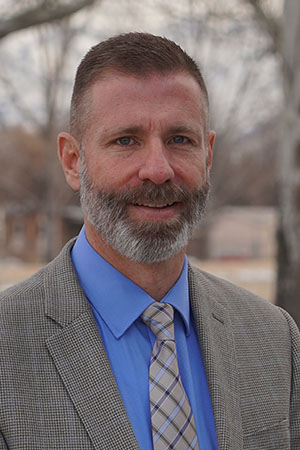
Don Ely is a Professor and Instruction Coordinator at the Martin-Gatton College of Agriculture, Food and Environment , University of Kentucky. His work focuses on sheep production systems and livestock management. Research Interests include: Sheep breeding and reproductive management Livestock nutrition optimization Toxin mitigation in forage systems Economic viability of feeding strategies Body condition scoring methodologies Recent Publications analyze practical challenges in sheep husbandry, grazing systems, and feed efficiency across various breeds and environments.
Tami Brown-Brandl is Professor and holder of the Dr. William E. and Eleanor L. Splinter Chair in Biological Systems Engineering at the University of Nebraska-Lincoln, where she conducts pioneering research at the intersection of agricultural engineering and animal science. Her research program focuses on: Computer vision systems for animal behavior monitoring Vibration-based vital signs detection in livestock Digital twin development for agricultural buildings RFID and sensor fusion for precision livestock farming Swine and beef cattle production optimization Individual animal identification using deep learning Recent publications (2023-2025) demonstrate a clear trajectory toward real-time, non-invasive monitoring systems using multi-modal sensor fusion. Her work integrates computer vision with ambient vibration analysis for piglet nursing behavior assessment, develops depth-image-based posture classifiers for sows, and creates digital twin frameworks that harness real-time data for precision livestock management. These innovations address critical challenges in animal welfare assessment and production efficiency through advanced engineering solutions. Dr. Brown-Brandl's leadership in precision livestock farming is evidenced by her extensive publication record on sensor systems development, with particular emphasis on practical applications for swine production systems including shoulder lesion detection, feeding behavior monitoring, and farrowing pen optimization.
Jennifer Rudd is an Assistant Professor in the Department of Veterinary Pathobiology at Oklahoma State University's College of Veterinary Medicine. A fully licensed veterinarian with specialization in infectious diseases, she earned her DVM from Oklahoma State University in 2011, practiced small animal medicine for several years, then returned to complete her PhD in Comparative Biomedical Sciences in 2018 with emphasis on innate immune responses to pandemic influenzas and bacterial coinfections. She became an Assistant Professor in 2021 after serving as a Lecturer from 2018-2021. Dr. Rudd's research interests focus on translational animal models of acute SARS-CoV-2 infection, innate immune response and dysfunction after viral pneumonia, influenza pneumonias and bacterial coinfection, Johne's Disease in small ruminants, bovine respiratory disease complex, and scholarship of teaching and learning. Her work demonstrates expertise in veterinary bacteriology, immunology, and virology, with particular emphasis on neutrophil responses to viral infections. Analysis of her 15 most recent publications reveals a strong focus on SARS-CoV-2 research using feline models, with particular attention to variant-specific immune responses, neutrophil dynamics, and metabolic changes during infection. Her work spans virology, immunology, and comparative medicine, consistently emphasizing translational applications for human and animal health. Class of 2023 Outstanding Class Teaching Award (2021) Zoetis Distinguished Veterinary Teacher Award (2021) Class of 2022 Outstanding Class Teaching Award (2020) Class of 2021 Outstanding Class Teaching Award (2019) OSU Graduate Commencement Marshal (2018) Distinguished Graduate Fellowship recipient (2017-2018) Dr. Rudd actively supervises graduate students through PhD Research and Dissertation courses and teaches Veterinary Bacteriology and Mycology to veterinary students. She serves on multiple committees including the OSU CVM Curriculum Revision Committee and Instructional Resources Committee. Her research is supported by significant funding including NIH grants for the Oklahoma Center for Respiratory and Infectious Diseases and projects on Johne's Disease diagnostics in small ruminants.
Georg von Samson-Himmelstjerna is a Professor and Managing Director at the Institute of Parasitology and Tropical Veterinary Medicine within the Department of Veterinary Medicine at Free University of Berlin. His leadership position at this prominent research institute places him at the forefront of veterinary parasitology research in Europe. His research interests span multiple critical areas in veterinary parasitology: Parasitology and Tropical Veterinary Medicine Anthelmintic resistance mechanisms and monitoring Diagnostic methods for gastrointestinal nematodes Control strategies for helminth infections in livestock Zoonotic parasite transmission Analysis of his extensive publication record (spanning from 1996 to 2025 with over 250 PubMed-listed articles) reveals an evolving research trajectory from fundamental studies on drug resistance mechanisms toward more comprehensive approaches addressing sustainable parasite control in changing environmental and agricultural contexts. His recent work demonstrates particular focus on molecular diagnostic techniques, resistance monitoring in ruminants, and adapting control strategies to climate change impacts. As Managing Director of the Institute, he oversees both research activities and diagnostic services for veterinary parasites, as evidenced by the institute's fee schedule for diagnostic services. The institute also participates in international humanitarian initiatives such as the 'Scholars at risk' program, which supports researchers who must flee their home countries, indicating his commitment to global scientific collaboration and academic freedom.
Jane Kelly is a Clinical Professor at Utah State University School of Veterinary Medicine . She serves as a Veterinary Diagnostician at the Utah Veterinary Diagnostic Laboratory (UVDL) in Spanish Fork, Utah, focusing on zoonotic diseases, wildlife pathology, and clinical diagnostics. Dr. Kelly has held this position since 2009 and maintains active roles in teaching and extension activities. Email: jane.kelly@usu.edu Phone: 801-798-5435 Educational Background: MPH in Veterinary Medicine, University of Iowa (2014) MS in Bioveterinary Science, Utah State University (1992) DVM, North Carolina State University (1989) BS in Animal Science, North Carolina State University (1985) Science Certificate, Wayne Community College (1983) Research Focus: Dr. Kelly's work spans zoonotic disease surveillance , wildlife pathology , and veterinary diagnostic investigation . Her research emphasizes environmental health intersections with animal and human well-being, reflected in her course Ecology and Health: Case Studies (ADVS 6000). Key areas include virology, nutritional deficiencies, and infectious disease epidemiology in domestic and wild species. Publication Trends: Recent articles analyze mesothelioma in black bears , cardiomyopathy in wild turkeys , and zoonotic pathogens like Echinococcus granulosus . Peer-reviewed works focus on bovine viral diarrhea epidemiology and bacterial infections in livestock, while extension publications address botulism and rickets in agricultural settings. Scientific Distinctions: Diplomat of the American College of Veterinary Microbiologists (2017) Diplomat of the American College of Veterinary Preventative Medicine (2014) Teaching & Extension: Dr. Kelly teaches Ecology and Health (ADVS 6000) and Veterinary Medicine and Human Health (VM 7543) at Utah State University. She contributes to extension programs through the Central Utah Veterinary Diagnostic Lab, providing practical diagnostic solutions and educational outreach since 2009.
Professor Sarah Cleaveland is a Professor of Comparative Epidemiology (Infectious Disease Ecology) at the University of Glasgow, based at the Institute of Biodiversity, Animal Health and Comparative Medicine within the College of Medical, Veterinary and Life Sciences. As a veterinary epidemiologist, she conducts interdisciplinary research focused on livestock and zoonotic diseases primarily in Africa, with particular attention to wildlife-protected areas and diverse agro-ecological systems. Her research interests span veterinary epidemiology, zoonotic disease ecology, and infectious disease dynamics in tropical settings, with a strong emphasis on practical disease control strategies. Professor Cleaveland employs interdisciplinary One Health approaches that integrate human, animal, and ecosystem health perspectives to address complex disease challenges. Her work includes extensive field research in Tanzania and other African countries, investigating diseases such as rabies, Rift Valley fever, brucellosis, and other zoonotic pathogens. Analysis of her recent publications (2022-2025) reveals a strong focus on disease dynamics, transmission modeling, vaccine implementation, and surveillance systems for zoonotic diseases in African settings. Her work often bridges veterinary science, public health, and ecological approaches, with particular attention to practical disease control interventions that can be implemented in resource-limited settings. Among her notable scientific achievements is being elected as a Fellow of the Royal Society, recognizing her significant contributions to veterinary epidemiology and zoonotic disease research. Professor Cleaveland is actively involved in graduate training initiatives with African partner institutions, contributing to capacity building in disease surveillance and control across the continent. Her research demonstrates a strong commitment to translating scientific findings into practical disease control measures that improve both animal and human health outcomes in tropical regions.
Professor Steve Walkden-Brown is a Professor in Animal Health and Veterinary Sciences at the University of New England (UNE), affiliated with the School of Environmental and Rural Science within the Faculty of Science, Agriculture, Business and Law. His career spans academic and fieldwork, including prior government veterinary roles in Fiji and major international projects in India, Laos, and Vietnam. He specializes in disease control in livestock systems, with a focus on integrated parasite management in small ruminants and molecular diagnostics for poultry diseases like Marek’s disease. Qualifications include a BVSc (Hons 1) and PhD from Queensland. His teaching encompasses veterinary epidemiology, parasitology, microbiology, and small ruminant production, emphasizing practical applications such as seasonal reproduction strategies and livestock productivity improvements. Research interests include: Evolution of Marek’s disease virus virulence and control strategies Sustainable management of gastrointestinal parasites in sheep Poultry dust as a diagnostic tool for infectious diseases Booroola fecundity gene application in Indian sheep breeds With over 400 publications and 140+ peer-reviewed papers, he leads an active research group and has supervised 33 PhD, 11 MSc, and 23 honours students. External profiles include Google Scholar, ResearchGate, and LinkedIn.
George C. Fthenakis is a Visiting Professor at the Department of Obstetrics and Reproduction, School of Veterinary Medicine, University of Thessaly. He holds advanced qualifications including a Degree in Veterinary Medicine (1982, Aristotle University of Thessaloniki), MSc in Animal Health (1984, Royal Veterinary College, London), and PhD (1988, Royal Veterinary College, London). He is a Diplomate of the European College of Animal Reproduction (2001) and European College of Small Ruminant Health Management (2008). Roles: Head of Department of Obstetrics and Reproduction (1998–present), Academic Board Member (University of Thessaly), and visiting positions at University of Zaragoza (Spain) and University of Edinburgh (UK). Research: Focuses on animal reproduction, small ruminant health management, and veterinary therapeutics. His work addresses clinical applications in sheep reproduction, disease management, and global veterinary standards. Key awards include Fellow of the Hellenic Agricultural Academy and Honorary Diplomate status. He is recognized as a top 2% global scientist in Veterinary Sciences and a leading European author on sheep/goat topics. His publications span congress proceedings, clinical studies, and policy-related abstracts. Grants/Labs: Engaged in research projects on consumer protection, small ruminant health, and veterinary education. Active in editorial and advisory roles for academic committees.
Mario de Haro Martí is an Extension Educator at the University of Idaho Extension, serving Gooding County and the broader Magic Valley region. He is affiliated with the College of Agricultural and Life Sciences and works within the University of Idaho Extension department, delivering applied research and educational programs focused on sustainable agriculture and environmental stewardship. Education: Ph.D. in Environmental Science, University of Idaho, 2018 M.S. in Environmental Science, University of Idaho, 2007 B.S. in Environmental Studies, National University of Comahue, Argentina, 1996 Mario de Haro Martí's research and extension interests center on improving the sustainability of dairy and livestock operations. His work emphasizes agricultural nutrient and waste management , air and water quality , dairy and livestock sustainability , and bilingual workforce education . He develops practical solutions for reducing environmental impacts while enhancing productivity. His programs cover manure and compost management, vermicomposting, cover crops, and community environmental science education. His recent publications reflect a strong focus on sustainable livestock systems, including nutrient utilization, air emissions reduction (especially ammonia), alternative feedstuffs, climate resilience in agriculture, and the socio-economic challenges facing small dairy farms. The research integrates environmental science, animal nutrition, and community engagement, particularly with Hispanic dairy workers. Scientific Awards and Honors: National Association of County Agricultural Agents Distinguished Service Award (National Winner, 2022) Health Heroes Award (Hispanic Coalition and EXCITE program, 2022) University of Idaho Extension Diversity Award (2020) Xi Sigma Pi (International Natural Resources Honor Society, 2018) Gamma Sigma Delta (Honor Society of Agriculture, 2009) National Finalist, Communication Award (2009) Western Region Extension Education Poster Winner (2009) Golden Key International Honour Society (Top 15% of 2007 graduates) Mario de Haro Martí actively advises and trains dairy producers and their workforce, developing bilingual educational materials on farm safety, immunization, and dairy management. His work is supported by extension grants and collaborative programs like the EXCITE initiative, which integrates farm safety with immunization education. He has been with the University of Idaho Extension since 2007, conducting on-farm research and outreach. He leads and participates in multidisciplinary teams focused on agricultural sustainability, environmental quality, and community health. His work includes stakeholder-driven projects on climate change adaptation and rural development in the Upper Snake River Basin.
Gabor Meszaros is an Associate Professor at the University of Natural Resources and Life Sciences, Vienna (BOKU) , affiliated with the Institute of Livestock Sciences . His career spans roles as a researcher, project leader, and educator, focusing on genetics, animal breeding, and genomics. 2018 - Present: Associate Professor, BOKU 2014-2018: Assistant Professor, BOKU 2008-2013: Researcher, BOKU 2005-2008: PhD Student, Nitra, Slovakia Meszáros's research interests include genetic diversity analysis , population genetics , genomic selection , and bioinformatics tools for livestock breeding . His work addresses challenges in climate adaptation , inbreeding depression , and sustainable utilization of local breeds . His recent publications highlight advancements in genomic diversity studies across species like sheep, goats, pigs, and argali, with a focus on effective population size estimation , GWAS applications , and balancing selection markers . Collaborative projects span Austria, Mongolia, Ethiopia, and Burkina Faso. Meszáros actively contributes to academia by supervising 20+ theses at BOKU and serves as a reviewer for journals like Genomics and Small Ruminant Research . He participates in international symposia, including the World Congress on Genetics Applied to Livestock Production and Animal Science Days , and contributes to the Gregor Mendel Society as a managing board member.
Justen Smith is an Extension Professor and Director of the Agriculture and Natural Resources Department at Utah State University's Davis County Extension Office. He has dedicated his career to international agricultural development, youth education through 4-H programs, and livestock management education, with projects spanning Iraq, Lebanon, and Armenia. His work focuses on post-war recovery, volunteer training, and culturally inclusive educational initiatives. Educational Background: MS in Agricultural Systems Technology (Animal Science and International Agricultural Development), Utah State University, 2000 BS in Animal Science (Minor in Spanish), Utah State University, 1998 Smith’s research emphasizes agricultural extension , 4-H youth programs , and livestock industry education . His publications highlight measurable impacts of extension programs in conflict-affected regions and innovative approaches to urban extension funding. Scientific Awards and Honors: Continued Excellence Award (Epsilon Sigma Phi), 2022 Meritorious Service Award (National Association of Extension 4-H Youth Development Professionals), 2021 Distinguished Service Award (Epsilon Sigma Phi), 2020 International Service Award (National Epsilon Sigma Phi Association), 2015 Distinguished Service Award (National Association of Extension 4-H Agents), 2007 President Award (Utah Association of Extension 4-H Workers), 2008
Prof. Dr. Emre ŞİRİN is a faculty member at Kırşehir Ahi Evran University Faculty of Agriculture, Department of Agricultural Biotechnology . He holds a PhD in Animal Science from Gaziosmanpaşa University (2010), Master's in Animal Science from Ondokuz Mayıs University (2004), and Bachelor's in Animal Science from Ondokuz Mayıs University (2001). PhD: Animal Science, Gaziosmanpaşa University (2005-2010) Master's: Animal Science (Thesis), Ondokuz Mayıs University (2001-2004) Bachelor's: Animal Science, Ondokuz Mayıs University (1997-2001) His research areas focus on Small Ruminant Breeding and Improvement and Animal Biotechnology. His work explores genetic parameters, placental characteristics, muscle fiber analysis, reproductive physiology, and nutritional impacts on sheep and goat production. His scientific articles (2016-2025) examine gene expression (Myf5, Myf6, IGFs), estrus synchronization methods, maternal nutrition effects on fetal development, and muscle fiber characterization across Turkish native breeds. His publications appear in SCI/SSCI journals like Animal , Small Ruminant Research , and Tropical Animal Health and Production . Supervised 6 theses (2016-2024) at Kırşehir Ahi Evran University Participated in 29 scientific projects (2005-2023) including EU/UNESCO and TÜBİTAK-funded studies Collaborated extensively with researchers like Uğur Şen (68 joint works), Mehmet Kuran (55), Zafer Ulutaş (48), and Yüksel Aksoy (44) Editorial contributions to 10 national/international journals
Todd Riley Callaway is a Professor in the Department of Animal and Dairy Science at the University of Georgia's College of Agricultural & Environmental Sciences. He also holds courtesy faculty positions in the Department of Poultry Science and serves as Graduate Program Faculty. Dr. Callaway has extensive experience in ruminant microbiology, having previously served as National Program Leader for Food Safety for USDA-ARS and as a research microbiologist in the Food and Feed Safety Research Unit at the Southern Plains Agricultural Research Center. Dr. Callaway's educational background includes: B.S. in Animal Sciences from the University of Georgia (1993) M.S. in Animal Sciences from the University of Georgia (1996) Ph.D. in Microbiology from Cornell University (1999) Dr. Callaway's research focuses on the gastrointestinal microbiome of food animals and its impact on animal performance, health, and food safety. His work centers on understanding how the ruminal microbes can be manipulated to improve cattle nutrition and reduce foodborne pathogens. He has published over 200 refereed journal articles, 25 book chapters, and two books titled "Direct Fed Microbials" and "On-Farm Strategies to Control Foodborne Pathogens". His research has been supported by major agricultural organizations including the National Cattlemen's Beef Association, National Dairy Board, National Pork Board, and U.S. Poultry and Egg Foundation. Analysis of Dr. Callaway's recent publications reveals a consistent focus on gastrointestinal microbial ecology, particularly examining how diet and environmental factors influence microbial populations in ruminants and other food animals. His work spans diverse areas including pathogen control, feed efficiency, alternative feed sources, and the development of non-antibiotic interventions to enhance animal health and food safety. The publications demonstrate interdisciplinary collaboration across animal science, microbiology, food safety, and veterinary medicine. Dr. Callaway has received numerous prestigious awards including the American Feed Industry Association Award in Ruminant Nutrition Research (2023), multiple Research.com Animal Science and Veterinary Medicine Leader Awards (2022-2025), and the USDA/ARS Early Career Scientist of the Year Award (2007). He currently serves as Editor in Chief of Foodborne Pathogens and Disease (2022-2027) and has held leadership positions in the American Dairy Science Association. His grant portfolio demonstrates significant research funding, with current projects focused on understanding the microbiome's role in beef production efficiency, food safety, and sustainability. Recent projects include "Bridging the Feedlot Gap: Educating Young Professionals for the Future of Georgia's Beef Industry" and "Enhancing Food Safety in Georgia's Beef Cattle Sector: Understanding E. coli and Microbiome Dynamics". Dr. Callaway teaches several courses including ADSC 4250-Microbiology and Immunology in Domestic Animal Health, ADSC 4360/6360-Ruminant Nutrition, ADSC 8150-Gastrointestinal Microbial Ecology of the Ruminant, and ADSC 8885-Current literature in ruminant nutrition and microbiology.
Suhail Ashraf is a researcher at the University of Bielefeld, affiliated with both the Faculty of Biology and the Center for Biotechnology (CeBiTec). His primary research unit is the Plant Genetics and Genomics Group, where he investigates plant-microbe interactions and develops biological solutions for agricultural challenges. Based in office UHG G0-107, he maintains active research collaborations across multiple disciplines. Dr. Ashraf's research spans several critical areas in plant science and agricultural biotechnology. His work demonstrates expertise in both experimental and computational approaches to solving agricultural problems. He has made significant contributions to understanding plant-pathogen interactions, developing biological control agents, and applying genomic techniques to crop improvement. His research shows particular strength in integrating laboratory findings with computational modeling to develop practical agricultural solutions, especially for banana cultivation and other economically important crops. Analysis of his publication record reveals a strong focus on utilizing beneficial microorganisms like Bacillus species for crop protection. His work spans nematode management, antifungal compound discovery, viral resistance in plants, and pesticide biodegradation. The interdisciplinary nature of his research connects microbiology, genomics, computational biology, and agricultural science to address real-world farming challenges while promoting sustainable practices. Dr. Ashraf maintains active collaborations within the University of Bielefeld's research ecosystem, particularly with the Center for Biotechnology which serves as a hub for interdisciplinary life science research. His work contributes to Bielefeld's strategic focus areas that bridge fundamental research with practical applications in agriculture and environmental sustainability.
Prof. Dr. Rudolf Staufenbiel is a faculty member at Freie Universität Berlin, affiliated with the Department of Veterinary Medicine. He specializes in large and small ruminant care and herd management at the Clinic for Hoofed Animals. His expertise includes practical applications in veterinary medicine and livestock systems.