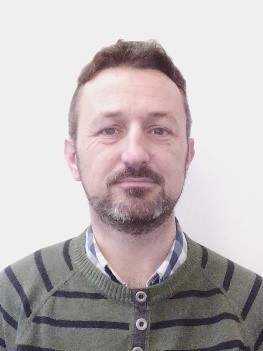
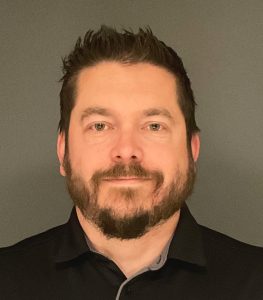
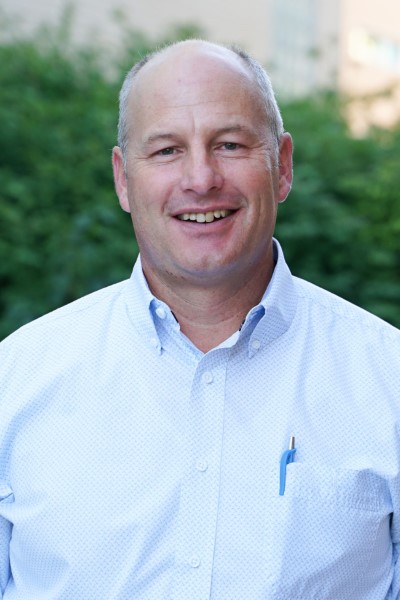
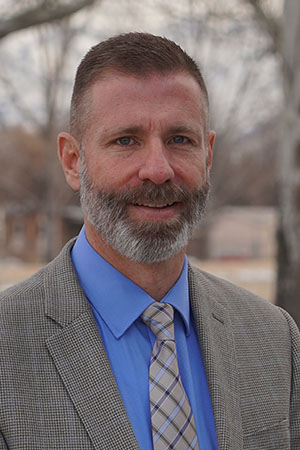
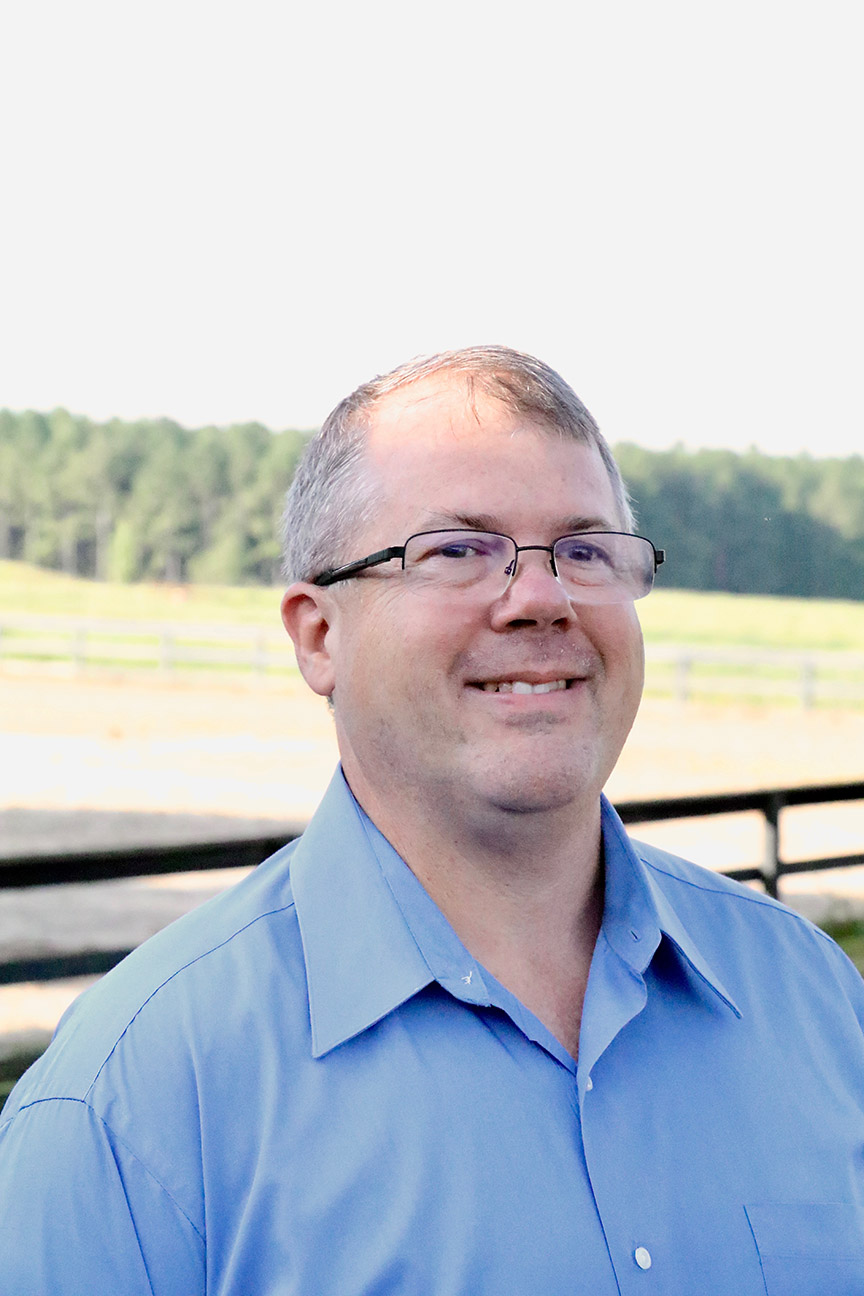
Professor Eric Morgan at Queen's University Belfast leads parasitology research in the School of Biological Sciences , focusing on climate-driven epidemiology of parasitic infections in animals. His work integrates predictive modeling, parasite transmission dynamics at the wild-domestic interface, and sustainable livestock health solutions. Veterinary parasitology and climate change impact Anthelmintic resistance mitigation strategies AI-enhanced diagnostic systems for animal health Current research students include Anthony George, who investigates Combining alternative approaches for helminth control in grazing livestock . Public engagement initiatives like the BUG Consortium and Poo Patrol translate findings into practical parasite management. His recent publications in 2025 address topics like flood reactors, zoonotic toxocariasis, and precision agriculture tools for parasite risk assessment.
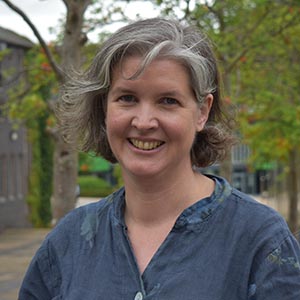
Prof. Miranda Meuwissen is a Professor of Risk Management and Resilience in Agri-Food Systems at Wageningen University, Netherlands. She specializes in financial management, agricultural insurance, and resilience frameworks for farming systems. Her work focuses on sustainable transitions, climate resilience, and policy design for agricultural systems across Europe and beyond. Education: PhD in 'Insurance as a risk management tool for European Agriculture' (1995-2000). Previous roles include Associate/Assistant Professor positions at Wageningen (2005-2017), and senior researcher roles in agricultural risk management. She coordinates major initiatives such as the EU-funded SURE-Farm project (2017-2021), exploring sustainable and resilient farming systems, and the 4TU-Redesign initiative designing future food systems. Research Interests: Development of resilience assessment frameworks, risk management strategies in agriculture, financing sustainable transitions, and exploring synergies between production efficiency, environmental sustainability, and socio-economic resilience. Notable contributions include frameworks for resilience measurement in farming systems and analysis of pandemic impacts on agricultural resilience. Grants & Leadership: Coordinator of H2020 SURE-Farm (€6.5M+), 4TU-Redesign (2023-2028), and WUR-SSG system transition team (2022-2024). Organizes international seminars on sustainable transitions and annually coordinates the PhD Summer School on Risk Management in Agriculture. Key Projects: Participatory impact assessments of farming systems resilience, analysis of soil quality economic value, and innovative financing models for aquaculture. Her work bridges academic research with policy through collaborations with institutions like IAMO and 4TU Alliance.
Professor Orhan KANDEMİR is a faculty member at Kastamonu University's Faculty of Economics and Administrative Sciences, Department of Economics. He currently serves as a full-time Professor (since 2024), having progressed through academic ranks from Lecturer (2008) to Assistant Professor (2011), Associate Professor (2018), and finally to Professor. He also holds significant administrative positions including Vice Dean of the Faculty (2023-present) and Director of the Research Application Center (2022-present). Dr. KANDEMİR earned his PhD in Economics from Sakarya University (2006-2010), Master's degree from Abant İzzet Baysal University (2003-2005), and BA in Economics from the same institution (1994-1997). His academic journey reflects a strong foundation in economic theory and development studies. His research focuses on Development Economy and Economic Growth, with significant contributions to International Economics, Human Development, Regional Development, and Social Policy. His work often examines Turkey's economic position within global contexts, regional development strategies, and social inequality issues. He has published extensively in these areas, with a particular emphasis on practical applications for regional development in Turkey. His recent publications demonstrate a trend toward analyzing the socioeconomic impacts of global crises, gender-related economic issues, and regional development strategies. His work combines theoretical economic frameworks with empirical analyses of Turkish and international datasets, particularly focusing on development indicators and policy implications. Best Paper Award (2017) from Azerbaijan National Academy of Sciences Professor KANDEMİR has served as main advisor for 13 Master's theses covering topics such as poverty, gender inequality, regional development, and economic policy. His administrative roles include multiple terms as Department Head (2009-2015) and Institute Director (2022-2023). He has led four research projects funded by Kastamonu University's Scientific Research Projects Unit and other national organizations, focusing on rural development, regional economic analysis, and international economic relations. His work connects academic research with practical regional development initiatives, particularly in the Kastamonu region of Turkey, where he has conducted numerous studies on local economic potential, tourism development, and agricultural strategies.
Juan Solomon serves as an Associate Professor in the Department of Agriculture, Veterinary and Rangeland Sciences at the University of Nevada, Reno. His research lab operates from Building FA, Room 226d (Mail Stop 202), with direct contact via (775) 784-6888 or juansolomon@unr.edu. Education: B.S. in Agriculture, University of Guyana (2000) Graduate Diploma in Education-Science, University of Guyana (2005) M.S. in Agriculture, Mississippi State University (2010) Ph.D. in Agriculture, Mississippi State University (2013) Research Focus: Dr. Solomon's work centers on grassland ecology and sustainable pastoral systems for ruminant livestock, with emphasis on grazing management, forage quality evaluation, and drought-tolerant crop development. His research program investigates water use efficiency in semiarid forage systems, nutrient cycling dynamics, and climate-resilient crop screening—particularly for native and improved forages in arid western environments. Field studies often integrate ecosystem service valuation with practical livestock production metrics. Publication Trends: Recent work (2023-2025) demonstrates concentrated expertise in alternative forage systems, with 15 high-impact studies examining teff double-cropping, industrial hemp varietals, and cover crop nutrient cycling in Nevada's semiarid landscapes. Key methodological approaches include deficit irrigation analysis, nitrogen optimization trials, and biomass decomposition modeling—all targeting resource-efficient agricultural solutions for water-limited regions.
Associate Professor Angus Campbell is an academic veterinarian and epidemiologist affiliated with the University of Melbourne's Melbourne School of Population and Global Health, where he leads the One Health initiative. His expertise spans One Health frameworks, zoonotic disease control, and sustainable livestock production. With over 20 years of experience, he focuses on integrating veterinary, agricultural, and public health approaches to address global challenges such as zoonoses, food security, and rural livelihoods. His research emphasizes systems-based solutions for livestock health and management, particularly in Asia and the Pacific. Key areas include improving smallholder livestock productivity, mitigating disease risks between humans and animals, and promoting sustainable agricultural practices. Campbell collaborates with farmers, agribusinesses, and international organizations to design context-specific interventions. Recent work includes studies on rabies control in Indonesia, brucellosis in Pakistan, and zoonotic disease perceptions among livestock workers in Myanmar. His contributions highlight the interplay between livestock health, environmental sustainability, and human well-being, advocating for holistic approaches that transcend disciplinary boundaries. While no specific awards or grants are listed, his extensive consultancy and teaching roles reflect his commitment to practical, evidence-based solutions. Campbell’s research often involves field-based analyses of livestock systems, emphasizing farmer participation and adaptive management strategies.
Prof. Dr. Annette Liesegang serves as a Professor at the Institute of Animal Nutrition and Dietetics within the Vetsuisse Faculty of the University of Zurich. Her research focuses on bone and cartilage physiology, obesity, and clinical nutrition impacts across multiple animal species including ruminants, dogs, reptiles, pigs, and birds. Her primary research interests encompass bone metabolism, mineral nutrition, comparative physiology, and veterinary diagnostics. She specializes in bone marker analysis, bone mineral density measurement via quantitative peripheral computed tomography, and calcium absorption mechanisms using immunohistochemical methods. Her work investigates physiological and nutritional influences on bone resorption/formation dynamics during critical periods like gestation and lactation, with extensive species-specific expertise. Analysis of her 2024-2025 publications reveals dominant research themes in calcium metabolism (particularly in sheep/goats), urolithiasis pathogenesis across species, vitamin D optimization, and clinical dietary interventions for conditions like intestinal malabsorption. Methodological innovations include in-vitro digestion models and UVB-irradiated feed development, reflecting her translational approach from basic bone physiology to practical animal nutrition solutions. Scientific awards: No scientific awards were documented in the provided materials. Prof. Liesegang mentors thesis students and leads collaborative research projects, notably with Prof. Brigitte von Rechenberg on growth plate physiology in foals and lambs. Her work leverages institutional facilities including specialized CT equipment and laboratory infrastructure for biochemical analysis, though specific grant details remain unreported in the source text. The Institute of Animal Nutrition and Dietetics operates dedicated animal research facilities with stables for multiple species and managed sheep/goat herds under veterinary supervision. These resources enable controlled studies on bone metabolism, dietary interventions, and species-specific nutrition, supporting her extensive publication record in veterinary and comparative nutrition science.
Dr. Derek Brake is an Assistant Professor in the Division of Animal Sciences within the College of Agriculture, Food and Natural Resources at the University of Missouri. He holds a Ph.D. and M.S. in Ruminant Nutrition from Kansas State University. Dr. Brake teaches courses in Ruminant Nutrition (AnSci 4332/7332) and Beef Production (AnSci 4975/4975W/7975). His research program focuses on fundamental and applied aspects of ruminant nutrition with particular emphasis on: Nutrient utilization efficiency in beef and dairy cattle Small intestinal starch digestion mechanisms Application of computer vision and AI for precision livestock management Metabolic adaptations to different feed sources Sustainable forage and crop utilization systems Analysis of his recent publications reveals strong research focus on: Innovative feed evaluation methods Metabolic interventions for improving cattle productivity Sustainable grazing and forage management systems Advanced technologies for livestock monitoring Mycotoxin mitigation strategies Dr. Brake maintains active collaborations with the beef and dairy industries with research aimed at simultaneously improving livestock productivity, economic returns for producers, and environmental sustainability of cattle production systems.
Rusty Stott serves as a Clinical Assistant Professor in the Department of Animal, Dairy, and Veterinary Sciences at Utah State University's College of Agriculture and Applied Sciences. His teaching portfolio includes core courses in animal handling, large animal theriogenology, and veterinary parasitology, reflecting his expertise in clinical veterinary education and livestock reproduction. His educational background comprises a Doctor of Veterinary Medicine from Kansas State University (2001), a Bachelor of Science in Animal Science with Pre-Veterinary emphasis from Brigham Young University (1997), and board certification in Theriogenology from the American College of Theriogenologists (2024). He maintains active licensure as a Utah veterinarian and controlled substance provider since 2005. Dr. Stott's research centers on assisted reproductive technologies, particularly somatic cell nuclear transfer in cattle, sheep, and goats, with significant contributions to embryo development, cloning efficiency, and transgenic animal models. His work extends to applied areas including dairy nutrition, parasite management, and orthopedic biomechanics in ruminants, demonstrating translational impact across veterinary medicine and animal production systems. His publication record shows consistent output in high-impact journals like Theriogenology and Reproduction, Fertility and Development , with recent emphasis on cytokine-mediated embryo development (2023-2024) and long-term collaborations in transgenic livestock models. The research portfolio bridges fundamental reproductive biology with practical agricultural applications. He has received exceptional recognition for teaching excellence, including ten major awards such as CAAS Faculty Mentor of the Year (2019), multiple WIMU Regional Program Teaching Awards (2015-2018), and repeated honors as Undergraduate Faculty Advisor of the Year (2010, 2014). As a dedicated mentor, Dr. Stott has guided numerous undergraduate students in animal science, evidenced by his departmental and college-level advising awards. His extension work as a Clinical Veterinarian supports ongoing practical applications of his research. Collaborative projects with Dr. Irina Polejaeva's laboratory and the WIMU Veterinary Program highlight his integration within regional research networks focused on advancing veterinary education and biotechnology.
Prof. Peter Groot Koerkamp is a Professor and Managing Chairholder at the Agricultural Biosystems Engineering group at Wageningen University. His expertise spans agricultural engineering, environmental systems, and sustainable livestock production. He holds an MSc (1990) and PhD (1998) from Wageningen University, with a focus on ammonia emissions from poultry systems. He has held roles as a researcher, project manager, and senior scientist across multiple institutes before joining Wageningen University in 2005. His research emphasizes sustainable agricultural systems, including manure/nutrient management, gaseous emissions, and animal welfare. He leads projects on methane monitoring in dairy cows, climate control in livestock housing, and bioenergy from segregated excreta. He supervises over 50 PhD students and collaborates on initiatives like the National Growth Fund’s regenerative agriculture projects. Notable projects include Synergia (optimizing dairy systems) and collaborations with the European Society of Agricultural Engineers (EurAgEng). His work integrates environmental engineering with technological innovation, addressing challenges like particulate matter reduction in poultry houses and precision livestock farming.
Dr. Thomas L. Marsh is a Distinguished Professor at Washington State University (WSU), affiliated with the School of Economic Sciences and the Paul G. Allen School for Global Health. He holds a PhD in Agricultural Economics from WSU (1998) and has extensive expertise in quantitative economic assessments of disease events, trade, and cost-benefit analyses. His research focuses on livestock health economics, global burden of animal diseases (GBADs), and policy implications of disease outbreaks. Marsh has led over 45 projects totaling $50 million and is a Fellow of the AAAS and Western Agricultural Economics Association (WAEA). Marsh’s academic career includes roles as past president of WAEA, founding member of the GBADs program, and guest editor for journals like PNAS and Frontiers in Veterinary Science. His honors include the WSU Faculty Excellence in Research Award (2019) and the AAAS Fellowship (2015). He has advised numerous policy initiatives, including the Washington State Academy of Sciences’ review of genetically modified food labeling (2013). His research spans global health economics, agricultural sustainability, and environmental policy, with a focus on integrating human and livestock health outcomes. Key contributions include frameworks for assessing disease impacts, biodegradable mulch adoption, and economic consequences of zoonotic diseases. Marsh’s work bridges academic research with practical policy solutions, emphasizing evidence-based decision-making in agriculture and public health.
Dr. Karl M. Rich serves as Director of the Master of International Agriculture Program (MIAP) in the Ferguson College of Agriculture and Professor of Agricultural Economics at Oklahoma State University, holding the Humphreys Chair in Global Studies. Previously, he worked for 16 years overseas, most recently at the International Livestock Research Institute's West Africa Regional Office in Dakar, Senegal, where he led multidisciplinary teams conducting applied research to inform livestock sector strategy in developing countries. Ph.D. and M.S. in Agricultural Economics, University of Illinois at Urbana-Champaign B.A. in Economics, University of California, Berkeley Dr. Rich's research cuts across disciplinary boundaries, integrating agricultural and livestock policy analysis, global agribusiness issues, animal and aquatic health, and methods development. He has pioneered specialized participatory tools to develop systems models and impact assessments with stakeholders to co-conceptualize problems and co-create solutions. His work spans urban agriculture planning in New Zealand, socio-economic drivers of animal disease in multiple developing countries, nutritionally-sensitive marketing channels in South Asia, livestock value chain development in Nicaragua, Myanmar, and Ghana, and climate-smart agriculture in Senegal. His recent publications demonstrate a consistent focus on agricultural economics, livestock disease modeling, food safety practices, and value chain analysis in developing countries, with particular emphasis on participatory approaches and system dynamics modeling. These works often examine the intersection of economic, social, and environmental dimensions in agricultural development contexts. Dr. Rich has successfully advised 14 M.S. and Ph.D. students during his career and has raised over $20 million in external grants in the past ten years through collaboration with multidisciplinary research teams. His current grant portfolio includes projects like the West Africa Aquaculture Program Fund and initiatives focused on climate change and local sovereignty. He has traveled to 87 countries with applied research and teaching experience in over 30 countries and long-term residence in nine. His work consistently involves collaboration with veterinarians, epidemiologists, animal scientists, and crop experts on applied research topics around the world, providing contextual guidance on socio-economic drivers of behavior and empirical evidence of benefits and tradeoffs across economic, social, and environmental dimensions.
Justen Smith is an Extension Professor and Director of the Agriculture and Natural Resources Department at Utah State University's Davis County Extension Office. He has dedicated his career to international agricultural development, youth education through 4-H programs, and livestock management education, with projects spanning Iraq, Lebanon, and Armenia. His work focuses on post-war recovery, volunteer training, and culturally inclusive educational initiatives. Educational Background: MS in Agricultural Systems Technology (Animal Science and International Agricultural Development), Utah State University, 2000 BS in Animal Science (Minor in Spanish), Utah State University, 1998 Smith’s research emphasizes agricultural extension , 4-H youth programs , and livestock industry education . His publications highlight measurable impacts of extension programs in conflict-affected regions and innovative approaches to urban extension funding. Scientific Awards and Honors: Continued Excellence Award (Epsilon Sigma Phi), 2022 Meritorious Service Award (National Association of Extension 4-H Youth Development Professionals), 2021 Distinguished Service Award (Epsilon Sigma Phi), 2020 International Service Award (National Epsilon Sigma Phi Association), 2015 Distinguished Service Award (National Association of Extension 4-H Agents), 2007 President Award (Utah Association of Extension 4-H Workers), 2008
Todd Riley Callaway is a Professor in the Department of Animal and Dairy Science at the University of Georgia's College of Agricultural & Environmental Sciences. He also holds courtesy faculty positions in the Department of Poultry Science and serves as Graduate Program Faculty. Dr. Callaway has extensive experience in ruminant microbiology, having previously served as National Program Leader for Food Safety for USDA-ARS and as a research microbiologist in the Food and Feed Safety Research Unit at the Southern Plains Agricultural Research Center. Dr. Callaway's educational background includes: B.S. in Animal Sciences from the University of Georgia (1993) M.S. in Animal Sciences from the University of Georgia (1996) Ph.D. in Microbiology from Cornell University (1999) Dr. Callaway's research focuses on the gastrointestinal microbiome of food animals and its impact on animal performance, health, and food safety. His work centers on understanding how the ruminal microbes can be manipulated to improve cattle nutrition and reduce foodborne pathogens. He has published over 200 refereed journal articles, 25 book chapters, and two books titled "Direct Fed Microbials" and "On-Farm Strategies to Control Foodborne Pathogens". His research has been supported by major agricultural organizations including the National Cattlemen's Beef Association, National Dairy Board, National Pork Board, and U.S. Poultry and Egg Foundation. Analysis of Dr. Callaway's recent publications reveals a consistent focus on gastrointestinal microbial ecology, particularly examining how diet and environmental factors influence microbial populations in ruminants and other food animals. His work spans diverse areas including pathogen control, feed efficiency, alternative feed sources, and the development of non-antibiotic interventions to enhance animal health and food safety. The publications demonstrate interdisciplinary collaboration across animal science, microbiology, food safety, and veterinary medicine. Dr. Callaway has received numerous prestigious awards including the American Feed Industry Association Award in Ruminant Nutrition Research (2023), multiple Research.com Animal Science and Veterinary Medicine Leader Awards (2022-2025), and the USDA/ARS Early Career Scientist of the Year Award (2007). He currently serves as Editor in Chief of Foodborne Pathogens and Disease (2022-2027) and has held leadership positions in the American Dairy Science Association. His grant portfolio demonstrates significant research funding, with current projects focused on understanding the microbiome's role in beef production efficiency, food safety, and sustainability. Recent projects include "Bridging the Feedlot Gap: Educating Young Professionals for the Future of Georgia's Beef Industry" and "Enhancing Food Safety in Georgia's Beef Cattle Sector: Understanding E. coli and Microbiome Dynamics". Dr. Callaway teaches several courses including ADSC 4250-Microbiology and Immunology in Domestic Animal Health, ADSC 4360/6360-Ruminant Nutrition, ADSC 8150-Gastrointestinal Microbial Ecology of the Ruminant, and ADSC 8885-Current literature in ruminant nutrition and microbiology.
Professor Pip Beard is Head of the School of Life Sciences and Professor of Viral Pathology at Keele University. Her research focuses on poxviruses affecting livestock, including lumpy skin disease virus, sheeppox, and goatpox virus. With a veterinary background from the University of Sydney and PhD from the University of Edinburgh, she investigates viral pathogenesis and transmission dynamics. Her research program examines molecular virus-host interactions, insect-borne transmission, and pathological responses to poxvirus infections. Beard has developed improved disease management strategies including resistant crop varieties and pheromone-based monitoring systems. Publications demonstrate consistent focus on viral pathogenesis, disease control strategies, and host immune responses to poxvirus infections. Recent articles emphasize disease surveillance, transmission risks, and therapeutic interventions. Recognition includes Wellcome Trust Fellowship (2004), Speciality Research Medal (2014), and Journal of Comparative Pathology Medal (2018). She leads the DEFEND research consortium and mentors veterinary students through summer research programs.
Heather J Huson is an Associate Professor of Animal Genetics in the Department of Animal Science at Cornell University's College of Agriculture and Life Sciences (CALS), with joint appointments in the College of Veterinary Medicine's Department of Clinical Sciences and Department of Biomedical Sciences. Her research spans multiple species including working dogs, dairy cattle, musk ox, and small ruminants, focusing on genetic improvement, population structure, adaptation, and genomic tool development. Dr. Huson's educational background includes: Post-Doctoral Researcher at USDA-ARS, Bovine Functional Genomics, Beltsville, MD Doctorate in Molecular Genetics from University of Alaska, Fairbanks, AK; National Institutes of Health Graduate Partnership Program, Bethesda, MD (2011) VTL, Alaska State Veterinary Technician License (2002) Bachelor of Science in Animal Science from Cornell University (1997) Associate of Science, Math and Science from Jefferson Community College, Watertown, NY (1995) Dr. Huson's research program uses genomic tools to investigate ancestry, relatedness, and genetic regulation of traits across domestic and wild species. Her primary focus areas include working dog genetics (particularly sled dogs), dairy cattle health traits, and musk ox conservation. She studies the genetics of athletic performance, behavior, health, and adaptation across species, with specific projects examining the human-canine bond and public perspectives on extreme conformation in dog breeds. In dairy cattle research, she investigates disease genetics, crossbreeding effects, and epigenetic inheritance related to disease and performance. Dr. Huson's recent publications reveal her expertise in comparative genomics across species, with particular emphasis on sled dog evolution, working dog performance genetics, and dairy cattle health traits. Her research bridges historical analysis with modern genomic techniques, identifying connections between genetic variants and phenotypic traits across diverse populations. Dr. Huson has received notable recognition for her work: 2022 CALS Rising Star Faculty Award for demonstrating extraordinary promise early in her career 2017 Atkinson Center Faculty Fellow As an educator and mentor, Dr. Huson directs the Cornell Raptor Program (CRP), which houses approximately 25 resident birds of prey. She teaches courses including ANSC 1130: Introduction to Captive Raptor Husbandry, ANSC 2210/5210: Principles of Animal Genetics, and ANSC 3310/6310: Applied Dairy Cattle Genetics. She mentors post-doctoral, graduate, and undergraduate researchers who learn laboratory techniques, animal handling, and genomic data analysis. Her team collaborates with guide, detection, and assistance dog groups, as well as dairy cattle producers. Dr. Huson leads the Odyssey DNA Lab, which supports her multi-species genomic research. Her background as a sled dog racer (25 years of experience, including professional racing in Alaska for six years) deeply informs her research on working dog genetics, connecting her personal experience with scientific inquiry.