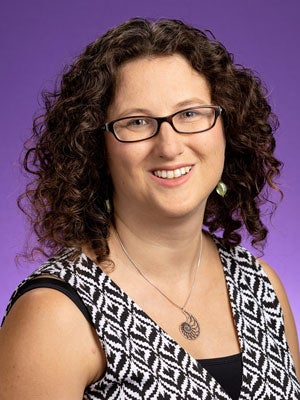
Rebecca Asch is an Associate Professor in the Department of Biology at East Carolina University, where she leads the Asch Fisheries Oceanography Lab. Her research focuses on climate change impacts on marine ecosystems, particularly the phenology of fish reproduction and its synchronization with plankton blooms. She integrates long-term oceanographic data, remote sensing, and Earth System Models to address critical fisheries management challenges. Ph.D. in Biological Oceanography from University of California San Diego (Scripps Institution of Oceanography) Post-Doctoral Research at Princeton University (Atmospheric and Oceanic Science) M.S. in Biological Oceanography from University of Rhode Island B.A. in Anthropology from Smith College Her lab investigates: Historical and future shifts in marine phenology Climate-driven changes in spawning aggregation distributions Economic implications for North Carolina’s $100M/year fisheries Interactions between ocean acidification, microplastics, and fish development Recent publications analyze phenological mismatches in marine food webs, Gulf Stream impacts, and conservation strategies for tropical reef fisheries. She collaborates with NOAA to expand ichthyoplankton monitoring programs. Contact: aschr16@ecu.edu
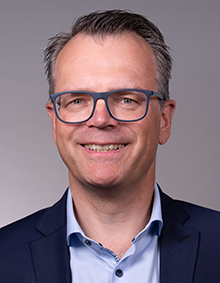
Valeria Castellucci is a Senior Lecturer and Associate Professor in the Department of Electrical Engineering at Uppsala University, Sweden, affiliated with the Division of Electricity. She holds the title of Docent in Engineering Science with Specialisation in Science of Electricity, reflecting her advanced academic standing and research contributions. Her research focuses on renewable energy systems, particularly wave energy and the integration of electric vehicles into power grids. Key areas include demand-side flexibility, peak load management, load shifting, and the optimization of wave energy parks. Her work combines theoretical modeling with real-world applications, often based on case studies in Uppsala, such as microgrid operations and EV charging infrastructure in parking garages. The recent publications highlight a strong trend toward smart grid technologies, grid stability, and the role of distributed energy resources in modern power systems. Her research emphasizes practical solutions for integrating variable renewable sources and managing electricity demand efficiently. Docent in Engineering Science with Specialisation in Science of Electricity Valeria Castellucci is actively involved in research collaboration, particularly with colleagues such as Carl Flygare, Alexander Wallberg, and Rafael Waters. Her work has been cited in policy sources and referenced in Wikipedia, indicating broader impact beyond academia. She contributes to both journal publications and conference proceedings, maintaining a high level of scholarly output in energy and electrical engineering. She is based at Ångströmlaboratoriet in Uppsala and is a key contributor to Uppsala University's wave energy research, including work at the Lysekil Research Site. Her doctoral thesis, Sea Level Compensation System for Wave Energy Converters (2016), laid the foundation for much of her ongoing research in marine renewable energy systems.
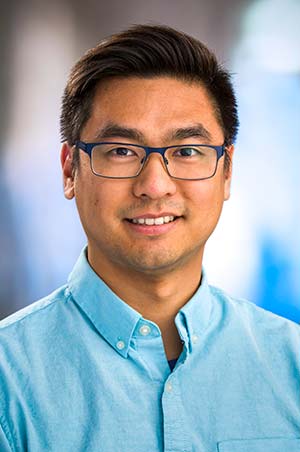
Michael Bühren is a Professor at Westfälische Hochschule, affiliated with the Faculty of Mechanical Engineering Bocholt and the Mechatronik-Institut Bocholt. He serves as Project Manager for the Digital Factory Bocholt and Digi-Up! initiatives and was the speaker of the Mechatronics Institute Bocholt in 2019. His research focuses on automation, robotics, digitalization, and Industry 4.0 . He investigates practical applications of smart manufacturing technologies, including simulation and virtualization, robotics with human-robot collaboration (MRK) capabilities, OPC UA for data acquisition, and machine learning for data and image processing. His work bridges industrial automation with modern digital technologies. His recent publications reflect a strong trend toward integrating industrial systems with digital platforms, particularly through OPC UA and IoT frameworks, while earlier work includes large-scale industrial automation projects in the steel industry and dynamic modeling of marine drive systems. Prof. Bühren is actively involved in technology transfer, represented through his role in the "Effizienz Forum Wirtschaft" and initiatives connecting startups with small and medium enterprises (SMEs). He has no listed scientific awards in the provided text. He teaches courses in control engineering, electrical drive systems, motion control, energy management, and artificial intelligence at the bachelor’s and master’s levels. He advises students, though specific names are not listed. His research is conducted within the Mechatronik-Institut Bocholt, a hub for interdisciplinary research in mechatronics, automation, and digital production technologies.
Professor Donna M. Gitter is a faculty member in the Department of Law at Baruch College’s Zicklin School of Business, City University of New York. She holds a JD from the University of Pennsylvania Law School and a BA in Government from Cornell University, where she graduated Phi Beta Kappa and cum laude . Her research focuses on the intersection of technology and ethics, particularly in comparative intellectual property law with emphasis on biotechnology patenting and biomedical ethics in the United States and European Union. Education : BA, Cornell University (Phi Beta Kappa, cum laude); JD, University of Pennsylvania Law School Professor Gitter’s work spans biotechnology patent law, genetic data privacy, pharmaceutical regulation, and bioethics. She has presented internationally in Europe, Asia, and the United States, addressing topics like computational genomics and open-source biotechnology. Her recent articles focus on experimental use exemptions for gene patents, genetic data privacy enforcement, and post-Dobbs reproductive regulation. She has received significant recognition, including the Fulbright-SyCip Distinguished Lecturing Award , Zicklin Excellence & Innovation in Teaching Award , and multiple research grants from PSC-CUNY. Her teaching includes courses like Fundamentals of Business Law and honors seminars on New York City’s demographics. Scientific Awards : Fulbright-SyCip Distinguished Lecturing Award (2016), Zicklin Excellence & Innovation in Teaching Award (2022), Community Partnership Award (2020), Outstanding Honors Teaching Award (2017) Professor Gitter serves on committees like the Zicklin School of Business Executive Committee and mentors students in entrepreneurship competitions. Her work bridges legal, ethical, and technological domains, with a focus on policy solutions for emerging biotech challenges.
Dr. Scott A. Snell is the Eleanor and Philip Rust Chair in Business Administration at the University of Virginia's Darden Graduate School of Business. He teaches strategic management courses and works internationally with senior executives to align organizational strategy with talent investments. His research explores human capital strategy, knowledge transfer mechanisms, and global organizational challenges. Education: B.A. from Miami University, M.B.A. and Ph.D. in Business from Michigan State University Prior Appointments: Former Professor at Cornell University's Center for Advanced Human Resource Studies and Penn State's Smeal College of Business Current Roles: Professor of Business Administration, Board Member for SHRM, Editor for multiple academic journals His research integrates strategic management with human resource practices, focusing on: Strategic execution frameworks Intellectual capital configurations Global HRM challenges Knowledge integration for competitive advantage Organizational learning architectures Selected publications demonstrate expertise in: Strategic transformation models Human capital measurement International business strategies Workforce flexibility solutions Organizational capability building Academic-practitioner integration Scientific achievements include: International HRM Scholarly Research Award (Academy of Management) Multiple top-tier journal editorial board memberships Leading academic-practitioner collaborations Foundational contributions to HRM theory Dr. Snell has: Advised Fortune 500 companies (AstraZeneca, Shell, etc.) Developed executive education programs for global leaders Contributed to SHRM's strategic direction Created case studies used worldwide
Jeppe Christoffersen is an Associate Professor at the Department of Accounting, Copenhagen Business School. As Center Manager at the Centre for Owner-Managed Businesses, he bridges academic research with practical applications in SMEs. His expertise spans financial reporting, risk assessment, and behavioral finance, with methodological versatility in archival data, surveys, experiments, and interviews. PhD from Copenhagen Business School MSc in Finance and Accounting Research Focus: Risk tolerance and herd behavior in financial forecasts Dysfunctional behavior in audit firm evaluations Trust dynamics in strategic alliances Employee flow impact on SME performance Managerial compensation strategies Internal reporting systems in small businesses Methodological Approach: Archival data analysis Survey design and implementation Controlled experimentation Qualitative interviews
Dr. Finella Dawlings is a Research Fellow at the University of Newcastle's School of Environmental and Life Sciences within the College of Engineering, Science and Environment. She serves as a key member of the Conservation Science Research Group, conducting fieldwork on Norfolk Island to study invasive rodent management and its impacts on threatened native species. Dr. Dawlings earned her PhD from Monash University (2020-2024) where she specialized in remote sensing applications for wildlife conservation. Her educational background includes Honours research at Monash University (2017-2018) focused on Norfolk Island Robin ecology and an undergraduate project analyzing 38 years of seabird population data in the Bonney Upwelling region. Her research expertise spans conservation biology, remote sensing technology, threatened species monitoring, and invasive species management. Dr. Dawlings has pioneered innovative approaches using thermal imaging and drone technology to monitor cryptic species in challenging environments, significantly advancing conservation methodologies for species like the Plains-wanderer and Christmas Island Frigatebird. Recent publications reveal a strong methodological focus on validating technological solutions for conservation challenges, with particular emphasis on thermal imaging for nocturnal species detection, drone operations in bird-rich environments, and understanding extinction drivers for island-endemic birds. Current PhD co-supervision: 'Acoustic Innovations: Enhancing Wildlife Monitoring across Australia's Commonwealth National Parks' (commenced 2025) Previous teaching: Monash University School of Biological Sciences (2022-2023) Professional experience: Ecological Consultant (Wildlife Unlimited, 2019-2020), Field Ecologist (Australian Wildlife Conservancy, 2018-2019) Based in Building BG-10 at the University of Newcastle with regular fieldwork on Norfolk Island, Dr. Dawlings' research was recently featured in news outlets (July 31, 2024) for tracking bird-eating rodents as part of the Resilient Landscapes Hub project.
Prof. Dr. Gerrit Sames is a Professor of General Business Administration at Mittelhessen University of Applied Sciences (THM), specializing in Organization with a focus on ERP systems. He has held leadership roles in industry, including Managing Director positions at Buderus Heiztechnik GmbH and Schott-Rohrglas GmbH, and served on the Board of Schott Solar AG. His research focuses on digitalization, Industry 4.0, and SMEs, with publications analyzing digital maturity models, business process transformation, and workforce implications. Affiliation: Mittelhessen University of Applied Sciences (THM) Email: gerrit.sames@w.thm.de Research Interests: Digitalization, Industry 4.0, ERP systems, SME transformation, IT maturity models, and business process optimization. His work emphasizes practical frameworks for digital positioning and addressing organizational challenges. Recent Publications: 15+ studies on digitalization trends in SMEs, including comparative analyses between Germany and Japan, maturity models for Industry 4.0, and IT security classifications. Conference Contributions: Expert panelist at Bundestag discussions, Hannover Messe presentations, and contributions to IoT and automation congresses.
Professor Marcel Dinger is a prominent academic and researcher currently serving as Professor and Head of School for Biotechnology and Biomolecular Sciences at UNSW Sydney. With over 20 years of experience in genomics, he has established himself as a leading figure in both academic and entrepreneurial spheres within the field. He has published 153 papers with over 24,000 citations and maintains an h-index of 61 on Google Scholar. His leadership extends beyond academia as he serves as President of the Australasian Genomics Technologies Association (AGTA) and holds director positions at Pryzm Health and the National Centre for Indigenous Genomics (NCIG). Professor Dinger's research laboratory focuses on establishing new links between phenotype and genotype, particularly examining rare and complex diseases in relation to underexplored regions of the genome including pseudogenes, repetitive elements, non-canonical DNA structures, and noncoding RNAs. His work harnesses population-scale genomic datasets and sophisticated data science methods to bring an objective perspective to understanding how the genome stores information and how it is transacted in biology. His research interests span genomics, non-coding RNA biology, clinical applications of genomic medicine, and the development of computational approaches for analyzing complex genomic data. Analysis of Professor Dinger's recent publications reveals a strong emphasis on non-coding RNA research, particularly long noncoding RNAs and their roles in disease mechanisms. His work spans cancer genomics, neurological disorders, and fundamental genomic mechanisms including DNA secondary structures like i-motifs and G-quadruplexes. His research combines experimental approaches with advanced bioinformatics to address fundamental questions in genomic medicine and has significant translational implications for disease diagnosis and treatment. Highly Cited Researcher in Cross-Field category (2019, 2020, 2021) Fellow of the Faculty of Science (Research), Royal Society of Pathologists of Australasia (2016) NHMRC Career Development Award (2010) Queensland Government Smart Futures Fellowship (2009) Foundation of Research, Science and Technology New Zealand Postdoctoral Fellowship (2005) Professor Dinger has been instrumental in establishing and leading several significant research initiatives including Genome.One, one of the first companies globally to provide clinical whole genome sequencing services, and the Kinghorn Centre for Clinical Genomics at the Garvan Institute of Medical Research. His entrepreneurial experience includes founding four biotechnology and IT startups. He serves on multiple governance boards including the National Centre for Indigenous Genomics, focusing on using genomics to improve health outcomes for Australia's First Peoples. His laboratory at UNSW continues to advance our understanding of genomic regulation and its implications for human health and disease.
Gavin Ha, PhD is an Associate Professor in the Herbold Computational Biology Program within the Public Health Sciences Division at Fred Hutchinson Cancer Center. He also holds an appointment in the Human Biology Division and is a Member of the Translational Data Science Integrated Research Center (TDS IRC). His research focuses on computational cancer genomics and liquid biopsies for precision oncology applications. Dr. Ha received his educational training from the University of British Columbia, where he earned his PhD in Bioinformatics in 2014 and a BSc in Computer Science and Microbiology in 2008. Dr. Ha is a computational biologist whose research centers on developing and applying computational methods to profile cancer genomes from patient tumors and blood. His laboratory specializes in novel approaches to study cell-free DNA (circulating tumor DNA) through liquid biopsies. His work spans three main research areas: developing novel computational methods for cancer genome analysis, studying genomic alterations in cancer, and applying liquid biopsy techniques in precision medicine. His research has particular applications in prostate, breast, and lung cancers, with active collaborations at Fred Hutch and UW Medicine. Dr. Ha's publication record shows a consistent focus on advancing liquid biopsy technologies and computational cancer genomics. His recent work has particularly emphasized molecular phenotyping of cancers using cell-free DNA, with significant contributions to prostate cancer and small cell lung cancer research. His interdisciplinary approach combines computational biology with clinical applications to develop non-invasive cancer diagnostics and monitoring tools. The Ha Lab has developed innovative tools including PEARL for preeclampsia risk prediction from prenatal cell-free DNA screening and SCLCpheno-seq for small cell lung cancer subtyping. His laboratory maintains active collaborations with the labs of Dr. Peter Nelson and Dr. David MacPherson at Fred Hutch, as well as with Memorial Sloan Kettering Cancer Center, Cancer Research UK, and the National Cancer Institute. Dr. Ha actively collaborates with researchers at Fred Hutch and UW Medicine to study various cancer types. His laboratory currently includes graduate student Mohamed Adil and has received funding from Fred Hutch, University of Washington, and multiple National Institutes of Health grants. He has mentored several researchers including Navonil De Sarkar, Robert Patton, Joseph Hiatt, and Anna-Lisa Doebley.
Sir Paul Nurse is a Nobel Prize-winning British geneticist and cell biologist who serves as Chief Executive Officer of the Francis Crick Institute and previously served as President of the Royal Society and Rockefeller University. His groundbreaking research on the cell cycle, particularly in fission yeast, has fundamentally advanced our understanding of cell division and cancer biology. Education: PhD in Biology, University of East Anglia (1973) BSc in Biology, University of Birmingham (1970) Research Interests: Paul Nurse's laboratory focuses on understanding how cells grow and divide through the cell cycle, a complex process involving cell growth, DNA synthesis, and mitosis. Using fission yeast as a model organism, his research investigates the regulatory networks that control cell cycle progression, particularly how cells monitor their own size and coordinate cell cycle transitions. His work has broader significance for understanding human cellular controls and cancer development. Awards and Recognition: Nobel Prize in Physiology or Medicine (2001) Royal Medal (1995) Copley Medal (2005) Albert Lasker Award for Basic Medical Research (1998) Knight Bachelor (1999) French Legion d'Honneur (2002) Order of the Rising Sun (2018) Albert Einstein World Award of Science (2013) Leadership and Advisory Roles: Chief Executive Officer, Francis Crick Institute (2010-present) President, Royal Society (2010-2015) President, Rockefeller University (2003-2010) Chief Executive, Cancer Research UK (2002-2003) Director General, Imperial Cancer Research Fund (1996-2002) Chief Scientific Adviser, European Commission (2017-present)
Tuğçe Bilen is an Assistant Professor at Istanbul Technical University's Department of Artificial Intelligence and Data Engineering, within the School of Computer and Informatics. Her research focuses on Artificial Intelligence and Computer and Communication Networks, particularly Digital Twin technologies, 6G wireless systems, and smart IoT applications. PhD in Computer Engineering (2017-2022), Istanbul Technical University Master's in Computer Engineering (2016-2017), Istanbul Technical University Licence in Computer Engineering (2010-2015), Istanbul Technical University Her research explores Digital Twin middleware for smart farms, energy-aware task scheduling in 6G edge networks, aeronautical ad-hoc network optimization, and cloud-based protocol enhancements. Recent work addresses metaverse-driven supply chain optimization and secure routing for aircraft networks. Key publication trends show strong focus on: Digital Twin integration across domains 6G wireless network architectures Adaptive routing algorithms Energy-efficient IoT systems Security in airborne communication Machine Learning for network management Scientific recognition includes: Serhat Özyar Young Scientist of the Year Honorary Award (2023) Doctoral Thesis Award from Istanbul Technical University (2023) TÜBA Doctoral Science Awards-Teknofest (2023) She serves as Principal Investigator for the Unsupervised Learning-Based Management of Ad Hoc Airborne Network Topology project (2024-2026) and holds a patent for Parametric Parsing Based Routing System in Content Delivery Networks (2021). As IEEE member since 2015, she contributes to telecommunications standards.
Stephen C. Graves is the Abraham J. Siegel Professor of Management and a tenured Professor in the Operations Management group at MIT Sloan School of Management, with a joint appointment in the Department of Mechanical Engineering and affiliations at Singapore University of Technology and Design. Education : AB in Mathematics and Social Sciences, Dartmouth College MBA, Dartmouth College MS and PhD in Operations Research, University of Rochester Research Focus : Applications of operations research in manufacturing, distribution, and service operations, particularly in supply chain optimization, strategic inventory positioning, production planning, and online retailing challenges. Key Article Trends : Recent works explore digital twin technology, closed-loop supply chains, multi-echelon coordination, and automation in fulfillment systems, reflecting his expertise in integrating data analytics with operational frameworks. Honors : INFORMS Kimball Medal (2023) INFORMS Prize National Academy of Engineering Induction Fellowships: INFORMS, MSOM, POMS Advising & Industry Impact : Supervised 22+ PhD students, collaborated with companies like Amazon, IBM, and Boeing, and served as Chief Science Advisor to JDA Software.
Dr. Anna-Viktoria Vittinghoff is a Lecturer in East Asian Studies at the University of Sheffield, School of Languages, Arts and Societies, a position she has held since August 2022. Her academic work focuses on the social history of modern Japan, with particular emphasis on the intersections of feminism, disability, and reproductive justice. Dr. Vittinghoff's educational background includes: B.A. in Japanese Studies and History of Art from Ludwig Maximilian University Munich M.Sc. in East Asian Relations from the University of Edinburgh Ph.D. in Japanese Studies from the University of Edinburgh Dr. Vittinghoff's research spans several interconnected fields within modern Japanese history. She specializes in the Disability movement in post-war Japan , the Ūman ribu (women's liberation) movement of the 1970s , and reproductive justice and politics in modern Japan . Her work critically examines the intersection of disability and gender within social activism , eugenics and anti-eugenics , and transnational networks of reproductive justice in East Asia . Additionally, she explores the Japanese student movement and the New Left , social order and bio-politics in Japan , and the global context of 1968 . Dr. Vittinghoff's recent publications reveal a consistent focus on the interplay between gender, disability, and social movements in modern Japan. Her work, including articles on the feminist student movement, radical feminism from the vantage point of disability, and feminist challenges to eugenics, demonstrates a deep engagement with intersectional analysis. The research spans from the post-war period through the 1970s and beyond, highlighting the emergence of disabled women's voices and anti-eugenics activism. Her forthcoming work on Tokoro Mitsuko further explores the personal dimensions of political activism in the late 1960s and early 1970s. Dr. Vittinghoff has been recognized with several prestigious awards and grants, including: Sarah Hyde Memorial Award 2019 for PhD research project Great Britain Sasakawa Foundation Studentship (Sept 2018 – Sept 2020) Japan Foundation Endowment Committee Grant for conducting field work in Japan (March 2020) British Association for Japanese Studies John Crump Studentship 2021 University of Edinburgh College of Arts, Humanities and Social Sciences Centre for Data, Culture and Society Small PhD Fund (May 2020) Dr. Vittinghoff is actively involved in academic mentoring, supervising undergraduate and postgraduate taught dissertations. Her research has been supported by competitive grants, including the Sasakawa Foundation Studentship and the Japan Foundation Endowment Committee Grant, which facilitated fieldwork in Japan. These grants underscore the significance of her work on grassroots activism and historical analysis in the field of East Asian Studies. As a member of the East Asian Studies staff at the University of Sheffield, Dr. Vittinghoff contributes to the academic community within the School of Languages, Arts and Societies, collaborating with colleagues on research and teaching initiatives in Japanese and East Asian studies.
Markku Sotarauta is a Professor of Regional Development Studies at Tampere University's Faculty of Management and Business, specializing in place leadership, institutional entrepreneurship, and innovation policy. His work bridges academic research and practical urban/regional development through projects like HEREGREEN (2023–2025), focusing on Nordic higher education's role in green transitions, and the Place Leadership in Europe seminar series (2023–2025). Education: No specific degrees listed in provided texts His research explores how leadership drives regional resilience amid industrial decline, with a focus on green policy, economic restructuring, and institutional change. Recent articles analyze the interplay between agency and structural determinants in Nordic contexts, emphasizing sustainable pathways. Scientific Awards: Artturi Leinonen Prize (2011) Gebhard-Mitali Award (2022) Suomen Valkoisen Ruusun I luokan ritarimerkki (2024) As a leader of the Urban and Regional Studies Group, he has secured grants from NOS-HS, Nordic Green Growth Research, and the European Union. He co-edited the Handbook on City and Regional Leadership (2021) and Leadership and the City (2016), while producing datasets on Australian automotive sector impacts (2025).