- Biological Wastewater Treatment
- Aerobic Granular Reactors
- Anaerobic Ammonia Oxidation (Anammox)
- +۳ مورد دیگر
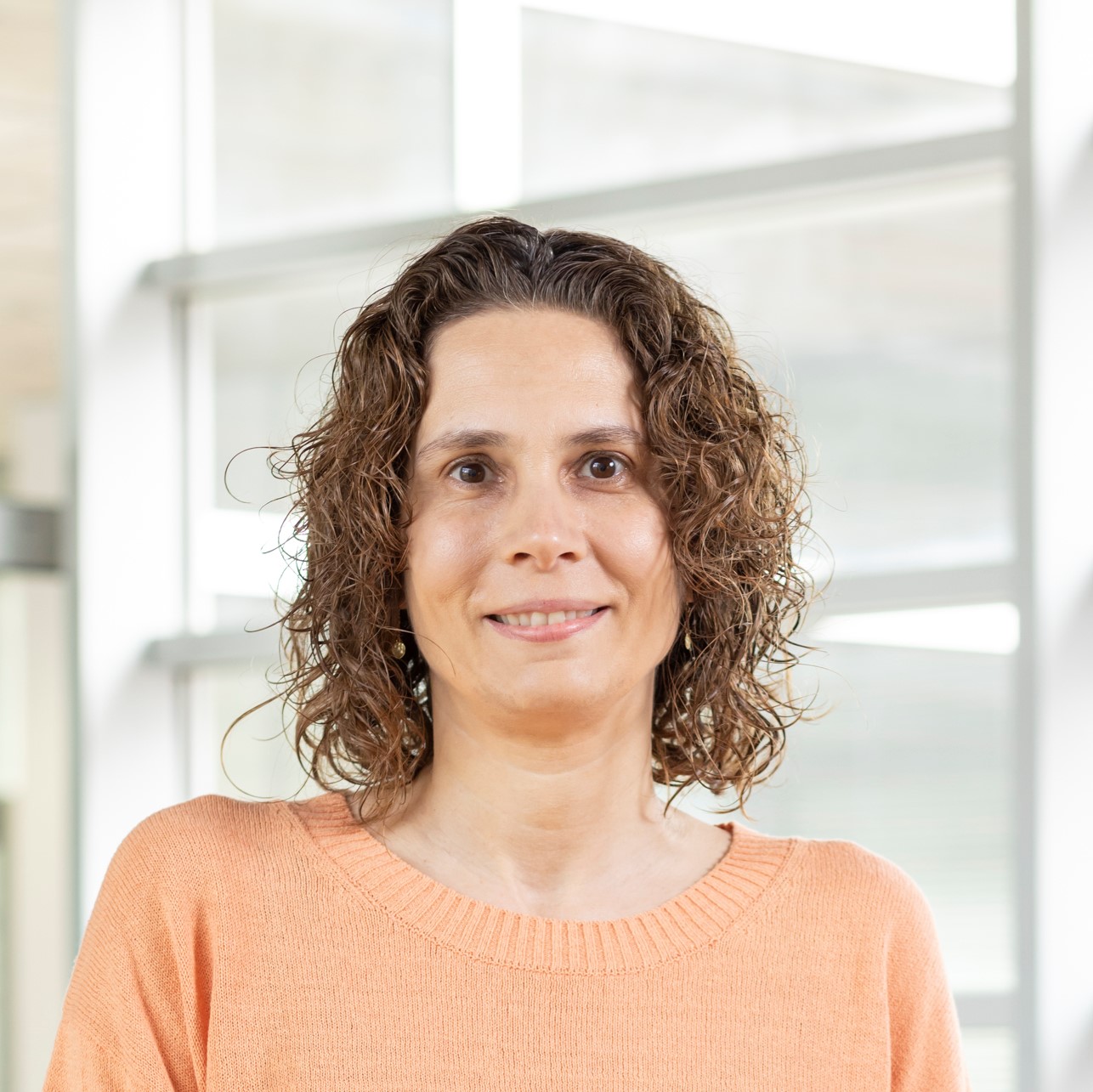
Anuska Mosquera is an Associate Professor of Chemical Engineering at the University of Santiago de Compostela (Spain) since 2007. She holds a PhD in Chemical Sciences (1998) from the same university, focusing on nitrogen removal from industrial effluents. Her research emphasizes biological wastewater treatment, aerobic granular reactors, and biopolymer production from waste. She has led numerous national and regional projects, including the BIOPIGMA and PRETENACC initiatives. Her work spans over 50 publications, with recent contributions on wastewater integration with food waste management and granular reactor stability. Education: BSc Industrial Chemistry (1992), MSc Chemical Engineering (1993), PhD Chemical Engineering (1998) – all from USC. Positions: Associate Professor (2012–present), Assistant Professor (2003–2011), Research Fellow (2001–2003). Postdoc at TU Delft (2000–2001). Research Interests: Her expertise includes aerobic granulation , anammox processes , and biopolymer production from waste . She applies microscopy techniques like FISH and DGGE to study microbial communities in bioreactors. Recent work explores circular economy principles in saline wastewater management. Articles Trends: Her 15 most recent articles (2022–2024) focus on granular reactor stability, food waste integration into urban wastewater systems, and bioplastic production from industrial effluents. Topics include nitrogen removal optimization, salinity impacts on bioreactors, and techno-economic analyses of wastewater valorization. Awards: Awarded for ELAN® technology (2014), Best Oral Communication (2013), and pilot reactor innovation (2010). Advising & Grants: Supervised 6 doctoral and over 10 master’s theses. Secured €200k+ in national grants (e.g., BIOPIGMA) and led projects like the Methamorphosis contract with FCC-Aqualia. Active in networks like the IWA and European Federation of Biotechnology. Labs/Teams: Leads the USC’s bioprocess research group, collaborating on projects like the Integrated Biofactory for Livestock Waste Treatment and lipid-rich effluent valorization. Her lab focuses on sustainable wastewater solutions and bioreactor design.