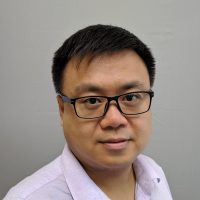
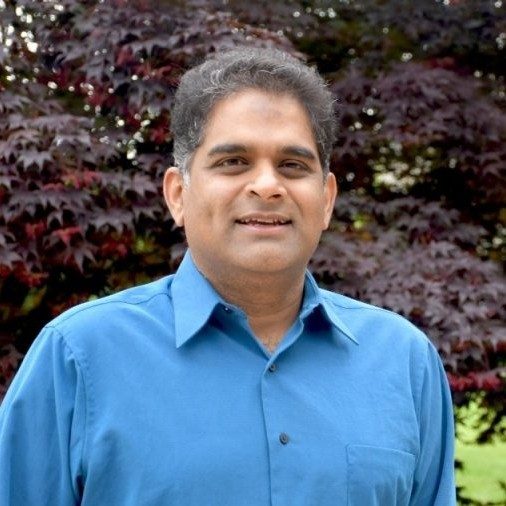
Lianying Zhao is an Associate Professor in the School of Computer Science at Carleton University and serves as a Director of the Carleton Computer Security Lab (CCSL). His research focuses on low-level platform security, including hardware, firmware, hypervisor, and operating systems, with an emphasis on trusted computing, authentication, privacy preservation, and security metrics. He leads the CCSL research group, collaborating with interdisciplinary teams to address critical security challenges in IoT, cloud systems, and web applications. Education: Not explicitly listed in provided texts. Roles: CCSL Director, Research Supervisor, and Graduate Program Advisor. Dr. Zhao’s work spans hardware security improvements, firmware vulnerability analysis, and user-centric security metrics. Recent research highlights include studies on router configuration habits, tracker detection in web browsers, and CVSS score discrepancies. He has supervised numerous graduate students in cybersecurity domains, contributing to over 30 peer-reviewed publications since 2013. His lab affiliations include CCSL and CISL, where he collaborates on projects such as secure deletion frameworks, TLS validation vulnerabilities, and hybrid decision-making models for cloud security. Current research also explores cross-regional login throttling mechanisms and AI-driven vulnerability detection in embedded systems.
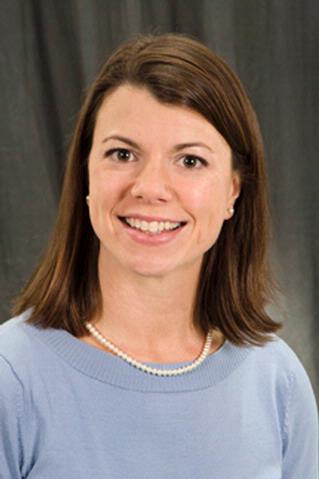
Laura S. Cardella, MD, is an Associate Professor at the University of Rochester's School of Medicine and Dentistry, with dual appointments in the Departments of Psychiatry and Pediatrics. She serves as the Director of the Psychiatry Clerkship, Director of Medical Student Education in Psychiatry, and Medical Director of Pediatric Behavioral Health and Wellness, Child and Adolescent Outpatient Services. Board certified in Psychiatry and Child and Adolescent Psychiatry, she is affiliated with several professional societies, including the American Academy of Child and Adolescent Psychiatry, Association of Directors of Medical Student Education in Psychiatry, and American Academy of Sleep Medicine. Her work emphasizes the integration of Medical Education and Clinical Care , particularly in Child and Adolescent Psychiatry and Sleep Medicine. Dr. Cardella's recent research focuses on competency-based frameworks to enhance psychiatric residency training, with a 2024 publication addressing resident feedback skills and curriculum development. Leadership Education and Development (LEAD) Certificate Program, 2017 Child and Adolescent Psychiatry Education Consortium Award, 2009 AOA Honor Medical Society (lifetime member), 2003 Benjamin Rush Prize in Psychiatry, 2003 Janet M. Glasgow Memorial Achievement Citation, 2003 Rock Sleyster Memorial Scholarship, 2003 Magna Cum Laude, 1998 Golden Key National Honor Society, 1995 Phi Eta Sigma, 1995 Dr. Cardella leads medical education initiatives across all four years of the University of Rochester School of Medicine and Dentistry (URSMD) curriculum and Graduate Medical Education (GME) programs. She has held leadership roles in psychiatric education and clinical care, with a focus on behavioral health in pediatrics. Her work spans teaching, curriculum design, and direct patient care.
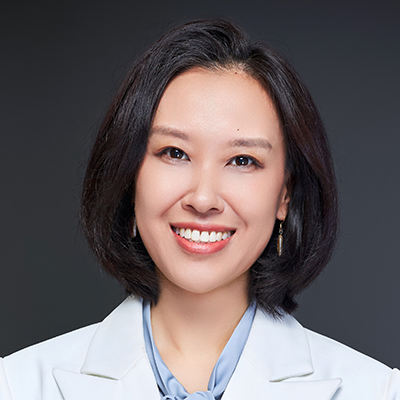
Dr. Juan Song is a **Professor** and **Jeffrey Houpt Distinguished Investigator** in the Department of Pharmacology at the University of North Carolina (UNC) School of Medicine. Her research focuses on adult neurogenesis mechanisms, neural circuit regulation, and applications to neuropsychiatric disorders and neurodegenerative diseases such as Alzheimer’s. She leads the Song Lab, which employs advanced techniques like optogenetics, electrophysiology, and genetic models. Dr. Song earned her Ph.D. from UC Berkeley and completed postdoctoral training at Johns Hopkins University before establishing her independent lab at UNC in 2013. She was promoted to Full Professor in 2023. **Education**: Ph.D. in Neuroscience, University of California, Berkeley (2007); Postdoctoral Fellowship at Johns Hopkins University (2007–2013). **Research Interests**: Circuit mechanisms regulating adult neurogenesis, hippocampal neurogenesis and memory, Alzheimer’s disease modeling, and translational therapies. Her lab explores how neural circuits influence stem cell activation and newborn neuron integration, with implications for schizophrenia, autism, stroke, and Alzheimer’s. **Publications**: Over 50 peer-reviewed articles, including high-impact work in *Cell Stem Cell*, *Nature Neuroscience*, and *Neuron*. Recent studies focus on cholinergic circuits in neurogenesis, hypothalamic modulation of cognitive function, and G9a inhibitors for Alzheimer’s. **Advising & Grants**: Mentors postdocs, graduate students, and undergraduates. Active in training programs like BBSP and MSTP. Her lab collaborates on projects involving neural stem cell regulation and circuit-based therapies. **Lab & Affiliations**: Song Lab (UNC Neuroscience Center) develops innovative tools like transdermal drug delivery systems and employs cutting-edge imaging techniques. Collaborates with institutions globally on neurodegenerative disease research.
ERIKA BORELLA is a Full Professor at the University of Padua, specializing in cognitive aging, working memory, and interventions for dementia. Her research focuses on understanding cognitive changes across the lifespan, including the effects of music, sleep, personality, and environmental design on mental health and cognition. She leads studies on cognitive stimulation therapy, therapeutic gardens for dementia care, and the development of assessment tools like the Padua PM task. Her work emphasizes practical applications, such as memory training programs and strategies to enhance quality of life in older adults. Research Interests: Cognitive Aging and Lifespan Development Executive Functioning and Attention Emotion Regulation and Mental Health Neuropsychological Assessment and Intervention Therapeutic Environments for Dementia Cognitive Reserve and Lifelong Learning Key Contributions: Dr. Borella has pioneered studies on cognitive stimulation therapy efficacy, music-based interventions, and the role of soft skills in aging populations. Her work bridges theoretical research and practical solutions, such as designing dementia-friendly spaces and evaluating the impact of outdoor activities on cognitive function in older adults. Recent Trends in Publications: Her recent work explores how emotions influence sleep quality, the psychological impacts of the pandemic on older adults, and the development of questionnaires for injury prevention. She emphasizes interdisciplinary approaches, integrating neuroscience, psychology, and environmental design to address complex aging-related challenges. Labs and Teams: Dr. Borella collaborates on initiatives like Cognitive Stimulation Therapy and Therapeutic Garden Programs , promoting active aging through evidence-based interventions. These projects involve interdisciplinary teams focused on improving mental health, cognitive function, and quality of life for older adults.
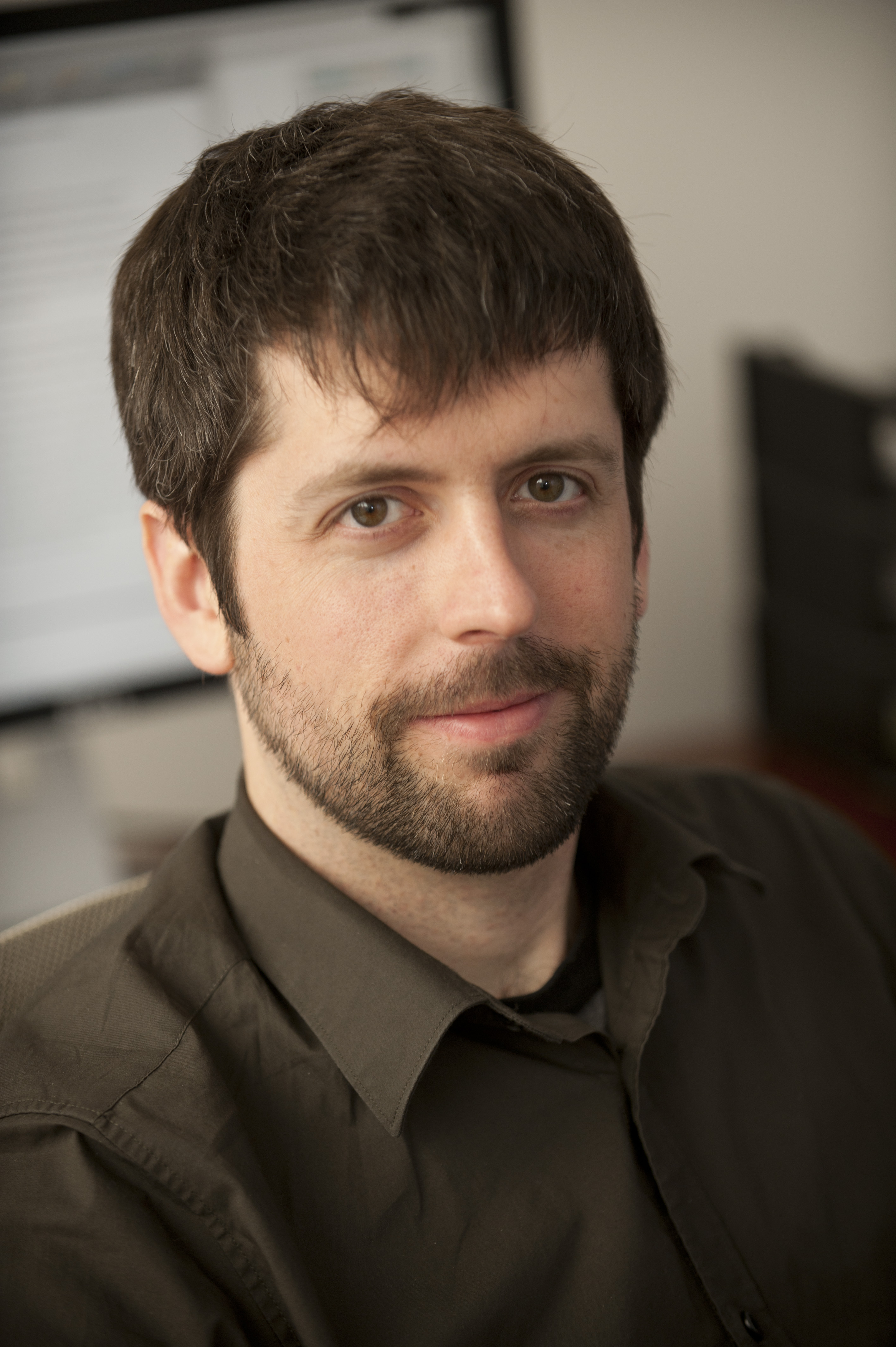
Mark Kramer is a Professor in the Department of Mathematics & Statistics at Boston University. He belongs to the Applied Mathematics research group, focusing on mathematical, statistical, and machine learning approaches to characterize brain activity. His work bridges data-driven neuroscience with computational methods, exploring topics like biophysical models of neurons, field models of neural populations in epilepsy, and theoretical questions about brain rhythms. His research interests include: Biophysical modeling of single-neuron dynamics Neural population activity in pathological states Machine learning for detecting abnormal brain rhythms Analysis of cross-frequency coupling and coherence Kramer has developed educational resources like Case Studies in Neural Data Analysis using both MATLAB and Python. These materials teach practical data analysis techniques for spike trains and field data, emphasizing hands-on implementation over theoretical mathematics. He has received funding from NIH and NSF for computational neuroscience projects. His recent publications focus on epilepsy research, sleep spindle analysis, and neural signal processing. The work spans from developing statistical frameworks to understanding network dynamics in seizure termination and exploring phase consistency in neural data. Notably, his coherence studies revealed non-intuitive coupling patterns between brain regions, demonstrating that low-amplitude rhythms can be more informative than dominant ones.
Mark Greenwald is a Professor and Associate Chair for Research in the Department of Psychiatry at Wayne State University School of Medicine. His work focuses on substance abuse research, particularly on pharmacological and neurobiological mechanisms of opioid and other substance use disorders. With numerous publications and significant contributions to the field of addiction medicine, Dr. Greenwald leads the Substance Abuse Research Division and collaborates extensively with researchers across multiple disciplines to advance understanding and treatment of addiction. Dr. Greenwald's research spans multiple domains of addiction science, with particular expertise in pharmacological determinants of drug-seeking behavior , neuroimaging of addiction-related neural processes , and development of novel treatment approaches for opioid use disorder . His work employs advanced methodologies including PET imaging of opioid and dopamine systems, fMRI, EEG, and 1H spectroscopy to investigate the biological underpinnings of addiction. A significant portion of his research focuses on optimizing buprenorphine treatment protocols and understanding individual differences in treatment response. Dr. Greenwald's recent publications reveal a strong focus on advancing precision medicine approaches for opioid use disorder, with particular attention to pharmacogenetic factors, neuroimaging biomarkers, and individualized treatment protocols. His work increasingly integrates neurobiological, psychological, and social determinants of addiction to develop comprehensive treatment models. Notably, his research bridges basic science with clinical applications, translating neuropharmacological insights into improved treatment strategies for patients struggling with opioid addiction. National Institutes of Health awarded Wayne State $1.19 million for addiction neuroscience predoctoral training Contributed to $16.6 million drug development project for treatment of opioid use disorder Provost's Social & Behavioral Determinants of Health Steering Committee member Led clinical trial proving neurostimulation device to treat opioid use disorder is effective As Associate Chair for Research, Dr. Greenwald oversees research initiatives within the Department of Psychiatry and mentors junior faculty and research staff. His substantial NIH-funded research program supports multiple clinical trials investigating novel approaches to treating opioid use disorder. Dr. Greenwald has secured significant grant funding for projects including a $1.19 million NIH award for addiction neuroscience predoctoral training and contributions to a $16.6 million drug development project for opioid use disorder treatment. His leadership extends to serving on the Provost's Social & Behavioral Determinants of Health Steering Committee. Dr. Greenwald leads the Substance Abuse Research Division at Wayne State University, which employs a multidisciplinary approach to addiction research. His team collaborates with key researchers including Leslie Lundahl, David Ledgerwood, and Cynthia Arfken (focusing on substance use disorders and HIV/AIDS); Jeffrey Stanley (specializing in 1H spectroscopy); Vaibhav Diwadkar (fMRI, learning/memory); Sylvie Naar-King and Paul Burghardt (stress, physical activity and obesity); Terrance Albrecht, Ann Schwartz and Jennifer Beebe-Dimmer (chemotherapy-induced peripheral neuropathy); Timothy Roehrs (Henry Ford: EEG, sleep, pain); and Margit Burmeister (University of Michigan: pharmacogenetics).
Sarosh R. Irani is a Professor of Neurology and Neuroscience at Mayo Clinic, Jacksonville, Florida, and an Adjunct Professor of Neurology at the University of Southern Denmark. He is a leading neurologist and scientist specializing in autoimmune neurological diseases, with a focus on autoimmune encephalitis, neuromyelitis optica, and antibody-mediated disorders. Previously, he served as Professor of Autoimmune Neurology at the University of Oxford. Education: D.Phil. in Clinical Neurology, University of Oxford; B.M., B.Ch. in Medicine, University of Oxford Professional Training: Clinical residency in neurology (UK), Fulbright Fellowship in multiple sclerosis and autoimmune neurology (UCSF, USA) Leadership: Founder of Oxford Autoimmune Neurology Clinic; leads a research group at Mayo Clinic Dr. Irani's research spans both clinical and laboratory domains. His work has been pivotal in identifying and characterizing autoimmune encephalitis subtypes, particularly those associated with LGI1 and CASPR2 antibodies. He has made landmark contributions to understanding B cell dynamics, monoclonal antibody pathogenicity, and immunotherapeutic strategies. His team has published over 200 scientific papers and discovered key biomarkers and clinical phenotypes. Analysis of his recent publications reveals a strong focus on autoimmune encephalitis mechanisms, B cell immunology, patient-reported outcomes, neuroimaging, and translational models. His work integrates genetics, immunology, and clinical neurology to advance diagnostics and therapies. His scientific awards include the Cozzarelli Prize (2024), Clinical Science Prize from the International Society of Neuroimmunology (2021), Graham Bull Prize (2019), and the Wellcome Intermediate Fellowship (2014), among many others. Dr. Irani has supervised over 50 international clinicians and scientists and mentored multiple students and fellows to independent research careers. He is actively involved in clinical trials, patient advocacy (e.g., Encephalitis Society, Autoimmune Encephalitis Alliance), and international collaborations. His lab investigates B cell receptor sequencing, monoclonal antibody cloning, and cross-compartmental immune dynamics in neurological autoimmunity.
Dr Mark-Anthony Turnage CBE FRCM serves as Senior Research Fellow in Composition and RCM Research Fellow in Composition at the Royal College of Music. He is a composer of truly international stature whose orchestral and operatic music is often forthright and confrontational, unafraid to mirror the realities of modern life, yet its energy is exhilarating. With his flair for vivid titles and complete absorption of jazz elements into a contemporary classical style, Turnage produces work with strong appeal to an enquiring, often young audience while expressing deep tenderness, especially emotions associated with loss. Turnage's research interests focus on the intersection of contemporary classical music with jazz elements. His work explores: Innovative approaches to orchestral composition Jazz-classical fusion techniques Opera and theatrical music composition Music that addresses contemporary social issues Expressive techniques for conveying emotional depth Vivid musical imagery through descriptive titles An analysis of Turnage's extensive publication record reveals a consistent exploration of emotional depth and technical innovation across more than four decades. His works frequently engage with themes of loss, memory, and social commentary while maintaining a distinctive musical voice that incorporates jazz sensibilities within contemporary classical frameworks. The titles of his compositions often provide vivid imagery that guides the listener's interpretation, reflecting his belief in music's ability to communicate directly with audiences through both confrontation and tenderness. Turnage has received significant recognition for his contributions to music: Commander of the Order of the British Empire (CBE) Fellow of the Royal College of Music (FRCM) As a senior figure in composition at the Royal College of Music, Turnage contributes to the institution's research profile through his creative practice and by serving as a role model for emerging composers. His extensive body of work spanning from 1981 to the present demonstrates remarkable consistency in artistic vision while evolving with contemporary musical developments. Turnage maintains an active creative practice through his composition process, which continues to produce significant works that push the boundaries of contemporary classical music while remaining accessible to diverse audiences. His recent compositions continue to explore emotional depth and technical innovation within the contemporary classical framework.
Gary Fireman, PhD is a Professor in the Department of Psychology at Suffolk University and serves as the Associate Provost for Academic Affairs. He holds a PhD and MA from Long Island University, as well as a BA from the University of Michigan. As a licensed clinical psychologist in Massachusetts, Texas, and New York, he specializes in child, adolescent, and adult therapy, and psychological assessment. PhD, Long Island University MA, Long Island University BA, University of Michigan Dr. Fireman’s research explores the interplay between emotional complexity, social reasoning, and sleep quality, particularly in populations with aggression, peer victimization, or emotional regulation challenges. His work investigates how nightmares, rumination, and prosocial behavior shape cognitive processes and psychological wellbeing. His recent publications focus on sleep disturbances, social exclusion, and emotional regulation in developmental contexts. Key trends include analyzing the bidirectional relationship between social anxiety and sleep, cross-cultural bullying narratives, and the impact of stress on sleep quality during the COVID-19 pandemic. Scientific Awards : Departmental-Level Teaching Award (2014) Dr. Fireman teaches courses such as PSYCH-510-C: Independent Study . He maintains an active clinical and research practice, with ongoing collaborations across interdisciplinary psychology fields. Contact: gfireman@suffolk.edu , 617-305-6368.
Dr. Katherine Mickley Steinmetz is a Professor in the Department of Psychology at Wofford College, where she directs the Neuroscience of Cognition and Emotion Lab. Her office is located in the R. Milliken Science Center 231D, and she can be reached at (864) 597-4643 or steinmetzkr@wofford.edu. She has established herself as a prominent researcher in emotional memory and cognition through her extensive publication record and laboratory work. Dr. Steinmetz earned her undergraduate degree in Psychology and Neuroscience from Allegheny College, where she participated in the Neuroscience in the Humanities program and completed a thesis on electrophysiological changes caused by learning words in emotional contexts. She then pursued graduate studies at Boston College under Dr. Elizabeth Kensinger, using neuroimaging (fMRI), eye-tracking, electrophysiological, and behavioral techniques to investigate neural mechanisms influencing memory for emotional events. Following this, she completed a post-doctoral fellowship focusing on stress and sleep effects on memory at Boston College and Notre Dame. Her research program focuses on understanding the neuroscience behind how emotional processing influences attention and memory. Dr. Steinmetz combines behavioral testing, event-related potential (ERP) recordings, and salivary hormonal assays to examine both cognitive and neural processes guiding attention toward and memory for emotional information. She is particularly interested in how factors like stress and anxiety modulate these processes. Her work spans multiple domains including emotional memory enhancement, cross-cultural differences in memory, physiological correlates of emotional processing, and the interaction between sleep, stress hormones, and memory consolidation. Analysis of Dr. Steinmetz's publication history reveals consistent focus on emotional memory mechanisms across various contexts. Her research demonstrates how emotional content differentially affects item versus background memory, how stress hormones like cortisol modulate memory processes, and how attentional mechanisms interact with emotional processing. Her methodological approach integrates multiple techniques including ERP, eye-tracking, physiological monitoring, and behavioral paradigms to provide comprehensive insights into emotion-cognition interactions. Dr. Steinmetz has authored numerous peer-reviewed publications in prominent journals including Journal of American College Health, Frontiers in Physiology, Cognition and Emotion, Memory, and Affective Science. She has also contributed book chapters and co-authored the book "How Does Emotion Affect Attention & Memory?" (2010) with Elizabeth A. Kensinger, which reviews behavioral and neuroimaging evidence on emotion's effects on memory and attention in individuals with and without PTSD. As an educator, Dr. Steinmetz has focused on developing effective undergraduate research experiences in cognitive neuroscience. Her work in this area addresses the challenges of preparing students for careers in this interdisciplinary field while maintaining sustainable faculty development. She appears to be actively involved in mentoring undergraduate researchers through her laboratory work at Wofford College. Dr. Steinmetz's Neuroscience of Cognition and Emotion Lab serves as the primary research hub for her investigations. The lab employs multiple methodological approaches to study emotion-cognition interactions, providing students with hands-on research experience in cognitive neuroscience techniques. Her research program demonstrates continuity from her graduate and postdoctoral training while developing its own distinct focus on the interplay between emotional processing, attention, and memory.
Sylvia H. Ley, PhD, RD, serves as a tenure-track Assistant Professor in the Department of Epidemiology at Tulane University's Celia Scott Weatherhead School of Public Health and Tropical Medicine. She teaches Epidemiologic Methods I and III while mentoring PhD and MS students in chronic disease research. Her educational background includes: Postdoctoral training at Harvard T.H. Chan School of Public Health focusing on large-scale cohort studies Doctoral studies in maternal and infant nutrition and clinical epidemiology at University of Toronto Registered Dietitian certification from Sunnybrook Health Sciences Centre Dr. Ley's research centers on life-course strategies for chronic disease prevention , with emphasis on nutrition , diabetes progression , and cardiovascular risk in women. Her work investigates how reproductive factors (menarche timing, lactation, gestational diabetes), sleep patterns , and dietary behaviors influence long-term metabolic outcomes across the lifespan. She employs advanced epidemiological methods in major cohort studies including NHANES and the Bogalusa Heart Study. Analysis of her recent publications reveals consistent focus on sex-specific disease pathways and developmental origins of health , particularly examining how early-life exposures manifest as cardiometabolic disorders decades later. Her work bridges clinical epidemiology with nutritional science to identify modifiable risk factors. Dr. Ley actively mentors graduate students including Santos MP, Mullen AJ, and Siebach MK. Her research receives continuous funding from major agencies including NIH, NSF, and CIHR, supporting her 80+ peer-reviewed publications that have accumulated over 14,000 citations. She serves in leadership roles as Past-Chair of Nutritional Epidemiology for the American Society for Nutrition, Associate Editor for the American Journal of Clinical Nutrition, and co-Chair of the Women's Interprofessional Network for the American Diabetes Association.
Ron C Anafi serves as Associate Professor of Medicine (Sleep Medicine) at the Hospital of the University of Pennsylvania and holds key affiliations as Faculty Scholar at the Penn Institute for Bioinformatics, Co-Investigator at the Center for Subcellular Genomics, and member of both the Chronobiology and Sleep Institute and ITMAT. His work bridges computational biology with clinical sleep medicine within the Perelman School of Medicine. His educational trajectory includes a B.S.E. in Biomedical Engineering and Philosophy from Tulane University (1995), followed by a Ph.D. in Applied Mechanics (2002) and M.D. (2004) from the University of Minnesota. This dual training underpins his unique approach to circadian research. Dr. Anafi's laboratory pioneers computational methods to decode sleep and circadian influences on human physiology, focusing on neurodegeneration and cancer. By applying machine learning and systems biology to large-scale omics data, his team reconstructs molecular rhythms from cross-sectional human tissue databases—overcoming the critical barrier of limited longitudinal sampling in patients. His research demonstrates how circadian disruptions in ribosomal function link to Alzheimer's pathology and how tumor clock strength predicts breast cancer outcomes. Analysis of his 15 most recent publications (2022-2025) reveals intensifying focus on cell-type-specific circadian disruptions in neurodegenerative diseases, with significant expansion into cancer chronobiology and contactless sleep monitoring technologies. His methodological innovations like CYCLOPS enable rhythmic signal extraction across diverse tissues—from brain to skin—while increasingly integrating multi-omics layers to identify therapeutic targets. As mentor in the Genomics and Computational Biology and Neuroscience graduate groups, he guides students through rotation projects at his Translational Research Laboratories facility (Suite 2100, 125 South 31st Street). His research is supported by NIH grants investigating circadian mechanisms in Alzheimer's disease and cancer progression, with recent work exploring sex-specific metabolic impacts of circadian genes and non-invasive sleep monitoring.
Sujith Vijayan is an Associate Professor at the School of Neuroscience , part of the Virginia Tech College of Science . His research focuses on neural dynamics during sleep and active behavior , leveraging computational modeling , signal processing , and invasive/non-invasive recording to explore memory consolidation, emotional regulation, and therapeutic applications for neurological disorders. Research Interests include: Sleep-mediated memory processing Brain-computer interface (BMI) learning Pathological brain rhythms in PTSD and Parkinson’s Neural stimulation therapy development REM sleep emotional memory mechanisms His 15 most recent publications reveal a trajectory from anesthetic-induced neural oscillations (2013), through schizophrenia network analysis (2015), to targeted memory reactivation during sleep (2017). Key scientific contributions include the 2022 NSF CAREER award for BCI learning enhancement via sleep manipulation . Lab members include graduate students in Biomedical Engineering, TBMH, and Neuroscience programs, with alumni now at institutions like Barrow Neurological Institute and University of Arizona’s Sleep Lab.
David Prendergast is a Professor in Science, Technology & Society at Maynooth University's Faculty of Social Sciences, where he also serves as Head of the Departments of Anthropology and International Development. With a PhD in Anthropology from the University of Cambridge (2002), his career spans academic roles at Maynooth and industry leadership at Intel, focusing on technology design for aging populations. Research interests: Ageing, Smart Cities, Digital Health, Visual Ethnography, East Asia, Human-Centred Design Key projects: Global Ageing Project, Urban Living Labs in London/Dublin/San Jose, Smart Stadium with Croke Park, Autonomous Vehicles for Older Adults (SFI-funded) His work bridges anthropology with digital innovation , particularly in East Asia contexts. Recent publications explore IoT applications in age-friendly cities , robotics in Japanese elder care , and visual ethnography for aging-in-place solutions. Scientific recognition includes: CHOICE Outstanding Academic Title (2016) Intel Involved Global Hero Award Fortune 500 Hero designation Intel Labs Gordon E. Moore Award As advisor to PhD graduates like Rebekah Maguire (2016) and Ciaran Walsh (2020), he leads Living Lab initiatives on air pollution monitoring and flood management systems . His Circuits of Care documentary (2021) examines human-robot interactions in Japan's aging society .
Howard Nusbaum is a Professor in the Psychology Department within the Social Sciences Division at the University of Chicago. His research has focused since 1986 on perceptual learning, attention, and working memory, with significant contributions to understanding speech perception, auditory processing, and more recently, the science of wisdom. His laboratory employs a wide range of methods including high-density EEG, fMRI analysis, auditory brainstem recordings, and sophisticated speech analysis tools. Education: BA in Computer Science and Psychology from Brandeis University (1976) PhD in Cognitive Psychology from State University of New York at Buffalo (1981) Postdoctoral training in Speech, Hearing, and Sensory Communication from Indiana University (1984) Nusbaum's research investigates how humans learn and process speech and other auditory information, with particular emphasis on the role of attention, working memory, and sleep in perceptual learning. His laboratory has made groundbreaking contributions, including the first scientific evidence for sleep consolidation of generalized learning, the first behavioral evidence for functional effects of sleep consolidation in songbirds, and the discovery that adults can learn perfect pitch with this learning dependent on working memory capacity. His recent work has expanded to explore the cognitive neuroscience of wisdom, investigating how self-transcendent experiences contribute to wise reasoning. Nusbaum's publication record demonstrates consistent high-impact research across cognitive neuroscience, with recent work spanning from basic mechanisms of speech perception to broader questions about wisdom and decision-making. His research shows an evolving trajectory from foundational work on perceptual learning and speech processing toward more complex questions about higher cognitive functions and their neural underpinnings, with publications extending into 2025. Scientific Awards: 2018 Stella M. Rowley Professor of Psychology 2014 Fellow, The Psychonomic Society 2012 Llewellyn John and Harriet Manchester Quantrell Award for Excellence in Undergraduate Teaching 2009 Fellow, Association for Psychological Science 2007 Future Faculty Mentorship Award Nusbaum has successfully mentored numerous graduate students and postdoctoral trainees who have gone on to become tenured faculty at prestigious institutions worldwide. His NIH-funded research on 'Structure and Process in Speech Perception' has supported his work for many years. His laboratory provides comprehensive training in behavioral research methods, signal processing, statistical analysis, human electrophysiology, and computational modeling. The APEX (Attention, Perception, and Executive-function eXperience) lab at the University of Chicago, which Nusbaum directs, is equipped for high-density EEG measurements, fMRI data analysis, auditory brainstem recordings, and a wide range of speech analysis tools. The lab conducts research with human participants, including nap studies with polysomnography. Nusbaum also contributes to the UChicago Center for Practical Wisdom, reflecting his expanding research interests into the cognitive neuroscience of wisdom.