معرفی
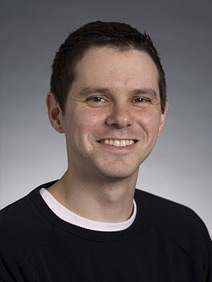
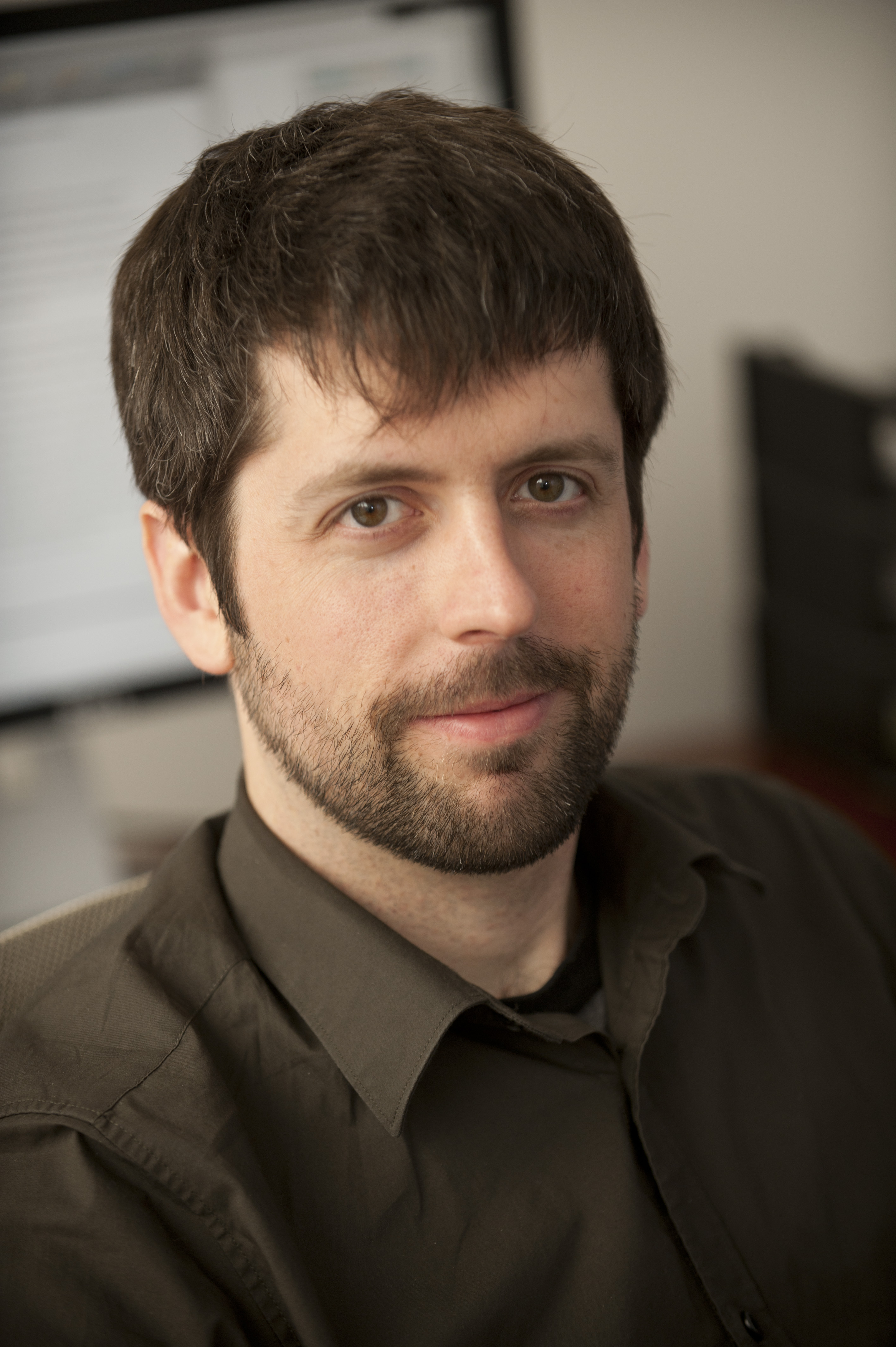
Mark Kramer is a Professor in the Department of Mathematics & Statistics at Boston University. He belongs to the Applied Mathematics research group, focusing on mathematical, statistical, and machine learning approaches to characterize brain activity. His work bridges data-driven neuroscience with computational methods, exploring topics like biophysical models of neurons, field models of neural populations in epilepsy, and theoretical questions about brain rhythms.
His research interests include:
- Biophysical modeling of single-neuron dynamics
- Neural population activity in pathological states
- Machine learning for detecting abnormal brain rhythms
- Analysis of cross-frequency coupling and coherence
Kramer has developed educational resources like Case Studies in Neural Data Analysis using both MATLAB and Python. These materials teach practical data analysis techniques for spike trains and field data, emphasizing hands-on implementation over theoretical mathematics. He has received funding from NIH and NSF for computational neuroscience projects.
His recent publications focus on epilepsy research, sleep spindle analysis, and neural signal processing. The work spans from developing statistical frameworks to understanding network dynamics in seizure termination and exploring phase consistency in neural data. Notably, his coherence studies revealed non-intuitive coupling patterns between brain regions, demonstrating that low-amplitude rhythms can be more informative than dominant ones.