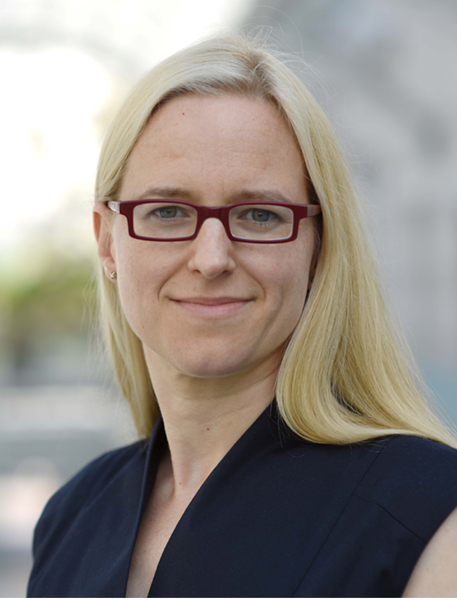
Professor David Sharp is a neurologist and Centre Director of the UK Dementia Research Institute Care Research & Technology Centre at Imperial College London. He holds academic appointments in the Department of Brain Sciences under the Faculty of Medicine. His research focuses on applying neurotechnology to improve dementia care and understanding cognitive impairments post-traumatic brain injury (TBI). Key roles include Scientific Director of the Imperial College Clinical Imaging Facility and Associate Director of the Imperial Centre for Injury Studies. Research interests span cognitive neuroscience, advanced neuroimaging, and personalized treatments for dementia and TBI. His work integrates clinical outcomes with technological innovations like remote monitoring systems and biomarker development. He leads multidisciplinary projects involving computational neuroimaging, neurodegeneration biomarkers, and athlete health studies. Affiliations include the Artificial Intelligence Network, Computational Cognitive & Clinical Neuroimaging Laboratory, and Neuromuscular Rehabilitation Technology Network. His recent articles emphasize TBI-dementia links, athlete neurology, and digital health solutions for dementia monitoring. He actively contributes to clinical trials and cohort studies analyzing long-term neurological outcomes in veterans and elite athletes.
Jordi Solà Soler is a Researcher at the Institute for Bioengineering of Catalonia (IBEC) , specializing in Biomedical Signal Processing and Interpretation . His work focuses on cardiorespiratory dynamics and sleep-related breathing disorders, particularly obstructive sleep apnea syndrome (OSAS). Research Areas : Biomedical signal processing, sleep apnea, respiratory analysis, ECG-derived respiration, cardiorespiratory synchronization, breath sound analysis Recent publications highlight his expertise in: Cardiorespiratory phase synchronization analysis ECG-derived respiration estimation methods Snore pattern classification for apnea screening Upper airway assessment through acoustic monitoring Geriatric breathing pattern variability studies Neurovascular hemodynamic responses in apnea patients Key methodologies include advanced signal processing algorithms, linear mixed-effects modeling, and multimodal sensor integration. Collaborations span sleep medicine, biomedical engineering, and clinical physiology domains. His work contributes to non-invasive diagnostic tools and understanding cardiorespiratory interactions during sleep-wake cycles.
Prof. Dr. Roland Langrock holds the Chair of Statistics and Data Analysis at the Faculty of Economics, University of Bielefeld . He is a spokesperson for the Center for Statistics and a subproject manager in the Transregio 212 NC³ collaboration. His research spans ecological statistics, sports analytics, and time series modeling. 2026–present: Principal investigator for "Data-based indication of fraud in live betting" (DFG) 2025–present: Subproject manager D06 in TRR 212 NC³ 2021–present: ERASMUS representative for Master of Statistical Sciences Research Interests: His work focuses on hidden Markov models for analyzing animal movement, sports performance, and commercial data. Key applications include marine predator behavior , football match dynamics , and fraud detection in betting . He develops flexible statistical frameworks for state-switching processes across domains. Scientific Awards: Multiple German Research Foundation grants (2017–2026) and participation in EU-funded projects. Notable publications in Journal of the Royal Statistical Society , Ecology Letters , and Science . Additional Roles: Member of the Bielefeld Graduate School in Theoretical Sciences, organizer of advanced statistical methods courses, and contributor to software packages like moveHMM . His collaborations extend to marine biology (blue whales), subterranean rodent studies, and retail demand forecasting.
Dr. Dag Aarsland is a prominent neurodegenerative disease researcher at Newcastle University, specializing in dementia with Lewy bodies (DLB), Alzheimer's disease, and Parkinson's-related cognitive impairment. As a key contributor to the DLB Consortium, he has shaped international diagnostic criteria through multiple consensus reports. His work bridges molecular mechanisms, clinical diagnostics, and therapeutic development. His research focuses on: Diagnostic criteria development for prodromal and mild cognitive impairment stages Sex-specific neurodegeneration patterns and biomarker validation Multimodal neuroimaging (EEG, MRI) and molecular pathway analysis Therapeutic target identification for amyloid-β and tau pathologies Analysis of his 2017-2025 publications reveals consistent leadership in DLB research, with increasing emphasis on multicenter validation studies (2025 EEG work), AI-driven diagnostics (2020 deep learning MRI), and sex-differentiated analysis (2024 brain atrophy study). His work demonstrates strong translational impact through DLB Consortium guidelines while maintaining rigorous basic science investigation. Dr. Aarsland maintains extensive national and international collaborations, particularly through the DLB Consortium, working with leading researchers including Professor Ian McKeith, Professor John-Paul Taylor, and Dr. Clive Ballard. His continuous publication record indicates active grant funding supporting multicenter clinical studies and translational research programs.
Associate Professor Jasneek Chawla is a Paediatric Respiratory and Sleep Medicine Specialist at Queensland Children's Hospital and Associate Professor at the Child Health Research Centre, University of Queensland. She leads the Kids Sleep Research group and serves as a Senior Principal Research Fellow (Secondment) at the Child Health Research Centre. Additionally, she is an Affiliate of the ARC Centre of Excellence for the Digital Child (UQ Node) and holds leadership positions including being the incoming president elect of the Australasian Sleep Association (commencing October 2024). Dr. Chawla completed her specialist training in Edinburgh, UK, followed by a Paediatric Sleep Medicine Fellowship at the Mater Children's Hospital in Brisbane. She earned her Doctoral (Research) of Medicine from The University of Queensland, with her PhD evaluating the impact of sleep interventions on outcomes in children with Down syndrome, completed in May 2023. Dr. Chawla's research focuses on pediatric sleep medicine with particular expertise in sleep issues affecting children with disabilities. Her work examines the relationship between sleep and long-term cognitive and behavioral outcomes in children, with special emphasis on children with neurodisability including Down syndrome. She has developed innovative approaches to sleep monitoring and evaluation for high-risk pediatric populations and has led the revision of important clinical guidelines including the TSANZ/ASA pediatric home ventilation guidelines and national consensus documents on oximetry use for pediatric sleep-disordered breathing. Her recent publications demonstrate a strong focus on translational sleep research, with particular attention to children with neurodevelopmental disorders, Down syndrome, and craniofacial abnormalities. Her work spans clinical studies, technological innovations in sleep monitoring, and investigations into the impact of sleep disorders on quality of life for both children and their caregivers. She has been instrumental in developing novel approaches to sleep assessment that are less invasive for children with special needs. Board Director and Education Chair for the Australasian Sleep Association Senior Editor for the Journal of Paediatrics and Child Health Associate Investigator on two ARC Centres for Research Excellence (Life Course Centre and Digital Child) Recipient of three fellowships during her PhD studies Dr. Chawla is actively involved in mentoring through the UQ Faculty of Medicine Women in Leadership Program, the Child Unlimited Youth Mentorship Program, and the UQ Clinician Researcher Development Program. She currently serves as Principal Advisor for PhD research on 'Early Sleep Interventions to Improve Outcomes in Children with Neurodisability' with Dr. Laetitia Coles and Professor Karen Thorpe as additional advisors. Her research has been supported by MRFF, NHMRC, philanthropic organizations including Down Syndrome Queensland and Down Syndrome Australia, and industry partners such as Fisher and Paykel and Sonomedical. She leads the Kids Sleep Research group at Child Health Research Centre, which conducts large-scale multi-centre research addressing sleep in children with neurodisability. Her team collaborates internationally and nationally to develop improved services for children with sleep disorders, particularly those with disabilities. The group has developed strong partnerships with community organizations to ensure research addresses real-world clinical needs.
Jean-Marie Aerts is a full professor and department chair at the Department of Biosystems within the Faculty of Bioscience Engineering at KU Leuven . He serves as chairman of the Leuven Center for Medical Technology and division head of Bio-Environmental Control and BioAsyst Division . Active member of multiple institutes including DigiSoc – KU Leuven Institute for Digital Society , iSi Health , and Leuven One Health . Head of M3-BIORES research group Chair of Departmental Council for Biosystems Researcher at Animal and Human Health Engineering division His research focuses on Human Health Engineering , with recent projects like WeCARE (wearable technology for childhood cancer care), StressTRACS (stress tracking with wearables), and Precision Biomanufacturing of Joint Implants . Publications span biomedical engineering, movement disorders, and sports performance optimization. Recent article trends show emphasis on machine learning for movement analysis , wearable sensor validation , and cross-sector health technology applications in Parkinson's disease, cerebral palsy, and athlete monitoring.
Dr. Pavlos Topalidis is a Greek cognitive neuroscientist and PhD candidate at the University of Salzburg's Centre for Cognitive Neuroscience (CCNS), working in the laboratory for Sleep and Consciousness Research under the supervision of Univ.-Prof. Dr. Manuel Schabus. Since October 2023, he has served as a Junior Lecturer at the University of Salzburg, teaching Human Cognition and Sleep at both Bachelor and Master's levels. His educational background includes: PhD student at University of Salzburg (since 2019), Centre for Cognitive Neuroscience MSc in Neuro-Cognitive Psychology from Ludwig-Maximilians-Universität Munich (2017-2019) BSc (Hons, first class) in Psychology from University of Aberdeen, UK (2012-2016) Research visit at Yale University (2022) Dr. Topalidis's research focuses on information processing during sleep, particularly predictive coding and statistical learning mechanisms. His work explores how the brain processes information across wakefulness and sleep states, with applications in sleep monitoring using wearable technology. He investigates oscillatory brain activity patterns and their relationship to cognitive functions, with additional interests in cultural variations in sleep patterns and insomnia treatments. His technical expertise spans multiple neuroimaging methods including EEG, MEG, fMRI, and actigraphy, with advanced programming skills in Matlab and R for data analysis. His scientific contributions have been recognized with multiple awards including a poster award at the Sleep, Cognition and Consciousness Winter Symposium (2023) and a project presentation award at the ESRS Sleep School (2021). His research has led to numerous publications focusing on sleep classification algorithms, cross-cultural sleep studies, and the application of physiological measures to understand mental states. February 2023: Poster award at Sleep, Cognition and Consciousness Winter Symposium November 2022: Salzburg University research stay funding at Yale University (1700€) October 2022: Shortlisted for best poster award at the 26th European Sleep Research Society Conference September 2021: ESRS 3rd Sleep School project presentation award October 2013: ERASMUS scholarship As a Junior Lecturer, Dr. Topalidis mentors undergraduate and graduate students in cognitive neuroscience and sleep research. His current projects involve developing low-cost sleep monitoring solutions using wearable technology and investigating predictive coding mechanisms during sleep. He has also completed specialized training in Cognitive Behavioral Therapy for Insomnia (2023) and Good Clinical Practice (2022). Dr. Topalidis is an active member of the Sleep and Consciousness Research laboratory at the Centre for Cognitive Neuroscience, collaborating with researchers across Europe. His work bridges basic cognitive neuroscience with clinical applications, particularly in developing accessible sleep monitoring tools and understanding sleep's role in cognitive processing and memory consolidation.
Yuta Senzai serves as an Assistant Professor in the Department of Neuroscience at Northwestern University's Feinberg School of Medicine, focusing on neural mechanisms of sleep and visual processing. His research bridges basic neuroscience with clinical implications for neurodevelopmental disorders. His educational background includes: MD from Kyoto University (2012) PhD from New York University (2018) Dr. Senzai's research explores how neural circuits generate cognitive processes during sleep, particularly REM sleep phenomena and sensorimotor integration in visual processing. His work employs advanced electrophysiological and behavioral techniques to investigate how the brain simulates actions during dreaming and how head movements modulate visual cortex activity. Affiliated with the Center for Autism and Neurodevelopment, his research has significant implications for understanding neurodevelopmental conditions. Analysis of his publication record reveals a cohesive trajectory examining neural dynamics across sleep-wake cycles, with increasing focus on cognitive aspects of REM sleep and naturalistic sensorimotor integration. His recent work demonstrates methodological sophistication in capturing neural activity during complex behaviors. No scientific awards are documented in the provided information. While specific advisees aren't listed, his position implies graduate student mentorship within Northwestern's neuroscience programs. Research is conducted through the Center for Autism and Neurodevelopment, providing access to interdisciplinary resources and clinical populations. His work likely involves collaborations with sleep medicine specialists and autism researchers, though specific grants aren't detailed in the profile.
Assoc. Prof. Dr. Hasan Polat serves as Associate Professor at Bingöl University's Technical Sciences Vocational School since 2020, following progression from Instructor (2019-2020) and prior Research Assistant position at Mus Alparslan University (2014-2019). His academic foundation includes PhD and Master's degrees in Electrical and Electronics Engineering from Dicle University, and a Licence from Süleyman Demirel University in Electronics and Communication Engineering. His research expertise spans biomedical signal processing and AI-driven environmental monitoring , with 4 journal publications (2016-2019) and 12 international conference presentations. Key contributions include deep learning frameworks for epilepsy detection from EEG signals and machine learning models for Salmonella prediction in agricultural waters, demonstrating significant interdisciplinary impact. Teaching responsibilities encompass Algorithm and Programming, Digital Electronics, Power Electronics, and circuit analysis courses. His publications reveal a methodological evolution from wavelet transforms and empirical mode decomposition toward advanced convolutional neural networks, with consistent focus on real-world biomedical and environmental applications. No scientific awards are documented in the provided materials. Current research activities appear sustained through academic appointments rather than specified grants, with teaching duties forming a core component of his institutional role. Collaborative work with international researchers like Michelle D. Danyluk indicates global engagement despite the absence of a formally named research laboratory.
Prof. Dr.-Ing. Andreas Wenzel is a Professor at Schmalkalden University of Applied Sciences in the Faculty of Electrical Engineering, specializing in Embedded Systems. His office is located in Building M, Room 0401, and he can be reached at +49 3683 688 5113. With a distinguished research career spanning over two decades, Prof. Wenzel has established himself as a leading expert in embedded diagnostic systems with applications across multiple domains including biomedical engineering, industrial automation, and assistive technologies. Prof. Wenzel's primary research interests focus on the development and application of embedded diagnostic systems, with particular emphasis on neural networks for pattern recognition, fuzzy logic systems for classification problems, and real-time monitoring solutions. His work bridges theoretical machine learning approaches with practical engineering applications, resulting in innovative solutions for quality control in manufacturing processes, medical diagnostics, and mobility assistance technologies. He has made significant contributions to EEG data analysis for sleep stage and anesthesia depth monitoring, as well as developing smart systems for injection molding quality assessment and advanced mobility solutions for elderly individuals. Analysis of Prof. Wenzel's publication record reveals a consistent research trajectory focused on applying computational intelligence to solve practical engineering problems. His work demonstrates exceptional versatility across domains while maintaining a cohesive research theme centered on embedded diagnostic systems. From 2012-2016, his research output shows increasing focus on real-time embedded solutions with industrial applications, particularly in manufacturing quality control and assistive technologies, while continuing his foundational work in biomedical signal processing. The interdisciplinary nature of his research is evident in collaborations with medical professionals, industrial partners, and robotics specialists. Prof. Wenzel leads the Embedded Diagnostic Systems Research Group at Schmalkalden University of Applied Sciences, which maintains strong industry partnerships, particularly in plastics manufacturing and medical technology sectors. His team develops practical embedded solutions that address real-world challenges in production quality monitoring, medical diagnostics, and mobility assistance. The research group's work is characterized by its practical orientation, with many projects resulting in deployable systems rather than purely theoretical contributions. Prof. Wenzel's strategic focus on applied research ensures that his work has direct industrial relevance and practical impact.
Prof Dr Agnes Flöel is a Professor at the University of Greifswald Medical School, where she leads research at the intersection of cognitive neuroscience, sleep physiology, and brain stimulation. Her work focuses on understanding neural mechanisms underlying memory formation and cognitive decline in aging, with particular emphasis on sleep-related processes and non-invasive brain stimulation techniques. Her research interests center on sleep physiology , cognitive neuroscience , and neurostimulation . Dr. Flöel investigates how slow oscillations, spindles, and delta waves interact during sleep to support memory consolidation, particularly in older adults and those with cognitive impairment. Her work extends to developing interventions combining cognitive training with transcranial direct current stimulation (tDCS) to enhance cognitive function in aging and early Alzheimer's disease. She also contributes to methodological advancements in sleep staging through deep learning approaches and addresses technical challenges in neuroimaging. Dr. Flöel's publication record demonstrates consistent productivity with multiple high-impact papers annually, primarily focused on sleep neuroscience, brain stimulation, and cognitive aging. Her work shows strong collaborative patterns with researchers across Germany, particularly within the SFB 1315 research consortium. Recent publications (2022-2024) increasingly incorporate computational approaches, deep learning, and multimodal neuroimaging to address fundamental questions about neural plasticity and memory. Her research has been supported through the Collaborative Research Center 1315 (SFB 1315) funded by the German Research Foundation, focusing on neuronal circuits in aging. Dr. Flöel serves as principal investigator for multiple clinical trials examining brain stimulation approaches for cognitive enhancement in older adults and those with mild cognitive impairment. Dr. Flöel leads a research group investigating sleep-brain interactions in aging, collaborating closely with computational neuroscientists, neurologists, and psychologists. Her team utilizes multimodal approaches including EEG, MRI, and behavioral assessments to understand neural mechanisms of cognitive decline and potential interventions.
Prof. Dr. Angela Kaindl is an active faculty member specializing in pediatric neurology and neurodevelopmental research, with a focus on epilepsy mechanisms, genetic disorders, and cognitive development. Her work bridges clinical neurology and basic neuroscience, particularly in understanding memory consolidation across developmental stages. Her research examines critical areas including: Epilepsy pathophysiology and precision medicine approaches (e.g., TRPM3-linked encephalopathy) Neurodevelopmental outcomes in congenital conditions (corpus callosum agenesis, microcephaly) Memory formation dynamics in typical/atypical development (preterm/term infants vs. adults) Genetic basis of brain malformations (MN1 truncation, DYNC1H1 disorders) Analysis of her recent publications reveals strong thematic focus on: pediatric epilepsy interventions, neuroanatomical correlates of memory, genetic determinants of brain development, and neurocognitive outcomes in congenital disorders. Her work employs diverse methodologies including neuroimaging, molecular genetics, and systematic clinical evaluations. No awards, students, or explicit affiliation details were documented in the source materials. Collaborative networks include multidisciplinary teams across neurology, genetics, and psychology research groups.
Dr Hema Chaplin serves as a Research Fellow within the School of Health & Society at the University of Salford, specializing in patient-centered health services research with emphasis on participatory methodologies. Her work bridges clinical practice and patient experience through rigorous mixed-methods approaches, particularly in rheumatology and chronic disease contexts. Her academic foundation includes an MSc (2016-2017) and PhD (2017-2023) from King's College London, where she investigated persistent symptoms in inflammatory arthritis. This training established her expertise in qualitative frameworks for understanding disease impact and treatment challenges. Chaplin's research program centers on Health Psychology, Rheumatology, and Patient Involvement, with strong focus on Patient-Centred Outcomes and Mixed Methods. She champions integrating public perspectives throughout research cycles—from design to implementation—with particular attention to vulnerable populations like South Asian communities affected by kidney disease. Her methodology prioritizes co-creation with patients to ensure research addresses real-world needs. Analysis of her 14 publications (2012-2025) reveals three dominant trajectories: refractory disease definition in inflammatory arthritis (2021-2025), pandemic impacts on arthritis patients (2020-2023), and self-management interventions across chronic conditions. Recent work increasingly incorporates digital health tools and multidisciplinary consensus-building, reflecting evolving methodological sophistication while maintaining patient experience at the core. No scientific awards were documented in the provided materials. Currently leading a mixed-methods evidence synthesis on early-stage Chronic Kidney Disease interventions at Salford, Chaplin leverages personal connection to this health disparity affecting South Asian populations. Her collaborative approach engages clinicians, researchers, and patient groups across publications, though formal student advisement isn't evidenced. Major projects demonstrate consistent NHS and arthritis charity partnerships. Operating within the School of Health & Society's research ecosystem, she contributes to the Centre for Applied Health Research through patient and public involvement frameworks. Her work frequently establishes community advisory boards and multidisciplinary stakeholder groups, though dedicated laboratory facilities aren't referenced.