Kelly Arnold is an Associate Professor in the Department of Biomedical Engineering at the University of Michigan. Her research integrates systems engineering principles with immunology to investigate variability in immune responses across infection, vaccination, and injury, with a focus on computational modeling and clinical translation. Research Focus Systems-level immune response modeling Vaccination and antibody functionality Vaginal microbiome-host interactions Chronic lung disease progression Computational serology and proteomics Recent Work Her 2025 studies examine SARS-CoV-2 vaccination responses in cancer patients and computational frameworks for vaginal probiotics. Earlier works (2024-2007) span COPD progression, lupus fibrosis, HIV susceptibility, and tissue engineering for fertility preservation. Methodologies include proteomic profiling, network modeling, and microfluidic systems.
Jan de Hoon serves as a full Professor at KU Leuven's Faculty of Medicine within the Department of Clinical Pharmacology and Pharmacotherapy. He holds dual leadership roles as Head of both the Subdivision and Division of Clinical Pharmacology, and is an active member of the Department of Pharmaceutical and Pharmacological Sciences. His institutional affiliations include membership on the Ethics Committee for Research at UZ/KU Leuven, the Council of the Faculty of Medicine, the POC Geneeskunde, and the Departmental Council. His research centers on TRP channel mechanisms in pain pathways and chemotherapy-induced peripheral neuropathy (CIPN), with significant translational focus from bench to bedside. Key projects include Targeting TRP channels to relief pain (2023-2027) and TRP - Tackling the Roots of Pain (2021-2025). His recent publications demonstrate expertise in neurovascular pharmacology, PET ligand development, and vascular biomarkers for TRP channel functionality. Analysis of his 2024-2025 publications reveals strong emphasis on TRP channel subtypes (TRPA1, TRPV1, TRPM3) in pain mechanisms, vascular readouts for drug effects, and translational models bridging preclinical findings to clinical applications in oncology and neurology. His work frequently employs human tissue studies, healthy volunteer trials, and cancer patient cohorts. As an academic leader, he supervises doctoral candidates including H. Marynissen (2024 thesis on TRP channels in CIPN) and contributes to medical education through courses in Pharmacology, Pharmaceutical Medicine, and Internal Medicine supplements. His research is supported by multiple active grants focusing on TRP channel therapeutics and biomarker development.
Pedro M. B. Silva Girão is a Full Professor in the Department of Electrical Engineering at Instituto Superior Técnico (IST), University of Lisbon (UL), and a Senior Researcher at Instituto de Telecomunicações where he heads the Instrumentation and Measurements Group and coordinates the Basic Sciences and Enabling Technologies area. His dual institutional roles position him at the forefront of academic research and technological innovation in Portugal. His research program focuses on instrumentation, transducers, and measurement techniques with specialized applications in biomedical and environmental domains. Key interests include wireless sensor networks for health monitoring, metrology standards, and digital data processing methodologies. This work bridges engineering principles with real-world healthcare and ecological challenges, emphasizing practical implementations in diagnostic systems and environmental sensing. Analysis of his 2019-2024 publications reveals a strong thematic trajectory in IoT-enabled healthcare solutions and precision environmental monitoring. Recurring motifs include gait rehabilitation through mixed reality systems, advanced dosimetry for liver cancer radioembolization, microvascular reactivity assessment, and water quality sensor networks. His output demonstrates consistent interdisciplinary collaboration between engineering, medical, and environmental science communities. Dr. Girão's scientific recognition includes: IEEE Senior Member status IEEE IMS Distinguished Lecturer appointment Honorary Chairmanship of IMEKO TC19—Environmental Measurements As leader of the Instrumentation and Measurements Group at Instituto de Telecomunicações, he directs a multidisciplinary team developing next-generation measurement systems. Current initiatives integrate microwave Doppler radar, wearable biopotential sensors, and wireless networks for unobtrusive health monitoring and environmental assessment, with active partnerships across medical institutions and ecological agencies.
Stéphane BORDAS is a Full Professor in Computational Mechanics at the University of Luxembourg's Faculty of Science, Technology and Medicine (FSTM), leading the Computational Mechanics (Legato) research group. His work focuses on free boundary problems, method development for complex geometries, and applications in fracture mechanics, biomechanics, and computational engineering. He previously held roles at Cardiff University and the Swiss Federal Institute of Technology in Lausanne (EPFL). His research integrates computational methods like XFEM, isogeometric analysis, and meshfree techniques to address challenges in engineering and medicine. Education: Ph.D. in Theoretical and Applied Mechanics, Northwestern University (2003) M.Sc. in Civil Engineering, École Spéciale des Travaux Publics and Northwestern University (1999) Research Interests: Computational Mechanics, Biomechanics, Finite Element Methods, Fracture Mechanics, High-Performance Computing, Isogeometric Analysis. Grants & Projects: ERC Starting Grant (RealTCut) for surgical simulation and material cutting FP7 ITN INSIST for meshless methods Labs/Teams: Computational Mechanics (Legato) Group at the University of Luxembourg. His work bridges academia and industry, with applications in aerospace, biomedical engineering, and materials science. He is active in open-source software development, including codes for XFEM, isogeometric analysis, and meshfree methods.
Emilia Borba Alves is an Assistant Professor at Lusófona University, School of Health Sciences and Technologies, where she has been teaching since 2014. She also serves as the Director of the Master in Clinical Nutrition program since 2023. She is affiliated with CBIOS, the Research Center in Biosciences and Technologies at Lusófona University, where she leads research on functional foods and human health. Her academic background spans engineering, nutrition, and management. Education: Ph.D. in Health Sciences (Nutrition), Universidad de Alcalá, Spain (2022) Postgraduate in Metabolic Diseases and Eating Behavior, Faculty of Medicine, University of Lisbon (2013) Degree in Nutrition Sciences, Atlantic University (2013) Post-graduation in Management, Nova School of Business and Economics (2003) Degree in Chemical Engineering, Instituto Superior Técnico, University of Lisbon (1992) Advanced Training: Clinical Trial Monitoring, Food Metabolites & Microbiota, Professional Update Course on Nutrition in Pregnancy Her research focuses on nutrition, functional foods, gut-skin axis, microbiota, and metabolic diseases , with a particular emphasis on kefir and probiotics . She investigates how fermented foods influence skin health, diabetes, and overall metabolic function. Her work bridges clinical nutrition, food science, and public health. The recent publications highlight a strong trend in fermented foods, gut-skin interactions, diabetes pathophysiology, and nutritional counseling . Many studies use human trials to assess kefir’s impact on skin hydration, atopic dermatitis, and microbial balance. Her work also extends to pharmacist roles in nutrition, teacher knowledge, and public health literacy, showing a multidisciplinary approach to improving nutritional outcomes. Scientific Awards: No awards explicitly mentioned in the text. She has advised or supervised students in the Bachelor and Master’s programs in Nutrition, Pharmaceutical Sciences, and Health Products. She has been involved in research grants through CBIOS, though specific grant names are not listed. Her leadership in the Master’s program indicates active academic mentorship and curriculum development. She is a member of CBIOS (Research Center in Biosciences and Technologies) at Lusófona University, where she conducts studies on the impact of functional foods on human health and disease. Her team likely includes researchers focused on food science, microbiology, and clinical nutrition, particularly in the area of fermented products and their systemic effects.
Luca Pollonini, Ph.D. , is an Associate Professor at the University of Houston within the Cullen College of Engineering , Department of Engineering Technology. He leads the Optical Bioimaging Lab , focusing on biomedical optics, cortical hemodynamics, and tissue oxygenation monitoring. His research spans wearable sensors, traumatic brain injury (TBI) studies, and early detection of pressure ulcers via diffuse optical imaging. Education: Ph.D. in Information Engineering, University of Brescia, Italy (2004) M.S. in Electrical Engineering, University of Brescia, Italy (2000) Dr. Pollonini's research integrates near-infrared spectroscopy (fNIRS) for real-time brain imaging and biomedical signal processing to detect physiological changes. His work on portable optical sensors includes applications for heart failure monitoring, astronaut fingertip injuries, and pressure ulcer prevention. Recent publications highlight his contributions to biomedical device design , TBI cortical connectivity , and cardiac rehabilitation technologies . Awards include the 2001 Best Science Thesis (Lombardy Institute), 2004 ARVO Best Poster , and 2014 Wolff Center Innovation Patent for skin-flap blood-flow monitoring. He serves as an Assistant Affiliate Member at the Houston Methodist Research Institute (since 2014) and mentors postdoctoral and graduate fellows in NSF-funded projects involving diffuse optical imaging and wearable sensor development.
Stephen Sau-Shing Cheung is a Professor in Kinesiology and Senior Research Fellow at Brock University. He leads the Environmental Ergonomics Lab (EEL), focusing on environmental stress impacts on human physiology and performance. His work spans fundamental research into physiological mechanisms and applied solutions for extreme settings, collaborating with military, firefighting, athletic, and industrial sectors. He holds academic appointments in the Faculty of Applied Health Sciences and has authored influential textbooks including Advanced Environmental Exercise Physiology and Cycling Science . Research interests include thermal stress responses, ergonomics in extreme environments, hydration strategies, and altitude physiology. His lab develops practical solutions such as survival models, protective clothing, and heat adaptation protocols. Publications highlight interdisciplinary work across physiology, sports science, and biomedical engineering. Notable contributions address sex differences in heat acclimation, pandemic-era physiology education, and vascular adaptations to exercise. His applied research bridges academic inquiry with real-world safety and performance improvements. Dr. Cheung is also a cycling enthusiast and sport science advocate, contributing to pezCyclingNews and collaborating with training software developers. His outreach emphasizes translating complex science into actionable insights for athletes and practitioners.
Ricardo Augusto Massarico Serafim is a Professor in the Department of Pharmaceutical Chemistry at IQS, University School of Engineering and Chemistry, Ramon Llull University in Barcelona, Spain. He serves as Principal Investigator for the Pharmaceutical Chemistry Research Group (Grup de Química Farmacèutica), leading a research project funded by Agència de Gestió d'Ajuts Universitaris i de Recerca (AGAUR) from January 2022 to June 2025. With an h-index of 10 and 564 citations across 26 research outputs, his work bridges medicinal chemistry and pharmaceutical sciences. Dr. Massarico Serafim's research focuses on developing novel therapeutic agents with particular emphasis on covalent inhibitors targeting USP7 and protein kinases, natural product-based dermatological applications, and treatments for Chagas disease. His fingerprint analysis reveals significant contributions to Protein Kinase research (91%), Cruzipain studies (66%), and investigations into natural compounds like Naringenin, Chlorogenic Acid, and their effects on Trypanosoma Cruzi. His work spans both fundamental biochemical mechanisms and applied pharmaceutical development. His recent publications demonstrate a strong trend toward covalent drug design, particularly for cancer targets like USP7 and protein kinases, while maintaining parallel research on natural flavonoids for topical applications. The 2024-2025 publications show increasing sophistication in molecular design, with multiple papers focusing on unconventional binding modes and scalable synthesis methods for covalent inhibitors. His research combines computational modeling, synthetic chemistry, and biological evaluation to develop targeted therapeutics. Among his notable scientific contributions are the development of covalent USP7 inhibitors with unconventional binding modes, scalable synthetic routes for specialized chemical probes, and comprehensive safety evaluations of natural polyphenols for topical use. His work on chlorogenic acid, apigenin, kaempferol, and naringenin has been particularly influential, with one 2024 paper accumulating 8 Scopus citations and significant social media attention. As Principal Investigator of the Pharmaceutical Chemistry Research Group, Dr. Massarico Serafim leads a multidisciplinary team of approximately 20 researchers including Borrell, Lloveras, Semino, and others. His research has received consistent funding support, with publication output showing steady growth from 1 paper in 2010 to 4 papers in 2025. His collaborations span multiple institutions, with recent external collaborations visible across various country territories as indicated in his research network map.
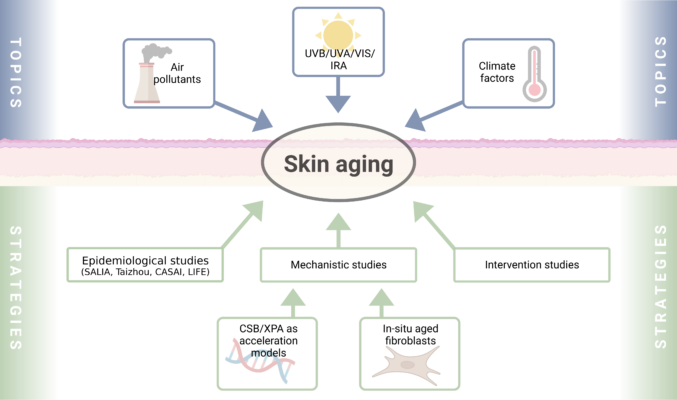
Prof. Dr. Jean Krutmann leads the Molecular Aging Research group at the Leibniz Research Institute for Environmental Medicine in Düsseldorf. His research focuses on environmentally-induced skin aging , DNA repair deficiency syndromes (Xeroderma pigmentosum, Cockayne syndrome), and air pollution effects on skin . Key projects include DFG FOR5489 exploring AHR-retinoid crosstalk and RTG 2624 developing biostatistical toxicology methods. Research Themes Mitochondrial DNA repair mechanisms Particulate matter dermatotoxicity Cutaneous exposome characterization 3D organoid modeling for UVB responses International environmental health collaborations (India, China) Key Discoveries ICAM-1 regulation in UV-damaged cells Ectoine-based lung disease prevention Near-infrared radiation's role in wrinkle formation Two microbiota cutotypes in Han Chinese AHR as UVB radiation target Collaborations Prof. Klaus Unfried (ectoine research) WG Esser, Schikowski, Schins International dermatology experts (Henry Lim, Akimichi Morita) Core Unit GEMD (iPSC organoids) Training & Leadership : Coordinates DFG research units FOR5489 and RTG 2624 . Supervises PhD student Jennifer Schindler and postdocs. Publications span J. Exp. Med , Nature Cell Biology , and Environmental International .
Rui Cao, PhD, is an Assistant Professor in the Department of Biomedical Engineering at Case Western Reserve University's Case School of Engineering and School of Medicine. He is also a member of the Cancer Imaging Program at the Case Comprehensive Cancer Center. His research focuses on advancing biomedical imaging techniques, particularly photoacoustic imaging, to enhance diagnostic accuracy and clinical outcomes. Key areas include neuroimaging, early cancer detection, intraoperative histology, and the development of tools like ultraviolet photoacoustic microscopy and photoacoustic computed tomography. Dr. Cao’s lab emphasizes interdisciplinary collaboration with medical professionals to translate imaging innovations into clinical practice. They prioritize applications such as label-free histology, non-invasive functional imaging, and real-time surgical diagnostics. The lab also serves as a training hub for future scientists and engineers, fostering expertise in biomedical imaging, machine learning, and optical technologies. Research Interests: Photoacoustic imaging, neuroimaging, cancer detection, intraoperative histology, optical/ultrasound technologies, machine learning integration. Lab Affiliation: Cao Biomedical Imaging Lab. Collaborative Focus: Clinical translation, medical device development, and interdisciplinary research. His work has resulted in impactful publications spanning photoacoustic tomography advancements, hemodynamic imaging, and quantum biology applications. Current efforts include exploring transcranial imaging improvements and the role of imaging in understanding cerebrovascular function. Awards and grants are not explicitly listed in the provided texts, but his active research portfolio indicates sustained funding and recognition in biomedical imaging fields.
Professor Michael Hickey is a leading academic in inflammatory disease research at Monash University, serving as Director of the Monash Centre for Inflammatory Diseases. He holds a B.Sc. (Hons) and PhD from the University of Melbourne, with postdoctoral training at the University of Calgary. His research focuses on imaging leukocyte behavior in inflamed tissues, particularly kidney and skin inflammation, using advanced microscopy techniques. Key research areas include leukocyte trafficking mechanisms, glomerular injury, and regulatory T cell dynamics. Supported by NHMRC Senior Research Fellowships (2008, 2013, 2018), his work is funded by NHMRC, NIH, Heart Foundation, and other grants. He leads multiple projects, including studies on brain-lung communication post-stroke and renal inflammation mechanisms. His lab investigates molecular pathways underlying inflammatory diseases, aiming to identify therapeutic targets. Professor Hickey accepts PhD students and collaborates internationally, contributing to UN Sustainable Development Goals related to health and well-being.
Maria Ewerlöf is a Senior Research Coordinator at Linköping University, affiliated with the Department of Health, Medicine and Caring Sciences (HMV) and the LiU Strategic Research Area of Circulation and Metabolism (CircM). She holds a PhD in Biomedical Engineering from Linköping University (2022). Her primary roles include supporting researchers through strategic initiatives, fostering collaborations, and organizing events such as the annual CircM retreat and Scientific Forum. She also serves on union-related committees, including Saco-S and Sveriges ingenjörer. Her research focuses on biomedical optics, particularly the development of multispectral imaging techniques to evaluate skin microcirculation and wound healing. This work involves applying artificial neural networks for real-time imaging of hemoglobin oxygen saturation. She has contributed to advancements in clinical diagnostics and biomedical engineering through her publications in journals such as Journal of Biomedical Optics . Her professional activities span administrative support, research coordination, and union representation within the academic community.
Professor Ariane Herrick is a Professor of Rheumatology at the University of Manchester, based in the Division of Musculoskeletal & Dermatological Sciences. She also serves as an Honorary Consultant Rheumatologist at Salford Royal NHS Foundation Trust. Her career spans over three decades with key appointments since 1993 (Consultant) and 2011 (Professor). Education: She earned her medical degree from the University of Aberdeen, followed by general medical training at Western Infirmary in Glasgow and specialized rheumatology training in Salford. Her professional memberships include the British Society for Rheumatology and the British Microcirculation Society. Research Interests: Her work focuses on systemic sclerosis-spectrum disorders and Raynaud’s phenomenon. She investigates vascular abnormalities using imaging techniques like nailfold capillaroscopy and explores novel treatments such as chelation therapies and low-level light therapy for calcinosis and digital ulcers. She leads clinical trials and collaborates with international groups like the SCTC and EUSTAR to advance diagnostic and therapeutic standards. Scientific Awards: A notable honor is her Fellowship of the Royal Society of Medicine (FRSM). Advising & Grants: As Principal Investigator, she oversees trials evaluating drug efficacy and imaging biomarkers. She has supervised 3 academic works, though specific student names are not disclosed. Her grants support innovations in microvascular assessment and patient-centered outcome measures. Labs/Teams: She collaborates with the UK Systemic Sclerosis Study Group, the Scleroderma Clinical Trials Consortium (SCTC), and the European Scleroderma Trials and Research Group (EUSTAR), contributing to large-scale observational studies like the European Scleroderma Observational Study (ESOS). Her research integrates clinical, imaging, and molecular approaches to address unmet needs in SSc management.
Dr. Raiyan T. Zaman is an Assistant Professor in the Department of Radiology at UT Southwestern Medical Center, where she leads innovative research in biomedical imaging for cardiovascular disease detection. Her work focuses on developing multi-mode hybrid imaging systems to overcome limitations of current clinical imaging technologies, with particular emphasis on early detection and characterization of thin-cap fibroatheroma (TCFA), the underlying cause of coronary artery disease. Dr. Zaman's research integrates optical, photoacoustic, ultrasound, and radioluminescence technologies to precisely locate TCFA and identify its compositions, aiming to better understand disease mechanisms and progression. Her work bridges engineering and medicine, developing novel molecular imaging methods to study coronary artery disease at the subcellular level and investigate the pharmacokinetics of TCFA. Her recent publications demonstrate a clear trajectory toward increasingly sophisticated imaging technologies, with a focus on dual-modality and hybrid systems that combine multiple imaging techniques to provide comprehensive views of atherosclerotic plaques. The research spans from fundamental optical properties to clinical applications, with particular emphasis on translating laboratory findings to in vivo models and eventually human applications. Dr. Zaman has received significant recognition for her work, including: Rising Star Award from WMIC (2020) Anne Klibanski Visiting Scholar Award from Massachusetts General Hospital (2020) Science Council Best Paper Award from AAPM (2019) Women in Molecular Imaging Network Scholar Award from WMIC (2018) Henry Wagner Jr. MD Best Abstract Award from SNMMI (2017) She has been exceptionally well-funded, securing competitive grants including two T32 training grants from Stanford University School of Medicine (2011-2013), an American Heart Association Fellowship (2013-2015), an NHLBI K99 grant (2015-2018), an NIH R56 grant (2020-2021), and her current NIH R00 grant (2019-2023). Notably, her early grant applications scored in the top 1%, demonstrating the high impact and innovation of her research. She also holds 4 US patents, one of which has been commercialized with another underway.
Sara Bergstrand is an Assistant Professor and Head of Unit at Linköping University's Department of Nursing and Reproductive Health (ORH), Faculty of Medicine. She directs the Graduate School of Close Care in the Southeastern Healthcare Region, focusing on interdisciplinary research at the interface of medical technology, translational medicine, and nursing science. Research spans microcirculation, optical measurement techniques, and translational applications Key projects: Early detection of pressure ulcers, hypertensive pregnancy complications, and SCAPIS Micro Teaching includes wound healing courses and supervision of nursing/medical students Her recent publications (2023-2025) analyze microcirculatory dysfunction in diabetes, pregnancy complications, and wound healing using optical spectroscopy. Awards include collective research funding from the Swedish Research Council (42.6M SEK for graduate school development). Collaborations span cardiovascular diabetology, biomedical optics, and clinical nursing implementation. Notable contributions include developing optical methods for tissue assessment and establishing translational frameworks between experimental research and clinical practice. Current initiatives focus on population-based microcirculatory risk profiling and multi-disciplinary healthcare optimization.