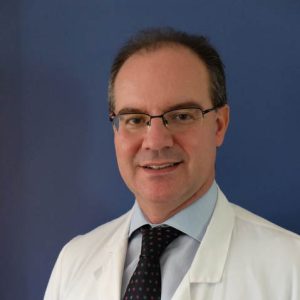
Leon H. Bruner is an Adjunct Professor at Michigan State University's Institute for Integrative Toxicology, specializing in regulatory and occupational food toxicology. He combines three decades of industry experience with academic roles. Education: B.S., DVM, and Ph.D. in Pharmacology from Michigan State University; Postdoctoral Fellow at University of Michigan His research focuses on developing and validating alternatives to animal testing , particularly the Draize eye irritation test , emphasizing in vitro toxicity assessment , product safety , and regulatory compliance . Key areas include ocular irritancy models , silicon microphysiometer applications , and international validation studies . Key trends in publications (1983-2002) span ocular safety , in vitro methodology , and regulatory toxicology , with collaborations across institutions like COLIPA, EC/HO, and ECVAM. His work bridges industrial standards with academic research. He has contributed to international validation frameworks and toxicity testing guidelines , though no specific awards are listed. Current roles involve applied consumer product safety research and education policy at the Institute for Integrative Toxicology.
Rico Del Sesto is a Professor of Chemistry at Utah Tech University, where he has been a faculty member since 2012. He previously served as Department Chair of Physical Sciences (2017-2021) and Director of the Research Office (2014-2022). Currently, he directs the Center for Climate Resilience and Sustainability. His career includes significant research positions at Los Alamos National Laboratory (2004-2012) and a National Research Council Postdoctoral Fellowship at the US Air Force Academy (2002-2004). Dr. Del Sesto received his education from prestigious institutions: Ph.D. in Organic Chemistry, University of Utah, 2002 B.A. in Chemistry, Colby College, Waterville, ME, 1997 His research interests span multiple interdisciplinary fields with a focus on materials chemistry. Dr. Del Sesto leads the Functional Materials Laboratory, which develops new materials with functional properties including optical, magnetic, electronic, and mechanical characteristics through strategic molecular design. His work bridges organic chemistry with applications in materials science, biology, inorganic chemistry, and physics. Current research projects address critical challenges in materials science, energy, national security, and climate resilience through collaborations with the Departments of Energy, Defense, Homeland Security, and the Intelligence Community. Analysis of his recent publications reveals a consistent research trajectory focused on ionic liquids and their diverse applications. His work spans from fundamental chemical properties to practical implementations in biomedical, security, and energy contexts. A notable trend is the evolution from basic ionic liquid chemistry toward increasingly sophisticated applications in drug delivery, antimicrobial technologies, and advanced materials for energy storage. Dr. Del Sesto has received significant recognition for his work, including: National Academies of Science Postdoctoral Fellowship Multiple patents with practical applications Front cover features for several publications Highlighting in Nature and Scientific American for groundbreaking research 'top 25' most cited in Journal of Organometallic Chemistry As an educator and mentor, Dr. Del Sesto has secured over $8 million in research funding as Principal Investigator for more than 15 programs from DOE, DOD, and DHS. He teaches a comprehensive range of courses from introductory organic chemistry to advanced materials chemistry. Drawing from his own experience as a first-generation, underrepresented undergraduate student, he actively encourages diversity in STEM research participation. His educational philosophy emphasizes connecting chemistry to real-world applications and the broader context of students' lives. Dr. Del Sesto contributes to scientific community engagement through regional Science Café events and his leadership in the Center for Climate Resilience and Sustainability, demonstrating commitment to both fundamental research and practical societal impact.
Antonio Costanzo is Full Professor of Dermatology at Humanitas University, Director of the School of Specialization in Dermatology, and Director of the Skin Pathology Laboratory. He also serves as Head of the Dermatology Clinical Unit at Humanitas Research Hospital and Board Member of the European Dermatology Forum. His academic credentials include: MD in Medicine and Surgery from University of Rome, La Sapienza (1994) Specialization in Internal Medicine (1999) Specialization in Dermatology (2006) Professor Costanzo's research integrates clinical investigations of biologic drugs in psoriasis and atopic dermatitis with basic science explorations of pathogenic mechanisms including TNF signaling, NF-kappaB regulation, and IL-21-mediated keratinocyte proliferation. Current projects feature epigenetic mapping of keratinocytes in atopic dermatitis (IMMUNIVERSE project), development of genetic markers for biologic response prediction , and optoacoustic imaging innovation through the EU-funded WINTHER project. His extensive publication record demonstrates consistent focus on real-world evidence for biologics and JAK inhibitors across immune-mediated skin diseases, with recent studies analyzing drug effectiveness, safety profiles, and personalized treatment strategies for diverse patient subgroups including elderly populations and those with comorbidities. As leader of the Skin Pathology Lab and Costanzo Group, he oversees molecular research on immune-mediated cutaneous diseases using epigenetic analysis and gene regulation techniques, with active staff scientists contributing to enhancer mapping in keratinocytes and inflammatory microenvironments.
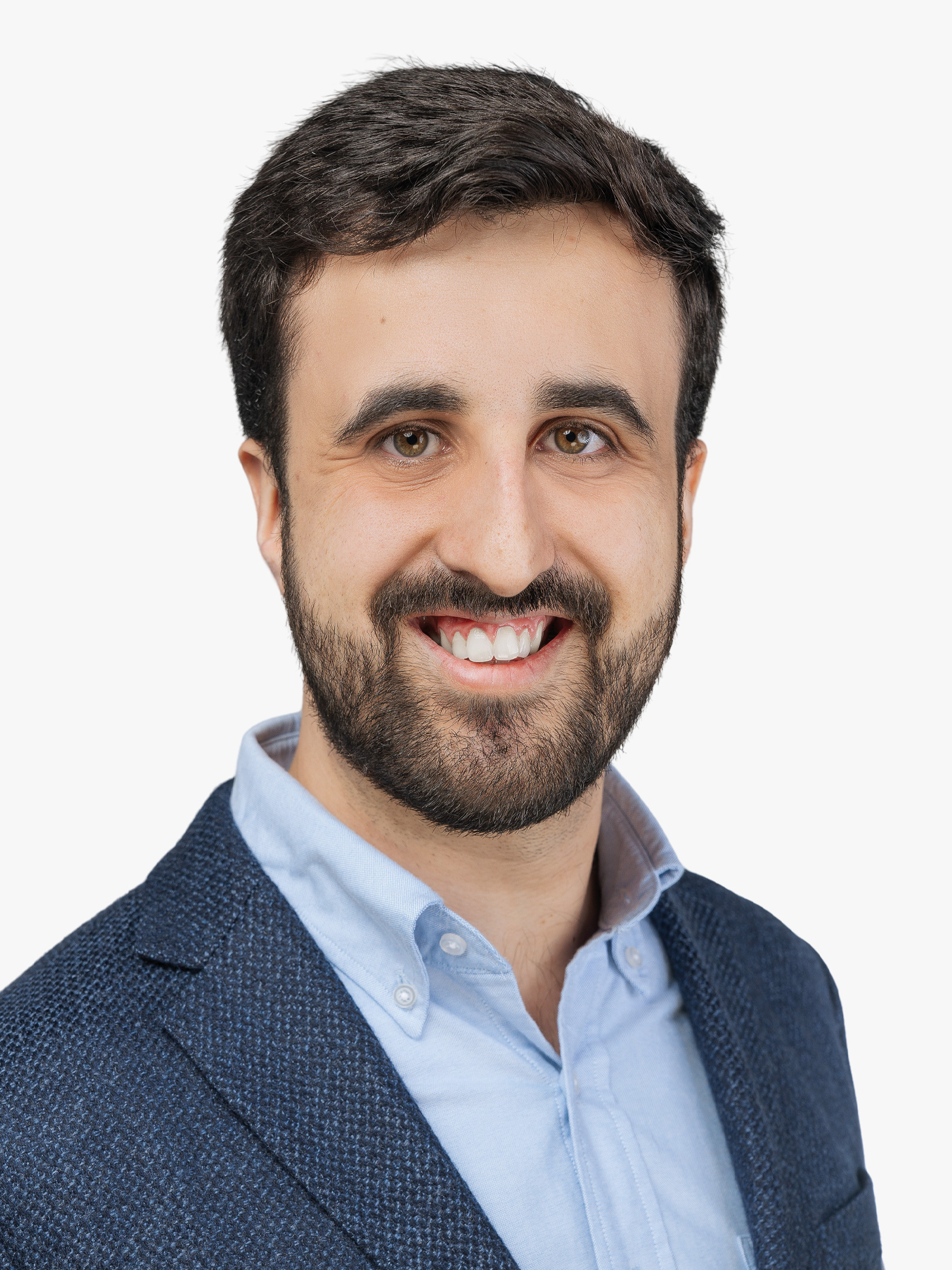
Alvaro Gonzalez-Jimenez is a Post-Doc Researcher at University Hospital of Basel and a Research Associate at the Applied Artificial Intelligence (AAI) Research Lab at Lucerne University of Applied Sciences and Arts (HSLU). He completed his PhD in Biomedical Engineering at the University of Basel in 2025 with Summa Cum Laude distinction. His academic journey includes a Master's degree in Computer Science from Grenoble Institute of Technology and a Bachelor's degree from the University of Sevilla. His educational background includes: 2021-2025: PhD in Biomedical Engineering, University of Basel ("Learning Dermatology with Noisy and Limited Data") 2019-2020: MSc in Computer Science, Grenoble Institute of Technology 2014-2015: BSc in Computer Science, Budapest University of Technology and Economics (ERASMUS) 2013-2018: BSc in Computer Science, University of Sevilla Gonzalez-Jimenez's research focuses on the intersection of machine learning and dermatology, with particular emphasis on developing methods that can learn effectively from noisy and limited medical data. His work spans several key areas including: Robustness in AI systems for medical applications Hyperbolic geometry for medical anomaly detection Medical image segmentation with noisy labels Dermatology-focused AI applications His recent publications demonstrate a strong trend toward addressing critical challenges in medical AI, particularly in dermatology. His work frequently explores innovative approaches to handle limited and noisy data in medical contexts, with a growing emphasis on geometric deep learning and robust optimization techniques. His research has significant implications for making AI-assisted dermatological diagnosis more accessible and reliable, especially in resource-limited settings. His scientific achievements include: Best Paper Award at MICCAI 2023 Early Acceptance (Top 9%) at MICCAI 2025 for "Is Hyperbolic Space All You Need for Medical Anomaly Detection?" Early Acceptance (Top 11%) at MICCAI 2024 for "PASSION for Dermatology" Gonzalez-Jimenez is actively involved in several research projects including PASSION (focusing on dermatology in Sub-Saharan Africa), SelfClean (for data cleaning), and T-Loss (for robust medical image segmentation). He co-organizes the first Hyperbolic Learning for Medical Imaging (HyperMI) tutorial at MICCAI 2025, reflecting his leadership in emerging AI methodologies for medical applications.
Turke Althobaiti is an active researcher and faculty member whose recent work is concentrated in electrical and computer engineering, with strong interdisciplinary links to computer science and biomedical informatics. Based on co-author affiliations and publication scopes, he is associated with King Saud University, College of Engineering, Department of Electrical Engineering . Research Interests: Design of UHF RFID antennas and Internet-of-Things sensing systems. Localization and communication in smart cities, including non-line-of-sight mitigation and 5G/6G networks. Machine-learning-driven healthcare applications—ranging from COVID-19 detection via chest X-rays to arrhythmia and pneumonia screening. Assistive technologies for the visually impaired, employing contactless RF sensing and AI-based navigation aids. Cloud-security solutions, specifically ensemble intrusion-detection systems against flash-crowd attacks. Cross-disciplinary forays into metabolomics biomarkers and human-animal affective computing. Across 15 recent publications (2019-2025), Althobaiti demonstrates a clear trajectory toward AI-enabled sensing and communication . Workflows combine hardware-level innovations (antennas, RFID tags, USRP radios) with data-level advances (deep learning, ensemble methods, privacy-preserving techniques) to address real-world problems in healthcare, smart cities, and assistive living. Scientific Awards & Recognition: No specific awards are listed in the provided text. Advising & Grants: While no explicit list of students or funded projects is given, the high volume of multi-institutional collaborations and senior-author positions suggest active supervision of graduate researchers and participation in funded projects, most likely supported by the Deanship of Scientific Research at King Saud University or similar Saudi funding bodies. Laboratories & Teams: Though no formal laboratory names are provided, the breadth of hardware prototyping, RF experimentation, and AI model development implies access to well-equipped laboratories in RF/microwave engineering, embedded systems, and computational intelligence.
Dr. Jennifer Palmer is an Associate Professor in the Department of Global Health and Development at the London School of Hygiene & Tropical Medicine (LSHTM). She is affiliated with the Faculty of Public Health and Policy and is a founding director of LSHTM's Health in Humanitarian Crises Centre. She holds a PhD and MSc in Control of Infectious Diseases from LSHTM, and a BSc in Microbiology & Immunology from McGill University. Her research focuses on health programming in humanitarian crises across East, Central, and West Africa, particularly South Sudan and Uganda. Her research spans infectious disease control (especially cutaneous leishmaniasis, Buruli ulcer, leprosy, and human African trypanosomiasis), refugee health, gender-based violence, mortality estimation in crises, and social dimensions of epidemic response. She leads key initiatives including the Social Science in Humanitarian Action Platform and the Skin Health African Research Programme. Palmer's publications demonstrate a strong focus on humanitarian health systems, social science applications in crises, and neglected tropical diseases. Her recent work addresses health governance in conflict zones, refugee health worker integration, skin NTD interventions, GBV coordination, and community-based surveillance systems. She teaches extensively on the MSc Control of Infectious Diseases program and modules covering conflict and health, humanitarian program management, and neglected tropical diseases. Dr. Palmer supervises doctoral research on humanitarian coordination, epidemic decision-making, and health worker roles in crisis settings.
Prof. Dr. Michael Werner Sereda is a Tenured Professor of Neurology at the University of Göttingen Medical Center (UMG) and Group Leader of the Translational Neurogenetics research group at the Max Planck Institute for Multidisciplinary Sciences (MPI-NAT). His roles include leading the Neurogenetics Outpatient Clinic at UMG and coordinating national/international initiatives like CMT-NET and CMT-MODs. His research focuses on glial cell biology, axon-glia interactions, and peripheral nervous system disorders, particularly Charcot-Marie-Tooth disease type 1A (CMT1A). Key projects include developing biomarkers for disease severity and evaluating therapeutic strategies using rodent models. Research interests emphasize translational approaches, bridging basic science with clinical applications. His team has created a CMT1A transgenic rat model and identified skin-derived biomarkers now being extended to blood-based diagnostics. Collaborations like the BMBF-funded CMT-NET network aim to accelerate clinical trials for early-stage patients. Recent studies explore lipid metabolism modulation, neuregulin signaling, and ketogenic diet effects on neurodegenerative mechanisms. Prof. Sereda’s work includes over 1500 CMT patient data contributions through CMT-NET and ongoing clinical trials. His group’s biomarker studies, combined with preclinical drug testing (e.g., PXT3003), highlight the Göttingen Campus’s role as a hub for hereditary neuropathy research. Future efforts focus on pediatric CMT1A biomarkers and FDA-approved preclinical trial pathways.
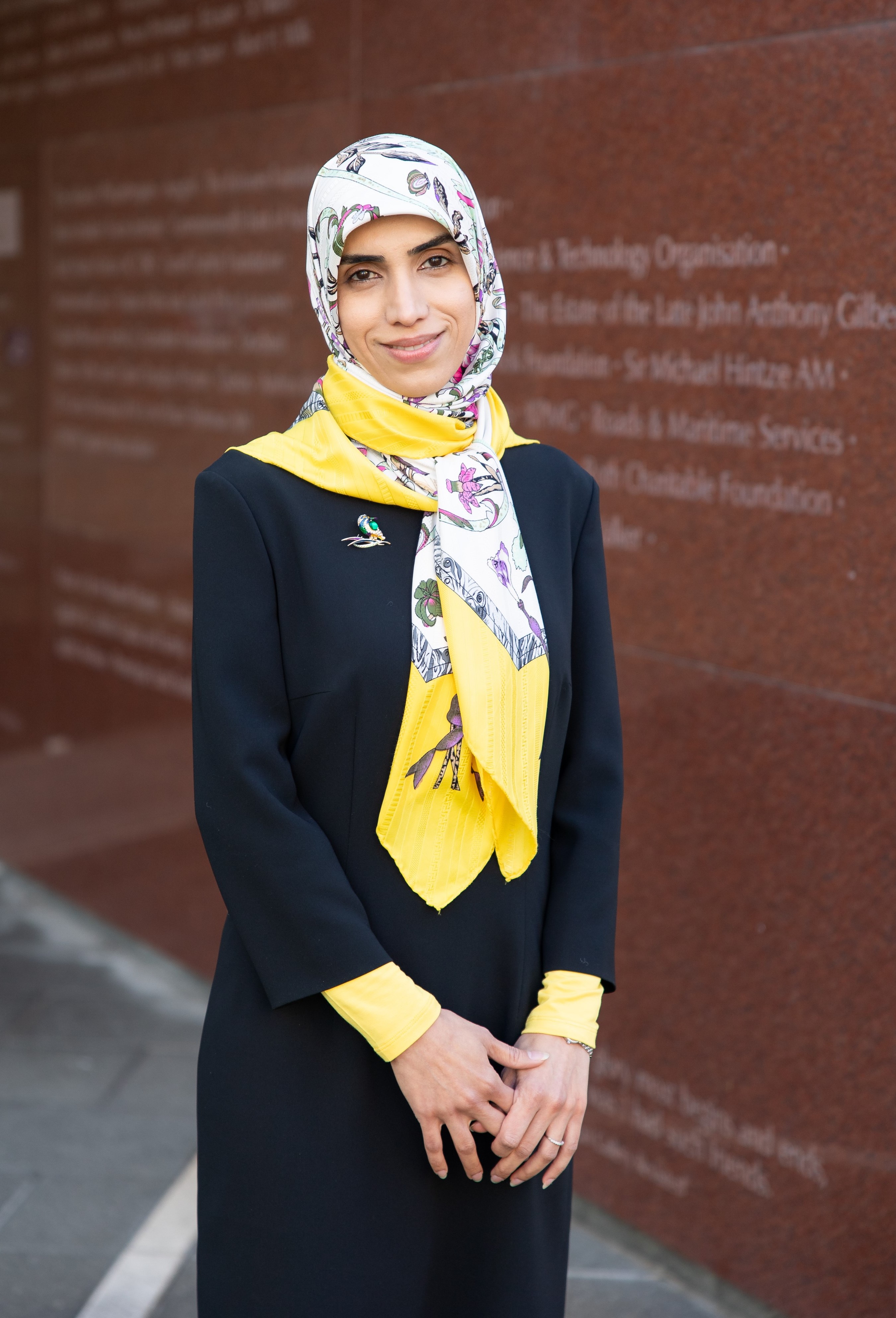
Associate Professor Fatemeh Vafaee is a leading researcher at the University of New South Wales (UNSW) , holding appointments as Associate Professor in the School of Biotechnology and Biomolecular Sciences (BABS) and Deputy Director (Science) of the UNSW AI Institute . She previously served as Deputy Director of the UNSW Data Science Hub (uDASH) and has held academic positions at the University of Toronto and the University of Sydney. PhD in Artificial Intelligence from University of Illinois at Chicago Postdoctoral Fellowships at University of Toronto and University of Sydney Founded the AI-Enhanced Biomedicine Laboratory in 2017 Her research focuses on deploying advanced AI techniques to address biomedical challenges through: Biomarker Discovery for cancer and neurodegenerative diseases Single-Cell Multi-Omics data integration and analysis Computational Drug Repositioning and network pharmacology Multi-Omics Data Fusion and temporal network modeling Recent publications demonstrate expertise in liquid biopsy development , single-cell imaging , and AI-driven cancer diagnostics . Her methodological contributions include novel deep learning architectures for omics data analysis and graph neural networks for drug synergy prediction. Scientific accolades include: Winner, Women in AI Asia-Pacific Health Award (2023) Runner-Up, WAI-APAC Innovator of the Year (2023) Top 10 Women in AI in Asia-Pacific (2023) Australian Bioinformatics and Computational Biology Society Research Excellence Award (2023) She supervises PhD candidates across computational biomedicine and AI in healthcare , with significant grant achievements exceeding $17M in competitive funding, including schemes from ARC Discovery , NHMRC , and Medical Research Future Fund .
Simone Lionetti is a Lecturer and Co-Head (acting) of the Applied AI Research Lab at the Lucerne School of Computer Science and Information Technology, Lucerne University of Applied Sciences and Arts. His academic journey includes a Ph.D. in Physics from ETH Zürich (2018), a Master's in Physics from Università degli Studi di Milano (2013), and a Bachelor's in Physics from the same institution (2010). He has held postdoctoral and research roles at institutions such as Durham University and ETH Zürich. His research focuses on AI applications in healthcare, including medical anomaly detection, dermatology, and bioaerosol monitoring. He also explores theoretical particle physics and software engineering for scientific computing. Key competencies include data analysis, algorithm design, and self-supervised learning techniques. Recent work emphasizes robust AI systems for medical imaging, data quality audits, and scalable foundation models. His projects bridge technical innovation with societal needs, such as addressing diversity gaps in dermatological AI and improving real-time environmental monitoring. He has contributed to over 20 peer-reviewed articles and holds two notable awards/honors (specific details not disclosed in text). His work integrates cross-disciplinary approaches, combining theoretical physics insights with practical AI solutions for healthcare and environmental challenges.
Dr. Phil Bell is an Associate Professor in Earth Sciences (Palaeontology) at the School of Environmental and Rural Science, University of New England, where he leads the Dino Lab within the Palaeoscience Research Centre. His fieldwork focuses on Cretaceous ecosystems in Canada, Mongolia, and Australia. Qualifications: PhD - University of Alberta BSc (First Class Honours) - Macquarie University Research examines dinosaur evolution, behavior through skin impressions, and Cretaceous paleoecology. Specific interests include dinosaur thermoregulation evidenced by skin morphology, trackway analysis, and taphonomic studies of bonebeds. Australian research concentrates on Lightning Ridge fossil sites. Teaching coordinates geoscience units including: Introductory Palaeontology; Dinosaurs!; Vertebrate Palaeontology; and Applied Geoscience. Recent publications demonstrate expertise in vertebrate ichnology, exceptional soft-tissue preservation, and high-latitude dinosaur faunas. Studies frequently integrate histological analysis and 3D preservation techniques to reconstruct paleobiology.
Paul Kempen is an Associate Professor at the Technical University of Denmark (DTU), affiliated with the Department of Health Technology and the National Centre for Nano Fabrication and Characterization. His research focuses on nanotechnology applications in drug delivery, biomedical engineering, and materials science, with a particular emphasis on liposomes, gold nanoparticles, and nanozymes. He supervises multiple PhD students and has contributed over 60 peer-reviewed publications. His research interests span the development of nanocarriers for targeted drug delivery, characterization of biomaterials, and the design of sustainable nanotechnologies. Collaborations include studies on phycosphere microbiomes, ammonia electrosynthesis, and MRI tattoo interactions. He leads projects such as 'R2R ProBac' and 'Nanofluidic Electron Diffraction,' exploring biofilm formation and advanced microscopy techniques. Key achievements include the creation of cost-effective wound dressings using nanogels and advancements in mRNA lipid nanoparticle delivery via gastrointestinal devices. His work aligns with UN Sustainable Development Goals, particularly in affordable and clean energy and good health and well-being. Paul advises PhD students in nanofluidics, polymer surface engineering, and electron microscopy applications. His lab, Nanolab , specializes in nanocharacterization and fabrication. Future directions include expanding nanomedicine applications and sustainable nanomaterials.
Aakash Bansal is a Lecturer in Applied Electromagnetics and a Royal Academy of Engineering UK Intelligence Community Research Fellow at Loughborough University. He holds a PhD in Electronics, Electrical and Systems Engineering from Loughborough University (2022) and a BTech in Electronics and Communication Engineering from Guru Gobind Singh Indraprastha University, India (2017). His research focuses on smart antenna systems, metamaterials, millimeter-wave communications, and RF design, with applications in 5G/6G networks, satellite communications, and beam-steering systems. He leads research projects, supervises students, and collaborates internationally. Key roles include Co-Lead of the UK Metamaterials Network+ Active Metamaterials SIG and Guest Editor for journals. Awards include the Royal Academy of Engineering Fellowship (2023), Loughborough University’s Doctoral President’s Award (2022), and Electronics Weekly BrightSparks Award (2020). Research interests span antenna design (e.g., leaky-wave, holographic metasurfaces), beamforming technologies, and RF lens fabrication. Recent work includes developing CubeSat beam-steering antennas and consulting on industrial projects. He actively promotes STEM education through workshops and coding clubs. Key Projects: Active mmWave Antenna Arrays for 5G, CubeSat Antennas, OneWeb Satellite Handover Systems Lab Facilities: Wireless Communications Research Group at Loughborough Grants: Royal Academy of Engineering Fellowship, multiple industry collaborations Publications cover cutting-edge topics like morphing metasurfaces, holographic beamforming, and 3D-printed antennas. He is a sought-after collaborator for antenna design and RF innovation.
Professor Jonathan Morrison is a Professor of Experimental Fluid Mechanics at the Department of Aeronautics, Imperial College London. He holds a PhD from the University of Durham and joined Imperial College in 1991. His research focuses on turbulent flow instabilities, drag reduction in fluid systems, and interdisciplinary applications of fluid mechanics with smart materials and control theory. He leads the UK National Wind Tunnel Facility (NWTF), a network of 22 wind tunnels across UK universities, supported by £36.3m in funding from EPSRC and UKRI. Key affiliations include Energy Futures Lab, Flow Control Group, and the Royal Society Industry Fellowship (2023–2027). He is a Fellow of the Royal Academy of Engineering and Royal Aeronautical Society. His work bridges mechanical engineering, aerospace engineering, and applied mathematics, addressing challenges in energy efficiency and transport sector emissions. Notable achievements include developing adaptive surface structures for boundary layer control, collaborating with QinetiQ on airframe drag reduction, and exhibiting at the Royal Society Summer Exhibition (2014). His experimental studies on turbulent wakes, bluff body dynamics, and boundary layer transition have advanced fundamental and applied fluid mechanics. Scientific Awards Fellow of the Royal Academy of Engineering (FREng) Royal Society Industry Fellow (2023–2027) Fellow of the Royal Aeronautical Society Grants & Collaboration £13.3m EPSRC/Aerospace Technology Institute grant (2014) for NWTF establishment £23m UKRI funding (2023) for expanding NWTF facilities Industry collaboration with QinetiQ on drag reduction for airframe design Labs & Teams Flow Control Group at Imperial College (www3.imperial.ac.uk/aeflowcontrol) focuses on experimental and numerical studies of turbulent flows. The NWTF network enables large-scale aerodynamic testing for academia and industry partnerships.
Deborah Power is a Professor and Researcher at the University of Algarve's Comparative Endocrinology and Integrative Biology department, based at CCMAR in Faro. Her work focuses on marine organism physiology, environmental impacts on aquatic life, and aquaculture sustainability. She leads projects addressing microplastic pollution, fish immunology, and climate change effects on marine species. Notable contributions include studies on metamorphosis in flatfish, shell growth mechanisms in bivalves, and pollutant impacts on fish health. Awards include membership in the Real Academia de Ciencias y Artes de Barcelona. Research interests span marine biology, biomineralization, and eco-toxicology. She coordinates EU projects like SeaCLEAN and MicroWaste, advancing marine conservation through interdisciplinary approaches. Recent publications emphasize microplastic mitigation strategies, fish immune system development, and ocean acidification effects on molluscs.
Professor Sam Chamberlain is a psychiatrist at the University of Southampton , with expertise in impulsive/compulsive disorders and university student mental health. He serves as Service Director of the Southern Gambling Treatment Clinic and Head of Academic Psychiatry (2024-). PhD in Psychiatry (Wellcome Trust Funded) MB/PhD Programme graduate (University of Cambridge) Honorary Consultant Psychiatrist at Hampshire and Isle of Wight Healthcare NHS Foundation Trust Leadership roles in Applied Research Collaboration (ARC) Wessex Mental Health Research Hub Research focuses on translational methodologies for understanding and treating: Gambling disorder Trichotillomania (hair pulling) Skin picking/excoriation disorder Compulsive sexual behavior ADHD Recent publications explore neurocognitive predictors of addictive behaviors, treatment optimization for gambling disorder, and digital mental health interventions. Current projects include digital innovations for gambling disorder, problematic internet use research, and longitudinal student mental health studies. Supervision includes PhD candidate Christopher Lawrence in Clinical Neurosciences.