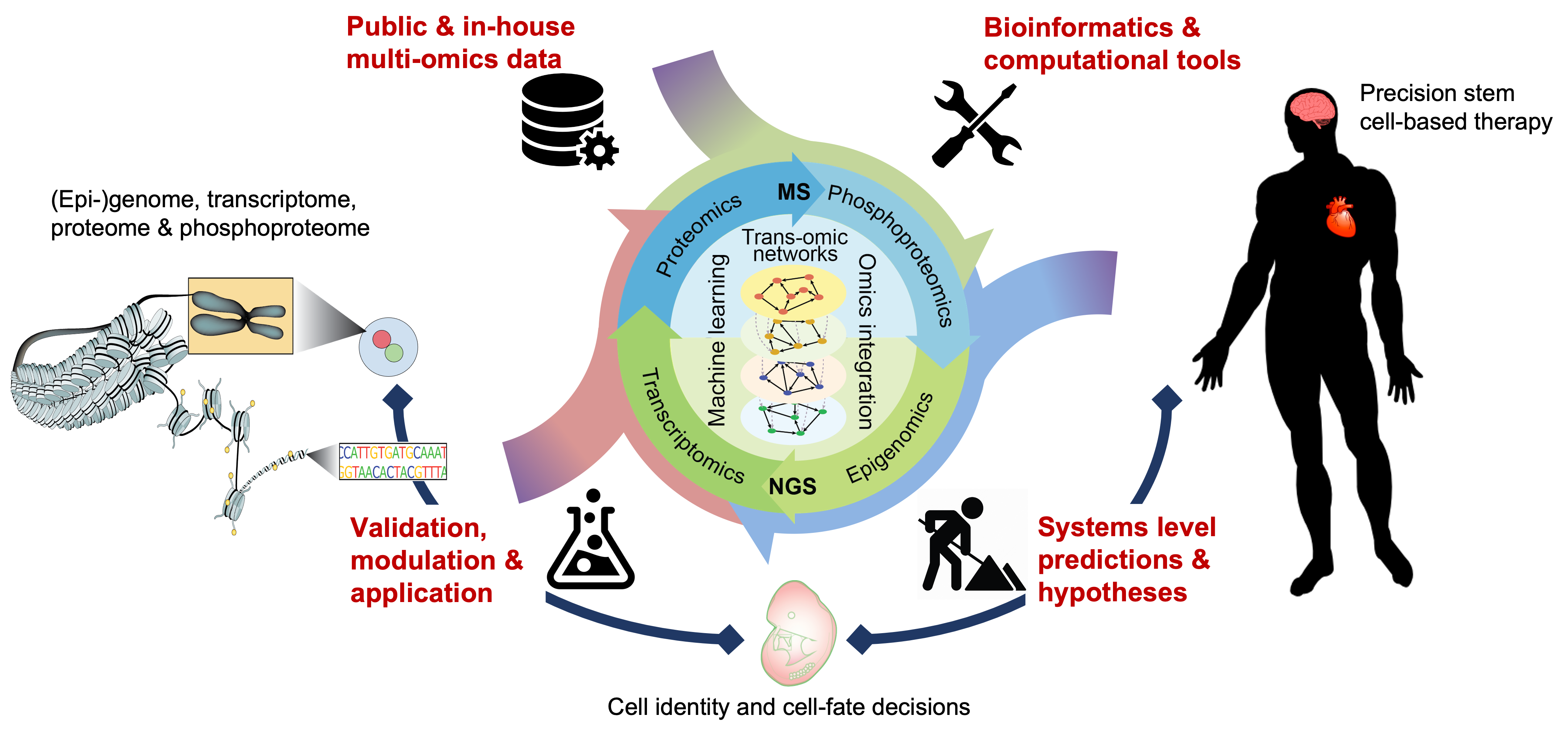
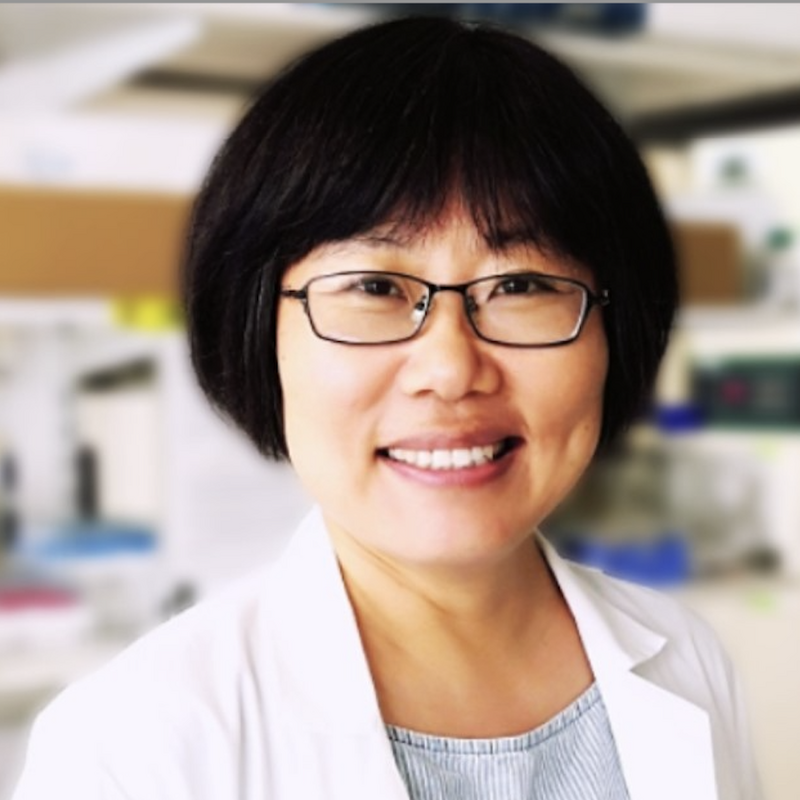
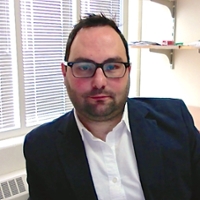
Pengyi Yang is an Associate Professor and University of Sydney Robinson Fellow at the School of Mathematics & Statistics, University of Sydney. He leads the Computational Systems Biology group at the Charles Perkins Centre and holds a conjoint appointment as Unit Head of Computational Systems Biology at the Children's Medical Research Institute (CMRI). His research focuses on computational approaches to understand trans-regulatory networks in stem cells and their applications in regenerative medicine. Yang holds a Ph.D. and has been recognized with awards such as the National Stem Cell Foundation Metcalf Prize (2021). His research spans computational systems biology, machine learning for bioinformatics, and spatial/single-cell omics analysis. Key projects include modeling pluripotency transitions, developing stem cell-derived organoids, and creating computational tools for phosphoproteomics and multi-omics integration. Collaborations include international initiatives like the Laboratory of Data Discovery for Health (InnoHK). Yang advises multiple PhD students and leads grants on topics like stem cell-derived brain organoids and embryonic development modeling. His lab develops tools like Cepo, PhosR, and CiteFuse for omics data analysis. He teaches data science and molecular systems biology at the University of Sydney.
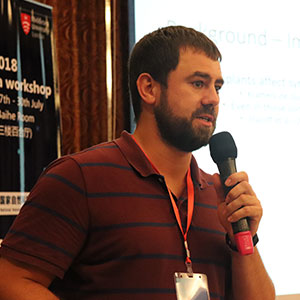
Dr Stuart Miller is an Associate Professor (Reader) in Human Biomechanics and Academic Lead for Equality, Diversity, and Inclusion (EDI) at Queen Mary University of London's William Harvey Research Institute, Faculty of Medicine and Dentistry. He leads the Sports and Exercise Medicine Centre, managing the Human Performance Lab and teaching biomechanics, research methods, and rehabilitation modules. His academic background includes a BSc from Bath University and a PhD from Brunel University focusing on EMG-driven modeling of tibialis anterior force. He is a Fellow of the Higher Education Academy since 2012. Research focuses on neuromuscular and biomechanical aspects of human movement, particularly in populations with musculoskeletal injuries/diseases like tendinopathy, knee injuries, and post-traumatic osteoarthritis. He collaborates with internal researchers (Dr Ildar Farkhatdinov, Prof Francesco Dell'Accio) and external experts (Prof Anthony Blazevich). His work integrates clinical biomechanics, sports science, and statistical analysis to improve diagnostic frameworks and rehabilitation strategies. Teaching includes coordinating the Medical pathway for MSc Sport and Exercise Medicine and leading modules on Biomechanics and Rehabilitation (iBSc), Research Methods, and Research Projects (MSc). His applied research bridges theory and practice, addressing real-world sports medicine challenges through innovative technologies like robotic balance augmentation and advanced kinematic analysis.
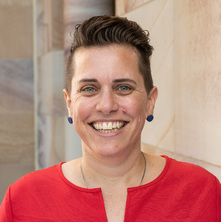
Professor Kylie Tucker is a distinguished academic at the University of Queensland, serving as Professor and School Director of Teaching and Learning in the School of Biomedical Sciences within the Faculty of Health, Medicine and Behavioural Sciences. She is also an Affiliate of the Centre for Innovation in Pain and Health Research (CIPHeR) and currently serves as President of the International Society of Electrophysiology and Kinesiology (ISEK) for the term 2024-2026. Professor Tucker leads a dynamic research environment focused on advancing knowledge about muscles and movement control, with significant contributions to understanding how pain impacts movement, methods for estimating muscle forces, and assessment of childhood movement control and adolescent skeletal maturity. Professor Tucker earned her Bachelor of Arts, Bachelor of Science, and Doctor of Philosophy from the University of Adelaide. Her academic journey has positioned her as a leader in neuromuscular research, particularly in the areas of motor control and pain adaptation. Within the School of Biomedical Sciences, she has held significant leadership roles including Deputy Director of Teaching and Learning (2018-2020), inaugural chair of the REMEDE committee (2021-2023), and Director of Teaching and Learning (2024-2025). She also co-facilitates UQ's flagship Career Progression for Women program. Her research interests span motor control, pain research, biomechanics, electromyography, neuromuscular control, pediatric movement, scoliosis, and muscle physiology. Professor Tucker's work has transformed understanding of pain's impact on movement and advanced assessment methods for childhood movement control and skeletal maturity. She has recently proposed new insights into scoliosis progression, identifying unique muscle features that can be non-invasively detected early in curve progression. Approximately 3-7% of children worldwide develop adolescent idiopathic scoliosis, often requiring surgical intervention when conservative treatments fail. Analysis of Professor Tucker's recent publications reveals a strong focus on neuromuscular control mechanisms, particularly in relation to pain, scoliosis, and pediatric movement disorders. Her work integrates advanced methodologies including electromyography, shear wave elastography, and biomechanical modeling to investigate muscle function across diverse populations. A notable trend is her leadership in consensus projects (CEDE) establishing standardized methodologies for electromyography research, reflecting her commitment to methodological rigor in the field. Professor Tucker actively mentors the next generation of researchers, supervising numerous PhD students across projects related to scoliosis, knee osteoarthritis, pain research, and pediatric movement disorders. Her research is supported by significant funding including NHMRC MRFF EPCDR grants for chronic musculoskeletal conditions in children and the SRS Research Grant for novel insights into adolescent idiopathic scoliosis. She leads the Motor Control and Pain Research Lab, a collaborative environment bringing together basic science and clinical researchers. The lab focuses on two main research streams: Motor Control and Pain Research and Child and Adolescent Neuromotor Control Research. Professor Tucker teaches across 10 UQ programs with class sizes ranging from 70-1400 students, demonstrating her commitment to education alongside her research leadership.
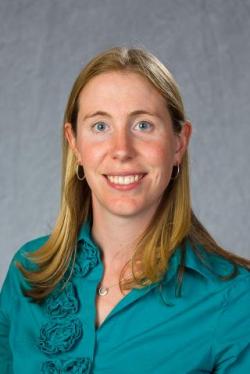
Natalia Imad Khalaf, MD, MPH, FACP is an Assistant Professor in the Department of Medicine at Baylor College of Medicine with dual appointments as Clinical Investigator in the Clinical Effectiveness and Population Health Program and Core Faculty in the Health Policy, Quality & Informatics Program at the Center for Innovations in Quality, Effectiveness and Safety (IQuESt) at Michael E. DeBakey VA Medical Center. Her academic trajectory spans clinical gastroenterology, epidemiology, and health services research with focus on cancer outcomes. Her educational foundation includes: BA in Biological Sciences from Rice University (2007) MD from Baylor College of Medicine (2011) Internal Medicine Residency and Chief Medical Residency at Baylor College of Medicine (2014-2015) Gastroenterology & Hepatology Fellowship at Brigham and Women's Hospital (2018) MPH in Epidemiology from Harvard T.H. Chan School of Public Health (2018) Dr. Khalaf's research program centers on pancreatic cancer epidemiology, with emphasis on early detection biomarkers (particularly new-onset diabetes), metabolic risk factors, and healthcare system interventions. Her work integrates clinical gastroenterology with population health methodologies to address diagnostic delays, racial disparities in treatment, and implementation of evidence-based guidelines in gastrointestinal cancers. She actively develops risk prediction tools using health informatics and deep learning approaches. Analysis of her recent publications reveals a concentrated focus on pancreatic cancer pathophysiology and outcomes, with significant contributions to understanding pre-diagnostic metabolic changes, emergency presentation consequences, and diabetes-cancer linkages. Her colorectal cancer work examines screening adherence barriers and medication risk associations, while quality improvement research targets guideline implementation for gastric intestinal metaplasia. Her scientific recognition includes: AGA Academy of Educators Elected Member (2018) Bob Parsons Inaugural Fellow in Pancreatic Cancer Research (2017-2018) American Gastroenterological Association Early Career Investigator Recognition (2017) Soma Weiss Award for Clinical Teaching Excellence (2017) Dean of Medical Education Outstanding Resident Teacher Award (2013) Phi Beta Kappa Honor Society (2007) Dr. Khalaf directs multiple federally funded research initiatives including: VA Career Development Award: Health Informatics Approaches to Improve Early Diagnosis of Pancreatic Cancer ($1.09M, 2022-2026) National Academy of Sciences: Clinical Quality Measures for Gastrointestinal Cancers (2022-2027) Gordon and Betty Moore Foundation: Implementing Digital Quality Measures (2024-2025) American Pancreatic Association Young Investigator Grant (2019-2021) She operates within the IQuESt research ecosystem at the Michael E. DeBakey VA, leveraging the Clinical Effectiveness and Population Health Program infrastructure for her work on cancer diagnostic excellence, veteran health outcomes, and implementation science projects targeting gastrointestinal cancer care pathways.
Kristine Urschel serves as Assistant Dean for Instruction and Professor in the Department of Animal and Food Science at the University of Kentucky's Martin-Gatton College of Agriculture, Food and Environment. Since joining the faculty in 2008 with a 60% research and 40% teaching appointment, she has established a prominent research program focused on equine nutrition and physiology, particularly protein and amino acid metabolism across the equine lifespan. Her educational background includes a Post-doctoral Fellowship at Virginia Polytechnic Institute and State University (2008), a Ph.D. in Philosophy from the University of Alberta (2007) with thesis research on arginine metabolism in neonatal piglets, and a B.S. in Animal Science from the University of Alberta (2002) where she received the Dean's Medal in Agriculture as the top graduate in the Faculty of Agriculture, Forestry and Home Economics. Dr. Urschel's research investigates protein and amino acid requirements in horses of all ages, with particular emphasis on muscle protein synthesis regulation and aging effects. She employs advanced methodologies including isotopic tracer techniques, HPLC, Western blot, ELISA, RT-PCR, and physiological assays such as hyperinsulinemic euglycemic clamps to study metabolic responses to diet, disease, and physiological states. Her work bridges comparative animal nutrition with clinical equine applications. Analysis of her publication record (2005-2014) reveals consistent focus on metabolic regulation in equines and comparative models, with recent work examining insulin dynamics, amino acid utilization, and aging impacts on protein synthesis. Key thematic areas include metabolic disorders like equine Cushing's disease, dietary protein optimization across life stages, and interspecies differences in amino acid metabolism. Her significant scientific recognition includes: Multiple American Society of Nutrition awards (2005-2007) including Procter & Gamble Graduate Student Competition wins Banff Pork Seminar Graduate Student Competition victory (2007) Canadian Society of Animal Science Graduate Student Oral Presentation First Place (2005) Dean's Medal in Agriculture as undergraduate top student While specific grant details aren't provided, her research program involves extensive collaboration with veterinary scientists and nutrition researchers. She mentors graduate students through research projects and teaches core courses including Animal Physiology, Equine Science, and Macronutrient Metabolism, integrating her laboratory findings into pedagogy. Her research environment features specialized capabilities for conducting metabolic studies including isotopic tracer techniques, physiological clamp procedures, and advanced biochemical analyses on equine subjects, supporting investigations into nutrient requirements throughout the horse's lifespan from weanlings to geriatric animals.
Geoffrey Handsfield is an Assistant Professor at the University of North Carolina at Chapel Hill, holding appointments in the Department of Orthopaedics and the Lampe Joint Department of Biomedical Engineering. His work integrates advanced medical imaging, computational modeling, and mechanical experimentation to improve clinical orthopaedic medicine and understand musculoskeletal form and function. Educated at East Carolina University (B.S. Physics, Summa Cum Laude with Mathematics Minor), the University of Virginia (Ph.D., Biomedical Engineering), and as a Whitaker Postdoctoral Scholar at the University of Auckland, his research focuses on musculoskeletal MRI, computational modeling of muscle-tendon interactions, and pediatric cerebral palsy rehabilitation. Education: Ph.D., Biomedical Engineering, University of Virginia, 2014 Postdoctoral Fellowship, Auckland Bioengineering Institute, 2014–2016 (Whitaker Scholar) B.S., Physics (Summa Cum Laude), Mathematics Minor, East Carolina University, 2008 Research Interests: Dr. Handsfield’s lab pioneers techniques like ultra-high contrast MRI and 3D ultrasound to study muscle-fascia interactions, tendon mechanics, and pediatric cerebral palsy. Key areas include: Image-based computational models for personalized musculoskeletal analysis Muscle architecture and regeneration in children and athletes Biomechanical interventions for cerebral palsy rehabilitation Non-invasive muscle profiling for clinical decision-making Awards: Aotearoa Early Career Research Fellow, Robertson Foundation Early Career Research Award, Australia-New Zealand Orthopaedic Research Society Whitaker Postdoctoral Scholar Academic All-American in Swimming & Diving (2007–2008) Advising & Grants: While specific grant details are not listed, his lab’s focus on pediatric cerebral palsy and musculoskeletal modeling suggests involvement in NIH-funded or foundation-sponsored research. No formal advisees are listed in the provided data. Labs & Teams: His interdisciplinary lab collaborates with clinicians and engineers to translate imaging and modeling innovations into clinical practice, focusing on tools like the dSIR MRI sequence and high-dimensional muscle clustering for athlete and pediatric populations.
Carmen Birchmeier is a Full Professor at the Medical Faculty of Charité - Universitätsmedizin Berlin and a leading researcher at the Max Delbrück Center for Molecular Medicine (MDC). She coordinates the MDC Neuroscience Program and serves on the Executive Board of the NeuroCure Cluster of Excellence. Her research focuses on developmental biology, cell signaling, and the molecular mechanisms underlying nervous system and muscle development. Education: PhD in Molecular Biology from the University of Zürich (1984), followed by postdoctoral training at Cold Spring Harbor Laboratory (1984–1989). She established her independent research group at the Max Delbrück Lab in Cologne (1989–1995) before moving to Berlin. Research Interests: Investigates signal transduction pathways (e.g., Notch, ErbB, and c-Met) in developmental processes, including neural crest cell migration, muscle progenitor cell differentiation, and Schwann cell myelination. Her work bridges molecular genetics, mouse models, and cellular biology to uncover mechanisms of tissue formation and disease. Awards: Recipient of the Leibniz Award (2002) and EMBO Membership (2001). Her contributions to developmental neurobiology have been recognized internationally. Leadership & Grants: Deputy Speaker of SFB 665 (Developmental Disturbances of the Brain), DFG Fachkollegium Member, and advisor to multiple institutes including the Max Planck Institute for Biophysical Chemistry. Her work spans academic and clinical research collaborations. Labs/Teams: Heads the Signal Transduction/Developmental Biology Research Group at MDC, focusing on interdisciplinary approaches to understand developmental disorders and regenerative medicine strategies.
Professor Elena Pirogova is a faculty member of RMIT University’s School of Engineering, part of the STEM College. She holds the roles of Professor and Associate Dean of the Electrical & Biomedical Engineering Discipline. Her research focuses on biomedical engineering, biomaterials, therapeutic peptides, and biological effects of electromagnetic radiation. She earned her PhD in Biomedical Engineering from Monash University (2002) and a BEng (Hons) in Chemical Engineering from the National Technical University of Ukraine (1991). Academic Positions: Professor (2020–present), Associate Dean (2018–present), and roles in research leadership since 2002. Teaching: Coordinates courses in biomedical engineering design, project management, and professional engineering projects at both undergraduate and postgraduate levels. Research: Over 170 publications in areas like tissue engineering, microfluidics, and wearable technologies. Key projects include biofabrication of scaffolds, electromagnetic radiation effects on cells, and smart textile applications. Supervision: Advises on advanced projects involving biomaterials, medical devices, and interdisciplinary engineering solutions. Her work bridges engineering and healthcare, emphasizing translational research in regenerative medicine and medical technology. She is active in curriculum innovation, particularly post-pandemic educational strategies.
Professor Haiyan Zhou serves as Professor of Genetic Medicine at University College London (UCL), affiliated with the Institute of Child Health and Department of Genetics and Genomic Medicine. She directs the UK Platform of Nucleic Acid Therapy (UPNAT Node) for rare diseases, co-leads the Therapeutic Innovation and Trials Community Domain in Genomics England, and acts as Deputy Theme Lead for Novel Therapies at the NIHR Great Ormond Street Hospital Biomedical Research Centre. Prof. Zhou earned her MD-PhD in clinical medicine and skin pharmacology from Peking Union Medical College. Her research pioneers nucleic acid therapeutics (NAT) for rare genetic disorders, focusing on RNA-based approaches including antisense oligonucleotides, siRNA, and RNA editing for neuromuscular diseases. The Zhou Lab collaborates extensively across UCL with experts in muscular dystrophies, respiratory disorders, neurological conditions, and metabolic diseases to translate experimental therapies into clinical applications for pediatric patients. Recent publications (2023-2025) reveal a dominant focus on optimizing RNA therapeutics for spinal muscular atrophy and collagen VI-related dystrophies, with key advances in allele-specific silencing, biomarker discovery, and preclinical-to-clinical translation. Her work consistently bridges molecular mechanisms with therapeutic development, emphasizing tissue-specific delivery and treatment response monitoring. Scientific recognition includes: Harrington UK Rare Disease Scholar (2021) Lea Rose Spinal Muscular Atrophy Award (2017, 2015) Young scientist award from The SMA trust (2011) President Prize for the Young Myologist of the Year (World Muscle Society, 2006) As principal investigator, Prof. Zhou secures funding from MRC, NIHR, and the Harrington Discovery Institute for RNA therapeutic development. She mentors early-career researchers through e-COST Action, Marie Skłodowska-Curie ITN, and UCL programs while supervising MSc/PhD students. Her leadership extends to directing UCL's MSc Personalized Medicine and Novel Therapies Programme and serving on multiple education committees. The Zhou Lab operates as a multidisciplinary hub within UCL's Institute of Child Health, collaborating closely with the Dubowitz Neuromuscular Centre and international consortia like the Oligonucleotide Therapeutic Society. Current initiatives focus on individualized RNA therapy for pediatric rare diseases, with active pipelines for hereditary sensory neuropathy and COL6-related dystrophies.
Jonas Rubenson is a Professor of Kinesiology in the Department of Kinesiology, College of Health and Human Development, at The Pennsylvania State University. His research focuses on the mechanics and energetics of locomotion, in vivo skeletal muscle function, and musculoskeletal structure-function relationships. Ph.D., 2005, Biomechanics, The University of Western Australia B.Sc. (Hon), 1998, Exercise Physiology, The University of Western Australia B.Sc., 1996, Biology and Human Kinetics, University of British Columbia His research integrates experimental and modeling approaches to study gait and skeletal muscle function during locomotion in both health and disease/impairment. Key areas include the relationship between joint and muscle mechanics and metabolic energetics, as well as mechanisms underlying locomotor adaptation and optimization. Recent publications emphasize locomotor plasticity, tendon stress in hopping kangaroos, and musculoskeletal modeling in birds and bipedal models. Rubenson collaborates with research centers such as the Integrative and Biomedical Physiology and the Center for Movement Science and Technology . His work often involves interdisciplinary approaches, combining biomechanics, physiology, and robotics. Current research projects investigate principles of muscle function during movement, with applications in understanding locomotion in extinct theropod dinosaurs and developing legged robots. His team also explores developmental plasticity of locomotor economy and swing-phase mechanics in avian models.
Basil Petrof, MD is a Senior Scientist at the Research Institute of the McGill University Health Centre (RI-MUHC) at the Glen site, where he leads research in the Translational Research in Respiratory Diseases Program within the Centre for Translational Biology. He is also a Professor in the Department of Medicine at McGill University's Faculty of Medicine and Health Sciences, with a focus on the Division of Respiratory Medicine at the McGill University Health Centre. Dr. Petrof's research primarily focuses on disorders of the diaphragm and other breathing muscles, investigating both genetic conditions like muscular dystrophies and Pompe disease, as well as acquired conditions such as ventilator-induced diaphragmatic dysfunction in critically ill patients. His laboratory examines the cellular and molecular mechanisms contributing to respiratory muscle weakness, with the goal of developing novel therapies to prevent or reverse these conditions. His research spans several key areas including diaphragm physiology, muscular dystrophy, ICU-acquired muscle weakness, sepsis, and neuromuscular respiratory failure. Dr. Petrof employs a range of techniques from molecular biology to clinical studies, with a strong emphasis on translational research that bridges basic science discoveries to clinical applications. Dr. Petrof has made significant contributions to understanding ventilator-induced diaphragmatic dysfunction, respiratory muscle failure in neuromuscular diseases, and potential therapeutic interventions for muscular dystrophies. His work has been influential in shaping clinical approaches to managing respiratory complications in critically ill patients and those with neuromuscular disorders. As a Senior Scientist at RI-MUHC and Professor at McGill University, Dr. Petrof mentors numerous graduate students, postdoctoral fellows, and clinical researchers, contributing to the next generation of respiratory medicine specialists and scientists. His laboratory work involves collaborations across multiple disciplines, including immunology, molecular biology, and clinical respiratory medicine, reflecting the interdisciplinary nature of modern respiratory research.
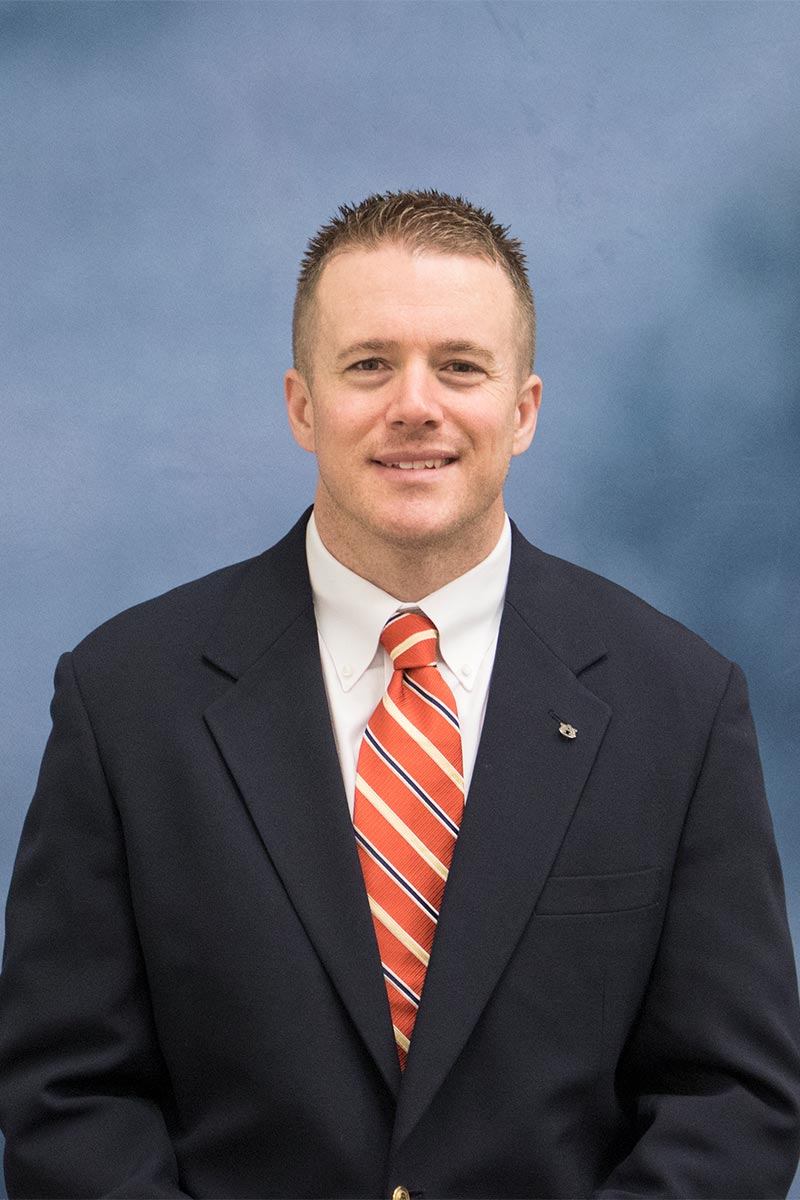
Dr. C. Brooks Mobley is an Assistant Clinical Professor at the School of Kinesiology, Auburn University. He directs the TigerFit Health & Fitness Laboratory and serves as Associate Director of the Nutrabolt Applied and Molecular Physiology Lab. With a Ph.D. in Kinesiology from Auburn University and postdoctoral training at the University of Kentucky, he specializes in skeletal muscle physiology and sports nutrition research. B.S. in Animal & Dairy Sciences (Auburn University) M.Ed. in Exercise Physiology (Auburn University) Ph.D. in Kinesiology (Auburn University) Postdoctoral Fellowship at University of Kentucky's College of Medicine His research explores molecular mechanisms of muscle plasticity, focusing on: Cellular adaptations to exercise training Ergogenic effects of sports supplements Muscle atrophy prevention strategies Mechanisms of skeletal muscle hypertrophy Angiogenesis in recovery scenarios Muscle-bone interaction dynamics Recent publications demonstrate expertise in: Mitochondrial adaptations to resistance training Epigenetic regulation of muscle growth Microbiome-exercise interactions Proteomic responses to disuse atrophy Firefighting occupational physiology Supplement efficacy studies Laboratory Leadership: TigerFit Health & Fitness Laboratory Nutrabolt Applied and Molecular Physiology Lab
Maud Frieden is an Associate Professor at the Department of Cell Physiology and Metabolism, University of Geneva. Her lab focuses on skeletal muscle regeneration mechanisms using human stem cell models. Key research areas include muscle satellite cell activation, calcium signaling pathways, and the molecular basis of muscle diseases like myopathies. Research Interests: Frieden’s work investigates how muscle stem cells (satellite cells) repair damaged muscle tissue. Recent projects explore store-operated calcium entry (SOCE) pathways in muscle differentiation and the role of mitochondrial dysfunction in muscle atrophy. Advanced in vitro models are used to study human myotube maturation and disease mechanisms. Lab Team: Current members include PhD students Jessica Brunetti and Julie Perroud, postdoc Axel Tollance, and lab technician Olivier Dupont. The team collaborates with experts in proteomics (e.g., Eckhardt et al., 2023) and cardiac physiology (Rusiecka et al., 2023). Publications: Recent work highlights ER stress-IRE1 interactions in muscle regeneration (Carreras Sureda et al., 2023) and TRPC channel roles in myogenesis (Antigny et al., 2013-2022). Over 30 peer-reviewed articles span muscle biology, calcium signaling, and stem cell research.
Dr. Corey Tomczak is an Associate Professor in the Department of Kinesiology at the University of Saskatchewan. His research focuses on cardiovascular physiology, cardiac rehabilitation, and exercise intolerance in chronic conditions such as heart failure and congenital heart disease. He holds a PhD in Rehabilitation Medicine and has extensive postdoctoral training in the field. His work integrates clinical and physiological approaches to improve outcomes in patients with cardiovascular disorders. Affiliations: University of Saskatchewan, College of Kinesiology Research Themes: Health Aging and Management of Chronic Conditions, Child and Youth Health and Development Dr. Tomczak's research examines mechanisms underlying exercise limitations in heart failure and congenital heart disease, including autonomic regulation, vascular function, and skeletal muscle metabolism. He has trained numerous graduate students and mentors future researchers in cardiovascular physiology. His lab, the Russ Kisby Physical Activity and Health Promotion Laboratory, collaborates with clinical partners at the Royal University Hospital. Key areas of investigation include cerebrovascular responses during exercise, muscle metaboreflex modulation of cardiac function, and the impact of exercise training on cardiovascular outcomes. Recent work highlights impaired vascular function in heart failure and sex-based differences in exercise capacity.
Francesca Rappa is a Full Professor in the Department of Human Anatomy and Histology within the School of Medicine and Surgery at the University of Palermo. Her academic position (BIOS-12/A classification) centers on biomedicine, neuroscience, and advanced diagnostics with a focus on molecular mechanisms of disease. Her research spans multiple interconnected domains centered on stress response systems. Key interests include: Molecular chaperone networks (particularly Hsp60, Hsp90, Hsp27) in carcinogenesis Thyroid and colorectal cancer pathophysiology Glioblastoma multiforme molecular characterization Probiotic interventions for gut-liver-muscle axis disorders Nanovesicle-based therapeutics from citrus and tomatoes Diagnostic applications of heat shock proteins in inflammatory diseases Publication analysis reveals consistent focus on chaperone systems across cancer types (thyroid, salivary, colorectal, brain), with recent expansion into nutraceutical mechanisms involving citrus nanovesicles and golden tomatoes. Her 2023-2025 output shows increasing emphasis on multi-organ communication pathways (gut-brain, gut-liver-muscle) and industrial-scale therapeutic applications. Methodologically, she integrates immunohistochemistry, proteomics, and animal disease models. Teaching responsibilities include core anatomy courses for Medicine and Radiology programs: Anatomy I (10 CFU) and II (6 CFU) for Medicine Human Anatomy with Histology elements (6 CFU) for Radiology Integrated Anatomy/Biochemistry/Physiology modules (12 CFU) She actively supervises graduate research, with four theses directed between 2020-2024 covering celiac disease histopathology, stress protein interactions in colorectal cancer, glioblastoma biomarkers, and thyroid stress responses. Her laboratory work focuses on immunomorphological analysis of chaperone systems in tumor tissues and development of probiotic/nanovesicle interventions for metabolic and inflammatory conditions.