
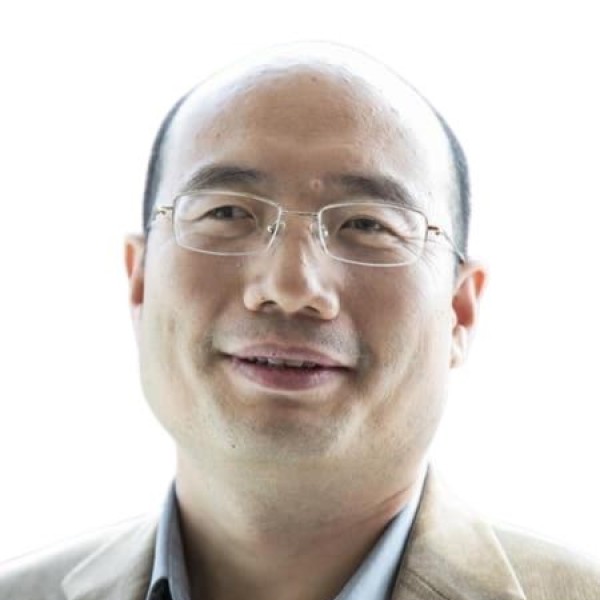
Hening Lin is a Professor at the University of Chicago in the Department of Medicine-Genetic Medicine within the Biological Sciences Division. His research focuses on the function, regulation, and therapeutic targeting of enzymes that control protein post-translational modifications (PTMs). Dr. Lin leads an active laboratory studying how protein activities are regulated by cellular stress and signaling cues, with particular emphasis on developing small molecule inhibitors for therapeutic applications. Dr. Lin's research interests span Chemical Biology, Organic Chemistry, and the study of protein post-translational modifications including palmitoylation, myristoylation, and acylation. His work explores how these modifications regulate protein function in critical cellular processes, with applications in cancer, autoimmune diseases, and neurodegenerative conditions. His laboratory has made significant contributions to understanding the roles of sirtuins, particularly SIRT2, SIRT3, and HDAC11, in metabolic regulation and disease pathogenesis. Analysis of Dr. Lin's recent publications reveals a strong focus on protein lipidation mechanisms, particularly palmitoylation and myristoylation, and their roles in immune signaling, cancer progression, and neurodegeneration. His work bridges chemical biology, biochemistry, and translational medicine, with numerous publications in high-impact journals demonstrating the therapeutic potential of targeting protein modification enzymes. His research spans fundamental biochemical mechanisms to preclinical therapeutic development. Dr. Lin has secured substantial NIH funding as Principal Investigator for multiple grants, including R35GM131808 (Metabolite Sensing and Regulation of Protein Function) and R01DK119594 (Screening and Development of Small Molecule HDAC11 Inhibitors to Treat Obesity and Diabetes). He also serves as Co-Principal Investigator on several collaborative grants focused on cancer biology, inflammation, and metabolic diseases. His laboratory is located in Room 4146 of the Knapp Center for Biomedical Discovery at the University of Chicago, where his team employs chemical biology approaches, proteomics, and molecular biology techniques to investigate protein modification enzymes and develop targeted therapeutics.
جستوجوی استاد و پژوهشگر
استاد راهنما، استاد دانشگاه یا پژوهشگر مناسب برای مسیر پژوهشیتان را پیدا کنید و با او ارتباط بگیرید.
نمایش ۴۶-۶۰ از ۱۸۸ استاد راهنما
اطلاعات این پروفایلها از صفحات عمومی دانشگاهها جمعآوری شده و ممکن است بهروز نباشد.
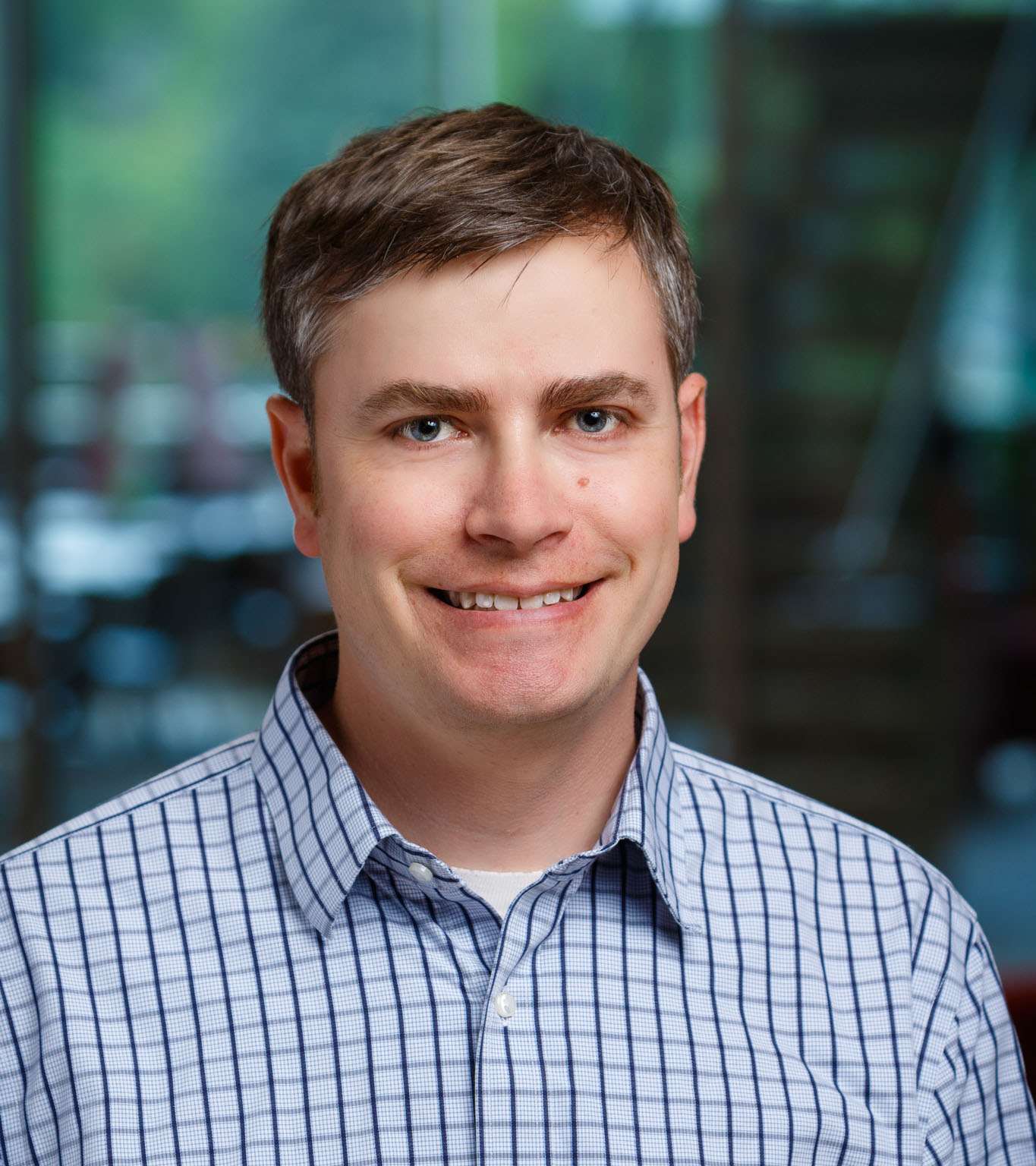
Brian Smithمشاهده پروفایل
دانشیار
- Epigenetics
- Bromodomain Proteins
- Sirtuins
- +۵ مورد دیگر
Dr. Brian Smith is an Associate Professor in the Department of Biochemistry at the Medical College of Wisconsin (MCW) and serves as Associate Director of the Program in Chemical Biology and the Structural Genomics Unit at the Mellowes Center for Genomic Sciences and Precision Medicine. He holds a PhD from the University of Wisconsin-Madison and a BS from the University of Illinois at Urbana-Champaign. His research focuses on epigenetic signaling pathways, particularly the roles of bromodomain and sirtuin proteins in inflammation-related diseases such as diabetes, cancer, and heart disease. Dr. Smith has led groundbreaking work in developing chemical probes and inhibitors targeting BET bromodomains and sirtuins. His lab employs techniques including NMR spectroscopy, X-ray crystallography, and cellular assays. Key achievements include identifying novel epigenetic readers of histone modifications and demonstrating the therapeutic potential of bromodomain inhibitors in autoimmune diabetes. Dr. Smith has received notable awards, including NIH R35 and R01 grants, and MCW's Outstanding Faculty Service and Educator awards. His lab has trained numerous graduate students and postdocs, fostering a collaborative environment. Current research emphasizes translating epigenetic discoveries into therapies for metabolic and inflammatory diseases. Notable grants include a $1.95 million NIH R35 grant for studying tandem bromodomain selectivity and a $1.56 million NIH R01 grant targeting bromodomain inhibition in β-cells. His work bridges basic science and clinical applications, with ongoing projects in drug discovery and epigenetic mechanism elucidation.

Michael Liمشاهده پروفایل
استادیار
- Hepatology
- Transplant Hepatology
- Immunotherapy
- +۱ مورد دیگر
Dr. Michael Li, MD, MPH, is an Assistant Professor at the University of California, San Francisco (UCSF) School of Medicine , specializing in Transplant Hepatology and Gastroenterology . He provides clinical care for patients with cirrhosis, autoimmune liver diseases, and liver cancer while conducting clinical and translational research into immune-mediated liver pathologies. Education : MD from Icahn School of Medicine at Mount Sinai (2015), MPH from Harvard T.H. Chan School of Public Health (2021) Training : Internal Medicine Residency (Mount Sinai 2018), Gastroenterology Fellowship (Brigham and Women's 2021), Transplant Hepatology Fellowship (UCSF 2022) His research focuses on immune system interactions with liver disease , particularly primary sclerosing cholangitis and immunotherapy applications for hepatocellular carcinoma . Through clinical trials and translational research, he investigates biomarkers for immunotherapy response and toxicity, proteome-wide autoantibody discovery, and innovative treatment paradigms. Key research trends include immunotherapy optimization for liver cancer patients awaiting transplantation, autoimmune liver disease mechanisms , and clinical informatics applications in electronic health records. His work bridges basic science discovery with real-world clinical implementation. Scientific Awards : UCSF Liver Center Pilot Award (2023), AGA Pilot Research Award (2023), ACG Clinical Research Award (2021), AASLD Foundation Fellow (2021) Grants : ACG Junior Faculty Development Award (2023-2026), PSC Partners Young Investigator Award (2023-2025) Clinically, Dr. Li has received 142 patient reviews with 4.9/5 average rating , highlighting his patient-centered approach, thorough explanations of complex liver issues, and timely care delivery. His practice locations include UCSF's Liver Disease and Liver Transplant clinic at 400 Parnassus Ave, San Francisco.
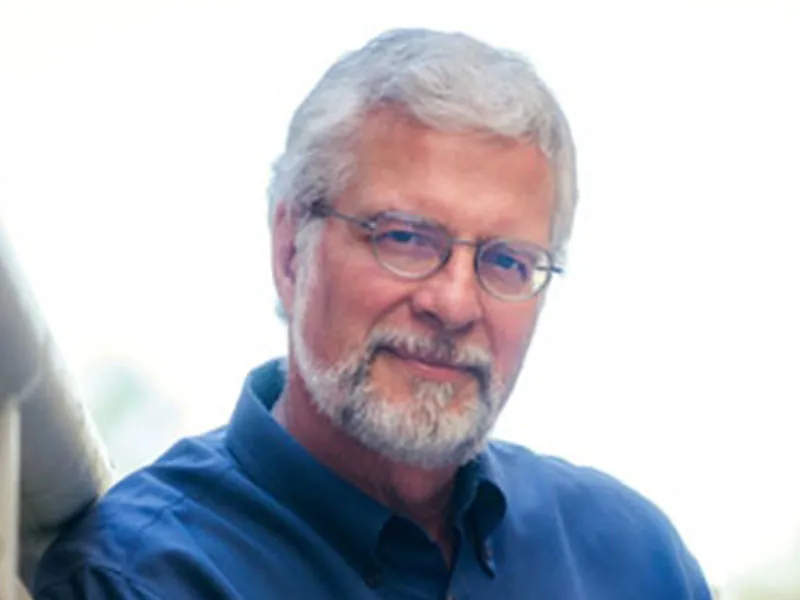
Dr. Gary P. Dohanich is Professor of Science & Engineering at Tulane University's School of Science & Engineering, located in Percival Stern Hall. His research program investigates the influences of ovarian/adrenal steroids and biological sex on behavior using rodent models. Early work focused on estrogen-acetylcholine interactions in reproductive behaviors, followed by studies on learning/memory modulation. Recent research explores sex differences in learning/behavior and their relationship to anxiety. Research interests include: Hormonal regulation of cognitive function Neurobiological basis of sex differences Stress-anxiety interactions in learning Psychopharmacological interventions Neuroendocrine mechanisms of memory Publications predominantly examine behavioral endocrinology with rodent models, showing consistent focus on hormone-behavior interactions across development. Recent articles emphasize translational applications for stress-related disorders. Previously mentored graduate/undergraduate students but currently focuses on educational activities including new course development and teaching methodology innovation. Teaches courses in Behavioral Endocrinology, Psychopharmacology, Professional Issues in Psychology, College Teaching Pedagogy/Practicum, and Stress & Trauma.
- Diabetes
- Obesity
- Beta-cell Biology
- +۳ مورد دیگر
Dr. Jean Buteau is a Professor at the University of Alberta, holding dual roles as Professor in the Department of Agricultural, Food & Nutritional Sciences within the Faculty of Agricultural, Life and Environmental Sciences, and as Division Director of Human Nutrition. He earned his PhD in Biochemistry from the University of Montreal. His research focuses on molecular mechanisms governing pancreatic beta-cell function, with particular emphasis on diabetes and obesity-related metabolic disorders. Research interests include the hormonal and nutritional regulation of beta-cell mass and function, exploring novel therapeutic targets to enhance beta-cell proliferation and survival. He has been recognized with prestigious awards such as the Canadian Institutes of Health Research New Investigator Award (2013–2018) and the Canadian Diabetes Association Scholar Award (2008–2013). Dr. Buteau teaches advanced courses on diabetes, cardiovascular disease, and lifestyle interventions (AFNS 543/NUTR 443) and supervises undergraduate research projects (NUTR 450). His work bridges biochemical mechanisms with clinical applications in metabolic disease treatment. Education: PhD in Biochemistry, University of Montreal Affiliations: Department of Agricultural, Food & Nutritional Sciences, Faculty of Agricultural, Life and Environmental Sciences His publications explore GLP-1 signaling, beta-cell stress responses, and molecular pathways in metabolic dysfunction, contributing to advancements in diabetes therapy strategies.
- Geriatrics
- Aging
- Cardiovascular Medicine
- +۳ مورد دیگر
Jeanne Y. Wei, M.D., Ph.D., serves as the Jackson T. Stephens Professor of Geriatrics, Chair of the Reynolds Department of Geriatrics, and Executive Director of the Reynolds Institute on Aging (RIOA) at the University of Arkansas for Medical Sciences College of Medicine. She provides clinical care at the Thomas and Lyon Longevity Clinic at RIOA and maintains board certification in internal medicine, geriatrics, and cardiovascular medicine. Dr. Wei earned her dual M.D. and Ph.D. degrees from the University of Illinois. Her postgraduate training included an internal medicine residency and cardiology fellowship at Johns Hopkins Hospital, followed by a staff fellowship in Gerontology at the NIH/NIA in Baltimore. She previously served as Director of the Division on Aging at Harvard Medical School and Chief of the Gerontology Division at Beth Israel Deaconess Medical Center before joining UAMS in 2002. Her research program centers on the aging cardiovascular system, with particular focus on molecular mechanisms of cardiac aging, mitochondrial dysfunction, and age-related heart failure. Current investigations explore the role of serum response factor in transcription regulation, nutritional interventions for physical function preservation, and biomarkers for chemotherapy-induced cardiotoxicity. She also examines neuroinflammation links between periodontal disease and neurodegenerative conditions. Analysis of her 15 most recent publications reveals strong thematic continuity in mitochondrial biology across cardiac and neurological aging research, alongside translational work on nutritional interventions for elderly patients with heart failure and dementia. Her work increasingly integrates multi-omics approaches to identify biomarkers for age-related pathologies. Dr. Wei has received significant recognition including: Outstanding Clinical Educator Award from Harvard Medical School (2000) Outstanding Woman Faculty Award from UAMS College of Medicine (2005) With over 35 years of academic experience, she has mentored numerous geriatric fellows and junior faculty while securing continuous NIH funding for more than 30 years. Current major grants include the PREVENTABLE study (a large pragmatic trial on lipid-lowering in older adults), Escitalopram for Agitation in Alzheimer's Disease (S-CitAD), and research on nutritional therapies for heart failure. She serves on national advisory boards for the NIH/NIA and FDA. As Executive Director of the Reynolds Institute on Aging, Dr. Wei leads a comprehensive research and clinical enterprise encompassing the Thomas and Lyon Longevity Clinic, multiple NIH-funded research programs, and initiatives focused on translating basic aging research into clinical practice for Arkansas' elderly population.
Xiaomin Zhangمشاهده پروفایل
استاد پژوهشی
- Aging
- Geriatrics
- Cardiac Biology
- +۷ مورد دیگر
Xiaomin Zhang is an Associate Research Professor at the University of Arkansas for Medical Sciences, affiliated with the Department of Geriatrics in the College of Medicine. Their research focuses on aging-related cardiac and mitochondrial dysfunction, transcription regulation via serum response factor (SRF), and neuroinflammation's role in aging. Their work spans molecular biology, geriatrics, and proteomics, with publications on topics like Sirtuins, oxidative stress, and gene expression in aging hearts. Recent studies include P. gingivalis-LPS-induced neuroinflammation and dietary interventions for mitochondrial health in older adults. 2025: Cardiac SRF overexpression and mitochondrial aging 2024: SIRT1 isoforms, proteomic neuroinflammation, and Rho/MRTF/SRF pathway inhibitors 2023: Dietary supplements and P. gingivalis-LPS effects 2021: Alternative splicing in Sirtuins 2018: Pediatric surgical outcomes 2017: SIRT2 gene regulation by SRF Grants include NIH funding for aging heart research and quantitative imaging in precision medicine. Collaborations with Jeanne Wei and Gohar Azhar highlight interdisciplinary work in aging and cardiac biology.

Altar Sorkaçمشاهده پروفایل
استادیار
- Neuroscience
- Neural Circuits
- Sensory Processing
- +۵ مورد دیگر
Altar Sorkaç is an Assistant Professor of Neuroscience at Brown University , affiliated with the Department of Neuroscience . He works in the Barnea Lab , focusing on developing transsynaptic tracing tools in Drosophila melanogaster and mice to understand neural circuits underlying sensory processing and behavior. PhD, Brown University (2015) BS, Bogazici University (2009) Research Interests: • Neural circuit mapping using trans -Tango and retro-Tango • Sensory integration in Drosophila larvae and adults • Olfaction and gustation pathways in courtship and avoidance behaviors • Comparative neurobiology across Drosophila , zebrafish, and mouse models Publications demonstrate expertise in synaptic tracing, courtship behavior analysis, and neurogenetic tool development. Collaborators include Gilad Barnea and Anne Hart . Laboratory: Member of the Barnea Lab since 2015, now leading transsynaptic tracing advancements.
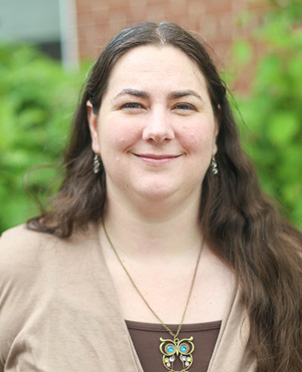
Jessica Fryمشاهده پروفایل
دانشیار
- Physiology
- Molecular Biology
- Cellular Biology
- +۳ مورد دیگر
Jessica Fry is Chair & Associate Professor in the School of Science and Math at Curry College, where she teaches courses including Introduction to Molecules and Cells, Cell Biology, and Advanced Physiology. She completed her S.B in Biology at MIT and earned a Ph.D. in Experimental Pathology through Harvard Medical School's Biological and Biomedical Sciences Program. Dr. Fry's research focuses include Sirtuin-1 enzyme function in cardiovascular disease, matrix remodeling proteins in breast cancer progression, oxidant-mediated signaling pathways, and G-Protein coupled receptor interactions with estrogen remediation. Her laboratory integrates molecular biology techniques with physiological studies to explore disease mechanisms. She previously conducted postdoctoral research at Boston University School of Medicine, where she developed programs in Biomedical Laboratory and Clinical Sciences. Dr. Fry also serves as President of the New England Dog Training Club, demonstrating her commitment to animal behavior science beyond academic research.
Jean-Paul Armacheمشاهده پروفایل
استادیار
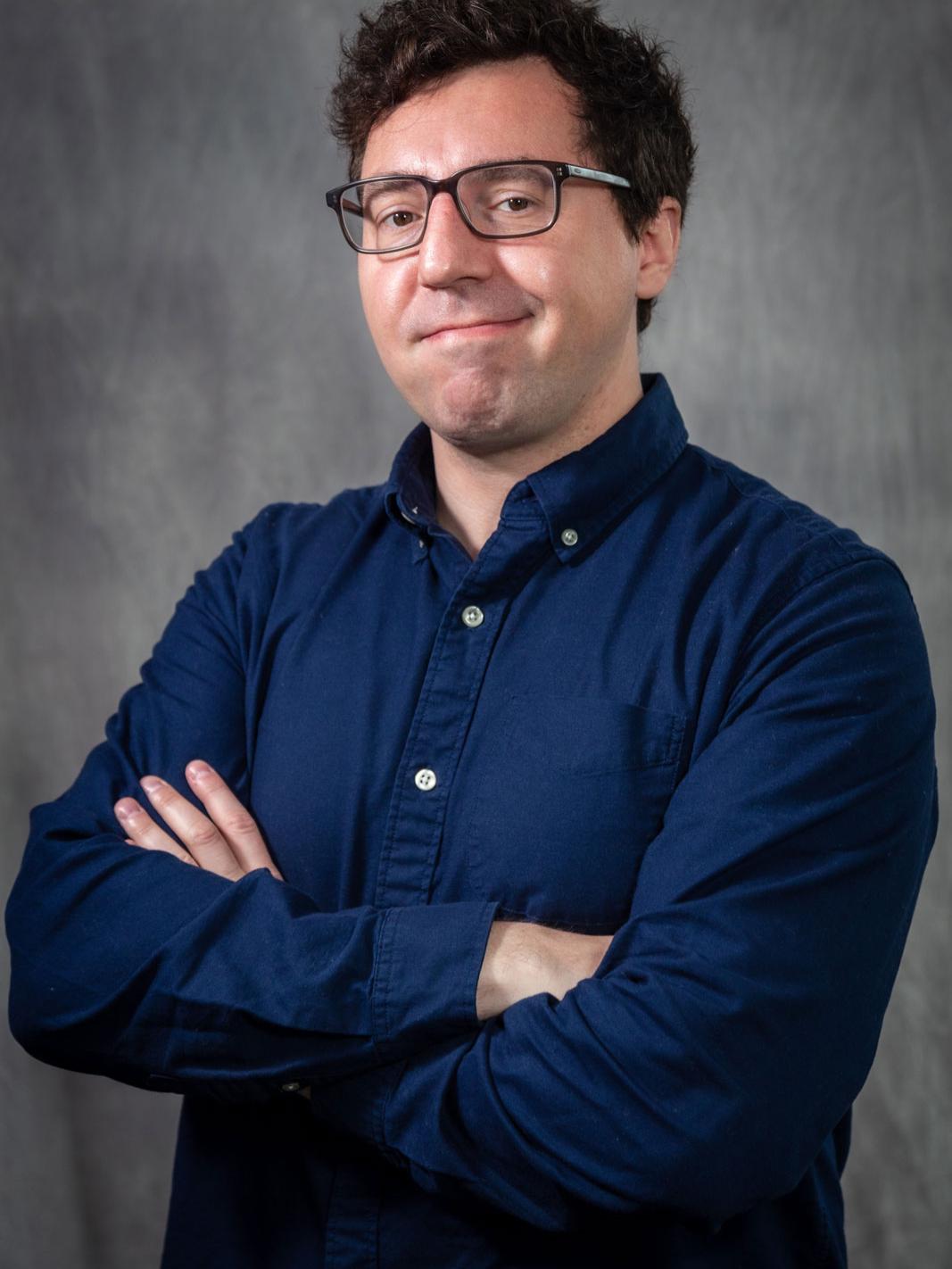
Jean-Paul Armache is an Assistant Professor of Biochemistry and Molecular Biology at the Pennsylvania State University, affiliated with the Eberly College of Science. His research focuses on the structural and functional analysis of ATP-dependent chromatin remodeling complexes, particularly their role in gene regulation and nucleosome dynamics. He is also involved in virology studies related to SARS-CoV-2 and utilizes cryo-electron microscopy (cryo-EM) for high-resolution structural analysis of protein-DNA interactions. Key Affiliations: Molecular, Cellular, and Integrative Biosciences, Center for Structural Biology, Center for Infectious Disease Dynamics, Center for RNA Molecular Biology. Research Highlights: Mechanisms of chromatin remodeling enzymes, viral protein interactions with host ribosomes, and cryo-EM method development. His recent work includes seed-funded projects on SARS-CoV-2 nsp1 protein and collaborations on opioid settlement fund analysis. Publications span top journals like Nature , Science , and Molecular Cell , with expertise in structural biology and enzymology. Scientific Contributions: Developed cryo-EM methodologies for studying membrane proteins and nucleosome complexes. Elucidated regulatory mechanisms of chromatin remodelers like Chd1 and Dot1L. Investigated viral strategies for hijacking host translation machinery.
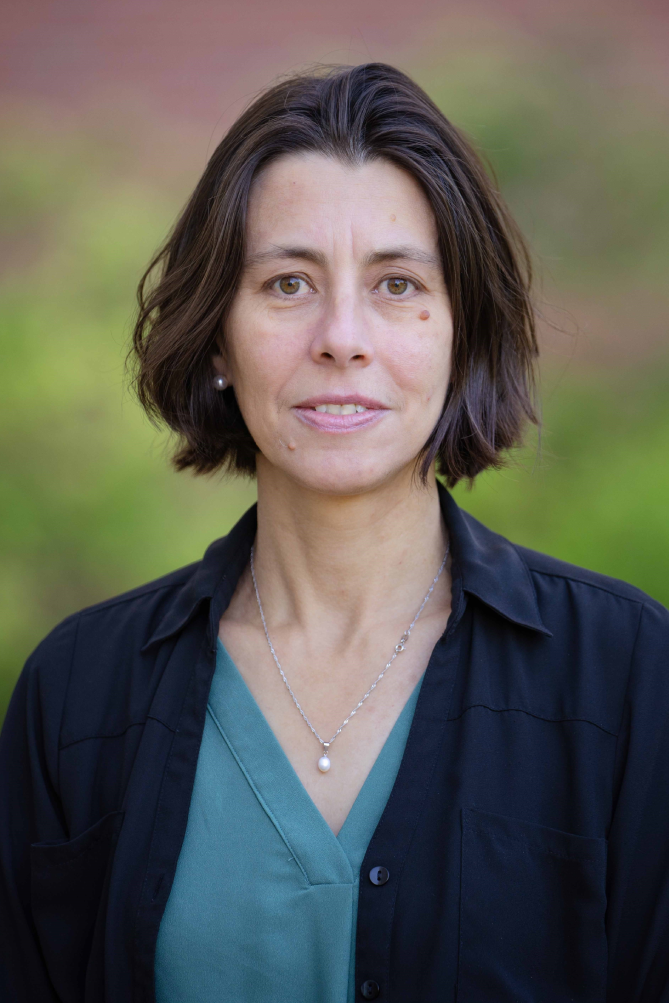
Mirella Meyer-Ficca is an Associate Professor with tenure in the Department of Animal, Dairy and Veterinary Sciences at Utah State University's College of Veterinary Medicine, promoted in July 2022 after joining as Research Assistant Professor in 2013. She directs graduate courses including Veterinary Toxicology and Environmental Epigenetics, leveraging expertise from postdoctoral training at the University of Arizona and University of Pennsylvania. Her educational background includes: PhD in Human Genetics and Virology, Eberhard-Karls-University of Tuebingen (2002), dissertation: "Analyses of Cytotoxicity of the Cardiotropic Coxsackievirus B3 and Development of Strategies for Immortalization of human Cardiomyocytes" MS in Biology (Genetics, Human Genetics, Zoology) and Chemistry (Organic Chemistry), University of Kaiserslautern (1997), thesis: "Molecular Cytogenetic Analysis of Spermiogenesis in the Rat" Dr. Meyer-Ficca investigates how environmental toxicants, dietary conditions, and aging alter the paternal germ-line epigenome to influence offspring health. Her lab uses niacin-dependent mouse models to study NAD decline effects on sperm quality, focusing on epigenetic marks like DNA methylation and histone modifications. This work aims to develop interventions for diseases like diabetes and autism linked to epigenetic dysregulation. Her 15 most recent publications (2025-2018) reveal a cohesive research trajectory centered on poly(ADP-ribose) metabolism in spermatogenesis, NAD+ biosynthesis, and transgenerational epigenetic inheritance. Key themes include reproductive aging, environmental toxicology impacts on sperm epigenetics, and niacin's role in mitigating age-related NAD decline, with applications in veterinary and human health. Major honors include: Undergraduate Research Mentor of the Year Award (College of Agriculture and Applied Sciences, 2024) ADVS Faculty Researcher of the Year (USU ADVS, 2019) Susan Heyner Award for Excellence in Research (University of Pennsylvania, 2011) Special Recognition Award in Basic Science (American Association for Cancer Research, 2004) She has mentored three graduate students to completion: Morgan Feuz (Veterinary Clinical and Life Sciences, 2023), Laura Miller (Veterinary Clinical and Life Sciences, 2022), and Micah Forbush (Animal, Dairy & Vet Sciences, 2020-2021). Her research is supported by grants investigating epigenetic mechanisms in reproductive toxicology, with recent funding enabling NAD metabolism studies in aging models. Dr. Meyer-Ficca leads a research team at USU utilizing advanced molecular techniques to analyze chromatin remodeling during spermatogenesis, with active collaborations in veterinary pharmacology and environmental health addressing real-world impacts of toxicant exposure on reproductive outcomes.
- Mitochondrial Biology
- Metabolism
- Aging
- +۳ مورد دیگر
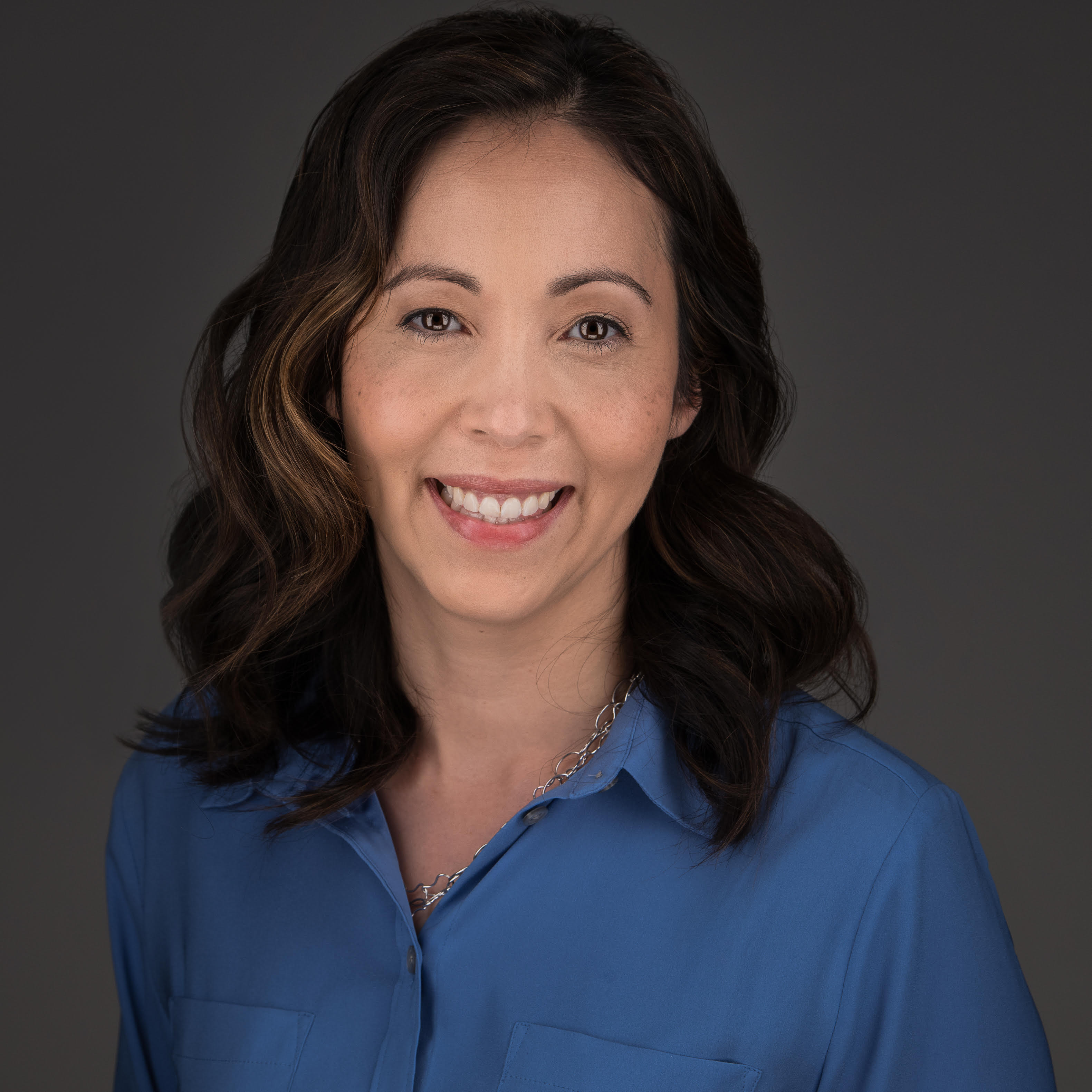
Marcia C. Haigis, Ph.D. is a Professor in the Department of Cell Biology at Harvard Medical School, where she leads the Haigis Lab and is a member of both the Paul F. Glenn Center for the Biology of Aging and the Ludwig Center at Harvard Medical School. Her research program integrates biochemistry, proteomics, cell biology and mouse genetics to investigate the role of mitochondria in mammalian aging and disease, with particular focus on mitochondrial sirtuins and their regulatory functions. Dr. Haigis's laboratory investigates how mitochondria influence aging processes and disease development, with special emphasis on mitochondrial sirtuins (SIRT3, SIRT4, and SIRT5) that regulate metabolic pathways. Her work explores how these enzymes affect mitochondrial biogenesis, energy production, and signaling pathways that decline during aging. Current research directions include understanding how sirtuins mediate the interplay between mitochondrial activity and aging, identifying signals generated by mitochondria that contribute to aging, and determining molecular mechanisms for these signals. The lab's publication record demonstrates a clear evolution from fundamental mitochondrial sirtuin biology toward translational applications in cancer and immunometabolism. Recent work increasingly focuses on how metabolic pathways influence immune cell function in the tumor microenvironment, particularly how obesity shapes metabolism in the tumor microenvironment to suppress anti-tumor immunity and how metabolites like formate can enhance T cell function. This represents a strategic expansion from basic mitochondrial biology to therapeutic interventions targeting metabolic pathways in disease. Dr. Haigis has received significant recognition including the Ellison Medical Foundation New Scholar Award, the Brookdale Foundation Leadership in Aging Award, and selection for the National Academy of Medicine's Emerging Leaders in Health and Medicine Program. Her laboratory actively trains the next generation of scientists, with multiple successful thesis defenses documented including Dr. Samantha Wong (March 2022) and Dr. Sarah Tucker (May 2022). The lab maintains active collaborations across Harvard Medical School and affiliated hospitals, particularly in cancer metabolism and immunometabolism research. Current projects investigate metabolic vulnerabilities in cancer cells, mitochondrial regulation of immune responses, and connections between aging, metabolism, and disease progression.

- Cancer Biology
- Molecular Biology
- Cell Adhesion
- +۳ مورد دیگر
Mladen Paradžik is a Researcher at the Ruđer Bošković Institute , affiliated with the Division of Molecular Medicine and Laboratory of Experimental Therapy in Zagreb, Croatia. His work focuses on cancer biology, molecular signaling, and cell adhesion mechanisms. PhD in Biology, University of Zagreb (2015) BSc in Biology, University of Zagreb (2008) Research interests span integrin signaling, miRNA-guided metabolic reprogramming, and Sirtuin 3 (Sirt3) tumor-suppressive mechanisms. He investigates how cytoskeletal components like KANK2 and integrin αVβ5 regulate cancer cell migration and chemotherapeutic sensitivity. Recent publications highlight trends in integrin adhesomes (2023-2018), miRNA-tumor progression (2022-2021), and Sirt3-p53-estrogen pathways (2020-2018) in breast cancer and melanoma models. Professional memberships include the Croatian Association for Cancer Research (2010–present), Croatian Immunological Society (2009–present), and Croatian Society of Biochemistry and Molecular Biology (2018–present). He has contributed to understanding integrin crosstalk in cancer cell fate unpredictability (2020), Golgi apparatus disruption in EMT (2023), and αVβ5 focal adhesion-microtubule coupling (2020). Collaborations span institutions like University of Manchester (UK) and MedILS (Croatia).

Iva Škrinjarمشاهده پروفایل
پژوهشگر
- Molecular Biology
- Medical Virology
- Genetics
- +۴ مورد دیگر
Iva Škrinjar is a Researcher at the Ruđer Bošković Institute, affiliated with the Division of Molecular Medicine and the Laboratory for Metabolism and Aging. Her work spans molecular biology, virology, and cancer research. Research Focus: Sirtuin 3 (SIRT3) in aging, sex-specific metabolic responses, and breast cancer mechanisms Virology: Characterization of primate adenoviruses and their evolutionary relationships Recent publications highlight her contributions to understanding SIRT3-mediated redox regulation, oxidative stress responses in cancer cells, and adenovirus taxonomy. She has presented findings at international conferences like FEBS and HDIR symposiums. No scientific awards or student advising details are listed in the provided materials.
Tarja Kokkolaمشاهده پروفایل
پژوهشگر
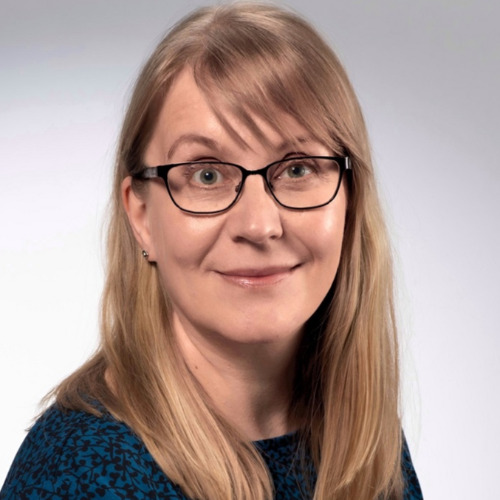
Tarja Kokkola, PhD, docent, serves as Research Coordinator at the Institute of Clinical Medicine within the School of Medicine at the University of Eastern Finland. She manages quality systems for the Clinical Research Centre, including two ISO 15189-accredited diagnostic laboratories, and contributes to development, validation, and quality assurance of clinical chemistry methodologies. Her research spans multiple critical areas in biomedical science, with particular emphasis on biomarkers for neurodegenerative diseases (especially Alzheimer's disease), type 2 diabetes mechanisms, and sirtuin-related pathways. She has developed expertise in cerebrospinal fluid diagnostics, metabolic phenotyping, and multi-omics integration approaches. Her work bridges clinical laboratory practice with translational research through extensive collaboration in major European research initiatives. Analysis of her 15 most recent publications (2023-2025) reveals a strong focus on Alzheimer's disease biomarkers (6 articles), type 2 diabetes mechanisms (5 articles), and methodological innovations in multi-omics data analysis (4 articles). Her research demonstrates consistent methodological rigor with emphasis on clinical applicability, particularly in differential diagnosis of neurodegenerative conditions and stratification of metabolic disease subtypes. As an active collaborator in the IMI DIRECT consortium and FinnGen project, she contributes to large-scale European efforts to understand disease heterogeneity and develop precision medicine approaches. Her publications consistently appear in high-impact journals across neurology, diabetes research, and analytical methodology fields. Dr. Kokkola also provides lectures and training in quality management, auditing, and risk assessment, supporting the next generation of clinical researchers. Her leadership in maintaining ISO 15189 accreditation for diagnostic laboratories demonstrates commitment to research quality standards essential for translational medicine.