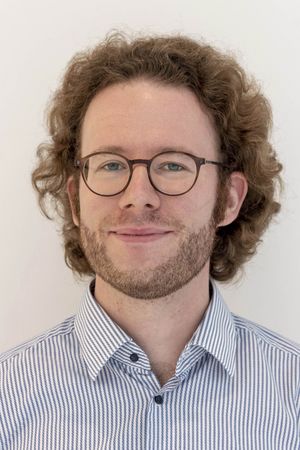
Leonhard Möckl is a Professor of Nano-optical Imaging at Friedrich-Alexander-Universität Erlangen-Nürnberg (FAU) and an Associated Group Leader at the Max Planck Institute for the Science of Light. He holds a PhD from LMU Munich (2015) and completed postdoctoral research at Stanford University (2016–2020), focusing on glycocalyx dynamics using super-resolution microscopy and deep learning. His research integrates biophysics, nanotechnology, and computational methods to study cell membrane organization and disease mechanisms. Key research areas include glycocalyx architecture, single-molecule imaging, and nano-optical techniques for biomedical applications. He leads the Physical Glycosciences Research Group, developing tools like XLuminA for automated microscopy design and novel drug delivery systems. Notable contributions include studies on RNA-binding proteins in leukemia treatment and glycocalyx-based drug targeting. Publications span high-impact journals like Nature Biotechnology , Cell , and Nature Communications , reflecting his expertise in imaging, glycobiology, and molecular pharmacology. His work bridges fundamental science and translational medicine, addressing challenges in cancer therapy, infectious diseases, and cell engineering.
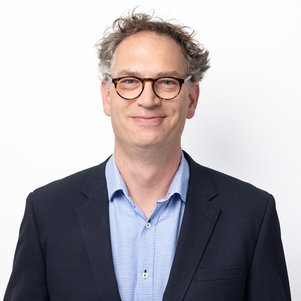
Mohammad Islam is a Professor in the Department of Materials Science and Engineering at Carnegie Mellon University's College of Engineering. He holds a Ph.D. in Physics from Lehigh University (2000) and completed postdoctoral work at the University of Pennsylvania's Department of Physics and Astronomy. His research spans additive manufacturing EVs and mobility micro/nano manufacturing sustainable energy storage bioactive materials with focus on carbon nanotube aerogels and graphene composites. Islam's work reveals self-healing materials for sensing/actuation interfaces superelastic aerogels with extreme thermal stability bio-compatible carbon nanotube delivery systems high-efficiency supercapacitors through collaborations in physics, biomedical engineering, and chemistry. Scientific recognition includes National Science Foundation CAREER award Alfred P. Sloan Research Fellowship Kavli Frontiers Fellowship George Tallman Ladd Research Award with patents on carbon nanotube aerogel composites. He leads the Islam Group, which investigates soft matter-nanomaterial synergies for applications in tissue engineering, stretchable electronics, and energy systems.
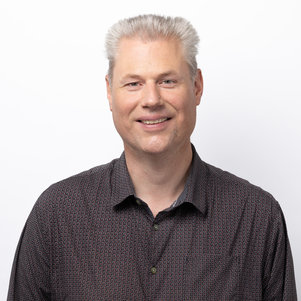
Bernd Rieger (born 1973) is a Professor at the Faculty of Applied Sciences of Delft University of Technology (TU Delft), Netherlands. He leads the Computational Imaging group within the Department of Imaging Physics (ImPhys). Appointed as Antoni van Leeuwenhoek full professor in 2017, he has established himself as a leading researcher in advanced microscopy techniques. His educational background includes an M.Sc. in physics from Technische Universität München (1999) and a Ph.D. in image processing and analysis from Delft University of Technology (2004). After completing his doctoral studies, he conducted postdoctoral research at the Max Planck Institute for Biophysical Chemistry in Göttingen, Germany. Rieger's research focuses on Computational Microscopy , which combines imaging physics and image processing specifically for light and electron microscopy applications in life sciences at the biomolecular level. His work spans optical nanoscopy, image processing algorithms, and electron microscopy techniques, with particular emphasis on improving resolution and developing novel imaging methodologies. The research has significant implications for understanding cellular structures and molecular interactions. Analysis of his recent publications reveals a strong focus on improving microscopy resolution techniques, developing image processing algorithms for microscopy data, and advancing super-resolution imaging methods. His work combines theoretical foundations with practical applications in biological imaging, particularly in the areas of structured illumination microscopy, DNA-PAINT, and Fourier analysis techniques for resolution assessment. ERC Consolidator Grant (2015) to investigate ways to further improve the resolution towards 1 nm in the field of optical nanoscopy Professor Rieger has successfully secured significant research funding, including the prestigious ERC Consolidator Grant. His research group collaborates extensively with other institutions and researchers across Europe. The group maintains strong connections with industry partners, particularly in the microscopy equipment sector, building on Rieger's earlier experience at FEI Electron Optics. The Rieger group operates advanced microscopy facilities at TU Delft, focusing on computational approaches to enhance imaging capabilities. The lab integrates physics-based modeling with sophisticated image processing techniques to push the boundaries of what's possible in optical and electron microscopy. Current research directions include 3D structured illumination microscopy, single-molecule localization techniques, and novel approaches to quantitative image analysis in biological contexts.
Sjoerd Stallinga is a full Professor in the Department of Imaging Physics within the Faculty of Applied Sciences at Delft University of Technology (TU Delft). He joined TU Delft in 2009 as an associate professor and was promoted to full professor in 2018. His academic journey began at the University of Nijmegen where he obtained both his graduate degree (1993) and PhD (1995) in theoretical liquid crystal physics. Stallinga's research focuses on computational optical imaging systems, with particular emphasis on biomedical applications. His primary research interests include computational imaging, super-resolution microscopy, digital pathology, optical nanoscopy, and general microscopy techniques. His work bridges theoretical physics, optical engineering, and biomedical applications, with a strong focus on developing novel imaging technologies for biological and medical research. His recent publications demonstrate a consistent focus on advancing imaging techniques, particularly in structured illumination microscopy, deconvolution algorithms, single-molecule localization microscopy, and image quality assessment. These works collectively contribute to pushing the boundaries of optical resolution and image processing in biological imaging. ERC Advanced Grant (2022) for making super detailed 3D images of proteins in living cells Zwaartekracht funding for living cells consortium (2022) Professor Stallinga has secured significant research funding including an ERC Advanced Grant and Zwaartekracht funding for a living cells consortium. His research group has developed innovative approaches in computational imaging and microscopy, with applications in biomedical research. The lab has produced numerous high-impact publications and has made significant contributions to the field of super-resolution microscopy and digital pathology. The ImPhys/Stallinga group at TU Delft focuses on the analysis, design, and realization of computational optical imaging systems. The team collaborates extensively with other researchers in the Netherlands and internationally, as evidenced by their numerous co-authored publications. Their work has practical applications in biomedical imaging, particularly in optical nanoscopy and digital pathology.
Songon An is an Associate Professor at the University of Maryland, Baltimore County (UMBC) in the Department of Chemistry & Biochemistry. His research focuses on the cellular biochemistry of metabolic multienzyme complexes , including the purinosome and glucosome , which regulate metabolic pathways in response to cellular signals relevant to cancer, diabetes, and obesity. He has been instrumental in advancing understanding of how these complexes are spatially and temporally organized in living cells. Education: Ph.D., University of Minnesota – Twin Cities (2005) Post-Doctoral, Pennsylvania State University (2011) B.S., Yonsei University, Seoul, Korea (1997) His work explores the dynamic architecture of metabolic enzyme complexes and their regulation via signaling pathways . Recent publications highlight the role of EGF-ERK1/2 and Akt-independent PDK1 pathways in glucosome and purinosome organization. His lab combines live-cell imaging , mathematical modeling , and biomolecular studies to uncover mechanisms that could redefine cellular biosynthetic pathway operations. Scientific Awards & Grants include the NIH R01 (2017) and R03 (2018) grants, and the Mid-Career Faculty Excellence Award (2020). He has served as an Associate Editor for Experimental Cell Research and Frontiers journals, as well as a panel reviewer for NIH and grant reviewer for ANR and ERC . Dr. An’s lab actively trains PhD students and undergraduate researchers , including former advisee Danielle Schmitt , now a tenure-track professor at UCLA. His lab has organized major conferences like the Chesapeake Bay Area Single Molecule Biology (CBASMB) meeting and contributed to Gordon Research Conferences and Keystone Symposia . Collaborations with Dr. Minjoung Kyoung and others emphasize multi-dimensional fluorescence imaging and phase-separated condensates in metabolic research.
Professor Ulrich Kaspar Heiz holds the Chair of Physical Chemistry at the Technical University of Munich (TUM) within the TUM School of Natural Sciences, Department of Chemistry. His research focuses on cluster-assembled materials in the non-scalable size regime, exploring quantum size effects and their applications in catalysis and energy conversion. He leads the research group on Cluster Catalysis and Advanced Spectroscopy, developing sophisticated methodologies to assess physical and chemical properties across different environments from ultra-high vacuum to ambient pressure. His research interests center on the fundamental properties of nanoscale materials, particularly investigating how the exact number of atoms in clusters determines their properties. This work has significant implications for understanding nanocatalysis, asymmetric catalysis, and photocatalysis. He employs a range of integral and local techniques including advanced spectroscopy and microscopy to research atomically precise matter. His fingerprint research areas include Surface Science, Size Selectivity, Magnesium Oxide Chemistry, Cluster Size effects, film materials science, Desorption chemistry, formation processes, and Metal Cluster science. Professor Heiz's publication record demonstrates consistent high-impact research spanning fundamental cluster science to applied catalysis. His recent work shows a clear trend toward bridging the pressure gap in catalysis research, developing methods to study clusters from ultra-high vacuum to ambient pressure conditions. The articles reveal strong focus on size-selected cluster catalysis, particularly with platinum, gold, and tantalum clusters, with applications in methane conversion, CO oxidation, and oxygen reduction reactions. His research increasingly incorporates chiral environments and advanced in situ characterization techniques. Spokesperson of the Cluster of Excellence e-conversion (2018) Member of the DFG Chemistry Forum (2013) ERC Advanced Grant recipient (2010) Alexander von Humboldt Committee Member (2006) Andrew Mellon Fellow (1992) Professor Heiz teaches multiple courses in physical chemistry including Experimental Methods of Physical Chemistry, Molecular Spectroscopy, and seminars on surface science and nanostructures. His research group develops and advances sophisticated methodologies for cluster research, with particular emphasis on bridging fundamental understanding with practical catalytic applications. The group maintains strong connections with international research institutions and has attracted significant funding through competitive grants including the ERC Advanced Grant.
Ben Montpetit is a Principal Investigator at the University of California, Davis, in the Department of Viticulture & Enology. His research focuses on gene expression regulation in yeast, particularly mRNA export mechanisms, nuclear pore complex dynamics, and DEAD-box proteins like Dbp5. He holds a PhD from the University of British Columbia (2007) and conducted postdoctoral work at UC Berkeley and the University of British Columbia. Prior to UC Davis, he was an Assistant Professor at the University of Alberta’s Department of Cell Biology. His work integrates molecular biology, cell biology, and biophysics to study RNA processing pathways, with applications in understanding yeast biology and winemaking. Key interests include the interplay between SUMOylation, nuclear envelope biogenesis, and mitosis. His lab develops advanced imaging techniques, such as refractive index-matched media for live-cell microscopy, to visualize RNA-protein complexes in yeast. Recent studies address tRNA export mechanisms, mRNA-protein complex composition, and nuclear pore basket assembly linked to mRNA export. He secured an NSF-MCB/BSF grant (2022) for stoichiometry studies of mRNA-protein complexes. His research bridges fundamental cell biology with applied viticulture, analyzing Saccharomyces cerevisiae gene expression during wine fermentation at industrial scales.
David Micheron is a Senior Lecturer at UiT The Arctic University of Norway, affiliated with the Department of Physics and Technology. His work spans two distinct research domains: optical nanoscopy and STEM education . Micheron contributes to photonic chip development for biomedical imaging and explores pedagogical strategies for large-group physics instruction. Research Focus : Photonic chip-based super-resolution microscopy, histopathology applications, and STEM education innovations Teaching : Course development for introductory physics (FYS-0100, FYS-1002, FYS-1003) and former FYS-2008 Measurement Techniques Collaborations : Active in the Optical Nanoscopy research group and Realfagsdidaktikk i høyere utdanning (Physics Education in Higher Education) Micheron’s publications highlight advances in on-chip nanoscopy for biomedical analysis and student-active learning methodologies.
Carmen Klein Herenbrink is a Guest Researcher in the Department of Neuroscience at the University of Copenhagen, specializing within the Neuropharm and Genetics research group. Her work integrates molecular neuroscience with advanced imaging techniques to investigate neurotransmitter systems and receptor dynamics. Her research focuses on neuropharmacology and molecular mechanisms underlying dopamine signaling and GPCR function. She develops innovative methodologies including genetically encoded fluorescent sensors and single-molecule localization microscopy to study cellular processes in real-time. Current investigations examine constitutive endocytosis of GPCRs and dopamine transporter visualization, with implications for neurological disorder therapeutics. Dr. Herenbrink's publication trends reveal consistent contributions to high-impact journals in cellular neuroscience, with increasing emphasis on membrane biophysics and molecular imaging techniques. Her collaborative work spans international teams addressing fundamental questions in receptor biology and neurotransmitter detection systems. She operates within the Neuropharm and Genetics research environment at the University of Copenhagen, utilizing state-of-the-art facilities for molecular neuroscience investigations. Her collaborative network includes prominent researchers in receptor pharmacology and neuroimaging across multiple European institutions.
Martin Lohse is a Professor for Pharmacology and Toxicology at Julius-Maximilians-University Wuerzburg since 1993. He has held leadership roles as Vice President for Research (2009–present) and Executive Director for Graduate Schools (2003–present). His research focuses on receptor physiology, signal transduction, and advanced fluorescence microscopy techniques, particularly for G-protein-coupled receptors in cardiac contexts. Initiator of Collaborative Research Center 478 "Regulatory Membrane Proteins" Chairman of Rudolf-Virchow-Center for Experimental Biomedicine (DFG center) Education: Studied medicine and philosophy in Göttingen, London, and Paris; completed doctoral research in neurobiology (1978–1981) at the Max-Planck-Institute for Biophysical Chemistry and habilitation in pharmacology at Heidelberg University (1988). Research Interests: His work spans receptor pharmacology, molecular mechanisms of desensitization, and real-time signaling visualization using fluorescence microscopy. He investigates adrenergic and GPCR systems in cardiac and cellular contexts. Recent Research Trends: His publications emphasize GPCR dynamics, internalized receptor signaling, and their role in cardiac hypertrophy and persistent cAMP signals. Collaborations highlight interdisciplinary approaches combining molecular biology with advanced imaging. Scientific Honors: Vice President, German National Academy of Sciences Leopoldina (2009–2019) Gottfried Wilhelm Leibniz-Prize (1999) Ernst-Jung-Prize for Medicine (2000) ERC Advanced Investigator Grant (2008) German Federal Cross of Merit, First Class (2002) Member, Bavarian Academy of Sciences (1998) Labs and Teams: Leads the Rudolf-Virchow-Center for Experimental Biomedicine, a German Research Foundation (DFG) center, and initiated Collaborative Research Center 478. His work integrates academic leadership with cutting-edge receptor signaling research.
Michaël Unser is a Full Professor at École Polytechnique Fédérale de Lausanne (EPFL) in the School of Engineering , leading the Biomedical Imaging Laboratory . He serves as Academic Director for Imaging at EPFL and contributes to cross-departmental teaching in Microengineering , Mathematics , and Life Sciences Engineering . His research spans Image Processing , Medical Imaging , Wavelets , and Spline-based Modeling , with a focus on multiresolution analysis and single-molecule localization microscopy . He has mentored over 30 PhD students and supervised numerous research projects. Recent publications highlight advancements in super-resolution microscopy , deep learning integration , and inverse problem solving for biomedical imaging. His work emphasizes mathematical rigor and open-source software development for accessible bioimaging tools. IEEE Technical Achievement Award (2008) IEEE EMBS Career Achievement Award (2020) Three ERC Advanced Grants (FUNSP, GlobalBioIm, FunLearn) As Academic Director for Imaging , he leads EPFL's cross-disciplinary imaging initiatives. His teaching includes Fundamentals of Image Analysis and Signals and Systems courses.
Dr. Hannah Mitchell is a Lecturer at Queen's University Belfast's School of Mathematics and Physics, affiliated with the Intelligent Autonomous Manufacturing Systems and Mathematical Sciences Research Centre. She specializes in spatial data analysis, Hidden Markov models, and survival analysis, with research focusing on single-molecule imaging and statistical modeling. Key Research Areas: Spatial data analysis, Hidden Markov models, reversible jump MCMC for changepoint detection in imaging Recent Publications: Advanced statistical methods for FLImP super-resolution imaging and photobleaching correction Awards: 1st Prize for oral presentation at international conference (2024) Her work bridges computational statistics and biomedical imaging, developing techniques to improve imaging accuracy and efficiency. She actively supervises PhD students and contributes to peer review activities for journals.
Dylan Owen is a Professor of Immunology and Immunotherapy at the Institute for Interdisciplinary Data Science and AI . His research focuses on T-cell biology, membrane organization, and advanced imaging techniques. Research Interests: T-cell receptor signaling, lipid membrane dynamics, single-molecule super-resolution imaging, and topological data analysis of spatiotemporal biological systems. Projects: Leading a BBSRC-funded database for protein nanoscale organization (2023–2026), a UCB Pharma collaboration on receptor clustering (2021–2025), and Wellcome Trust research on gamma delta T-cell paradigms (2021–2026). Methodology: Specializes in single-molecule localization microscopy (SMLM), dSTORM, and quantitative imaging to correlate receptor organization with cellular responses.
Prof. Marcus Müller is a Professor of Theoretical Physics at the University of Göttingen's Faculty of Physics, Department of Theoretical Physics. His research employs advanced computational methods to investigate fundamental phenomena in polymer systems, soft matter, and biological membranes, with significant contributions to understanding non-equilibrium dynamics and self-assembly processes. His research portfolio spans: Polymer Physics : Dynamics of polymer melts, block copolymer self-assembly, and phase separation mechanisms Soft Matter Physics : Active matter systems, membrane biophysics, and dissipative structures Computational Physics : Development of specialized simulation techniques including peridynamic-enhanced Fourier spectral methods and slip-spring models Analysis of his 15 most recent publications (2023-2025) reveals a dominant focus on the interplay between processing conditions and nanostructure formation in block copolymers, with expanding applications to battery electrolytes and biological systems. Key trends include the investigation of non-equilibrium pathways in spinodal decomposition, membrane fission/fusion mechanisms, and reaction-driven organization in active liquids, demonstrating strong integration of theoretical modeling with experimental validation. No scientific awards were documented in the available source material. While specific advising relationships and grant details were not provided, his extensive publication record suggests active mentorship of graduate students in computational soft matter physics. The research direction indicates ongoing investigation of fundamental transport phenomena in polymeric systems with applications to energy storage and cellular biophysics. His work appears conducted within computational research groups at the Department of Theoretical Physics, focusing on molecular simulations and theoretical modeling of complex soft matter systems, with particular emphasis on membrane dynamics and polymer self-assembly under non-equilibrium conditions.
Mark J. Uline serves as Professor and Chair of the Biomedical Engineering Department at the University of South Carolina's Molinaroli College of Engineering and Computing, with affiliate status in Chemical Engineering. His academic career at USC spans over 14 years, progressing from Assistant Professor (2011) to current Chair (2025-present), following leadership roles as Program Director (2021-2024) and Undergraduate Director (2014-2021). Education Ph.D. in Chemical Engineering, Purdue University (2008) B.S. in Chemical Engineering, Purdue University (2003) Postdoctoral Associate, Biomedical Engineering, Northwestern University (2008-2011) Research Focus Dr. Uline's computational biophysics research investigates fundamental interactions at biological interfaces through molecular modeling. His group specializes in lipid bilayer phase transitions, surfactant-driven nematic ordering in liquid-crystal films, bubble/droplet nucleation theory, and molecular dynamics simulations in the isothermal-isobaric ensemble. Current work emphasizes nanomedicine applications including nanoparticle-biomembrane interactions and GPCR spatial organization in plasma membranes, with significant implications for drug delivery and cardiovascular therapies. His methodology integrates self-consistent field theory with advanced simulation techniques to address complex biomolecular phenomena. Publication Trends Analysis of Dr. Uline's 15 most recent publications (2023-2025) reveals a strategic evolution from foundational thermodynamics toward applied nanomedicine. Over 60% of recent work focuses on GPCR membrane organization and cardiovascular interventions, particularly drug-coated balloon technology. His research consistently bridges computational biophysics with clinical applications, demonstrating increasing collaboration between molecular modeling and translational biomedical engineering. The persistent thread remains understanding interfacial phenomena through rigorous computational approaches. Teaching & Leadership Dr. Uline teaches core courses including BMEN 240 (Cellular and Molecular Biology), BMEN 290 (Thermodynamics of Biomolecular Systems), and graduate-level modeling courses. As Department Chair, he oversees academic programs while maintaining active research leadership through the Uline Research Group, which operates at the intersection of chemical engineering principles and biomedical challenges.