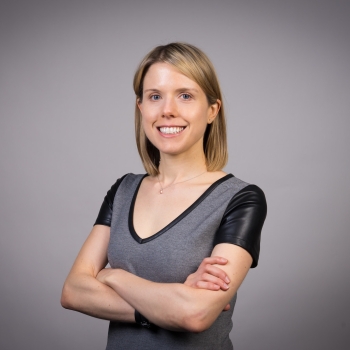
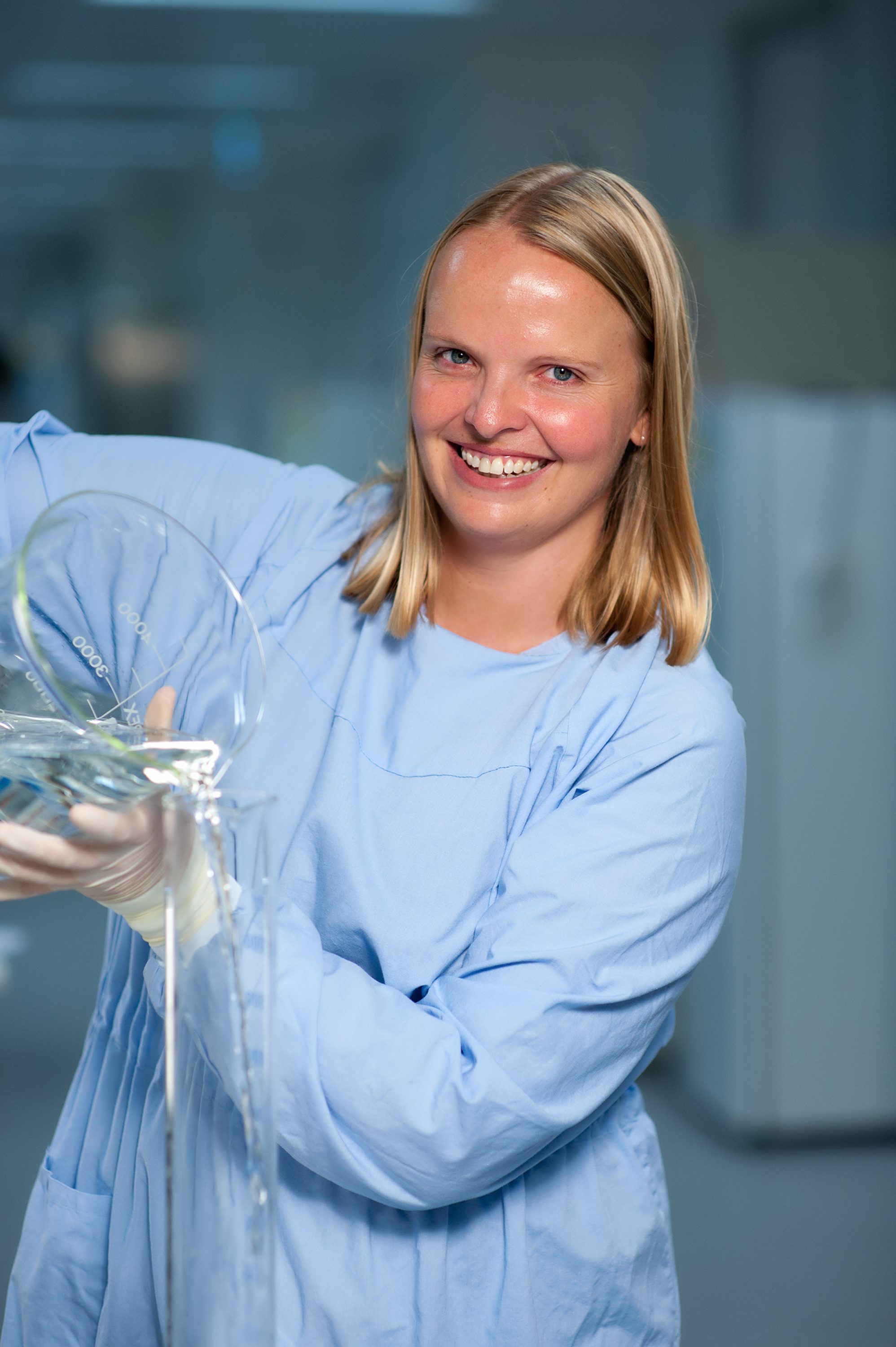
Tara McAllister is an Associate Professor and Director of the Doctoral Program in Communicative Sciences and Disorders at New York University’s Steinhardt School. She leads the Biofeedback Intervention Technology for Speech (BITS) Lab , focusing on speech learning mechanisms and biofeedback treatments for speech disorders. Her work emphasizes acoustic and ultrasound biofeedback efficacy in resolving residual speech sound disorders, particularly in children. McAllister directs development of the staRt iOS app, expanding access to biofeedback training. She holds degrees from Harvard, MIT, and Boston University, with clinical expertise in speech-language pathology. Education: A.B./A.M., Linguistics, Harvard University (2003) M.S., Communication Disorders, Boston University (2007) Ph.D., Linguistics, MIT (2009) Research Interests: Speech motor control, perception-production links, bilingual phonological development, and technology-driven interventions. Her NIH-funded studies investigate biofeedback applications for speech disorders and crowdsourcing methodologies for perceptual analysis. Grants & Labs: NIH/NIDCD-funded BITS Lab research staRt app development since 2014 Teaching: Courses include Critical Evaluation of Research and Speech Science Instrumentation , emphasizing evidence-based practices in communication sciences.
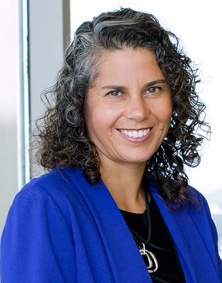
Virginia de Sa is a Professor in the Department of Cognitive Science at the University of California, San Diego. Her research integrates computational modeling, psychophysics, and machine learning to investigate visual and multi-sensory perception, with a focus on understanding how humans learn and perceive through neural mechanisms. Her work emphasizes the synergy between human learning and machine learning, applying insights from both fields to advance understanding of perception. Notable projects include developing brain-computer interface (BCI) systems and analyzing biases in facial expression recognition algorithms. She leads the de Sa Lab, which explores the neural basis of learning through interdisciplinary methods, including EEG analysis and biologically inspired algorithms. Key research directions include improving BCI usability through adaptive spatial filtering, investigating pain assessment via facial and electrophysiological data fusion, and enhancing AI fairness in facial expression analysis. Dr. de Sa has contributed to grants such as the NSF-funded CHS project to enhance BCI reliability and collaborates on initiatives like AI-READI to improve healthcare data practices. Her lab’s BCI division focuses on interpreting EEG data for assistive technologies, while her work on divisive normalization bridges biological insights with artificial neural network design. Ongoing efforts explore zero-shot learning and the generalization of neural models to unseen tasks. Dr. de Sa’s interdisciplinary approach spans neuroscience, computer science, and engineering, with a commitment to advancing both theoretical understanding and practical applications in human-computer interaction.
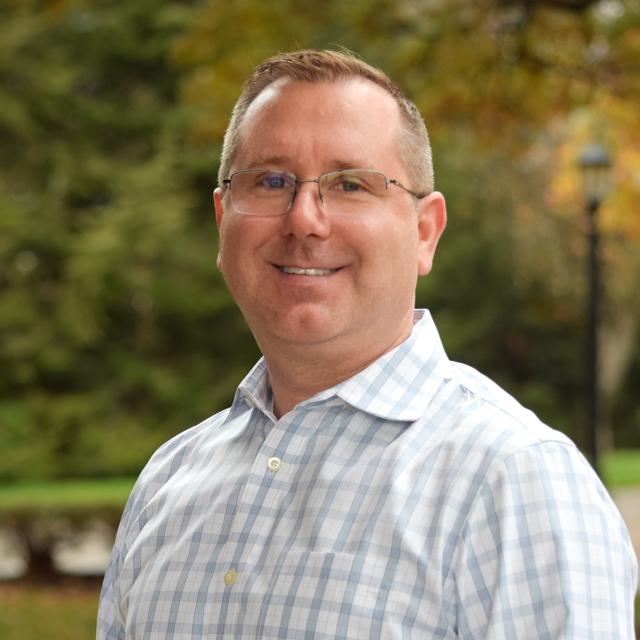
Dr. Ara J. Schmitt is a Professor of School Psychology and Associate Dean for Research and Faculty Advancement at Duquesne University's School of Education. He holds a Ph.D. from Illinois State University (2001) and a B.S. from the University of Illinois at Urbana-Champaign (1996). His research focuses on neuropsychological assessment, evidence-based interventions for learning disabilities, school-based chronic illness management, and bullying dynamics. Dr. Schmitt has authored numerous peer-reviewed articles, book chapters, and textbooks, including Patterns of Learning Disorders (2006) and Theory and Cases in School-Based Consultation (2020). Education: Ph.D., School Psychology, Illinois State University (2001); B.S., Psychology, University of Illinois (1996) Professional Roles: Associate Dean for Research, School Psychology Program Director, Adjunct Faculty Collaborator His research interests emphasize applied interventions in schools, including neurocognitive assessments, concussion management, and bullying prevention. He has pioneered studies on Taped Problems Intervention adaptations for remote learning and explored cognitive predictors of bullying behavior in adolescents. Recent work addresses socially responsive evaluation practices in health psychology and disparities in concussion awareness among athletes and parents. Dr. Schmitt has advised over 20 graduate students and contributed to national initiatives like the CCTC 2020 guidelines for health psychology training. His work bridges clinical practice and education, particularly in supporting students with chronic illnesses and neurodiverse needs.
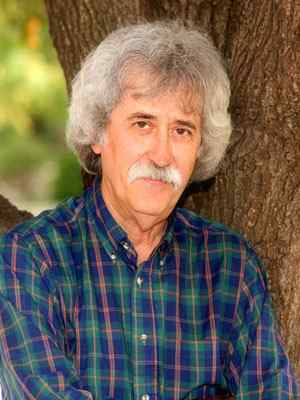
Dr. Clarissa Ong is an Assistant Professor in the Department of Psychological and Brain Sciences at the University of Louisville. Her research focuses on process-based therapy (PBT), acceptance and commitment therapy (ACT), and obsessive-compulsive and related disorders (e.g., OCD, perfectionism, hoarding). She aims to develop personalized, accessible treatments that address mental health disparities. Dr. Ong’s work emphasizes understanding why treatments succeed or fail, particularly for minoritized populations. Education: 2022: Postdoctoral Associate, Center for Anxiety and Related Disorders, Boston University 2021: Ph.D., Clinical/Counseling Psychology, Utah State University 2020: Predoctoral Internship, McLean Hospital/Harvard Medical School 2018: M.S., Clinical/Counseling Psychology, Utah State University Research Interests: Dr. Ong’s work integrates randomized controlled trials, process-of-change analyses, and single-subject designs to improve treatment efficacy. She investigates psychological flexibility, treatment personalization, and barriers to evidence-based interventions. Her research spans hoarding disorder, perfectionism-driven anxiety, and the role of sociodemographic factors in mental health outcomes. Labs/Teams: Dr. Ong directs the POIS Lab , which studies process-based interventions for OCD, hoarding, and related conditions. Undergraduate research assistant positions and graduate student applications are regularly available through the lab website. Advising & Grants: While specific grant details are not provided, her research has examined treatment outcomes in virtual partial hospital programs and telepsychotherapy for trichotillomania. She collaborates on projects addressing audiologists’ communication with parents of children with hearing loss.
Robert D. Zettle is a Professor of Psychology in the Clinical-Community Psychology Program at Fairmount College of Liberal Arts and Sciences, Wichita State University. He directs the Contextual Behavioral Science Lab and teaches Abnormal Psychology, Cognitive Behavioral Therapy, and Ethical and Professional Issues in Clinical Psychology. Dr. Zettle's educational background includes: Ph.D. in Psychology from University of North Carolina-Greensboro (1984) M.A. in Psychology from Bucknell University (1976) B.A. in Psychology from Wilkes College (1974) His research centers on Contextual Behavioral Science , examining how languaging and verbal behavior contribute to human suffering. Key areas include: Developing measures of psychological flexibility and self-as-context Experimental manipulation of processes in anxiety and mood disorders Comparing traditional CBT with Acceptance and Commitment Therapy (ACT) for depression Investigating mechanisms like defusion and acceptance in ACT Current projects focus on dissociative symptom induction, mood-enhancing versus value-congruent behavioral activation, and client treatment preferences in spider fear interventions. Dr. Zettle's recent publications (2019-2025) reveal a strong emphasis on self-as-context measurement , cross-cultural adaptations of ACT tools, and depression relapse prevention . His work increasingly integrates attention bias modification with ACT and explores client preference dynamics, while expanding applications to university counseling centers and international contexts. He mentors graduate students including Nakisha Carrasquillo, Angela Cathey, Suzanne Gird, Angie Hardage-Bundy, Sarah Staats, and Jeff Swails. His research is supported by ongoing projects in the Contextual Behavioral Science Lab investigating core ACT processes and clinical applications. The Contextual Behavioral Science Lab, directed by Dr. Zettle, maintains a collaborative team environment focused on both experimental psychopathology and clinical treatment development. Current work spans measurement validation, interoceptive exposure techniques, and comparative treatment studies for depression and anxiety disorders.
Prof. Dr. Elisabeth Timm holds the Chair of Cultural Anthropology at the Institute for Cultural Anthropology and European Ethnology , University of Münster. With a career spanning decades, her work bridges academic research with public engagement through projects like "Erzählen Deine Gene Dir Deine Geschichte?!" , which won the 2024 Citizen-Science-Preis der Universitätsstiftung Münster. She critiques political movements opposing gender and race theory while maintaining scientific rigor. Research Focus: Her scholarship examines genealogy as knowledge practice, single-family homes as social ontologies, and the intersections of culture, science, and politics. She leads interdisciplinary projects connecting archives, museums, and citizen science initiatives. Scientific Awards: Citizen-Science-Preis (2024) Dr. Fritz Landenberger-Preis (2009) Research Fellowship in Vienna (2009) Public Engagement: Regularly participates in exhibitions like "Familienmacher" (Österreichisches Museum für Volkskunde) and debates on topics such as genetic data ethics and urban development.
Dr Bastien Lechat is a Research Fellow at Flinders Health and Medical Research Institute (FHMRI): Sleep Health, within the College of Medicine and Public Health at Flinders University. He is also a Full Member of the College of Science and Engineering and the Medical Device Research Institute. As an NHMRC Emerging Leadership Fellow, he leads innovative research at the intersection of sleep medicine, artificial intelligence, and wearable technology. Education: PhD in Sleep Health, Adelaide Institute for Sleep Health, Flinders University (2018–2021) Bachelor of Engineering in Engineering Science/Acoustics, Université du Maine, France (2014–2017) Dr Lechat’s research focuses on understanding the physiological mechanisms and consequences of obstructive sleep apnea (OSA), particularly night-to-night variability and patient subtypes. He develops AI-driven tools for efficient and accurate diagnosis using wearables and signal processing. His work aims to create a scalable, low-cost model of care for sleep-disordered breathing, addressing global diagnostic gaps. His recent publications reveal a strong trend in digital health innovation, with a focus on machine learning for OSA detection, circadian rhythm modeling, cardiovascular risk prediction, and climate impacts on sleep. His research has been published in top journals including Nature Communications , Journal of Sleep Research , and Sleep Medicine , demonstrating interdisciplinary reach. Scientific Awards and Recognition: NHMRC Emerging Leadership Fellow (2023) Helen Bearpark Memorial Scholarship (2022) Emerging Research Leader Award, Flinders University (2021) Multiple early-career awards from Sleep Down Under, Australasian Sleep Association, and Adelaide Sleep Retreat Ranked in the top 5% of international authors in sleep apnea by Expertscape Dr Lechat has secured over $2.5 million in competitive research funding and actively supervises and mentors junior researchers. He serves on the program committee of the American Thoracic Society meetings and contributes to clinical guidelines. He collaborates globally with industry and academic partners to translate research into clinical practice. Laboratories and Research Teams: He co-leads the 'Novel use of digital innovations & technology development' theme at FHMRI: Sleep Health, working closely with Professor Danny Eckert. His team integrates expertise in biomedical engineering, data science, and clinical sleep physiology to advance digital sleep medicine.
Professor Caroline Ford is a leading researcher at the University of New South Wales, serving within the School of Women's and Children's Health and the Adult Cancer Program at the Lowy Cancer Research Centre. She leads the Gynaecological Cancer Research Group (GCRG), which focuses on understanding the development, spread, and treatment of gynaecological cancers, with particular emphasis on ovarian and endometrial cancer. Established in 2010 after international postdoctoral fellowships at the University of Toronto and Lund University, her laboratory has maintained consistent competitive research funding for over 13 years. Her research spans Cancer Cell Biology with specific expertise in ovarian cancer, endometrial cancer, endometriosis, metastasis mechanisms, ascites biology, and cell-free DNA analysis. Major projects include developing an early detection test for ovarian cancer and identifying key targets for anti-metastatic therapies. The GCRG works closely with clinicians at the Royal Hospital for Women and conducts studies involving biospecimen collection from women with gynaecological cancers. Professor Ford has pioneered innovative in vitro organotypic models of ovarian and endometrial cancer for pre-clinical drug testing. Her publication record shows consistent focus on ROR1/ROR2 receptors, Wnt signaling pathways, and cell-free DNA applications in cancer diagnostics. Recent work has emphasized liquid biopsy techniques using ascites fluid, 3D cancer models, and computational approaches to predict treatment outcomes. She has published extensively on the molecular mechanisms of gynaecological cancers and their clinical applications. Superstar of STEM (2017) Women's Agenda Award for Female Leader in Science, Medicine & Health (2018) Professor Ford actively supervises PhD students including Kate Gunther and Bonnie Werner, and co-supervises Zoe Phan. She convenes UNSW's General Education course on Personalised Medicine and developed Australia's first MOOC on this subject. She serves as Chair of the ANZGOG Uterine Tumour Type Working Group and Research Chair of Cure Cancer Australia. Her community engagement includes founding the STEMMinist Book Club and leading the 'Ovaries. Talk About Them' campaign to raise awareness about ovarian cancer.
Lisa D. Brush is a Professor in the Department of Sociology at the University of Pittsburgh, holding a core faculty appointment in the Gender, Sexuality, and Women's Studies Program. She is affiliated with the Kenneth P. Dietrich School of Arts and Sciences, contributing to its interdisciplinary academic environment. Her primary contact is lbrush@pitt.edu . Dr. Brush's research focuses on the intersection of gender, poverty, and public policy, particularly examining how welfare systems and institutional frameworks impact women experiencing domestic violence. She explores themes such as the rhetoric of self-sufficiency, racial disparities in welfare-to-work transitions, and the historical construction of narratives about single mothers. Her work bridges feminist theory with empirical analysis, critiquing policy outcomes and advocating for systemic change. Her articles reveal a persistent engagement with welfare reform's consequences for marginalized groups, the dynamics of domestic violence in economic contexts, and gendered governance structures. Key topics include the relationship between employment and domestic abuse, the role of protection orders in earning stability, and the ethical dimensions of violence research. She has also analyzed how historical discourse shapes contemporary understandings of gender roles and social policy. No scientific awards or grants are explicitly mentioned in the provided texts. Dr. Brush has no listed advisees or students. She is not associated with any labs or teams in the available information. Her work emphasizes interdisciplinary collaboration within the Dietrich School and the Gender, Sexuality, and Women's Studies Program.
Dr. Ernesto Elias Vidal Rosas is a Lecturer at the School of Electronics and Computer Science, University of Southampton. Previously, he was a Postdoctoral Researcher at UCL Medical Physics and Biomedical Engineering Department. He specializes in neuroimaging and optical technologies with extensive expertise in near-infrared spectroscopy (NIRS), diffuse optical tomography (DOT), and wearable brain imaging systems. He is currently accepting PhD students. Research Focus: Dr. Vidal-Rosas leads research in neuroimaging methodologies and brain-computer interfaces. His work emphasizes wearable technologies for clinical and home-based monitoring, with applications spanning from neonatal care to motor rehabilitation. Key research domains include: Development of high-density diffuse optical tomography (HD-DOT) systems Integration of EEG and fNIRS for brain-computer interfaces Real-time processing algorithms for neurofeedback applications Non-invasive monitoring of therapeutic responses in oncology He is currently involved in the Horizon Europe PUREMIND project focused on preventing mental illness through multimodal biomarker analysis. Academic Activities: Actively advises PhD candidates in Computer Science and teaches undergraduate courses including Healthcare Technology Design (ELEC2231) and Digital Control System Design (ELEC3206). His pedagogical research includes developing virtual tools for engineering education. Affiliations: Member of the Digital Health and Biomedical Engineering research group and the Institute for Life Sciences at Southampton.
Marie Tejero Hughes is a Professor in Special Education at the University of Illinois at Chicago , focusing on graduate literacy instruction for educators in urban communities. Her work centers on comprehension strategies for culturally/linguistically diverse students and Latino family engagement . PhD in Reading and Learning Disabilities MSEd in Elementary Education BSEd in Early Childhood/Elementary Education Her research examines: Spanish literacy interventions for English learners Teacher leadership in special education MTSS/PBIS implementation in high-need schools Latinx family perspectives on autism education Coaching models for literacy development Recent publications highlight: Teacher leadership frameworks Bilingual literacy outcomes Latinx family expertise in math education Parent training programs in Colombia Technology-enhanced play interactions She has directed multiple US Department of Education grants focused on special education teacher recruitment and retention, and frequently collaborates with Colombian researchers on autism family support systems.
Jürgen Sauer is a Full Professor at the University of Fribourg , affiliated with the Department of Psychology under the Faculty of Letters and Human Sciences . With over 120 publications, his research focuses on Human-Machine Interaction , Usability Testing , User Experience (UX) , and Automation Design , particularly in high-stakes environments like X-ray baggage screening and spaceflight simulations . Email: juergen.sauer@unifr.ch Phone: +41 26 300 7622 Address: RM 01 bu. C-1.117, Rue PA de Faucigny 2, 1700 Fribourg Orcid: 0000-0003-2105-1694 His research projects, funded by the Swiss National Science Foundation (FNS), include: Improving work design for airport security officers (2019-2024): Developed pictorial scales for measuring psychological constructs in security environments. Social stress and support in hybrid teams (2018-2023): Investigated machine-induced social stressors and mitigation through social support. Automation in visual inspection tasks (2014-2018): Examined adaptable automation for baggage screening and system reliability effects. Usability testing effectiveness (2012-2016): Analyzed cultural background impacts and non-usability product features influencing test outcomes. Key contributions include the Luggage Inspection Simulation (LIS) environment for modeling work environments and the development of pictorial usability scales for multilingual applicability. His work bridges ergonomics , human factors , and applied psychology , with notable collaborations with researchers like Adrian Schwaninger and Andreas Sonderegger . His recent publications (2025-2014) analyze: Human-machine performance under false alarms and miscues Social stressor dynamics in hybrid teams Usability scale animation effects Phubbing behavior in professional contexts Accessible website design for non-disabled users
Assoc. Prof. Hana Vančová, PhD., is a dedicated academic at Trnava University's Faculty of Education, where she has served as an Associate Professor in the Department of English Language and Literature since 2013 (promoted from Assistant Professor following her 2022 habilitation). Currently Deputy Head of Department for Education, she oversees curriculum development and serves as study advisor for single-subject and combined English language teacher education programs at bachelor's, master's, and doctoral levels. Her institutional commitment spans over a decade with full-time employment since 2013. Education: 2004–2009: Master of Arts (Mgr.) in English Language and Literature – Slovak Language and Literature, Faculty of Education, Trnava University 2009–2012: Doctor of Philosophy (PhD.) in Pedagogy, Faculty of Education, Trnava University 2019: Professional Development: "Teaching languages in the digital era: the best apps, web platforms and ICT solutions for learning languages", Institute for Training, Employability and Mobile Learning Hana Vančová's scholarly work centers on English pronunciation pedagogy , with pioneering research in technology-enhanced instruction . Her primary domains include phonetics and phonology , lexicology , and digital language learning tools , investigating how AI, mobile applications, and multimedia resources optimize pronunciation acquisition. She bridges theoretical linguistics with practical classroom applications through ergonomic educational design, emphasizing learner-centered methodologies that address sociolinguistic factors like accent identity and intelligibility. Her habilitation thesis established her as a key innovator in pronunciation technology. Analysis of Vančová's publication trajectory (2014-2024) reveals a decisive shift from foundational studies on Slovak learners' pronunciation errors toward cutting-edge research on AI-driven pronunciation training. Her recent work explores karaoke-based methods and ethical AI implementation in CALL (Computer-Assisted Language Learning), highlighting human-AI interaction dynamics. The consistent thread is her commitment to making pronunciation instruction accessible through technological innovation, with publications increasingly addressing inclusivity, ethical considerations, and ergonomic design in digital language learning environments. While no specific scientific awards are documented beyond her academic promotion, Vančová's habilitation procedure—evaluated by an international committee including scholars from Poland, Czech Republic, and Slovakia—represents significant scholarly recognition. Her work has received 36 citations (14 foreign, 22 domestic) as of 2021. As study advisor for English language teacher training programs, Vančová mentors students across bachelor's, master's, and doctoral studies, guiding curriculum development for profile subjects in phonetics, lexicology, and digital language education. She maintains structured consultation hours (Wednesdays 10:00-11:30, study advising 11:30-13:00 via MS Teams) and demonstrates sustained research productivity through monographs, textbooks, and peer-reviewed articles. Though specific grant funding isn't detailed, her habilitation thesis exemplifies capacity for substantial scholarly projects with practical pedagogical impact. No dedicated laboratories or formal research teams are documented; Vančová's academic activities operate within the Department of English Language and Literature framework, focusing on individual research initiatives and departmental leadership in educational technology integration.
Prof. Dr. Thomas Stäcker is a Part-time Professor for Digital Humanities at the Department of Information Sciences, University of Applied Sciences Potsdam. He serves as Director of the University and State Library Darmstadt (since 2017) and Deputy Director of the Herzog August Library Wolfenbüttel (since 2009). His career spans roles as a librarian at Herzog August Bibliothek (since 1998) and Johannes a Lasco Library in Emden (1997-1998). Education: Master's degree in History of Philosophy and Latin (1991), doctorate (1994) from TU Braunschweig, University of Essex, and University of Osnabrück Research: Digital Humanities, digitization of early printed books, XML/TEI encoding, OCR technologies, and cultural heritage preservation Leadership: Key roles in major digitization projects (e.g., VD17, Dünnhaupt Digital) and digital library development His work bridges library science with scholarly research, emphasizing open access, digital editions, and metadata standards. He has authored/co-authored numerous monographs, including the 2015 'Grenzen und Möglichkeiten der Digital Humanities' and the 2016 Festschrift chapter on open access. Stäcker co-edited digital editions like Christoph Heidmann's Oratio de Bibliotheca Julia (2013) and maintained active engagement through blogs like 'dhd-blog.org' (2015 post on humanities research data).
Dr. Stuart Marshall serves as Associate Dean of Academic Development in the Faculty of Science and Engineering at Victoria University of Wellington - Te Herenga Waka, where he also holds the academic rank of Senior Lecturer. Previously, he served as Head of School for the School of Engineering and Computer Science from 2015-2021 after joining the institution as a Lecturer in 2003. His academic journey includes completing his BSc, MSc, and PhD in Computer Science at Victoria University of Wellington, with his doctoral research focusing on software reuse. Marshall's research interests center on information and data visualization, particularly exploring how visualization can function as collaborative tools in team environments rather than single-user applications. He also investigates explainable AI and mobile user interface design with emphasis on promoting healthy device usage patterns. His work bridges theoretical computer science with practical applications in education and environmental analysis. Analysis of his publication record reveals a consistent focus on visualization techniques, with recent work shifting toward immersive analytics and virtual reality applications for complex data analysis, particularly in ecosystem services. Earlier publications concentrated on mobile learning applications grounded in transactional distance theory, software visualization for large codebases, and graph layout algorithms. Marshall has supervised six PhD students and eight Masters students to completion, with current doctoral supervision spanning immersive environments for reading assistance, medical diagnosis interfaces, and cardiac procedure simulation. His grant portfolio includes multiple ACM ISS 2022 projects with industry partners including Sensor Holdings Limited, Niantic, Autodesk, and Northeastern University, along with an Australian Research Council grant for digital games preservation. Teaching responsibilities encompass foundational programming, safety-critical systems, human-computer interaction, and data visualization across undergraduate and graduate courses. He teaches subjects including SWEN326 (Safety-Critical Systems), CGRA151 (Introduction to Computer Graphics and Games), and DATA301 (Data Science in Practice), with teaching assignments scheduled through 2026.