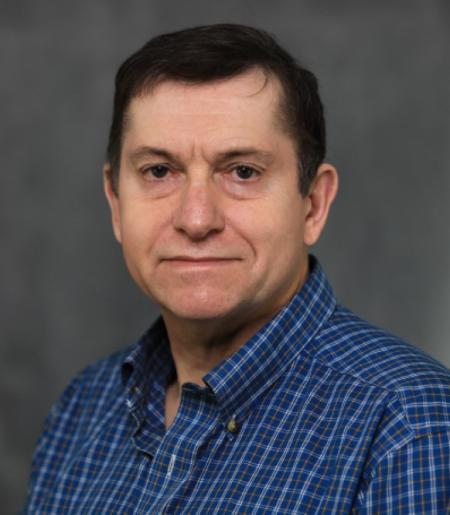
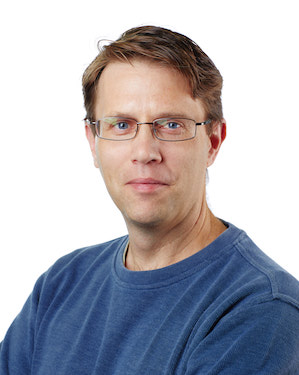
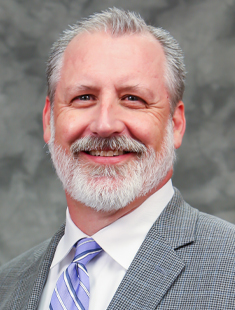
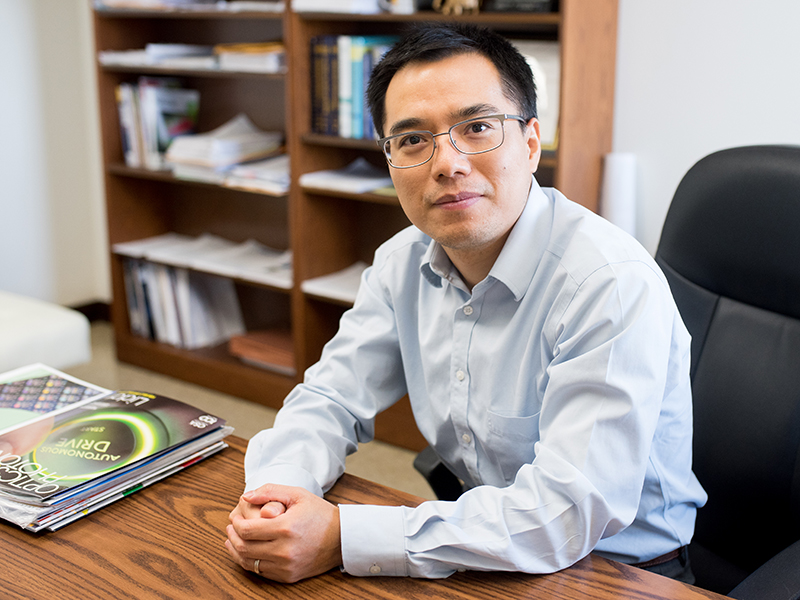
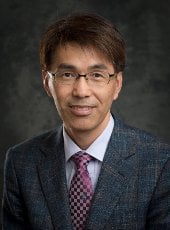
Junhong Chen is the Crown Family Professor of Molecular Engineering at the University of Chicago's Pritzker School of Molecular Engineering and Lead Water Strategist at Argonne National Laboratory. His research focuses on hybrid nanomaterials, 2D materials, sensors for chemical/biological molecules, and energy devices. He has pioneered innovations in real-time water sensing and energy storage, with applications in environmental sustainability and healthcare. Chen holds a PhD from the University of Minnesota (2002) and a postdoc from Caltech (2003). He previously directed the NSF Industry-University Cooperative Research Center on Water Equipment & Policy and served as a NSF program director. Education: PhD in Mechanical Engineering (2002, University of Minnesota), Postdoc in Chemical Engineering (2002–2003, Caltech) Research Interests: Nanomaterials, Sensors, Energy Storage, Water Pollution Control Awards: Fellow of National Academy of Inventors, ASME, IAAM Medal, Wisconsin Innovation Award (2016) Chen's lab group develops nanosensors and energy devices using molecular engineering, with a focus on scalable manufacturing and AI integration. Recent work includes graphene-based sensors for real-time water monitoring and novel battery technologies. His research also addresses global challenges like PFAS contamination and sustainable manufacturing.
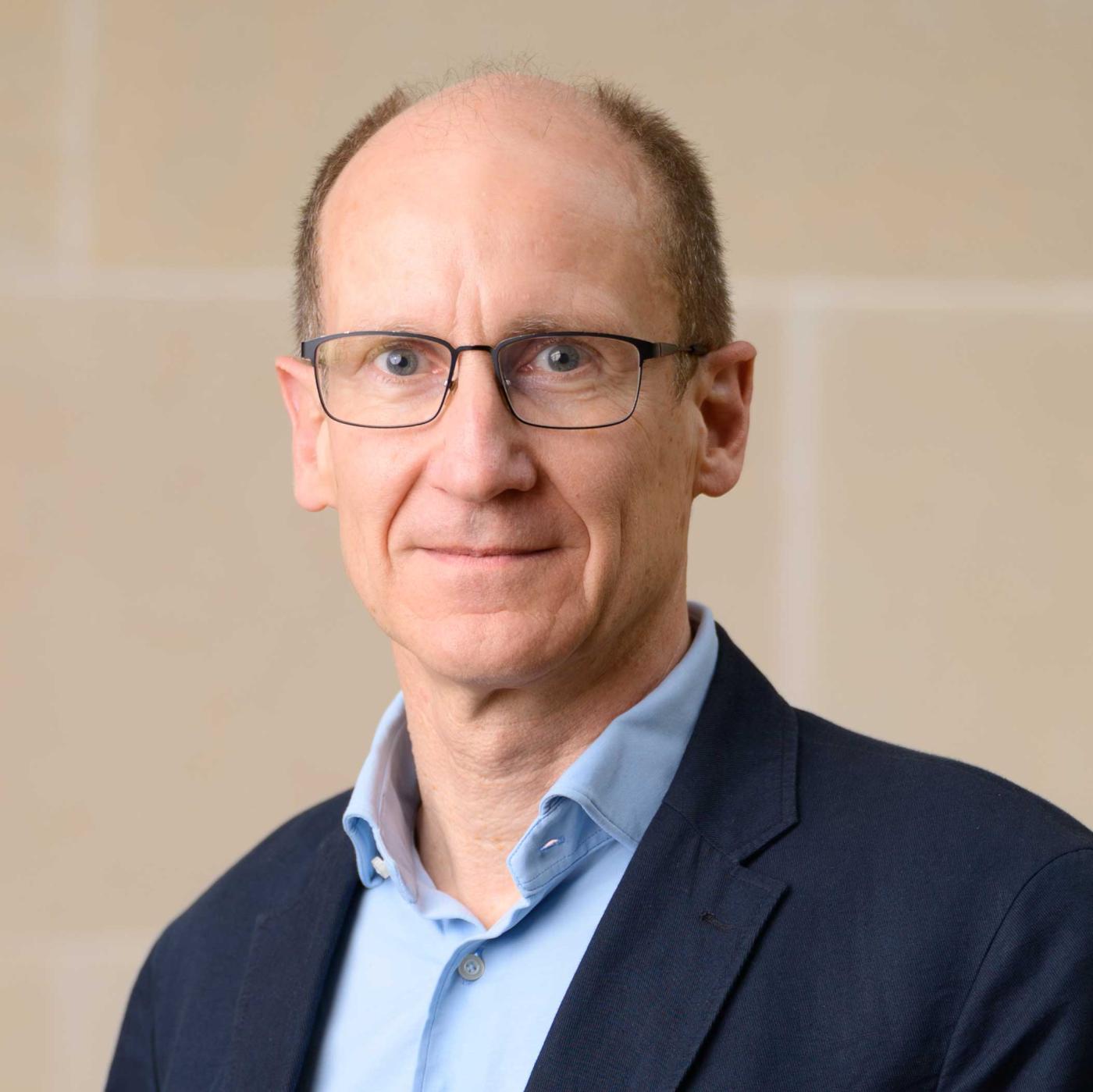
Robert Thorne is a Professor in the Department of Physics at Cornell University's College of Arts and Sciences. His research spans biological physics, experimental condensed matter physics, and physics education innovations. He holds a B.Sc. from the University of Manitoba (1981) and a Ph.D. from the University of Illinois at Urbana (1987). Stephen H. Weiss Presidential Fellow (2011-present) Founder and CTO of MiTeGen LLC (2004-present) Research Interests: Thorne's work focuses on: Single-particle cryo-EM and time-resolved molecular movies Advanced X-ray crystallography and SAXS techniques Water/ice physics in biological and materials contexts X-ray fluorescence imaging for archaeology Physics education curriculum reform and outreach programs Publication Trends: His 15 most recent articles (2004-2021) demonstrate expertise in: Structural biology methodology Radiation damage mitigation Nanoconfined material behavior Cultural heritage imaging Physics education innovation Crystallography instrumentation Awards: Presidential Young Investigator (1988-1993) Alfred P. Sloan Fellow (1988-1990) Stephen H. Weiss Presidential Fellow (2011-present) Advising & Grants: Active mentor of M.S. student Myeonghak Lee and undergraduate Andrew DiFabbio . His research has received grants supporting student engagement and CHESS synchrotron upgrades.
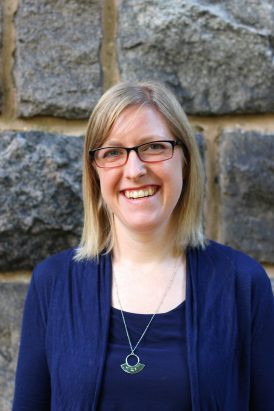
Sean B. Andersson is a Professor in the Department of Mechanical Engineering at Boston University's College of Engineering. His research focuses on optimal estimation, system identification, single particle tracking, robotics, and control theory. He earned his Ph.D. from the University of Maryland, College Park. Education : Ph.D. in Mechanical Engineering (University of Maryland, College Park) His work integrates control algorithms with applications in microscopy, nanofabrication, and multi-agent systems. Recent research trends highlight persistent monitoring, trajectory optimization, MRI reconstruction, and dip-pen nanolithography. He has mentored numerous graduate and undergraduate students, many of whom now hold positions at institutions like MIT Lincoln Labs, University of Pennsylvania, and Juniper Networks. Scientific Contributions : Developed robust multi-agent control policies for data harvesting Advanced single particle tracking with real-time feedback Innovated in non-raster scanning probe microscopy Optimized sensor scheduling via minimax and semidefinite programming His lab team combines theoretical and applied research in robotics and control systems, with alumni contributing to academia, industry, and research labs globally.
Patrick M. Tarwater is a Professor in the Department of Epidemiology & Biostatistics at Texas A&M University, with research spanning infectious disease epidemiology, traumatic brain injury rehabilitation, sleep science, biostatistical methods, and environmental health impacts on child development. His work integrates clinical, laboratory, and computational approaches to address complex public health challenges. His educational foundation includes: PhD in Biometry from University of Texas Health Science Center at Houston (1999) MS in Mathematics from Texas Tech University (1992) BA in Mathematics from Texas Tech University (1990) Tarwater's research in Infectious Disease Epidemiology features extensive work on HIV/SIV pathogenesis using non-human primate models, SARS-CoV-2 variant dynamics, and microbial risk assessment in environmental settings. His Traumatic Brain Injury and Sleep research includes innovative interventions like the OSABI sleep hygiene protocol and objective sleep monitoring methodologies for rehabilitation patients. The Environmental Health focus centers on the ECHO program's investigation of maternal nutrition and child health outcomes, alongside risk assessments for oil spill contaminants and recreational water safety. Analysis of his 2018-2024 publications reveals three dominant trajectories: (1) viral pathogenesis mechanisms using advanced animal models, (2) neuroimmunological consequences of infections and injuries, and (3) environmental exposure risk modeling. His work consistently employs sophisticated biostatistical techniques and translational approaches bridging laboratory findings to clinical applications. While no specific awards are documented in the source material, Tarwater's prolific publication record in high-impact journals demonstrates significant scholarly contributions. His teaching portfolio includes foundational courses in epidemiology and biostatistics, plus advanced instruction in cohort analysis and epidemiologic inference.
Dr. Jeff Lundeen is an Associate Professor in the Department of Physics at the University of Ottawa's Faculty of Science. His research focuses on experimental and theoretical quantum physics, particularly in photonics and quantum computing. He leads the Lundeen Lab, developing methods to manipulate single photons and entangled photon pairs for quantum logic, communication, and metrology applications. Research interests include experimental photonics, quantum-enhanced sensors, quantum metrology, and quantum optics. His work addresses challenges in quantum device development, such as ultra-thin imaging systems and quantum state tomography. Key contributions include direct measurements of quantum wave functions and density matrices, weak value amplification techniques, and space-compressing optics. His recent publications (2023–2025) explore neural adaptive quantum tomography, quantum metrology in noisy environments, and reconfigurable optical systems. Dr. Lundeen collaborates internationally on projects like quantum state estimation and photon pair generation in fibers. His lab emphasizes practical applications of quantum principles in sensors, communication, and imaging technologies.
Assoc. Prof. Dr. Ayhan Gün is an Associate Professor in the Department of Electrical and Electronics Engineering at Kütahya Dumlupınar University's Faculty of Engineering. With a career spanning over two decades, he has held various academic positions including Research Assistant, Assistant Professor, and currently Associate Professor since 2024. His extensive administrative experience includes serving as Head of the Control and Command Systems Department (2007-2021) and various leadership roles in university-industry collaboration initiatives. Dr. Gün completed his Bachelor's degree at Near East University (1991-1996), Master's at Dumlupınar University (1998-2001), and PhD at Eskişehir Osmangazi University (2001-2007). His research focuses on control systems, mathematical modeling, artificial neural networks, robotics, SCADA, PLC programming, electromechanical systems, nonlinear control, fuzzy logic, optimization techniques, automation, biomechanics, and mechatronics. His recent publications demonstrate a consistent research trajectory in control engineering, with particular emphasis on optimization algorithms applied to quadrotor control, inverted pendulum systems, and electrical motor design. His work bridges theoretical control concepts with practical implementations in robotics and power systems. A significant portion of his research involves applying swarm intelligence and evolutionary algorithms to solve complex control problems. Bilim, Sanayi ve Teknoloji Bakanlığı Kurumsal Kapasitenin Arttırılması (2016) BİLİM SANAYİ VE TEKNOLOJİ BAKANLIĞI Çift Beslemeli İndüksiyon Generatörü Tasarımı ve İmalatı (2016) Dr. Gün has supervised multiple graduate students and managed numerous research projects, including the current 'Robotic Arm Design and Implementation for Patients with Hemiparetic Arms' project. His external roles include serving as an expert witness for judicial institutions, project referee for TÜBİTAK, and publication reviewer for IEEE Transactions. He has also contributed to regional development through his work with Kütahya Governorship's Planning and Development Board.
Thomas G. J. Chandler is an Assistant Professor in the Department of Mathematics at the University of North Carolina at Chapel Hill, with his office located in Phillips Hall 396. Prior to joining UNC Chapel Hill, he was a Van Vleck Visiting Assistant Professor in the Department of Mathematics at the University of Wisconsin-Madison. Dr. Chandler completed his MMath and DPhil in the Oxford Centre for Industrial and Applied Mathematics at the Mathematical Institute, University of Oxford. His doctoral research, supervised by Prof. Dominic Vella, explored the mechanics of thin elastic materials and their interaction with soft matter. His postdoctoral research at Wisconsin, supervised by Prof. Saverio Spagnolie, focused on the interaction of anisotropic fluids with soft matter. Dr. Chandler's research focuses on solving physically motivated problems using applied mathematics techniques, particularly asymptotic, numerical, and complex analysis. His primary research areas include fluid dynamics (especially nematic liquid crystals and active matter), solid mechanics (particularly thin elastic materials), and mathematical biology. He investigates how active stresses in anisotropic fluids interact with deformable bodies, how geometry affects the rigidity of thin elastic sheets, and how turgor pressure influences cellular structures in biological systems. His research combines analytical methods, particularly complex variable techniques, with numerical simulations to address problems at the intersection of mathematics, physics, and biology. Dr. Chandler's work has revealed fundamental insights into phenomena such as curvature-induced rigidity in thin elastic materials, the mechanics of pressurized cellular sheets, and the interaction of deformable bodies with active nematic fluids. Dr. Chandler has published extensively in high-impact journals including Physical Review Research, Journal of Fluid Mechanics, SIAM Journal on Applied Mathematics, and Proceedings of the Royal Society A. His research demonstrates a consistent trajectory from fundamental mathematical theory to applications in materials science and biological systems. As an educator, Dr. Chandler teaches a variety of mathematics courses at UNC Chapel Hill. In Fall 2025, he will be teaching Math 383: First Course in Differential Equations. His previous teaching includes courses in Linear Algebra, Differential Equations, Applied Dynamical Systems, and The Theory of Single Variable Calculus. At the University of Oxford, he served as a Class Tutor and Teaching Assistant for graduate-level courses in Fluid Mechanics, Elasticity, and Solid Mechanics.
Herb Winful is a Professor of Optics at the University of Michigan's College of Engineering, Department of Electrical and Computer Engineering. He specializes in nonlinear optics, laser physics, quantum tunneling , and photonics , with a focus on phenomena like superluminal group velocities, frequency comb generation, and light storage via stimulated Brillouin scattering. Research areas span quantum tunneling times , nonlinear photonic materials , and coherent beam combining in fiber laser arrays. His work includes frequency comb spectroscopy using quantum-well diode lasers, ultrafast erbium fiber lasers , and negative group delay engineering in birefringent waveguides. The article list reveals expertise in supercontinuum generation , evanescent wave dynamics , photonic crystals , and nonlinear pulse manipulation . Key subfields include stimulated Brillouin/Raman scattering , parabolic similaritons , and time-domain modeling of optical systems. Award-winning scientific contributions include resolving the Hartman effect paradox and optimizing fiber laser arrays for high-power applications. His research bridges theoretical insights with practical innovations in optical engineering and quantum optics .
Andrew Godwin is a Professor at the University of Kansas Medical Center , where he serves as the Chancellor’s Distinguished Chair in Biomedical Sciences and Director of Molecular Oncology in the Department of Pathology and Laboratory Medicine. He is also the Deputy Director of the NCI-designated University of Kansas Cancer Center and the Founding Director of the Kansas Institute for Precision Medicine and Biospecimen Shared Resource . Dr. Godwin is a leader in translational research and precision medicine , with a focus on molecular oncology , biomarker discovery , and genomic diagnostics . His work bridges basic and clinical science to improve cancer patient care, particularly in ovarian cancer , Ewing sarcoma , and breast cancer . He has contributed over 230 ovarian cancer-related publications and pioneered studies linking the PI3K/AKT pathway to cancer treatment targets. His research program encompasses liquid biopsies using extracellular vesicles , molecular therapeutics , companion diagnostics , and clinical trial validation . He leads the Biomarker Discovery Laboratory and has secured over $250M in extramural funding , including a $11.4M NIH grant for precision medicine initiatives. His team has developed CELLSEARCH® , the first FDA-cleared test for circulating tumor cells. Notable awards include the Dolph C. Simons, Sr. Higuchi Award (2020), Outstanding Mentorship in Pathology Award (2024), and multiple mentoring accolades from KU. He has mentored over 150 trainees across career stages and leads a multidisciplinary lab with expertise in genomics , proteomics , and bioengineering . Academic Roles: Chancellor’s Distinguished Chair in Biomedical Sciences Director, Molecular Oncology, Pathology and Laboratory Medicine Deputy Director, KU Cancer Center Founding Director, Kansas Institute for Precision Medicine Adjunct Professor, Bioengineering Program, University of Kansas Scientific Awards: KUMC Achievement Award for mentoring postdocs (2014) Chancellor’s Club Award for Research (2018) Dolph C. Simons, Sr. Higuchi Award (2020) KU Excellence in Mentoring Award (2021) Outstanding Mentorship in Pathology (2024) Key Research Themes: Extracellular vesicles as liquid biopsy tools Molecular mechanisms of sarcoma and breast cancer Genomic diagnostics and precision oncology Clinical trial biomarker validation Biospecimen repository leadership
Professor John G Rarity serves as Professor of Optical Communication Systems within the School of Electrical, Electronic and Mechanical Engineering at the University of Bristol, where he leads research at QET Labs and the Bristol Quantum Information Institute. His work spans quantum communication, photonics, and quantum information systems with significant contributions to quantum cryptography and sensing. Research focuses on quantum communication networks , quantum cryptography , and quantum sensing applications . His fingerprint reveals dominant expertise in Quantum Dot Physics (100%), Photonics Physics (94%), Photonic Crystal Material Science (60%), and Quantum Cryptography (48%). Current work emphasizes entanglement distribution, counterfactual communication protocols, and quantum-enhanced sensing for environmental monitoring. Recent publications (2025) demonstrate leadership in multi-node quantum networks, deterministic teleportation, and methane sensing via quantum techniques. His 438 research outputs show consistent focus on practical quantum systems integration, particularly in overcoming classical-quantum channel coexistence challenges in fiber networks. Principal Investigator for 75 projects including active EPSRC grants EP/N00762X/1, EP/R022054/1, and EP/R023018/1 Supervised 36 research students Developed quantum communication systems for CubeSat deployment Pioneered quantum sensing applications for greenhouse gas detection Rarity actively collaborates across international quantum research networks, with recent work involving hollow-core fiber quantum channels, NV-center quantum sensors, and photonic integrated circuits for scalable quantum systems. His lab maintains strong industry partnerships with BT Research and optical communications firms.
Peter Zijlstra is a Full Professor in the Department of Applied Physics at Eindhoven University of Technology (TU/e), leading the Molecular Plasmonics group. His research focuses on single-molecule sensing using plasmonic and nanophotonic approaches to study biomolecular interactions in complex environments. He is a core member of the Institute for Complex Molecular Systems at TU/e, collaborating across disciplines like chemistry, biomedical engineering, and mathematics. Education: MSc in Applied Physics, University of Twente (2005) PhD from Swinburne University of Technology (2009), studying plasmonic nanoparticles in optical data storage Postdoctoral fellowship at Leiden University under Prof. Michel Orrit Research Interests: Developing novel sensing concepts via nanophotonics and super-resolution microscopy. Key areas include plasmon-enhanced fluorescence, real-time biomolecular dynamics, and applications in cancer management. His work contributes to UN Sustainable Development Goals through advancements in biosensing technologies. Awards: 2013 NWO Vidi Award for research on plasmonic imaging of enzymes in living cells Teaching & Activities: Teaches courses like Advanced Optical Microscopy and Electromagnetism Supervised 32 academic works Contributed to conferences and editorial roles for journals like npj Biosensing Labs & Collaborations: Molecular Plasmonics group website: www.molecular-plasmonics.nl Marie Curie ITN SuperCol project: www.supercol.eu
Yuebing Zheng is a Professor of Mechanical Engineering & Materials Science and Engineering at the University of Texas at Austin, holding the Cullen Trust for Higher Education Endowed Professorship. He leads a research group innovating optical nanotechnologies for applications in health, energy, and manufacturing. His work focuses on light-matter interactions, optically active materials, and interdisciplinary training. Key roles include Graduate Advisor for the Materials Science Program and past leadership as Associate/Assistant Professor since 2013. Education: PhD in Engineering Science and Mechanics (2010), Penn State University Postdoctoral Researcher (2010-2013), UCLA (Chemistry and Biochemistry) MSc in Physics (2003), National University of Singapore BSc in Physics (2001), Nankai University Research Interests: Optical manipulation technologies (e.g., optothermal tweezers) Nanophotonics and metamaterials Machine learning for materials discovery Biomedical applications (e.g., cell analysis, chiral sensing) Clean energy systems Recent Article Trends: Focus on AI-driven materials design, optothermal microrobotics, and advanced optical systems for energy and biomedical applications. Key innovations include photonic batteries, graphene moiré systems, and steerable active particle swarms. Awards: 2025 SPIE Fellow 2024 Optica Fellow 2017 NIH New Innovator Award 2014 Beckman Young Investigator Multiple best paper awards (2019–2023) Advising & Grants: Supervised over 20 PhD students/postdocs. Active grants from NIH, NSF, ONR, NASA, and industry partnerships. Current lab focuses on optical manipulation, metamaterials, and AI-integrated nanotechnology. Labs/Teams: Director of the Zheng Research Group, affiliated with the Texas Materials Institute. Collaborates on projects merging nanoscience with machine learning and biomedical engineering.
Dr. Youngchul Ra is an Associate Professor in the Department of Mechanical and Aerospace Engineering at Michigan Technological University. He holds a PhD from MIT (1999) and degrees from Seoul National University. His expertise includes computational fluid dynamics (CFD), combustion modeling, chemical kinetics, and alternative fuel research. His work focuses on advanced combustion strategies like Gasoline Compression Ignition (GCI), engine CFD code development, and high-performance computing. Education: PhD in Mechanical Engineering, Massachusetts Institute of Technology (1999) Masters and Bachelors in Mechanical Engineering, Seoul National University Research Interests: Developing multi-component fuel models for real-world applications Optimizing six-stroke GCI engines with advanced valve technologies Reducing emissions via combustion control and injection strategies Parallel computing techniques for large-scale engine simulations Recent work emphasizes oxygenated fuels in GCI engines and parametric studies of combustion efficiency. His CFD models are validated against experimental data for accuracy. His research has led to advancements in low-temperature combustion and emission reduction without explicit awards listed. He collaborates on engine design optimization and fuel formulation projects.
Andreas Matouschek is a Professor in the Department of Molecular Biosciences at the University of Texas at Austin, where he served as Associate Dean for Research and Facilities from 2020-2024. He oversees research support for the College of Natural Sciences, managing over 1 million square feet of research space across multiple campuses. Prior to joining UT Austin in 2012, he spent 15 years at Northwestern University where he held leadership roles including Program Leader for Cancer Cell Biology in the Robert H. Lurie Comprehensive Cancer Center. Matouschek received his education at prestigious institutions: Diplom in Biology from Ludwig-Maximilians-University in Munich (1990), Ph.D. in Chemistry from Cambridge University (1992), and was an EMBO Fellow at the Biocenter of the University of Basel. His research focuses on the mechanisms of protein machines, particularly protein folding, unfolding, and degradation. The Matouschek Lab investigates the biochemical mechanisms of the Ubiquitin Proteasome System (UPS) in physiologically relevant contexts, with the goal of understanding how cellular processes are regulated through protein degradation. The lab employs diverse experimental techniques including protein engineering, quantitative biochemical assays, cell biology, genome-scale screens, and single molecule biophysics. Analysis of his recent publications reveals a consistent focus on proteasome structure and function, substrate recognition mechanisms, and the regulation of protein degradation. His work has significant implications for understanding cellular regulation and developing therapeutic approaches targeting the ubiquitin-proteasome system. As Associate Dean, he managed a team of 17 full-time staff supporting research across the College of Natural Sciences, including facilities spanning from the McDonald Observatory in West Texas to the Marine Science Institute on the Gulf Coast. His laboratory continues to make significant contributions to understanding the fundamental mechanisms of protein degradation and its implications for cellular function and disease.
Kerri A. Pratt is a Professor of Chemistry, Earth & Environmental Sciences, and Program in Applied Physics at the University of Michigan, where she is affiliated with the Department of Chemistry within the College of Literature, Science, and the Arts. Her research focuses on the chemical interactions between atmospheric trace gases, particles, clouds, and snow through field-based measurements in wintertime environments and the rapidly warming Arctic. Education: Postdoc, Chemistry, Purdue University Ph.D., Chemistry, University of California, San Diego B.S., Chemistry, Pennsylvania State University Professor Pratt's research centers on atmospheric and environmental chemistry, particularly in polar regions. Her work examines chemical mechanisms in the atmosphere and at the air-snow interface through innovative field measurements. The Pratt Lab employs custom-built, field-portable instruments including single-particle mass spectrometers and chemical ionization mass spectrometers to measure atmospheric composition in real-time. Her research has significant implications for understanding climate change and air quality in rapidly changing Arctic environments. Her publication record demonstrates a consistent focus on Arctic atmospheric chemistry, with particular attention to halogen chemistry, aerosol composition, and cryosphere-atmosphere interactions. Her work often involves interdisciplinary collaborations across atmospheric science, chemistry, and environmental science, with publications appearing in high-impact journals including Proceedings of the National Academy of Sciences and Nature Geoscience. Scientific Awards: Fulbright Scholar Award to Australia, 2025 National Brown Investigator Award, 2024 Blavatnik National Awards for Young Scientists - Chemistry Finalist, 2023 University of Michigan Faculty Recognition Award, 2022 American Geophysical Union Atmospheric Sciences Ascent Award, 2021 American Meteorological Society Henry G. Houghton Award, 2021 College of Literature, Science, and the Arts Class of 1923 Memorial Teaching Award, 2020 American Chemical Society James J. Morgan ES&T Early Career Award, 2018 Department of Energy Early Career Award, 2018 Professor Pratt has received substantial research funding from prestigious sources including the Department of Energy Early Career Award, Sloan Research Fellowship, and National Academy of Sciences Gulf Research Program Early Career Fellowship. Her laboratory actively mentors undergraduate and graduate students in atmospheric chemistry research, with a focus on developing novel instrumentation for field measurements. The Pratt Lab operates as a dynamic research group specializing in atmospheric measurements, with expertise in mass spectrometry, chromatography, and field instrumentation. The lab conducts research in challenging environments including the Arctic, where they study chemical processes in snow, clouds, and the atmosphere to understand climate change impacts.