- Cardiovascular Disease
- Stroke
- Atherosclerosis
- +۸ مورد دیگر
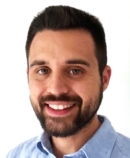
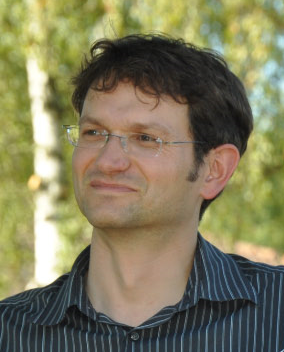
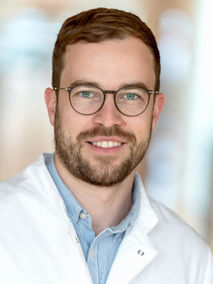
Marios Georgakis is a clinician-scientist and Junior Group Leader at the Institute for Stroke and Dementia Research (ISD) at LMU Munich. He also holds a Visiting Scientist position at the Broad Institute of MIT and Harvard. His research focuses on leveraging multi-omics data and causal inference methods (e.g., Mendelian randomization) to discover drug targets for atherosclerosis, develop personalized risk stratification tools for cerebrovascular disease, and identify in vivo biomarkers of disease activity. His work bridges human genetics, molecular biology, and clinical translation. Education : MD and PhD (Epidemiology) from the National and Kapodistrian University of Athens; doctoral studies in Systemic Neurosciences at LMU Munich. Honors : Emmy Noether Award (DFG), CHARGE Consortium Early Career Achievement Award, Hertie Network Fellowship, and multiple scholarships/fellowships. Research Themes : Drug target discovery for cardiovascular disease via multiomics integration Molecular phenotyping of atherosclerosis using single-cell RNA-seq and spatial transcriptomics Development of AI-driven tools for vascular imaging and aging Genetic studies of inflammation, cytokines, and stroke subtypes Causal inference in vascular risk prediction and post-stroke outcomes Recent Article Trends : His team's publications (2024-2020) emphasize: Proteogenomic and genetic studies of atherosclerosis Cytokine signaling pathways (e.g., IL-6, CCL2/CCR2) Polygenic and genomic risk scores for stroke Multi-omics biomarkers in cerebrovascular disease Clinical translation of Mendelian randomization findings Meta-analyses of population-based data Scientific Awards : Emmy Noether Group Leader Award (DFG, 2023) CHARGE Consortium Early Career Achievement (2023) Hertie Network Fellowship (2023) Walter-Benjamin Postdoctoral Fellowship (2021-2022) Team Leadership : Georgakis mentors multiple PhD students and postdocs in his lab. His group collaborates with vascular surgeons, neurologists, and computational biologists. Current projects include the AtherOMICS biobank and AI-driven vascular phenotyping tools.