- Bioinformatics
- Aquaculture Genetics
- RNA Sequencing
- +۵ مورد دیگر
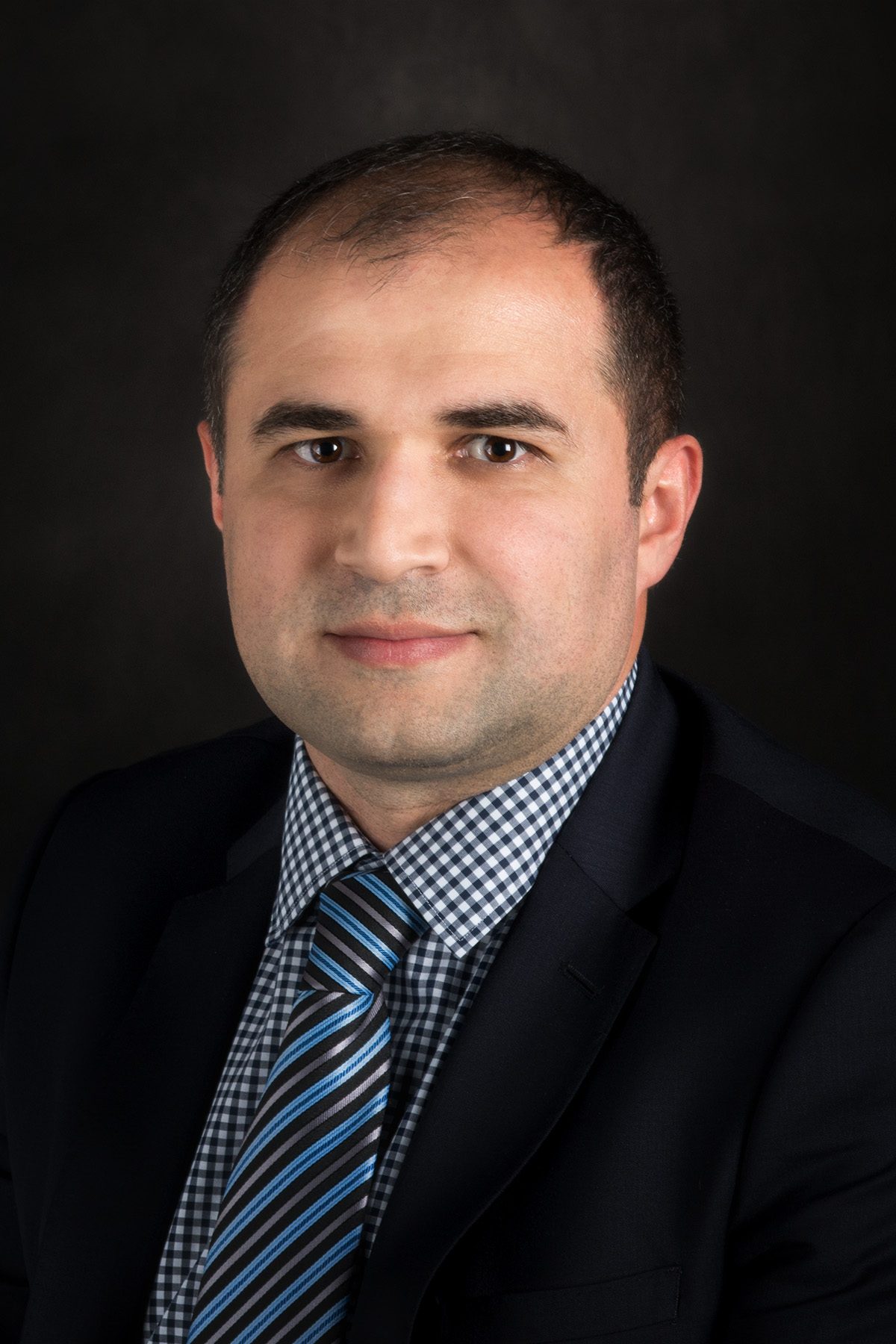
Dr. Rafet Al-Tobasei serves as an Associate Professor in the Department of Computer Science at Middle Tennessee State University (MTSU), where he applies computational methodologies to solve complex biological problems in aquaculture species. His research bridges computer science and genomics to address critical challenges in fisheries science and genetic improvement programs. His academic credentials include: Ph.D. in Computer Science, Middle Tennessee State University (2017) M.A. in Computer Science, Middle Tennessee State University (2011) M.S. in Computer Science, Middle Tennessee State University (2011) B.S. in Computer Science, Tennessee State University (2007) Dr. Al-Tobasei's research program focuses on developing and implementing bioinformatics tools for aquaculture genomics, with particular emphasis on rainbow trout and Nile tilapia. His expertise spans RNA sequencing analysis, Genome-Wide Association Studies (GWAS), Single Nucleotide Polymorphism (SNP) discovery, Long non-coding RNA (lncRNA) characterization, DNA methylation profiling, and Chromatin Immunoprecipitation Sequencing (ChIP-Seq) data interpretation. He investigates molecular mechanisms underlying economically important traits including muscle growth, fillet quality, disease resistance, and stress response. Analysis of his publication record reveals consistent thematic progression in aquaculture genomics: early work established foundational genomic resources for rainbow trout, followed by sophisticated GWAS applications for trait mapping, and recent integration of multi-omics approaches (transcriptomics, epigenomics, and lipidomics). His research increasingly emphasizes practical breeding applications, with significant contributions to genomic selection methodologies using reduced-density SNP panels and advanced statistical models. While specific awards and grants aren't documented in the source material, his extensive publication record in high-impact journals like BMC Genomics and Scientific Reports demonstrates substantial scholarly impact. His collaborative network spans multiple institutions and includes frequent co-authorship with leading aquaculture geneticists, indicating active participation in the research community and likely involvement in mentoring graduate students through research projects.