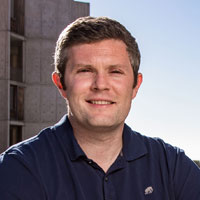
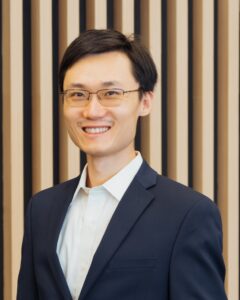
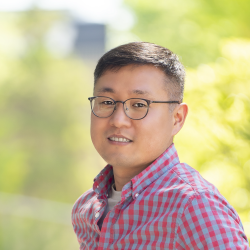
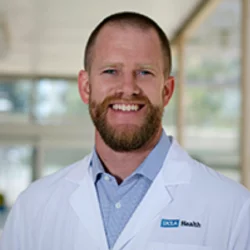
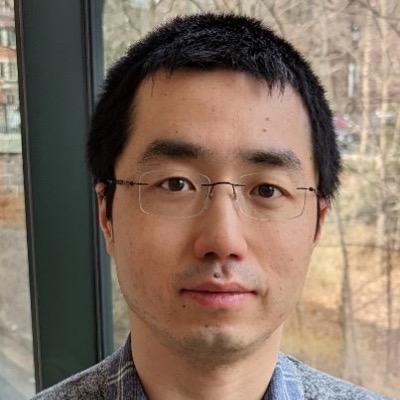
Daniel Hawiger is a Professor at the School of Medicine , Saint Louis University , specializing in the Department of Molecular Microbiology and Immunology . With a career spanning both clinical and basic science research, he has made seminal contributions to immunology through his work on dendritic cells, T cells, and immunomodulation strategies.
Stein Aerts is a full professor at the Faculty of Medicine of KU Leuven and head of the Laboratory for Computational Biology (VIB-KU Leuven). He is affiliated with multiple institutes including VIB.AI Center for AI & Computational Biology, the Leuven Brain Institute, Leuven.AI, LIMNI, LISCO, and the Leuven Cancer Institute. He also serves on the Faculty Council of Medicine and departmental boards. Research Focus: Regulatory genomics and gene regulatory networks Single-cell transcriptomics and epigenomics Deep learning for genomics and enhancer design Neurodevelopmental genomics and evolution Cancer genomics and synthetic biology Comparative genomics across species (Drosophila, octopus, mammals, birds) His recent work emphasizes using AI-driven approaches to decode enhancer logic, model cell-type-specific gene regulation, and understand brain evolution. He leads multiple large-scale projects funded through 2029–2030, including SpaceTimeOmics and enhancer-targeted glioblastoma modeling. Scientific Output: Aerts has a prolific publication record with over 15 high-impact papers in 2024–2025 alone, including in Science , Cell Genomics , Nature Reviews Bioengineering , and eLife . His work spans methodological advances (e.g., HyDrop, CREsted, GAME) and biological discoveries in enhancer function, cell-type evolution, and neurodegeneration models. Institutional Roles & Collaborations: Principal investigator in 10+ active grants (2024–2030) Founder and head of the Computational Biology Laboratory at VIB-KU Leuven Member of steering committees for HPC curriculum and bioinformatics POC Active collaborator across European and international consortia
Zhicheng Ji is an Assistant Professor of Biostatistics & Bioinformatics at Duke University, affiliated with the Division of Integrative Genomics. His research focuses on developing computational methods for single-cell RNA-seq , spatial transcriptomics , and genomic data analysis . He teaches courses like BIOSTAT 824: Case Studies in Biomedical Data Science . Research Highlights : Statistical modeling of microbiome data Machine learning for cell segmentation T cell immunology in cancer Multi-omics data integration Spatially variable gene detection Foundation models for epigenetics Scientific Awards : NIGMS Grant (2024-2029) for spatial transcriptomics NIEHS Grant (2023-2028) on PFAS exposure NSF ERC PreMiEr (2022-2027) NCI Grant (2022-2027) on ferroptosis
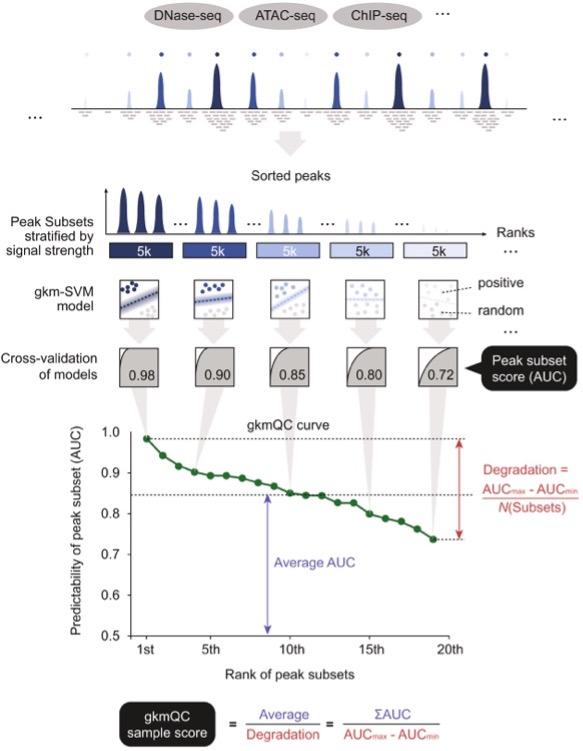
Dongwon Lee is an Assistant Professor of Pediatrics in the Division of Nephrology at Boston Children's Hospital and Harvard Medical School. He is affiliated with the Manton Center for Orphan Disease Research and serves as an Associate Member of the Broad Institute of MIT and Harvard. Additionally, he is a faculty member of the Harvard Bioinformatics and Integrative Genomics (BIG) PhD Program, where he contributes to training the next generation of computational biologists. Dr. Lee received his PhD in Biomedical Engineering from Johns Hopkins University in 2013 and completed postdoctoral research at the Center for Human Genetics and Genomics at NYU School of Medicine. His educational background has provided a strong foundation for his interdisciplinary research at the intersection of computational biology, genomics, and pediatric kidney diseases. Dr. Lee's research focuses on understanding how gene regulation contributes to the development and progression of human diseases, specifically pediatric kidney diseases. His laboratory employs a combination of single-cell multiomics data, genetic data from disease cohorts, functional assays, and machine-learning approaches to address complex biological problems. Key research areas include building cell-type-specific gene regulatory networks, developing machine-learning models to identify regulatory variants, and validating predictions using high-throughput sequencing technologies in collaboration with experimental biologists. His work has significant implications for understanding the molecular basis of kidney diseases and developing new genomic computational tools. Analysis of Dr. Lee's recent publications reveals a strong trend toward increasingly sophisticated integration of single-cell multiomic data with machine learning techniques to understand transcriptional regulation in kidney disease. His research spans computational method development, regulatory genomics, and translational applications in nephrology, with a growing emphasis on cell-type-specific resolution and clinical correlations. Dr. Lee leads an active research laboratory with multiple computational biologists and research assistants. His team includes current members Anya Greenberg, Jeerthi Kannan, Yangyang Lin, Daniel Nguyen, and Eric Sakkas, as well as notable alumni including Seong Kyu Han (now Assistant Professor in South Korea), Ana Onuchic-Whitford (now Instructor at Harvard Medical School), and Jihoon Yoon (now Clinical Fellow in South Korea). His laboratory regularly recruits postdoctoral fellows and research assistants with computational backgrounds to advance their research on genomic regulation of kidney diseases. The Lee Laboratory has developed several important computational tools including LS-GKM (a scalable gkm-SVM for large-scale datasets), gkmQC (for quality assessment of chromatin accessibility data), and MTSA (for MPRA tag sequence analysis). These resources are publicly available on GitHub and have been widely adopted by the genomics research community. The laboratory maintains strong collaborative relationships with clinicians and experimental biologists to ensure their computational approaches have meaningful biological and clinical relevance.
Qiang Wei, Ph.D., is an Adjunct Research Instructor in the Department of Molecular Physiology and Biophysics at Vanderbilt University School of Medicine. His research focuses on computational and systems biology approaches to study genomic and epigenomic mechanisms in cancer, drug response prediction, and disease risk gene prioritization. He has pioneered integrative frameworks combining multi-omics data (genomics, epigenomics, transcriptomics) with clinical information for precision medicine applications. Key research areas include: Developing computational tools for analyzing non-coding variants and DNA methylation patterns Characterizing tumor heterogeneity through circulating tumor DNA (ctDNA) and circulating tumor cells (CTCs) Identifying genomic drivers of therapy resistance in metastatic cancers Integrating GWAS data with functional genomics for disease mechanism discovery His work spans multiple cancer types including breast, prostate, and hepatocellular carcinoma, with a particular emphasis on translating genomic insights into clinical diagnostics and therapeutic strategies. Ongoing projects include optimizing liquid biopsy approaches for early cancer detection and leveraging single-cell technologies to understand tumor evolution. In recent years, his lab has developed novel algorithms like TVAR for functional variant analysis and Bayesian frameworks for multi-omics integration. These methods have been applied to study schizophrenia genetics, autism risk genes, and platelet reactivity regulation.
Graham Su is a Postdoctoral Associate at the Yale School of Medicine , specializing in Neuroscience . His research bridges spatial omics , epigenomics , and transcriptomics to unravel complex biological systems. His recent work focuses on: High-resolution spatial mapping of chromatin accessibility in glioblastoma Multi-omics profiling of hippocampal inflammation in depression Development of DBiTplus for integrated imaging-sequencing analysis Single-cell CAR T-cell dynamics in leukemia remission Techniques include spatial transcriptomics, epigenomic taxonomies, and computational workflows like SPACEc. His publications highlight collaborations across neuroscience, oncology, and bioinformatics. Contact: graham.su@yale.edu
Hani Goodarzi, PhD , is an Associate Professor in the Department of Biochemistry and Biophysics at the University of California, San Francisco (UCSF), with dual affiliation to the Arc Institute and Helen Diller Cancer Center. His laboratory employs a systems biological framework integrating computational and experimental approaches to investigate metastatic progression in cancer and neurodegenerative diseases. Princeton University PhD in Quantitative & Computational Biology Postdoctoral Fellow, Rockefeller University (Cancer Systems Biology) NIH R01 Grants (2016–2026) Research Themes : Machine learning for in silico functional genomics Evolutionary dynamics of oncRNA regulatory modules in cancer Post-transcriptional control via tiRNA fragments and RNA methylation RNA structural element discovery using pyPAGE algorithms Scientific Recognition : Vilcek Prize for Creative Promise (2022) NIH K99/R00 Award (2015) Tri-Institutional Breakout Prize (2014) Blavatnik Regional Award (2015) Laboratory Impact : Developed Deep Generative AI for early-stage lung cancer detection Identified ENPP1 as innate immune checkpoint in breast cancer Created pyPAGE framework for gene-set enrichment analysis
Miten Jain is an Assistant Professor in the Department of Bioengineering at Northeastern University, with a joint appointment in the Department of Physics. His research focuses on nanopore technology, single-cell analysis, and computational biology, aiming to advance genomic and transcriptomic sequencing methodologies. He holds a PhD in Bioinformatics and Biomolecular Engineering from the University of California-Santa Cruz (2017). Dr. Jain leads research projects including 'Characterization of paired tumor and normal cell lines using long read sequencing' (NIST, 2021) and 'Multi-platform, high-coverage, long read sequencing of reference human genomes' (NIST, 2020). His work bridges engineering, physics, and biology, with applications in clinical diagnostics and space microbiology. He was recognized as a top 2% most-cited scientist globally in 2024 by Stanford University. His research outputs span epigenetic profiling, nanopore sequencing innovations, and space-based microbiome analysis. Recent studies include CRISPR-based therapeutic screening for glioma and real-time microbial profiling aboard the International Space Station. Collaborations with institutions like NIST and NASA highlight his interdisciplinary impact. Grants and awards include funding from NIST and recognition for ultra-rapid genome sequencing in critical care settings. His lab focuses on developing scalable, high-resolution genomic tools with applications in precision medicine and fundamental biology.
Prof. Dr. Jörn Walter serves as a Senior Professor for Genetics and Epigenetics at Saarland University's Faculty of Natural Sciences and Technology. His laboratory investigates epigenetic mechanisms across development and disease states, with particular emphasis on DNA methylation, chromatin dynamics, and epigenomic mapping of cell types. Member of the International Human Epigenome Consortium (IHEC) Coordinator of the German Epigenome Program Director of an in-house Sequencing Facility (HiSeq2500, Mi-Seq, Nextseq-500) Research focuses include: Epigenetic programming during cellular differentiation DNA methylation dynamics in disease contexts Stem cell epigenetics and reprogramming Evolution of epigenetic mechanisms Recent publications highlight interdisciplinary approaches combining next-generation sequencing , bioinformatic modeling , and clinical epigenetics , with particular attention to immune cell development , metabolic disease epigenetics , and computational epigenomics . The group maintains collaborations with the West German Sequencing Center and contributes to epigenetic data standardization efforts. Lab members include active researchers like Dr. Nina Gasparoni , Dr. Gilles Gasparoni , and M.Sc. Alea Leismann , alongside an extensive alumni network of former advisees who have advanced epigenetic research in various institutions.
Jesse R. Dixon, M.D., Ph.D., is an Associate Professor at the Gene Expression Laboratory of the Salk Institute for Biological Studies in La Jolla, California. His research explores 3D genome architecture, chromatin organization, and gene regulation mechanisms, with implications for cancer and developmental disorders. He employs cutting-edge genomic technologies like Hi-C and single-cell multi-omics to investigate how chromosomal rearrangements impact gene expression. Dr. Dixon's work focuses on: Topological Domains (TADs) and their role in enhancer-promoter communication Haplotype phasing using chromatin conformation data Structural variant-driven oncogene activation in cancer Single-cell mapping of chromatin and DNA methylation dynamics His publications consistently demonstrate innovations in 3D genome analysis, particularly in neurobiology and oncology contexts, with recurring themes of chromatin topology, epigenetic regulation, and computational genomics. Awards & Honors: Pew Biomedical Scholar (2024) Helmsley Salk Fellow He mentors graduate and postdoctoral researchers in genomics and computational biology, with current projects on chromatin dynamics in cancer and development. The Dixon Lab actively develops novel methodologies for studying genome architecture.
Asst Prof LIU Boxiang holds the position of Assistant Professor and NUS Presidential Young Professorship at the Department of Pharmacy and Pharmaceutical Sciences, National University of Singapore (NUS), within the Faculty of Science. His research focuses on integrating multi-omics approaches with computational methods to study complex diseases such as coronary artery disease and age-related macular degeneration. He specializes in developing statistical and machine learning tools for genomic analysis, including eQTL mapping and deep learning architectures for gene expression regulation. Education: BA in Biophysics (Illinois Wesleyan University), MS and PhD in Bioinformatics (Stanford University). He contributed to the GTEx consortium and is part of the Asian Immune Diversity Atlas (AIDA) initiative. His lab develops methods like ANTseq for ancestry determination and scPrediXcan for cell-type-specific transcriptome studies. Research Interests: Functional genomics, eQTL analysis, deep learning in biomedicine, and computational tools for omics data integration. His work bridges disciplines such as natural language processing and computer vision with biological questions. Scientific Awards: NUS Presidential Young Professorship (2021). His lab's innovations include ParaMed, a biomedical translation dataset, and LinearDesign for optimized mRNA stability. Advising and Grants: Leads the Liu Lab (boxiangliulab.com), focusing on single-cell genomics, mitochondrial dynamics, and computational biomedicine. Collaborates on projects like the RESET cohort study for cardiovascular disease prevention.
Yongjin Park Yongjin Park is an Assistant Professor in the Department of Statistics at the University of British Columbia (UBC) . He is affiliated with the Causal Path Lab , focusing on computational biology and genomics. His research integrates statistical methods with large-scale genomic data to understand complex diseases like multiple sclerosis (MS) and Alzheimer’s, particularly through single-cell analysis and epigenomic studies. Affiliations: Faculty of Science, UBC; BC Cancer Research Research Interests: Single-cell RNA sequencing, immune cell dynamics, epigenomics, and regulatory genomics in disease contexts. Key projects include analyzing T-cell subtypes in MS patients and developing scalable computational tools for genomic data (e.g., CoCoA-diff, pseudobulk projection methods). His lab emphasizes translating genomic insights into clinical applications. Awards & Honors Data Science Award Dr. John and Barbara Petkau Scholarship Killam Graduate Teaching Assistant Award Margaret Wylie Memorial Scholarship in Statistics Lab & Collaborations The Causal Path Lab collaborates on projects involving Alzheimer’s disease progression, placental methylation, and cancer genomics. Recent work includes single-nucleus transcriptomic analysis of brain vasculature and epigenetic drivers of disease.
Thomas Vondriska is a Professor in the Departments of Anesthesiology & Perioperative Medicine and Physiology at the David Geffen School of Medicine, UCLA. His research focuses on epigenomic mechanisms driving cardiovascular disease and heart failure. He leads interdisciplinary teams investigating chromatin structure, gene expression dynamics, and environmental-genetic interactions in disease susceptibility. Research Interests: Epigenomic regulation of heart failure, chromatin architecture, cardiac hypertrophy, and translational epigenetic medicine. Active NIH grants include studies on small molecule therapies targeting chromatin, epigenomic resilience, and non-coding RNA mechanisms. Publications emphasize systems biology approaches to cardiac epigenomics, including single-cell transcriptomics and chromatin conformation analysis. Key topics include fibrotic remodeling, nuclear mechanics, and circadian histone turnover in heart development. Funding: Principal Investigator on multiple NIH grants (R01, R21) totaling over $10M since 2012 Labs: Epigenomic Cardiac Biology Lab at UCLA
Nancy M. Bonini, Ph.D., is the Florence R.C. Murray Professor of Biology in the School of Arts and Sciences at the University of Pennsylvania , an Investigator of the Howard Hughes Medical Institute , and holds secondary appointments in Cell & Developmental Biology and Neuroscience at the Perelman School of Medicine . Education: A.B. Biology, Princeton University, 1981 Ph.D. Neuroscience, University of Wisconsin-Madison, 1987 Postdoctoral Fellow, California Institute of Technology (Neurogenetics), 1988–1994 Research Focus: The Bonini laboratory exploits the power of Drosophila melanogaster genetics to identify conserved genes and pathways that protect the nervous system from degeneration. By introducing human disease genes into flies, the lab replicates late-onset, progressive neurodegeneration seen in Alzheimer’s, Parkinson’s, Huntington’s, ALS/FTD and age-related cognitive decline. Central themes include: Molecular chaperones and protein-folding pathways that mitigate toxic protein aggregation. microRNA-mediated gene regulation in aging and neurodegeneration. Epigenetic dysregulation in Alzheimer’s disease and its intersection with normal aging. RNA toxicity and repeat-associated non-ATG translation in CAG/polyQ disorders. Metabolic and sleep disturbances linked to TDP-43 and Ataxin-2 dysfunction. Axonal injury responses and the role of Nmnat in maintaining neuronal integrity. Publication Landscape: Across 139 peer-reviewed publications (1986–2024), Bonini’s work spans high-impact journals such as Nature , Science , Cell , Nature Genetics , PNAS and Nature Neuroscience . Early papers established Drosophila polyQ models and identified Hsp70 as a potent suppressor of neural degeneration. Mid-career studies broadened to Parkinson’s α-synuclein toxicity, RNA toxicity in spinocerebellar ataxia, and CREB-binding protein effects on repeat instability. Recent output integrates multi-omics, single-cell and epigenomic approaches to dissect Alzheimer’s disease, glial senescence, m6A/m1A RNA modifications and metabolic dysfunction in sleep. Scientific Honors & Awards: NIH R35 Outstanding Investigator Award (2016) Glenn Award for Research in the Biological Mechanisms of Aging (2015) Member, American Academy of Arts and Sciences (2014) Member, National Academy of Medicine (2012) Member, National Academy of Sciences (2012) Member, American Association for the Advancement of Science (2012) Ellison Medical Foundation Senior Scholar Award in Aging Research (2009) NIH EUREKA Award (2009) David & Lucile Packard Fellowship for Science & Engineering (1997) Basil O’Connor Starter Scholar Award, March of Dimes (1996) John Merck Scholars Award in the Biology of Developmental Disabilities in Children (1995) Funding & Mentorship: Bonini has sustained continuous NIH and private foundation support for over three decades. Her lab has trained a large cohort of graduate students and postdocs who have gone on to independent positions in academia and industry. She teaches advanced courses in Molecular Biology & Genetics (BIOL 221) and Molecular Genetics of Neurological Diseases (BIOL 466), integrating cutting-edge research into graduate and undergraduate curricula. Laboratory & Resources: The Bonini Lab is housed in the Carolyn Lynch and Leidy Laboratories at the University of Pennsylvania, equipped with state-of-the-art Drosophila genetics, molecular biology, imaging and multi-omics platforms. The group maintains extensive fly stocks, transgenic lines and genomic datasets that are shared with the broader scientific community. Collaborative networks span Penn’s Perelman School of Medicine, the Mahoney Institute of Neurological Sciences, and numerous national and international consortia focused on neurodegeneration.
Yanxiang Deng is an Assistant Professor in the Department of Pathology and Laboratory Medicine at the Perelman School of Medicine, University of Pennsylvania. His research pioneers spatial omics technologies to decode tissue architecture in development and disease, with seminal contributions including spatial-CUT&Tag and spatial-ATAC-seq for epigenetic mapping. His educational background includes a PhD from Rensselaer Polytechnic Institute (2018) followed by postdoctoral training at Yale University (2018-2022). Key appointments span Cell and Molecular Biology and Genomics and Computational Biology graduate groups. Deng's lab focuses on developing microfluidic platforms for spatial multi-omics, enabling pixel-level profiling of histone modifications, chromatin accessibility, and proteome-transcriptome interactions. His work bridges engineering and biomedicine to address cancer mechanisms and neurodegenerative disorders, with technologies allowing unprecedented resolution of cell-type-specific epigenetic landscapes in intact tissues. Analysis of his 15 most recent publications (2023-2025) reveals accelerating innovation in multimodal spatial mapping, particularly FFPE tissue compatibility, DNA methylation-transcriptome co-profiling, and neuroscience applications. His methods increasingly integrate chromatin features with proteomic data, expanding from foundational 2022 Science and Nature papers to clinical translation in depression and cancer. Major recognitions include: Blavatnik Awards for Young Scientists, Regional Laureate in Life Sciences (2023) Founders Award of Excellence, Rensselaer Polytechnic Institute (2015) National Scholarship (2008) He actively mentors 8 trainees including 6 graduate students and 2 postdocs, with research supported by NIH grants and institutional funding. His lab's deterministic barcoding approach (DBiT-seq), highlighted as Nature Methods' "Method of the Year," underpins multiple high-impact collaborations in immunology and neuroscience. The Deng Lab operates from Stellar Chance Laboratories, employing interdisciplinary teams to develop next-generation tools for spatial multi-omics. Current projects include Spatial-DMT for DNA methylation mapping and spatial-Mux-seq for quadruple-modality profiling, leveraging microfluidics expertise to unlock archival tissue repositories for disease research.