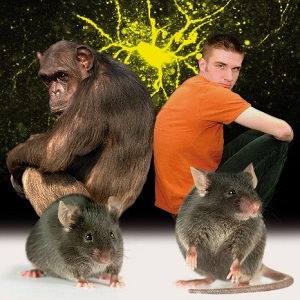
Prof. Dr. Wolfgang Enard is a faculty member at Ludwig Maximilian University of Munich, leading research in Primate Genomics , Evolutionary Biology , and Computational Biology . His work bridges evolutionary genomics with experimental molecular mechanisms to understand human-specific traits, particularly focusing on speech evolution and brain size development. Studying FOXP2 transcription factor in human speech evolution using mouse models Investigating genetic basis of brain size evolution through cross-species genomic comparisons Generating and analyzing induced pluripotent stem cells (iPSCs) from primates for evolutionary studies His laboratory employs RNA-Seq , ChIP-Seq , and proteomics to explore regulatory networks, with recent publications emphasizing cross-species comparisons, epigenetic evolution, and stem cell engineering. While no explicit awards are listed, his work has been cited in numerous high-impact publications across genomics, neurobiology, and disease modeling. Key trends in his research include comparative epigenomics of neural development, iPSC-based evolutionary studies , and multiomic approaches to disease mechanisms . His lab maintains active collaborations and generates specialized stem cell lines for cross-primate investigations.
Dekker C. Deacon, MD, PhD, FAAD, serves as a Clinical Assistant Professor in the Department of Dermatology at the University of Utah, practicing at Huntsman Cancer Institute and University of Utah Hospital. He specializes in skin cancer treatment, particularly melanoma and cutaneous oncology, and provides comprehensive general dermatology care for conditions ranging from psoriasis to skin infections. As an active member of the Melanoma Disease Center, he participates in weekly multidisciplinary treatment planning conferences. His educational journey includes: Bachelor of Arts in Molecular Biology and Biochemistry from Middlebury College MD and PhD in Biomedical Sciences from University of California, San Diego (Medical Scientist Training Program) Internal Medicine Preliminary Internship at University of Utah School of Medicine Dermatology Residency and Chief Residency at University of Utah School of Medicine Dr. Deacon's research centers on skin cancer genetics, with emphasis on melanoma biomarkers and molecular mechanisms. His clinical work integrates cutting-edge genomic insights with patient care, focusing on early detection and personalized treatment strategies for skin malignancies. He treats diverse dermatological conditions while maintaining subspecialty expertise in complex oncology cases. Analysis of his 15 most recent publications reveals consistent focus on melanoma molecular subtypes (particularly acral and amelanotic variants), microRNA-based diagnostics, and novel therapeutic approaches including transdermal drug delivery systems. His work bridges genomic discovery with clinical translation, emphasizing tumor microenvironment interactions and ancestry-related genetic factors. Professional recognition includes: Fellow of the American Academy of Dermatology (FAAD) Dr. Deacon actively contributes to academic dermatology through clinical teaching and research mentorship within the residency program. His collaborative work with multidisciplinary oncology teams ensures comprehensive cancer care delivery. Patient testimonials consistently highlight his diagnostic expertise, compassionate communication, and effective treatment planning across both cancer and general dermatology contexts. He maintains active clinical-research integration through the Melanoma Disease Center at Huntsman Cancer Institute, working alongside surgical oncologists, medical oncologists, pathologists, and radiation specialists to develop individualized treatment protocols. His dual MD/PhD training enables unique contributions to translational research in skin cancer therapeutics.
Dr. Zuoheng Anita Wang is a Professor of Biostatistics at Yale School of Public Health with secondary appointments as Associate Professor in Biomedical Informatics & Data Science. Her research focuses on statistical modeling of omics and healthcare data, with expertise spanning kernel machine methods, mixed effects models, correlated and longitudinal data analysis, machine learning, and network analysis. Dr. Wang's educational background includes: PhD from University of Chicago (2009) MS from University of Florida (2004) BS from University of Science and Technology of China (2001) Her research interests center on developing innovative statistical methods and computational tools for large-scale biomedical studies and electronic health records data. She focuses on disease risk prediction, genetic susceptibility variant identification, and single-cell and spatial transcriptomic data analysis, with applications in mental health, addiction, cancer, autism, lung and cardiovascular diseases. Dr. Wang's work bridges computational statistics with clinical applications across multiple disease domains. Her recent publications demonstrate strong trends in applying machine learning and statistical methods to single-cell analysis, cardiovascular disease proteomics, Alzheimer's disease genetics, HIV epigenetics, and respiratory disease outcomes. Her research spans computational biology, statistical genetics, and clinical applications. Her scientific contributions include: Development of computational tools for single-cell and spatial transcriptomics Innovative methods for genetic association studies Statistical approaches for electronic health records analysis Applications in cardiovascular disease, Alzheimer's disease, HIV, and respiratory conditions Dr. Wang serves as primary faculty in Biostatistics and has secondary appointments across multiple departments. She is affiliated with several research centers including the Center for Brain & Mind Health, Computational Biology and Biomedical Informatics, Genomics, Genetics, and Epigenetics Safdar Lab, Yale Cancer Center, and Yale Combined Program in the Biological and Biomedical Sciences.
Michael Sterr is a Group Leader of the Single-Cell Genomics Unit at the Institute of Diabetes and Regeneration Research (IDR), Helmholtz Munich. His research leverages single-cell genomics to unravel the developmental programs of pancreatic and intestinal endocrine cells, aiming to improve diabetes therapy. His educational background includes: Bioengineering and Biology studies in Munich. PhD (2013-2019) at Helmholtz Zentrum München under Prof. Heiko Lickert, focusing on "Transcriptional Regulation of Endocrine Cell Formation and Function in Pancreas and Intestine". Postdoctoral research (2019-2021) at the same institution, specializing in single-cell genomics techniques. Dr. Sterr's research expertise lies in single-cell genomics , transcriptomics , and epigenetics applied to endocrinogenesis in the pancreas and intestine. His work seeks to decode the molecular mechanisms of endocrine cell specification, which is critical for developing novel diabetes treatments. By characterizing cellular states and reconstructing developmental trajectories, his group provides foundational insights for regenerative medicine. His recent publications (2021-2022) demonstrate a multidisciplinary approach, integrating single-cell technologies to address questions in diabetes, cancer, and developmental biology. Key themes include β-cell heterogeneity in diabetes, diet-induced alterations in stem cells, and the role of signaling pathways in cell fate decisions. These studies highlight the power of single-cell resolution in uncovering disease mechanisms. Scientific awards: No specific awards are mentioned in the provided text. As a group leader, Dr. Sterr is involved in mentoring and grant-funded research. However, the text does not specify his advisees or current grants. His group is supported by institutional affiliations including the German Center for Diabetes Research and Helmholtz AI. The Single-Cell Genomics Group, led by Dr. Sterr, utilizes cutting-edge single-cell transcriptomic and epigenomic analyses to investigate endocrine lineage decisions. The group is part of the IDR at Helmholtz Munich and collaborates within national and international networks to advance diabetes research.
Cheen Euong Ang is a Visiting Professor in the Department of Chemistry and Chemical Biology at Harvard University's Faculty of Arts and Sciences. Affiliated with the Zhuang Research Group, his work focuses on neuronal engineering, epigenetic regulation, and cellular reprogramming mechanisms. Department of Chemistry and Chemical Biology, Harvard University Zhuang Research Group, Faculty of Arts and Sciences His research spans neuroscience and epigenetics, with particular emphasis on: Direct neuronal reprogramming from somatic cells Epigenetic dynamics during cellular transitions Long non-coding RNA functions in brain development Matrix stiffness effects on chromatin states Neurodevelopmental disorder modeling Recent publications demonstrate expertise in: Neuronal differentiation using transcription factors Single-cell epigenomic profiling Transdifferentiation of immune cells to neurons Neurogenetic mechanisms in 22q11.2 deletion syndrome lncRNA-mediated pathogenic pathways
Yan Ping Yu, MD, PhD, is an Associate Professor in the Division of Experimental Pathology at the University of Pittsburgh and serves as Associate Director of the High Throughput Genome Center. Her research program investigates genomic instabilities in human cancers, with emphasis on prostate cancer mechanisms involving fusion transcripts, RNA epigenetics, and tumor suppressor pathways. Research interests focus on: Characterization of cancer-specific fusion genes in prostate, lung, and liver tumors Epigenetic regulation of RNA in prostate carcinogenesis Therapeutic targeting of GPx3-mediated apoptosis pathways High-throughput genomic analysis of formalin-fixed clinical specimens Her recent publications (2021-2024) demonstrate: Machine learning applications for prostate cancer prognosis using fusion transcripts COVID-19's impact on hematological systems AVITI sequencing chemistry optimizations Methylation patterns predictive of cancer recurrence Laboratory leadership includes directing the High Throughput Genome Center, which supports advanced genomic analyses across multiple cancer research programs.
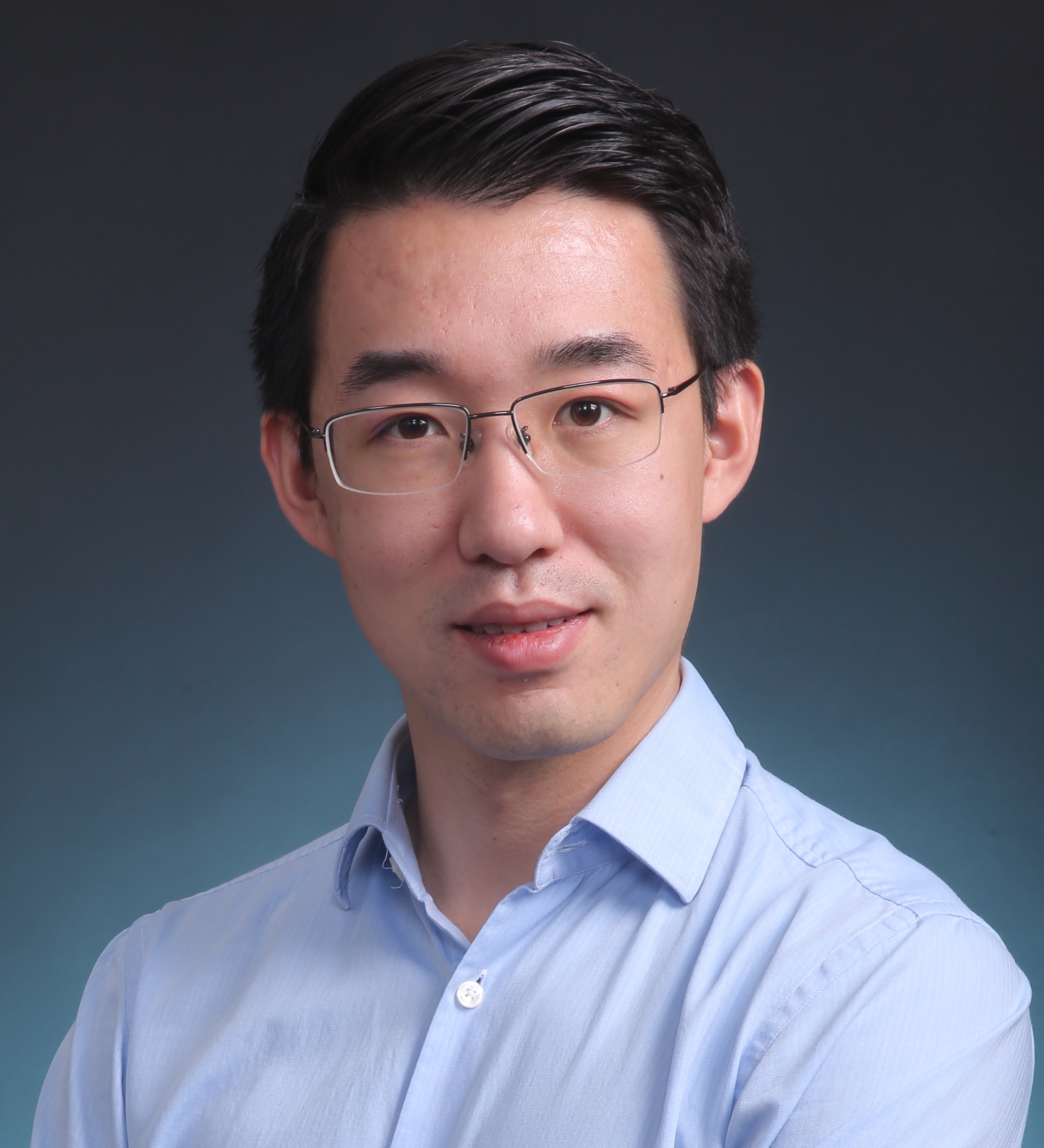
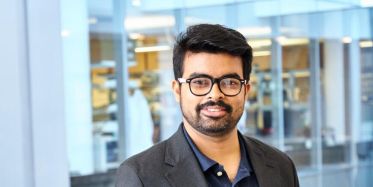
Martin Jinye Zhang is an Assistant Professor in Computational Biology at Carnegie Mellon University's School of Computer Science. His research bridges genetics and machine learning, focusing on integrative analysis of genetics and functional genomics data to uncover disease mechanisms. Ph.D. in Electrical Engineering (2019, Stanford University) B.Eng. in Electrical Engineering (2014, Tsinghua University) Key research areas include: Developing scDRS for single-cell disease relevance scoring Using graph foundation models to integrate genetic variants and regulatory elements Advancing empirical Bayes methods and causal inference in genomics His 15 most recent articles span topics from single-cell RNA-seq to genetic architecture , with a focus on autoimmune disorders , brain diseases , and metabolic traits , often leveraging biobank-scale data . Notably, his work demonstrates how machine learning can enhance GWAS interpretation and drug target identification .
Feng Yue is the Duane and Susan Burnham Professor of Molecular Medicine, Professor of Biochemistry and Molecular Genetics and Pathology at Northwestern University's Feinberg School of Medicine. He serves as Director of the Center for Advanced Molecular Analysis at the Northwestern Institute for Augmented Intelligence in Medicine and founding Director of the Center for Cancer Genomics at the Robert H. Lurie Comprehensive Cancer Center. His research focuses on integrating genomic technologies, machine learning, and CRISPR editing to investigate cancer biomarkers and genetic variants. Current leadership roles include Co-chair of the NIH Impact of Genomic Variation on Function (IGVF) Consortium Steering Committee and the 4D Nucleome Project Integrative Analysis Workgroup. Dr. Yue's recent publications demonstrate expertise in spatial genomics of brain tumors, epigenetic regulation in leukemia, and 3D genome organization in cancer. His work reveals intratumor heterogeneity patterns and novel therapeutic targets through advanced molecular analysis techniques. Fellow, American Institute for Medical and Biological Engineering (AIMBE) College (2025) Dean's Teaching Award, Northwestern University (2024) Keith Dunker Lectureship Award, Indiana University (2022) He leads significant NIH-funded consortium efforts including ENCODE, Roadmap Epigenomics, and 4D Nucleome projects. His laboratory directs the Center for Advanced Molecular Analysis, which develops AI-driven genomic analysis platforms. Current initiatives include developing spatial 3D genome mapping for glioblastoma and CRISPR-based biomarker discovery in hematological malignancies.
Professor Joel Mackay is a physical biochemist at the University of Sydney, where he holds the Chair of the Biochemistry, Molecular and Cell Biology cluster in the School of Life and Environmental Sciences and serves as President of the Australian Society for Biochemistry and Molecular Biology. Since arriving in 1995 he has built an internationally recognised laboratory focused on protein structure–function, gene regulation and designer peptide engineering, supported by ~$30 M of competitive funding. Education: PhD — University of Cambridge, UK (1994) Research interests: The Mackay group deciphers how proteins work at the molecular level, concentrating on two synergistic themes: Molecular mechanisms that govern eukaryotic gene expression, with emphasis on transcription factors, chromatin remodelers (CHD4/NuRD), epigenetic modifications and zinc-finger domains. Exploitation of cutting-edge library-display technologies to create bespoke peptides and mini-proteins that modulate challenging therapeutic targets such as BET bromodomains. Methodologically the lab integrates molecular biology, cell biology, biophysics and structural techniques (NMR, X-ray crystallography, SPR, AUC, MST, XL-MS) and has access to 600 & 800 MHz NMR, crystallisation, fermentation and proteomics facilities. Major discoveries: First demonstration that zinc-finger domains can act as protein–protein interaction modules, overturning the dogma that they bind only nucleic acids. Elucidation of how acetylation of the transcription factor GATA1 recruits the epigenetic reader BRD3, providing early mechanistic insight into post-translational control of transcription factors. Structural and functional characterisation of AHSP, the long-sought chaperone for α-globin, illuminating molecular bases of β-thalassemia and sickle-cell disease. Scientific honours: Biophysics Young Investigator Award 1997 Roche Molecular Biochemicals Medal 2001 Science Minister’s Prize for Life Sciences (under 35) 2002 ANZMAG Young Investigator Medal 2002 Gottschalk Medal (AAS) 2006 Labgear Discovery Science Award 2016 ARC & NHMRC Research Fellowships (1995-2019) Leadership & grants: Prof. Mackay has secured continuous national (ARC DP, Linkage, ITTC; NHMRC Project & Program) and international (NIH R01) funding totalling ~$30 M. He currently leads a 40-member academic cluster and mentors five doctoral researchers working on epigenetic inheritance, hemoglobinopathies, pollinator protection and chromatin dynamics. Collaborations & infrastructure: Active partnerships with groups in Germany, New Zealand, the USA and the UK leverage the University of Sydney’s flagship institutes—Sydney Institute of Agriculture, Centre for Drug Discovery Innovation and Sydney Nano—to translate fundamental protein discoveries into agricultural, medical and biotechnological applications.
Christoph Bock is a Principal Investigator at CeMM Research Center for Molecular Medicine and Professor/Head of the Institute of Artificial Intelligence at Medical University of Vienna. He leads the Biomedical Sequencing Facility and contributes to the Human Cell Atlas and ELLIS initiatives. Key research areas: Single-cell biology , Epigenetics , CRISPR screening , Machine learning , Cell therapy , Multi-omics Major contributions: CellWhisperer (natural language single-cell analysis), JAK-STAT signaling in immune homeostasis, LIQUORICE for liquid biopsies, and RnBeads software Scientific Awards include: ERC Starting Grant (2016) ERC Consolidator Grant (2021) Overton Prize (2017) Erwin Schrödinger Prize (2022) Clarivate Highly Cited Researcher (2019-2024) His lab develops bioinformatics tools (e.g., RnBeads, LIQUORICE) and applies systems immunology to understand disease mechanisms. Startup leadership : Co-founder of Myllia Biotechnology. Collaborations include clinical translations and tech development with the Biomedical Sequencing Facility.
Biswajyoti Sahu is an Academy Research Fellow and Docent at the University of Helsinki, affiliated with the Doctoral Programme in Integrative Life Science and the Applied Tumor Genomics (ATG) group at Medicum. He previously served as a Visiting Scientist at the University of Cambridge (2018–2019) and the Whitehead Institute for Biomedical Research (2015). Biomedical Sciences Cancer Biology Transcriptional Regulation Epigenetics His research focuses on oncogenes, transcription factor dynamics, and epigenetic mechanisms in cancer and development. Key themes include chromatin modifier enzymes, transposable elements, and cellular reprogramming. Recent publications highlight his work on oncogene convergence pathways (2025), transposable element derepression (2025), and single-cell multiome protocols (2024). Awards include the Finnish Cultural Foundation’s Grant (2011), Endocrine Trainee Day Fellowship (2009), and multiple presentation awards.
Kirsi Pietiläinen is a Professor of Clinical Metabolism at the University of Helsinki, Faculty of Medicine , and Director of the Clinical and Molecular Metabolism Research Program (2019-2024). She holds a docentship in Clinicum and serves as a supervisor in three doctoral programs: Biomedicine , Clinical Research , and Population Health . She is affiliated with the HUS Abdominal Center and has an ORCID profile. Research Interests: Obesity and metabolic syndrome Mitochondrial dysfunction in adipose tissue Epigenetic and genetic mechanisms Twin studies for gene-environment interactions Non-alcoholic fatty liver disease Public health implications of obesity Scientific Contributions: With over 305 publications since 1995, her work focuses on adipose biology, mitochondrial regulation, and obesity interventions. She leads major funded projects including: Novo Nordisk Foundation (2025-2028; 2025-2030) Sydäntutkimussäätiö (2025-2027) Sigrid Jusélius Foundation (2024-2026) Diabetestutkimussäätiö (2024-2026) Scientific Awards: Suomen Lihavuustutkijat Ry Painonhallintapalkinto (2017) Terveysalan Vuoden Vaikuttaja 3rd Place (2017) Vuoden Vaikuttavin ARVO-teko (2017) Academic Leadership: Active in organizing international conferences and serving on scientific committees, including: Australian and New Zealand Obesity Society Congress (2017-2018 keynote) Nordic/Baltic Diabetes Science Forum (2017-2018 keynote) Scientific Committee, Folkhälsan Research Center (2017) Organizing Committee, Folkhälsan Symposium (2017)
Dr. Ning Liu is a Postdoctoral Research Fellow at the South Australian Immunogenomics Cancer Institute (SAiGENCI) within the Faculty of Health and Medical Sciences at the University of Adelaide. As a bioinformatician and computational biologist, Dr. Liu specializes in developing computational tools for epigenetics and transcriptomics research, with particular expertise in next-generation sequencing data analysis including ChIP-seq, ATAC-seq, Hi-C, RNA-seq, single cell RNA-seq, and spatial transcriptomics. Dr. Liu's research focuses on developing novel computational methods to study the human genome in the context of transcriptomics and epigenomics. Currently, Dr. Liu maintains three Bioconductor software packages: standR for spatial transcriptomics analysis of GeoMx DSP data, hoodscanR for cellular neighborhood detection in spatial transcriptomics, and scider for modeling global cell density in spatial transcriptomics data. With strong emphasis on translating biological insights to medical applications, Dr. Liu's work bridges computational methodology with clinical relevance in cancer research and immunology. Dr. Liu is eligible to supervise Masters and PhD students as a Co-Supervisor, reflecting their established expertise in bioinformatics and computational biology. Their research has resulted in numerous publications focusing on spatial transcriptomics, cancer immunology, and computational tool development, with applications in understanding tumor microenvironments and immunotherapy response. Dr. Liu's scholarly contributions demonstrate a consistent focus on spatial biology methodologies applied to cancer research, particularly head and neck cancer. Their publications reveal expertise in developing computational frameworks that address technical challenges in spatial transcriptomics while providing biological insights with potential clinical applications in immunotherapy. As a research supervisor, Dr. Liu contributes to the academic community by mentoring graduate students in computational biology techniques and applications. Their work environment at the Adelaide Health and Medical Sciences building on the West End Health Precinct provides access to state-of-the-art facilities supporting their computational research in cancer immunogenomics.
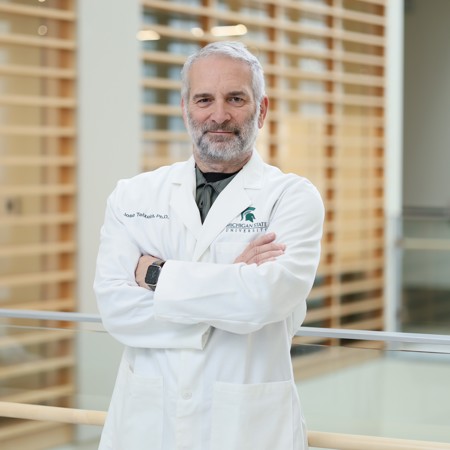
Jose Teixeira is a Professor at Michigan State University's College of Human Medicine, affiliated with the Department of Obstetrics, Gynecology and Reproductive Biology. His research focuses on developmental biology and genetics, particularly in the context of gynecological disorders and cancers. Studied fibroid tumors, endometrial/ovarian cancers Investigates genetic pathways for disease progression Pioneered molecular understanding of reproductive tract development His recent publications highlight work on HMGA2 overexpression, stem cell markers like CRIP1, and epigenetic mechanisms in fibroid pathogenesis. Key trends include the intersection of developmental genetics and tumor biology, with applications in precision medicine for uterine disorders. Active in methodological advances like STORM-seq for single-cell analysis and exploring racial disparities in fibroid biology. Email: teixei15@msu.edu .
Avi Srivastava, Ph.D. is an Assistant Professor in the Genome Regulation and Cell Signaling Program at The Wistar Institute's Ellen and Ronald Caplan Cancer Center. A computational biologist with expertise spanning computer science and biology, Dr. Srivastava leads research focused on understanding how epigenomic regulation influences cellular fate determination, particularly in the context of hematopoiesis and leukemia development. Dr. Srivastava's research interests center on computational approaches to single-cell genomics, epigenomics, and transcriptomics. His work integrates epigenetic, computational, and cancer biology analysis with state-of-the-art multimodal single-cell technologies and sophisticated uncertainty-aware computational models. His lab specifically investigates chromatin dynamics during cell differentiation, with special emphasis on dysregulation in leukemia. Analysis of Dr. Srivastava's publication record reveals a strong focus on developing computational methods for RNA-seq and single-cell analysis. His work spans transcript quantification algorithms , uncertainty-aware Bayesian models for single-cell data, and integrated analyses of epigenomic data to understand hematopoietic malignancies. His contributions address critical challenges in handling gene-ambiguous reads and improving accuracy in gene abundance estimation. Dr. Srivastava's laboratory currently includes Postdoctoral Fellow Rajeev Ramisetti, Ph.D. and Research Assistant Calen Nichols, working together to advance understanding of the molecular mechanisms underlying blood cell development and malignancy.