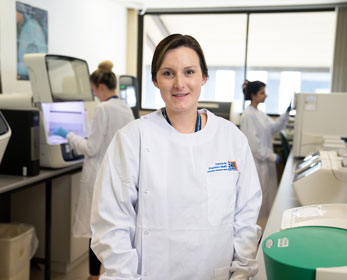
Rosa Taghikhah is a Lecturer in Business Analytics at the University of Sydney Business School, specializing in decision support systems for sustainability. With a PhD from UTS, she develops analytics-driven frameworks for socio-environmental challenges, including agri-food supply chains, disaster risk management, and renewable energy transitions. Her interdisciplinary work integrates AI, behavioral economics, and systems modeling. Research Focus: Decision technologies for climate resilience and decarbonization Causal inference in consumer behavior (e.g., organic products adoption) Digital twins for natural resource management Explainable AI in environmental contexts She supervises PhD students on projects like bushfire risk modeling and organizational knowledge transfer, and has led ARC-funded projects on farm resilience modeling. Taghikhah promotes Women in STEM and previously worked with Ernst & Young.
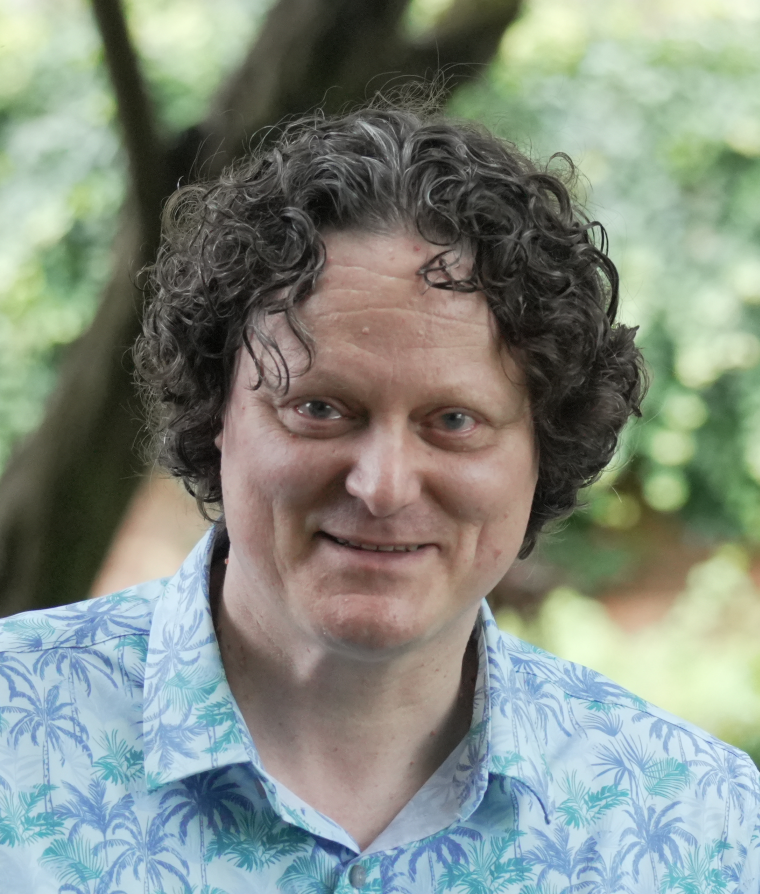
Jochen Renz is a Professor at the School of Computing within the ANU College of Systems & Society at the Australian National University. His research focuses on Artificial Intelligence, particularly in knowledge representation, spatial and physical reasoning, qualitative reasoning, and AI for games. He leads the Angry Birds AI Competition and related initiatives, exploring AI's adaptability in open-world environments. His work includes the SAIL-ON project funded by DARPA, which uses Angry Birds as a testbed for novel AI challenges. Education: Renz holds a Master’s (1996) and PhD (2000) in Computer Science from the University of Ulm and Albert-Ludwigs University Freiburg, Germany. He completed postdoctoral fellowships at institutions in Sweden, Austria, and Australia before joining ANU in 2003. From 2011–2020, he headed the ANU Artificial Intelligence Group. Research Interests: His work spans AI, spatial reasoning, computational complexity, and game-based AI challenges. He emphasizes physical reasoning systems, qualitative spatial representations, and benchmarking for open-world AI. Key projects include the Angry Birds AI Competition and the DARPA-funded SAIL-ON initiative. Awards: He was an ARC Future Fellow (2010–2014). Recent work explores explainable AI, reinforcement learning safety, and novel task generation in physics-based environments. Advising & Grants: Supervises student projects across all levels (undergrad to PhD) in AI, games, and reasoning. The SAIL-ON project (AUD 2.3M, 2019–2023) exemplifies his large-scale collaborative research efforts. Labs & Teams: Former head of the ANU AI Group (2011–2020). Current work integrates AI with physics simulations, emphasizing real-world applicability through game-based testing and open-world novelty research.
Dr. Shankar Dutt is a Researcher in the Department of Materials Physics at the Australian National University (ANU), within the Research School of Physics. His research focuses on developing novel composite nanopore membranes using track-etch technology and controlled breakdown techniques. He investigates applications in medical sensors, ultrafiltration, and lab-on-a-chip technologies, integrating 2D materials like graphene and ultra-thin film deposition. His work bridges materials science and biomedical engineering to advance nanoscale device fabrication and sensing capabilities. Key research interests include nanopore fabrication methodologies, ion track characterization in polymers and amorphous materials, and the integration of machine learning with nanopore-based biosensors. Dr. Dutt’s projects emphasize scalable, industrially applicable solutions, such as portable nanopore fabrication platforms and cost-effective data analysis frameworks. He collaborates on interdisciplinary initiatives like the MiniGrav project, exploring drone-deployable gravimeters for subsurface mapping, showcasing his broader impact in applied physics and engineering. His recent publications highlight advancements in nanopore-based biomarker detection, electrolyte-transport modeling, and SAXS-based material characterization. Despite no listed awards, his contributions to sensor technology and materials innovation reflect significant academic impact. Dr. Dutt is registered to supervise research students, contributing to the next generation of nanotechnology experts.
Dr. Julie Boston is a Researcher at Edith Cowan University's School of Education , serving as Director, Partnerships and Engagement . She leads high-impact initiatives like the Children’s University Western Australia Partnership (CUWAP) and the Partners in Literacy and Numeracy (PLaN) program, which focuses on pre-service teacher development through service learning. Doctor of Philosophy, Edith Cowan University, 2020 Graduate Diploma in Education (Secondary), Curtin University of Technology, 2003 Bachelor of Science, Murdoch University, 1989 Her research expertise spans gaming and immersive technologies for cross-disciplinary education, with transformative work in 21st-century pedagogy. She co-leads ECU’s Technology and Education Research Community and belongs to the Simulation and Immersive Technology Research Group (SIDTG). Her publications demonstrate consistent focus on: Immersive digital learning systems Nutrition education through game-based methods Military training applications of VR Health promotion via serious games STEM teacher development through industry collaboration Equity-focused educational technology Scientific awards include: 2024 INCITE Award for Government Innovation 2024 Indian Ocean Defence & Security Emerging Technology Award Multiple ECU Research Awards (2020-2024) 2009 Premiers Teacher of the Year (WA) She has secured over $2,500,000 in research grants from institutions like the Department of Health WA , Arthritis Foundation of WA , and Lotterywest , covering projects such as: IVADE (Virtual violence de-escalation training) ParaVerse (VR parachute training system) MIapp (Meningococcal disease education) Skeletal Central (Immersive bone health resources)
Dr. Chris Watling is a Senior Lecturer in Psychology at the University of Southern Queensland (UniSQ), affiliated with the School of Psychology and Wellbeing and the Centre for Health Research. His research focuses on sleep physiology, cognitive performance, and traffic safety, particularly examining the interplay between sleepiness, attention, and risky behaviors like impaired driving. He holds a PhD from Queensland University of Technology (QUT), with prior roles including Research Fellow at QUT and Visiting Associate at Stockholm University. Education: BBehSc (QUT, 2008), PGDipPsych (QUT, 2009), MAppSc (QUT, 2012), PhD (QUT, 2016). His work bridges psychological theory with applied safety research, addressing issues like railway crossing hazards, drowsiness detection systems, and the impact of lucid dreaming on cognitive function. Research interests include psychophysiological monitoring, driver behavior under fatigue, and interventions to reduce traffic risks. Key themes in his work involve sleep health, neuropsychological correlates of attention, and the design of safety systems using wearable technology. He has contributed to international conferences on traffic psychology and railway safety, with publications spanning journals like Accident Analysis and Prevention and Journal of Sports Sciences . Recent articles highlight innovations in multimodal drowsiness detection systems and the role of lucid dreaming in adolescent mental well-being. His awards include editorial and committee roles in transportation psychology. Supervision focuses on topics like paramedic preparedness, ADHD sleep interventions, and virtual reality stress analysis. He collaborates with institutions like Queensland University of Technology and Stockholm University, and his research has practical applications in improving railway safety infrastructure, driver training, and public health strategies for sleep disorders.
Ruth Blackham is a Clinical Senior Lecturer at The University of Western Australia Medical School and a Surgical Simulation Fellow at CTEC. Her work focuses on surgical education, bariatric surgery, and medical curriculum development. Affiliations: UWA Medical School, MD Education Unit, CTEC (Surgical Simulation Fellow) Key Research: Laparoscopic skills training, proficiency-based progression, obesity surgery complications, fertility outcomes post-bariatric surgery Her research in surgical simulation addresses critical gaps in training and revalidation systems. She has developed international curricula for laparoscopic sleeve gastrectomy, emphasizing standardized assessment frameworks. The 15 most recent publications span surgical education innovations, bariatric procedure validation, and obesity-related clinical outcomes, with keyword clusters in Surgery , Medical Education , and Obesity Medicine .
Nicolene Lottering is an Associate Dean for Learning & Teaching at the Faculty of Health Sciences & Medicine, Bond University, Australia. As a researcher and educator, she bridges forensic anthropology with innovative pedagogical approaches in medical education. Role: Associate Dean - Learning & Teaching Institution: Bond University, Faculty of Health Sciences & Medicine Research Interests: Forensic Anthropology: Specializes in age estimation using computed tomography (CT) scans, focusing on bone formation and ossification standards in subadults. Medical Education: Explores gamification and digital tools to enhance learner engagement and clinical skills training. Wellbeing in Academia: Investigates strategies to mitigate burnout through self-care frameworks. Publication Trends: Her work spans forensic age assessment (knee ossification, cranial sutures, pubic symphysis) and educational innovation (gamification, formative assessments), with a strong emphasis on CT-based modeling and student-centered learning.
Dr Pauline Zaenker is a Lecturer and Vice-Chancellor's Research Fellow at Edith Cowan University (ECU), School of Medical and Health Sciences. She also serves as Deputy Cancer Program Lead at ECU's Centre for Precision Health. Her research focuses on identifying blood-based biomarkers, particularly tumor-associated autoantibodies, for early melanoma diagnosis and treatment monitoring. She holds professional affiliations with the Autoimmunity Network and Huntington’s Disease Youth Organization. Education: PhD (2018), MSc (2014), BSc (2011), all from ECU. Awards include recognition as a WA Rising Star (2019) and ECU’s Public Engagement Award (2018). Research interests span autoantibody biomarkers , immunotherapy response , and neurodegenerative biomarkers . Her recent work explores deep learning in histopathology analysis and neurofilament light in Huntington’s disease. She leads major grants totaling over $1.5M, including the Western Australia Melanoma Initiative (2024–2029). She has supervised multiple graduate students and collaborates internationally in biomarker validation. Key labs/teams: Melanoma Research Group (ECU) and Centre for Precision Health. Current projects include liquid biopsy innovations and immune-related adverse event biomarkers.
Professor Sue Gregory serves as the Head of School for the School of Education at the University of New England. She oversees strategic initiatives, resource allocation, and external partnerships, including accreditation bodies and industry collaborators. Previously, she held roles such as Chair of Research and Higher Degree Research Course Coordinator, and is a Senior Fellow of the Higher Education Academy. Her research focuses on virtual worlds, eLearning, and ICT integration in education. She has secured over $6 million in grants, led 19 projects, and authored over 200 publications, including five edited books on virtual education. Key awards include an OLT Citation, ATEA Award, and ACE Award. Education: BA Graduate Diploma in Education (Infants/Primary) MEd in Computer Education PhD Senior Fellowship of the Higher Education Academy Research Interests: Virtual education, online learning, mobile learning, and the application of virtual worlds in teaching. Her work emphasizes innovative pedagogical strategies and digital tool integration. Awards: OLT Citation ATEA Award ACE Award Senior Fellowship of the Higher Education Academy Labs/Teams: Leader of the eLearning, ePedagogy, and Innovations Research Network Group. Active in ASCILITE as a Life Member and Executive Committee member since 2012, contributing to conferences and leadership programs.
Leanne Hallowell is a Lecturer in Early Childhood Education at the School of Education, Faculty of Education and Arts, Australian Catholic University. Her research focuses on therapeutic play, child healthcare, and sociocultural influences on child development. Research Areas: Therapeutic play in hospitals, MRI preparation for children, rural family engagement, and food intolerance perceptions. Key Contributions: Developed community playgroup models, analyzed coping mechanisms in pediatric healthcare, and pioneered non-sedation MRI techniques. Her work spans interdisciplinary collaborations with nursing, radiology, and rural community initiatives. While no scientific awards are listed, her publications highlight practical impacts in early childhood education and healthcare.
Gylo Hercelinskyj serves as an Honorary Fellow within the School of Nursing, Midwifery and Paramedicine at the Faculty of Health Sciences, focusing on advancing mental health nursing practice and education through rigorous research and pedagogical innovation. Her institutional affiliation demonstrates deep integration within nursing academia despite the honorary nature of her position. Her research portfolio centers on critical challenges in contemporary nursing: Mental health nursing education and clinical placement dynamics Emotional labor and burnout prevention strategies Professional identity formation among mental health nurses Culturally competent end-of-life care delivery Student motivation and competency development Simulation-based skill translation to practice Analysis of her 2007-2021 publications reveals persistent investigation into interpersonal dynamics within clinical settings, particularly examining how registered nurses and students build effective relationships during placements. Her work consistently bridges theoretical frameworks with practical applications, emphasizing emotional intelligence in mental health contexts and developing innovative teaching methods for culturally sensitive care. The longitudinal scope demonstrates evolving methodological sophistication from early simulation studies to recent phenomenological and systematic review approaches. No scientific awards or formal advising relationships were documented in the source material. Similarly, grant funding details and laboratory/team affiliations remain unspecified, though her collaborative publication pattern suggests active engagement with nursing research networks across Australia and internationally.
Adam Scott Burston is an Associate Professor at the School of Nursing, Midwifery and Paramedicine, Faculty of Health Sciences, Australian Catholic University. His research focuses on international nurse migration, specialty skill utilization in healthcare systems, surgical care outcomes, and clinical education innovation. He has collaborated extensively with researchers like Chanchal Kurup, Vasiliki Betihavas, and Elisabeth Jacob on studies addressing nurse-surgeon roles, surgical site infection management, and cross-cultural nursing practice. Key areas of investigation include: Barriers to utilizing internationally qualified nurses' specialty skills in Australia Systematic reviews on surgical site infection prevention and nurse-surgeon contributions Educational strategies for clinical decision-making in nursing students Recent work highlights nurse-surgeon roles in global surgical capacity building and the psychometric validation of clinical assessment tools like the Braden Scale. His research employs mixed-methods approaches, including meta-synthesis and cross-sectional surveys, to address critical gaps in healthcare workforce policy and clinical practice. He has supervised PhD candidate Chanchal Kurup and contributed to over 20 peer-reviewed articles since 2016. Research outputs emphasize evidence-based solutions for healthcare challenges in both clinical and educational settings.
Taryn Axelsen is a Lecturer in Statistics within the School of Mathematics, Physics and Computing at the University of Southern Queensland. She holds a BSc and BSc(Hons) from USQ and has taught statistics courses for nearly 20 years. She maintains strong school connections as Deputy Chair of ATAR committees. Her research focuses on statistics pedagogy, mathematics enrichment programs, and reducing statistical anxiety among students. She received the UniSQ Excellence Award for University Teaching (2022) for developing a competencies-based framework in introductory statistics. Research outputs span statistics education innovations, sports science applications of statistics, and mathematical modeling in teacher development. Recent publications examine visualization of learning progression in statistics courses and mental health assessments in international contexts. As a statistical consultant for over 10 years, she supports HDR students university-wide. She leads initiatives integrating technology in statistics education and develops outreach programs connecting academics with secondary teachers.
Erich Fein is an Associate Professor in the School of Psychology and Wellbeing at the University of Southern Queensland. His research focuses on organizational behavior, workplace well-being, mental health, leadership dynamics, and employee-organization relationships. He is affiliated with the Centre for Health Research and has contributed to over 80 publications since 2001. Fein holds a MA (2001) and PhD (2005) in Psychology from The Ohio State University. His work spans academic leadership roles and collaborative research projects, including studies on paramedicine students’ stress responses, climate change impacts on aviation safety, and mental health literacy programs for educators. He has supervised over 20 doctoral and master’s students on topics ranging from paramedicine training to organizational justice and chemsex contexts among GBMSM populations. His research interests include: organizational change management, employee well-being interventions, leadership ethics, and the intersection of work-life balance with professional identity construction. Recent work explores stress in high-acuity clinical simulations and the application of virtue ethics in leadership development. Fein’s publications address challenges like workplace injustice in nursing, counterproductive work behaviors, and cultural influences on leadership perceptions. He co-authored Statistics for Research Students (2022), an open-access resource for researchers.
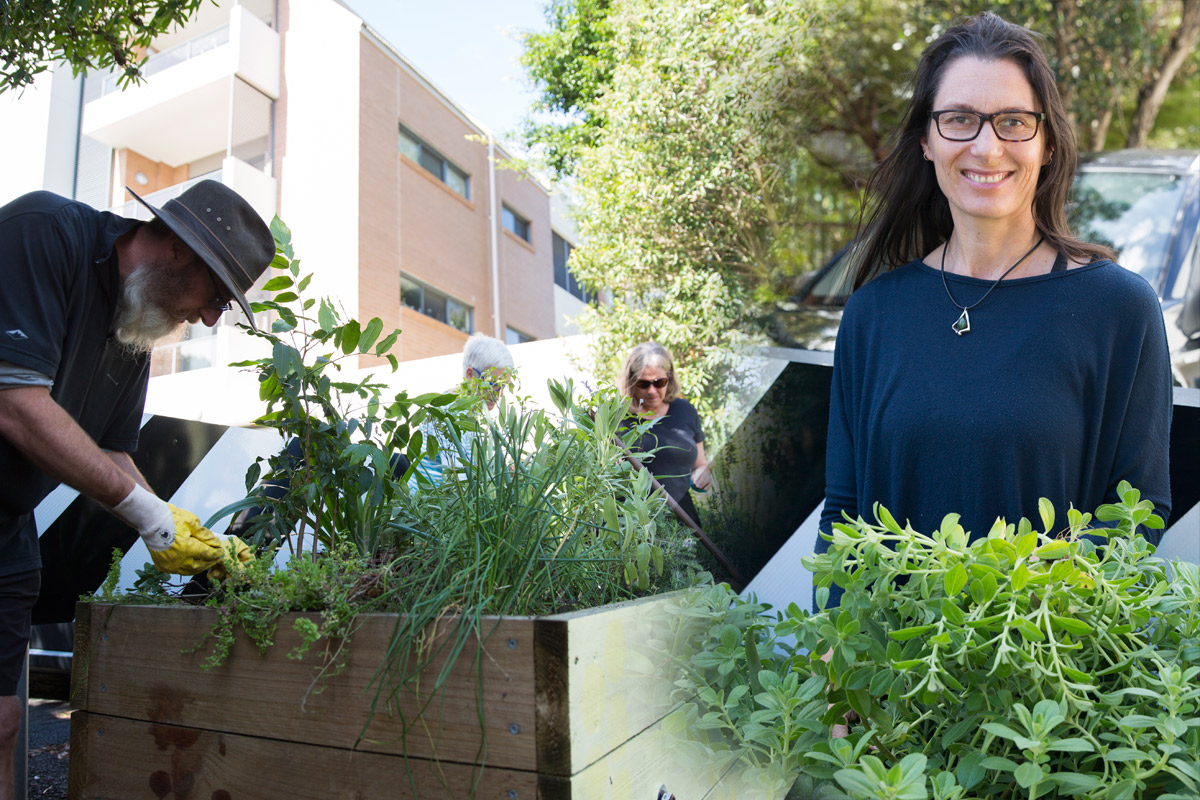
Dr. Bonnie McBain is an Associate Professor in the School of Environmental and Life Sciences at the University of Newcastle. Her work bridges Sustainability Science, Environmental Policy, and Transdisciplinary Education. She holds a PhD from the University of Tasmania and has expertise in Ecological Footprint modeling, climate change adaptation, and complex systems analysis. Education: PhD, University of Tasmania Bachelor of Applied Science (Environmental Science), Charles Sturt University Bachelor of Applied Science (Environment Sc)(Hons), Charles Sturt University Research Interests: Bonnie’s research focuses on sustainability transitions, policy development for ecological resilience, and renewable energy feasibility. She emphasizes systems thinking to address interconnected environmental, social, and economic challenges. Key areas include: Ecological Footprint modeling for policy Complex systems analysis Climate change mitigation strategies Participatory decision-making frameworks Teaching & Awards: Award-winning educator, Bonnie coordinates courses like 'Unraveling Complexity' and 'Professional Science Thinking.' Her teaching emphasizes student-led learning and communication skills. Notable awards include: 2025 Australian Award for University Teaching 2016 Australian Award for University Teaching Citation 2015 Vice-Chancellor’s Sessional Teaching Excellence Award Grants & Projects: Recipient of ARC funding for ecological footprint research and collaborations on renewable energy feasibility. Recent projects include: Modelling future ecological footprints to inform Australian policy Feasibility of 100% renewable energy sectors Indigenous water knowledge integration in coastal management Labs & Teams: Active in transdisciplinary teams addressing climate policy, sustainability education, and community engagement initiatives.