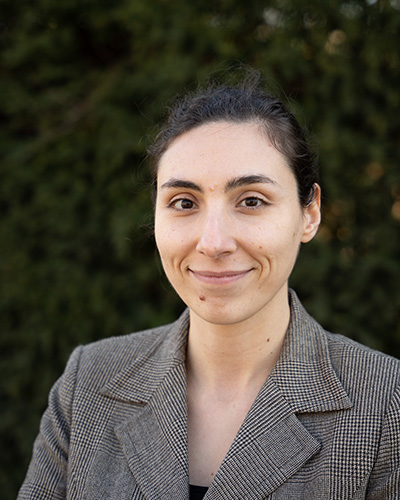
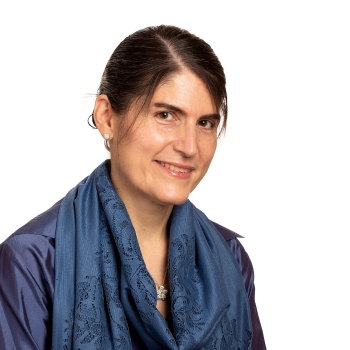
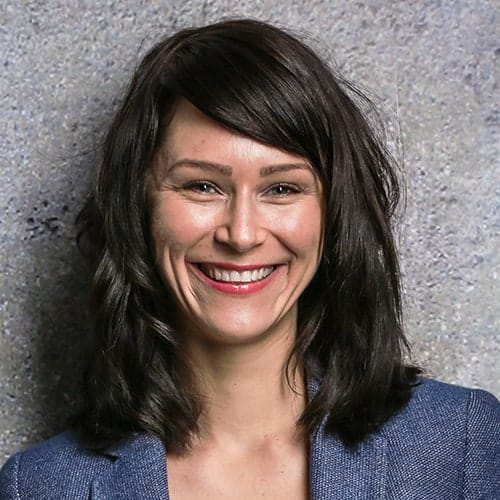
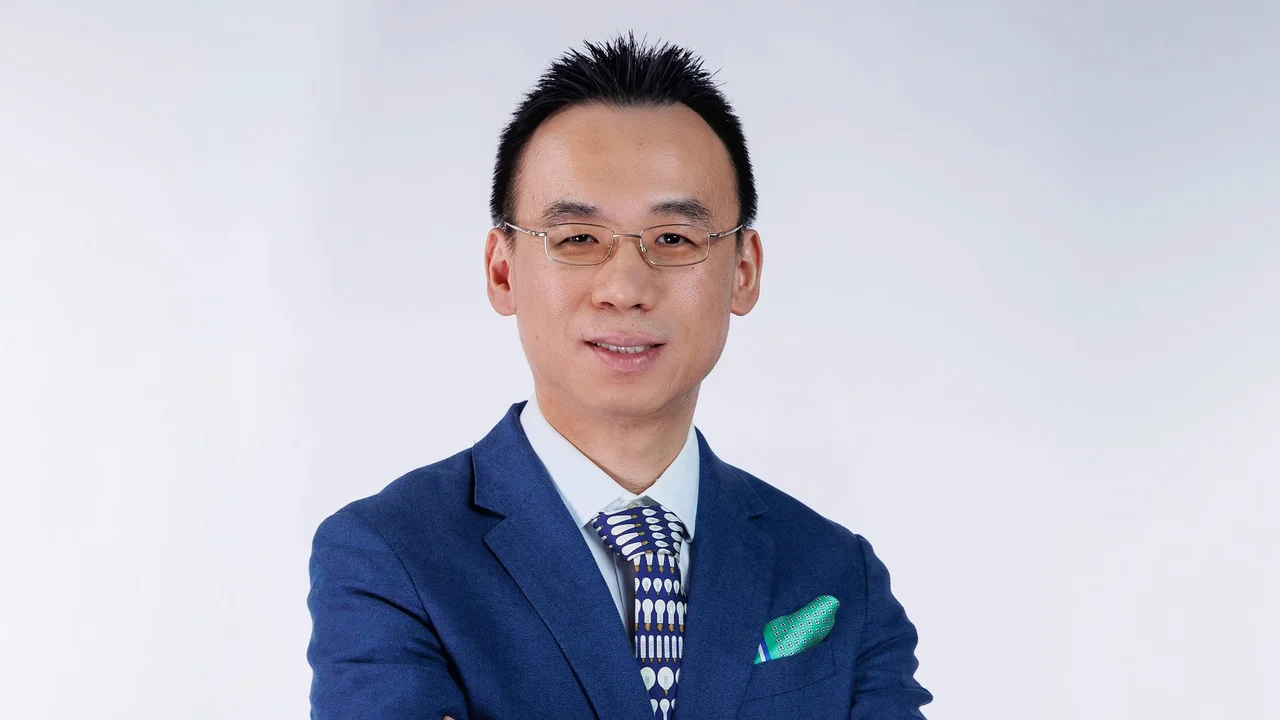
Mariya Toneva is a tenure-track faculty member at the Max Planck Institute for Software Systems , conducting groundbreaking research at the intersection of Machine Learning , Natural Language Processing , and Neuroscience . She leads the Bridging AI and Neuroscience (BrAIN) group , focusing on computational models that align AI systems with human brain processes. Her work aims to enhance both AI capabilities and neuroscience understanding through this cross-disciplinary approach. Actively recruiting postdocs, PhDs, and research interns in areas like code/text representation, brain-AI alignment, and neuroimaging data analysis Collaborator on NIH-funded projects using fMRI and neuropixel data Research Themes : Her group explores neural mechanisms of language processing, event segmentation in narratives, memory reactivation via music, and effective human-AI collaboration frameworks. Key methods include LLM analysis, cross-modal similarity metrics, and naturalistic task-based fMRI studies. Key Publications (2024-2025): Brain-tuned speech models (INTERSPEECH 2025) Cognitive event boundaries in LLMs (Behavioral Research Methods 2025) Music-induced memory reactivation (biorxiv 2024) LLM-brain alignment reasons (EMNLP 2024) Advising : Mentors PhD candidates Omer Moussa (speech processing), Camila Kolling (representational similarity), and Gabriele Merlin (LLM alignment). Collaborates with institutions like MIT, NYU, and ETH Zurich.
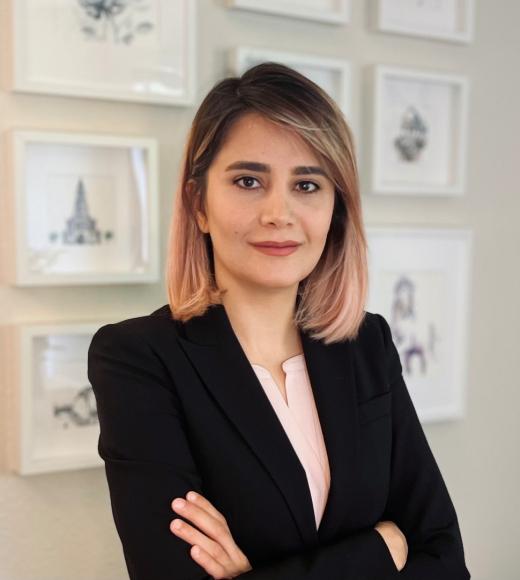
Shima Nazari is an Assistant Professor in the Department of Mechanical and Aerospace Engineering at the University of California, Davis. Her research focuses on dynamics and control with applications to transportation systems, energy systems, and electrified/automated vehicles. She leads the CORE Lab, exploring advancements in hybrid powertrains, autonomous vehicle control, and energy-efficient systems. Education: Ph.D., Mechanical Engineering, University of Michigan (2019) M.S., Electrical Engineering, University of Michigan (2016) M.S., Mechanical Engineering, Sharif University of Technology, Iran (2012) B.S., Mechanical Engineering, Sharif University of Technology, Iran (2009) Her research interests span dynamics and control theory applied to hybrid electric vehicles, powertrain optimization, and autonomous systems. She has contributed to advancements in energy-efficient vehicle designs, regenerative braking, and control strategies for electrified powertrains. Her work often bridges mechanical and electrical engineering disciplines to address real-world challenges in transportation and energy. Recent research trends in her articles emphasize data-driven control methods, hybridization strategies for autonomous systems, and thermal management of energy storage solutions. These studies reflect her commitment to interdisciplinary innovation. Although no scientific awards are explicitly mentioned, her contributions to the field are evident through her active research and publications. She advises students in her lab and collaborates on grants focused on sustainable mobility solutions. Dr. Nazari is affiliated with the UC Davis College of Engineering and actively contributes to graduate programs in Dynamics, Controls, Vehicles, and Robotics. The CORE Lab serves as a hub for experimental and computational research in her areas of expertise.
Børge Rokseth is an Associate Professor at the Department of Engineering Cybernetics, Norwegian University of Science and Technology (NTNU). His work focuses on maritime systems, autonomous vessel control, and safety verification. He actively supervises Master's students and contributes to research on risk-informed control systems, hybrid power systems, and systems-theoretic process analysis (STPA). Research Interests: Rokseth's research spans autonomous ship systems, dynamic risk assessment, and safety verification. He explores risk-based decision-making for maritime autonomy, hazard identification in hybrid propulsion systems, and control function allocation in dynamic positioning. His work integrates systems theory, machine learning, and regulatory compliance (e.g., COLREGS) to enhance safety and environmental performance in marine operations. Publications: His recent work includes probabilistic trajectory prediction frameworks for autonomous ships, STPA-based safety analyses, and studies on decarbonization barriers in the maritime industry. These publications emphasize risk modeling, systems-theoretic approaches, and simulation-based verification. Teaching: Rokseth teaches courses such as TTK4130 - Modelling and Simulation, contributing to the education of future engineers and researchers in cybernetics and maritime systems.
Kimberly B. Rogers is an Associate Professor of Sociology at Dartmouth College , where she has been employed since 2015. She is affiliated with the Quantitative Social Science Program and the Neukom Institute for Computational Science . Her research focuses on how inequalities are produced, maintained, and resisted through behavior and emotion dynamics in social interactions , with particular attention to status and power hierarchies , occupational inequality , and mental health outcomes . She teaches courses such as Introductory Sociology , Research Methods , and Status and Power in Social Interaction , integrating computational tools into her pedagogy. PhD in Sociology, Duke University (2013) MA in Sociology, Duke University (2008) MA in Psychology, Wake Forest University (2005) BA in Psychology, Randolph-Macon Woman's College (2003) Rogers' research spans three key areas: cultural consensus in identity sentiments , behavioral/emotional responses to inequality , and computational modeling of social processes . Her work reveals how micro-social mechanisms perpetuate or disrupt status hierarchies across contexts like occupational roles , racialized interactions , and digital collaboration . Recent publications examine technological co-diffusion , pandemic-induced identity shifts , and gendered occupational perceptions . Her scholarly output follows trends in computational social science and cross-cultural emotion analysis . She employs Bayesian affect control theory to model dynamic identity processes and uncertainty in interactions , while her 2025 work on violence against women demonstrates applications of general strain theory to contemporary social issues. Senior Faculty Grant (2023-24) , Dartmouth College Wilson Fellowship (2021-22) , Dartmouth College Outstanding Article Award (2017) , American Sociological Association Seed Funding Grant (2016-17) , Dartmouth Provost Doctoral Dissertation Grant (2010-11) , National Science Foundation Rogers has received multiple grants for collaborative projects like THEMIS.COG , examining identity and sentiment modeling in groups . She mentors students through engaged scholarship and social impact practicums , though specific advisees aren't listed. Her 2019-2020 involvement with Campus Compact and 2016 DCSI teaching grant highlight her commitment to community-engaged pedagogy .
Suzanne Estaphan is a Senior Lecturer in Medical Science (Physiology and Clinical Pharmacology) at the Australian National University (ANU) School of Medicine and Psychology . She holds qualifications including a Doctorate of Physiology (2015) , MSc in Physiology (2012) , MBBCh (2005) , and Basic Certificate in Medical Education (2018) . Her academic roles span curriculum development, admissions, and assessment committees in the ANU Medical School. Senior Lecturer, ANU (2023–present) Academic Editor, PLOS ONE (2024–present) Review Editor, Frontiers in Physiology (2023–present) Dr. Estaphan's research bridges oxidative stress and inflammation in disease pathology with medical education innovation . Her work explores antioxidant interventions for organ damage and investigates AI/virtual reality applications in education. Recent projects include studying sleep dysfunction in eating disorders and diabetes medication effects on exercise capacity . Between 2023–2025, her 15 most recent publications span oxidative stress , medical education , and molecular pathophysiology . Themes include homeostasis , clinical reasoning , and metabolic disorders , with subfields like MMP-9 biology , pancreatic injury , and VR-based hypoxia training . Scientific accolades include the American Physiological Society Travel Award (2017) and recognition as Senior Fellow of the Higher Education Academy (2023) . She mentors medical students, contributes to national physiology curriculum consensus projects, and has secured approximately $200,000 in research funding .
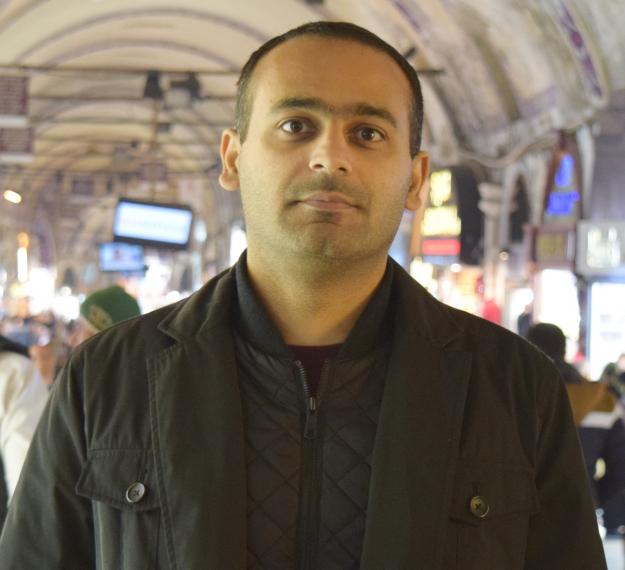
Hassan Khan is an Associate Professor at the University of Guelph's School of Computer Science, with research spanning security, systems, and human-computer interaction (HCI). He is a member of the Centre for Advancing Responsible and Ethical Artificial Intelligence (CARE-AI). Research Interests: His work focuses on improving AI-driven mobile security systems through human-in-the-loop evaluations, addressing vulnerabilities in continuous authentication, shoulder surfing, and privacy in enterprise/repair settings. He explores how users interact with security mechanisms and designs interfaces to enhance usability. Scientific Recognition: He has received the NSERC Early Career Researcher Award and a NSERC Discovery Grant, with media coverage in outlets like Time Magazine, The Globe and Mail, and New Scientist. Teaching: Khan teaches courses such as Computer Security Foundations and Advanced Penetration Testing, emphasizing practical cybersecurity and AI systems architecture.
M. Laura Beninati is an Associate Professor of Mechanical Engineering at Bucknell University. She holds dual B.S. degrees in Architectural and Civil Engineering from Drexel University (1994), M.S. in Civil and Mechanical Engineering from Drexel (1997), and a Ph.D. in Mechanical Engineering from the University of Iowa (2004). Her research focuses on environmental fluid mechanics, sediment transport, turbulence dynamics, and experimental fluid mechanics instrumentation. She teaches courses in fluid mechanics, thermodynamics, and engineering experimentation. Awards: Lindback Grant (2007), Swanson Research Fellow (2005-2007), Amelia Earhart Scholarship (2002-2003) Her experimental studies emphasize vortex dynamics and turbulence interactions in fluid flows, with applications to environmental and aerospace engineering. Research methodologies include advanced fluid dynamics instrumentation and computational modeling.
Slava Jankin is a Professor of Data Science and Government at the University of Birmingham’s School of Government, where he also serves as Deputy Director of the Institute for Data and AI and Founding Director of the Centre for Artificial Intelligence in Government. He is concurrently a Fellow and Founding Director of the Data Science Lab at the Hertie School in Berlin. Previously, he held a Professorship at the University of Essex and has worked at University College London (UCL) and the London School of Economics (LSE). His research bridges computational methods, governance, and climate policy, with a focus on AI applications in public institutions, climate-health surveillance, and misinformation resilience. Jankin earned a PhD in Political Science from Trinity College Dublin (2009), a Postgraduate Diploma in Statistics (2006), and a BSc from Belarus State Economic University (2002). **Education**: • PhD in Political Science, Trinity College Dublin (2009) • Postgraduate Diploma in Statistics, Trinity College Dublin (2006) • BSc Econ with Distinction, Belarus State Economic University (2002) **Research Interests**: Jankin’s work integrates AI and computational methods with governance challenges, including climate policy, health surveillance, and institutional effectiveness. He leads initiatives like the Lancet Countdown’s climate-health monitoring and the CATALYSE project on climate impacts. His research also explores digital twins for governance systems and the role of cultural diversity in societal resilience against misinformation. **Grants & Collaborations**: He advises the UN and EU on AI and data science, co-leads the Lancet Countdown, and collaborates with institutions like the Alan Turing Institute. His applied work includes developing AI tools for public service optimization and policy simulations. **Labs & Teams**: Directs the Centre for AI in Government (University of Birmingham) and the Hertie School’s Data Science Lab, fostering interdisciplinary teams to advance computational methods in public policy.
Claudia Wagner is a full professor for Applied Computational Social Sciences at RWTH Aachen University and the Scientific Director of the Computational Social Science department at GESIS—Leibniz Institute for the Social Sciences. She is also an External Faculty member at the Complexity Science Hub Vienna. Her work bridges computer science and the social sciences to study algorithmic systems and their societal impacts. Her research focuses on socio-technical phenomena such as inequality, sexism, and perception bias in algorithmically infused societies. She investigates methodological challenges in using digital behavioral data to study human behavior, attitudes, and group dynamics. Her interests span computational social science, algorithmic fairness, network science, and AI ethics. The analysis of her recent publications reveals a strong emphasis on bias, fairness, and methodological rigor in digital data analysis. Her work spans AI psychometrics, gender inequality in online platforms, and validation frameworks for digital traces. She frequently publishes in top-tier venues such as Nature , Science , and AAAI conferences. DOC-fFORTE fellowship from the Austrian Academy of Sciences Four best paper awards at international conferences (ICWSM, CSCW, WWW, AAAI) Associate Editor, EPJ Data Science Steering Committee Member, International AAAI Conference on Web and Social Media Board Member, International Society for Computational Social Science Claudia Wagner has led and co-led substantial research projects funded by national and international agencies. She mentors a diverse group of PhD students working on topics like algorithmic bias, data quality, and dehumanization. She has organized training events such as the CSS Methods Summer School and delivered keynotes globally on inequality and computational social science. She leads the Computational Social Science department at GESIS and collaborates with interdisciplinary teams at RWTH Aachen and the Complexity Science Hub. Her group develops tools for measuring algorithmic impacts and visualizing disparities in socio-technical systems, such as the 'Planets of Disparity' dashboard.
David Chalmers is a University Professor of Philosophy and Neural Science at New York University and co-director of the Center for Mind, Brain, and Consciousness. He is also an Honorary Professor of Philosophy at the Australian National University and co-director of the PhilPapers Foundation. His work bridges philosophy, cognitive science, and emerging technologies. Research Interests: Chalmers is best known for his work on the 'hard problem of consciousness'—the challenge of explaining subjective experience. His research spans philosophy of mind, metaphysics, epistemology, philosophy of language, and the foundations of physics and AI. He actively explores the implications of virtual reality, simulation theory, and large language models for philosophy and consciousness studies. Recent Research Trends: His recent publications focus on AI consciousness, the ethical treatment of AI systems, the simulation hypothesis, and the nature of thought in language models. These works reflect a growing engagement with artificial intelligence and digital metaphysics, positioning philosophy at the forefront of technological inquiry. Scientific Awards: While no specific awards are listed in the provided text, Chalmers is widely recognized as one of the most influential contemporary philosophers, particularly in philosophy of mind. Advising and Grants: He mentors students and postdocs, though specific names are not listed. His leadership in the Center for Mind, Brain, and Consciousness and the PhilPapers Foundation suggests active grant-funded research and academic collaboration. Labs and Teams: He co-directs the Center for Mind, Brain, and Consciousness at NYU and the PhilPapers Foundation , both of which support research, publications, and global philosophical discourse in philosophy of mind and related fields.
Anne-Sophie Noel is a Lecturer in Greek language and literature at École Normale Supérieure de Lyon since 2018, with a focus on Greek theatre , cognitive approaches to tragedy , and material culture . She serves as a Junior member of the Institut Universitaire de France (2023–2028) and holds leadership roles in the InSpectA and KINSPECTA research projects. Research Themes : Materiality in Greek drama (tragic objects, prosthetics, textiles) Cognitive science intersections (audience empathy, kinesthetic resonance) Postcolonial and ecocritical readings of classical texts Academic Leadership : Co-head of Master in Ancient Worlds (2023–2024) Coordinator of sub-axis B3: 'Reception of past cultures' (2021–2025) Member of HiSoMA Laboratory Council and Scientific Council Her scientific awards include: Institut Universitaire de France (IUF) Junior membership (2023–2028) Eighth section of the CNU: Elected member (substitute) (2024–2028) Notable research collaborations include: Theatre practice and interpersonal synchronization (2024, Frontiers in Human Neuroscience) Co-edited special issues on ancient object life (2024, Cahiers du Théâtre Antique) Contributions to cognitive studies in Greek tragedy (OUP, Routledge)
Xiaohang Li is an Associate Professor in the Department of Electrical and Computer Engineering at the King Abdullah University of Science and Technology (KAUST) , where he serves as Principal Investigator of the Advanced Semiconductor Laboratory (ASL) . He holds a Ph.D. (2015), M.S. (2011), and B.S. (2008) in Electrical Engineering and Applied Physics from Georgia Institute of Technology, Lehigh University, and Huazhong University of Science and Technology, respectively. Research Focus: Professor Li specializes in (ultra)wide bandgap semiconductors (III-nitrides, III-oxides) for next-generation devices, including LEDs, lasers, transistors, and sensors. His work spans materials growth, simulation, fabrication, and characterization, targeting applications in energy, communications, and biomedical industries. Key Trends in Publications: Recent articles highlight advancements in InGaN micro-LED fabrication, β-Ga2O3 flexible transistors, AlN MOSFETs, and machine learning-optimized plasmonic structures. Themes include wide bandgap materials , 3D integration , thermal management , and flexible electronics . Scientific Awards: Harold M. Manasevit Young Investigator Award (2018) IEEE North Jersey Section ED/CAS MTT/AP Chapters Award (2019) Georgia Tech representative, Global Young Scientist Summit (2015) IEEE Photonics Society Graduate Student Fellowship (2014) D. J. Lovell Scholarship (2013) Mentorship: Since joining KAUST, Li has advised over 100 students and leads the ASL team in pioneering semiconductor research. His group focuses on fundamental and applied studies of wide bandgap materials to drive innovations in energy and health sectors.
Simon Crouch is a Senior Research Fellow in Biostatistics at the University of York's Health Sciences department. With a strong mathematical background from Cambridge and Warwick, he leads the analytics team within the Epidemiology and Cancer Statistics Group and works closely with the Haematological Malignancy Research Network (HMRN) and Cardiovascular Health team. His work focuses on statistical modeling of complex epidemiological data related to hematological malignancies. University of Cambridge: MA, MMath in Mathematics University of Warwick: PhD in Mathematics University of Lancaster: MSc in Medical Statistics Dr. Crouch specializes in the statistical modeling of complex epidemiological data, with particular focus on hematological malignancies. His research encompasses predictive modeling, event history analysis, and machine learning applications in cancer epidemiology. He has made significant contributions to understanding myelodysplastic syndromes, lymphoma classification, and survival analysis in blood cancers through population-based studies. His work often involves collaboration with international registries including the European Myelodysplastic Syndromes Registry (EUMDS) and the Haematological Malignancy Research Network. Analysis of his recent publications reveals a strong focus on myelodysplastic syndromes (MDS), with particular attention to risk stratification, survival analysis, and treatment outcomes. His work increasingly incorporates genomic and molecular data to refine disease classification and prediction models. The trend shows progression from purely statistical methodology development toward integrated translational research that combines clinical, genomic, and epidemiological data to improve patient outcomes. Extensive publication record with 113 research outputs including 66 articles, 21 patents, and numerous meeting abstracts Active participation in major international research consortia including MDS-RIGHT and ImmunAID Significant contributions to the development of statistical methodologies for cancer epidemiology Dr. Crouch actively supervises PhD students in mathematical and statistical modeling applied to cancer epidemiology, with particular interest in time-to-event models, complex longitudinal models, and simulation techniques. His research has been supported through multiple projects, including the European Myelodysplastic Syndromes Registry and the MDS-RIGHT project focused on facilitating informed decision-making in hemato-oncology. He contributes to the Advanced Health and Social Statistics module for postgraduate students at the University of York.
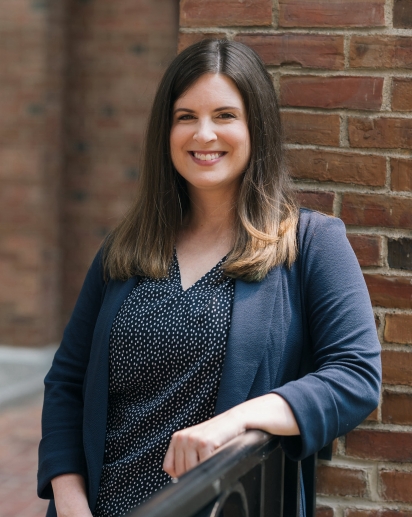
Ingrid L. Nelson is an Associate Professor at the University of Vermont in the Department of Geography and Geosciences . She specializes in feminist political ecology , digital geographies , and critical development studies , focusing on how digital technologies mediate environmental expertise and sustainability projects. Current research group: Feminist Digital Natures Past projects: Campus Green and Gold (Vermont campus sustainability, 2014-2020) Key fieldwork: Miombo woodlands (Mozambique) Her teaching explores environmental justice , gender-space relations , and critical digital analysis through courses like Gender, Space and Environment and Natures, Places and the Politics of Truth . She emphasizes collaborative learning, autoethnography, and digital methods. Research interests include more-than-human politics , embodied environmental subjectivity , and critical decolonial theory applied across diverse sites: Vietnamese hostess bars, Newfoundland science labs, and Vermont campuses.
Dr. Ed E. Moret is an Associate Professor of Computational Medicinal Chemistry at Utrecht University, where he serves as Managing Director of the Utrecht Institute for Pharmaceutical Sciences. He is a member of the Departmental Executive Board and Chair of the Board of Examiners of the School of Pharmacy. His academic career spans over three decades with significant contributions to pharmaceutical sciences. Utrecht University, Utrecht Institute for Pharmaceutical Sciences School of Pharmacy, Department of Chemical Biology and Drug Discovery Managing Director since January 2010 Dr. Moret's educational background includes completing Gymnasium-b at Gymnasium Camphusianum in Gorinchem in 1979, followed by pharmacy studies at Utrecht University until 1988. He earned his PhD in 1993 with research on calculations and simulations of DNA-alkylating cytostatics under supervision of Prof. L.H.M. Janssen and Prof. J.P.A.E. Tollenaere. He also conducted postdoctoral research at the Scripps Research Institute with Prof. A.J. Olson. His primary research interests focus on molecular recognition, particularly in auto-immune diseases, with expertise spanning computational medicinal chemistry, computer-aided drug discovery, cheminformatics, and bioinformatics. Dr. Moret's work bridges the gap between theoretical calculations and experimental validation in drug design. His research portfolio demonstrates a consistent trajectory from fundamental molecular interactions to applied drug discovery, with particular emphasis on enzyme inhibitors, carbohydrate-protein interactions, and molecular recognition processes. Analysis of his publication record reveals a strong focus on structure-based drug design, with significant contributions to the development of inhibitors for enzymes like β-glucocerebrosidase, NNMT, and neuraminidase. His work spans multiple therapeutic areas including lysosomal storage disorders, cancer metabolism, and infectious diseases. The interdisciplinary nature of his research is evident in the integration of computational approaches with experimental validation across biochemistry, pharmacology, and medicinal chemistry. Teacher of the Year (awarded three times by Pharmacy students) Member of editorial boards for Medicines and Conceptuur journals Secretary of Board of FIGON (2016) Secretary of Raad voor de Farmaceutische Wetenschappen (2024) Member of Board of Stichting Farmaceutische Erfgoed (2024) Dr. Moret has been actively involved in educational innovation, developing and coordinating the master's programme Drug Innovation, the profile Drug Regulatory Sciences, and the Honours programme Pharmaceutical Sciences. He has taught courses for pharmacy, chemistry, UCU and medical sciences students, as well as PhD courses in bioinformatics and computer-aided drug discovery. His educational contributions include developing an inquiry-based elective course on drug discovery, for which he published educational research. He holds BKO and SKO teaching qualifications and participated in the Centre of Excellence in University Teaching program. As Managing Director of the Utrecht Institute for Pharmaceutical Sciences, Dr. Moret leads research initiatives across chemical biology, drug discovery, and pharmaceutical sciences. His leadership extends to multiple advisory and editorial roles within the pharmaceutical research community, reflecting his significant contributions to both academic and professional spheres of pharmaceutical sciences.